15 Times a Company Created Fake Controversy to Sell Something
In the crowded marketplace of modern commerce, capturing consumer attention has become increasingly challenging. Traditional advertising often fades into background noise, leading some companies to explore more provocative marketing strategies.
Manufacturing controversy—creating the appearance of public outrage, political division, or social debate around a product or campaign—has emerged as a particularly effective tactic for generating media coverage and social media buzz without the expense of traditional advertising. Here is a list of 15 notable instances where companies deliberately engineered controversy as a marketing strategy, successfully transforming manufactured outrage into substantial sales and brand awareness.
Protein World’s Beach Body Campaign
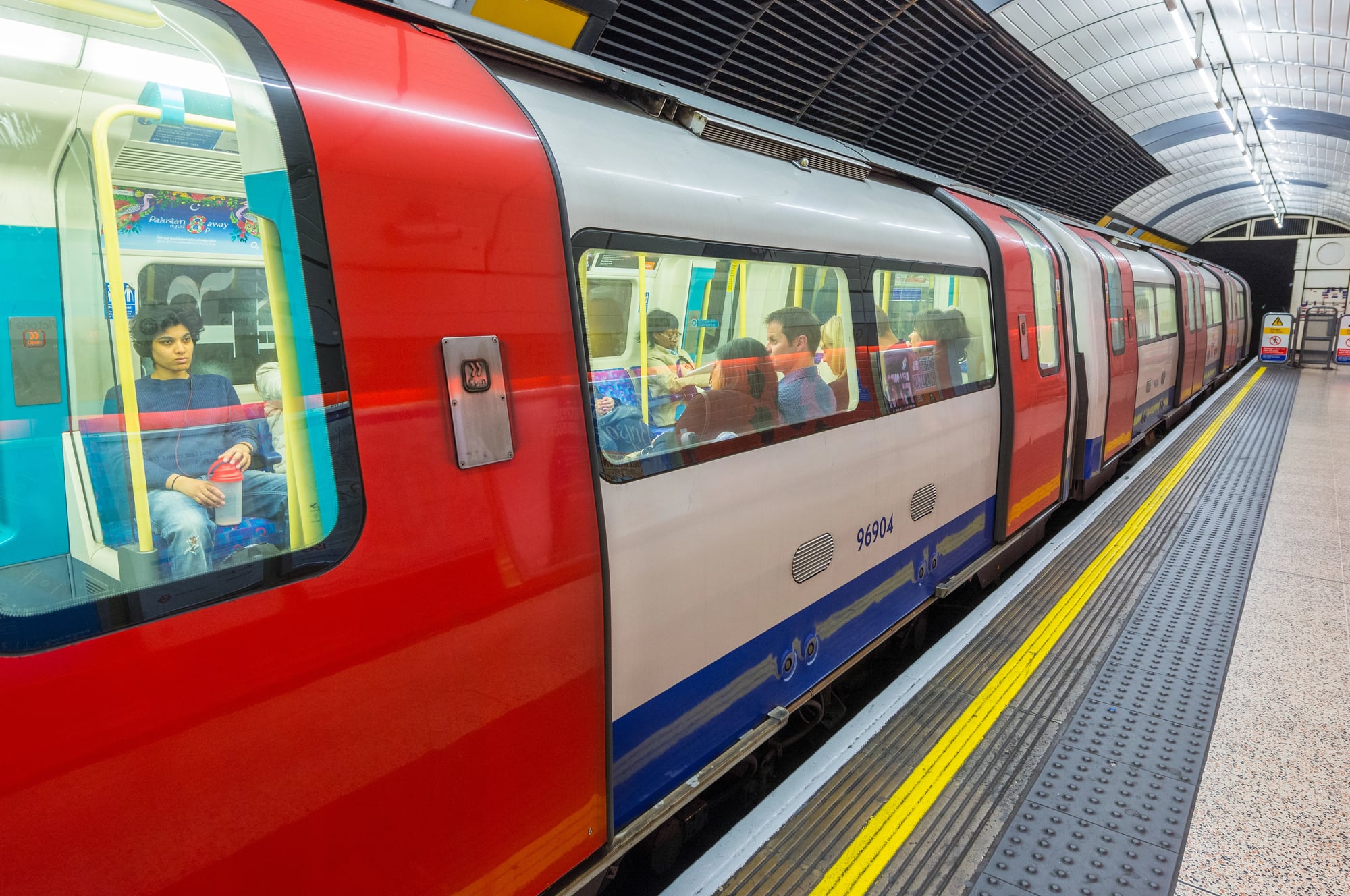
In 2015, supplement company Protein World plastered London’s subway system with yellow billboards featuring a slim model in a bikini alongside the provocative question: ‘Are You Beach Body Ready?’ The company anticipated—and privately celebrated—the subsequent vandalism of their ads and public protests against alleged body shaming.
This deliberately inflammatory campaign generated over £1 million in direct sales within four days and earned an estimated £5 million in free media exposure, demonstrating how a relatively small company could leverage predictable public outrage into massive brand awareness.
IHOP’s Name Change
When IHOP temporarily announced changing its name to ‘IHOb’ in 2018, social media erupted with speculation and mockery about the mysterious rebranding. The pancake chain deliberately strung along the confusion for weeks before revealing the ‘b’ stood for ‘burgers,’ highlighting a new menu addition.
This manufactured mystery generated over 1.2 million tweets and 15,000 news stories about a simple menu expansion that would have otherwise received minimal attention. The campaign resulted in a fourfold increase in burger sales and demonstrated how fake corporate drama could generate enormous free publicity.
Like Go2Tutors’s content? Follow us on MSN.
Abercrombie & Fitch’s Offensive Catalog
Throughout the 2000s, Abercrombie & Fitch regularly published a catalog called ‘A&F Quarterly’ featuring provocative images and content designed to generate complaints from parent groups and conservative organizations. The company deliberately shipped catalogs to known complainants to ensure continued controversy, with CEO Mike Jeffries explicitly acknowledging the strategy of cultivating outrage.
This manufactured controversy positioned the brand as rebellious and exclusive, driving teenage customers to stores despite—or because of—parental disapproval, proving that negative attention could translate directly into youth market sales.
Burger King’s Left-Handed Whopper
In 1998, Burger King took out full-page newspaper ads announcing a new ‘Left-Handed Whopper’ with ingredients rotated 180 degrees to better accommodate southpaw eaters. The April Fool’s Day prank sparked thousands of customers requesting the specialized burger by name, generating massive media coverage of the obvious hoax.
While clearly absurd, this fake product announcement created substantial brand awareness without requiring Burger King to create any actual new products or long-term marketing materials, showing how even transparently false controversy could drive customer engagement.
Carl’s Jr.’s ‘Banned’ Super Bowl Ad

Fast food chain Carl’s Jr. regularly created provocative commercials they claimed were ‘too hot for TV,’ releasing them online with the suggestion they had been banned from broadcast television. In reality, the company often never submitted these ads to networks, instead using the artificial ‘banned’ status to generate millions of views on YouTube and create a rebellious brand image.
This strategy of presenting standard marketing as forbidden content provided exponentially greater reach than conventional advertising, particularly among young male consumers who eagerly shared supposedly restricted content.
Like Go2Tutors’s content? Follow us on MSN.
The Blair Witch Project’s Disappearance Hoax

The 1999 horror film ‘The Blair Witch Project’ built its marketing campaign around the false premise that the footage showed real missing film students who had disappeared in the Maryland woods. Producers created missing persons posters, fake news reports, and even fake police websites documenting the search for the ‘missing’ actors who had actually signed contracts preventing them from appearing in public.
This elaborate fake controversy generated tremendous word-of-mouth marketing, turning a $60,000 independent film into a $248 million blockbuster through artificially engineered mystery.
Nike’s Colin Kaepernick Campaign
When Nike featured NFL quarterback Colin Kaepernick in their 2018 ‘Believe in Something’ campaign, they anticipated—and likely welcomed—the resulting boycott threats and viral videos of people burning their Nike products. Despite initial stock price drops, Nike’s sales increased 31% in the days following the campaign launch, with the company gaining $6 billion in market value within weeks.
This deliberate engagement with a polarizing political issue demonstrated how calculated controversy could actually strengthen brand loyalty among target demographics while generating unprecedented media attention.
Spirit Airlines’ M I L F Campaign
Budget carrier Spirit Airlines deliberately created a provocative double-entendre marketing campaign around ‘M I L F’ (which they claimed stood for ‘Many Islands, Low Fares’) in 2009. The airline knew the adult-oriented humor would generate complaints and media coverage, effectively creating free advertising for their Caribbean flight deals.
This intentionally risqué campaign demonstrated how a smaller company could compete with larger airlines’ marketing budgets by creating content designed to provoke reactions and earn media attention through manufactured offense.
Like Go2Tutors’s content? Follow us on MSN.
Dove’s Body Shape Bottles
In 2017, Dove released limited-edition body wash bottles in various shapes meant to represent different women’s body types, promptly generating widespread mockery across social media platforms. The campaign, which required substantial product development investment, appeared designed to provoke exactly the reaction it received—driving millions of shares and discussions about a mundane product category that rarely receives significant attention.
The manufactured controversy successfully associated Dove with body positivity discussions despite the campaign itself being widely criticized.
Bethesda’s Fallout 76 Canvas Bag
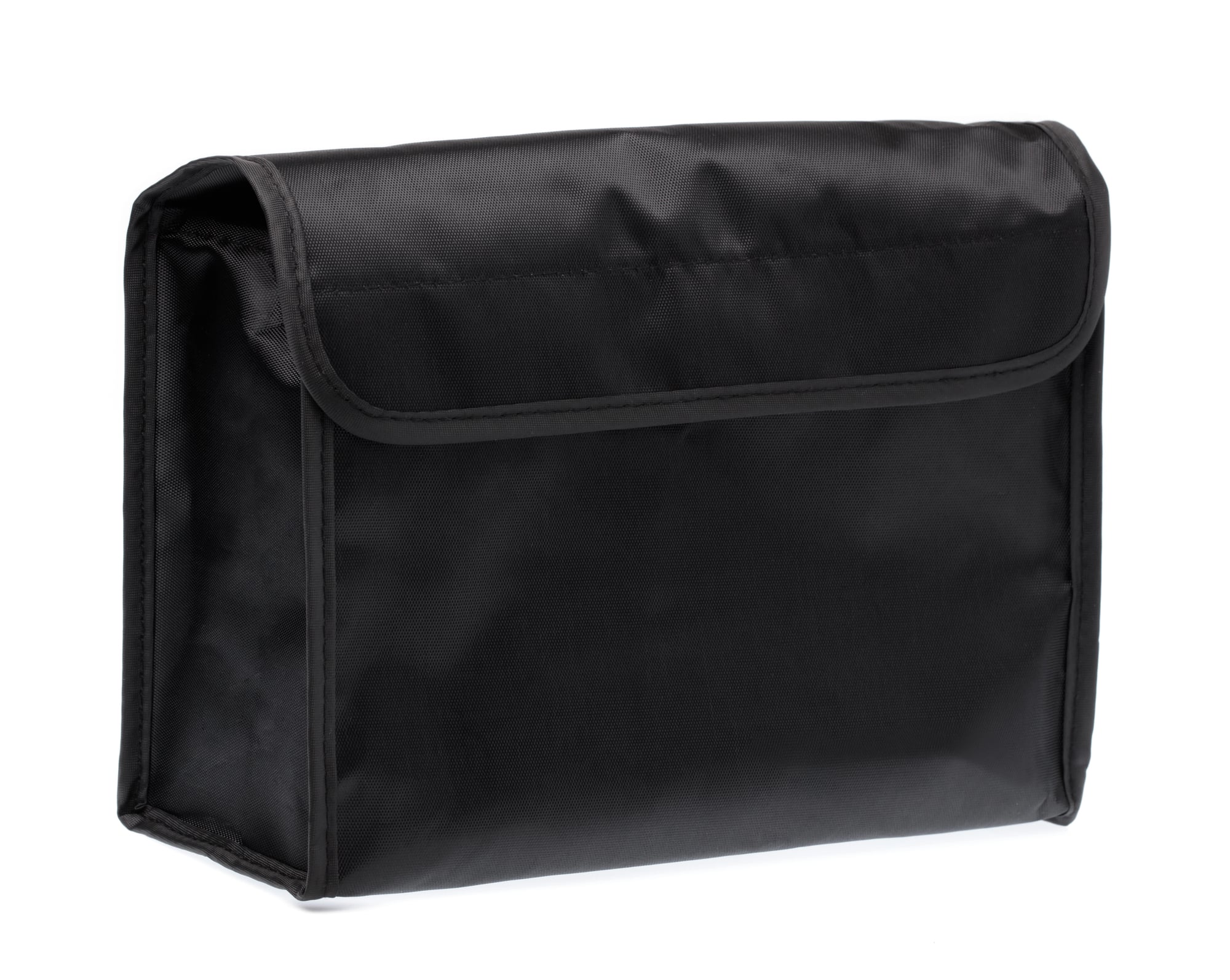
Game publisher Bethesda shipped collector’s editions of Fallout 76 with nylon bags instead of the advertised canvas versions, creating immediate customer backlash. When a customer service representative responded that the company wouldn’t do anything about it because it was ‘too expensive to make,’ the controversy exploded across gaming communities.
This exchange appeared so perfectly designed to generate outrage that many speculated it was deliberate controversy marketing, especially when Bethesda eventually provided the canvas bags after weeks of valuable media coverage for an otherwise poorly reviewed game.
KFC’s FCK Apology
When KFC faced a chicken shortage in the UK, forcing store closures, they responded with print ads showing their bucket with rearranged letters spelling ‘FCK’—an apology that immediately went viral for its apparent corporate frankness. The carefully crafted ‘mistake’ transformed a genuine supply chain crisis into a marketing triumph, earning praise for the brand’s seemingly authentic communication.
This controversy conversion demonstrated how even real corporate problems could be repurposed into positive branding opportunities through strategically engineered responses designed to generate social sharing.
Like Go2Tutors’s content? Follow us on MSN.
Gillette’s Toxic Masculinity Ad
Gillette’s 2019 ‘The Best Men Can Be’ commercial directly addressed issues of toxic masculinity and the #MeToo movement, predictably triggering intense backlash from certain demographics. Despite boycott threats and YouTube downvoting campaigns, Gillette’s parent company, Procter & Gamble, reported increased sales following the controversy, with the brand dominating social media conversation for weeks.
This deliberately provocative campaign demonstrated how engaging with divisive social issues could generate enormous attention and strengthen connections with target consumers despite vocal opposition.
PETA’s Rejected Super Bowl Ads
Animal rights organization PETA regularly creates overtly provocative advertisements that they submit to the Super Bowl broadcast despite knowing they’ll be rejected for explicit content. These predictable rejections allow PETA to publish the ads online with headlines about their ‘banned’ status, generating millions of views they couldn’t otherwise afford.
This systematic manufacturing of advertising controversy has become so routine that PETA essentially builds rejection into their marketing strategy, demonstrating how organizations can leverage predictable corporate boundaries into attention-grabbing headlines.
Sunny Co Clothing’s Instagram Giveaway

In 2017, swimwear brand Sunny Co Clothing posted an Instagram offer promising a free red swimsuit to anyone who shared their post within 24 hours, anticipating moderate participation. When hundreds of thousands of users participated, far exceeding the company’s inventory capabilities, Sunny Co. quickly added restrictions and limitations to the original offer.
The resulting controversy about a ‘bait and switch’ generated massive brand awareness, with the relatively unknown company gaining over 750,000 followers and extensive media coverage despite the backlash—a controversy that cost significantly less than traditional advertising for similar exposure.
Like Go2Tutors’s content? Follow us on MSN.
Sony’s Fake Critic
In 2001, Sony Pictures invented a fictional film critic named David Manning who provided enthusiastic quotes for several poorly reviewed movies in their print advertising. When journalists exposed the fabrication, Sony faced lawsuits and substantial negative press, ultimately paying $1.5 million in settlement fees.
However, the controversy generated significantly more attention for their mediocre films than legitimate marketing had achieved, leading some industry observers to speculate that the manufactured critic controversy was a calculated risk rather than a sincere deception, given the relatively small financial penalty compared to the publicity value.
The Economics of Engineered Outrage

These 15 examples reveal a consistent calculus behind manufactured marketing controversies. For companies facing increasing challenges in capturing consumer attention in fragmented media environments, deliberately provocative campaigns often generate exponentially greater exposure than traditional advertising approaches.
The economics prove compelling: while conventional marketing requires paying for media placement, controversy marketing leverages free news coverage, social media amplification, and word-of-mouth distribution—often at a fraction of the cost. As consumers grow increasingly resistant to standard advertising, we can expect more companies to explore the profitable territory where manufactured outrage translates directly into market awareness, regardless of the broader social implications of deliberately engineering public controversy for commercial gain.
More from Go2Tutors!

- 18 Unexpectedly Valuable Collectibles You Might Have Lying Around
- 15 Things Every Teenager in the ’70s Did That Teens Today Wouldn’t Understand
- 15 Strange Things People Have Tried to Ban (And Failed)
- 15 Inventions That Were Immediately Banned After Being Created
- 20 Actors Who Were Almost Cast in Iconic Roles
Like Go2Tutors’s content? Follow us on MSN.