Strange Etiquette Rules That People Follow in the Medieval Era
Medieval society operated under layers of unspoken rules that would strike modern minds as utterly bizarre. These weren’t just formal court ceremonies reserved for special occasions — they were daily expectations that governed everything from how people ate their meals to where they were allowed to sit.
The complexity of medieval etiquette revealed a world obsessed with hierarchy, where a single misstep could mark someone as hopelessly common or dangerously rebellious. What makes these rules particularly fascinating is how seriously people took them.
Violating social customs wasn’t just embarrassing; it could cost someone their livelihood, their reputation, or even their life. Yet many of these same behaviors that medieval people considered essential markers of civilization now seem almost comically rigid.
Salt Placement

Salt sat at medieval tables like a tiny dictator. Its position determined everything.
The host placed salt in the center of the table, creating an invisible line that separated the worthy from the common. Guests seated “above the salt” — closer to the host — held higher social rank than those relegated “below the salt.”
This wasn’t subtle. Everyone knew exactly where they stood based on their proximity to a small dish of seasoning.
Hand Washing Rituals

The elaborate dance of medieval hand washing reveals something deeper than simple hygiene — though hygiene was certainly part of it, given that people ate with their hands and shared dishes in ways that would horrify modern diners. But the ritual itself became a performance of status, with servants presenting bowls of scented water and clean linens to guests in a specific order that mirrored the social hierarchy of everyone present.
The host washed first, naturally, followed by the most honored guests, and so on down the line until even this basic act of cleanliness had been transformed into a reminder of who mattered most (and who mattered least, which was often the more pointed message). And yet the ceremony served a genuine purpose beyond mere posturing: it created a moment of shared preparation before the meal, a collective pause that acknowledged the seriousness of breaking bread together.
Bread Trenchers

Medieval dining plates weren’t plates at all. They were thick slabs of day-old bread called trenchers.
Diners ate their meal directly off the bread, which absorbed juices and flavors throughout dinner. The trencher itself became part of the meal — though not for the person who used it.
Proper etiquette demanded that diners leave their bread trenchers for servants or give them to the poor waiting outside. Eating your own trencher marked you as desperately hungry or embarrassingly ignorant of proper behavior.
Spoon Hierarchy
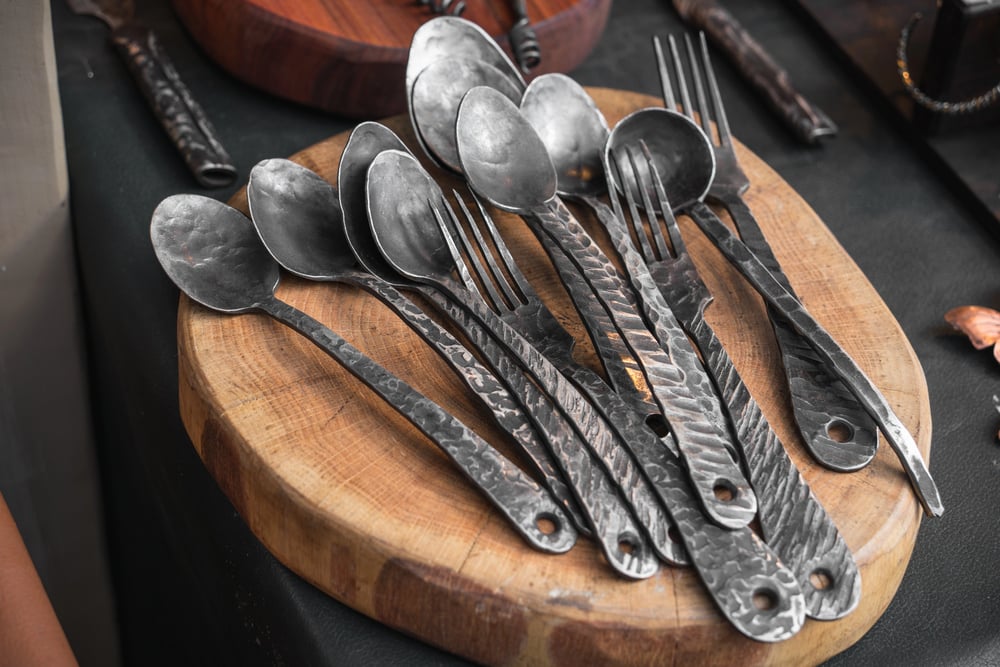
Medieval society had strong opinions about spoons, and those opinions said everything about class. The wealthy carried their own personal eating utensils — elaborate silver or pewter spoons that traveled with them like jewelry — while common people made do with carved wood or horn implements that were strictly functional.
But here’s where the etiquette became particularly rigid: even when dining in someone else’s home, guests were expected to use their own spoons rather than accept borrowed ones, which created the peculiar situation of people carrying spoons around like essential accessories. The message was unmistakable: anyone important enough to dine with would naturally possess their own proper utensils, and anyone who didn’t was advertising their low status with every bite they took.
So meals became subtle displays of wealth and preparation, with each diner’s spoon serving as a small announcement of their place in the world.
Cup Sharing
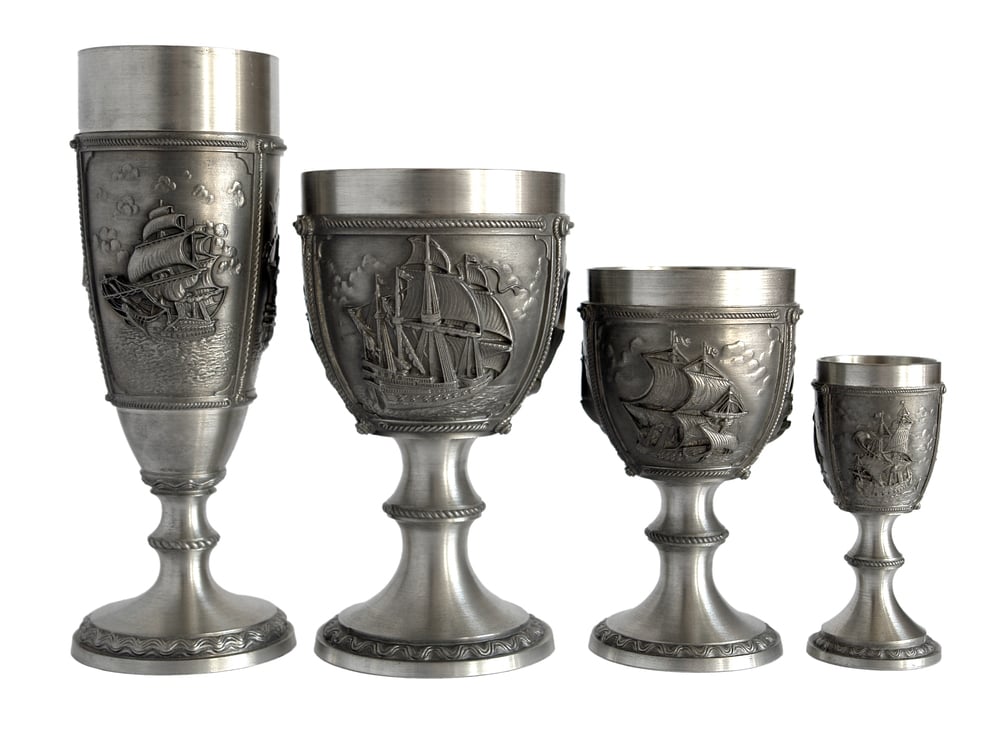
Drinking vessels moved around medieval tables like ceremonial objects being passed in a sacred ritual. A single cup often served an entire table, traveling from person to person in strict order of importance, and the etiquette surrounding this sharing was intricate enough to trip up even experienced diners.
The cup bearer — often a young page or servant — had to understand not just the social ranking of everyone present, but also the subtle signals that indicated when someone was ready to drink, when they were finished, and when they were declining altogether (since refusing the cup entirely could be interpreted as an insult to the host, but holding onto it too long was equally problematic).
This wasn’t simply about conserving resources, though medieval households certainly weren’t wasteful. The shared cup created a bond between diners that went beyond mere efficiency — drinking from the same vessel was an act of trust and intimacy that modern germaphobia would find appalling.
But it also meant that every sip was public, every pause was noticed, and every interaction with the cup carried social weight that extended far beyond simple thirst.
Standing Protocol

Medieval people stood up and sat down with the precision of choreographed dancers. Social rank determined not just where someone could sit, but when they were allowed to sit at all.
Lower-ranking guests remained standing until their betters had taken their seats. Servants stood throughout entire meals unless specifically invited to sit — which rarely happened.
Even the act of rising from a chair followed rules: younger people stood when their elders entered or left a room, women stood for men of higher rank, and everyone stood for nobility. The constant movement must have been exhausting.
Food Distribution

The medieval dining table operated under a complex system of food distribution that had nothing to do with appetite and everything to do with status — a kind of edible social map that reminded everyone present of their exact position in the hierarchy. The host didn’t simply serve food; they curated it, choosing which dishes to offer which guests, which cuts of meat to present to whom, and even which parts of shared dishes were appropriate for different ranks of diners.
The choicest portions — the tender cuts, the finest prepared dishes, the most exotic ingredients — flowed naturally toward the most important guests, while those of lesser standing received whatever remained after their betters had been served. And this wasn’t considered unfair or stingy; it was considered proper recognition of worth and station.
But the system created its own peculiar pressures, because hosts were expected to demonstrate both their wealth and their understanding of social nuance through these choices. Offering too fine a dish to someone of modest rank could be seen as mockery or poor judgment, while failing to honor important guests with appropriately lavish food was an insult that could have lasting consequences.
So every meal became a careful negotiation between generosity and propriety, with the host performing a kind of social mathematics at every course.
Speech Timing

Conversation at medieval tables followed rules stricter than parliamentary procedure. Lower-ranking diners spoke only when addressed directly by someone of higher status, and even then, their responses were expected to be brief and deferential.
Interrupting a social superior was unthinkable. Changing the subject without permission was equally problematic.
Guests waited for cues from the host about appropriate topics, and the most junior members of the party often ate entire meals in complete silence. The result was dinner conversation that moved with the formal rhythm of a court proceeding rather than the natural flow of friendly discussion.
Napkin Customs
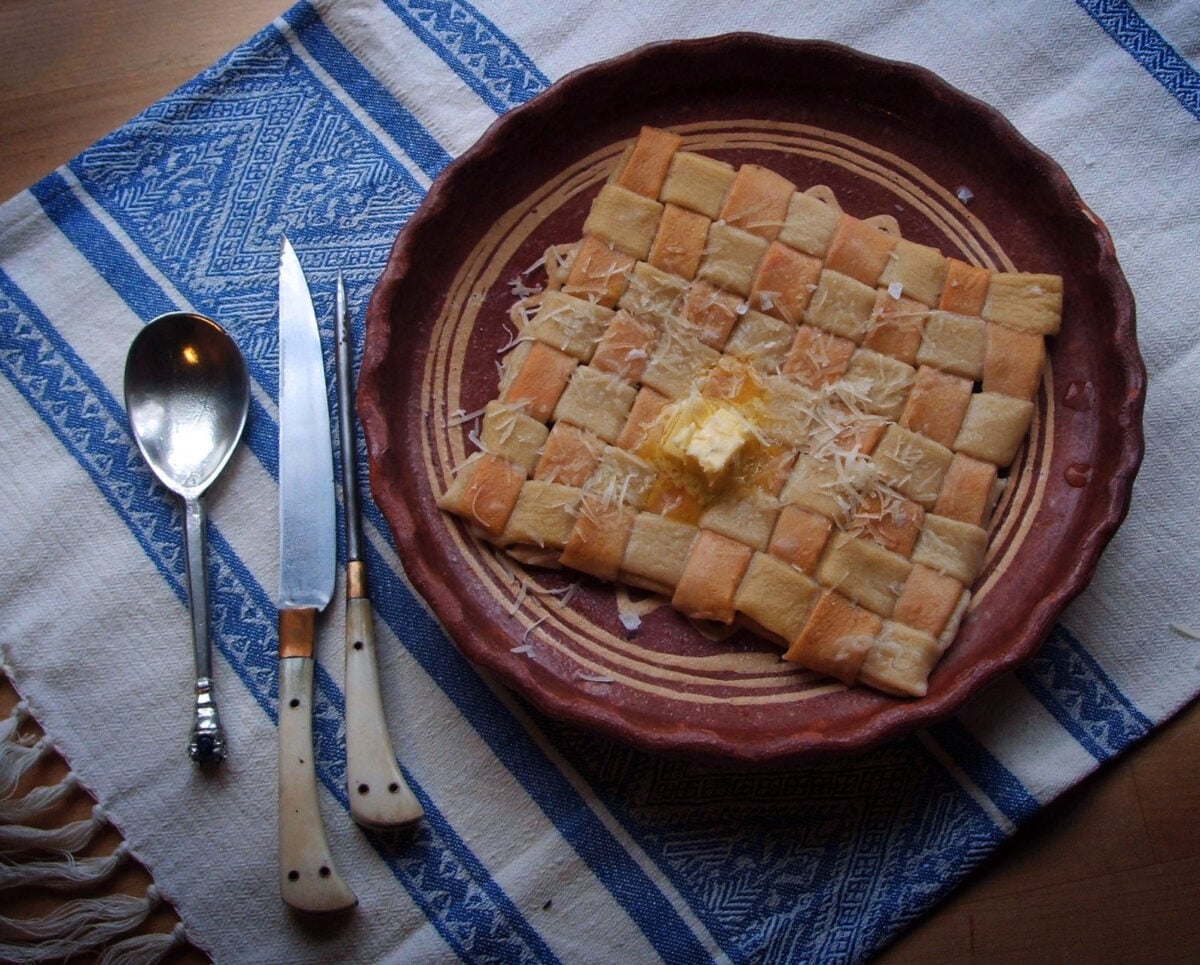
Medieval napkins weren’t the small squares of cloth modern diners know, but large, elaborate pieces of fabric that served multiple purposes and came with their own intricate rules of use. These napkins — often made of fine linen and sometimes decorated with embroidery or lace — were draped over the left shoulder or arm rather than placed in the lap, creating a kind of portable clean surface that guests could access throughout the meal without disrupting the formal arrangement of the table.
But the etiquette surrounding their use was surprisingly specific: diners were expected to use only certain sections of the napkin for wiping their hands, different areas for cleaning their knives, and yet another portion for dabbing their mouths, all while maintaining the napkin’s position and appearance. The napkin also served as a subtle communication device during meals.
How someone arranged their napkin, when they accessed it, and how they handled it afterward sent signals about their familiarity with proper customs and their respect for the formality of the occasion. And like so many medieval dining customs, the napkin routine was something that had to be learned rather than intuited — a small test of social education that separated those who belonged at formal tables from those who didn’t.
Seating Arrangements
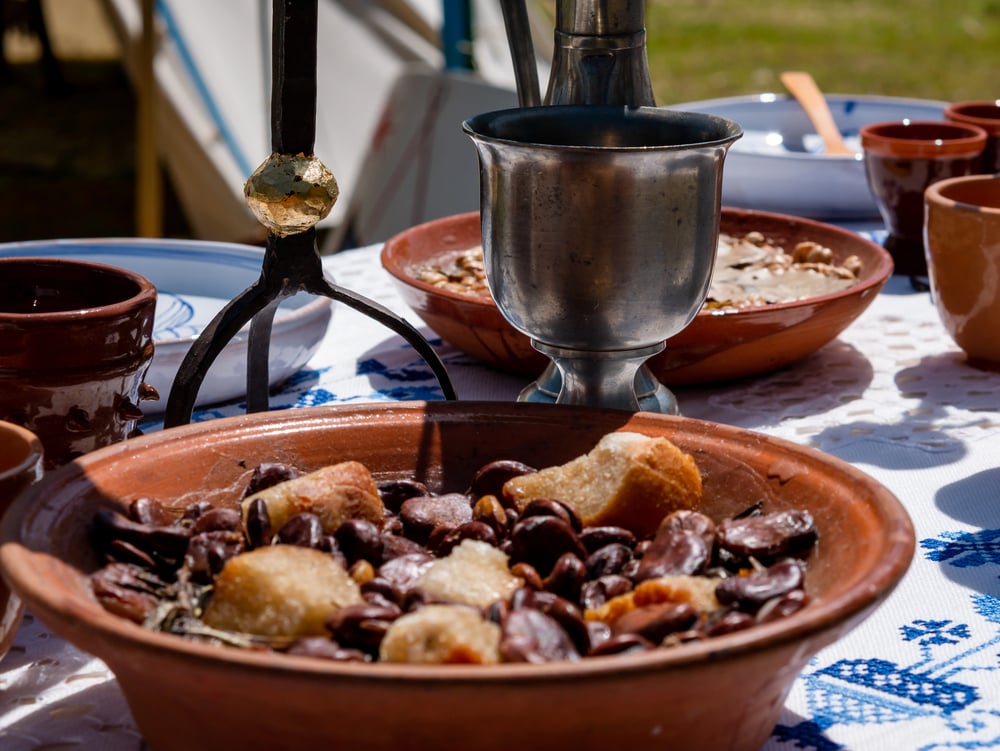
Medieval seating wasn’t about comfort or convenience. It was about creating a visual representation of society’s power structure, with every chair placement serving as a public announcement of relative importance.
The host occupied the head of the table, naturally, but from there the arrangements became increasingly complex. Honored guests sat to the right of the host, with positions growing less prestigious as they moved farther away.
The foot of the table wasn’t just the worst seat — it was often left empty entirely, since sitting there implied such low status that it was better to stand. Age, gender, wealth, and political connections all factored into the calculations, making dinner party planning an exercise in diplomatic precision.
Departure Etiquette
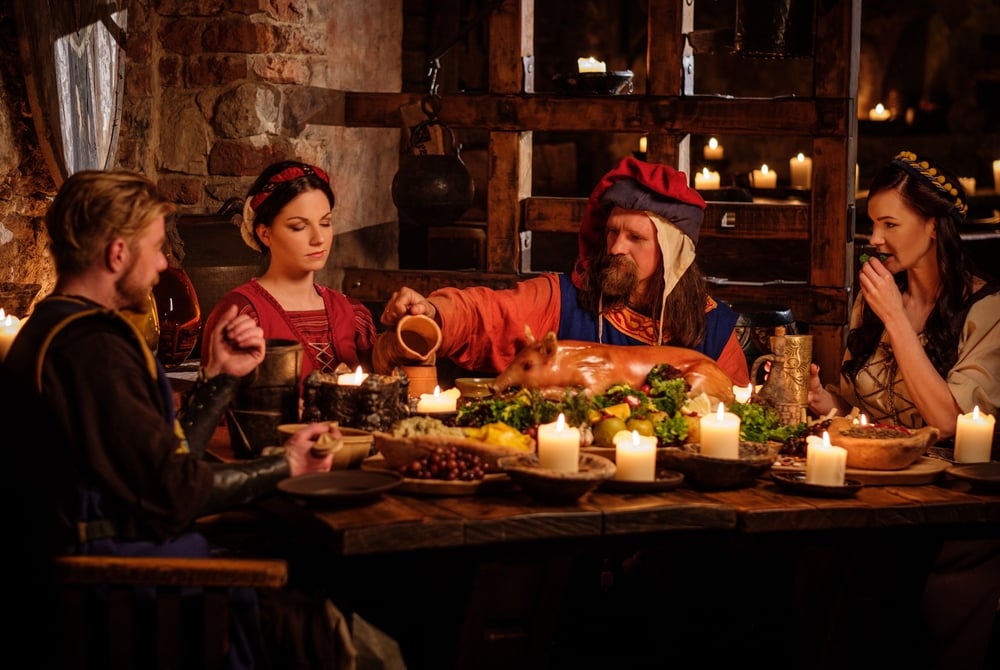
Leaving a medieval feast required almost as much ceremony as arriving, with a carefully orchestrated sequence of farewells that could stretch on for what felt like hours to modern sensibilities. Guests couldn’t simply announce their departure and walk out the door; they had to wait for the appropriate moment (usually signaled by the host), then take their leave in the same order of precedence that had governed the entire evening.
The most important guests left first, offering their thanks and compliments to the host in formal language that acknowledged both the hospitality they had received and the honor they had been shown by the invitation itself. But even these departures followed scripts, with expected phrases and gestures that demonstrated proper breeding and gratitude.
Guests who rushed their farewells or left without observing the proper forms were remembered for their rudeness long after the meal was forgotten. And the host, meanwhile, was expected to protest each departure with the appropriate level of enthusiasm — not too little, which would suggest they were eager to see their guests go, but not too much either, which might imply they doubted their guests’ judgment about when to leave.
Clothing Restrictions
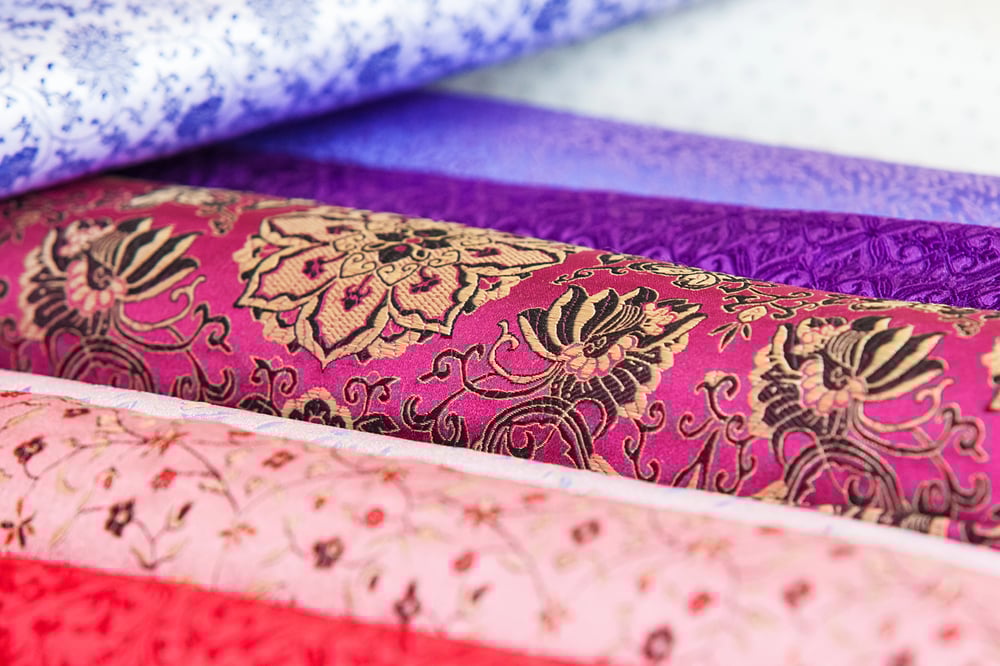
What people wore to medieval meals mattered almost as much as how they behaved once they sat down. Sumptuary laws dictated not just general dress codes, but specific requirements for dining attire that varied by social class and occasion.
Wealthy diners were expected to dress formally for meals, with clean linens, proper headwear, and clothing appropriate to their station. But common people faced restrictions on what they could wear even in their own homes — certain fabrics, colors, and styles were legally reserved for higher classes.
The result was dining rooms where clothing served as another form of social identification, making everyone’s rank immediately visible to everyone else.
Gift Presentation
Medieval dining often included elaborate gift exchanges that followed their own complex protocols, turning meals into opportunities for political maneuvering and social positioning that extended far beyond simple hospitality. Guests, particularly those of high rank, were expected to bring presents for their hosts — but not just any presents, and certainly not presented at random moments during the evening.
The gifts themselves had to be appropriate to the relationship between giver and receiver, valuable enough to show respect but not so lavish as to create embarrassment or suggest ulterior motives. The timing of gift presentation was equally crucial, with specific moments during the meal designated for these exchanges.
Hosts, meanwhile, were expected to reciprocate with gifts of their own, creating a careful dance of generosity that required both parties to demonstrate their wealth and taste while maintaining the proper balance of obligation and gratitude. And these weren’t private transactions — the entire table watched each exchange, evaluating both the appropriateness of the gifts and the grace with which they were given and received, turning every present into a small performance of social competence.
When Ceremony Became Life

Medieval etiquette wasn’t just a collection of arbitrary rules — it was a survival system disguised as politeness. In a world where social mobility was limited and political alliances could shift overnight, these elaborate customs provided a way to navigate dangerous waters without causing offense that could prove costly.
The strangeness of these rules, viewed from a modern perspective, reveals how much our own social expectations have changed. What medieval people considered essential markers of civilization now seem like elaborate performances, while behaviors we take for granted would have horrified them.
The gap between their world and ours isn’t just about technology or politics — it’s about fundamentally different ideas of what it means to share a meal with other people.
More from Go2Tutors!

- The Romanov Crown Jewels and Their Tragic Fate
- 13 Historical Mysteries That Science Still Can’t Solve
- Famous Hoaxes That Fooled the World for Years
- 15 Child Stars with Tragic Adult Lives
- 16 Famous Jewelry Pieces in History
Like Go2Tutors’s content? Follow us on MSN.



