Childhood Treats Sold at Public Swimming Pools
The snack bar window at a public pool had a magnetic pull. A kid could swim for two hours, climb out shivering, and still find the energy to dig through a damp towel for coins.
The treats sold there were rarely subtle. They were cold, bright, salty, or sugary, and they were meant to be eaten fast before the sun took them apart.
Bomb Pop
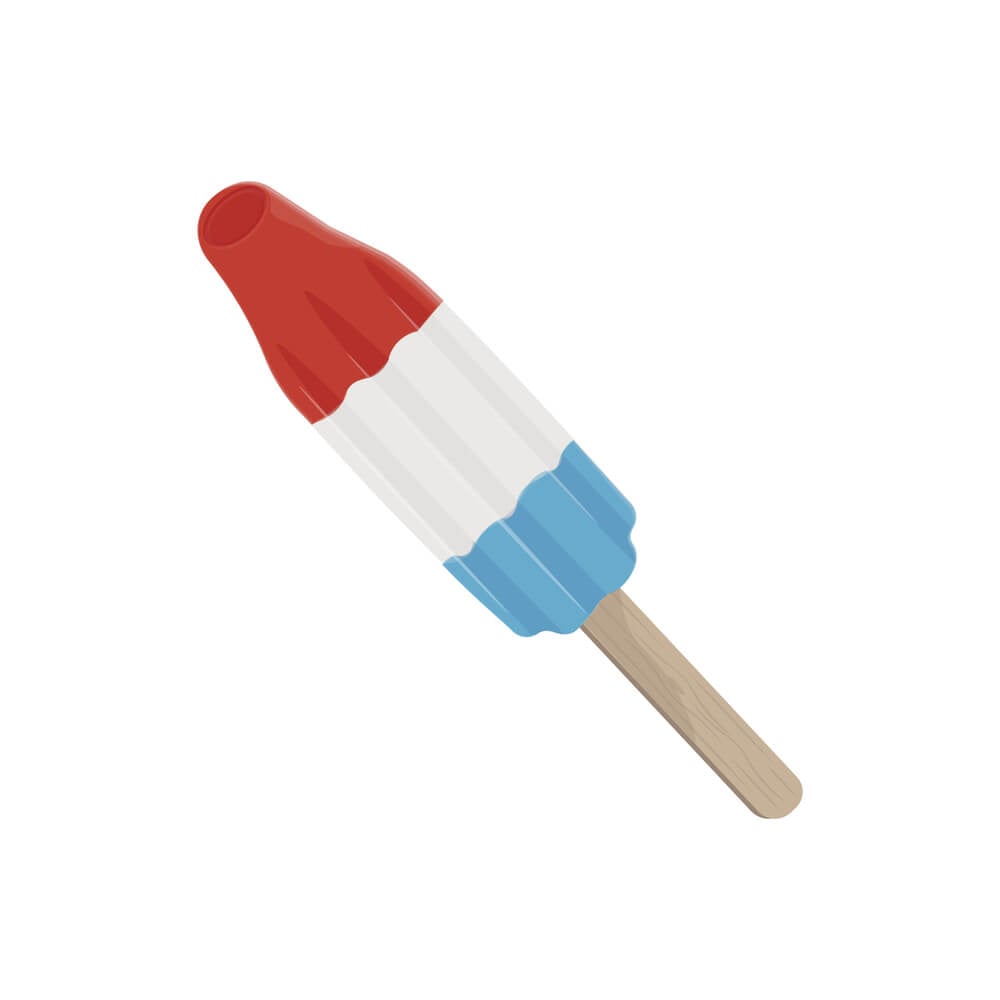
The Bomb Pop was a rocket-shaped frozen bar striped red, white, and blue in cherry, lime, and blue raspberry. It was built for hot days, and the flavors came out in bright bands that colored tongues and fingers.
Melt ran down the stick fast enough that kids ate with one hand and held a towel with the other. It turned up at pool snack bars and ice cream trucks alike.
Fla-Vor-Ice
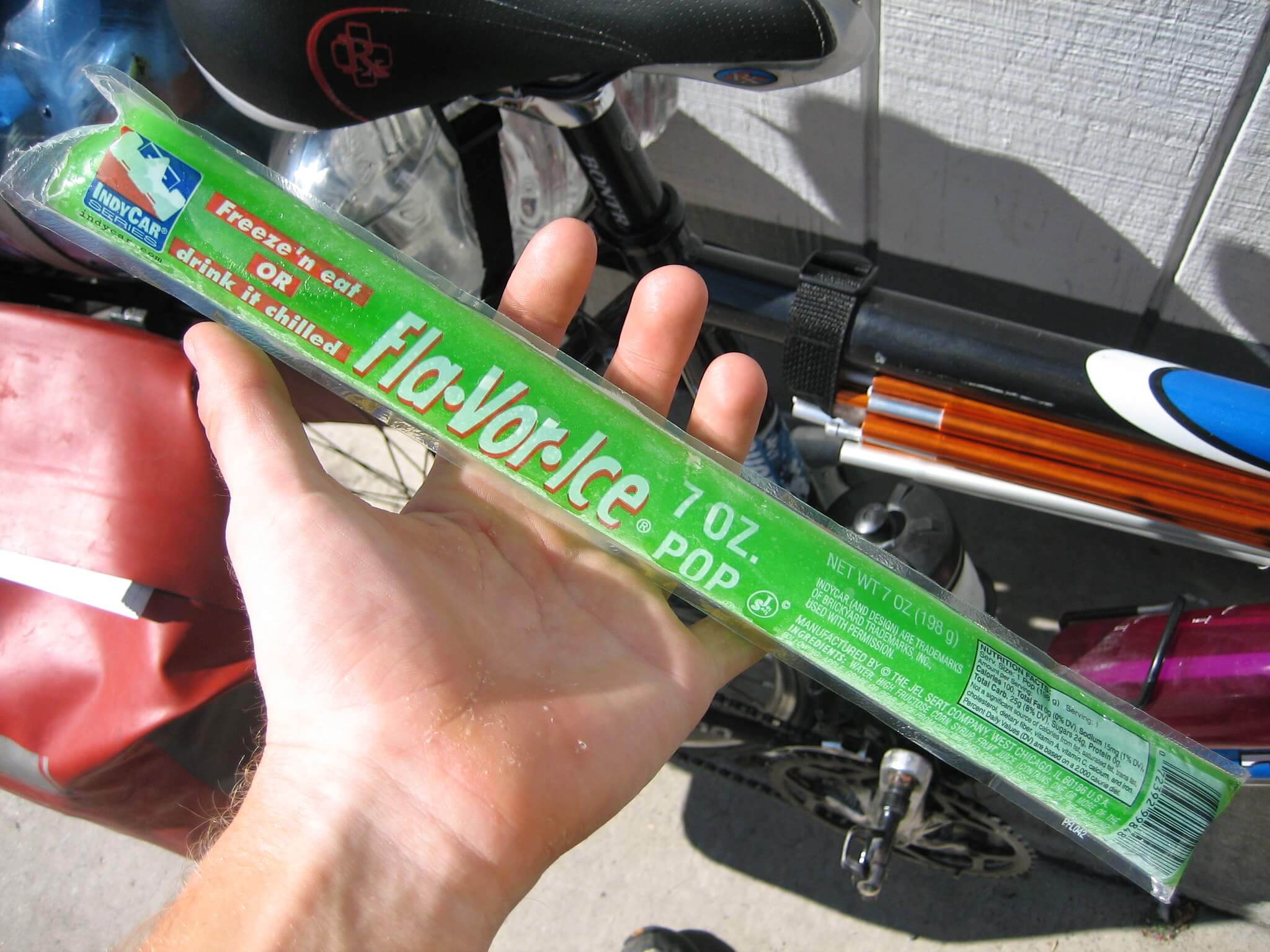
Fla-Vor-Ice sold frozen flavored ice in long plastic sleeves, which kids bit open or snipped with scissors at the counter. The sleeve acted as both packaging and handle, so a pop could be squeezed up from the bottom until nothing was left.
Cherry and grape left bright rings around mouths. A box of the tubes made a cheap treat for a crowd of kids.
Drumstick
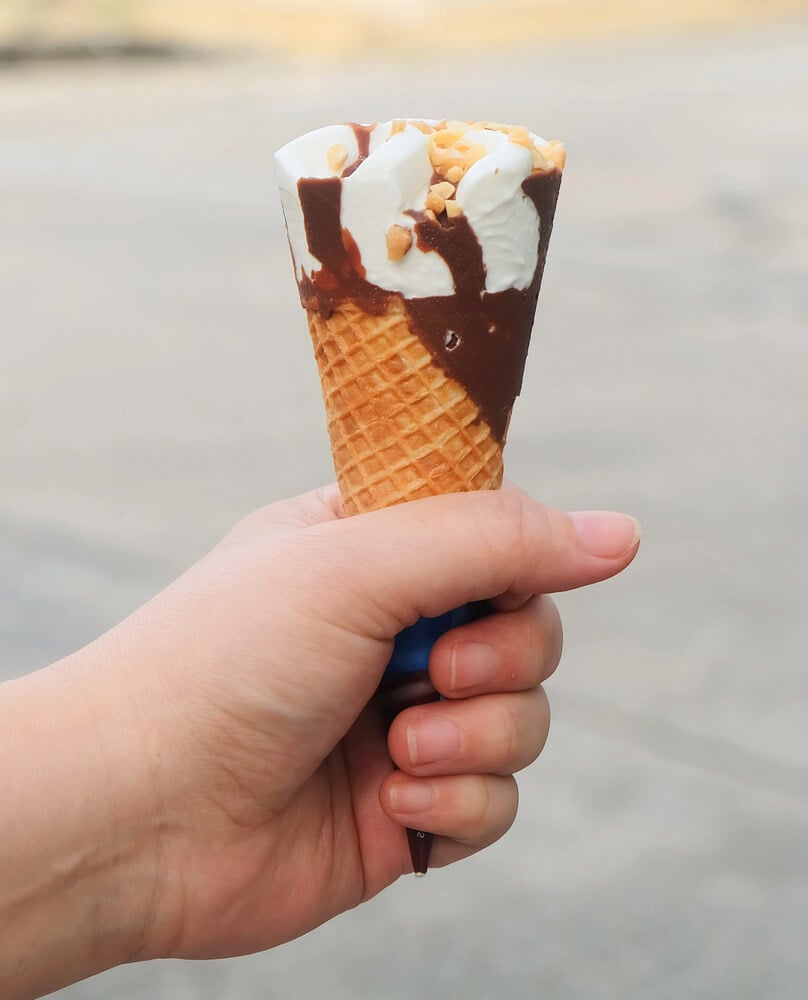
The Drumstick was a sugar cone filled with vanilla ice cream, dipped in chocolate and nuts, and wrapped in paper. I.C. Parker of Fort Worth, Texas, created it in 1928, and his wife Jewel is said to have named it for a chicken leg.
The shape fit a small hand and survived pool-deck heat better than a scoop. The paper sleeve gave children something to hold besides the cone.
Choco Taco
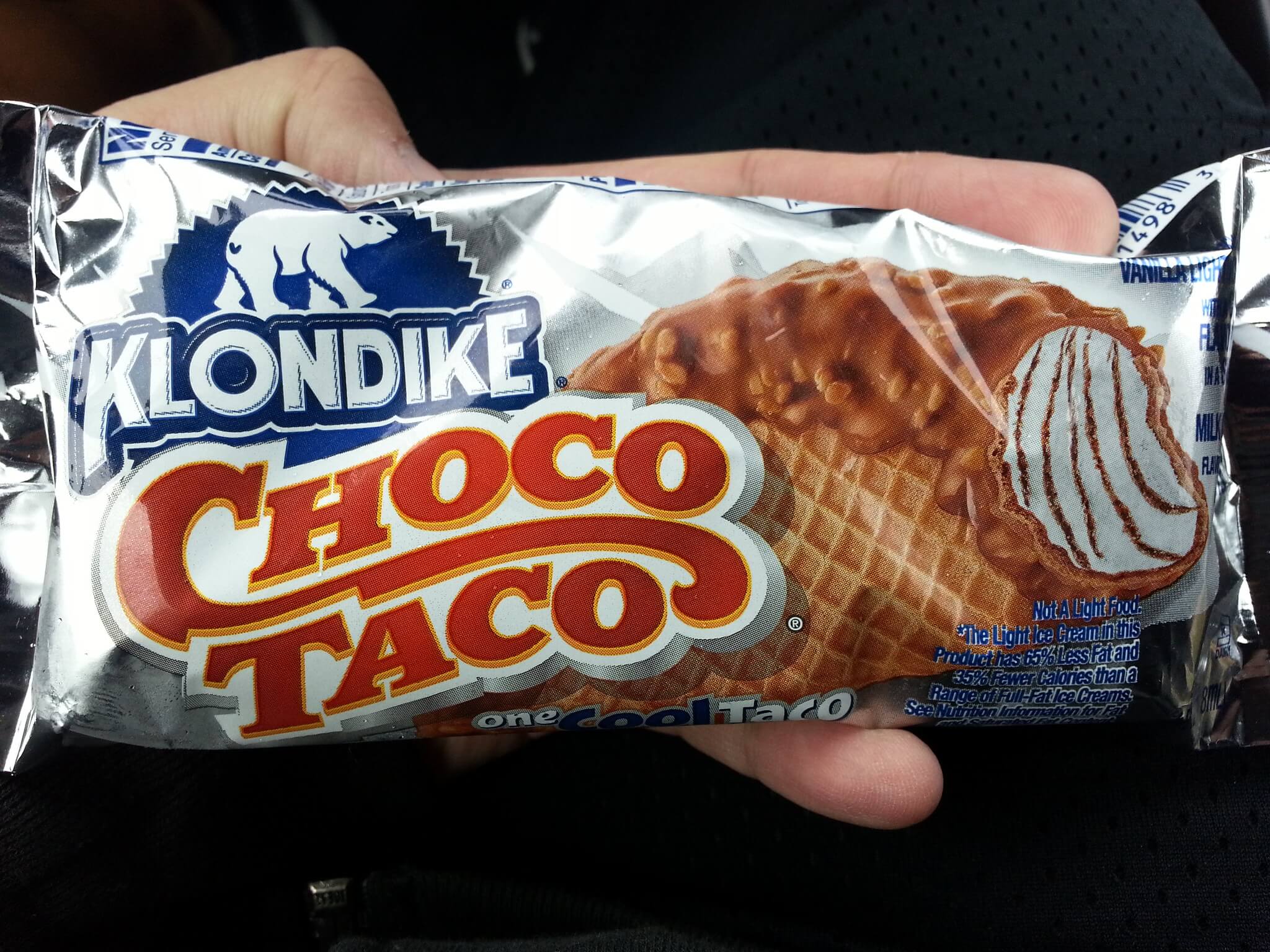
The Choco Taco put ice cream inside a waffle shell shaped like a taco, then coated it in chocolate and peanuts. It was among the more elaborate treats a pool freezer could hold.
The shell stayed crisp for the first bites and softened as the bar warmed. Its maker announced in 2022 that production would end, which sent fans searching for old wrappers and memories.
Popsicle
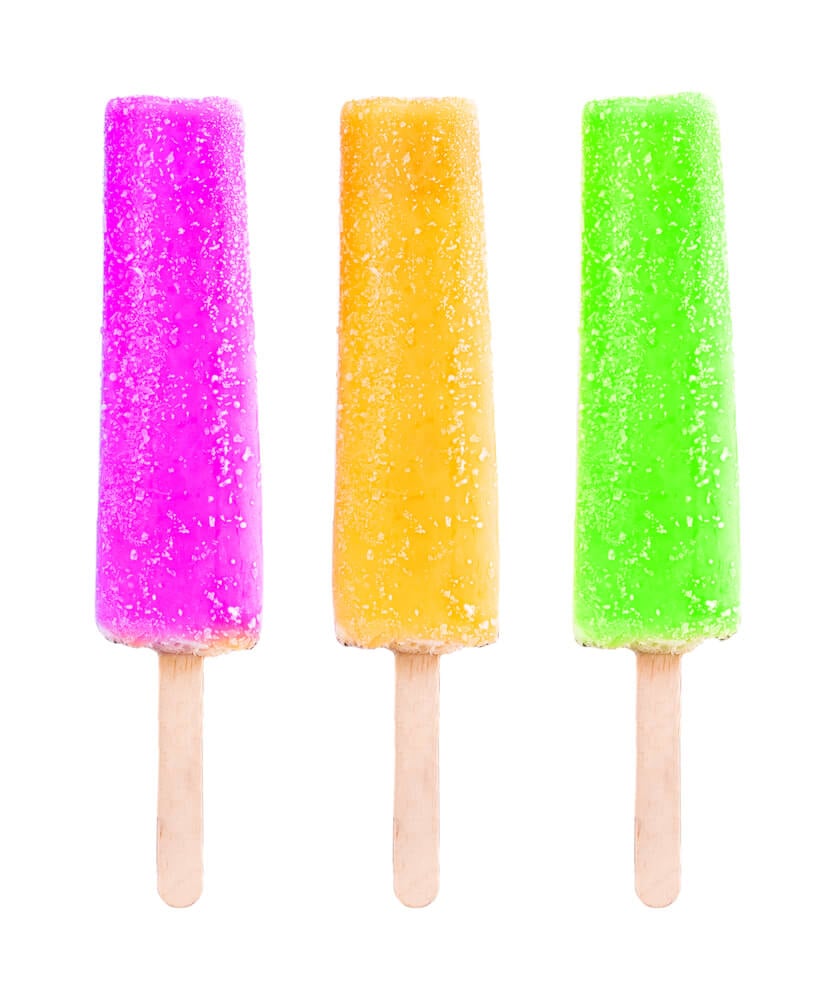
Frank Epperson said he created the Popsicle in 1905 at age 11, when a cup of soda powder and water with a stirring stick froze overnight on a porch in San Francisco. He first called it the Epsicle and later patented the frozen treat in 1923.
Twin-stick bars were made for splitting with a friend, a small test of fairness at the snack counter. The wooden stick doubled as a handle and as a prize for kids who liked to chew on it.
Pixy Stix
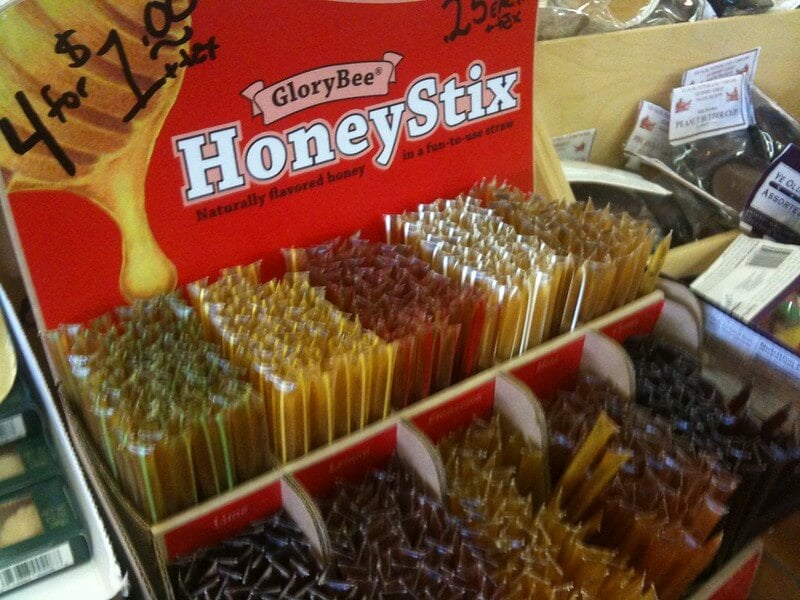
Pixy Stix delivered flavored sugar powder in paper straws that children tore open and tipped onto their tongues. The powder was fine and sour, and wet fingers turned it into colorful paste.
Straws sold one at a time for pocket change. Pool hands made the paper damp quickly, so most were eaten within minutes.
Icee
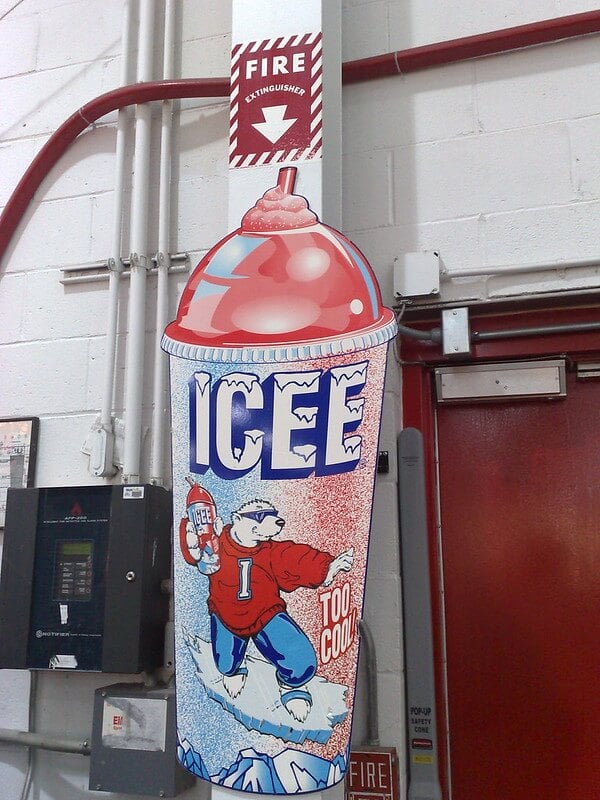
The Icee grew from a broken soda machine. Omar Knedlik, a Kansas Dairy Queen owner, found that bottles of soda stored in a freezer turned slushy, and customers liked the result.
A machine to make the drink on demand followed. Pool snack bars poured it in thick cups with a short straw, and a few quick swallows were enough to bring on brain freeze.
Snack Bar Nachos
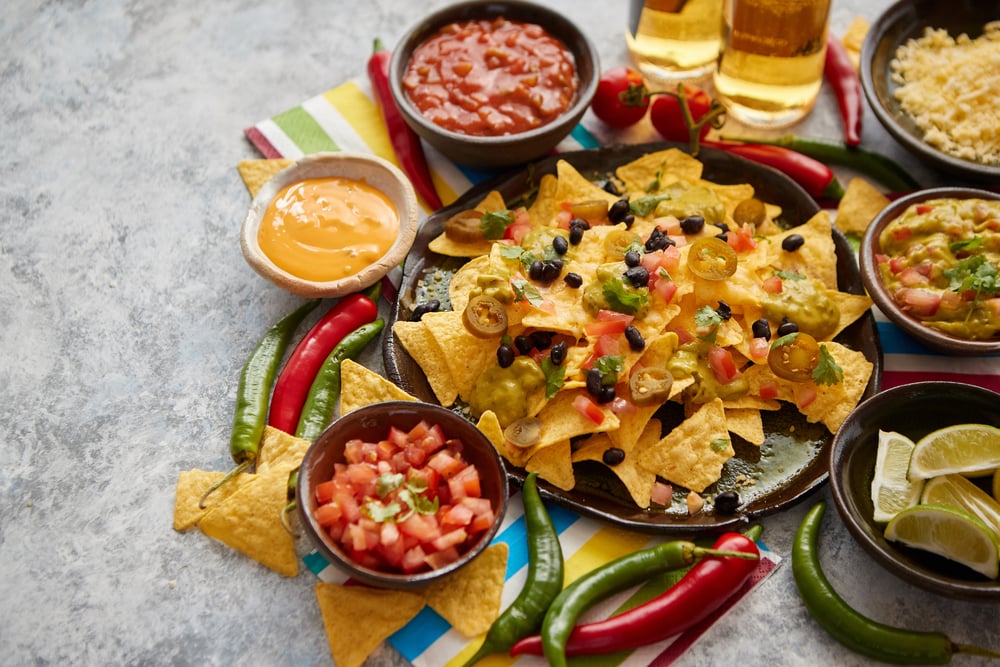
Nachos were created in 1943 by Ignacio Anaya at a restaurant in Piedras Negras, Mexico, who improvised a plate of tortilla chips and melted cheese for a group of visitors. By the time the dish reached pool season, it was a tray of chips with warm cheese pumped from a dispenser.
The cheese cooled and formed a skin quickly in outdoor air. Paper boats of chips were a staple of summer afternoons.
Cotton Candy
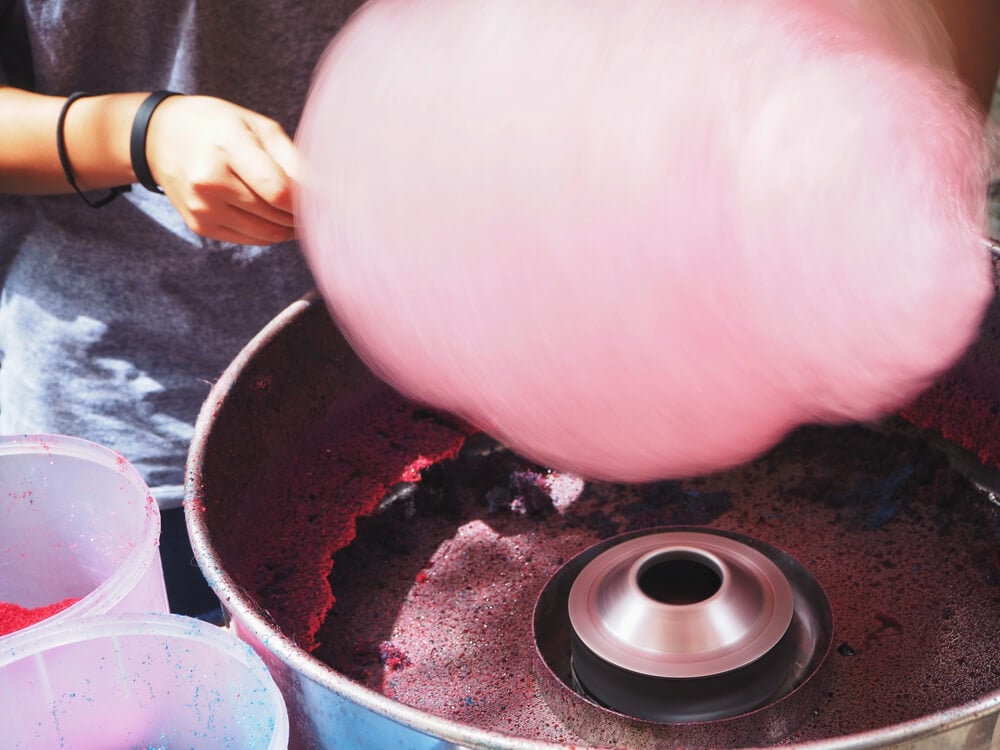
Cotton candy was invented in 1897 by dentist William Morrison and candy maker John C. Wharton, who built a machine that spun melted sugar into threads. It debuted as Fairy Floss at the 1904 St. Louis World’s Fair and sold tens of thousands of boxes.
At the pool, it came in a paper cone or plastic bag and shrank in humid air. A damp spot on the bag meant it was already turning sticky.
Fritos
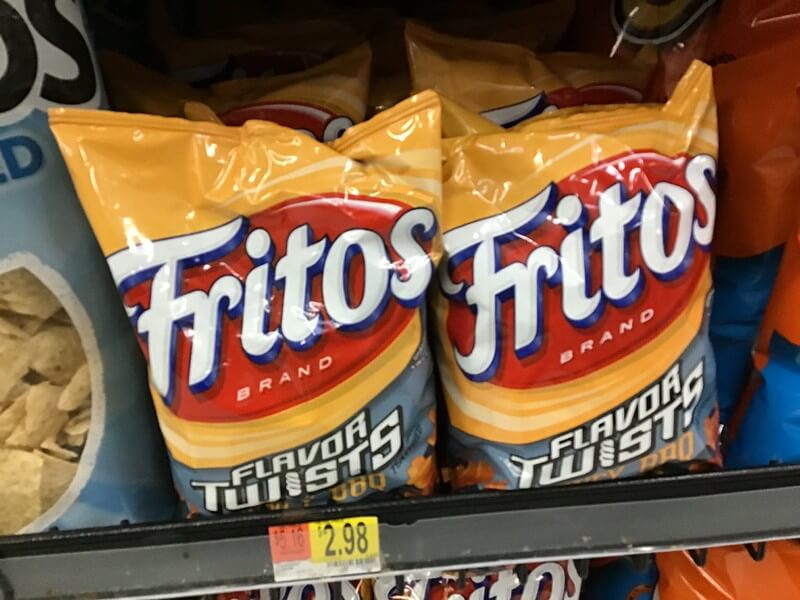
Fritos began in 1932 in San Antonio, where Charles Elmer Doolin reportedly paid about 100 dollars for a corn chip recipe and a potato ricer. A small bag, salted and heavy with oil, left shiny fingers that kids wiped on towels.
They were crunchy enough to survive being tossed in a swim bag. The smell of corn and chlorine together is a memory many people can still summon.
Pop Rocks
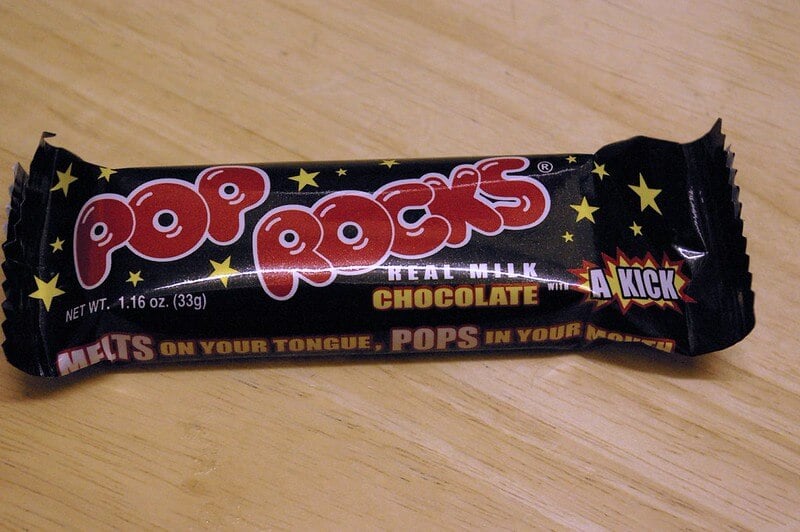
Pop Rocks were developed by William A. Mitchell at General Foods in 1956 and reached stores in the 1970s. The candy trapped carbon dioxide inside hard sugar, so it crackled on the tongue.
A rumor that mixing it with soda hurt children spread through playgrounds and pool decks, and the company worked to reassure parents. The tiny packets traveled easily in swim bags.
Klondike Bar
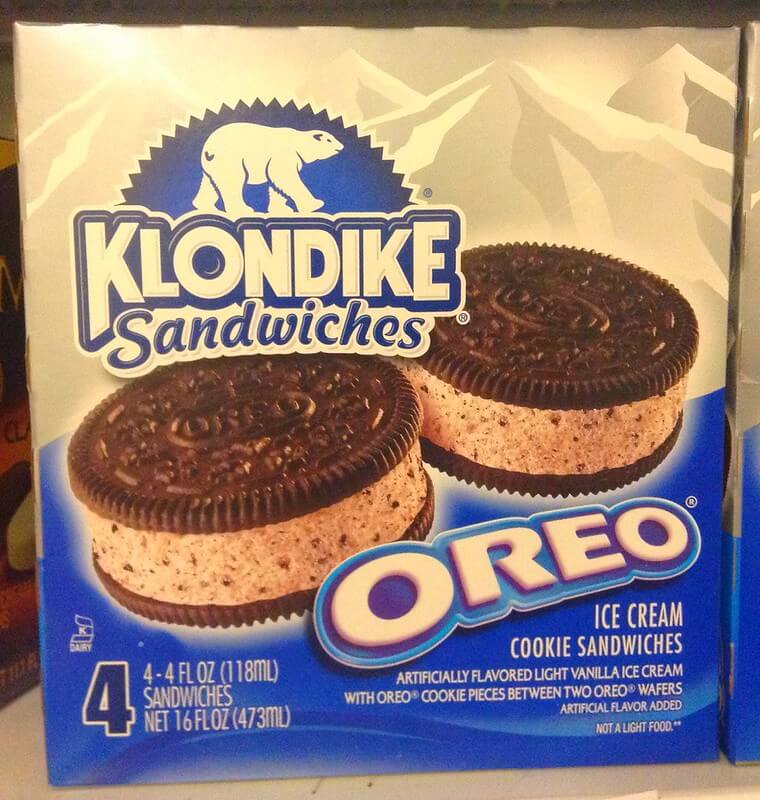
The Klondike bar came from Isaly’s, a dairy company in Youngstown, Ohio, which introduced the chocolate-coated slab of ice cream in 1922. The foil wrapper kept it clean until the first bite, and the thick coating cracked loudly.
Snack bar versions were bigger than the hands that held them. Its jingle later became as famous as the bar itself.
Kool-Aid
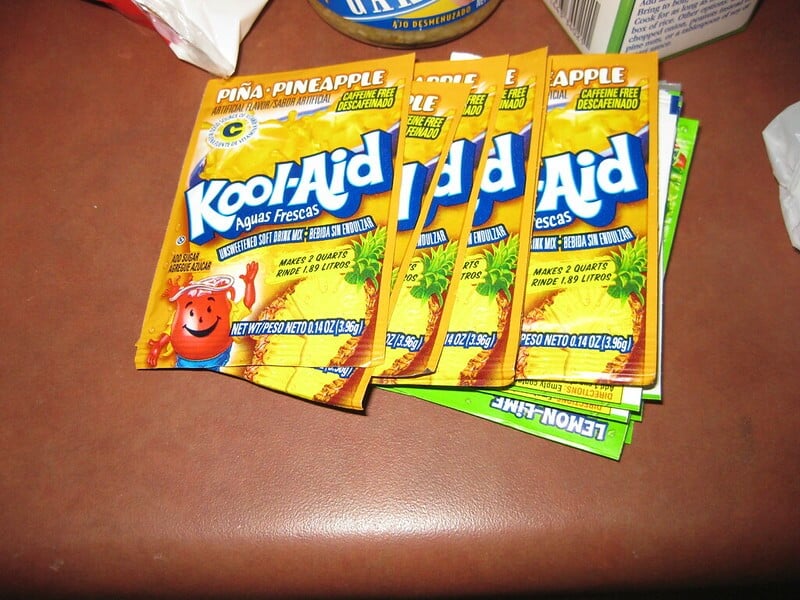
Edwin Perkins of Hastings, Nebraska, created Kool-Aid in 1927 and first sold it as a liquid called Fruit Smack before turning it into a powder. At pools, it arrived in paper cups from a dispenser or in thermos jugs from home.
The colors left lips stained for a while. Nebraska later named it the official soft drink of the state.
Little Debbie Oatmeal Creme Pies
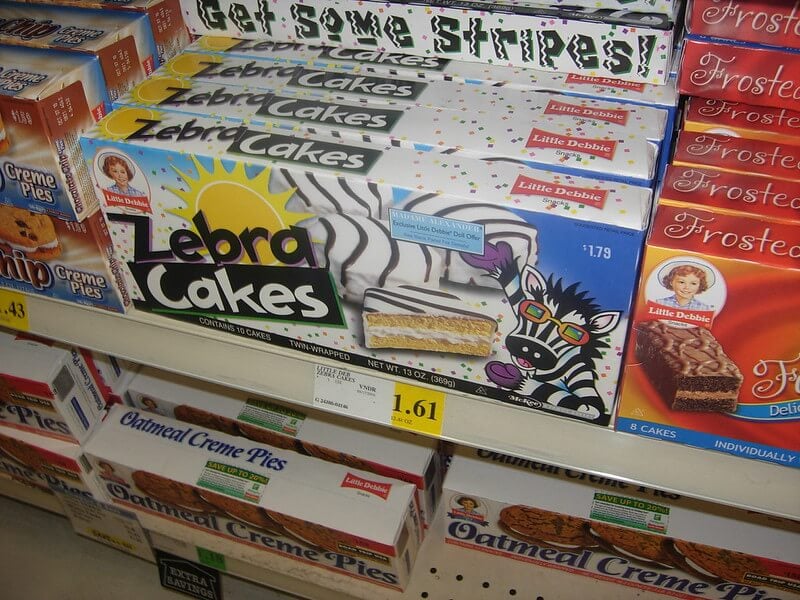
Two soft oatmeal cookies sandwiching creme made the Little Debbie Oatmeal Creme Pie a quick snack bar buy. The brand was named for Debbie McKee, a granddaughter of the company’s founders, whose face still appears on packaging.
Wrappers protected the pies from wet hands, though many ended up flattened at the bottom of a pool bag. The cookies were soft enough to eat without a table.
Bazooka Bubble Gum
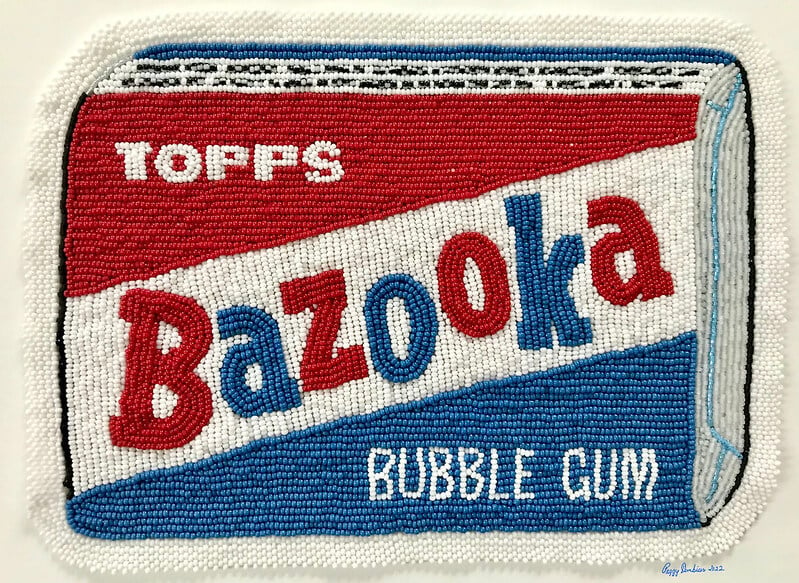
Bazooka bubble gum came with a tiny comic strip starring Bazooka Joe inside each wrapper. Children read the jokes on the pool deck while the gum softened in the heat.
The sweet, chalky pink slab turned rubbery fast. A bubble that burst across wet skin could glue itself in place.
Summer Measured in Wet Quarters
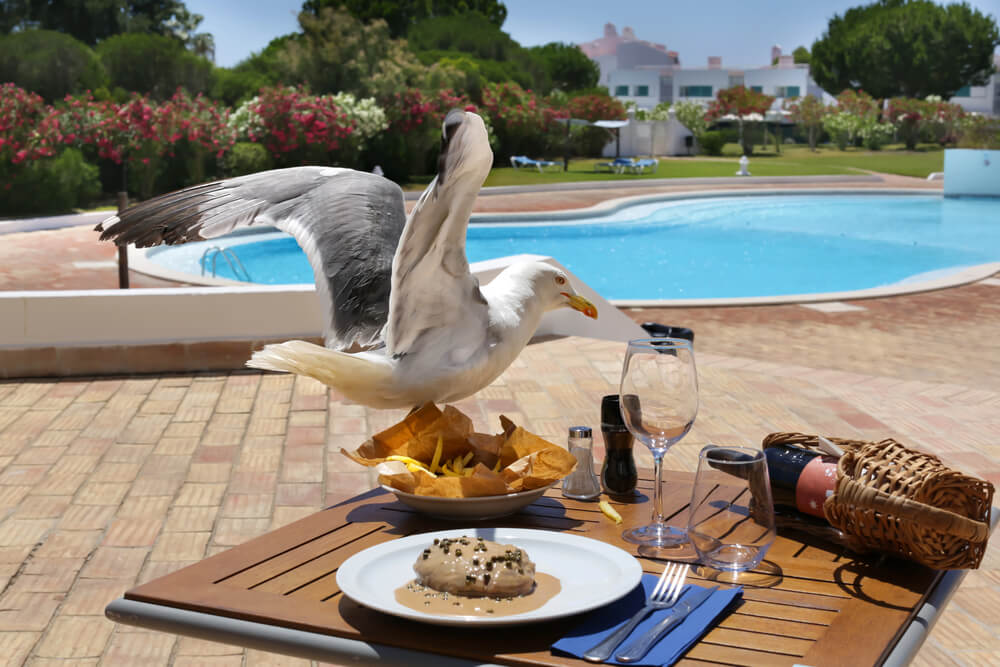
Pool snack bars sold more than food. They sold a break from the sun, a prize for finishing a lap, and a reason to dig through a damp pocket.
Few of these treats were healthy, and almost none were tidy.
Many of them are still sold, though the setting has changed. Taste memory is stubborn, and one bite of the right freezer treat can return a person to the edge of a pool.
The towels, the warm concrete, and the chlorine do the rest.
More from Go2Tutors!

- 27 Silver Dollars and Half Dollars Worth Keeping
- 28 Restaurant Menu Items Nobody Orders Anymore
- 17 Places Built in Seemingly Impossible Spots
- 27 Vintage Rings Worth More Than They Look
- 25 Restricted Sites Tourists Can’t Enter
Like Go2Tutors’s content? Follow us on MSN.