Old Toy Packaging Collectors Want Without the Toy
Most people toss the box the moment the toy comes out, which is exactly why empty packaging has become a serious collecting category. A crisp cardboard header, a clear plastic bubble, or a bright window box can tell more about an era than the toy it once held.
Some collectors even prefer the packaging, because it is scarcer than the plastic inside. Value depends almost entirely on condition, and creases, crushed corners, sun fading, and price stickers all push prices down.
The twenty examples below show which kinds of empty packaging draw attention and why.
Star Wars Early Bird Certificate Package

For Christmas 1977, Kenner had no Star Wars figures ready, so it sold a cardboard envelope for about eight dollars that held a Space Club membership card, a display stand with 12 characters, stickers, and a mail-in certificate. The certificate could be redeemed for four figures, which arrived in early 1978.
Most buyers mailed in the certificate, so a package with the certificate intact is the real prize, and condition matters enormously.
Star Wars 12-Back Cardbacks
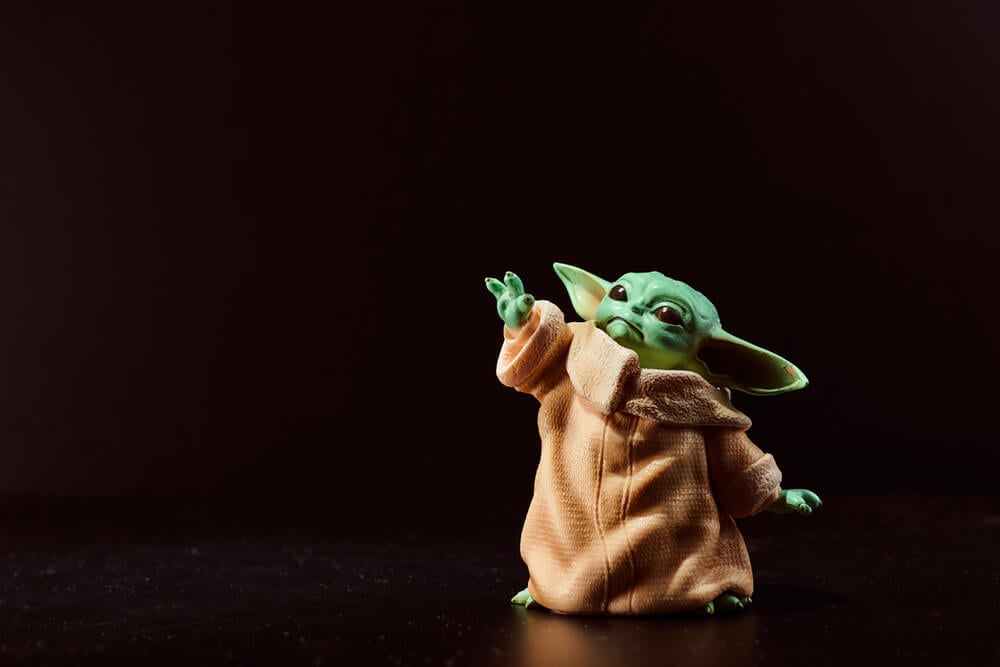
The first Kenner Star Wars figures arrived on cards showing a lineup of 12 characters, and collectors still call them 12-backs. Fans prize cards with flat, unbent surfaces and intact bubbles.
Empty cards survive because the bubbles and backs were saved by kids who kept the artwork.
Hot Wheels Redline Blister Cards
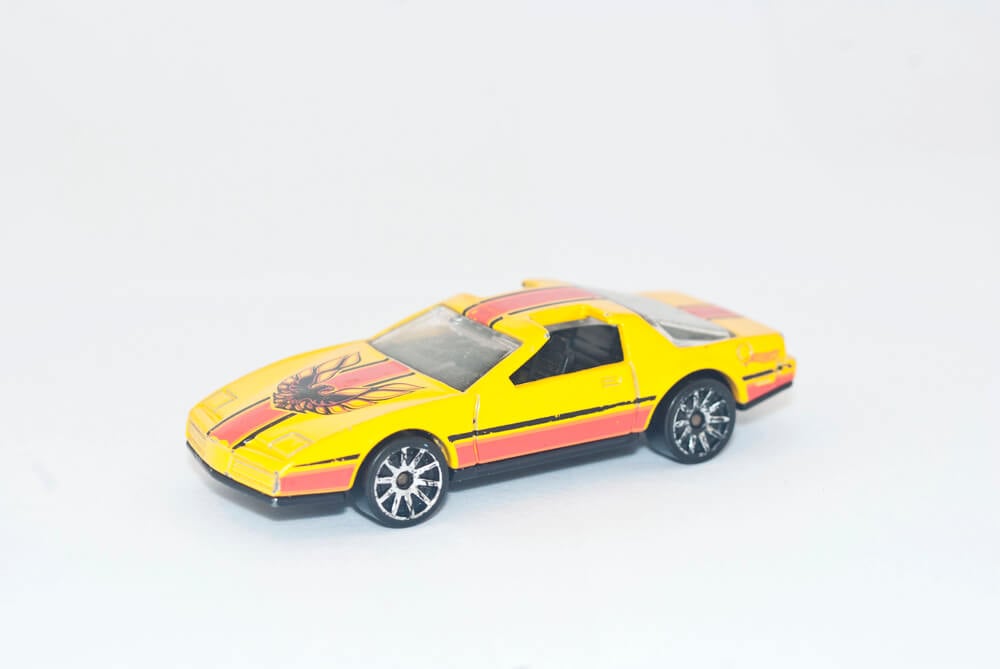
Hot Wheels launched in 1968 with 16 cars, and the redline tires used through 1977 define the early era. Their blister cards, with bold graphics, are collected for what they show about the toy’s early marketing.
Cards without tears, price tags, or peeled bubbles bring the best results.
The 1959 Barbie Box
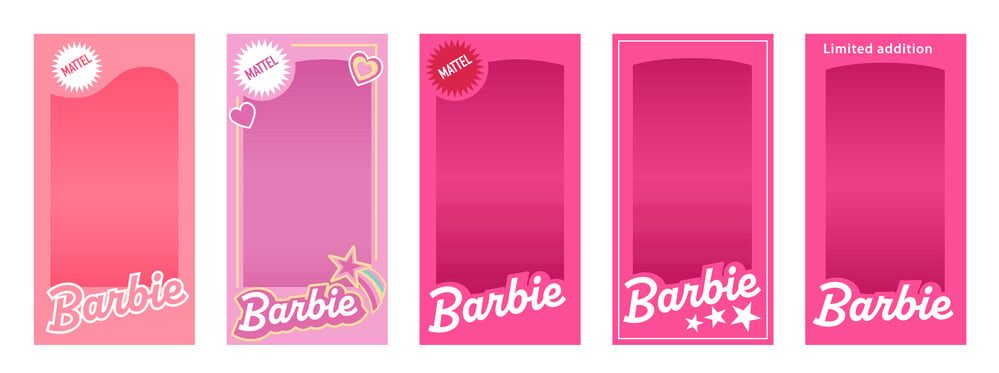
Barbie debuted in 1959, and the early packaging shows a doll in a striped swimsuit on a box with a stand. Collectors seek empty boxes with sharp corners, since the originals were often damaged.
A box in near-new condition is rare.
The 1952 Mr. Potato Head Box

Mr. Potato Head began in 1952 as a kit of parts that kids pushed into a real potato or other vegetable, and the boxes showed the parts in illustrated form. Hasbro added a plastic potato body in 1964.
Original kit boxes with unfaded art are valued, while stains and tears reduce their appeal.
The Easy-Bake Oven Box
Kenner introduced the Easy-Bake Oven in 1963, and its original packaging featured illustrated scenes of children baking. Empty boxes are collectible, especially those with clean flaps.
Sun fading on the pink and yellow artwork is a common flaw.
The Lite-Brite Box
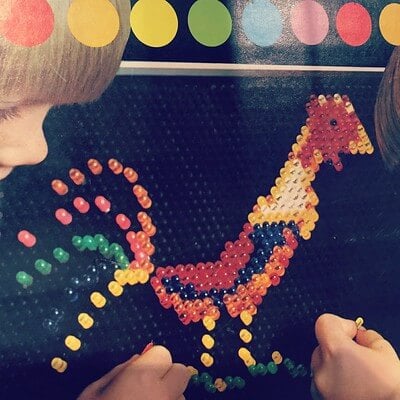
Lite-Brite arrived in 1967, and its early boxes showed glowing pictures against a dark background. Collectors look for lids with bright color and no crushing.
A box that still holds its original insert tray is better still.
The Operation Box
Milton Bradley released Operation in 1965, and the original box art showed a patient with a glowing red nose. Collectors seek boxes with firm corners and clean graphics.
Empty ones are rare because the game boxes took heavy wear from play.
The Spirograph Box
Kenner brought Spirograph to the American market in 1966, and the box showed swirling designs made with gears and pens. The packaging helped explain the toy to curious parents.
Collectors value boxes without tears at the seams.
The Etch A Sketch Box
Ohio Art launched the Etch A Sketch in 1960, and early boxes showed the red frame and white knobs. Collectors prefer boxes with bright colors and no water damage.
A clean lid with the original artwork is the standard to look for.
The Rubik’s Cube Box
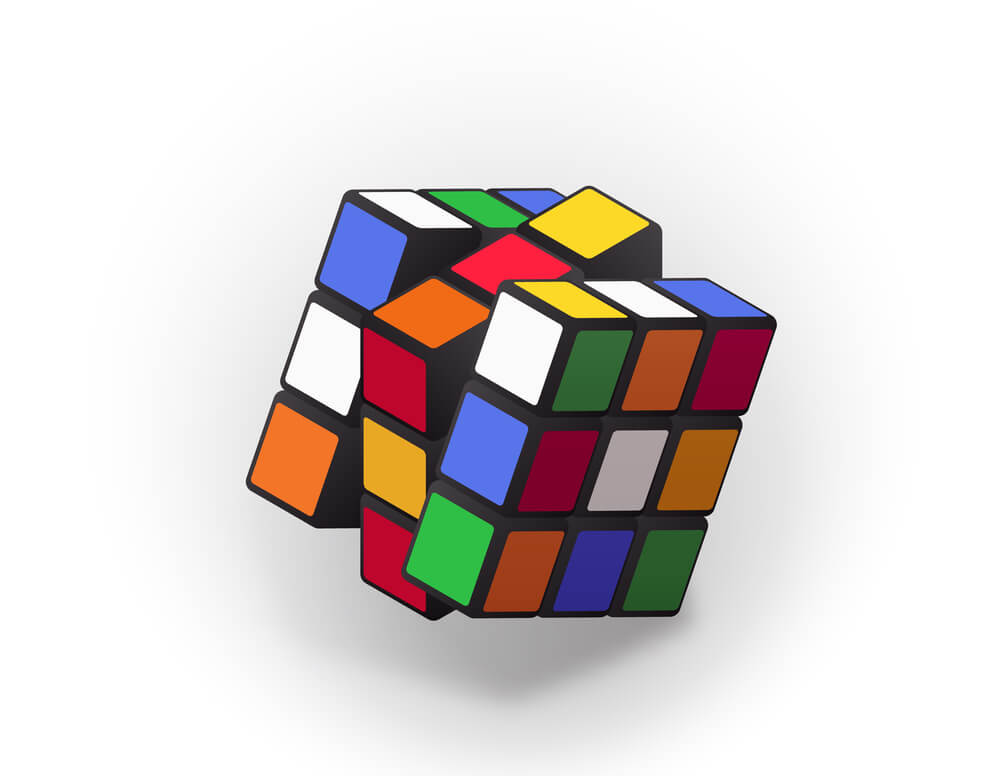
Ideal introduced the Rubik’s Cube in the United States in 1980, and the early boxes showed the cube alongside the name of its Hungarian inventor. Packaging from the first craze is collected for its design.
Squashed corners and faded colors lower the price.
The Evel Knievel Stunt Cycle Box
Ideal released the Evel Knievel Stunt Cycle in 1973, and the box showed the daredevil in a dramatic jump. A winder launcher powered the toy, which made the packaging part of the fantasy.
Boxes with unripped graphics and intact end flaps are sought after.
The 1983 My Little Pony Window Box
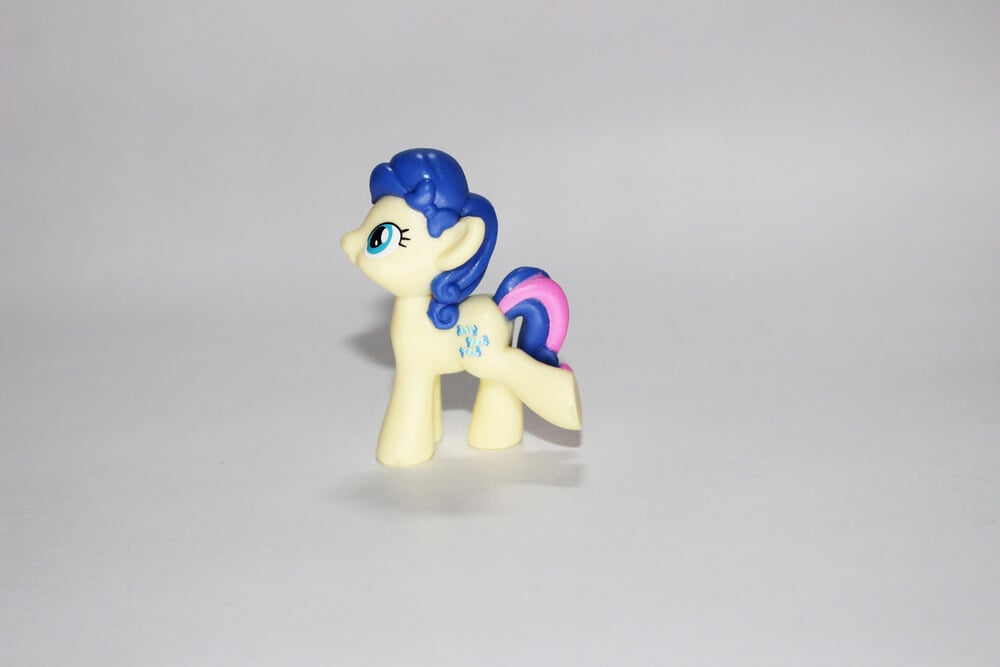
Hasbro released My Little Pony in 1983, and the early boxes used a window to show the toy with its brush. Collectors look for boxes with unbroken windows.
Pastel colors tend to fade, so bright examples stand out.
The Masters of the Universe Cardback
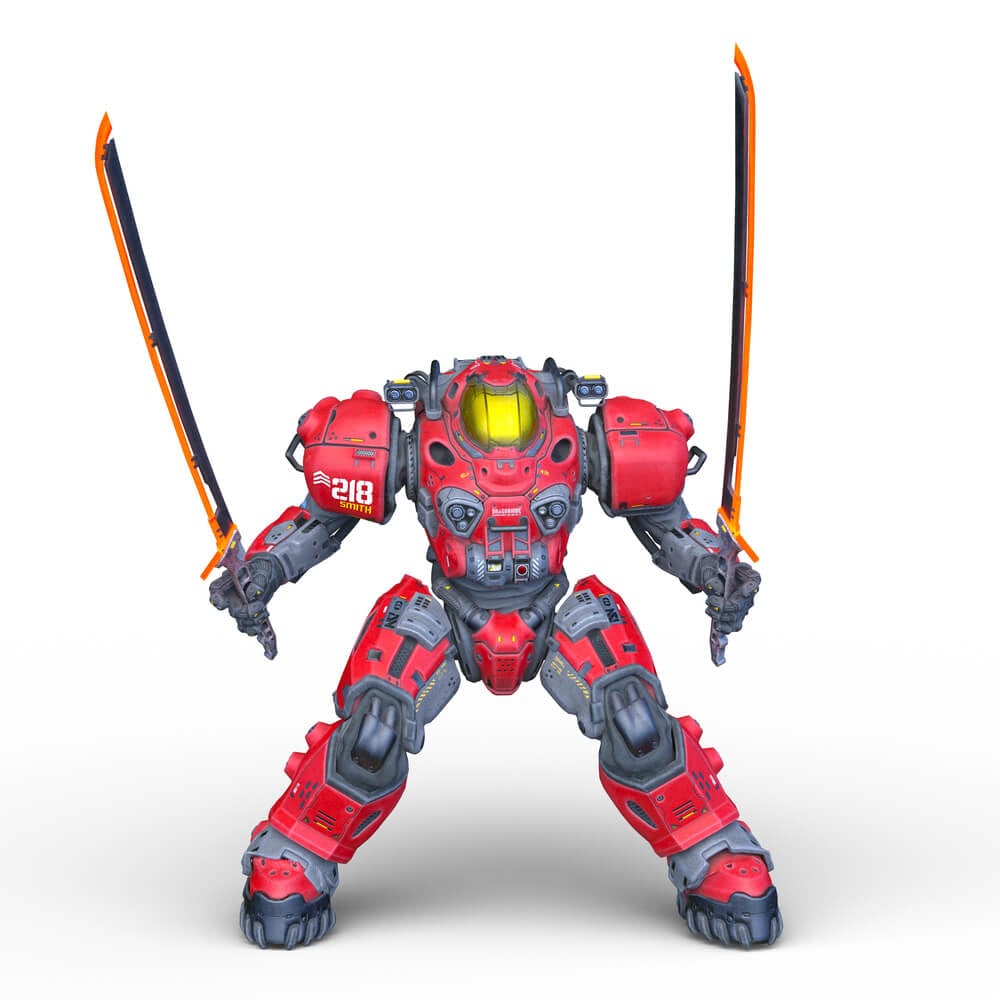
Mattel launched Masters of the Universe in 1982, and the early cardbacks carried colorful art and a minicomic offer. Collectors like cards with clear bubbles and flat edges.
Cards with price stickers over the artwork are less valuable.
The G.I. Joe 1982 Straight-Arm Cardback
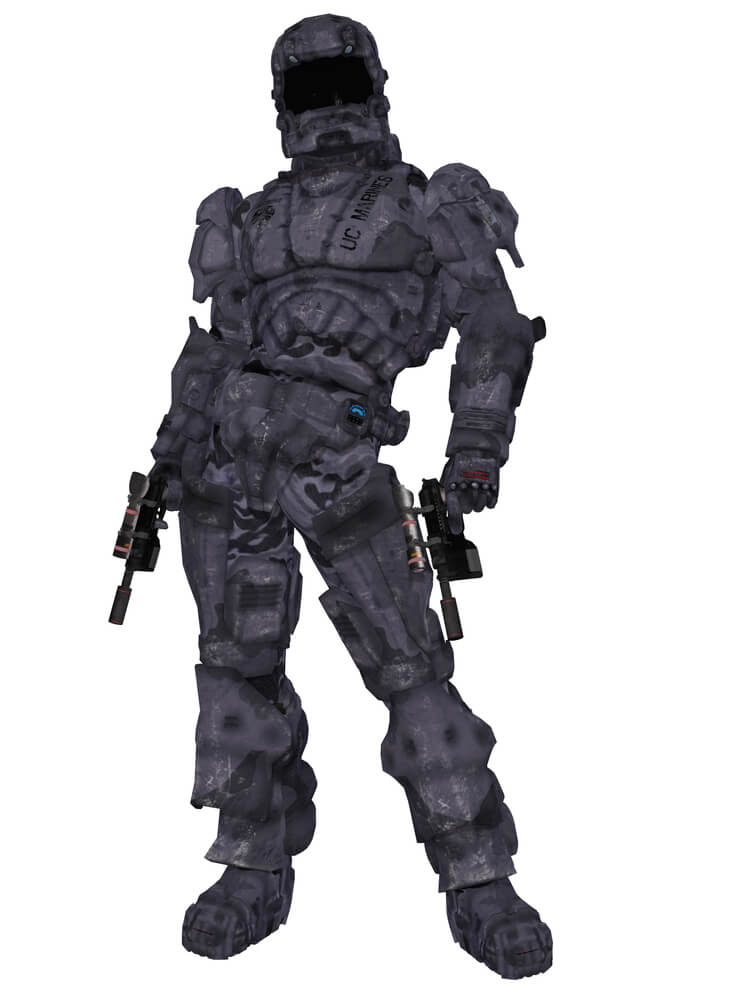
Hasbro’s 1982 A Real American Hero line brought small figures on cards that included a cut-out file card with a character biography. Early figures had straight arms, which gives the cards their name.
Collectors prize cards with the file card still attached and no creasing.
The 1984 Transformers Box
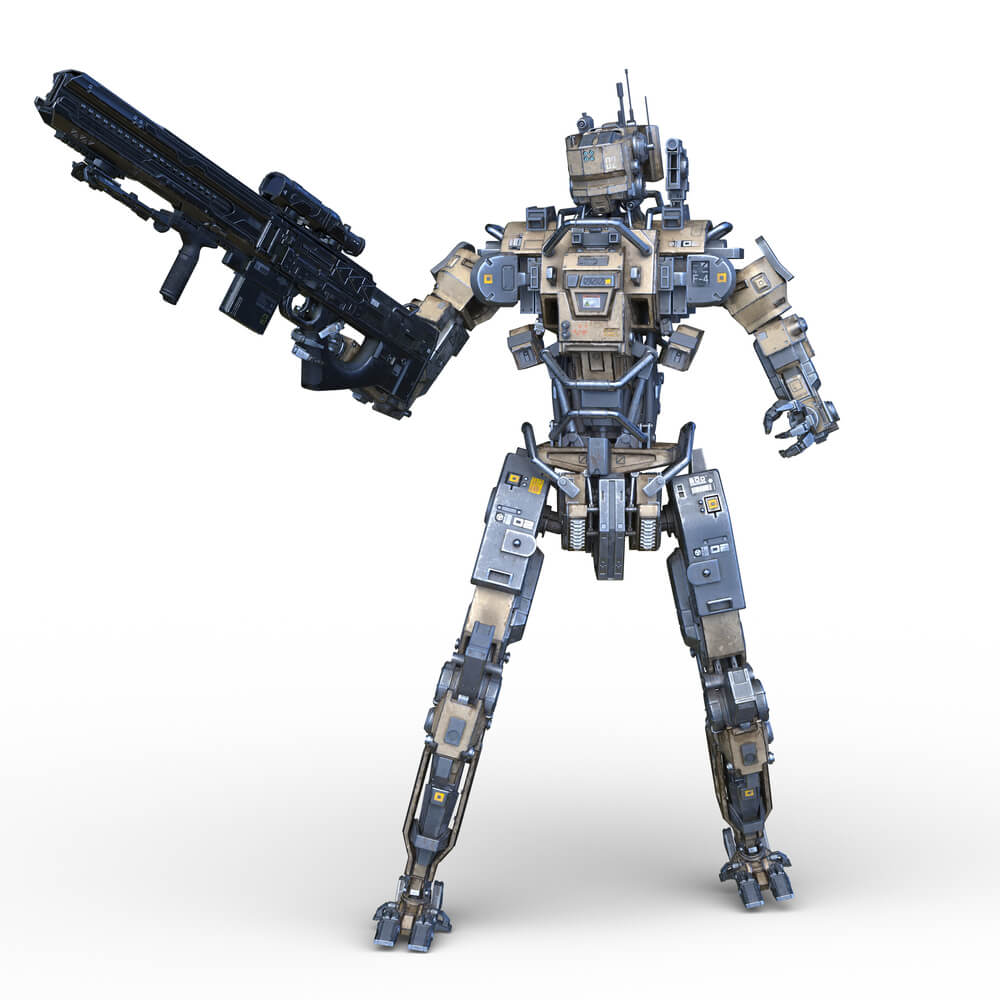
Hasbro introduced Transformers in the United States in 1984, with robot-to-vehicle toys in boxes carrying dramatic illustrations. The art helped sell the toy’s backstory.
Boxes with sharp corners and unfaded artwork command attention.
The 1988 Teenage Mutant Ninja Turtles Cardback
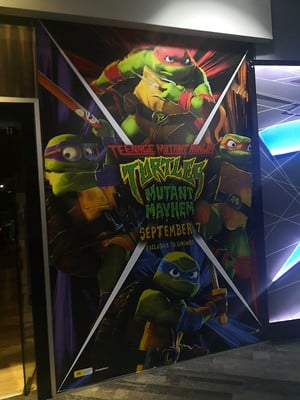
Playmates released its Teenage Mutant Ninja Turtles figures in 1988, and the first cardbacks showed the heroes in action poses. Collectors value cards with bright colors and clear bubbles.
Soft corners and bent edges lower their price.
The Cabbage Patch Kids Box
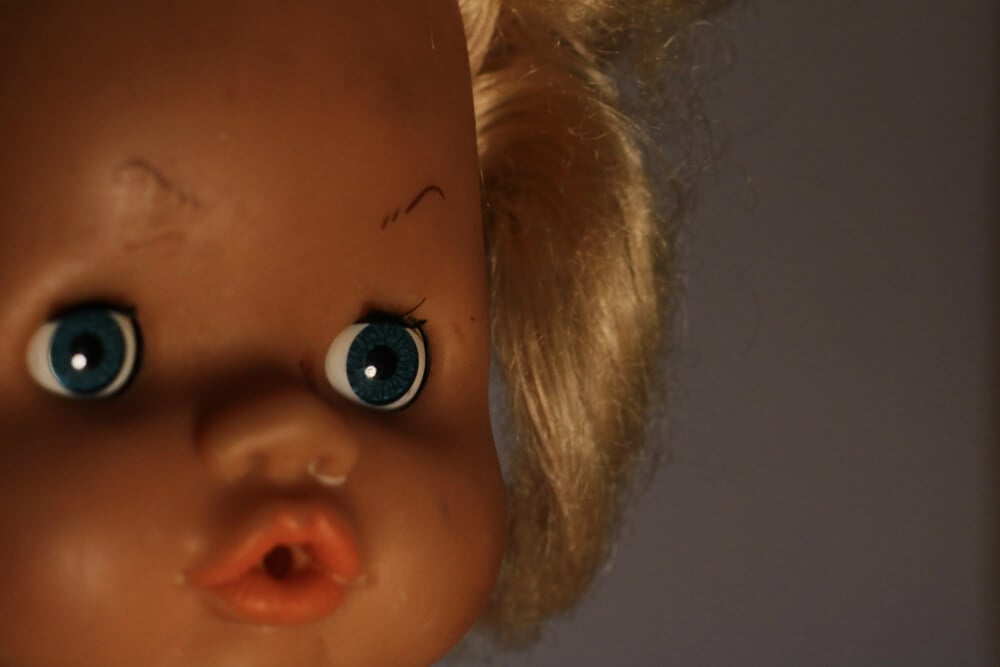
Coleco released Cabbage Patch Kids in 1983, and each doll came with a birth certificate and adoption papers. The boxes highlighted the idea of adopting a doll rather than buying one.
Collectors prefer boxes without water stains.
The Pokémon Booster Pack Wrapper

The English-language Pokémon trading card game reached the United States in January 1999, and its booster packs came wrapped in foil. Collectors treat empty wrappers as keepsakes, since the sealed packs are worth more to many buyers.
Crisp foil with no tears is the standard to look for.
The Nintendo Deluxe Set Box
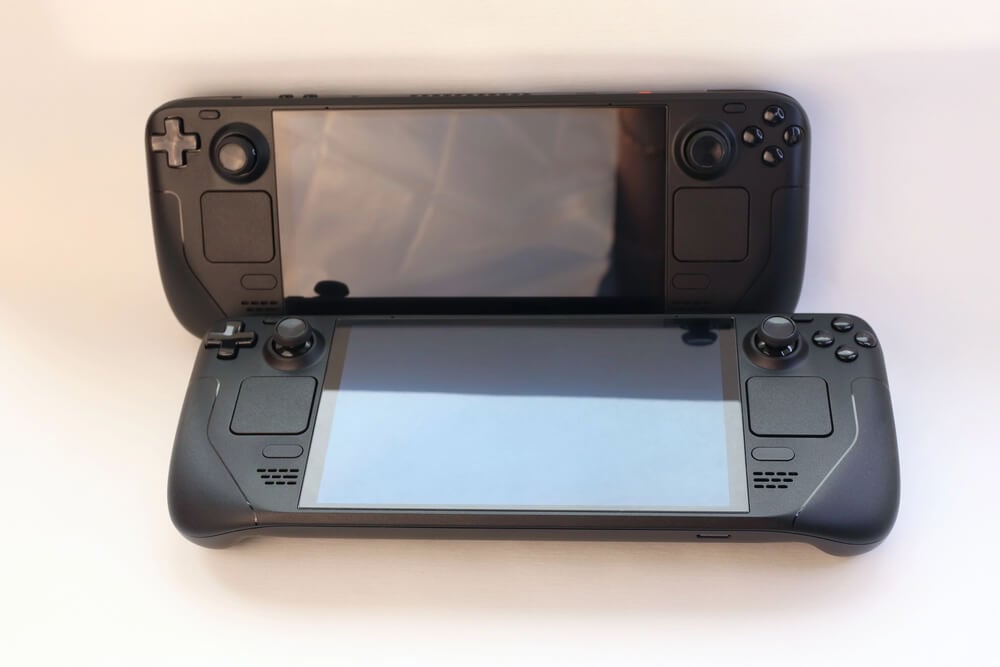
Nintendo’s early Entertainment System Deluxe Set included the R.O.B. robot and a light gun, and the box carried an illustrated scene of the system in action. Collectors want boxes with intact corners and clear artwork.
Crushing and tape marks drastically reduce the value.
Why the Wrapper Outlasts the Toy
Packaging was designed to sell, and it carried the art, slogans, and promises that made a child beg for the toy. Once the toy was opened, the box lost its job, but the artwork stayed vivid.
That is why collectors who skip the toys can still build a rich picture of childhood from the wrapping alone. The hobby rewards careful handling, since cardboard dents and plastic yellows quickly.
Anyone who still has a box in the attic should keep it flat, dry, and out of sunlight. Even a crushed one may carry a story.
More from Go2Tutors!

- 27 Silver Dollars and Half Dollars Worth Keeping
- 28 Restaurant Menu Items Nobody Orders Anymore
- 17 Places Built in Seemingly Impossible Spots
- 27 Vintage Rings Worth More Than They Look
- 25 Restricted Sites Tourists Can’t Enter
Like Go2Tutors’s content? Follow us on MSN.