Most crowded places on Earth
A crowd isn’t about how many show up. What brings them stems from time, place, money patterns, and routines stacking together somewhere real.
At crossroads of commerce, foot traffic piles up over years. Fast city growth squeezes others into tight blocks.
Then there are those sudden surges – brief, thick waves pulled in by ceremony or shared tradition.
Strange how crowding feels unique each time. One moment you’re stuck in a downtown rush, next you’re shuffling through a train platform shoulder to shoulder.
Even yearly gatherings weigh on the body unlike daily commutes. Pressure shifts when it’s predictable compared to sudden chaos.
Some jams hum with routine, others crackle with unpredictability.
Peering into spots packed tight with folks reveals what keeps drawing crowds, even when the room runs short. What holds these locations together isn’t just numbers – it’s deeper pulls few expect.
Pressure builds, yet arrival never slows. Space shrinks but presence grows.
Reasons differ, though patterns emerge without warning. Density doesn’t scare them off.
Something else takes charge instead.
Shibuya Crossing
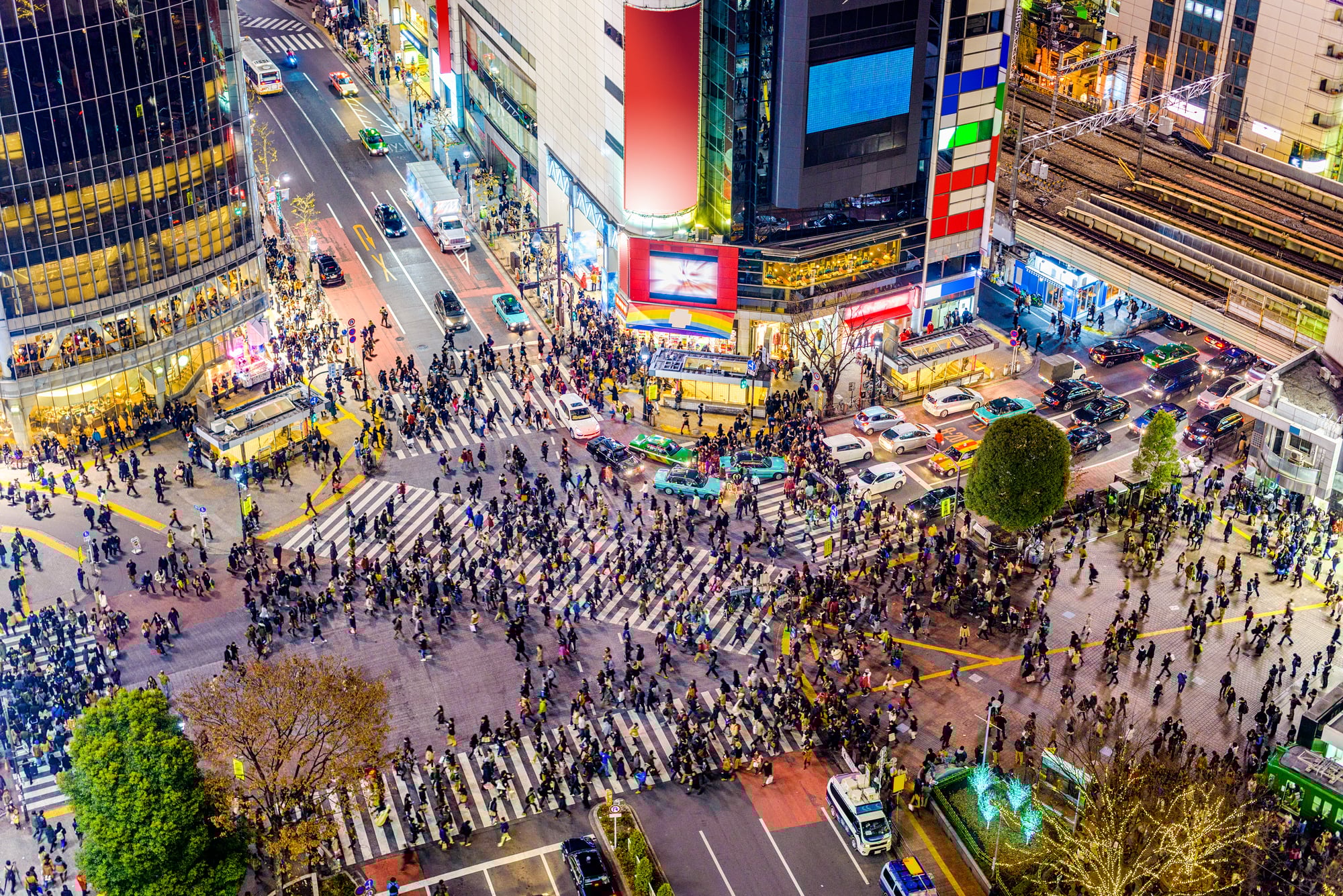
Shibuya Crossing is often described as the busiest pedestrian crossing in the world. Located in the heart of Tokyo, it floods with people every time the traffic lights change.
Hundreds, sometimes thousands, cross simultaneously from all directions.
What makes Shibuya remarkable is not just the volume of people, but the order within the chaos. Despite the density, movement remains fluid.
People flow past one another with minimal contact, guided by unspoken rules and shared rhythm.
The crossing reflects Tokyo’s broader relationship with density. Space is limited, yet systems are refined enough to make extreme crowding feel almost graceful.
Shibuya is crowded not because it is disorganized, but because it works.
Times Square
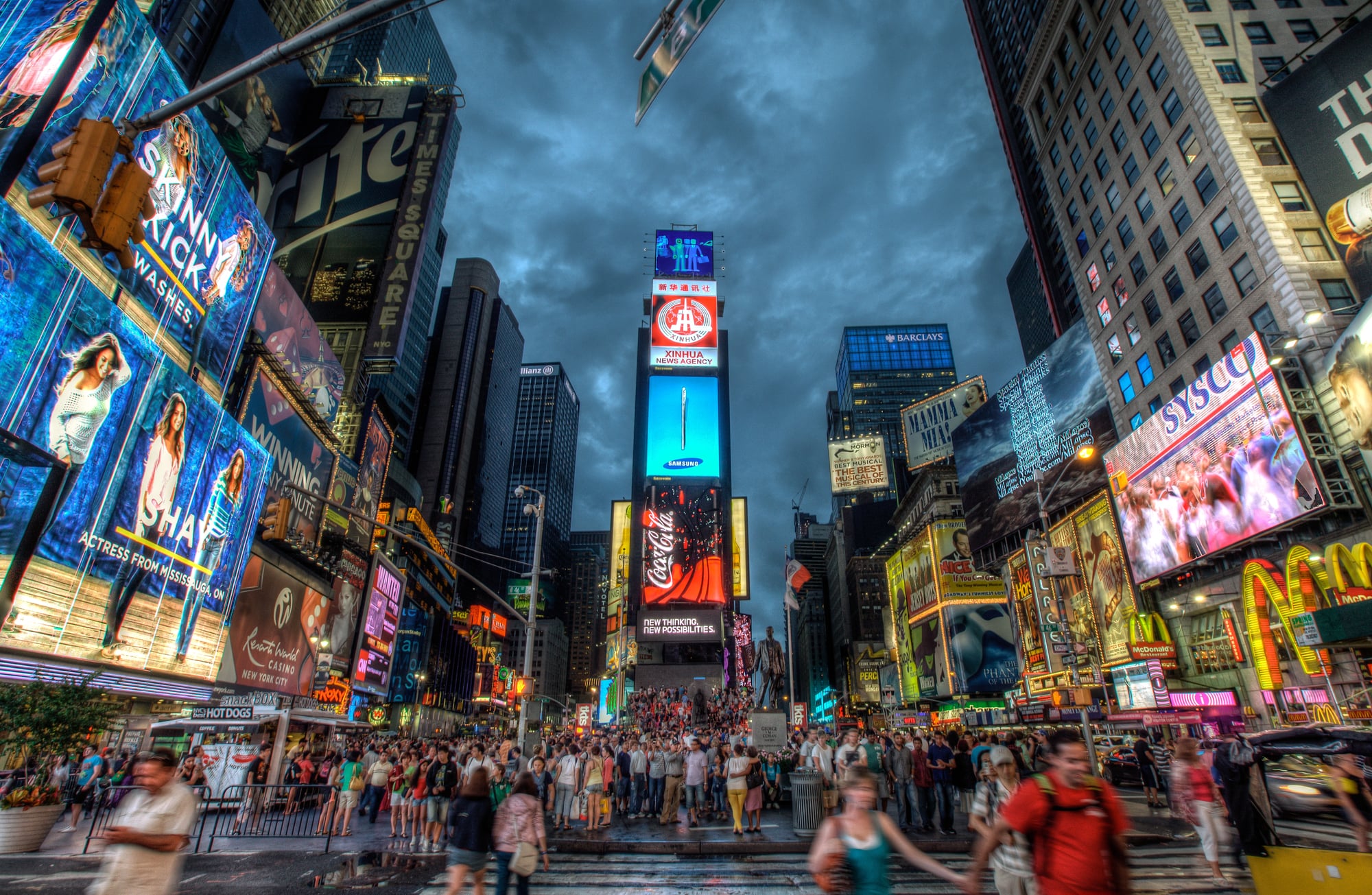
Times Square represents a different kind of crowd. It is not primarily about commuting or efficiency.
It is about spectacle. Millions of people pass through this small area of Manhattan each year, drawn by lights, screens, and the promise of being at the center of something iconic.
At peak times, sidewalks fill with tourists, performers, and workers moving at different speeds. The result is a constant state of congestion.
Unlike Shibuya, the flow here is uneven and unpredictable, shaped by photo stops and sudden bottlenecks.
Times Square remains crowded because it is symbolic. People want to be seen there, even briefly.
The density becomes part of the experience, reinforcing the sense that this is a place where the world converges.
Dhaka
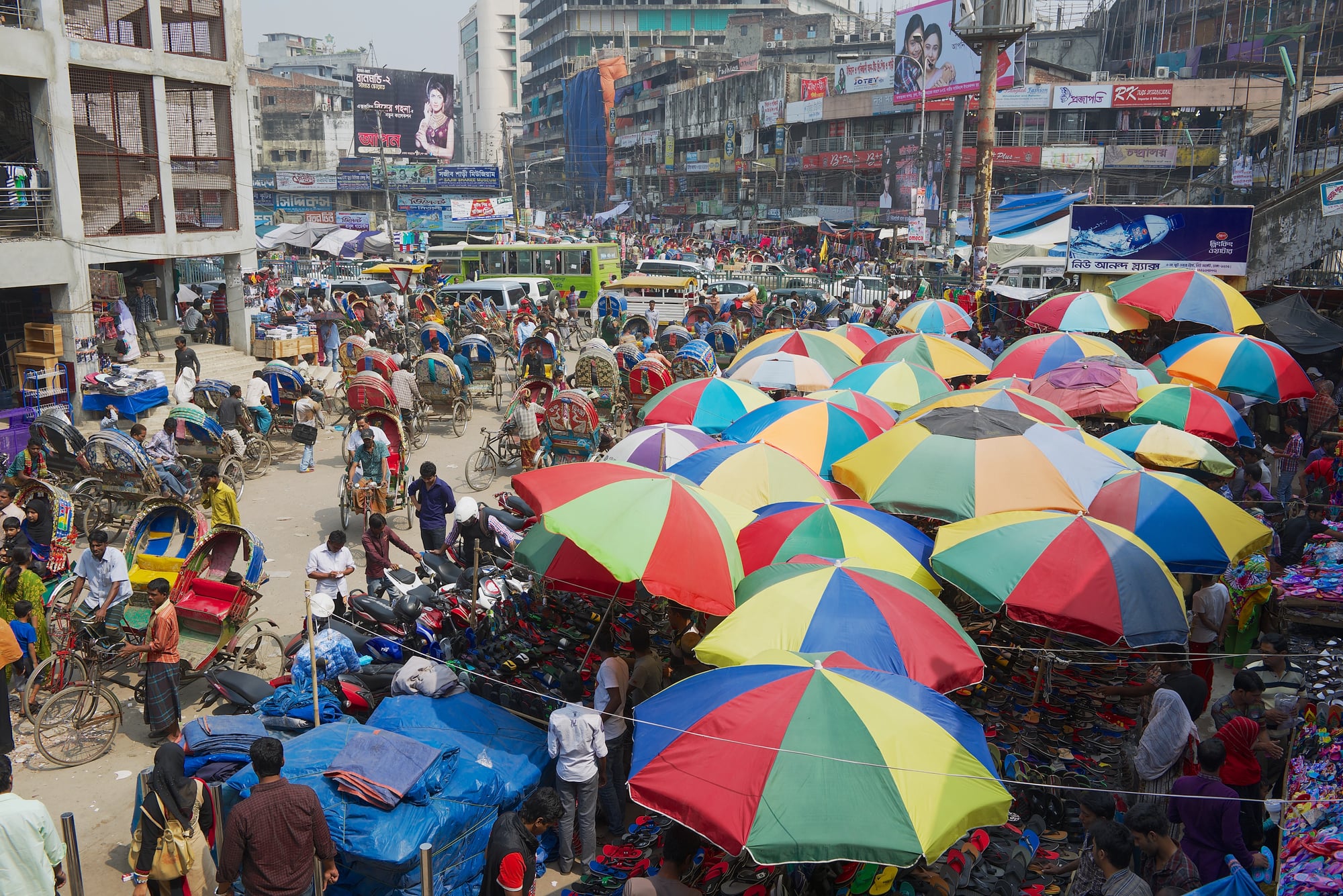
Dhaka is one of the most densely populated cities on Earth. Millions of residents live within a relatively small urban footprint, creating constant pressure on housing, transportation, and public services.
Crowds in Dhaka are not limited to specific landmarks. They are woven into daily life.
Streets, markets, buses, and neighborhoods operate at near capacity from morning to night. Movement is slow, and personal space is limited.
The city’s density is driven by rapid population growth and economic migration. Despite the challenges, Dhaka continues to attract people seeking opportunity.
Its crowdedness reflects resilience as much as strain.
Mumbai local trains
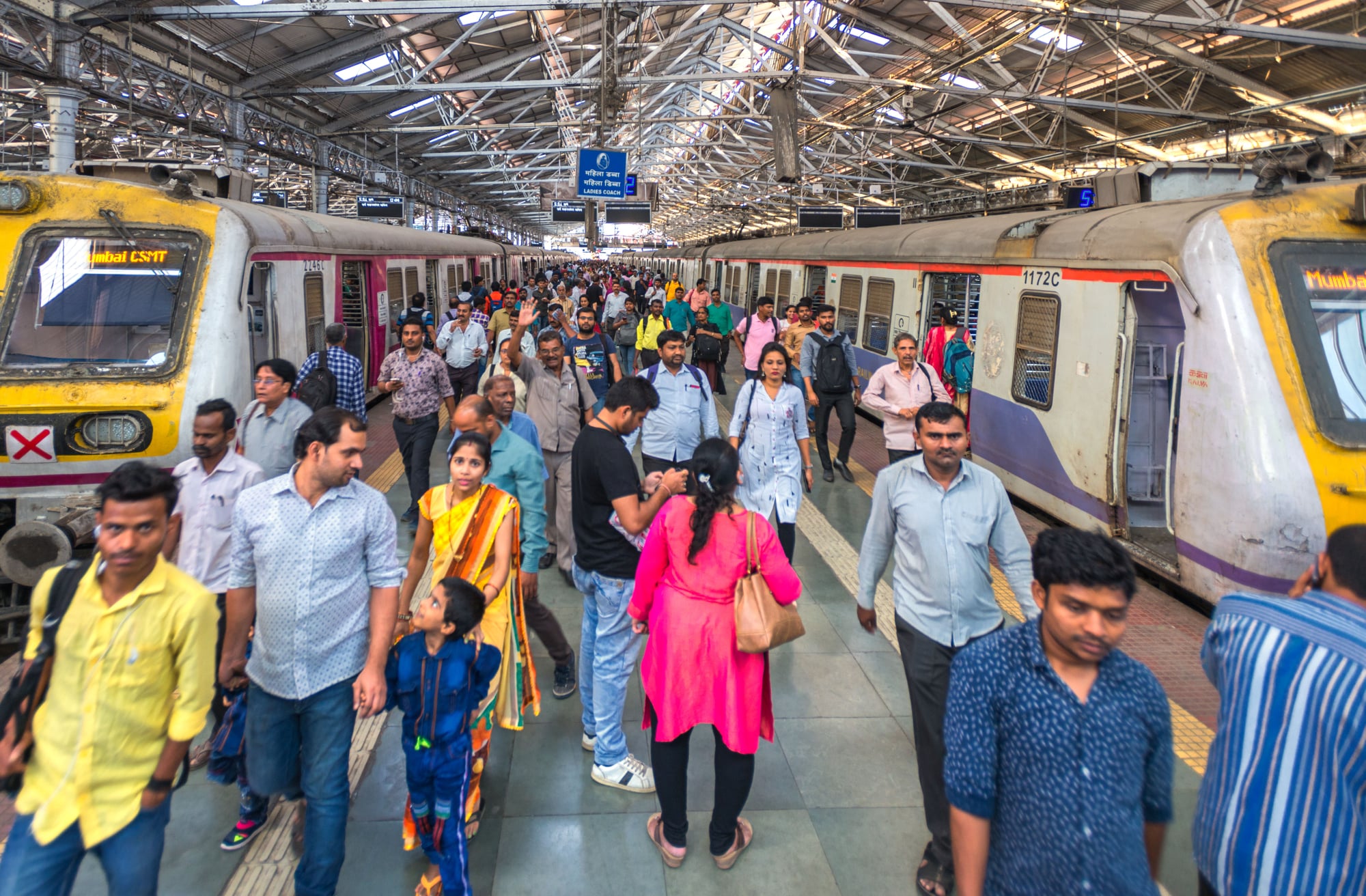
The local train system in Mumbai is often cited as one of the most crowded transit networks in the world. During peak hours, platforms overflow, and trains arrive already packed beyond comfortable capacity.
This crowding is not occasional. It is a daily reality for millions of commuters.
Trains run frequently, yet demand still outpaces supply. Riders adapt by developing precise routines, knowing exactly where to stand and when to move.
The intensity of Mumbai’s trains highlights how infrastructure shapes crowd experience. The density is extreme, but it is also functional.
The system keeps the city moving, even when space disappears.
Manila
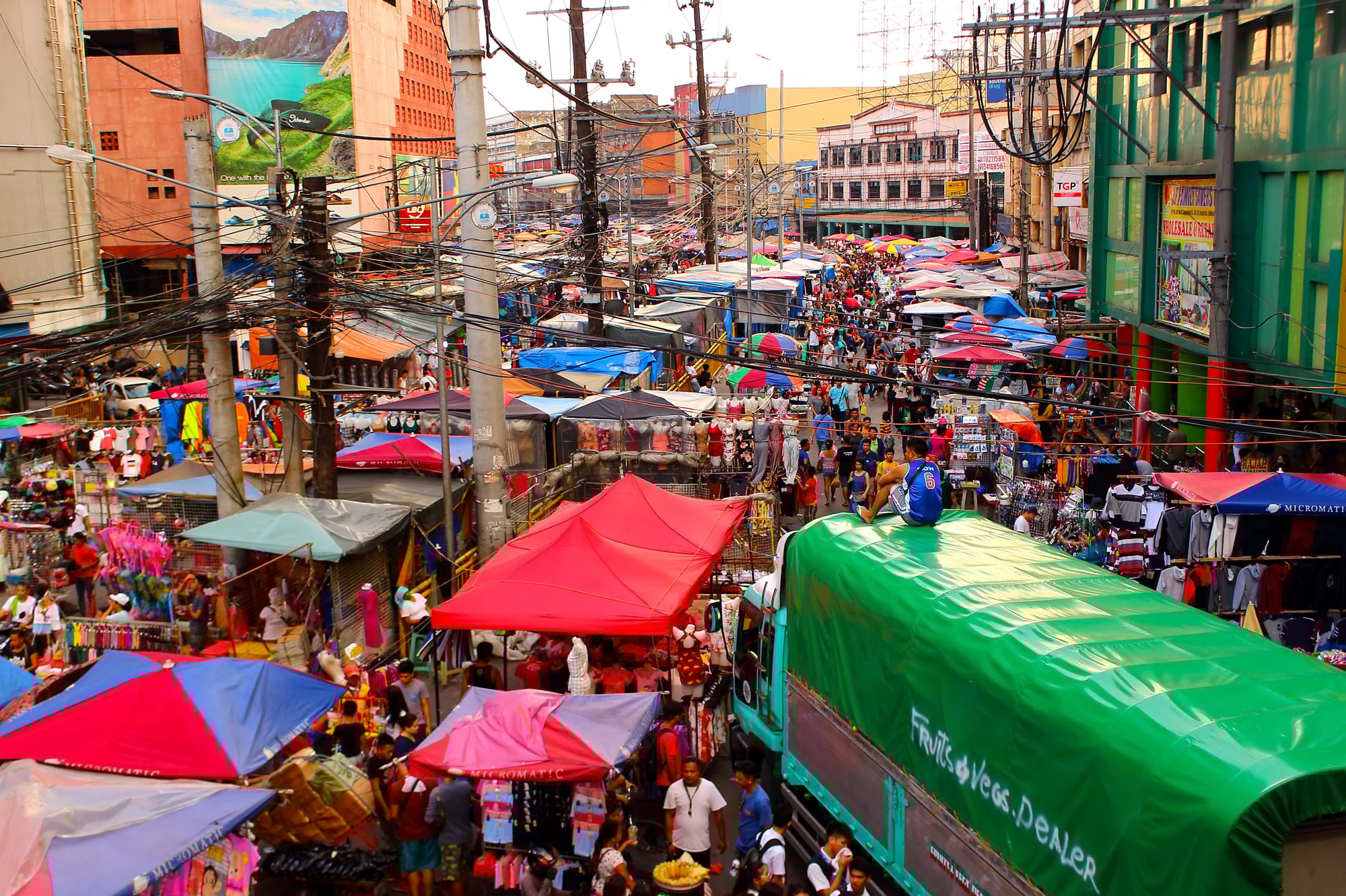
Manila sits at the center of one of the most densely populated metropolitan areas in the world. Urban growth has expanded faster than infrastructure, creating neighborhoods where homes, businesses, and roads compete for limited space.
Crowds in Manila are especially visible in informal transit hubs, markets, and residential areas. Streets often serve multiple purposes at once, blending movement, commerce, and social life.
The city’s density reflects a young, growing population and long-standing patterns of migration. While crowding creates challenges, it also fuels a vibrant street culture that defines daily life.
Mecca during the Hajj
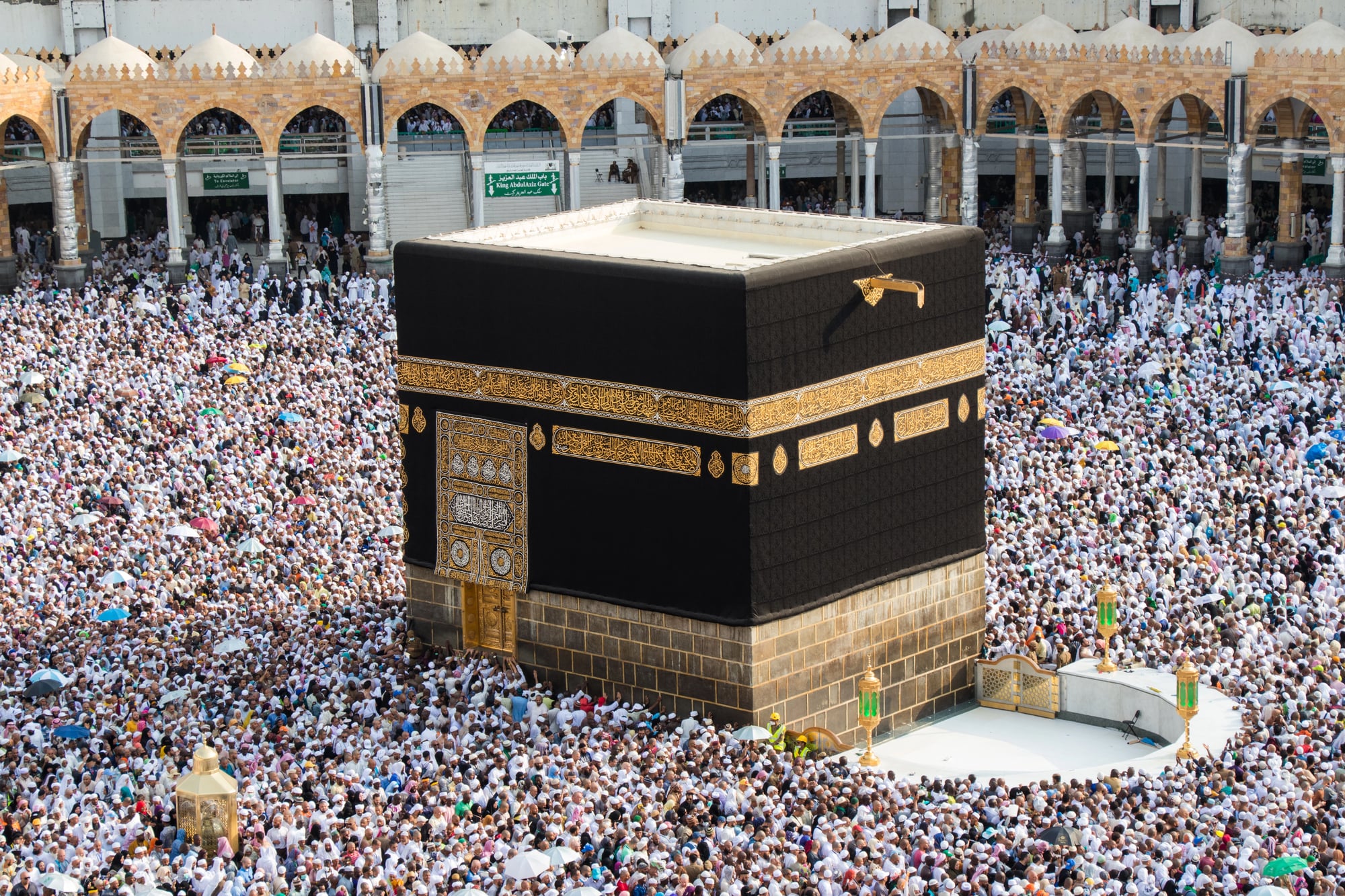
Mecca experiences one of the most intense temporary concentrations of people on Earth during the annual Hajj pilgrimage. Millions of pilgrims arrive within a short window, performing rituals within a defined area.
Unlike urban crowding, this density is cyclical and highly managed. Authorities plan extensively to control movement, timing, and safety.
Even so, the sheer number of people creates moments of overwhelming scale.
The crowd in Mecca is unified by purpose. Participants move together with shared intent, transforming density into a collective experience rather than a purely logistical challenge.
Hong Kong streets
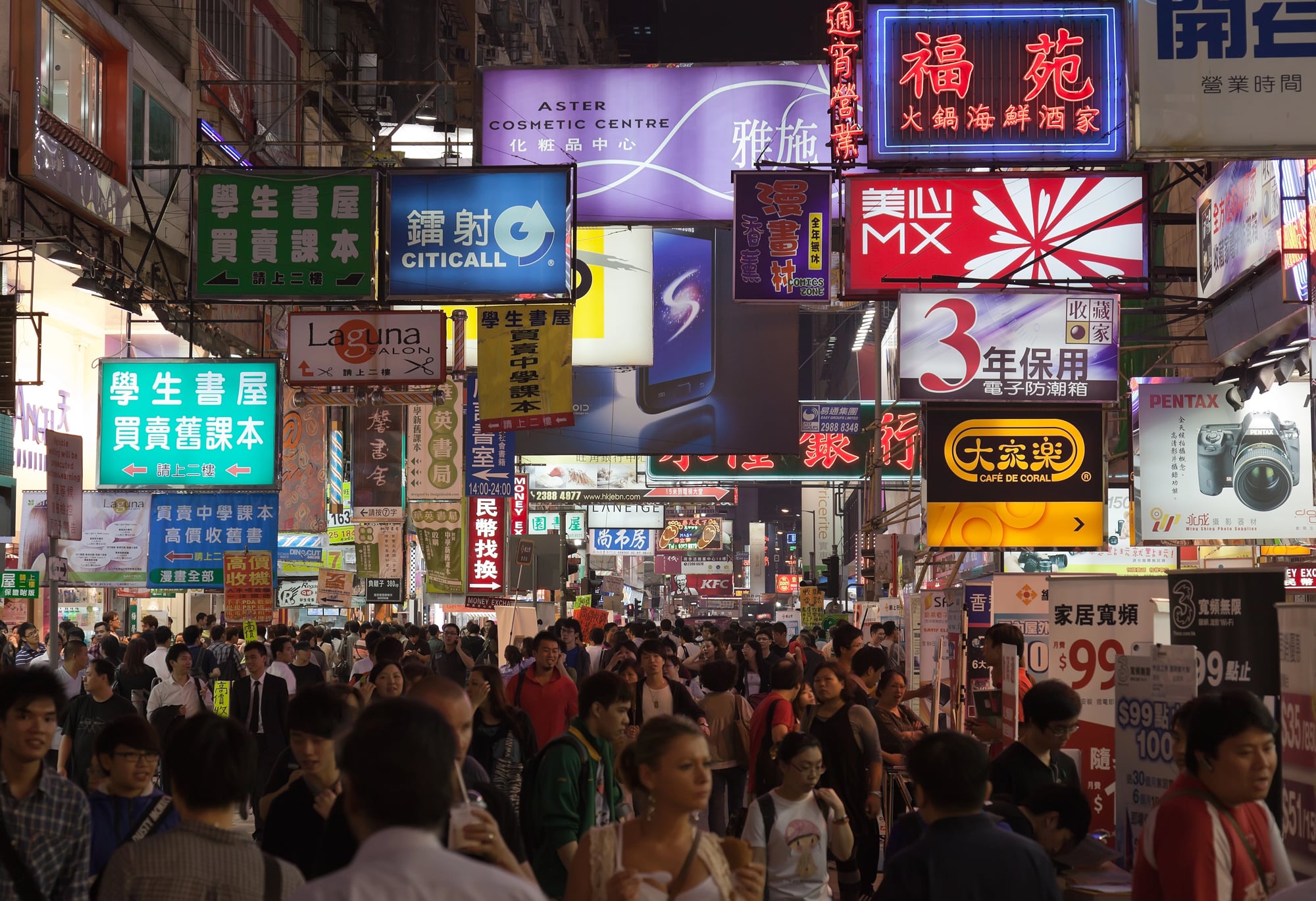
Hong Kong combines extreme population density with limited land availability. Vertical living is the norm, and streets in commercial districts often feel perpetually full.
Crowds form quickly due to compact layouts and heavy reliance on public transport. Sidewalks, footbridges, and underground passages absorb constant flows of people moving between work, shopping, and home.
Hong Kong’s density feels compressed but efficient. The city has adapted by stacking life upward, using every available layer to manage human concentration.
The Great Mosque during peak prayer times
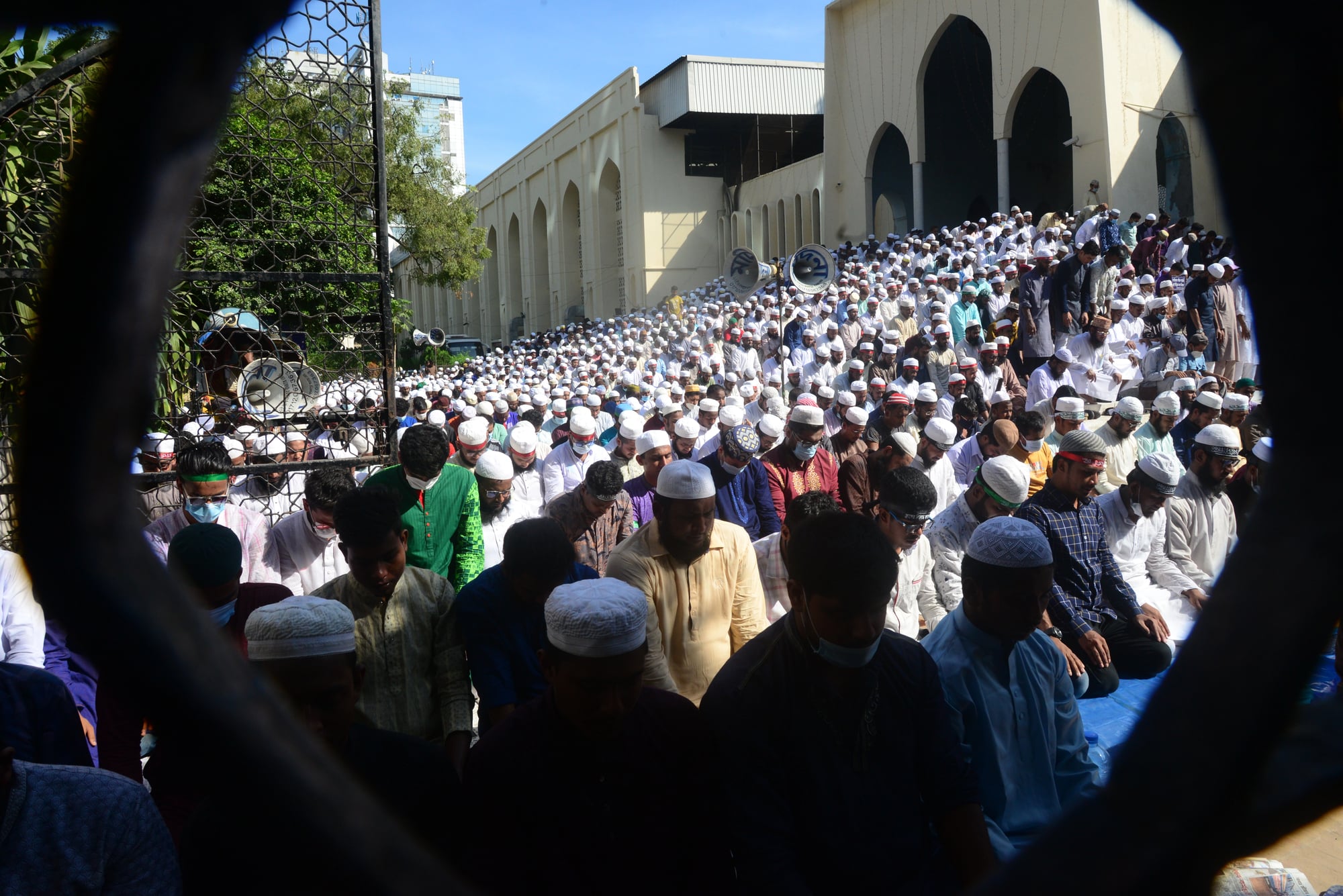
Masjid al-Haram becomes one of the most crowded places on Earth during peak prayer times, especially during major religious periods. The open courtyard fills with worshippers, creating a sea of movement synchronized by ritual.
The experience is both overwhelming and orderly. Despite the numbers, shared behavior and timing reduce unpredictability.
The crowd moves as one, shaped by tradition rather than impulse.
This form of crowding demonstrates how cultural structure can influence density. When behavior is aligned, even extreme numbers can coexist within limited space.
Why these places draw crowds
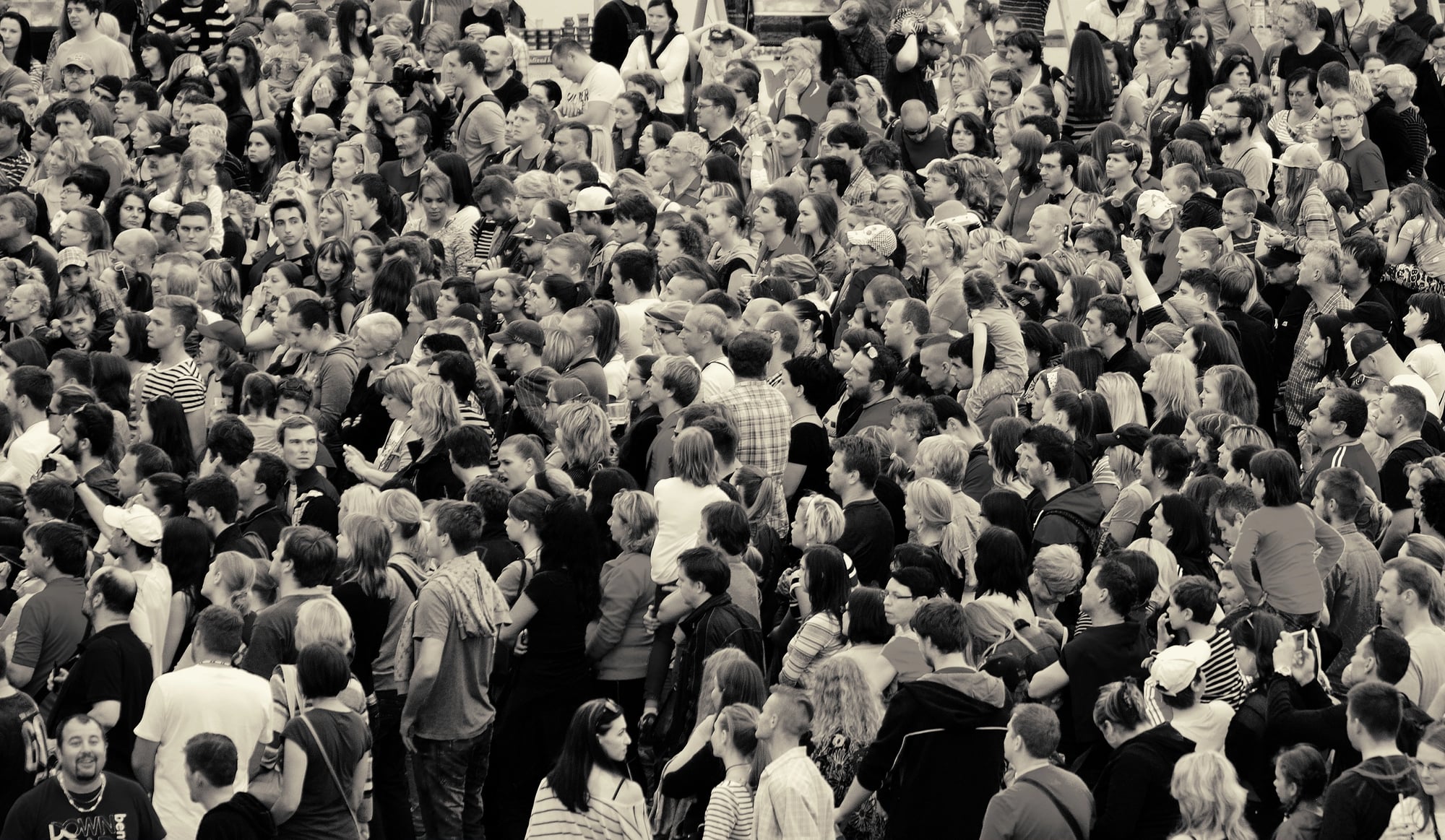
Crowds form where opportunity, meaning, or movement concentrates. Cities attract people seeking work and connection.
Transit systems gather those trying to move efficiently. Sacred sites draw individuals bound by belief rather than geography.
Once a place becomes known for drawing people, the effect compounds. Infrastructure, commerce, and culture grow around that density, reinforcing it over time.
Crowds become self-sustaining.
In many cases, people accept discomfort because what they gain feels worth the tradeoff. Density becomes a cost of access.
How people adapt to extreme density
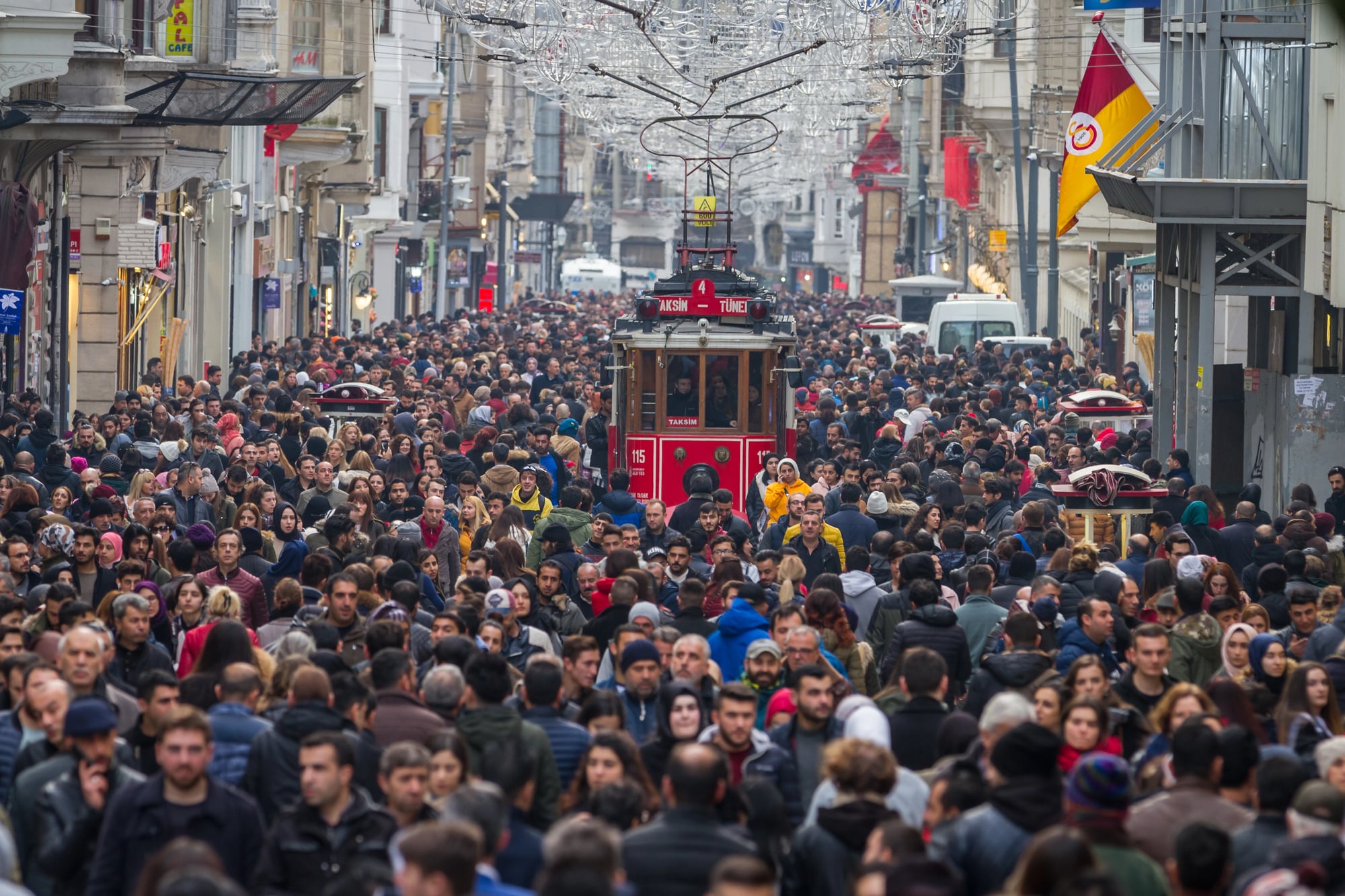
Human beings are remarkably adaptable. In the most crowded places, informal systems emerge to manage space.
People learn routes, timings, and behaviors that reduce friction.
Cities with long histories of density often develop subtle social rules. Standing positions, walking speeds, and shared expectations help prevent constant conflict.
Over time, these adaptations become invisible to those who rely on them daily.
Crowding becomes normalized, even when it would feel overwhelming elsewhere.
When crowding becomes a risk
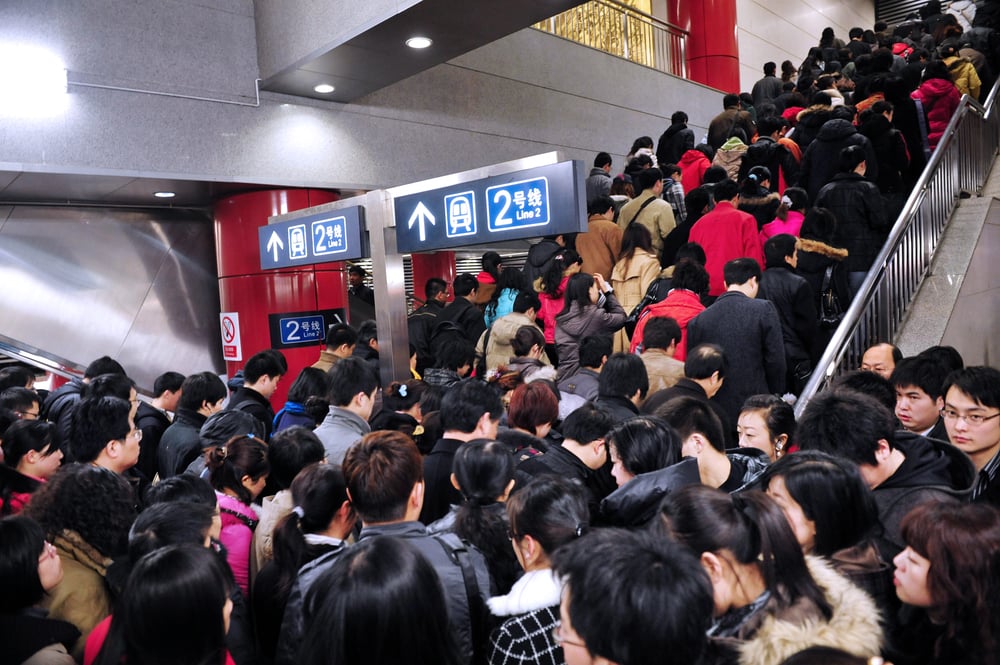
Extreme density can also create vulnerability. Transportation delays, infrastructure failures, or environmental stress can quickly escalate in crowded environments.
Planning and maintenance become critical.
Temporary crowds, in particular, require careful coordination. Without management, the same density that creates powerful shared experiences can turn dangerous.
History shows both outcomes.
This is why many of the most crowded places invest heavily in control systems, even when the crowds themselves appear spontaneous.
Why it still matters
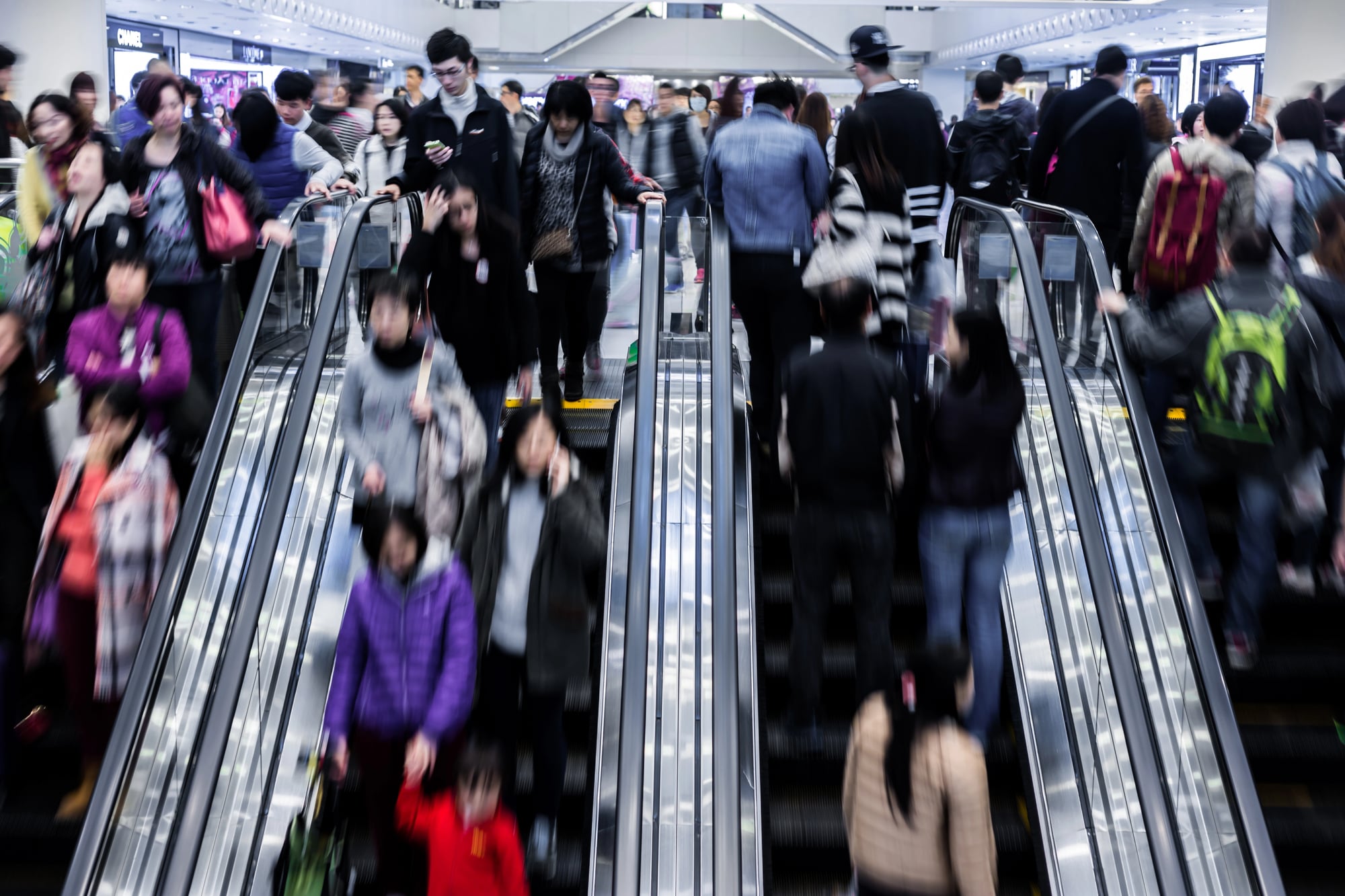
Where crowds gather tells us where lives pile up, also what pushes them there. Movement continues because adjustments happen when space runs short.
When cities grow, more folks find themselves packed close. Figuring out what pulls people together reveals not only where we settle, but also how we figure out room to move.
Few realize how much space shapes behavior. Where people gather, unseen forces begin to shift them – through shared presence, through friction, through silent agreement.
It’s never only numbers filling a street; it’s rhythm forming underfoot.
More from Go2Tutors!

- The Romanov Crown Jewels and Their Tragic Fate
- 13 Historical Mysteries That Science Still Can’t Solve
- Famous Hoaxes That Fooled the World for Years
- 15 Child Stars with Tragic Adult Lives
- 16 Famous Jewelry Pieces in History
Like Go2Tutors’s content? Follow us on MSN.



