Classic Movie Scenes That Were Unscripted
Film sets thrive on order. Long before cameras roll, every word gets locked down, each step perfected, shots planned like blueprints.
Most movies run like clockwork when shooting starts. Still, a few legendary moments somehow escaped that tight grip.
Out of sync, things shifted – a pause where lines blurred into breath, machinery stumbled, direction bent toward gut feeling. Not mistakes born of neglect, these sparks arrived raw, unscripted, altering everything on the spot.
Moments like that rewire what comes next without warning. A glance behind the curtain shows famous film moments that slipped into history differently than planned.
Some shots arrived by accident, others through last-minute swaps nobody expected. A line flubbed became iconic.
An actor’s stumble turned poetic. Mistakes hid in plain sight, welcomed instead of cut.
What viewers love most often came unplanned. Timing shifted because coffee ran out.
One prop broke, leading to a new gesture now copied endlessly. These fragments survived edits only because chaos made them stick.
Midnight Cowboy
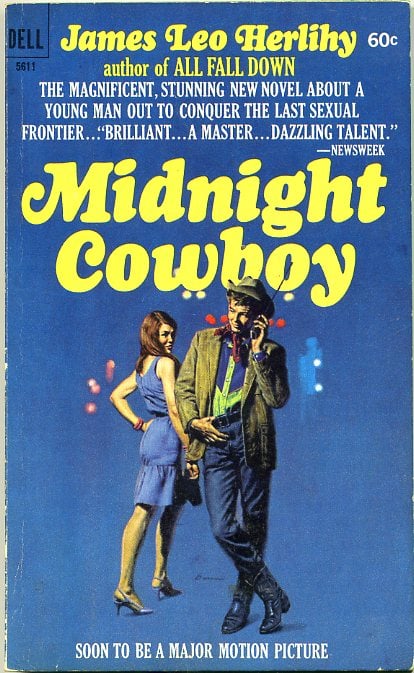
In Midnight Cowboy, Dustin Hoffman’s sharp ‘I’m walking here!’ was not part of the script. The production was filming on a live New York street when a taxi drifted into frame and nearly hit him.
Instead of stopping the take, Hoffman slammed his hand on the hood and shouted, staying fully in character. Director John Schlesinger kept the moment because it felt unfiltered.
The film was already grounded in gritty urban realism, and that spontaneous confrontation captured the energy of the city better than any staged interaction could. It added texture, unpredictability, and a sense that the environment itself refused to behave.
Taxi Driver
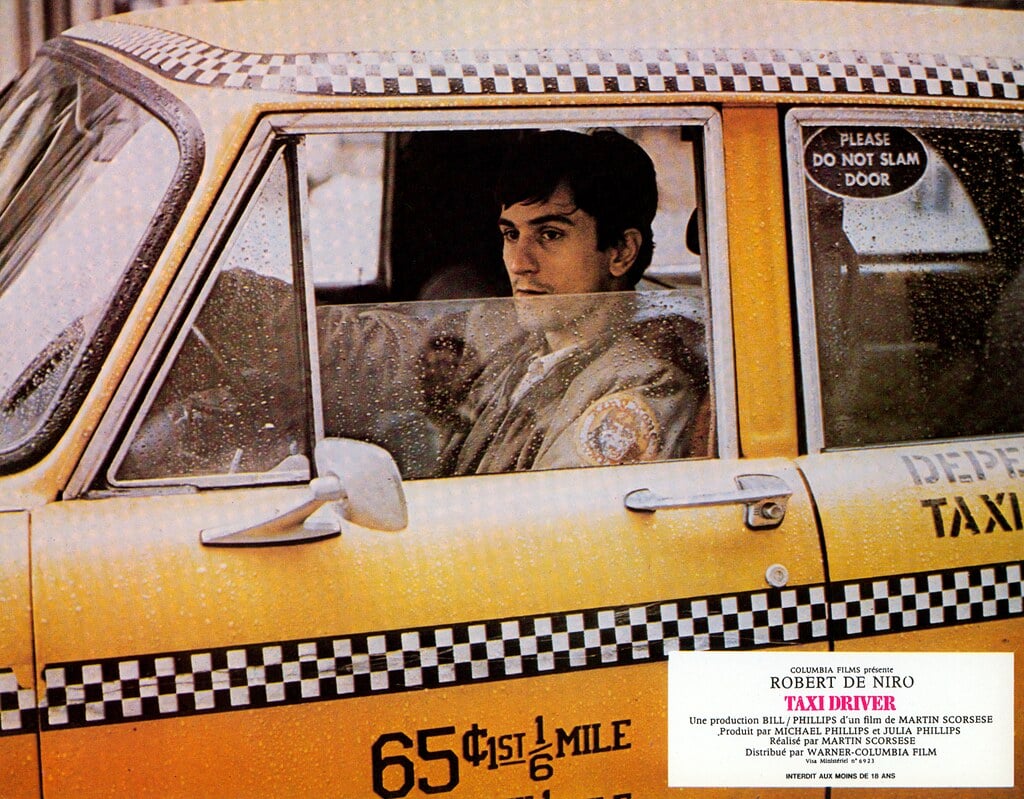
Robert De Niro’s mirror monologue in Taxi Driver remains one of the most studied scenes in modern film. While the script suggested Travis Bickle would talk to himself, the rhythm and repetition of ‘You talkin’ to me?’ emerged from improvisation.
Martin Scorsese allowed De Niro to experiment, letting the camera run. The result feels unstable in a way scripted dialogue rarely does.
The pauses stretch just a little too long. The tone shifts slightly from mock confidence to something more volatile.
It plays less like written dialogue and more like a man rehearsing aggression in private.
Jaws
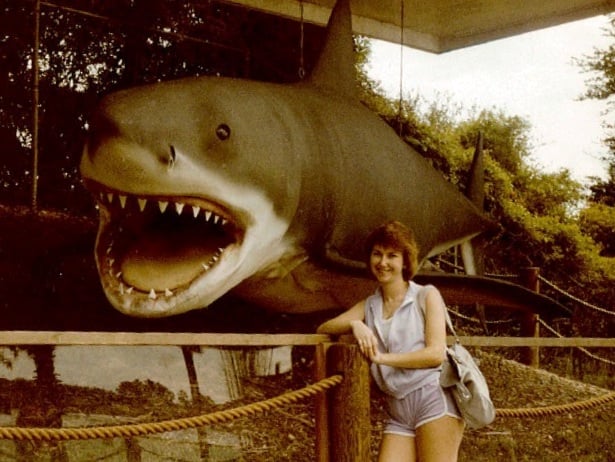
‘You’re gonna need a bigger boat’ sounds like it was crafted for maximum impact. In reality, it was a running joke among crew members during the production of Jaws, which was plagued by technical setbacks.
Roy Scheider dropped the line into the scene almost casually when he first sees the shark. Steven Spielberg left it in, likely because it feels so understated.
The line is not dramatic or heroic. It is practical and slightly dry.
That understatement anchors the terror in realism, which makes the danger feel closer and more believable.
Raiders of the Lost Ark

The Cairo marketplace scene in Raiders of the Lost Ark was originally written as an elaborate sword fight. Harrison Ford, reportedly ill during filming, suggested a quicker solution.
Indiana Jones simply pulls out his gun and shoots the swordsman. Steven Spielberg agreed, and the moment became one of the film’s most memorable beats.
The abruptness catches the audience off guard. Instead of spectacle, the scene delivers efficiency, which perfectly suits the character’s pragmatic personality.
The Shining
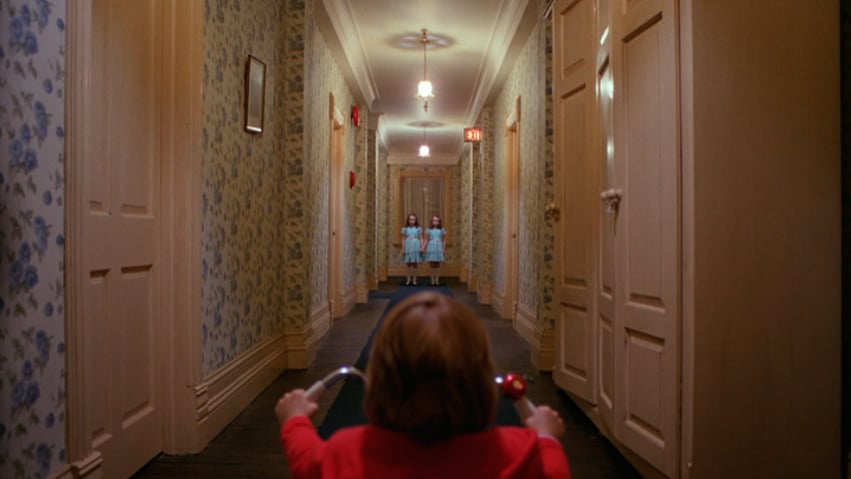
Jack Nicholson’s ‘Here’s Johnny!’ in The Shining was improvised on set. The line referenced a well-known late-night television introduction that audiences at the time would have instantly recognized.
Stanley Kubrick, known for his control and multiple takes, chose to keep it. The familiarity of the phrase collides with the escalating tension.
That collision makes the moment even more unsettling. A casual cultural reference slips into a scene of terror, creating a strange blend of theatricality and menace.
The Dark Knight
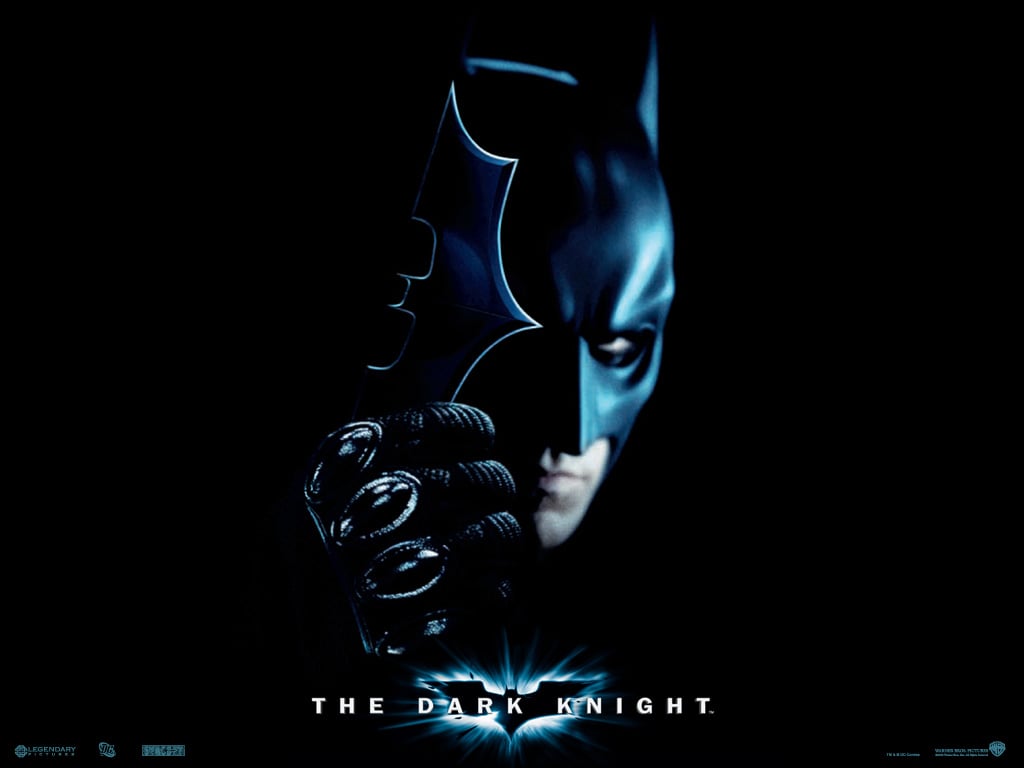
During the hospital explosion scene in The Dark Knight, the pyrotechnics briefly stalled. Heath Ledger, remaining fully in character as the Joker, began fiddling with the detonator in frustration.
When the explosion resumed, he barely reacted and continued walking. Christopher Nolan kept the take.
The slight delay adds realism because it feels imperfect. The explosion is not a smooth cinematic flourish.
It unfolds awkwardly, which makes it feel dangerous rather than decorative.
When Harry Met Sally…
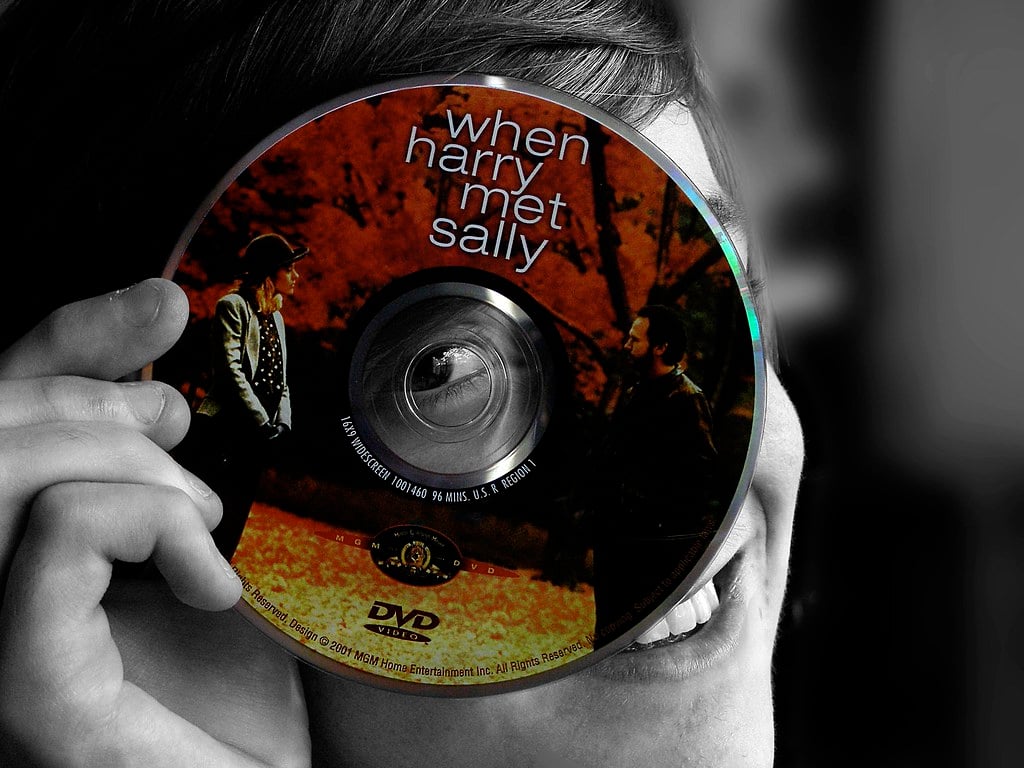
The deli scene in When Harry Met Sally… is often cited as one of the great comedic sequences in romantic cinema. While the setup was scripted, the now-famous line ‘I’ll have what she’s having’ was refined organically during filming.
Its delivery was adjusted until it landed with understated precision. The humor works because the line is so dry.
It does not amplify the joke; it punctures it. That restraint keeps the scene from drifting into exaggeration and grounds it in everyday tone.
Good Will Hunting
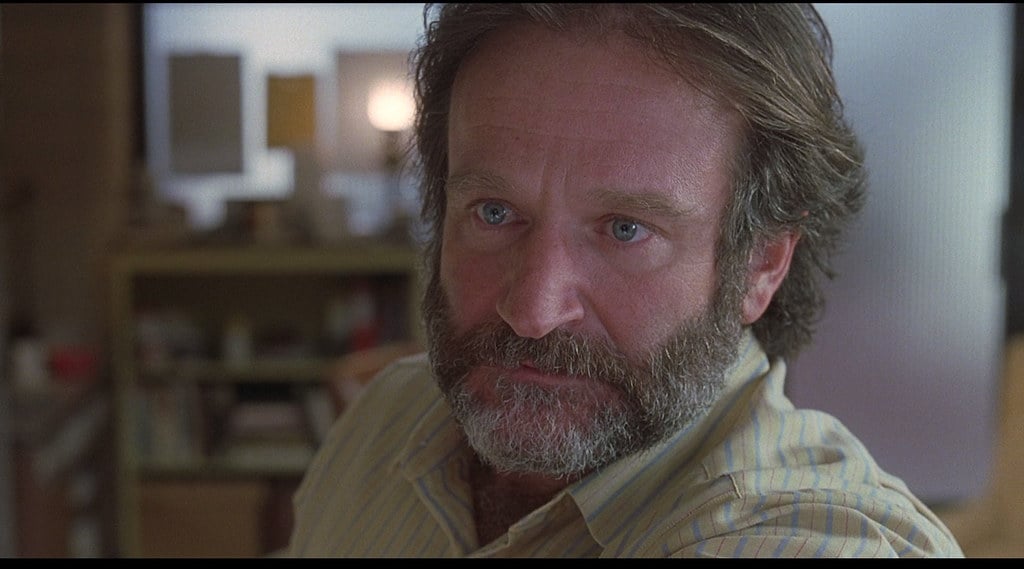
Robin Williams brought improvisational instincts to nearly every role, and Good Will Hunting benefited from that approach. During a therapy session, he added personal details about his character’s late wife that were not fully scripted.
Matt Damon’s subtle, slightly surprised reactions remained in the final cut. The exchange feels intimate and unforced.
Williams’ additions deepen the character without feeling ornamental. It is the kind of emotional layering that can only happen when a director trusts an actor’s instinct.
Alien
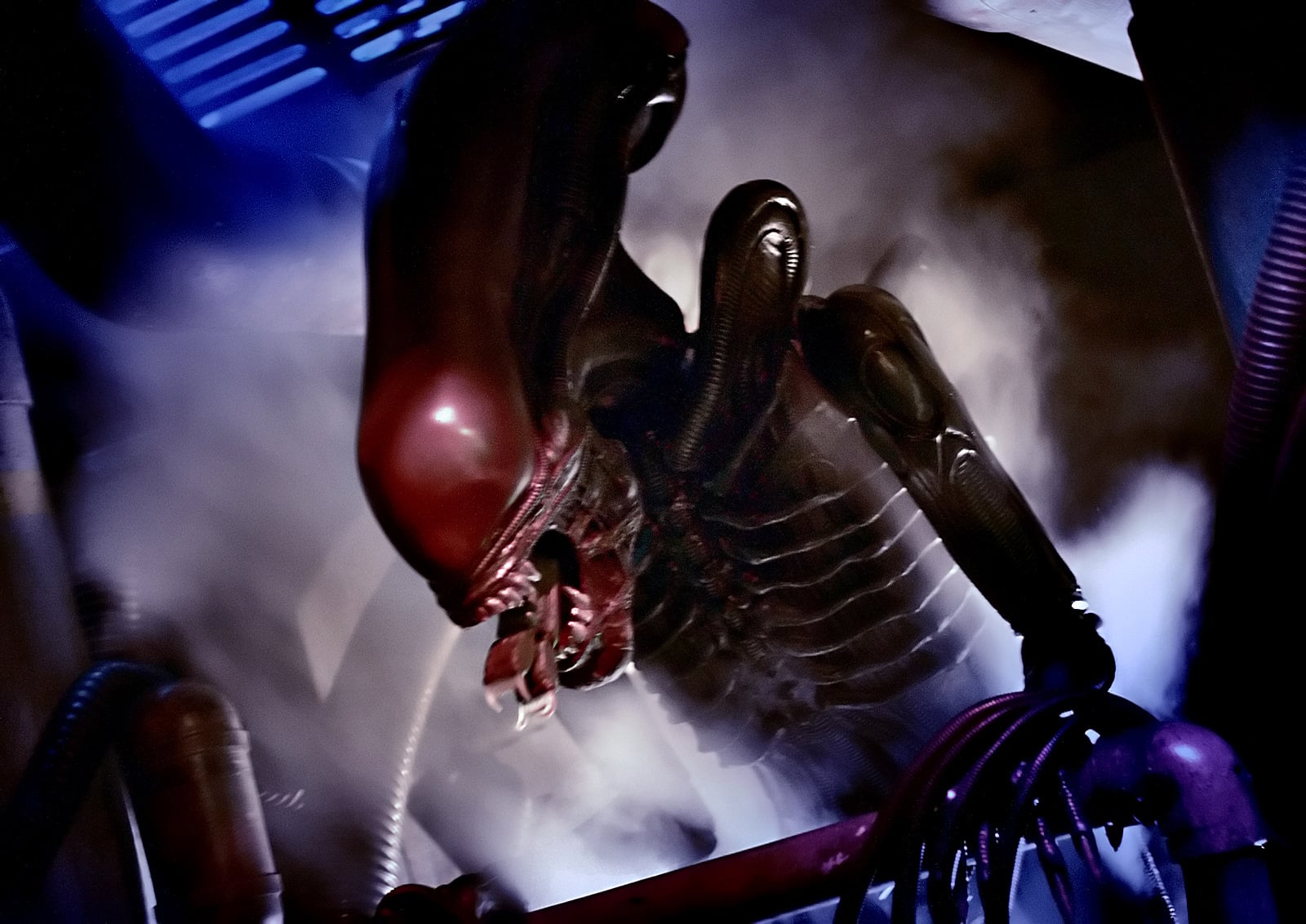
The dinner sequence in Alien was structured, but director Ridley Scott withheld key information from the cast about how the moment would unfold. Their shock and confusion on screen reflect genuine reactions.
The scene’s power comes from that authenticity. It does not look rehearsed.
It looks immediate. That immediacy is part of why the moment remains so effective decades later.
Apocalypse Now

The opening hotel room scene in Apocalypse Now captures Martin Sheen in visible emotional distress. During filming, he smashed a mirror in the room.
Director Francis Ford Coppola kept the footage, incorporating it into the film’s opening. The result sets a tone of psychological instability from the outset.
The scene does not feel carefully constructed. It feels like something unraveling in real time.
The Empire Strikes Back
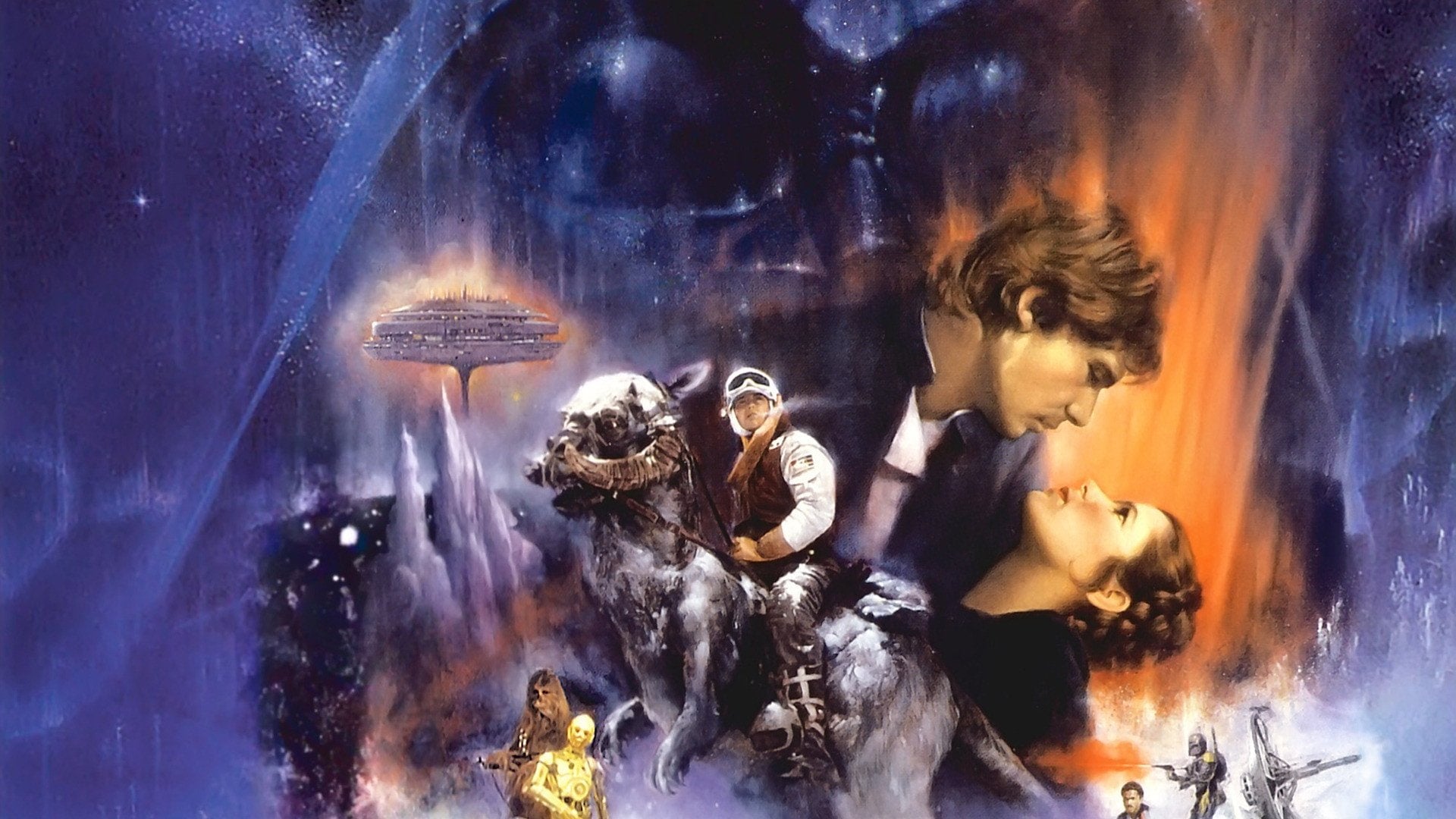
In The Empire Strikes Back, the line ‘I know’ was not what the script originally called for. When Princess Leia declares her love, the scripted response from Han Solo was more traditional.
Harrison Ford suggested something simpler and more in character. The change transformed the moment.
Instead of sentimentality, the exchange delivers confidence and charm. It aligns perfectly with Han Solo’s personality and has since become one of the most quoted lines in the franchise.
The Silence of the Lambs
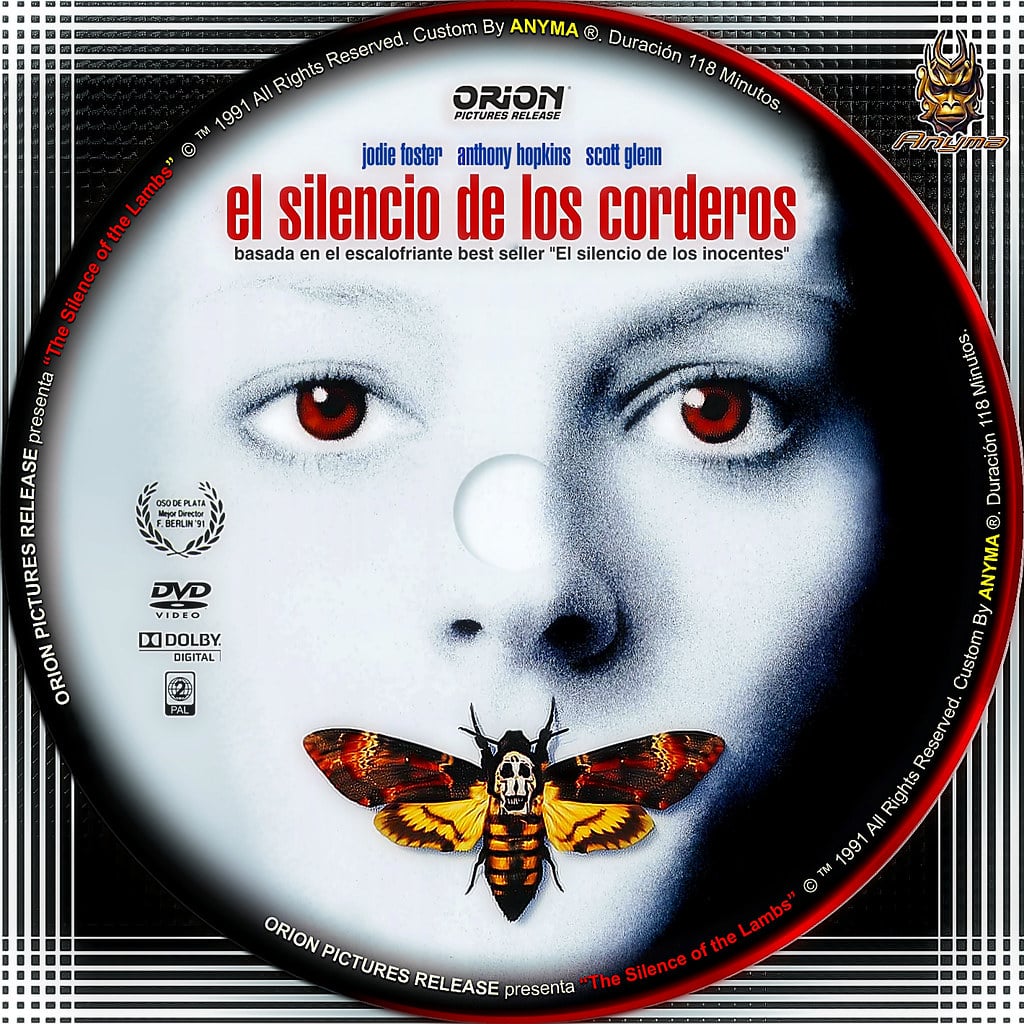
A strange sound slips out when Anthony Hopkins ends a phone call in The Silence of the Lambs – no script needed. Though words were planned, that chilling noise came from nowhere.
Jodie Foster’s response? Real surprise caught on film. A whisper changed how scary he felt.
Not one word was different, yet everything shifted. The quiet moment between lines held more weight than dialogue ever could.
Why Spontaneity Still Matters
Something real sticks around when it breathes on its own. Though screens now glow with pixels and every frame gets planned ahead, directors pause for gut reactions.
Out of those pauses, surprise shows up uninvited. Cinema doesn’t always follow a map.
What happens off cue can breathe life into a scene. A shared glance, a stumble, a delay – sometimes these shape the mood more than words do.
Scripts lay down lines, yet feeling sneaks in through unplanned seconds. The heartbeat of a movie hides where it wasn’t scripted.
More from Go2Tutors!

- The Romanov Crown Jewels and Their Tragic Fate
- 13 Historical Mysteries That Science Still Can’t Solve
- Famous Hoaxes That Fooled the World for Years
- 15 Child Stars with Tragic Adult Lives
- 16 Famous Jewelry Pieces in History
Like Go2Tutors’s content? Follow us on MSN.



