Clever Ways to Sanitize Used Thrift Store Furniture
Thrift store furniture hunting feels like archaeology — you never know what treasures hide under years of someone else’s life. But between the vintage charm and unbeatable prices lurks a less romantic reality: previous owners, mysterious stains, and the invisible history that comes with every piece.
The good news is that with the right approach, you can transform any secondhand find into something clean, safe, and entirely your own.
Deep cleaning with degreasing dish soap
Start with the simplest weapon in your arsenal. Dish soap cuts through grease and grime better than most people realize.
Mix a few tablespoons with warm water and scrub every surface thoroughly. This removes the surface layer of dirt and prepares the piece for stronger treatments.
Steam cleaning for fabric upholstery
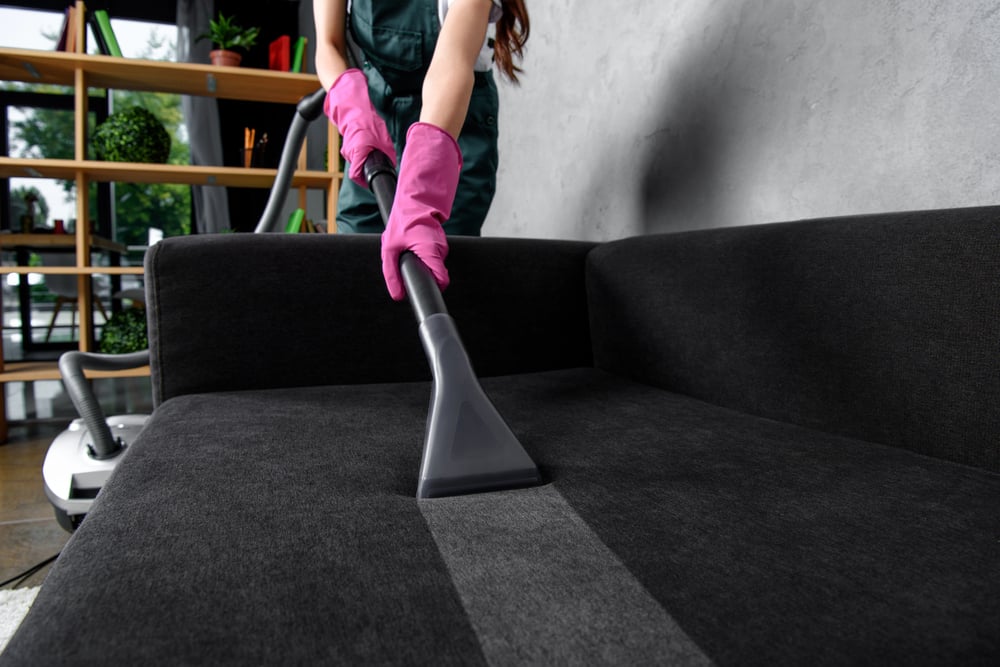
Steam penetrates deep into fabric fibers where soap and water can’t reach, and the high temperature kills bacteria, dust mites, and other unwelcome microscopic residents that have made themselves comfortable over the years. Rent a steam cleaner (or buy one if you plan to make thrifting a habit) and work methodically across every inch of upholstered surfaces.
So the fabric stays manageable afterward: open windows and run fans to speed drying time, because trapped moisture creates new problems you don’t want to inherit. The process takes patience — multiple passes, overlapping strokes, and attention to seams where dirt likes to hide.
And yet the transformation feels almost ceremonial: watching years of accumulated life disappear under clouds of hot vapor. Even so, some pieces resist this treatment, their fabric too delicate or their stains too stubborn for steam alone.
White vinegar spray treatment
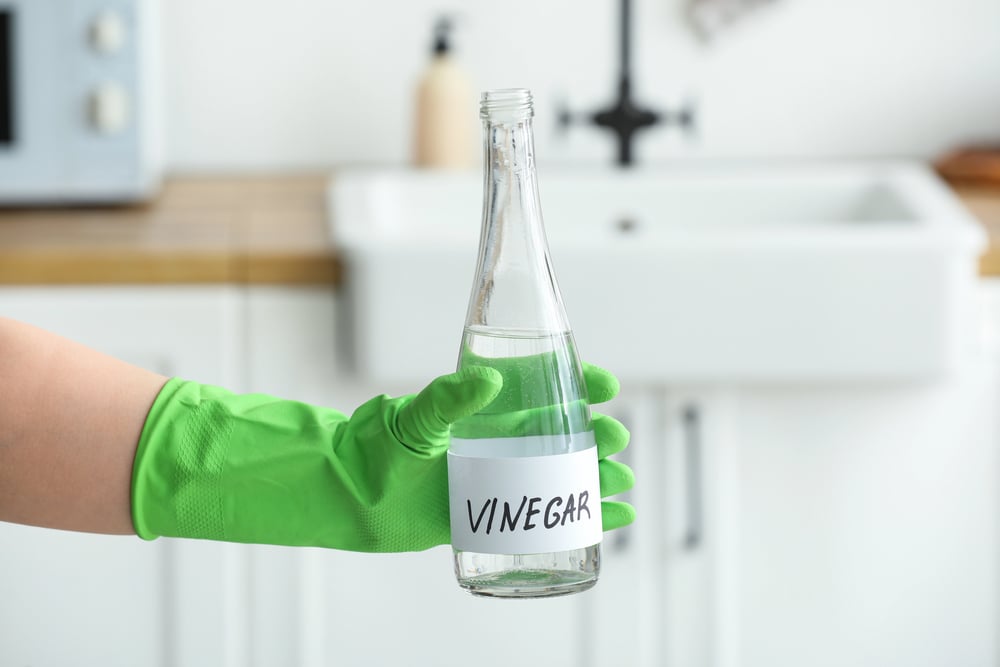
Vinegar works like a gentle interrogator on surfaces — persistent but not harsh. It dissolves mineral deposits and neutralizes odors without the chemical aggression of commercial cleaners.
The smell dissipates as it dries, taking other odors with it. Fill a spray bottle with equal parts white vinegar and water.
Spray liberally on hard surfaces and let it sit for ten minutes before wiping clean. For wood furniture, test an inconspicuous spot first to ensure the vinegar won’t damage the finish.
Baking soda absorption method
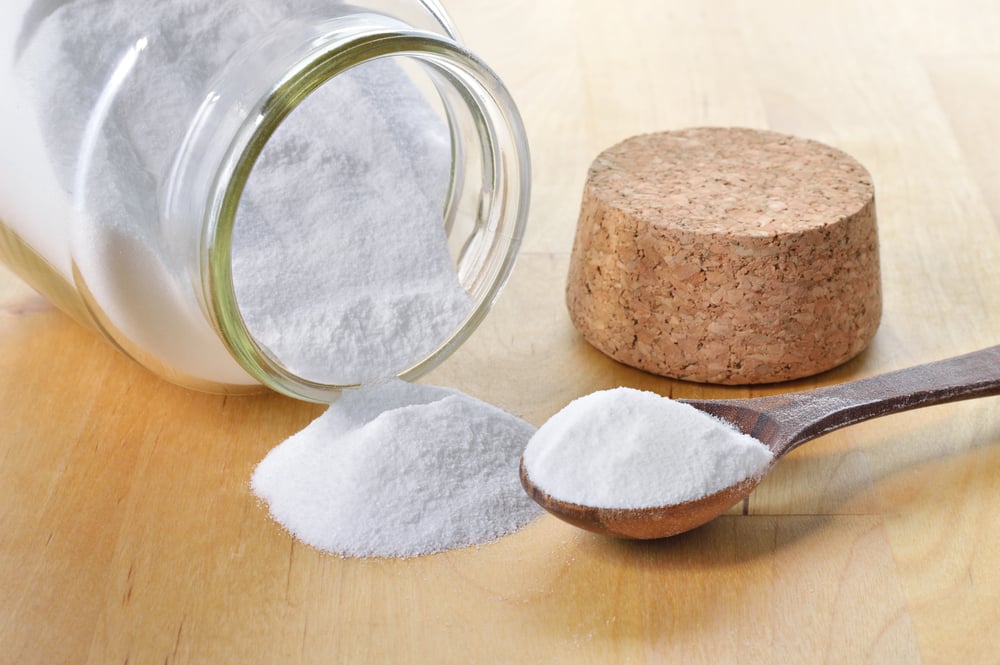
Baking soda doesn’t just mask odors — it pulls them out entirely. This matters more than surface cleaning because smells are memory triggers, and you don’t want your living room reminding you of someone else’s cooking every time you sit down.
Sprinkle baking soda generously over fabric surfaces and let it sit overnight. Vacuum thoroughly the next morning.
For drawers and enclosed spaces, leave an open box of baking soda inside for a week. The powder works quietly, drawing moisture and odors into itself like a patient sponge.
Rubbing alcohol disinfection
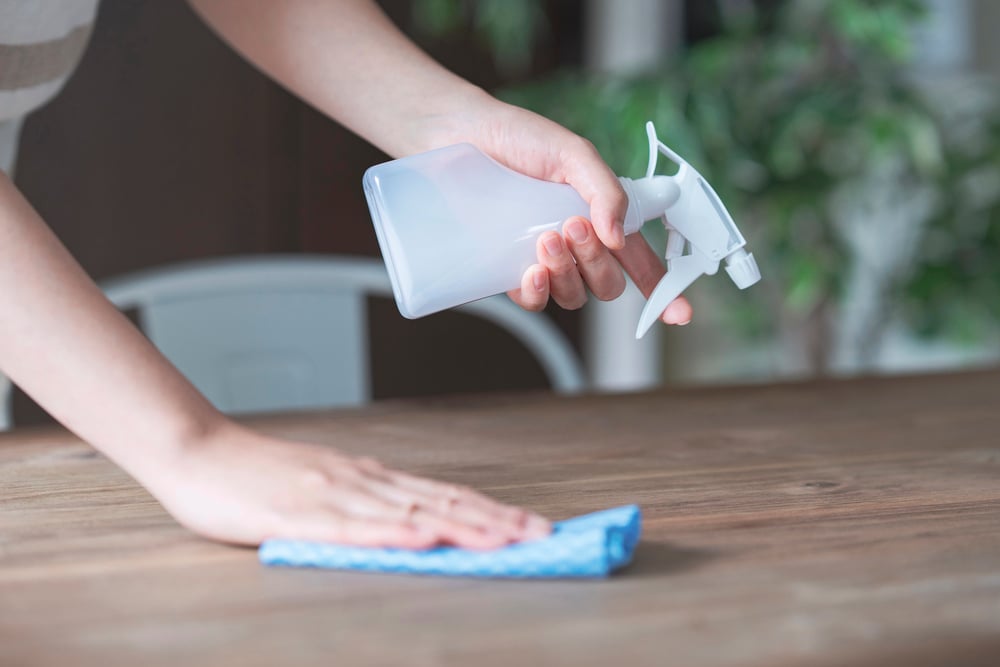
Alcohol kills what soap can’t touch. It evaporates quickly and leaves surfaces genuinely sterile, which makes it perfect for areas that hands touch frequently — drawer pulls, armrests, table edges where people lean. The process feels like performing surgery on furniture (which, in a way, you are).
Soak a clean cloth with 70% isopropyl alcohol and wipe down every surface systematically. Pay special attention to joints, crevices, and hardware where bacteria congregate.
And the beauty of alcohol is its honesty: it works fast or not at all, so you know immediately whether your efforts are succeeding.
UV light sanitizing
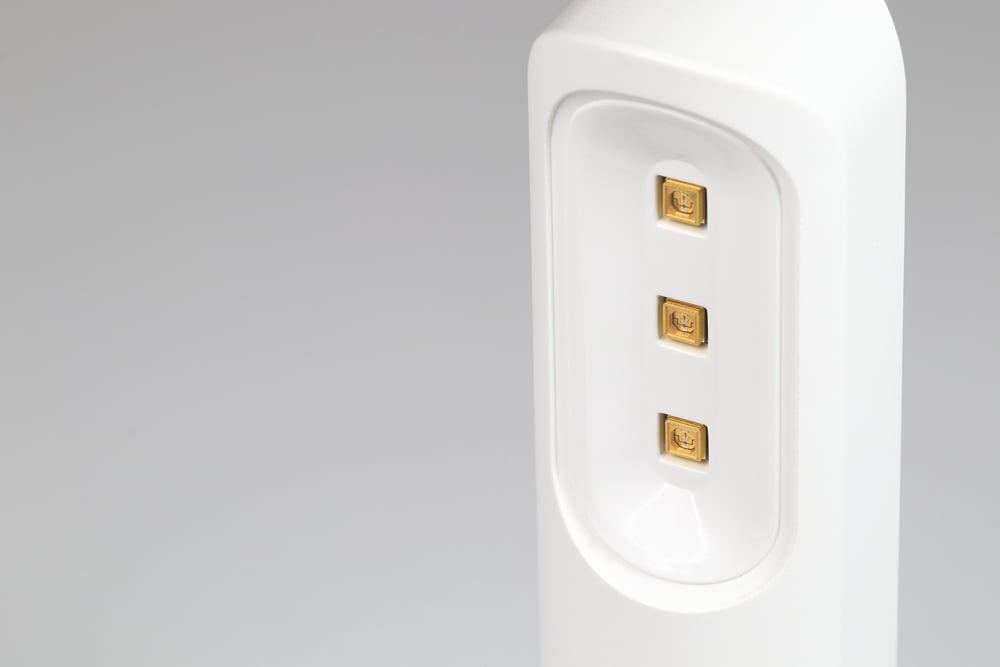
Ultraviolet light destroys bacteria, viruses, and fungi at the cellular level. Position UV lamps around your furniture piece or, if the weather cooperates, move smaller items into direct sunlight for several hours.
The sun’s natural UV rays provide the same sterilizing effect commercial UV lamps offer. This method works especially well for items you can’t easily clean with liquids — lampshades, decorative objects, or pieces with intricate carvings where traditional cleaning tools can’t reach.
Essential oil freshening
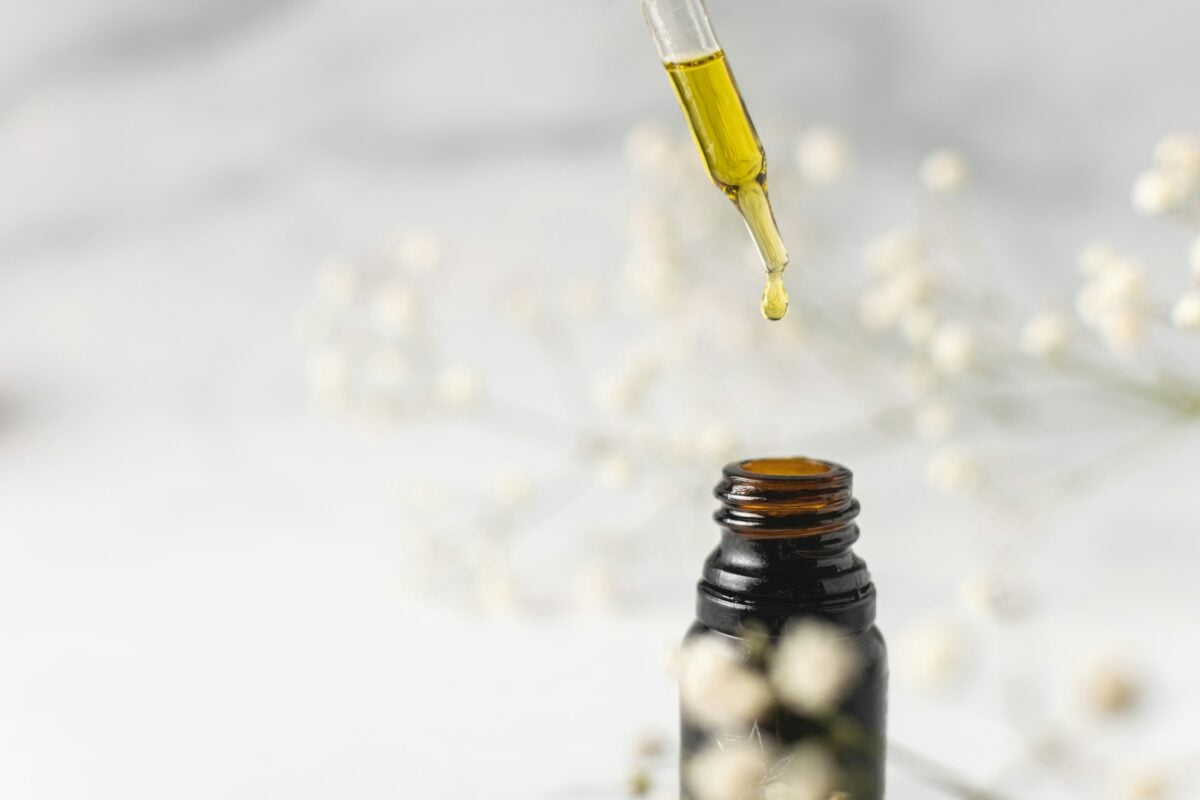
Once your piece is clean and disinfected, essential oils add a final layer of both scent and antimicrobial protection. Tea tree oil, lavender, and eucalyptus all have natural antibacterial properties.
Mix a few drops with water in a spray bottle and mist lightly over surfaces. The scent marks the furniture as yours now, erasing the last traces of its previous life and making it feel like it belongs in your space.
Enzyme cleaners for biological stains
Enzyme cleaners break down protein-based stains and odors at the molecular level. These biological stains — food, sweat, pet accidents — resist conventional cleaning because they bond chemically with fabric fibers.
Enzymes dissolve those bonds completely. Apply enzyme cleaner to stained areas and let it work for the time specified on the bottle.
The enzymes need time to break down the proteins, so patience here pays dividends later. For old stains, multiple treatments may be necessary.
Heat treatment in direct sunlight

High temperatures kill insects, larvae, and eggs that might be hiding in furniture joints or fabric folds, and sunlight provides heat without the complications of artificial heating methods that might damage delicate finishes or fabrics. Position your furniture piece in direct sunlight on a hot day (aim for temperatures above 120°F) and leave it for several hours, rotating it to ensure all surfaces receive equal exposure.
This method works particularly well for wooden pieces, which can harbor insects in ways that aren’t immediately visible. But the heat penetrates deep into joints and cracks, reaching places chemical treatments might miss.
So timing matters: choose the hottest part of the day and the most intense sunlight available.
Professional-grade fabric protector spray
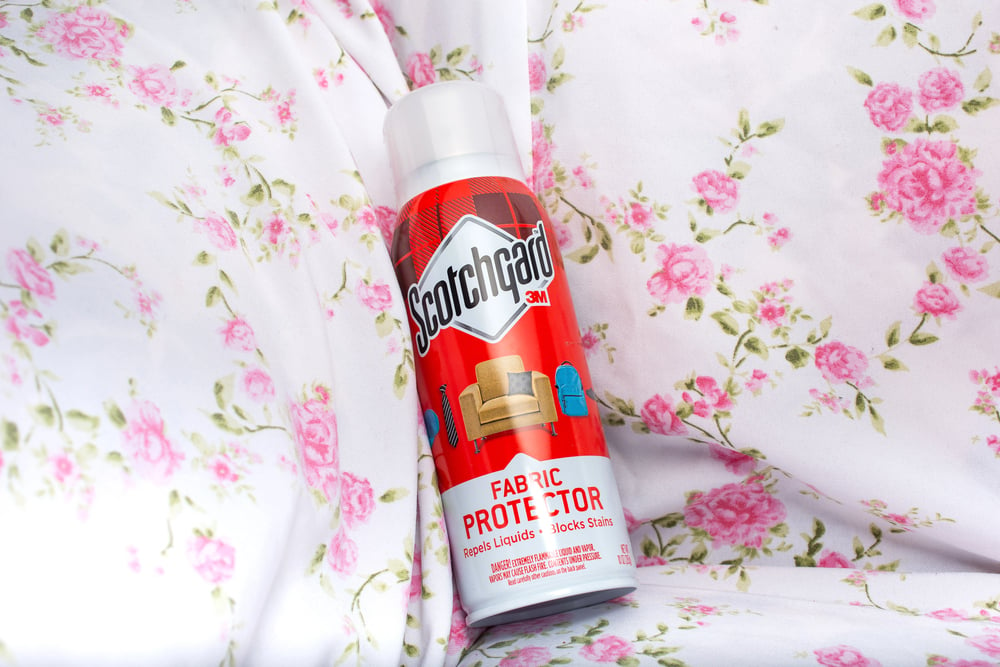
After cleaning comes protection. Fabric protector sprays create an invisible barrier that repels future stains and makes cleaning easier. This step often gets skipped, but it transforms how your furniture ages — instead of accumulating new dirt and stains, spills bead up and wipe away.
Apply a fabric protector in a well-ventilated area and follow the manufacturer’s instructions exactly. The chemicals are strong enough to be effective, which means they’re strong enough to cause problems if misused.
Ozone generation for severe odor removal
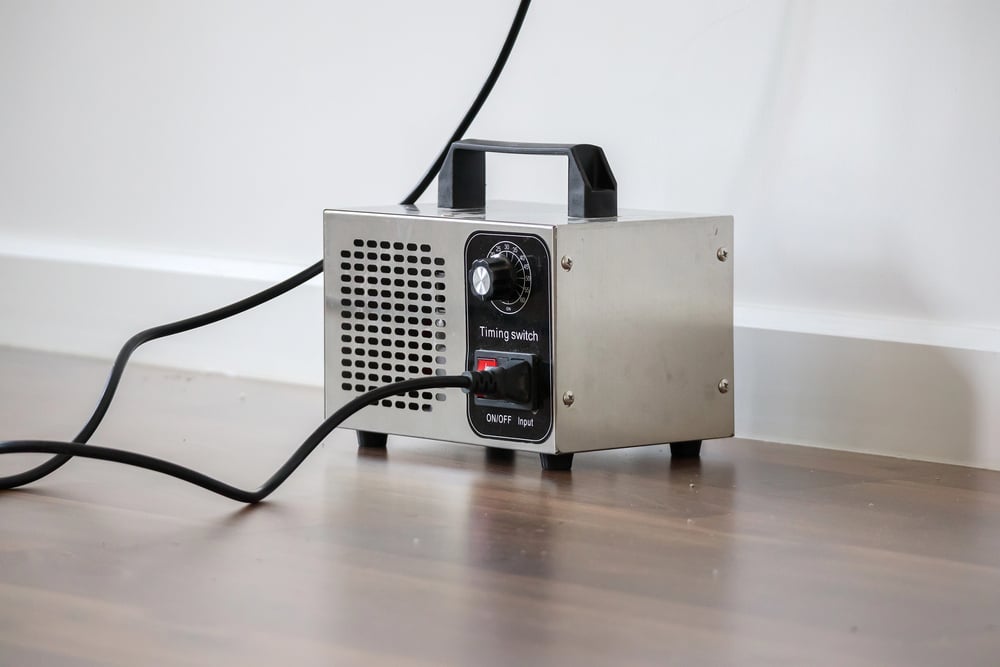
Ozone generators produce O3 molecules that attach to odor-causing compounds and neutralize them completely. This method works for odors that resist all other treatments — pet smells, or mustiness that seems baked into the very structure of the piece.
Run the ozone generator in an enclosed space with the furniture for the time recommended by the manufacturer. Never remain in the area during treatment, as ozone can be harmful to breathe.
Ventilate thoroughly afterward.
Replacement of removable fabric elements
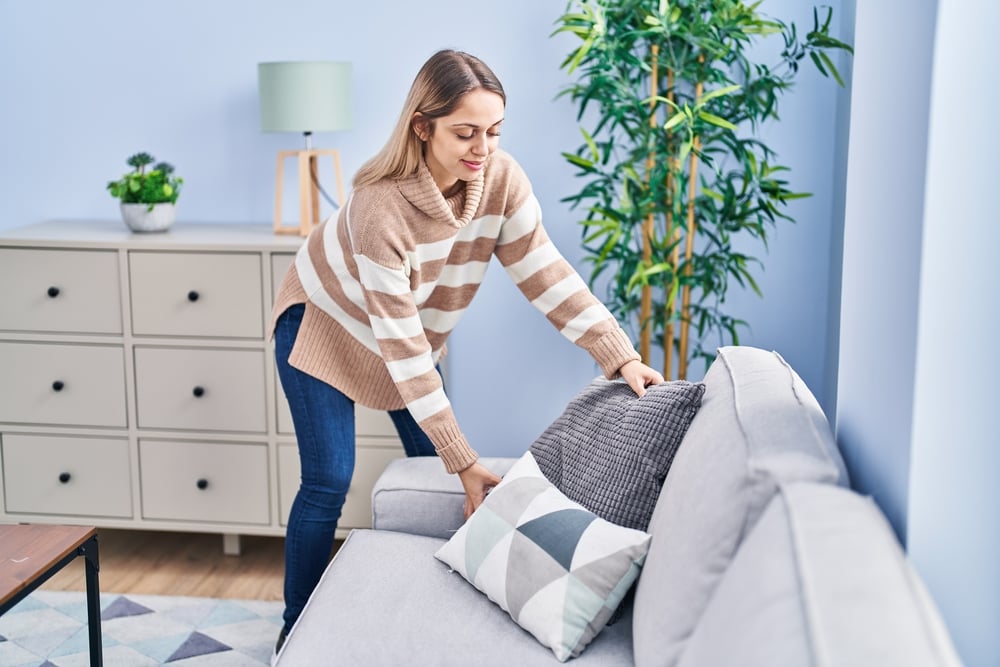
Sometimes cleaning isn’t enough. Cushion covers, pillow inserts, and removable fabric panels can be replaced entirely, giving you the satisfaction of keeping the furniture frame while ensuring complete cleanliness where it matters most.
Measure carefully before shopping for replacements, and consider this an opportunity to customize the piece to your taste. New fabric can transform the entire aesthetic while solving sanitation concerns definitively.
Steam and vacuum combination technique
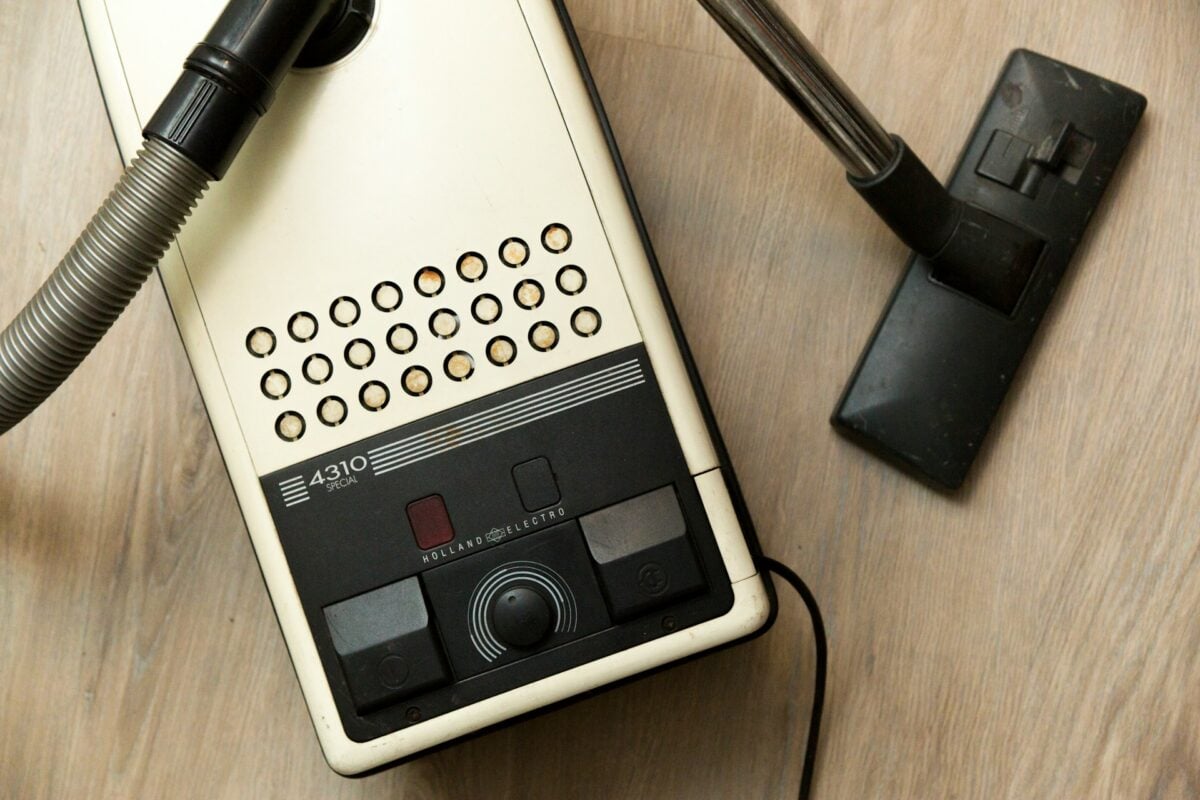
The most thorough approach combines steam cleaning with immediate vacuum extraction. Professional carpet cleaning machines offer this combination, or you can coordinate a handheld steamer with a shop vacuum.
The steam loosens embedded dirt and kills microorganisms, while the vacuum pulls everything away before it can resettle. Work in small sections, steaming first and then immediately vacuuming the same area.
This prevents loosened dirt from spreading and ensures maximum extraction of both moisture and contaminants.
Making peace with imperfection
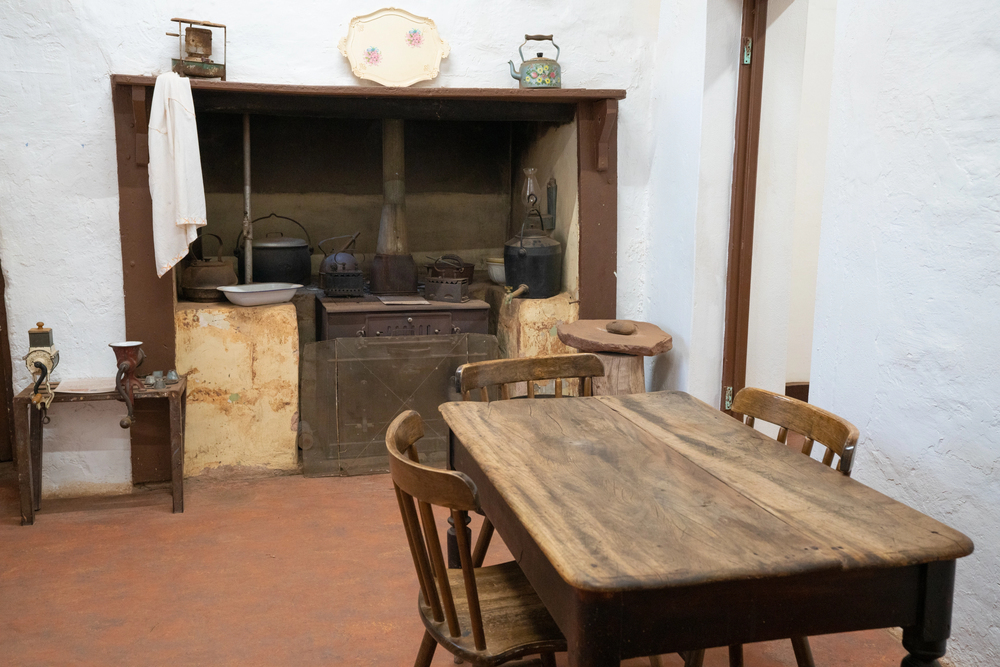
Not every thrift store find will emerge from your sanitization efforts looking showroom perfect, and that’s fine — better than fine, actually. The goal isn’t to erase every trace of history, but to make the piece genuinely clean and safe for your home.
Some wear marks and patina add character that new furniture simply can’t provide. Accept that thrift store furniture comes with stories, and your job is simply to ensure those stories don’t include unwanted biological passengers.
Clean thoroughly, sanitize completely, and then enjoy the unique piece you’ve rescued and restored.
More from Go2Tutors!

- The Romanov Crown Jewels and Their Tragic Fate
- 13 Historical Mysteries That Science Still Can’t Solve
- Famous Hoaxes That Fooled the World for Years
- 15 Child Stars with Tragic Adult Lives
- 16 Famous Jewelry Pieces in History
Like Go2Tutors’s content? Follow us on MSN.



