17 Hoover Dam Facts That Surprise Visitors
Most people know the Hoover Dam as an impressive concrete giant that holds back the Colorado River. But this engineering marvel hides some truly surprising secrets that even frequent visitors don’t know about. From wartime espionage plots to record-breaking construction feats, the dam’s history is packed with fascinating details that go far beyond its basic function.
These remarkable stories reveal just how extraordinary this Depression-era project really was. Here is a list of 17 Hoover Dam facts that surprise visitors.
The Dam Has Two Names
— Photo by MichaelVi
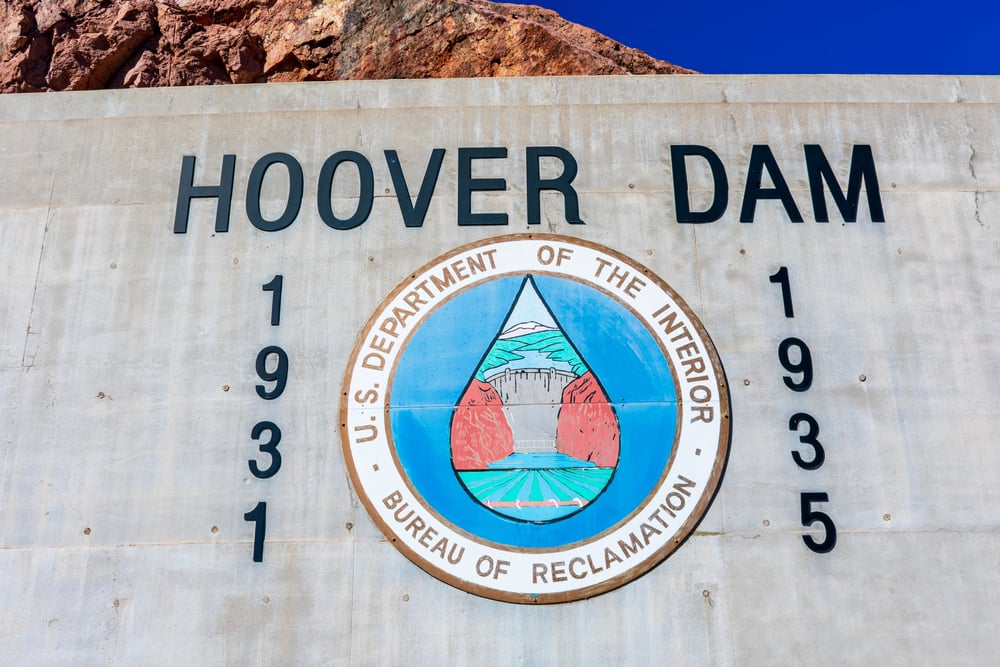
The dam project was originally called the Boulder Canyon Project and was initially named Boulder Dam, but in 1930, Secretary of the Interior Ray Lyman Wilbur announced it would be called Hoover Dam in honor of President Herbert Hoover. When Franklin Roosevelt took office, his administration switched it back to Boulder Dam, creating political tension. Finally, in April 1947, President Harry Truman approved a congressional resolution that officially confirmed the dam would carry Hoover’s name.
It Was Built in Giant Lego-Like Blocks
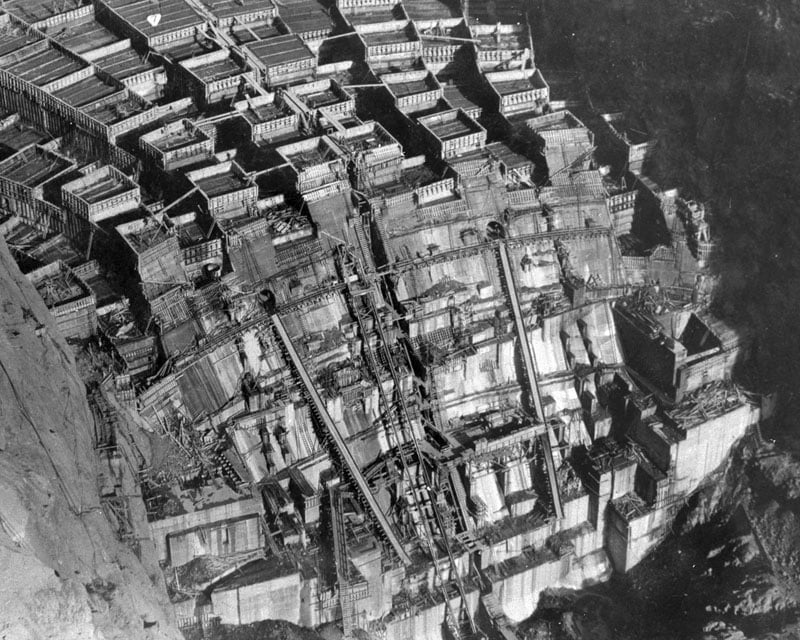
The dam was built in vertical columns of blocks that varied in size from about 60 feet square at the upstream face to about 25 feet square at the downstream face, with an estimated 215 blocks making up the dam. Adjacent columns were locked together by a system of vertical keys on the radial joints and horizontal keys on the circumferential joints, essentially creating the world’s largest interlocking block system.
Workers Couldn’t Pour All the Concrete at Once
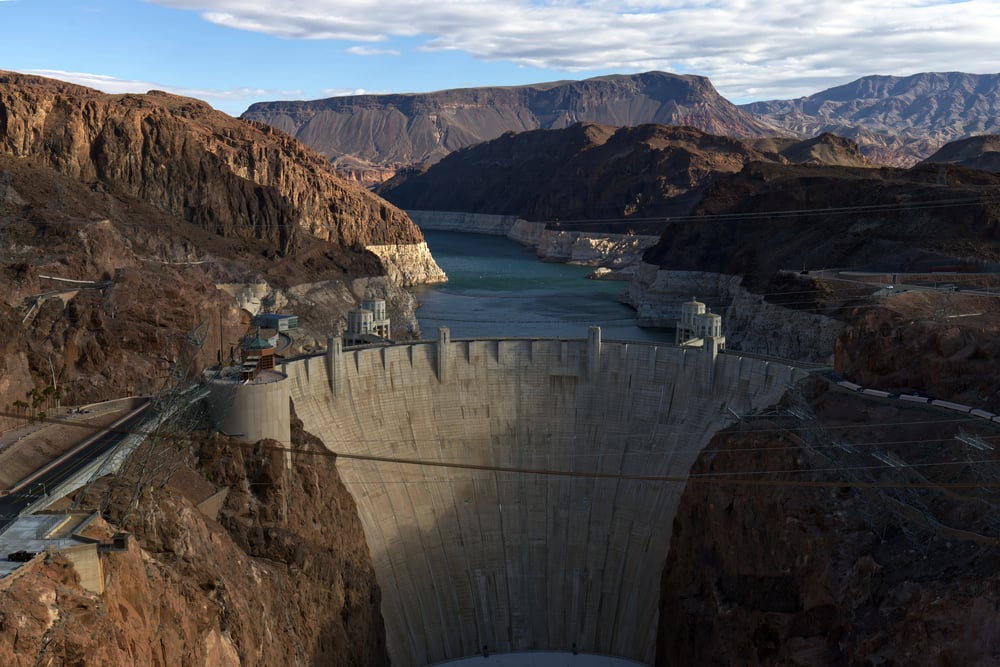
If the concrete in the dam was poured in only one go, the concrete would not have settled even today due to the chemical reaction that generates internal heat when cement, sand, coarse aggregate combine with water. The engineers solved this by building the dam in interlocking blocks and installing the world’s largest refrigeration system. They embedded over 582 miles of one inch steel pipe through the interconnected concrete blocks that circulated ice water.
The Refrigeration System Produced 1,000 Tons of Ice Daily
The cooling system could produce 1,000 tons of ice in 24 hours through a refrigeration plant, with cooling completed in March 1935. This massive cooling operation was necessary because the concrete would have taken over a century to cure naturally without cracking. The ice water system reduced the curing time to just a few years.
Nazis Plotted to Blow It Up
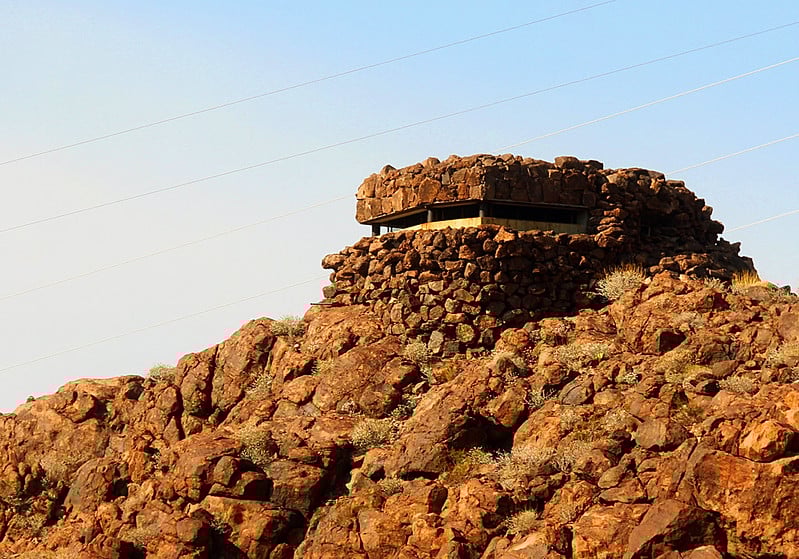
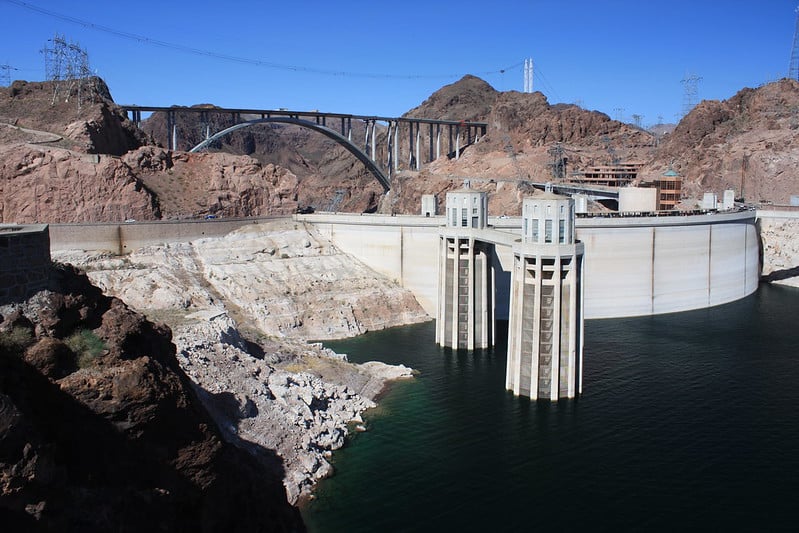
In November 1939, before America entered World War II, U.S. officials learned of a Nazi plan to blow up Hoover Dam by planting bombs at the intake towers to sabotage the power supply to Southern California’s aviation manufacturing industry. The government immediately restricted boat access to Black Canyon and implemented strict security measures. Following Pearl Harbor in December 1941, the dam was closed to visitors for the rest of the war.
Boulder City Was a Government-Controlled Town
Boulder City was constructed on federal land in 1930 solely to house the 5,000 workers employed to build the dam and had no local mayor or other elected officials. The city was run by an employee of the U.S. Bureau of Reclamation, who had the authority to evict residents as he saw fit. Some of Boulder City’s early statutes even banned gambling and the consumption of liquor, and it wasn’t until 1960 that the federal government surrendered control.
High Scalers Risked Their Lives Daily

Men known as ‘high scalers’ were suspended from the top of the canyon by ropes and climbed down the 200m walls to remove loose rock with jackhammers and dynamite. These daredevils worked without safety nets, dangling hundreds of feet above the canyon floor. Their death-defying work captured national attention and became one of the most photographed aspects of construction.
No Bodies Are Buried in the Concrete
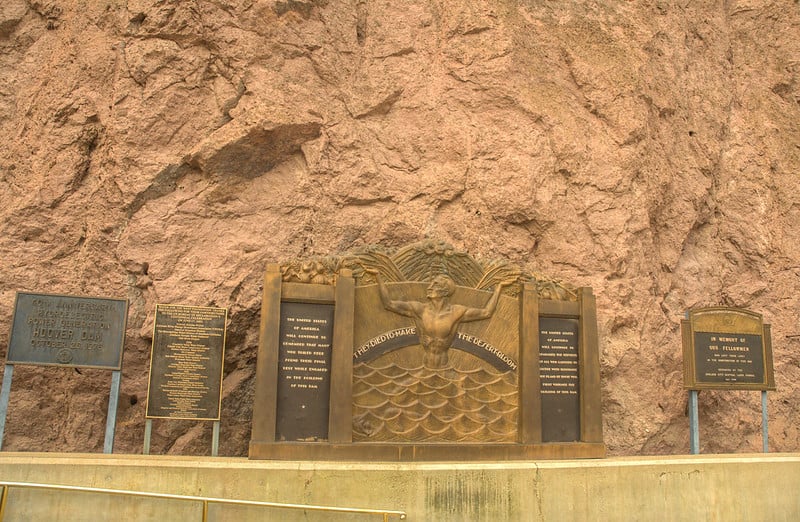
Despite persistent urban legends, no one was buried alive as the 4.3 million yards of concrete were poured. Officially, the project had 96 construction-related fatalities from such causes as falling rocks and run-ins with heavy equipment. The concrete was poured in small, carefully monitored sections that would have made accidentally burying someone impossible.
Six Companies Joined Forces to Build It
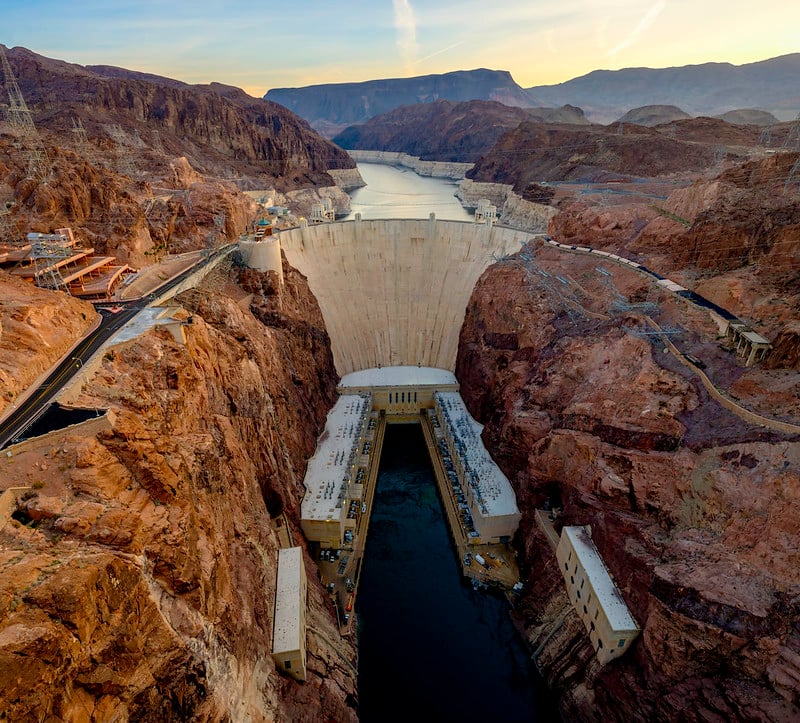
With so many large construction companies in the world today, it may be hard to believe that in the 1930s there was no real company big enough to take on the project of building the Hoover Dam. Six companies came together to form Six Companies Inc.: Utah Construction, Morrison-Knudsen, Kaiser, Bechtel, Pacific Bridge, and MacDonald & Kahn. This consortium approach became a model for future mega-projects.
It Contains Enough Concrete to Pave Coast to Coast
The 6.6 million tons of concrete used was enough to pave a road from San Francisco to New York City. Imagine a four-foot-wide sidewalk wrapped completely around the Earth at the equator – that’s how much concrete it took to build the Hoover Dam. The concrete was mixed on-site using materials transported by a specially built railroad system.
Construction Finished Two Years Early
Six Companies turned the dam over to the federal government on March 1, 1936, more than two years ahead of schedule. This remarkable achievement came despite working in extreme desert conditions with temperatures reaching 120°F and the challenge of managing thousands of workers. If the dam was not completed in the given time, it would have cost the contractors $3,000 per day in financial penalties.
The Dam Paid for Itself
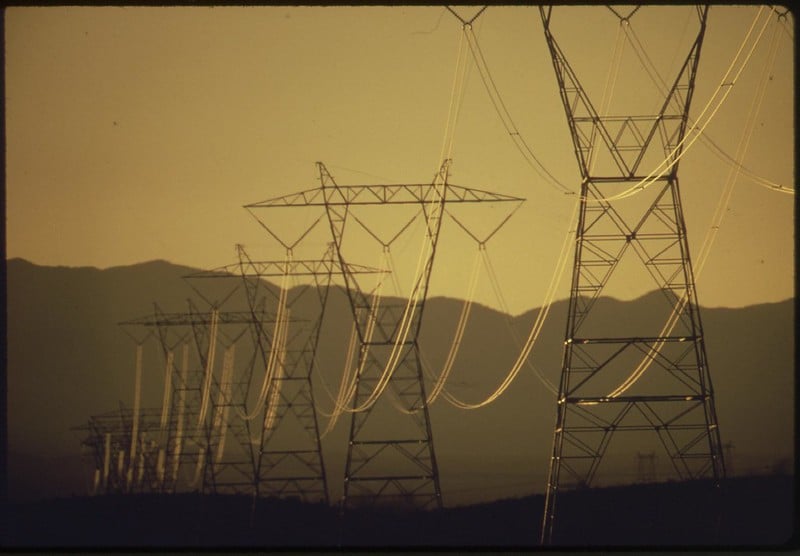
The sale of electrical power generated by the dam paid back its construction cost, with interest, by 1987. The dam cost $49 million to build, while the power plant and generators cost an additional $71 million, more than the cost of the dam itself. This self-financing model proved that major infrastructure projects could be economically sustainable.
It Created the World’s Largest Reservoir
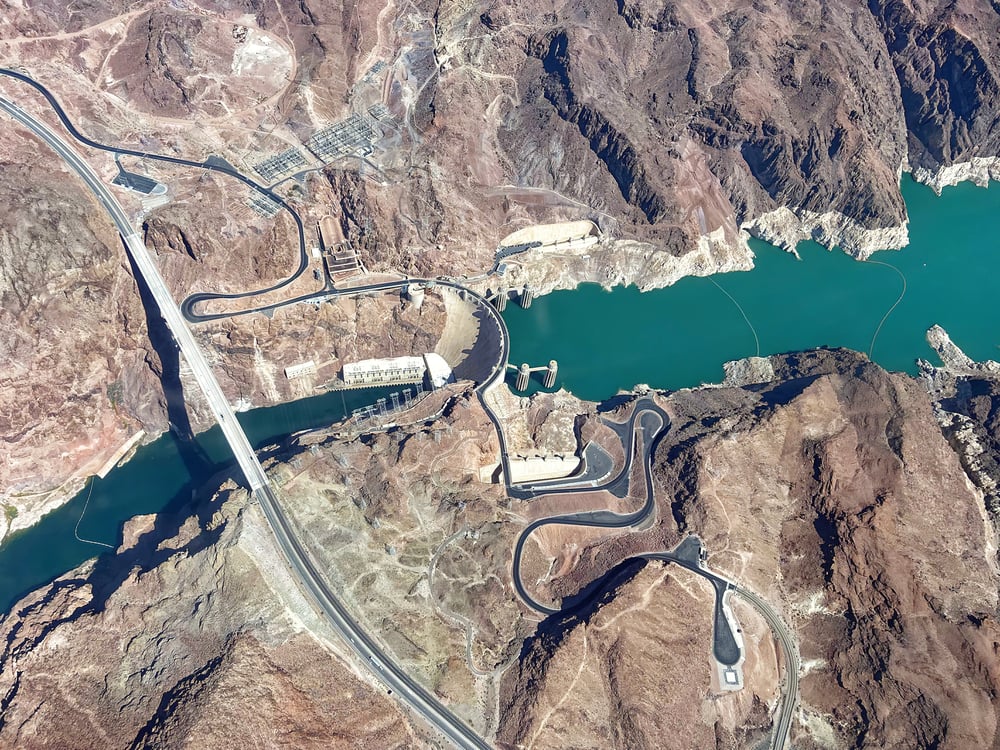
Lake Mead extends for 115 miles upstream and is one of the largest artificial lakes in the world. When full, the reservoir can hold enough water to cover the entire state of Connecticut ten feet deep. The amount of water in the lake, when full, could cover the whole state of Connecticut ten feet deep.
Turbines Were All Replaced in the 1990s
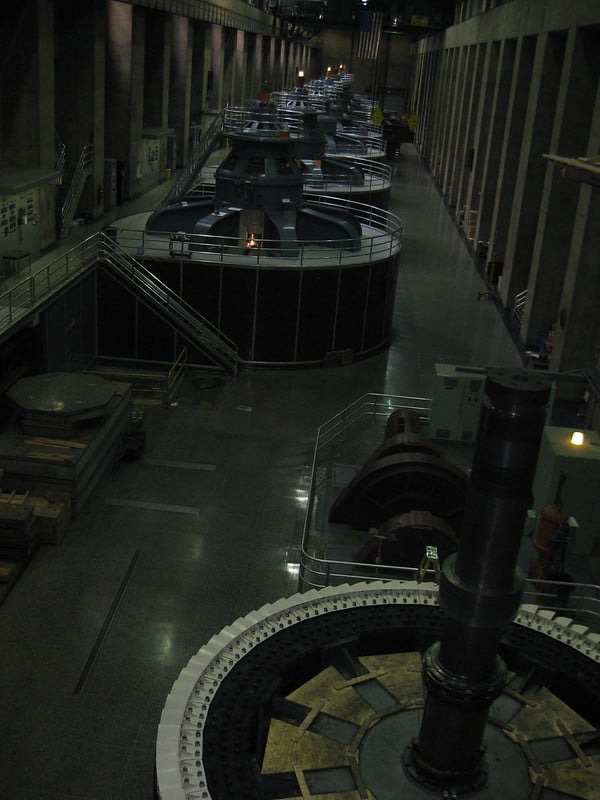
The original turbines were all replaced through an uprating program between 1986 and 1993. There are now fifteen 187,000 horsepower, one 100,000 horsepower, and one 86,000 horsepower Francis-type vertical hydraulic turbines. This massive modernization project increased the dam’s power generation capacity while maintaining its historic structure.
Art Deco Elements Tell a Story
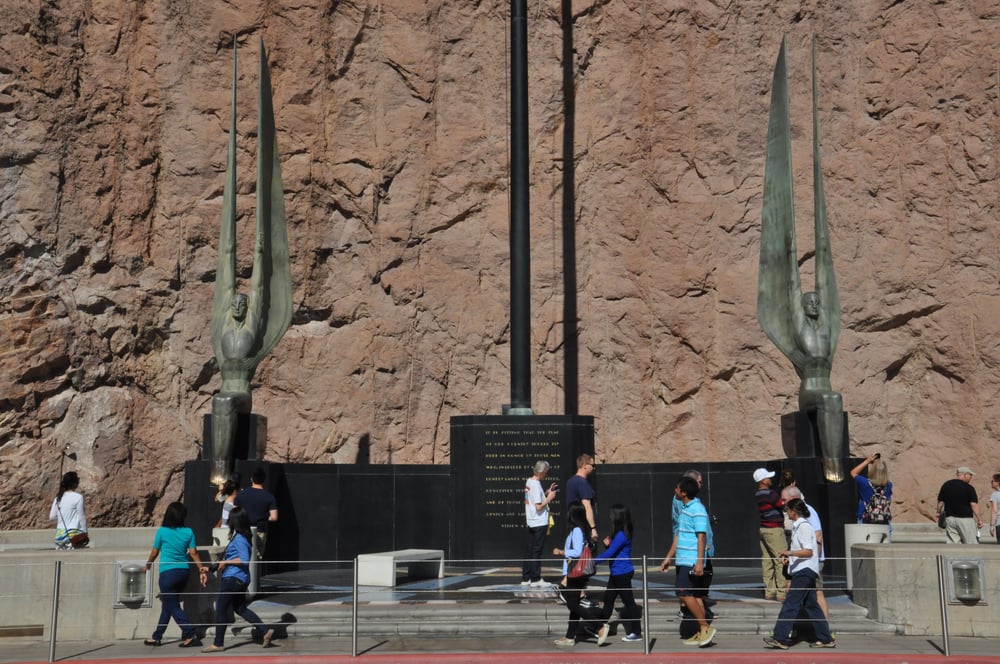
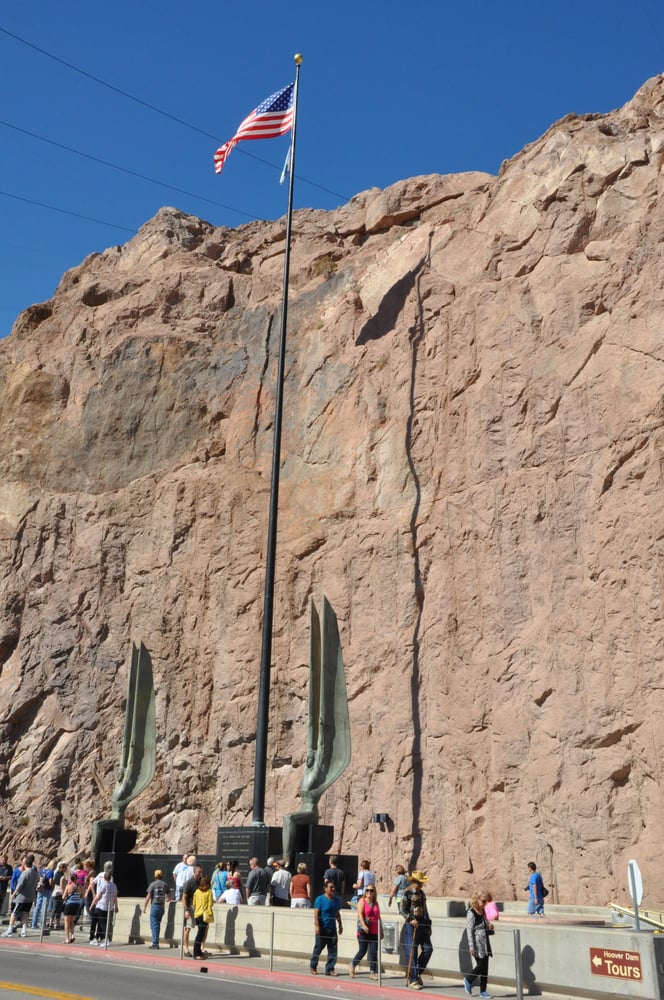
According to sculptor Oskar Hansen, the dam’s artistic elements represent ‘the building genius of America’ and compare the dam to the great pyramids of Egypt. The Winged Figures of the Republic sculptures express what Hansen called ‘the immutable calm of intellectual resolution, and the enormous power of trained physical strength.’ These 30-foot-tall bronze figures aren’t just decoration – they’re a statement about American industrial achievement.
A 9/11-Style Security Change
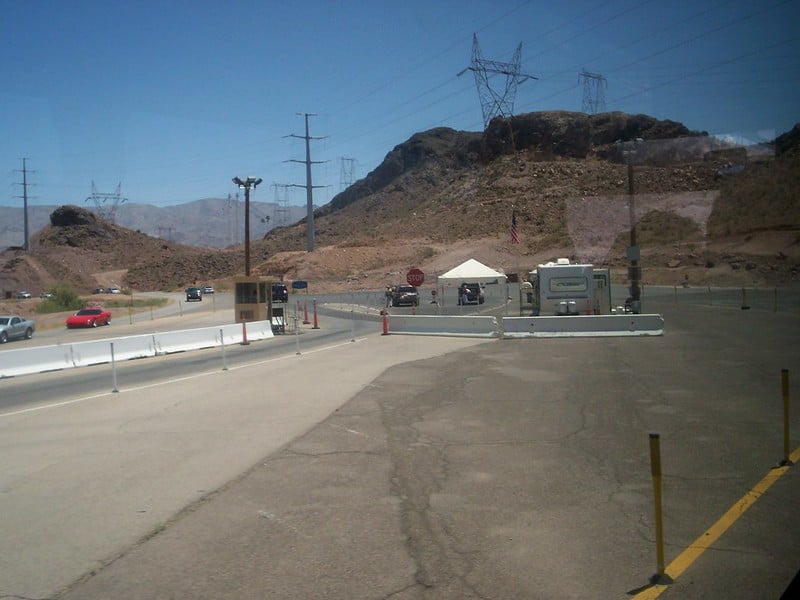
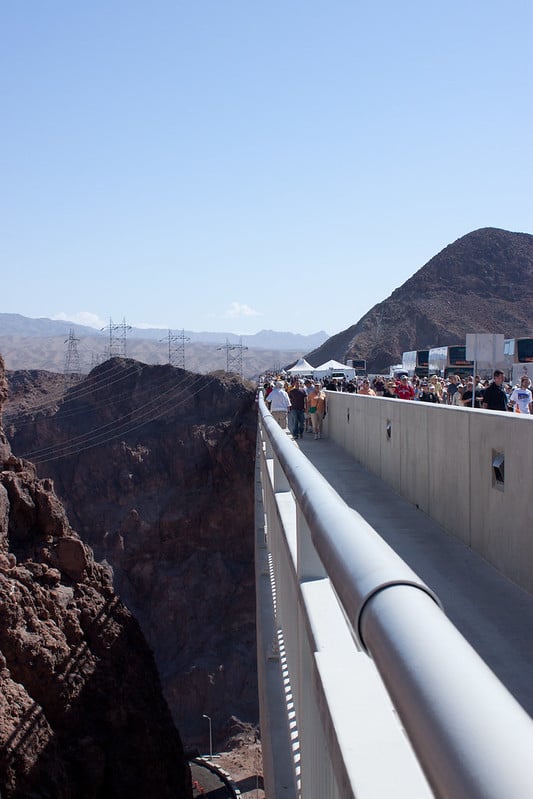
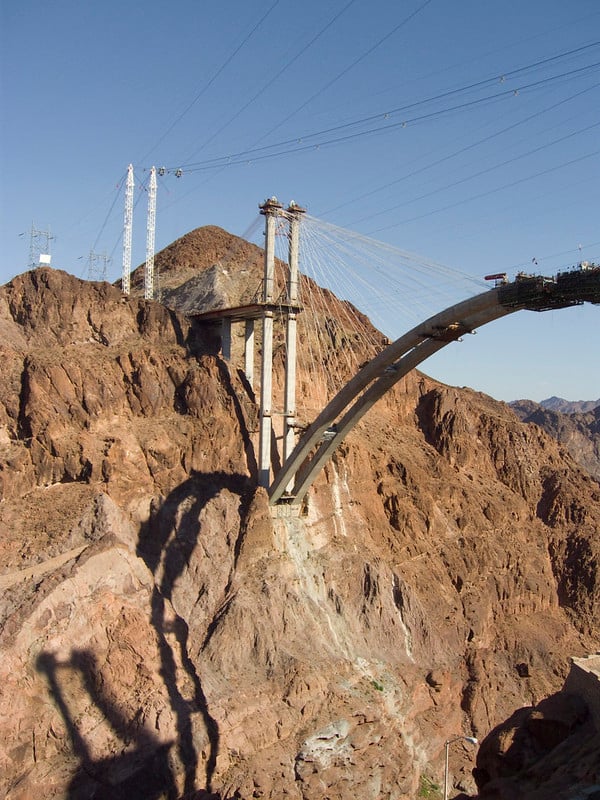
Traffic problems became especially severe under the security restrictions imposed after the attacks of September 11, 2001. A security checkpoint has been implemented on the Hoover Dam Access Road on the Nevada side and the old road on the Arizona side is barricaded, with armed guards patrolling. In October 2010, a concrete arch bridge with a 1,060-foot span opened for through traffic within view of Hoover Dam.
Workers Earned 50 Cents to $1.25 Per Hour

Building the dam was tough, dangerous work, for which men were paid an hourly wage ranging from 50 cents to $1.25. In total, 21,000 workers contributed to its construction with an average of 3,500 working daily and the average monthly payroll was $500,000. Despite the low wages by today’s standards, these jobs were highly sought after during the Great Depression when unemployment was widespread.
Engineering Legacy Lives On
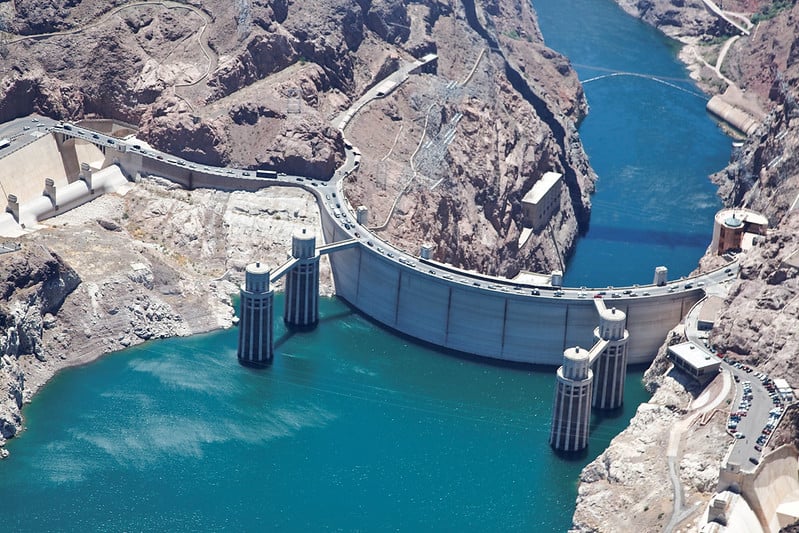
The Hoover Dam transformed from a Depression-era jobs program into one of America’s most enduring symbols of engineering achievement. Today, 7 million tourists visit annually, drawn not just by its massive scale but by the remarkable human story behind its construction. The dam continues generating clean energy for 1.3 million people while serving as proof that ambitious infrastructure projects can create lasting benefits for generations. Its techniques for large-scale concrete construction and project management became the blueprint for mega-projects worldwide, showing how American ingenuity could literally reshape the landscape.
More from Go2Tutors!

- 16 Historical Figures Who Were Nothing Like You Think
- 12 Things Sold in the 80s That Are Now Illegal
- 15 VHS Tapes That Could Be Worth Thousands
- 17 Historical “What Ifs” That Would Have Changed Everything
- 18 TV Shows That Vanished Without a Finale
Like Go2Tutors’s content? Follow us on MSN.