15 Mental Benefits of Daily Cold Plunges
Taking a daily cold plunge might sound like torture, but your brain thinks otherwise. What started as an athlete’s recovery tool has evolved into a powerful mental health practice backed by serious science. Research shows that immersing yourself in cold water triggers a cascade of neurochemical changes that can transform how you feel, think, and handle stress.
The evidence is compelling. Studies demonstrate that cold water exposure activates your body’s natural pharmacy, releasing mood-boosting chemicals like dopamine, norepinephrine, and endorphins. These aren’t just feel-good moments either—the benefits can last for hours after you’ve warmed up.
Here’s a breakdown of 15 mental health benefits you can expect from making cold plunges part of your daily routine.
Instant Mood Enhancement
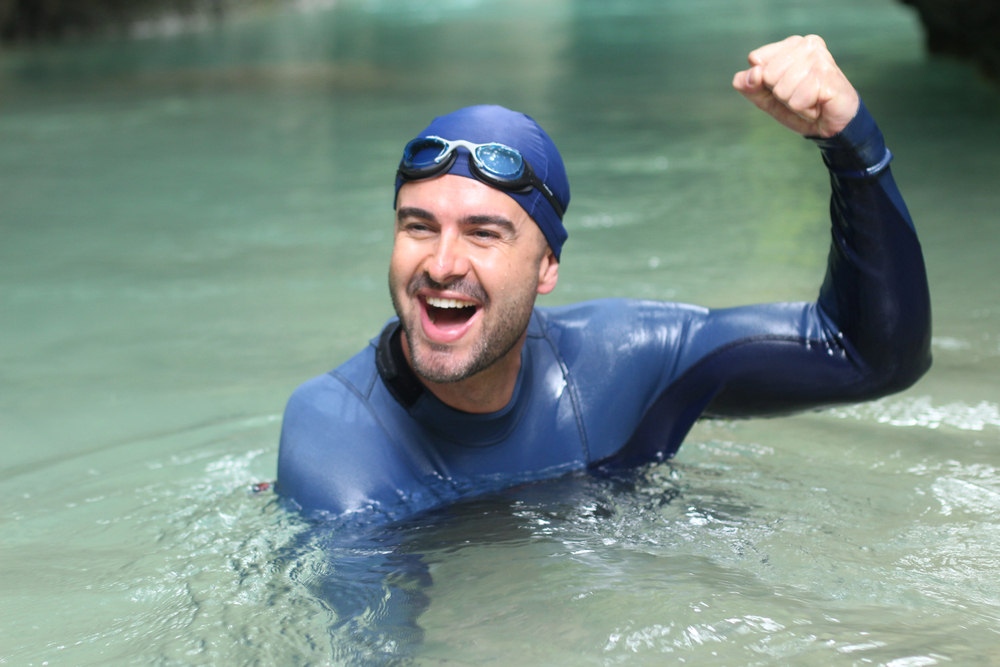
Cold water immersion acts like a natural antidepressant. Research involving undergraduate students who took 20-minute dips in cold seawater showed significant decreases in negative emotions like tension, anger, and depression. The participants also reported boosts in positive feelings including vigor and self-esteem. The mood shift happens quickly too—participants in one study felt more active, alert, and inspired after just five minutes in cold water.
Massive Dopamine Boost
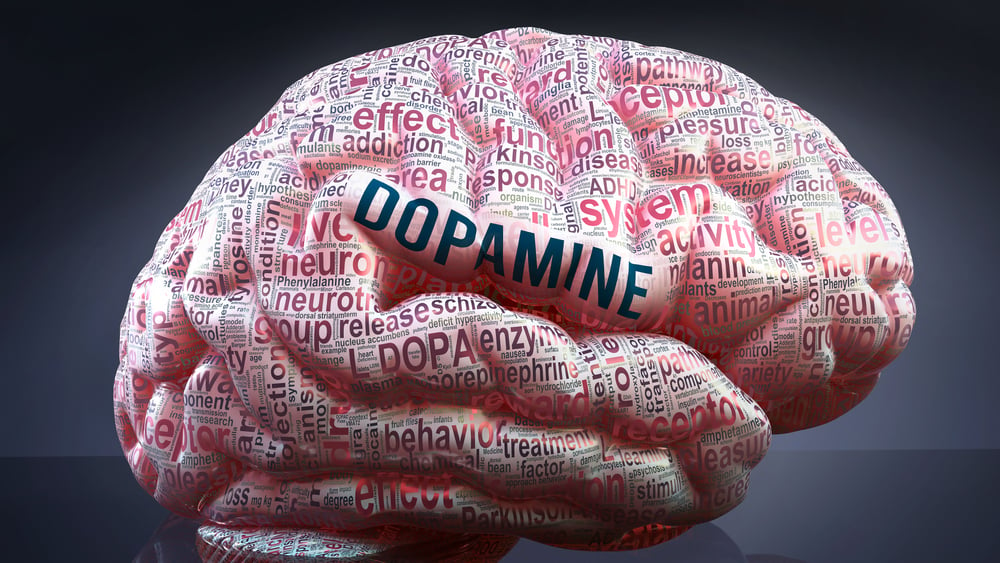
Your brain’s reward system gets a serious upgrade from cold exposure. Studies show dopamine levels can increase by up to 250% after cold water immersion. This isn’t just a temporary high either—the dopamine surge can last for hours. Unlike other dopamine triggers that cause crashes, cold exposure creates a sustained elevation that improves motivation and focus throughout your day.
Stress Hormone Reset
Cold plunges help recalibrate your stress response system. While cortisol levels don’t spike during the cold exposure itself, they drop significantly afterward. Research shows cortisol levels remain lower for up to three hours after just 15 minutes in cold water. This pattern suggests your body learns to handle stress more efficiently over time.
Increased Mental Alertness

The shock of cold water activates your sympathetic nervous system like a natural espresso shot. Brain scans show increased connectivity between attention control networks after cold exposure. Participants consistently report feeling more alert, attentive, and mentally sharp. This heightened awareness can improve your performance in both work and personal situations.
Enhanced Focus and Concentration
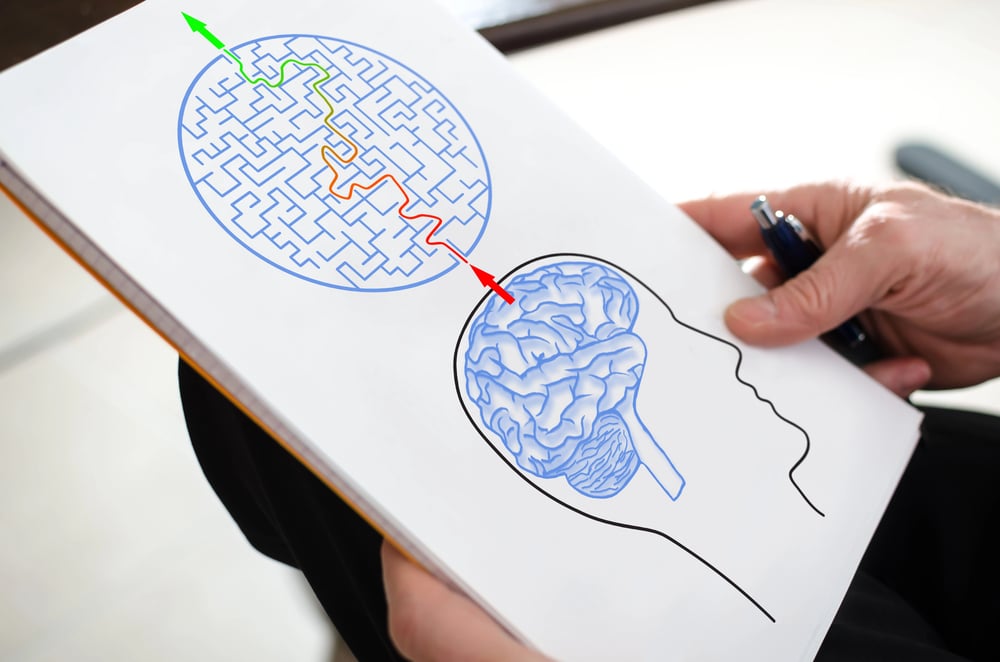
Cold water immersion strengthens the brain networks responsible for sustained attention. The neurochemical changes—particularly the surge in norepinephrine—help filter out distractions and maintain focus. Many people find they can concentrate better for hours after a cold plunge, making it an excellent morning routine for demanding workdays.
Natural Anxiety Relief
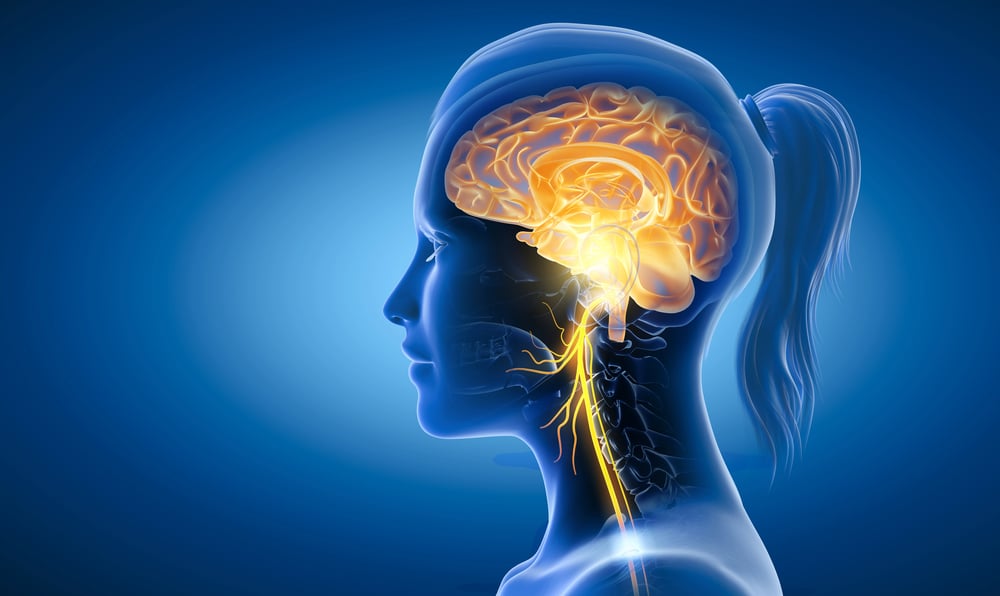
Cold therapy activates the vagus nerve, which shifts your nervous system into ‘rest and digest’ mode. This counters the chronic stress state that fuels anxiety disorders. Studies show participants feel less nervous and distressed after cold water exposure. The practice also helps build tolerance to uncomfortable sensations, which can reduce anxiety about physical symptoms.
Improved Sleep Quality
DepositPhotos
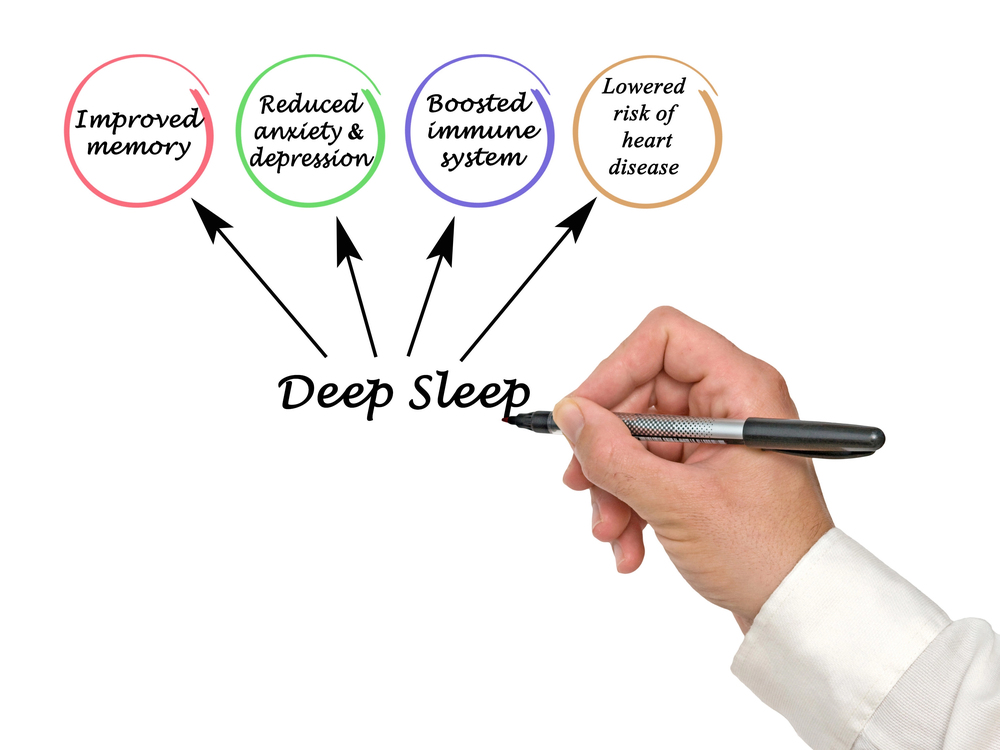
Regular cold exposure helps regulate your circadian rhythm and improves sleep architecture. The temperature drop after warming up from cold water mimics your body’s natural evening cooling process, signaling it’s time to rest. Research participants who took cold showers reported better sleep quality compared to control groups.
Resilience Building

Cold plunges serve as controlled stress training for your nervous system. Each exposure teaches your body and mind to remain calm under pressure. Winter swimmers show remarkably stable stress responses even in challenging situations. This resilience transfers to other areas of life, helping you handle work pressure, relationship conflicts, and daily frustrations more effectively.
Endorphin Release
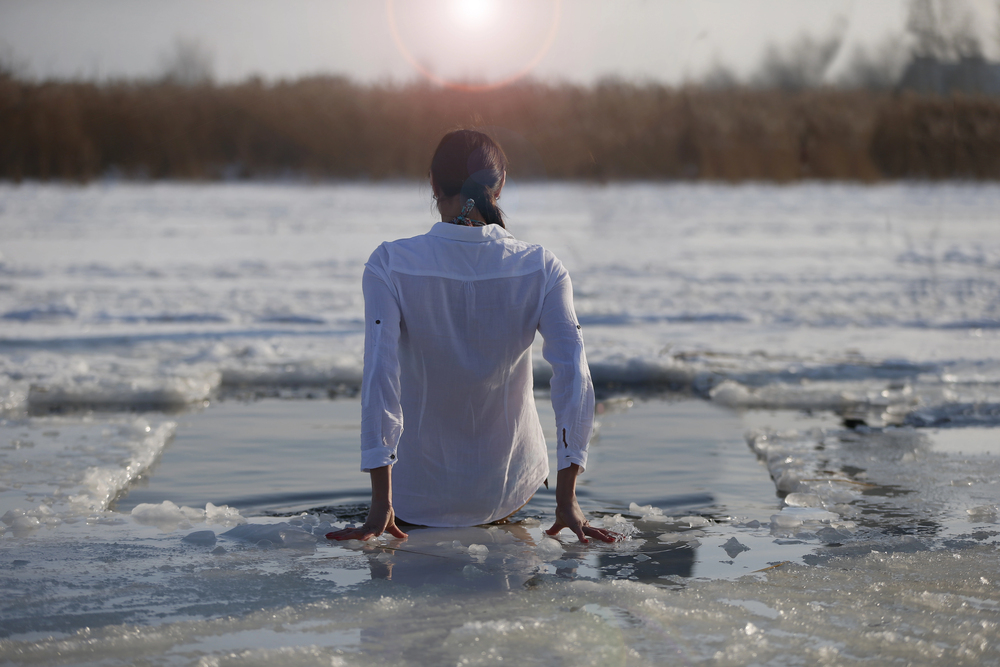
Cold water triggers your body’s natural painkiller system. The release of beta-endorphins creates feelings of euphoria and well-being that can last for hours. These same chemicals help combat depression and chronic pain. The endorphin rush explains why many cold plungers describe feeling ‘addicted’ to the practice in a positive way.
Reduced Inflammation

Chronic inflammation contributes to depression, anxiety, and cognitive decline. Cold exposure increases norepinephrine levels by up to 530%, and this neurotransmitter has powerful anti-inflammatory effects. By reducing systemic inflammation, cold plunges may help protect against mental health disorders while improving overall brain function.
Better Emotional Regulation
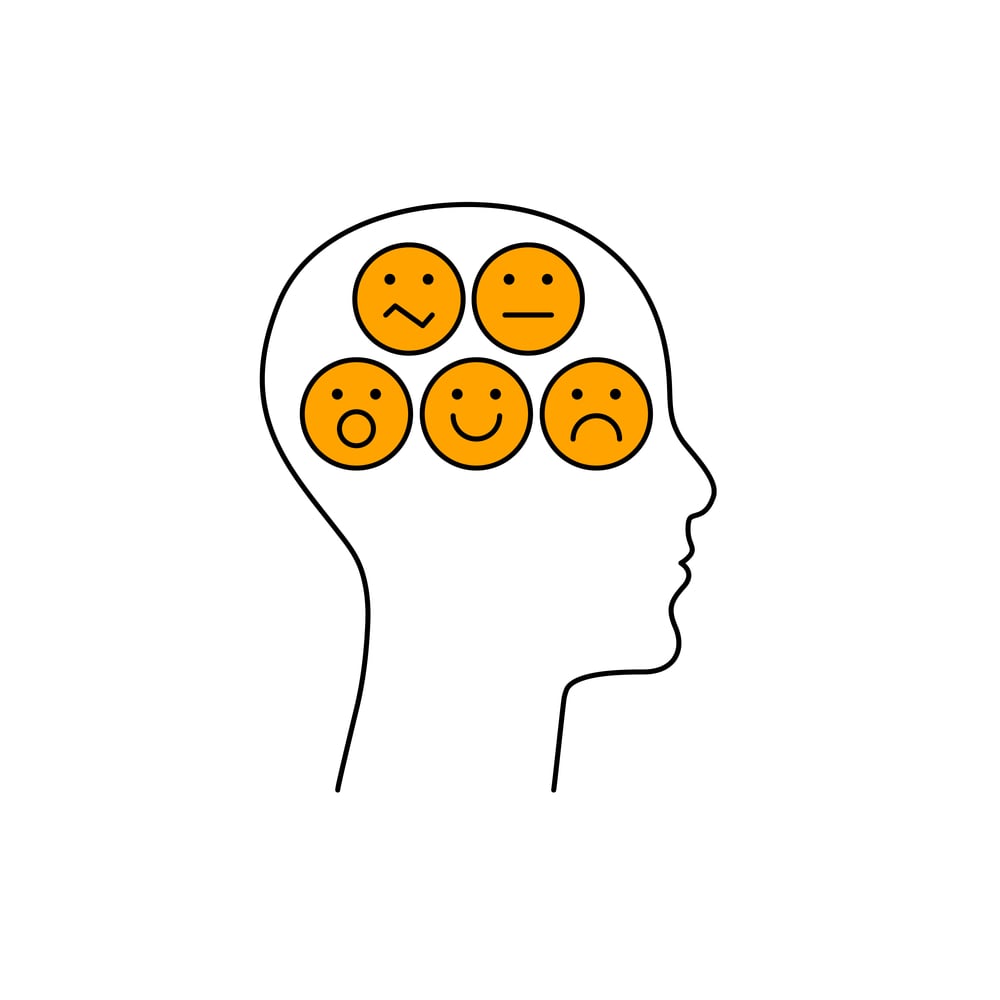
Brain imaging shows cold water immersion increases connectivity between areas responsible for emotional control. The practice strengthens your ability to observe difficult emotions without being overwhelmed by them. This improved emotional regulation helps in relationships, work situations, and personal challenges.
Increased Energy Levels
The metabolic boost from cold exposure creates lasting energy improvements. Your body works harder to maintain core temperature, ramping up cellular energy production. Combined with improved circulation and oxygenation, this leaves you feeling energized rather than depleted. Many people find cold plunges more effective than caffeine for sustained energy.
Enhanced Cognitive Flexibility
Cold exposure appears to promote neuroplasticity—your brain’s ability to form new neural connections. The stress of cold water may trigger the production of proteins that support brain cell growth and survival. This could explain why regular cold plungers often report improved problem-solving abilities and creative thinking.
Social Connection Benefits

Group cold plunging creates unique bonding experiences through shared challenges. The vulnerability and support involved in facing discomfort together strengthens relationships. Many cold water communities report high levels of mutual support and friendship. This social aspect provides additional mental health benefits through reduced isolation and increased belonging.
Long-term Neuroprotection
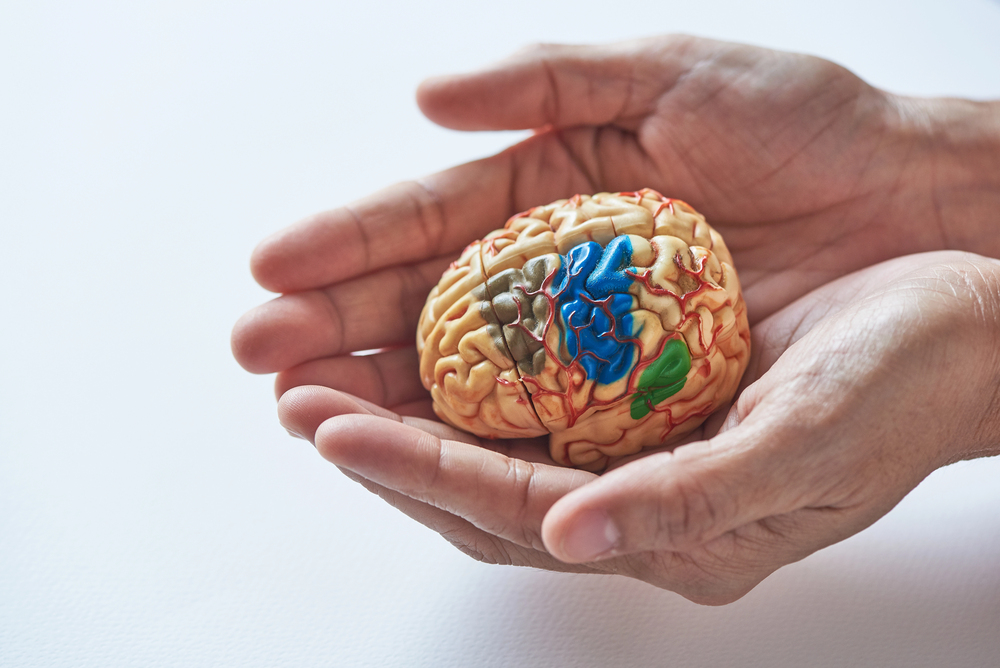
Emerging research suggests cold exposure might protect against neurodegenerative diseases. Cold shock proteins activated during exposure help maintain healthy brain cell connections. While more research is needed, some studies indicate regular cold exposure could support long-term cognitive health and potentially slow age-related mental decline.
From Ancient Practice to Modern Medicine
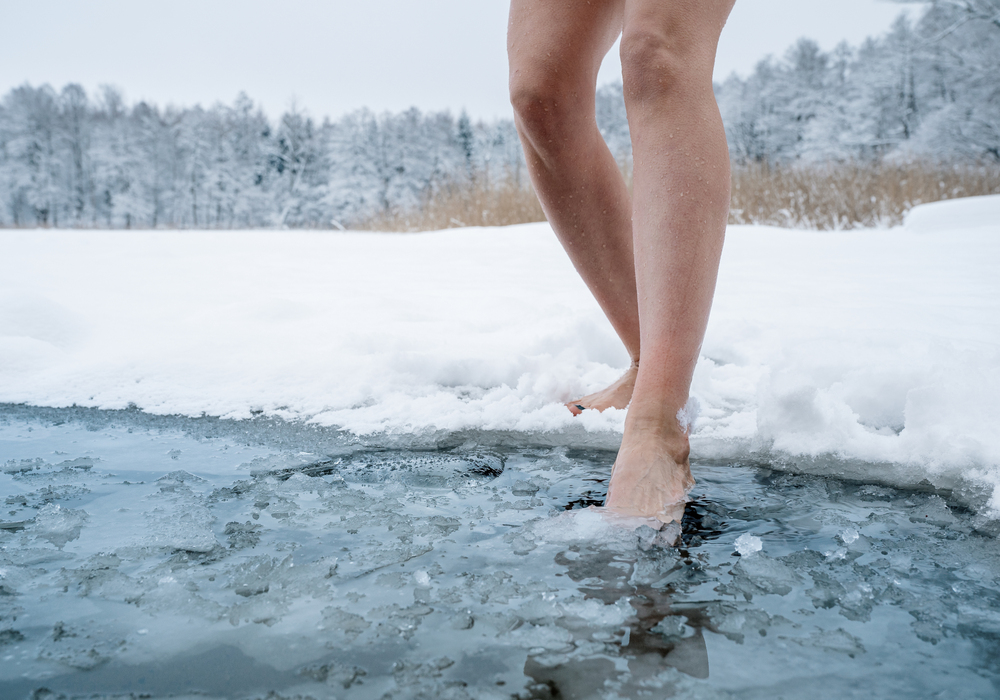
These mental health benefits aren’t just trendy wellness claims—they’re rooted in thousands of years of human experience and increasingly supported by rigorous science. What our ancestors knew intuitively, modern research is now proving: controlled exposure to cold stress can profoundly improve mental resilience and well-being. As more studies emerge, cold water therapy may become a mainstream tool for mental health maintenance and recovery.
More from Go2Tutors!

- The Romanov Crown Jewels and Their Tragic Fate
- 13 Historical Mysteries That Science Still Can’t Solve
- Famous Hoaxes That Fooled the World for Years
- 15 Child Stars with Tragic Adult Lives
- 16 Famous Jewelry Pieces in History
Like Go2Tutors’s content? Follow us on MSN.



