Sitcom Sets That Were Actually Based On Real Homes
There’s something oddly comforting about recognizing a fictional home. Maybe it’s the familiar layout that makes you feel like you could navigate the hallways in the dark, or the way certain rooms become as memorable as the characters who inhabit them.
Television has given us countless living rooms, kitchens, and bedrooms that feel more real than most actual houses we’ve visited.
What makes this even more fascinating is discovering that some of these iconic sets weren’t born from a production designer’s imagination at all. They started as real homes, lived in by real families, before being transformed into the backdrops for our favorite fictional characters.
The transition from private residence to public stage creates something uniquely compelling — a space that exists simultaneously in reality and in our collective memory.
The Cosby Show
The Brooklyn brownstone that served as the Huxtable family home wasn’t just a pretty facade found by location scouts. The building at 10 St. Luke’s Place in Greenwich Village had been home to actual families for decades before Cliff and Clair moved in.
The production team meticulously measured and photographed every room, then recreated the interior layout on a soundstage in Queens. The real homeowners became accidental celebrities.
Tour groups started appearing on their doorstep, and the property value jumped significantly after the show’s success.
Full House
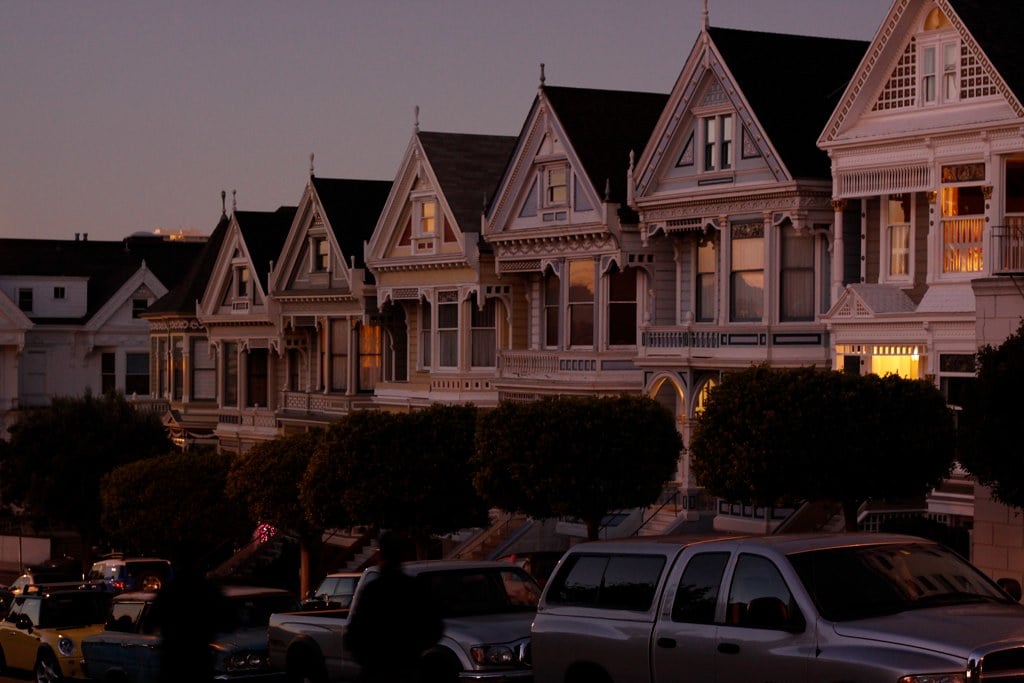
Victorian homes in San Francisco don’t come cheap, and the Tanner family’s picture-perfect residence was no exception. The real house at 1709 Broderick Street belonged to a private family who had no idea their home would become one of the most recognizable addresses in television history.
They discovered camera crews outside their windows one day and learned they were suddenly living in a tourist destination. The interior scenes were filmed elsewhere, but that didn’t stop fans from treating the actual house like a shrine.
The current owners still deal with visitors taking selfies on their front steps daily.
The Brady Bunch
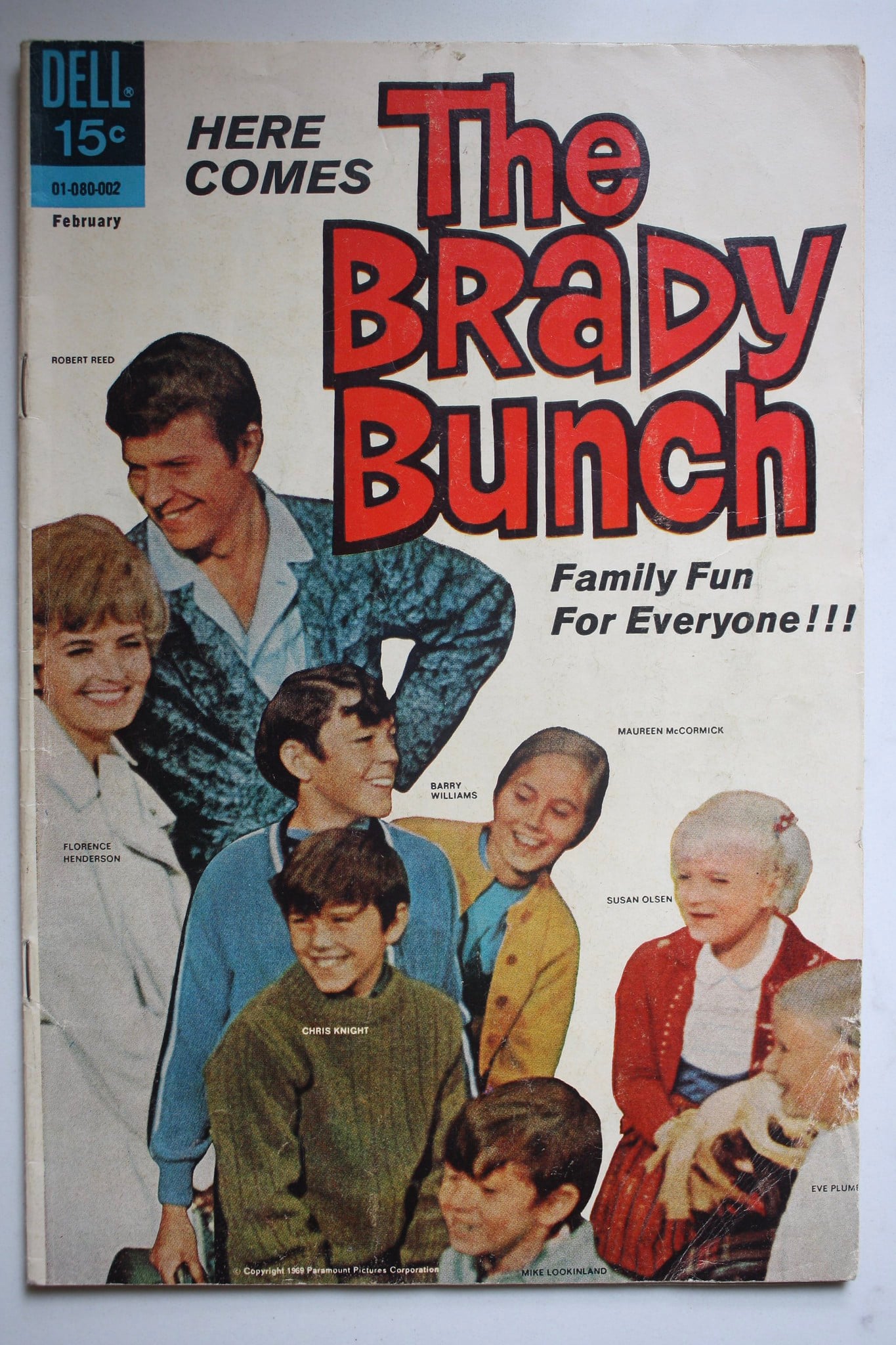
Studio executives wanted authenticity for the Brady family home, so they found it in North Hollywood. The split-level ranch house at 11222 Dilling Street became the template for one of television’s most famous family dwellings.
But here’s where things get interesting (and slightly deceptive): the real house’s interior layout didn’t match what viewers saw on screen at all. The production team took significant liberties with the floor plan, creating rooms that didn’t exist and moving staircases to different locations.
So while the exterior shots were genuine, the inside was pure Hollywood magic — which explains why that famous staircase never quite seemed to make architectural sense. The real homeowners lived with the consequences of this fame for decades, eventually selling to HGTV, who renovated the interior to match the fictional version.
Talk about life imitating art imitating life.
Roseanne
Working-class authenticity was crucial to Roseanne’s success. The Conner family couldn’t live in just any house — it had to feel genuinely lived-in, genuinely affordable, genuinely real.
Production scouts found what they needed in the Chicago area for exterior shots. The modest two-story home belonged to a local family who agreed to let their exterior be used for the show.
The house perfectly captured the economic realities the show wanted to portray, and its unremarkable appearance was exactly what made it remarkable on television.
Married… With Children
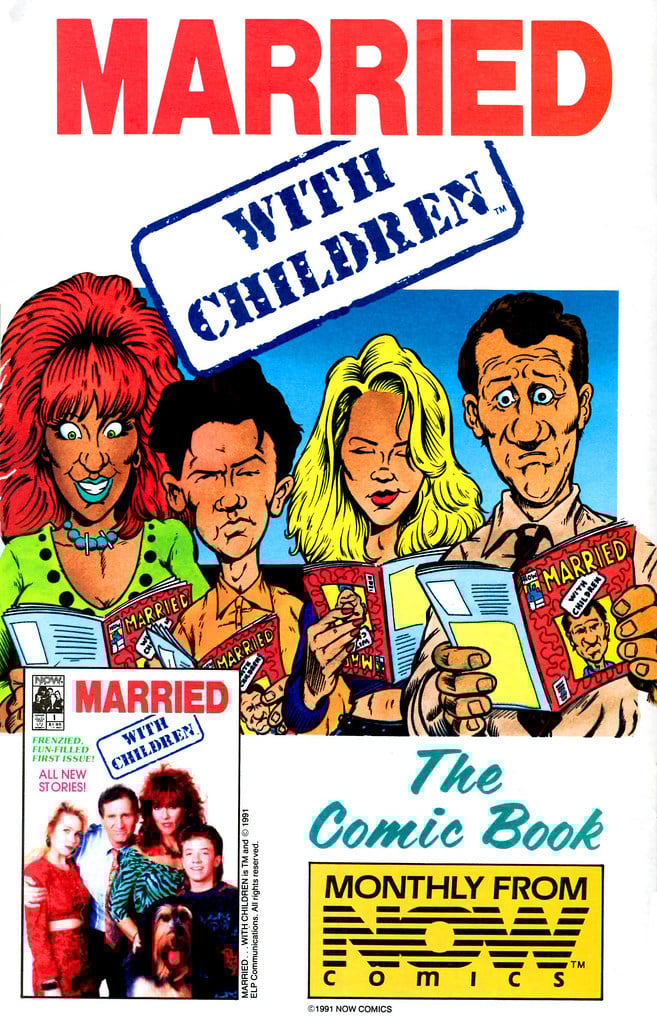
The Bundy family’s Chicago home needed to look appropriately worn down for a family perpetually struggling with financial problems. The real house at 641 Castlewood Lane in Deerfield, Illinois, fit the bill perfectly.
Its modest suburban appearance conveyed exactly the kind of middle-class disappointment that defined Al Bundy’s character. Like many homes featured on television, the property became a pilgrimage site for fans.
The actual residents had to adjust to strangers regularly appearing in their front yard.
Family Matters

When producers needed a house for the Winslow family, they found it in the same Chicago neighborhood that had served Married… with Children so well. The actual home belonged to a local family who had no connection to the entertainment industry.
They simply owned a house that looked right for a middle-class family sitcom. The home’s traditional design and well-maintained appearance made it perfect for representing the stable, loving household the show wanted to portray.
Step By Step

The blend of two families required a house that looked large enough to accommodate everyone without appearing mansion-like — something that suggested comfort but not wealth. The production team discovered what they needed in a real suburban home that belonged to an ordinary family.
The house had the right proportions and the right feel for a show about making a complicated family situation work. These shows understood something important about audience psychology: homes need to feel attainable, even aspirational, but never so grand that they become unrelatable.
And sometimes the best way to achieve that balance is to start with a house where a real family actually lived that kind of life.
The Fresh Prince Of Bel-Air

The Banks family mansion needed to scream wealth without feeling cold or institutional. Production scouts found their answer in Brentwood, California, where a stunning estate belonged to a private family.
The house’s impressive facade and manicured grounds perfectly conveyed the lifestyle gap between Will’s Philadelphia background and his new Beverly Hills reality. The real homeowners probably didn’t anticipate that their private residence would become synonymous with 1990s luxury television.
Growing Pains

Suburban comfort was the goal for the Seaver family home, and the production team found it in a real Long Island neighborhood. The house belonged to an actual family whose daily routine suddenly included occasional disruptions from film crews capturing exterior shots.
The home’s traditional design and well-kept appearance made it ideal for representing the kind of stable, upper-middle-class environment the show celebrated. The challenge with using real homes for television is that they come with real neighbors, real traffic patterns, and real people trying to live their actual lives.
Family Ties

The Keaton family’s home in suburban Ohio (though filmed in California) came from a real house that embodied the kind of liberal, intellectual household the show wanted to portray. The production team chose a home that looked appropriately academic without appearing pretentious — something that suggested book-lined studies and dinner table political discussions.
Finding the right house meant finding one that could believably house both parents who were former hippies and a son who worshipped Ronald Reagan.
Webster

The show required a house that could believably accommodate an unusual family situation — a young boy being raised by his late father’s friend and the friend’s wife. The real home used for exterior shots belonged to a private family and provided the kind of comfortable, established setting that made the unconventional family arrangement feel warm rather than strange.
Television homes have to work harder than regular homes. They need to communicate character information, economic status, and family dynamics all through architectural details and landscaping choices.
Punky Brewster
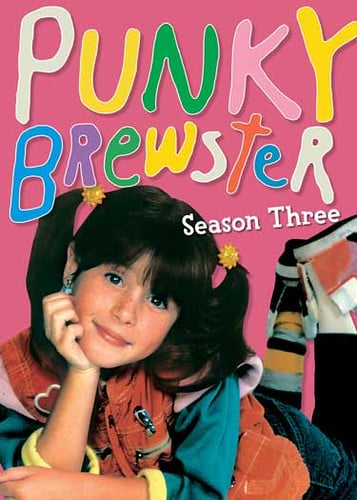
An abandoned little girl being raised by a gruff photographer needed a home that could suggest both stability and quirkiness. The real apartment building used for the show’s exterior shots provided exactly that kind of urban warmth — a place that looked like it could house interesting people leading slightly unconventional lives.
The building’s Chicago location gave the show the kind of working-class authenticity that made Punky’s story feel grounded despite its more fantastical elements.
ALF

The Tanner family (no relation to Full House) needed a house that looked utterly normal — which made the presence of a wise-cracking alien even more absurd. The real home used for exterior shots was chosen specifically for its generic suburban appearance.
Nothing about the house suggested that anything unusual ever happened there, which was exactly the point. Sometimes the most important quality a television home can have is complete ordinariness.
When Reality Becomes Fiction

The line between real homes and television sets creates a strange kind of magic. Families who once lived private lives in these houses suddenly find their former addresses embedded in popular culture.
The buildings themselves become characters in stories they were never meant to be part of, and their architectural details get analyzed by fans who know them better than the people who actually lived there. These homes prove that sometimes the best fictional spaces are the ones that started as completely real.
There’s an authenticity that can’t be manufactured, only borrowed — and once borrowed, it becomes something else entirely.
More from Go2Tutors!

- The Romanov Crown Jewels and Their Tragic Fate
- 13 Historical Mysteries That Science Still Can’t Solve
- Famous Hoaxes That Fooled the World for Years
- 15 Child Stars with Tragic Adult Lives
- 16 Famous Jewelry Pieces in History
Like Go2Tutors’s content? Follow us on MSN.



