Color Facts That Reveal Hidden Meanings Across Cultures
Walk into a wedding in China and you’ll see red everywhere. Attend one in South Africa and white dominates the scene.
The same color can mean celebration in one place and mourning in another. These differences go deeper than simple preference—they’re woven into how entire societies understand the world around them.
White Means Mourning in Parts of Asia

Western funerals feature black clothing almost exclusively. But in many Asian countries, white serves as the traditional color of grief and death.
The reasoning traces back to Buddhist and Hindu beliefs about purity and rebirth. White represents the soul’s transition to the next life, making it the appropriate choice for honoring the deceased.
You’ll see this tradition most strongly in India, China, Korea, and Vietnam.
Red Stops Traffic Almost Everywhere Except Japan

Red signals danger and “stop” on roads across most of the world. Japan breaks this pattern in an interesting way.
Their traditional stop color was actually a shade between red and orange, closer to what we’d call vermillion. The shift toward international red standards happened gradually, but you can still see traces of the old system in some contexts.
The Japanese language historically didn’t distinguish between red and orange the way English does.
Purple Used to Signal Wealth Because It Was Impossibly Expensive
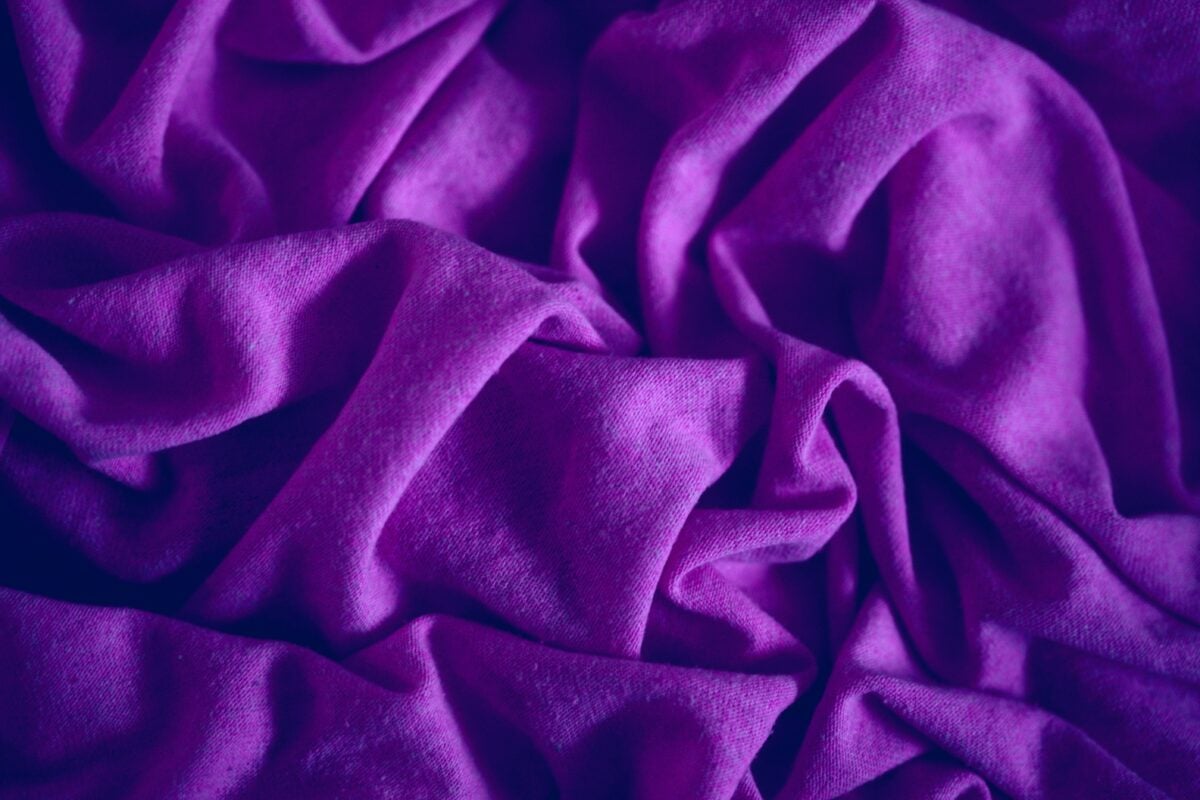
For centuries, purple dye came from sea snails found in the Mediterranean. Extracting enough dye to color a single garment required thousands of snails.
This made purple fabric so expensive that only royalty and the extremely wealthy could afford it. Roman emperors wore purple togas as a sign of their status.
The connection between purple and royalty stuck around long after synthetic dyes made the color accessible to everyone.
Green Represents Different Things in Islamic and Western Cultures
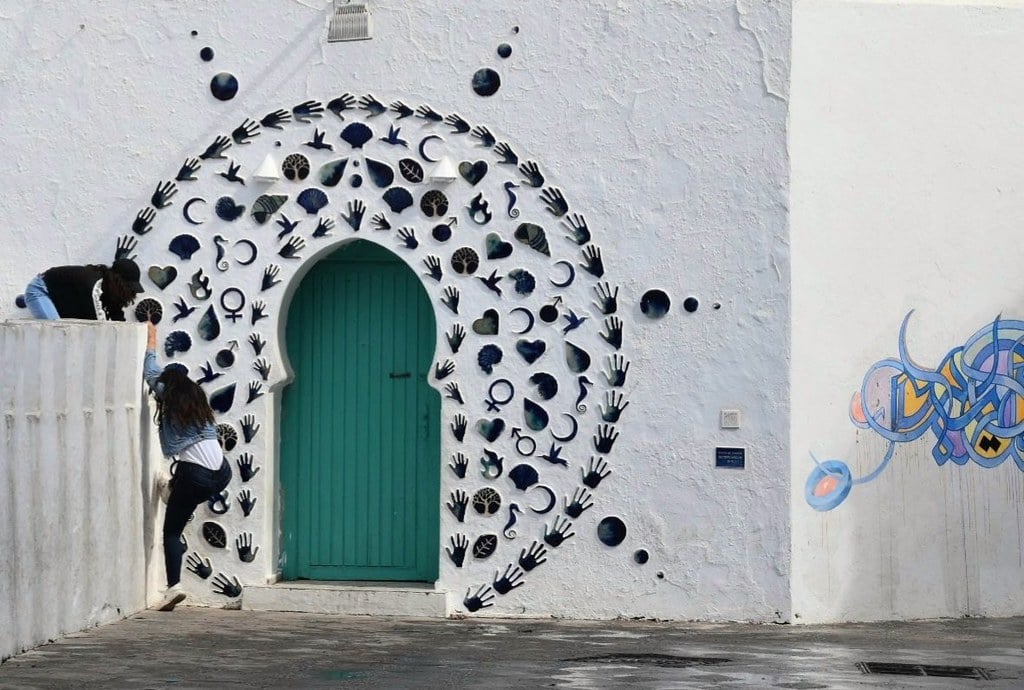
In many Western countries, green signals “go” and environmental awareness. It shows up on recycling bins and eco-friendly product labels.
Islamic cultures associate green with paradise and the Prophet Muhammad. The Quran describes paradise as a place with green cushions and carpets.
This makes green a sacred color in Muslim-majority countries. You’ll notice it prominently displayed in mosques and religious contexts.
Yellow Means Courage in Japan but Cowardice in English
The phrase “yellow-bellied” in English describes someone lacking courage. Japan sees yellow completely differently.
The color represents courage and nobility there, traditionally associated with samurai warriors. This creates some confusing moments when English speakers visit Japan or vice versa.
The same color carries opposite meanings depending on where you’re standing.
Blue Protects Against Evil in Mediterranean Countries

Walk through Greece, Turkey, or parts of North Africa and you’ll spot blue eye-shaped amulets everywhere. The “evil eye” belief holds that certain people can curse you with a jealous glance.
Blue eyes supposedly ward off this curse. The tradition goes back thousands of years.
You’ll find these blue charms hanging in homes, worn as jewelry, and even painted on buildings.
Black Represents Fertility and Life in Ancient Egypt

Modern Western culture links black with death, darkness, and mourning. Ancient Egyptians saw it as the color of life and rebirth.
The annual flooding of the Nile left behind rich black soil that made farming possible. This black earth meant survival and prosperity.
Egyptian art often depicted gods and pharaohs with black skin to emphasize their connection to this life-giving earth.
Orange Carries Religious Meaning in Buddhism and Hinduism
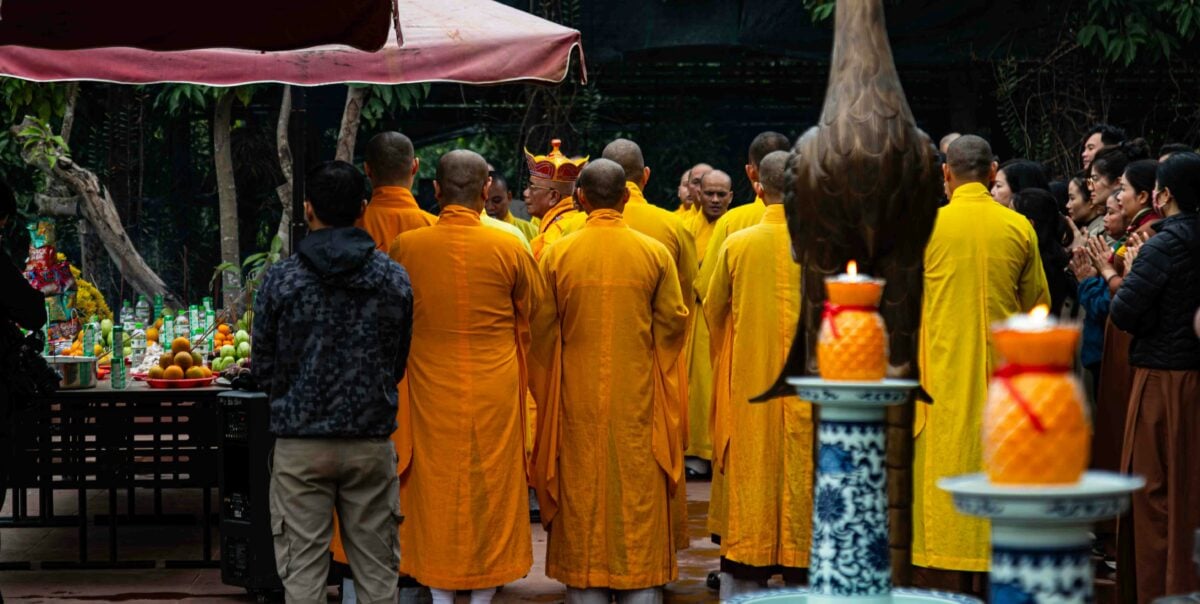
Buddhist monks wear orange robes in many countries. The color symbolizes simplicity and detachment from materialism.
Hindu holy men also favor orange clothing, though they call it saffron. This color choice isn’t random.
Orange sits between red and yellow on the spectrum—red representing worldly life and yellow representing knowledge. Orange marks the transition from one to the other.
The specific shade matters too. Monks adjust the exact hue of their robes based on their sect and region.
Some wear deep burnt orange while others choose lighter tangerine shades.
Red Brings Luck and Prosperity in Chinese Culture
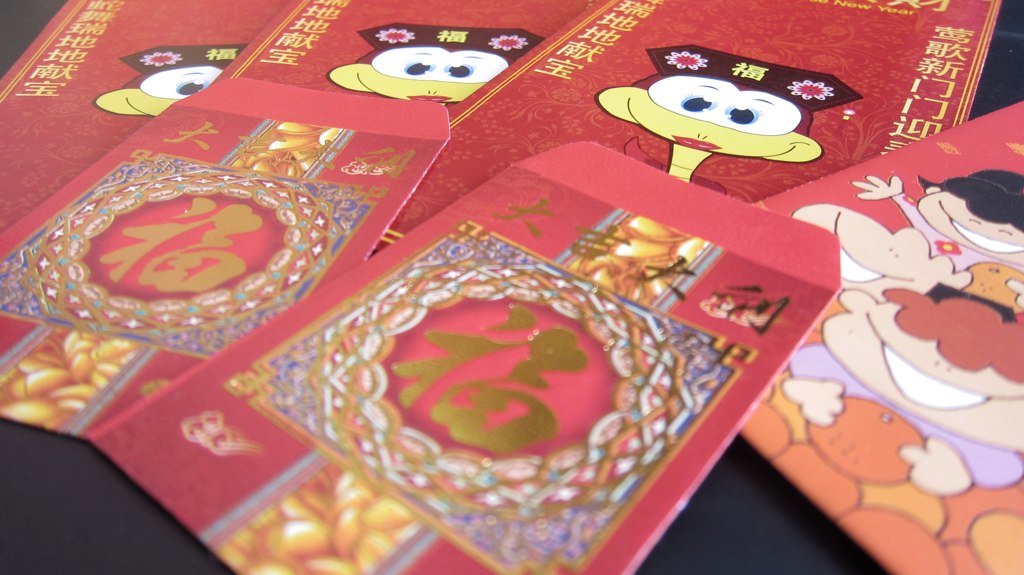
Chinese New Year celebrations explode with red decorations. Wedding ceremonies feature red everywhere—from the bride’s dress to the invitation envelopes.
Red symbolizes good fortune, happiness, and prosperity. The tradition connects to ancient legends about a monster named Nian who feared the color red.
People started using red to protect themselves, and the association with luck and celebration grew from there. You’ll also notice that gifts of money come in red envelopes.
Wearing red underwear during important events supposedly brings extra luck.
White Signals Purity and New Beginnings in Western Weddings

The white wedding dress became popular in Western culture after Queen Victoria wore one in 1840. Before that, brides wore their best dress in any color.
Victoria’s choice started a trend that spread across Europe and eventually to other parts of the world. White came to represent purity, innocence, and the fresh start of married life.
Not all Western cultures followed this trend at the same rate. Some regions maintained their traditional wedding colors well into the 20th century.
Pink and Blue Gender Associations Weren’t Always This Way

The pink-for-girls, blue-for-boys standard feels ancient and universal to many people. Historical records tell a different story.
Early 1900s fashion guides sometimes recommended the opposite—pink for boys because it was a stronger color, and blue for girls because it was more delicate. The current association only solidified in the mid-20th century, largely driven by marketing and manufacturing decisions.
Some cultures never adopted this color coding at all. The association remains primarily a Western phenomenon.
Gold Represents Divinity Across Multiple Religions

Christianity, Buddhism, Hinduism, and Islam all use gold to represent the divine. You’ll find it covering religious statues, decorating temples, and illuminating sacred texts.
The reasoning makes practical sense—gold doesn’t tarnish or decay. This permanence mirrors ideas about eternal spiritual truth.
The color also catches light in striking ways, creating a sense of radiance and otherworldliness. Ancient Egyptians believed gold was the flesh of the gods themselves.
They covered sarcophagi and death masks in gold to ensure safe passage to the afterlife.
Brown Connects to Earth and Stability in Many Indigenous Cultures
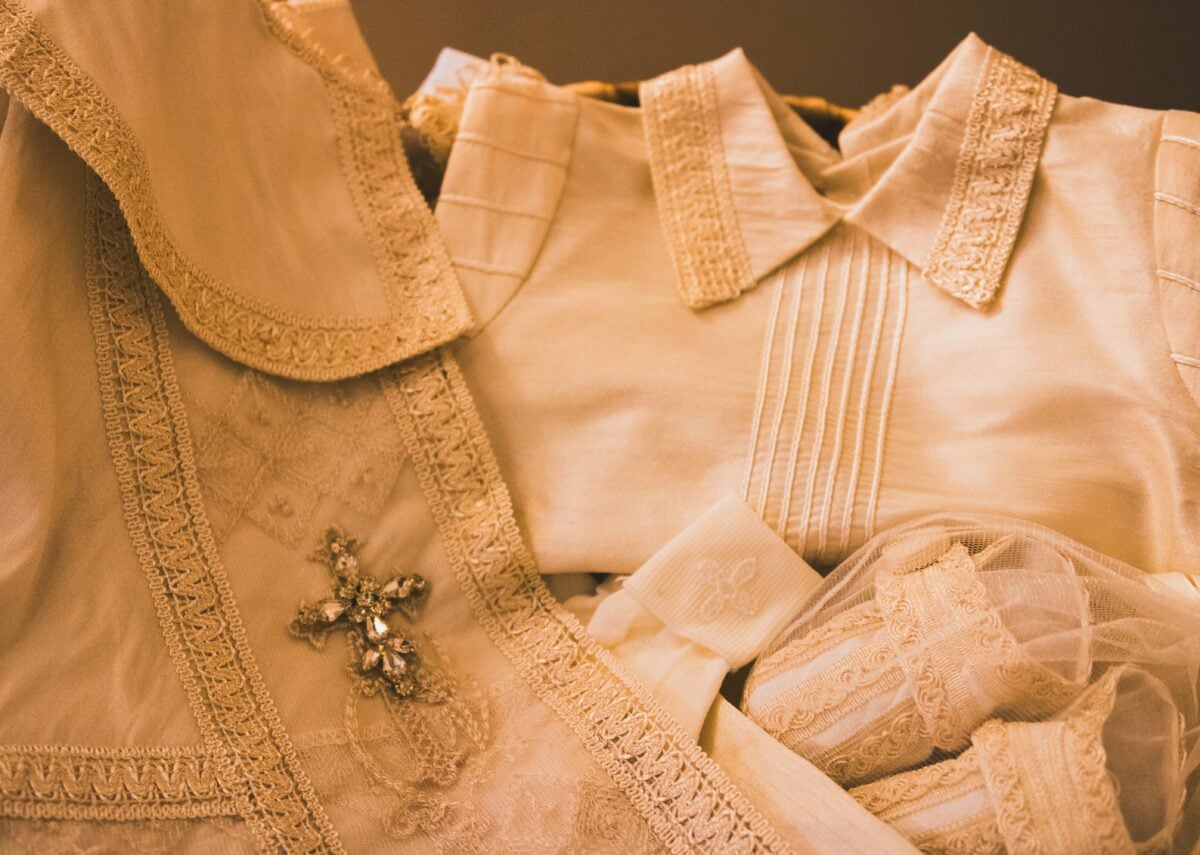
From North America to Australia, brown often ties back to soil, balance, and standing firm. Seen in garments, claywork, yet also sacred items used in rituals.
Not chosen for show, instead valued due to its steady, usable nature. Take some Aboriginal communities – ochre-based paints turn skin brown during rites, linking person directly to ground beneath feet plus those who walked it before.
Folks leaned into earthy shades not just for looks but because they lasted, pulled straight from nearby soil. Sunlight barely touched their color over time.
Colors quietly influence thinking more than obvious

What colors mean can shift wildly from one culture to another – and that says a lot about how people live. Vision isn’t neutral – past beliefs, spiritual views, landscapes, and old tales shape what we make of each hue.
In China, a woman wears red on her wedding day to mark happiness. Wear that very outfit in India, though, and it could stir questions – not because red is wrong, but because exact tones and cuts carry weight few outsiders notice.
Meaning changes, always. As people meet, their habits drift into new lands, reshaping what things stand for.
From England’s past, a bridal color crossed oceans – unknown there before. Elsewhere, an old symbol against harm moved far beyond southern shores, now hanging in trinket cases on every corner.
That blue shade? Might look identical to both of you.
Yet inside each head, the thoughts tied to it can drift far apart. Spotting these contrasts isn’t just about dodging social slips abroad.
It hints at how even basic things – like color – are threaded through layers of unseen significance.
More from Go2Tutors!

- The Romanov Crown Jewels and Their Tragic Fate
- 13 Historical Mysteries That Science Still Can’t Solve
- Famous Hoaxes That Fooled the World for Years
- 15 Child Stars with Tragic Adult Lives
- 16 Famous Jewelry Pieces in History
Like Go2Tutors’s content? Follow us on MSN.