Outrageous Dowries in History
Marriage often came down to cash, land, or control. Across time, dowries acted like leverage when families – or even countries – joined forces.
A few were small. Some blew past limits, shifting world events, draining treasuries, or lighting conflict flames.
These went way beyond presents at a ceremony. They doubled as tools for influence.
Catherine of Braganza’s Portuguese Empire

When Catherine of Braganza married King Charles II of England in 1662, Portugal threw in half an empire as her dowry. The package included Tangier in North Africa, the Seven Islands of Bombay in India, trading rights in Brazil and the Portuguese East Indies, and two million Portuguese cruzados in cash.
The Seven Islands of Bombay alone transformed England into a maritime superpower. The British East India Company used them as a base to dominate Indian trade for centuries.
Portugal essentially handed over the keys to its colonial holdings to secure an alliance with England. The marriage itself was unhappy.
Charles kept mistresses openly. Catherine produced no heirs.
But her dowry reshaped global politics and gave Britain a foothold in India that lasted until 1947.
Cleopatra’s Strategic Wealth

Cleopatra VII didn’t bring a traditional dowry to her alliances with Julius Caesar and Mark Antony, but she wielded something more powerful: the wealth of Egypt itself. Egypt was the richest kingdom in the Mediterranean, producing vast quantities of grain that fed Rome.
When she aligned with Mark Antony, she provided ships, gold, grain, and military support for his campaigns. Her wealth funded entire armies.
This wasn’t a dowry transferred at marriage—it was ongoing financial and military backing that made her an indispensable ally. Antony rewarded her by giving away Roman territories, including parts of Syria, Cyprus, and Crete.
These gifts, known as the Donations of Alexandria, enraged Rome and contributed to the propaganda campaign that portrayed Cleopatra as a dangerous foreign seductress. The alliance between Cleopatra and Antony helped trigger the final civil war of the Roman Republic.
After their defeat at Actium, both ended their own lives, and Egypt became a Roman province.
Princess Isabella of Portugal’s Golden Payment
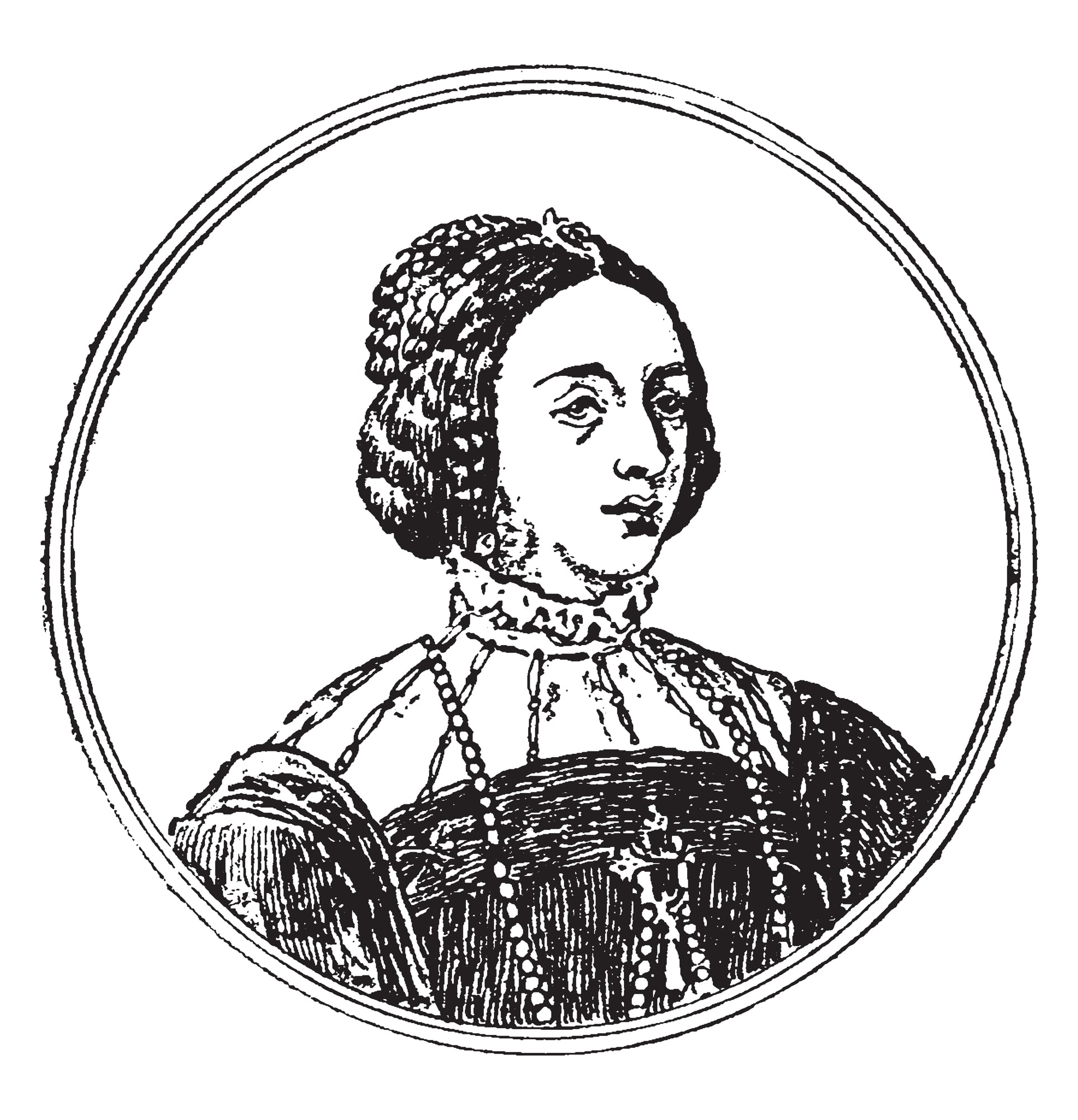
When Princess Isabella of Portugal married Holy Roman Emperor Charles V in 1526, her dowry was astronomical. Portugal paid 900,000 gold ducats, one of the largest cash dowries ever recorded.
Charles needed the money desperately. He was fighting wars across Europe, battling the Ottoman Empire, and funding expeditions to the New World.
The Portuguese gold helped finance his military campaigns and colonial ambitions. Isabella herself came from the wealthy House of Aviz.
Her marriage united the two most powerful Iberian kingdoms. The dowry helped cement Spanish dominance in Europe for the next century.
Margaret Tudor’s Scottish Alliance

England’s Henry VII sent his daughter Margaret to Scotland in 1503 with a dowry designed to buy peace. The dowry included 30,000 gold nobles and extensive lands in Scotland.
The marriage was supposed to end centuries of warfare between England and Scotland. It worked, sort of.
A century later, Margaret’s great-grandson James VI of Scotland inherited the English throne, uniting the crowns. But the immediate result was less peaceful.
Margaret’s husband James IV invaded England anyway, dying at the Battle of Flodden in 1513. The dowry bought a temporary truce, not lasting peace.
Marie Antoinette’s French Catastrophe

When Marie Antoinette married the future Louis XVI in 1770, Austria expected France to pay dearly for the alliance. The dowry negotiations dragged on for months.
France ultimately paid 200,000 livres and promised military support to Austria. The marriage was supposed to end decades of hostility between the two powers.
Instead, it made Marie Antoinette permanently foreign in French eyes. The French public never forgave her Austrian origins.
When revolution came, her background made her an easy target. The dowry that was meant to unite two kingdoms helped doom a queen.
Eleanor of Aquitaine’s Vast Territories

Eleanor of Aquitaine brought the largest dowry in medieval European history to her marriages. Her inheritance included the entire Duchy of Aquitaine, roughly a third of modern France.
When she married Louis VII of France in 1137, she made France the dominant power in Europe. After their annulment, she married Henry II of England in 1152, taking Aquitaine with her.
This dowry transfer shifted the balance of power from France to England overnight. The resulting territorial disputes sparked the Hundred Years’ War and defined Anglo-French relations for centuries.
Eleanor’s dowry demonstrates how one woman’s inheritance could redraw the map of Europe and fuel generations of conflict.
Mumtaz Mahal’s Imperial Union

Shah Jahan married Mumtaz Mahal in 1612 after a five-year engagement while her dowry was prepared. The delay was necessary because the dowry was enormous, even by Mughal imperial standards.
Her family provided gold, jewels, land, and elaborate gifts that took years to assemble. The marriage united two powerful Persian noble families and strengthened Shah Jahan’s claim to the Mughal throne.
When Mumtaz died in 1631, Shah Jahan built the Taj Mahal as her tomb, spending 32 million rupees on construction. The monument itself became a kind of eternal dowry, cementing her memory in marble.
Anne of Brittany’s Duchy Defense

Anne of Brittany was Duchess of Brittany in her own right, and her dowry was the duchy itself. When she married Charles VIII of France in 1491, the marriage contract specified that if he died without male heirs, she would take Brittany back.
Charles did die young. Anne then married his successor, Louis XII, in 1499.
Her dowry terms were renegotiated, but she insisted on clauses protecting Breton independence. She fought her entire adult life to keep Brittany from being absorbed into France.
Her dowry wasn’t just wealth—it was sovereignty. She used marriage contracts as legal weapons to defend her duchy’s autonomy.
Isabella of Valois’s Child Bride Payment
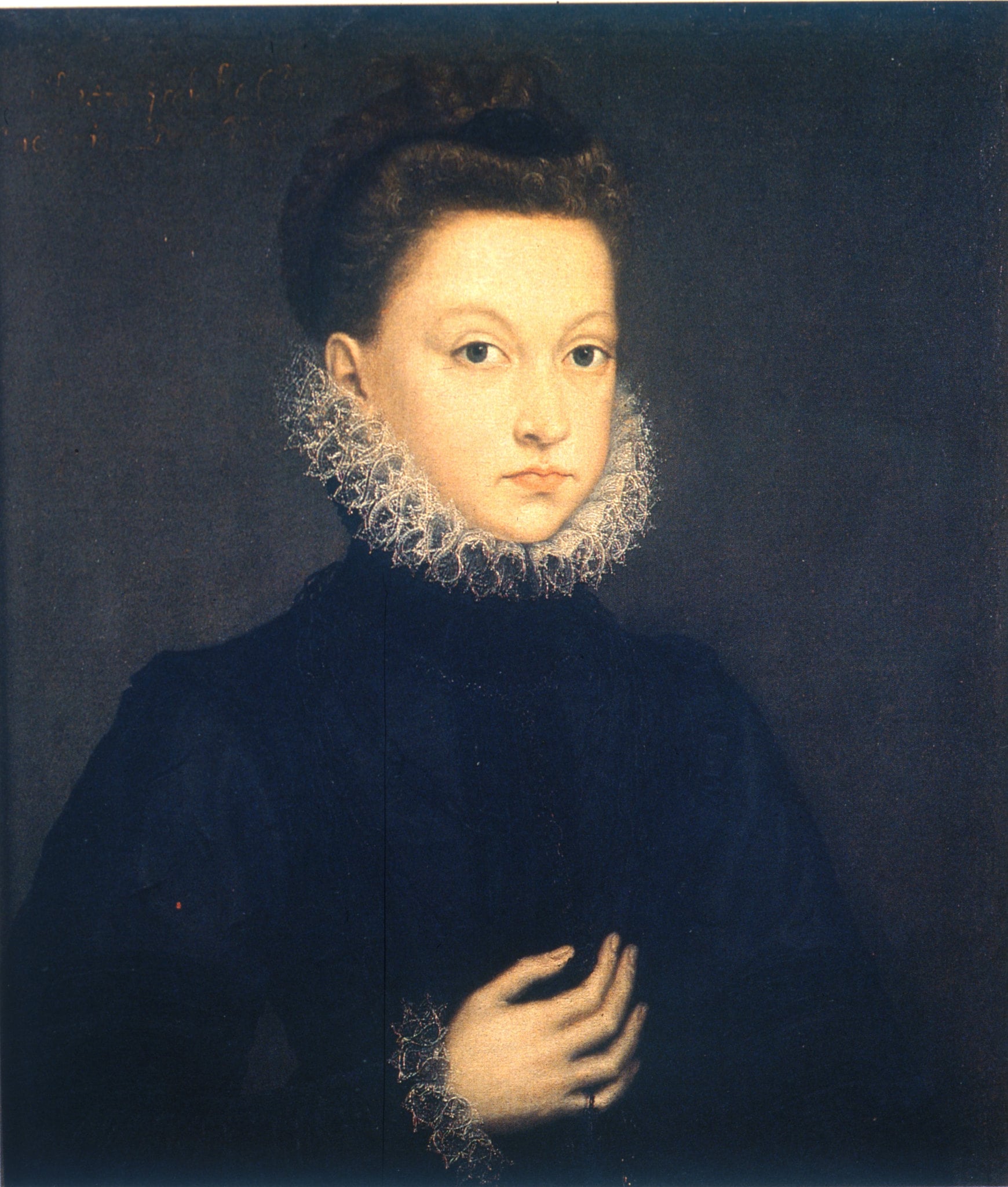
When six-year-old Isabella of Valois married 29-year-old Richard II of England in 1396, France paid 800,000 francs in gold and promised military support. The marriage was meant to end the Hundred Years’ War.
Isabella was so young the marriage couldn’t be consummated. She lived in England as a child hostage, essentially, while the dowry bought a temporary truce.
When Richard was deposed in 1399, Isabella demanded her dowry back. The new king, Henry IV, refused.
The dispute over the dowry helped reignite the war. France eventually got Isabella back, but not the gold.
Salome Alexandra’s Jewish Kingdom

When Salome Alexandra married Alexander Jannaeus in ancient Judea around 103 BCE, she brought political legitimacy as her dowry. She came from a prominent priestly family, and her connections helped stabilize her husband’s rule.
After Jannaeus died, Salome ruled Judea herself for nine years. Her “dowry” of political connections and religious authority became her source of power.
She was one of the only women to rule Judea independently. Her reign was considered peaceful and prosperous.
The real value of her dowry wasn’t gold or land—it was the political network she brought with her.
Lucrezia Borgia’s Multiple Fortunes
Lucrezia Borgia married three times, and each time her father Pope Alexander VI provided an outrageous dowry. For her first marriage, he paid 31,000 ducats.
For her second, the dowry included the towns of Sermoneta and Nepi. Her third marriage to Alfonso d’Este in 1501 came with 100,000 ducats in cash plus jewelry, lands, and castles.
Alfonso’s family initially refused the marriage because of the Borgia family’s scandalous reputation. The massive dowry changed their minds.
Lucrezia used her dowries to establish independence. In Ferrara, she became a patron of the arts and a capable administrator.
The money bought her political autonomy despite her family’s notorious reputation.
Roxelana’s Ottoman Influence
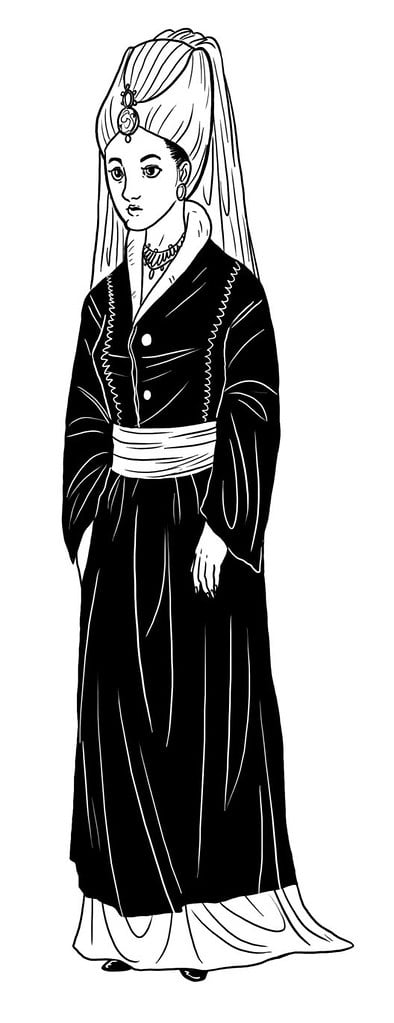
Roxelana, originally named Hurrem Sultan, started out in the Ottoman harem as an enslaved woman yet ended up marrying Sultan Suleiman the Magnificent. Instead of a typical dowry, he granted her freedom; on top of that, she received vast riches along with real influence in politics.
This flip in old marriage customs shocked the palace elite. Usually, rulers stayed single their whole lives.
But Suleiman went against the norm – taking Roxelana as his wife while giving her mansions, gems, or real power behind the scenes. She held more authority than any female figure in the Ottoman line before her.
Because her sons took over the crown, her impact lasted through decades of rule. In fact, her life proves that wedding alliances flipped entirely once a woman built real sway.
The Price of Alliance

Those wedding gifts had nothing to do with love. Instead, they were cold moves to gain influence, land, or stay relevant.
Rich families drained their wealth just to link daughters with top clans. Regions changed hands as easily as coins.
Whole empires shifted shape because of who married whom. The women caught up in this weren’t always powerless – some turned the tables.
Their dowries gave them clout, they pushed back when property was on the line, sometimes even took charge of entire realms. Wedding deals shifted boundaries, set off conflicts, stitched together royal lines that held strong for hundreds of years.
Dowries showed where a society put its weight – not on affection, yet influence.
More from Go2Tutors!

- The Romanov Crown Jewels and Their Tragic Fate
- 13 Historical Mysteries That Science Still Can’t Solve
- Famous Hoaxes That Fooled the World for Years
- 15 Child Stars with Tragic Adult Lives
- 16 Famous Jewelry Pieces in History
Like Go2Tutors’s content? Follow us on MSN.



