Common Foods With Surprisingly Dark Pasts
We throw them in shopping carts, serve them at family dinners, and mindlessly pick them off grocery store shelves.
Many of these common foods have far darker histories than most people are aware of, despite their apparent innocence.
Stories of exploitation, tragedy, and occasionally outright horror that influenced how we eat today are hidden behind the recognizable packaging and cozy flavors.
These sixteen everyday foods have unexpectedly troubled histories.
Chocolate

The sweet treat we associate with Valentine’s Day and dessert has roots in one of history’s cruelest systems.
When Spanish colonizers arrived in Mesoamerica and developed a taste for chocolate, they implemented the encomienda system to increase cocoa production.
What started as a relatively peaceful labor arrangement devolved into brutal forced labor where indigenous workers were ruthlessly exploited.
The situation worsened when European diseases wiped out an estimated 90 percent of some indigenous populations, leading colonizers to import enslaved Africans to work the plantations.
Today, child labor remains a persistent problem in West African cocoa production, with an estimated 1.56 million children working in Ghana and Côte d’Ivoire alone as of 2019, despite major chocolate companies pledging to end the practice two decades ago.
Sugar

Few commodities have caused as much human suffering as sugar, which became the primary driver of the transatlantic slave trade.
Between 10 and 12 million enslaved Africans were transported across the Middle Passage to work on sugar plantations throughout the Americas and Caribbean.
The journey itself was notorious for its brutality, with 15 to 25 percent of captives dying before reaching shore.
Once they arrived, conditions on the plantations were so harsh that the average working life of an enslaved sugar worker was only seven to nine years, and between 25 and 50 percent died within three years of arrival.
The demand for affordable sugar created what became known as white gold, building empires on the backs of people forced into backbreaking labor in sweltering heat.
Potatoes
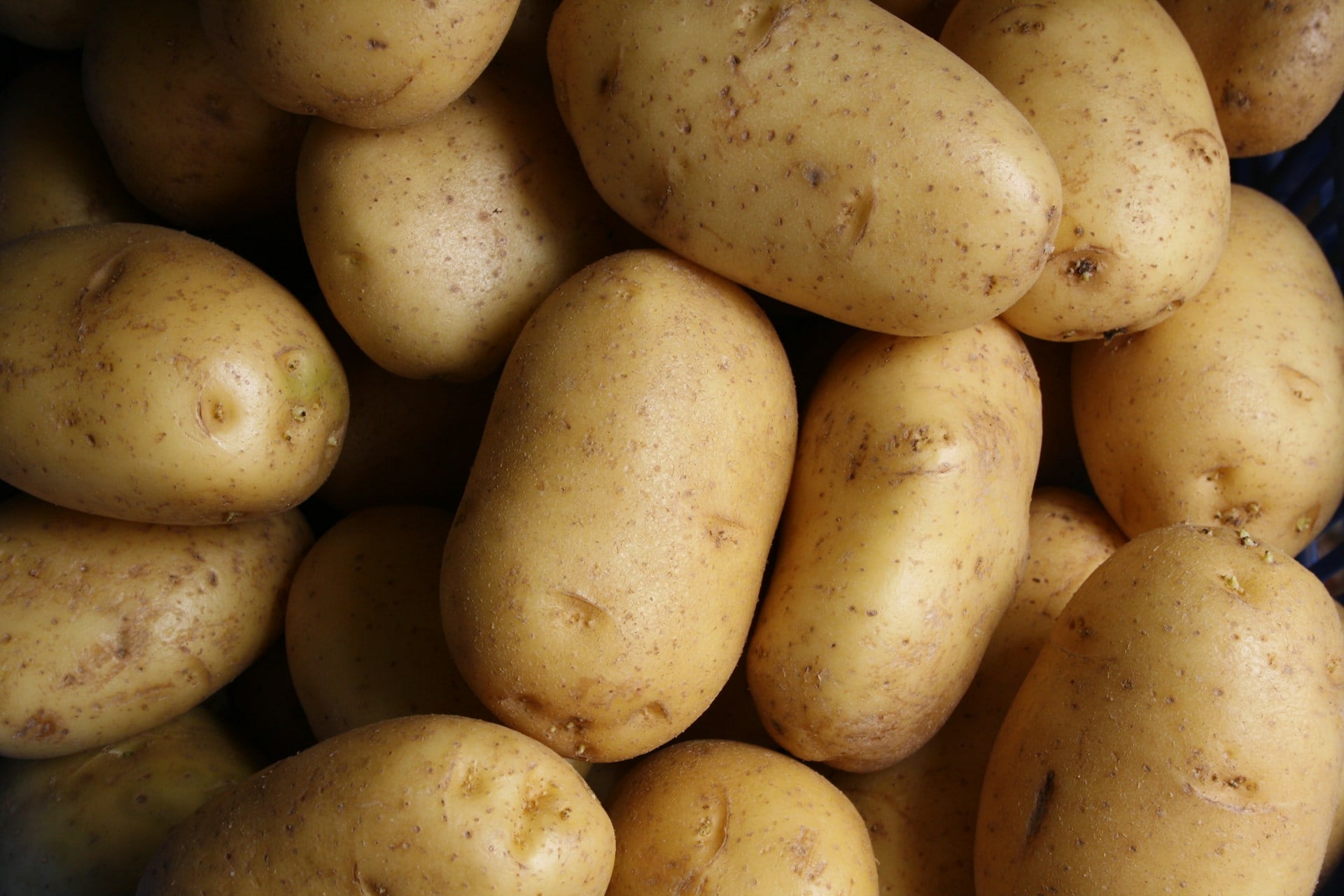
This humble vegetable caused one of the worst famines in modern history and has been responsible for numerous deaths over the centuries.
During the Irish Potato Famine of 1845 to 1852, mass starvation forced people to flee their homes, with some so desperate they ate grass until their mouths turned green.
Before that, France banned potatoes in 1748 because people believed they caused leprosy, only lifting the ban in 1772 thanks to the advocacy of Antoine-Agustin Parmentier.
The potato also contains a natural toxin called solanine that has caused multiple reported mass poisoning incidents, including soldiers in Germany in 1899 who were left with jaundice and permanent paralysis, families in 1918 Scotland where a five-year-old boy died, and North Koreans during the 1952 famine who fell ill from eating rotten potatoes.
Pozole

This popular Mexican soup has perhaps the most disturbing origin story of any common dish.
The Aztecs called it Tlacatlaolli, which roughly translates to ‘husked corn of men’ in the Nahuatl language.
The original version included the flesh of warriors from other tribes who had been sacrificed to Xipe Totec, the deity associated with spring and fertility.
Spanish historian Fray Bernardino de Sahagún documented in the 1500s how the Aztecs would skin and boil the thighs of captured warriors to make this ceremonial soup.
Thankfully, modern pozole is made with pork or chicken and hominy rather than human meat.
Bananas

The cheerful yellow fruit we toss into smoothies has a blood-stained past connected to corporate exploitation.
In the early 20th century, the United Fruit Company controlled much of the banana trade in Central and South America, treating workers abominably and wielding enormous political power.
When thousands of banana workers in Colombia went on strike in December 1928 to demand better conditions, the result was the Banana Massacre in Ciénaga where dozens to hundreds of people were killed, with some estimates reaching over 1,000.
The company became so notorious for its practices that the term ‘banana republic’ was coined in the late 19th and early 20th century to describe countries where foreign corporations held more power than the government itself.
Corn Flakes
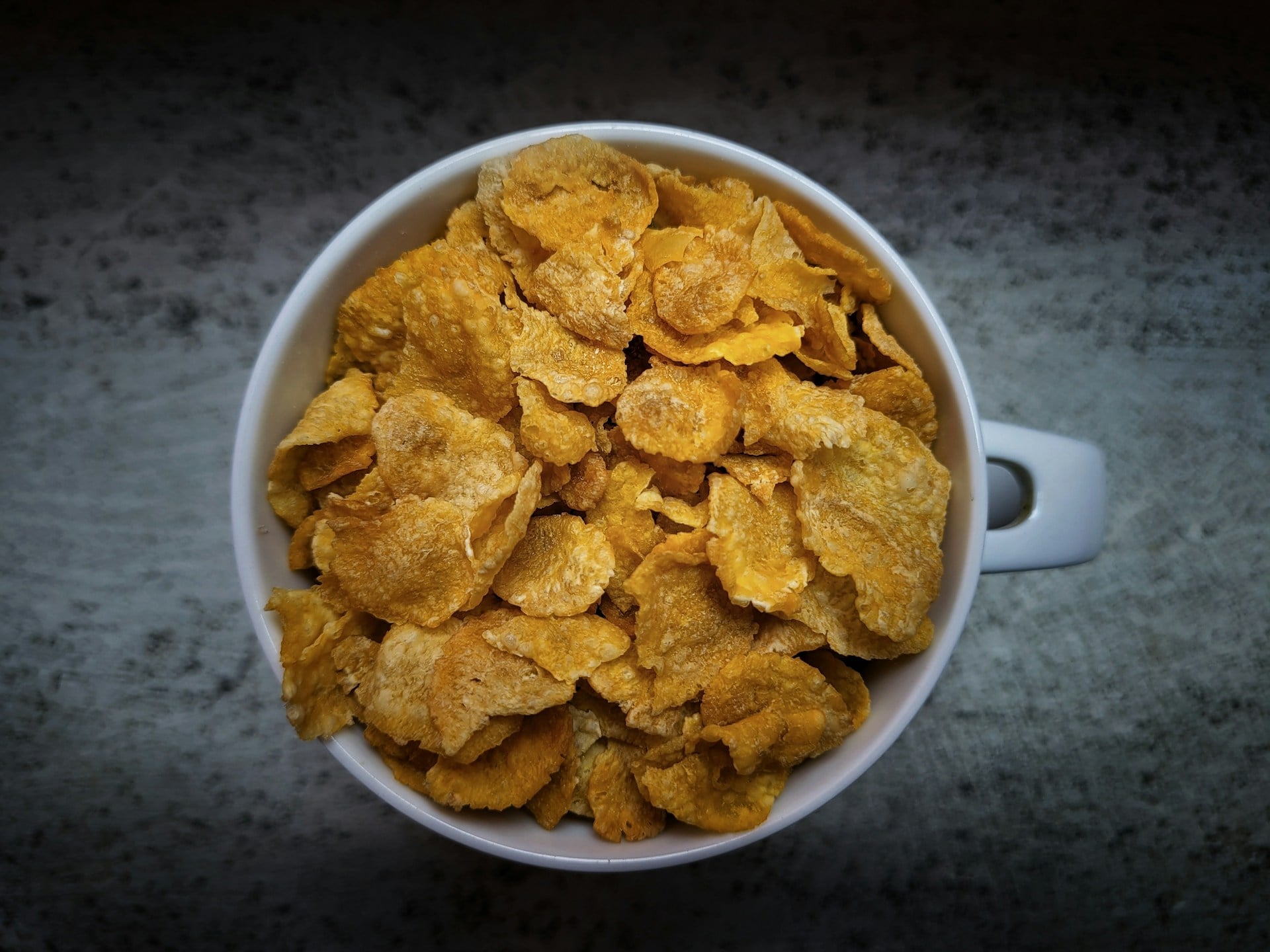
This breakfast staple was invented with a bizarre purpose that had nothing to do with nutrition.
Dr. John Harvey Kellogg created Corn Flakes at his Battle Creek Sanitarium as a deliberately bland breakfast food for his patients.
Kellogg believed that many health problems stemmed from a lack of self-control, and he designed the cereal to be as unexciting as possible to suppress desires.
His brother Will eventually pushed to add sugar to make the cereal more palatable, winning that battle and founding the Kellogg Company in 1906, though the original intent was far from creating a tasty breakfast option.
Graham Crackers

Presbyterian minister Sylvester Graham invented these whole-wheat crackers in the 1830s as part of his crusade against what he saw as society’s ills.
Graham believed that all social problems stemmed from certain urges, and he preached that a bland, vegetarian diet could suppress them.
The original graham cracker was intentionally designed to be as boring and unexciting as possible, with no sugar or flavor enhancements.
What we enjoy today as a sweet treat with s’mores or pie crusts started as a tool for moral reform through dietary restriction.
Fanta
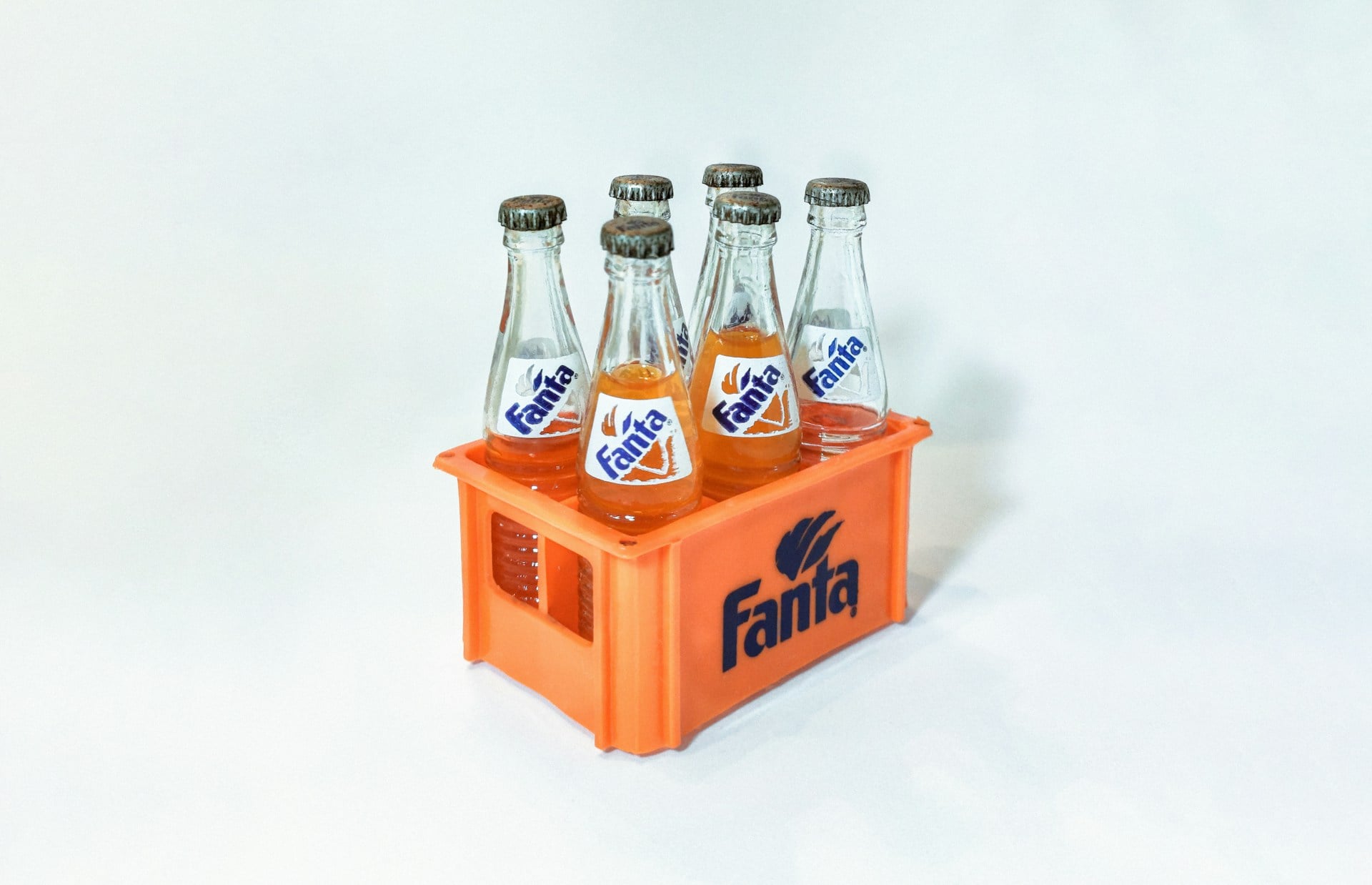
This bright orange soda has Nazi Germany written all over its origin story.
During World War II, the American-based Coca-Cola Company couldn’t ship syrup to its German subsidiary due to trade embargoes.
Max Keith, who ran Coca-Cola GmbH in Germany, got creative in 1940 and used leftover ingredients from other food industries like whey and apple cider pressings to create a new beverage.
Fanta became a popular drink in wartime Germany under Nazi-era restrictions and kept the business afloat during the war.
After the war ended, Coca-Cola reclaimed the brand and eventually turned it into the fruity soda marketed worldwide today.
7-Up

The crisp lemon-lime soda millions enjoy was originally marketed as something quite different from a refreshing soft drink.
When it was introduced in 1929, it was called Bib-Label Lithiated Lemon-Lime Soda, and that lithiated part was no joke.
The beverage contained lithium citrate, a compound used to treat depression and other mental health conditions.
People were essentially drinking a medicinal mood stabilizer with their meals.
The lithium was removed from the formula in 1948, transforming 7-Up into the simple, non-medicinal beverage sold in stores today.
PEZ

Those colorful candy dispensers with cartoon character heads started with a much more serious purpose.
Austrian confectioner Eduard Haas III created PEZ in 1927 as small peppermint candies, with the name coming from Pfefferminze, the German word for peppermint.
The candy was originally marketed to adults as a way to help them quit their habit involving a certain addictive substance.
It was only when PEZ came to the United States that the company pivoted its strategy and began marketing it as sweet treats for children with fun dispensers, completely abandoning its original health-focused mission.
Okra
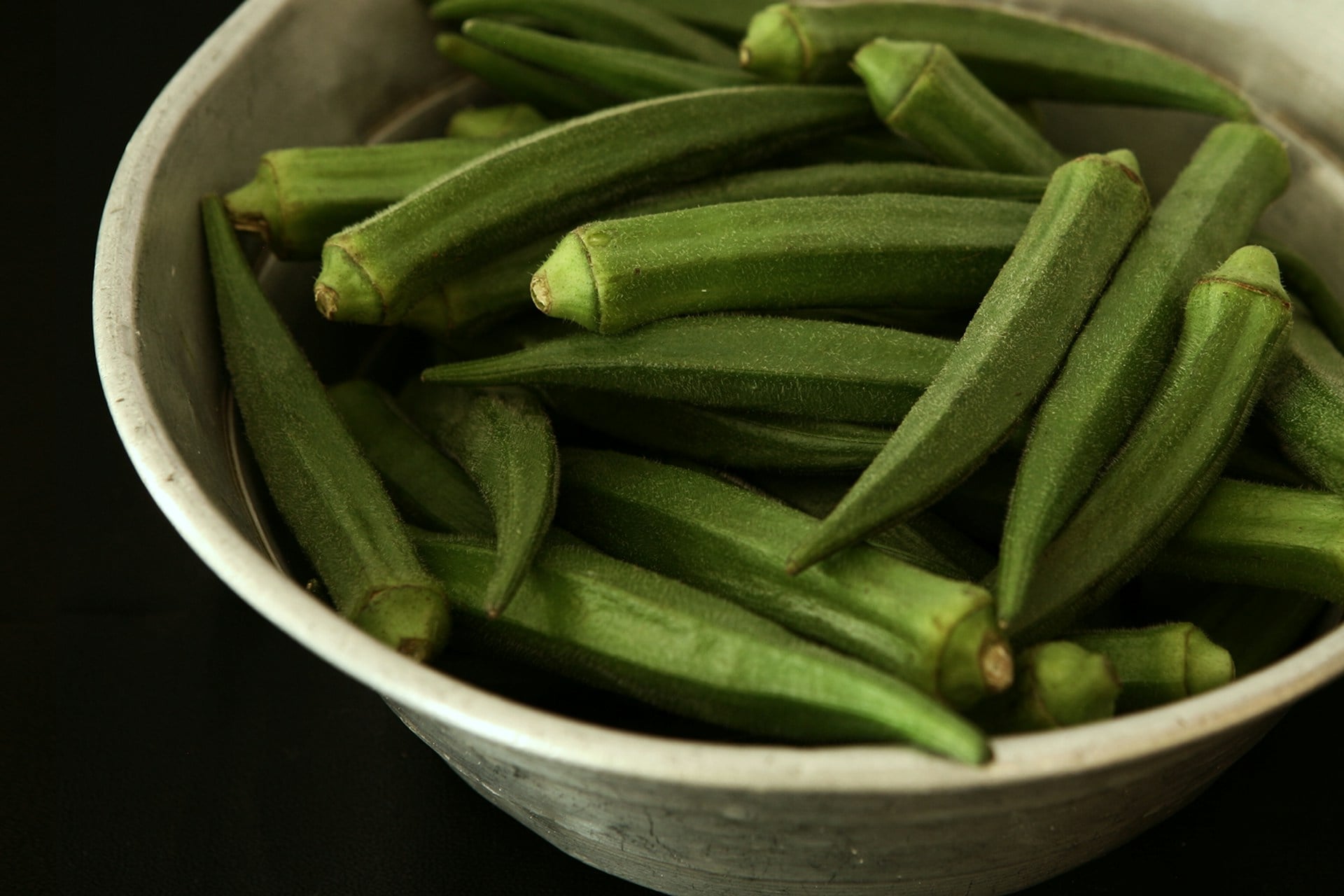
This Southern staple arrived in America through one of the most heartbreaking acts of resilience in history.
During the transatlantic passage, while being torn from their homes and families to face a life of enslavement, some West Africans thought to preserve a piece of their culture.
They gathered okra seeds and braided them into their hair for safekeeping during the horrific journey.
These individuals, in the midst of unimaginable suffering, still had the presence of mind to smuggle seeds that would eventually become essential to Southern soul food and Creole cooking, particularly in dishes like gumbo and fried okra.
Taco Bell
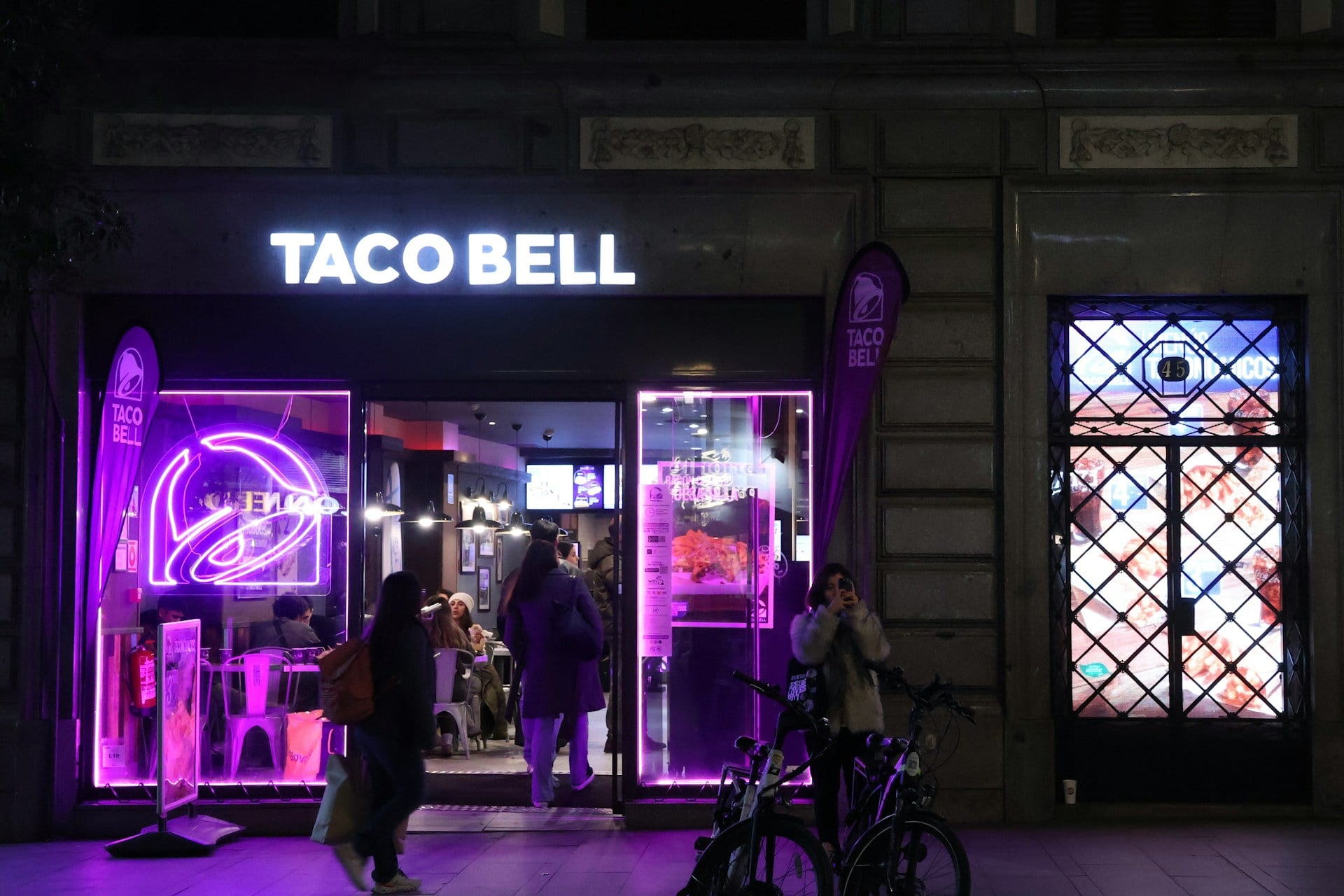
The fast-food giant that millions visit for quick Mexican-inspired meals has origins rooted in questionable practices.
Founder Glen Bell was a regular customer at Mitla Cafe, a successful Mexican restaurant established in 1937 in San Bernardino, California, during the 1950s.
He befriended the owners and learned their culinary techniques through these visits.
Bell then adapted recipes inspired by what he learned at Mitla Cafe and opened his own restaurant in 1962, which eventually grew into the Taco Bell chain we know today, leaving the original creators without recognition or compensation for their influence on his business.
Lemons

The citrus fruit that seems so wholesome was used to exploit public fear during one of the deadliest pandemics in history.
When the 1918 flu pandemic struck, killing between 17 and 50 million people worldwide, the Sunkist company saw an opportunity for profit.
They created advertisements disguised as official public health warnings, advising people to drink hot lemonade to avoid getting sick.
These ads reached an estimated 22 million people, and lemon sales skyrocketed by around 80 percent.
While the advice to stay hydrated wasn’t necessarily harmful, Sunkist deliberately capitalized on widespread terror and death to sell more fruit.
Canned Foods

Before the industry figured out proper safety protocols, canned goods were essentially Russian roulette on grocery store shelves.
The early canning process failed to kill a bacterium called Clostridium botulinum, which produces the deadly neurotoxin botulism.
The bacteria thrives in oxygen-free environments like vacuum-sealed cans, and it can’t be detected by sight, smell, or taste.
In 1919 alone, three separate botulism outbreaks from canned food killed 18 people in Ohio, Michigan, and New York.
Countless others fell ill before manufacturers finally developed proper sterilization techniques to make canned food safe for consumption.
Creole Cuisine

The flavorful dishes that define Louisiana cooking emerged from a system of forced labor and oppression.
While Creole food represents a beautiful fusion of French, Spanish, Native American, Italian, Portuguese, and Caribbean influences, its development was heavily shaped by enslaved Africans who did the majority of cooking in upper-class Louisiana households.
These enslaved cooks adapted recipes from their homeland and created new dishes using available ingredients, but they did so while working under brutal conditions with no freedom or compensation.
The rich culinary tradition we celebrate today was built on the skill and creativity of people who had no choice but to serve.
Tomatoes

This kitchen staple that appears in everything from pasta sauce to salsa was once considered deadly poison in Europe.
When tomatoes were first brought from the Americas to Europe in the 16th century, wealthy Europeans started getting sick and dying after eating them.
The real culprit was their pewter plates, which had high lead content that leached into acidic foods like tomatoes, causing lead poisoning.
But people blamed the tomatoes themselves, and the plant earned a reputation as a poisonous ornamental that shouldn’t be eaten.
Some historians even speculate that the tomato’s bad reputation may have contributed to witch trial hysteria, as people associated the strange red fruit with dark magic.
The Bitter Aftertaste

Beyond just recipes and ingredients, the food on our tables tells stories.
They bear the burden of human aspirations, avarice, agony, and occasionally extraordinary fortitude.
Even though we are powerless to alter the sinister periods that led to these products entering our kitchens, knowing their pasts helps us see how trade and consumption have influenced our society.
The next time you reach for chocolate or add sugar to your coffee, keep in mind that these small gestures link us to a complex history that continues to shape social justice concerns and labor practices around the world today.
More from Go2Tutors!

- The Romanov Crown Jewels and Their Tragic Fate
- 17 Halloween Costumes Once Considered Taboo
- Famous Hoaxes That Fooled the World for Years
- 15 Child Stars with Tragic Adult Lives
- 16 Famous Jewelry Pieces in History
Like Go2Tutors’s content? Follow us on MSN.