12 Traditional Crafting Tools That Outperform Modern Ones
There’s something almost magical about watching a master craftsperson work with tools that haven’t changed much in centuries. While we live in an age of power tools and digital precision, many traditional hand tools continue to deliver results that their modern counterparts simply can’t match.
These aren’t museum pieces gathering dust—they’re practical instruments that serious artisans still reach for when quality matters most. The reasons these old-school tools remain relevant go beyond nostalgia. Many offer a level of control, durability, and craftsmanship that modern manufacturing struggles to replicate.
Here is a list of 12 traditional crafting tools that consistently outshine their contemporary alternatives.
Wooden Hand Planes
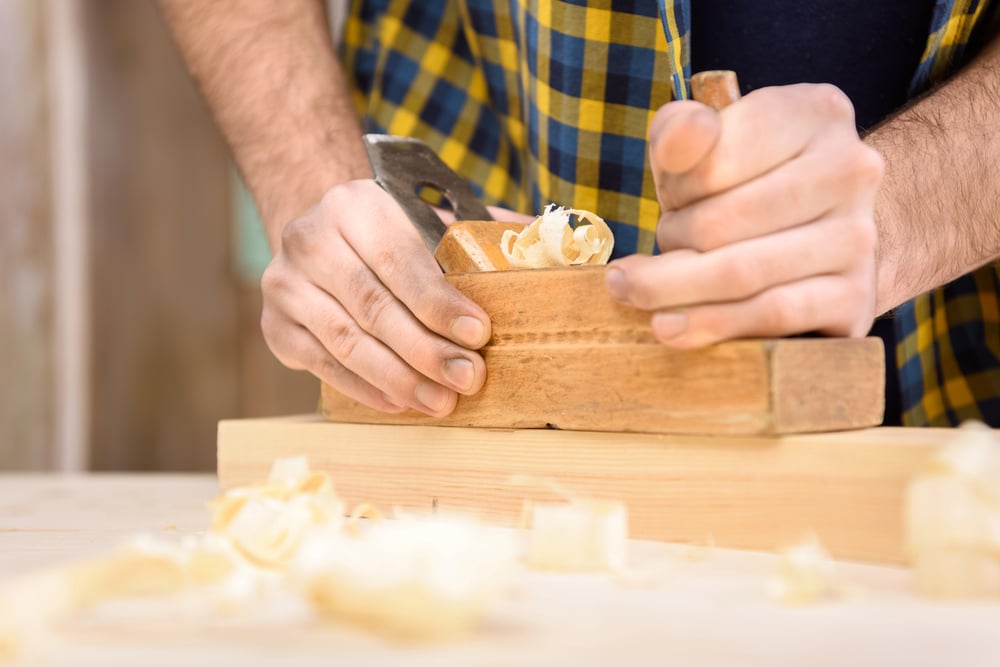
A well-tuned wooden hand plane can produce shavings so thin they’re translucent, leaving behind a surface smoother than what most sanders can achieve. The wooden body dampens vibration better than metal planes, and the cutting action actually burnishes the wood fibers rather than tearing them.
Many furniture makers swear that nothing else gives wood the same lustrous finish.
Drawknife
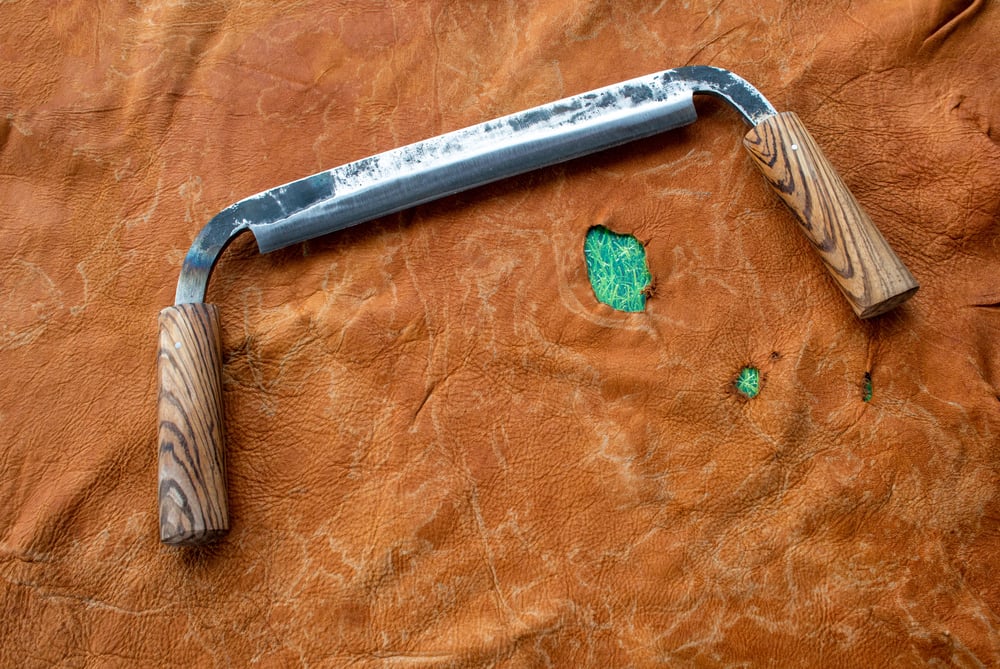
This simple two-handled blade excels at shaping curved pieces and removing material quickly while maintaining complete control. Modern power planers can’t match the precision of a drawknife when working on irregular shapes or green wood.
Chairmakers and spoon carvers consider it indispensable because you can feel exactly how much material you’re removing with each stroke.
Bow Drill
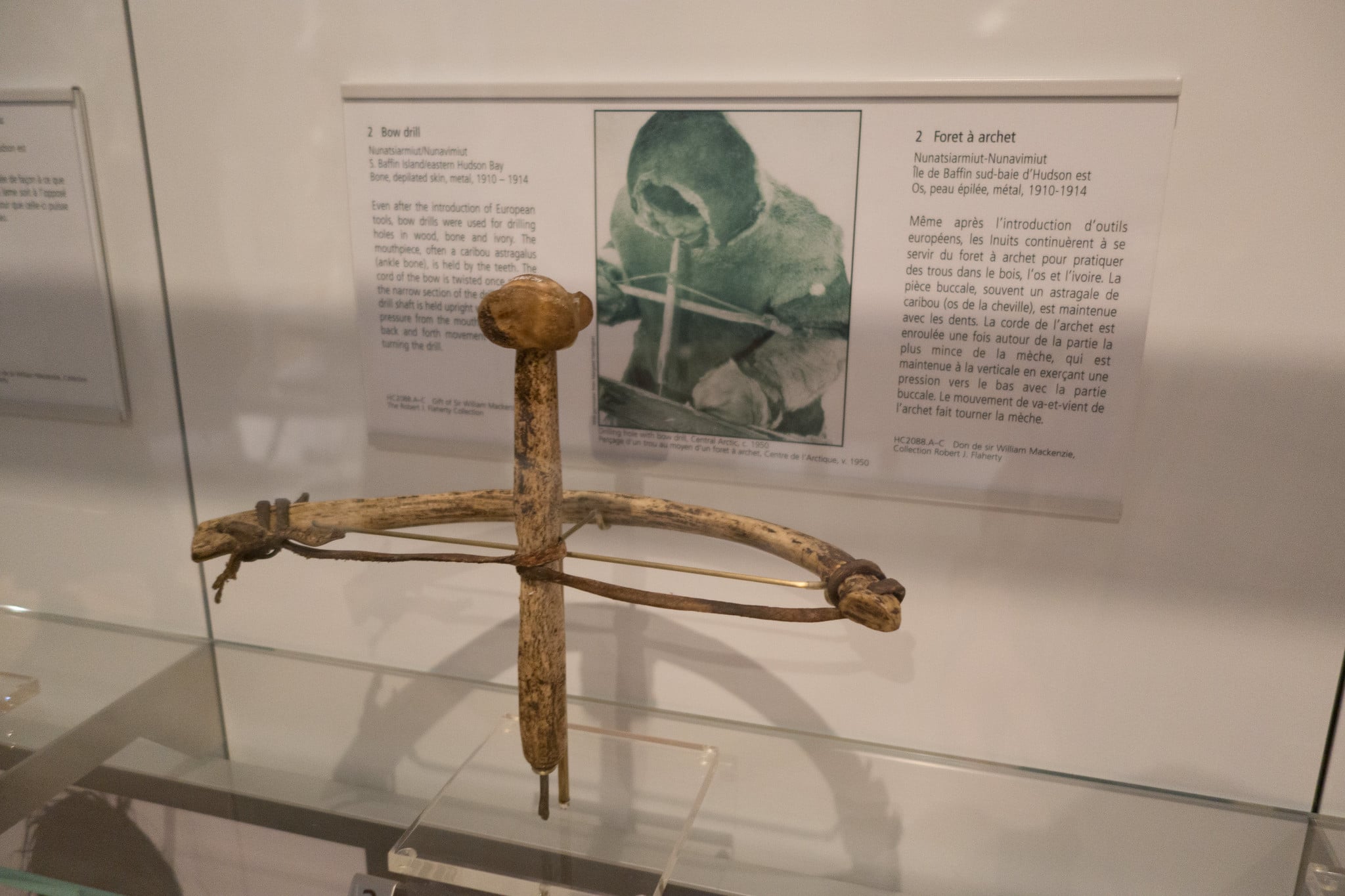
This ancient fire-starting method requires no fuel, batteries, or moving parts that can break. The bow drill teaches you to read tinder conditions and adjust your technique accordingly, skills that battery-powered fire starters never develop.
Survival instructors often point out that understanding fire-making principles makes you more resourceful than simply carrying modern fire tools.
Stone Carving Chisels
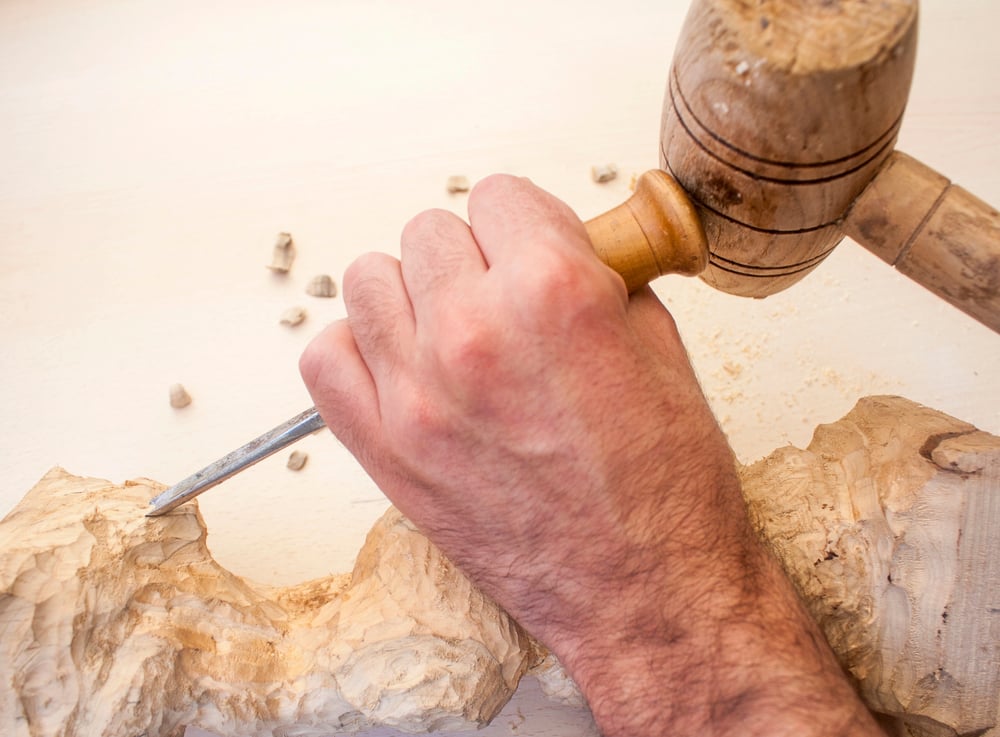
Hand-forged stone chisels, when properly tempered, hold their edge longer and transfer energy more efficiently than mass-produced alternatives. The weight distribution and balance of traditional chisels allow sculptors to work for hours without fatigue.
Modern pneumatic tools are faster, but they lack the subtle control needed for detailed carving work.
Wooden Mallets

A properly made wooden mallet delivers force without the harsh shock of metal hammers, making it perfect for delicate assembly work and chisel driving. The wood-on-wood contact produces a solid thunk rather than a sharp crack, which is easier on both the tool and the craftsperson’s joints.
Furniture makers use them because they won’t leave marks on finished surfaces the way metal hammers can.
Spokeshave
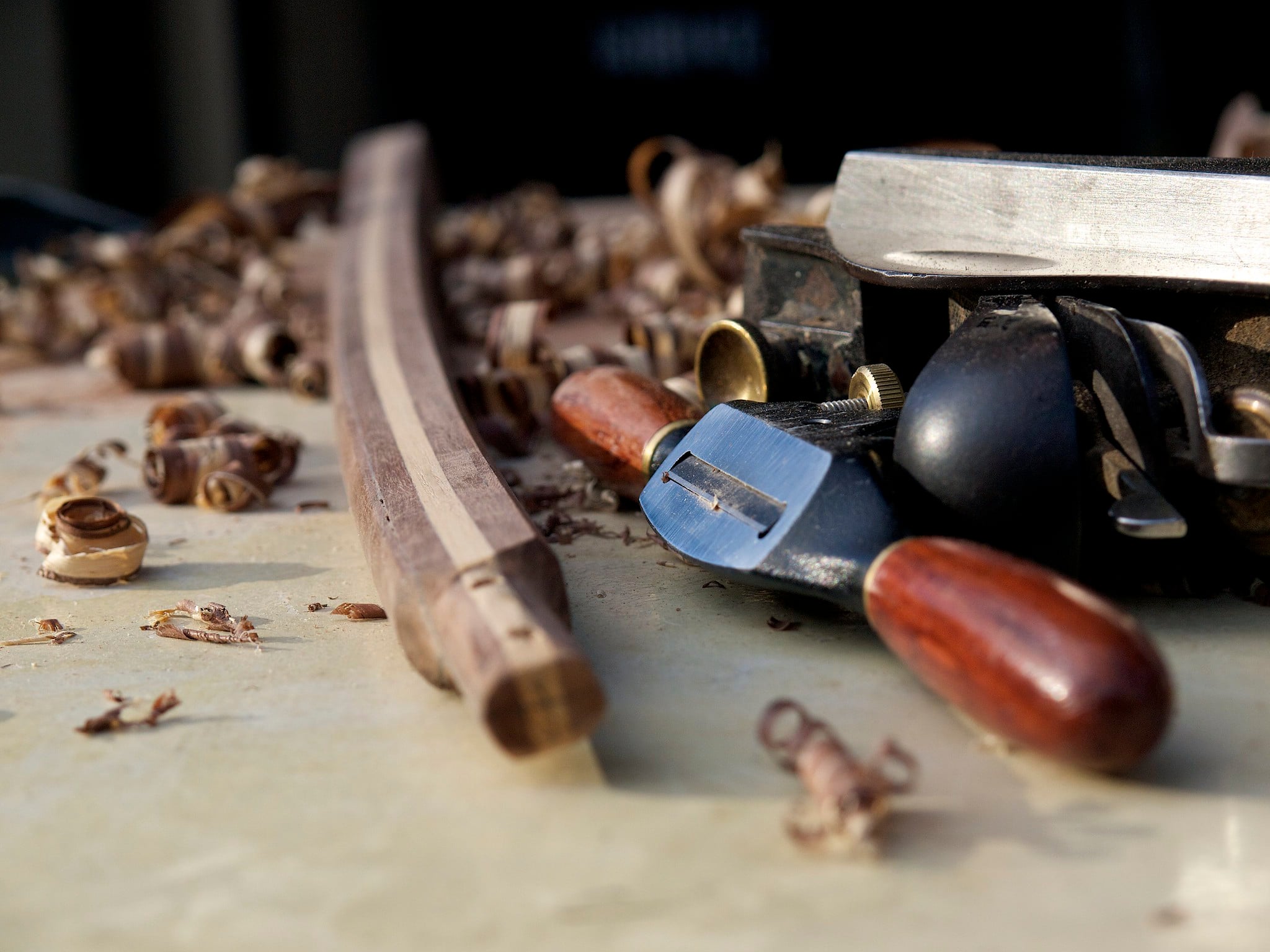
This specialized plane excels at smoothing curved surfaces and creating consistent tapers that would be nearly impossible with power tools. The short sole and precise blade adjustment make it perfect for chair spindles, tool handles, and other rounded components.
Modern sanders can approximate the results, but they remove material indiscriminately rather than following the wood’s natural contours.
Traditional Mortise Chisel
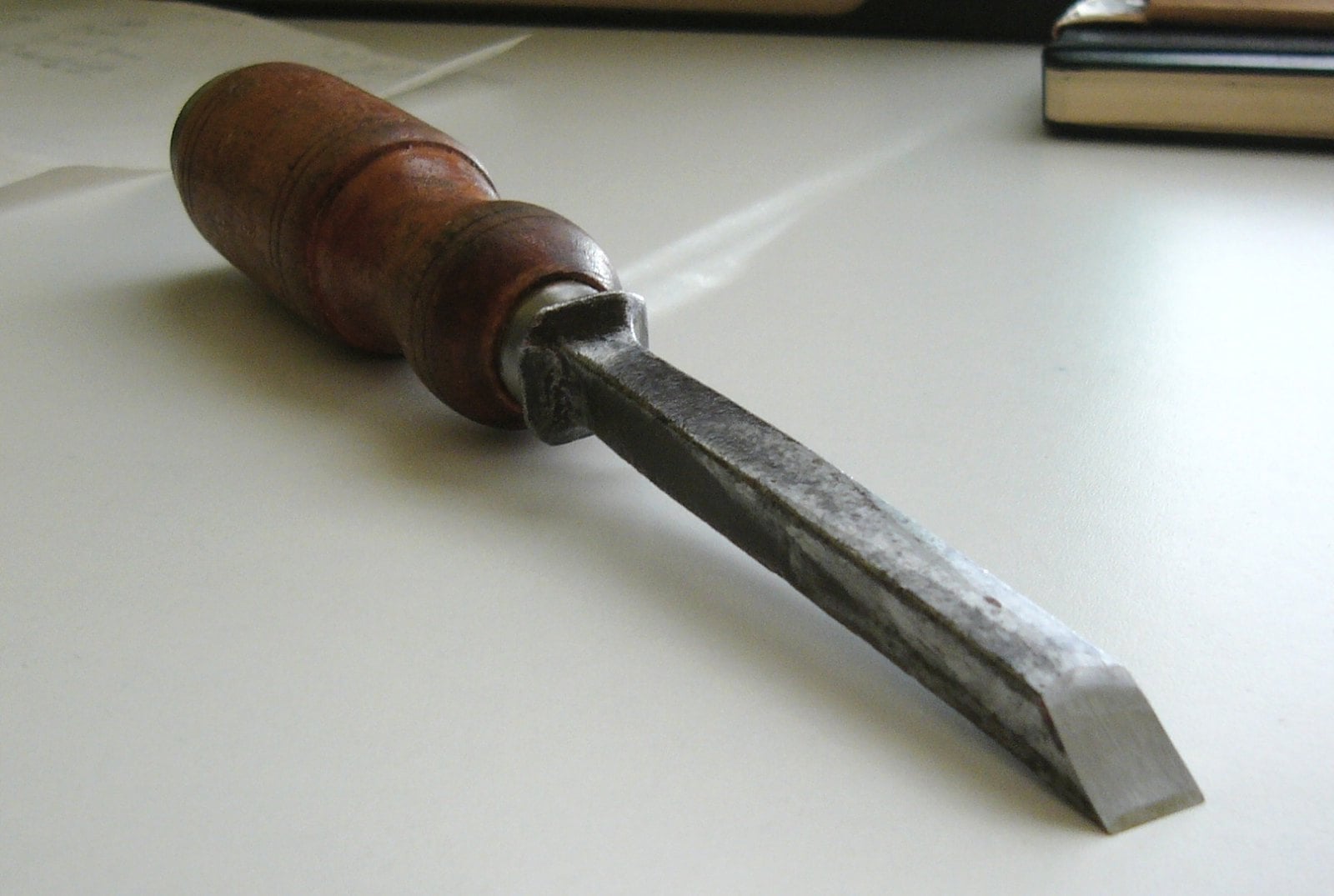
These thick, sturdy chisels are specifically designed to withstand the lateral forces involved in chopping mortises. Their hefty construction and specialized geometry make them far more effective than modern general-purpose chisels for this demanding task.
The thick blade resists bending and the strong construction handles repeated mallet blows without damage.
Hand Auger
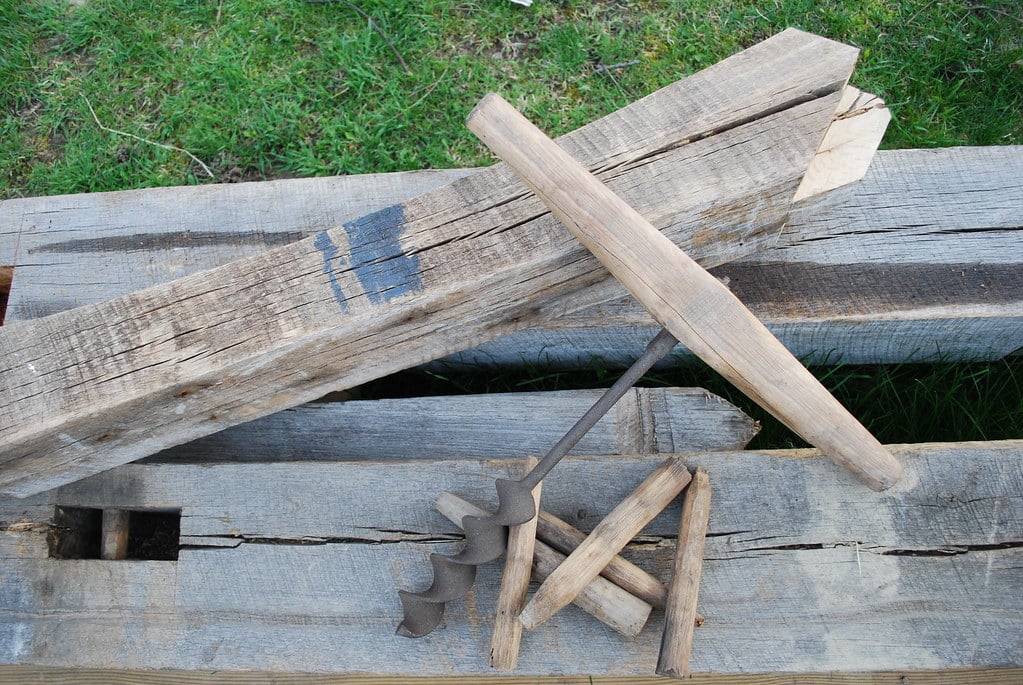
For boring deep, straight openings in wood, a well-made hand auger often outperforms modern drill bits. The screw tip pulls the auger through the wood while the cutting edges slice clean, round openings with minimal tear-out.
Unlike power drills that can grab and split wood, hand augers let you control the cutting speed and pressure throughout the boring process.
Cross-Cut Saw
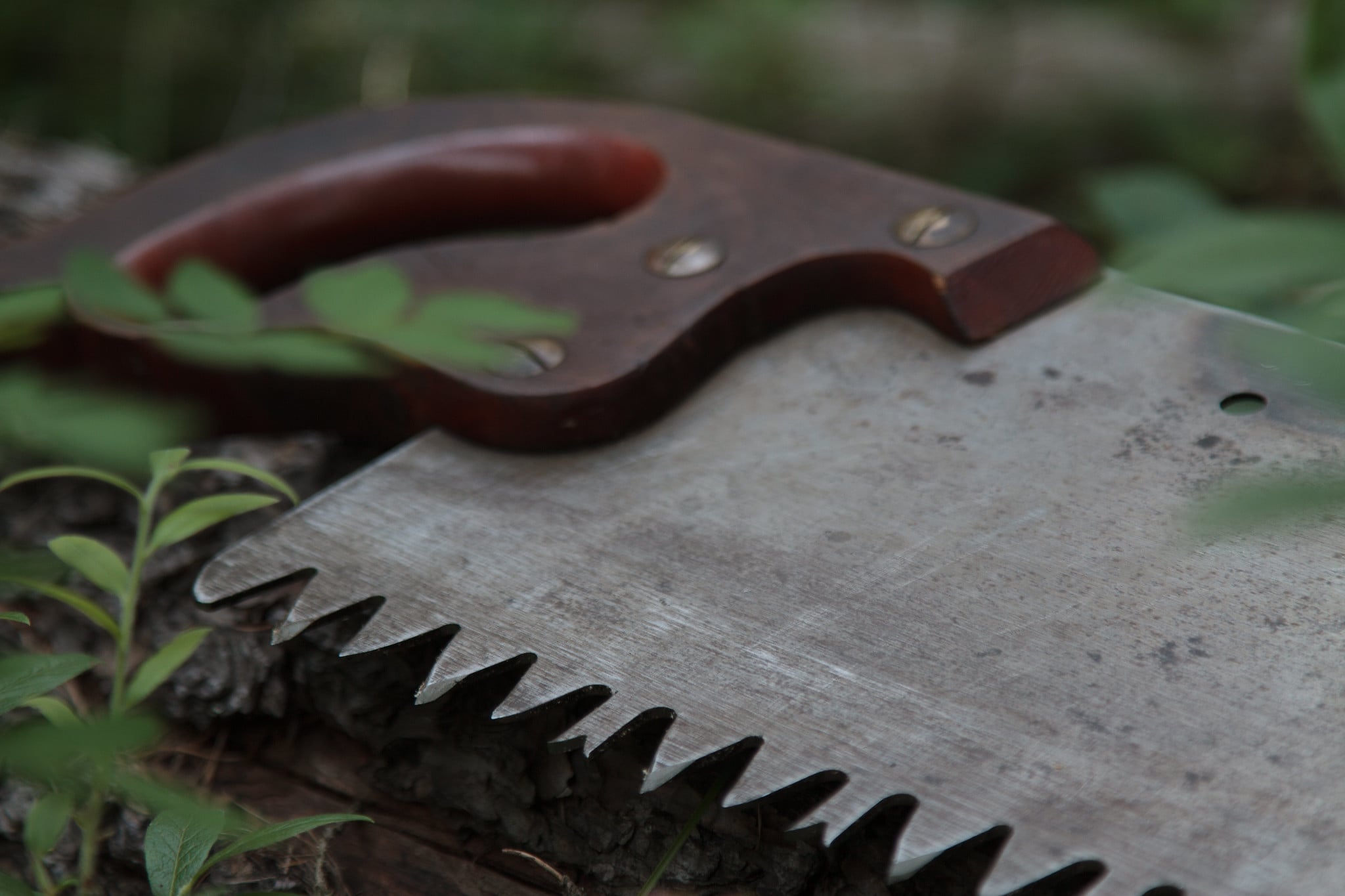
A properly sharpened two-person crosscut saw can fell large trees faster and with more control than many chainsaws. The rhythmic cutting action and the ability to control the direction of fall make these saws preferred tools for precision forestry work.
They’re also completely silent, which matters when working in areas where noise restrictions apply.
Adze
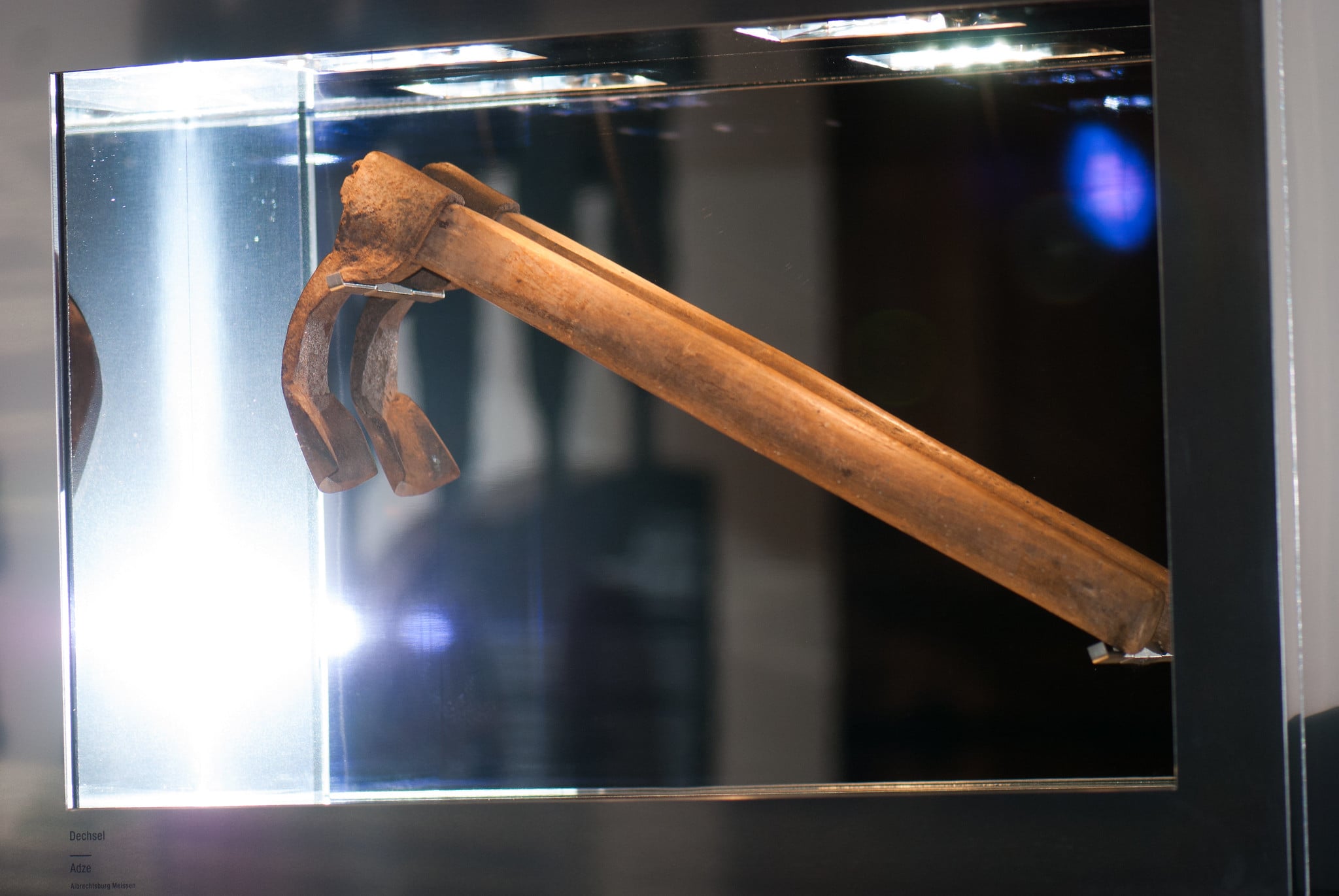
This axe-like tool with a perpendicular blade excels at hollowing and shaping wood surfaces. Ship builders and timber framers use adzes to create complex curves and joints that would be difficult or impossible with modern power tools.
The cutting action scoops rather than splits, leaving behind a distinctive textured surface that many craftspeople find more attractive than machine-smooth finishes.
Burnisher
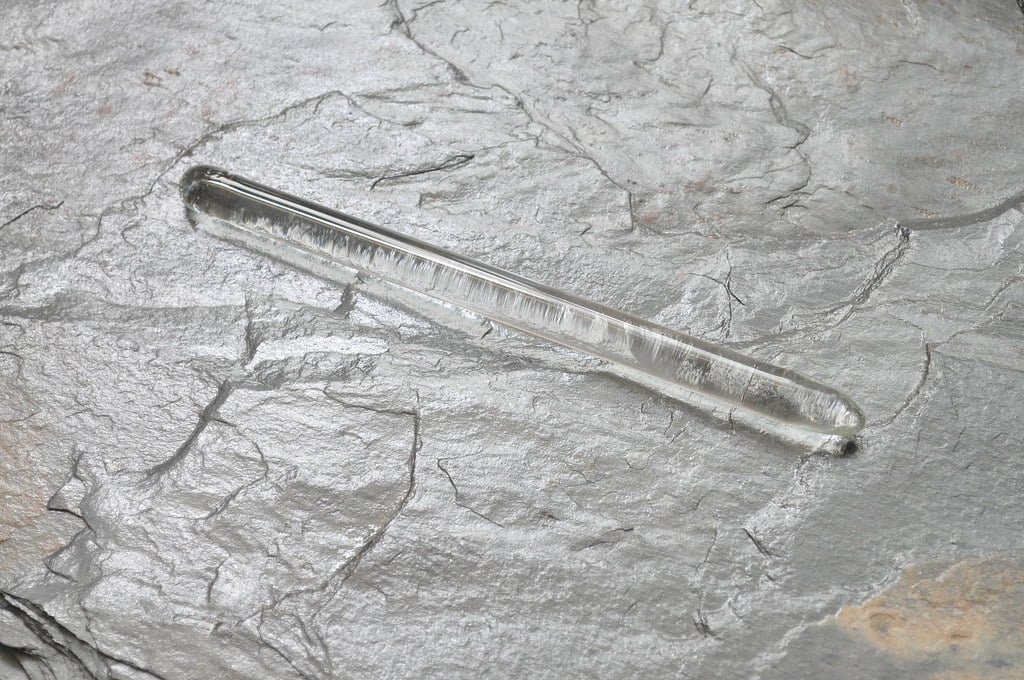
This simple steel rod creates the tiny burr on cabinet scrapers that does the actual cutting. No modern sharpening system can replicate the precise angle and pressure control that a traditional burnisher provides.
The ability to tune the scraper’s cutting action by adjusting the burr makes this one of the most versatile sharpening tools in woodworking.
Slick
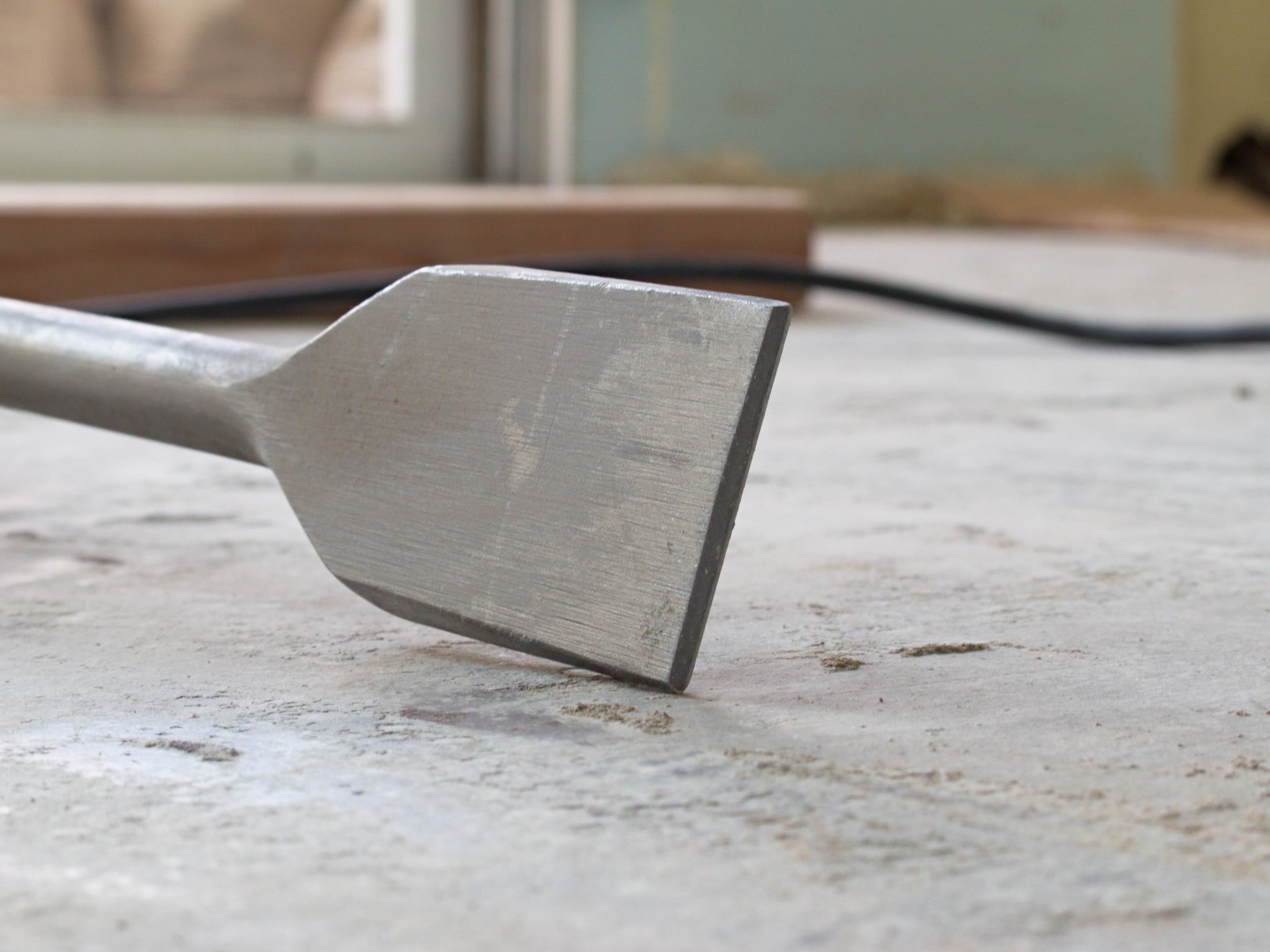
This large, heavy chisel with a long handle gives timber framers incredible leverage when paring joints. The extended handle provides fine control over the cutting angle while the weight of the tool does most of the work.
Modern power planers can’t match the precision of a slick when fitting traditional joinery, and the tool leaves behind surfaces that need no further finishing.
Tools That Stand the Test of Time
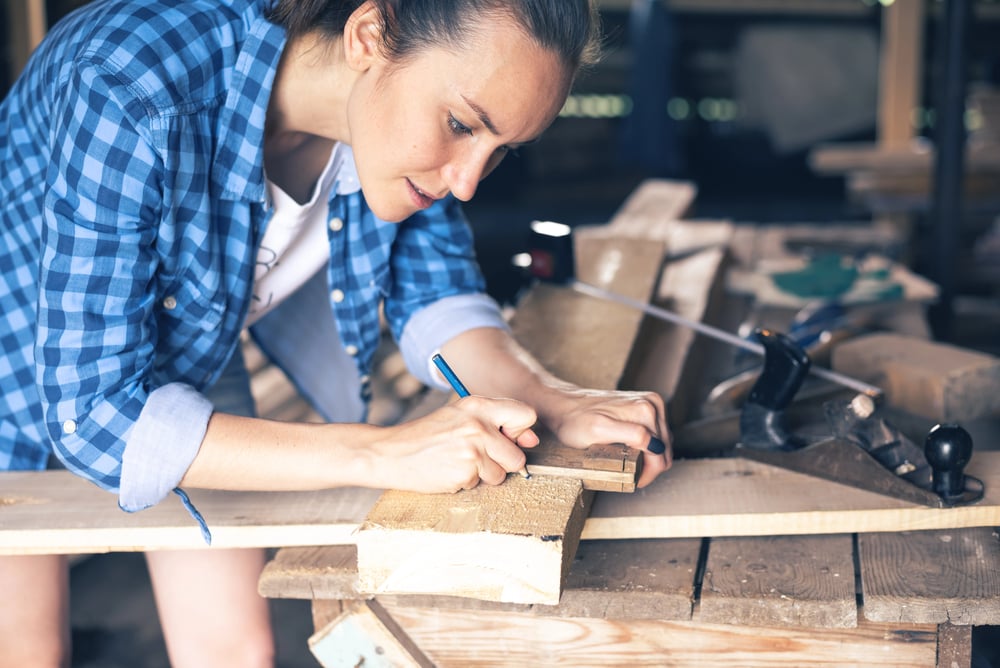
These traditional tools persist not because of romantic attachment to the past, but because they genuinely perform better than modern alternatives in specific applications. Each represents centuries of refinement, with designs evolved through countless hours of real-world use.
While power tools excel at speed and consistency in production work, these hand tools offer something different—precision, control, and a direct connection between craftsperson and material that no machine can replicate. In a world increasingly dominated by digital interfaces and automated processes, there’s profound satisfaction in tools that respond directly to human skill and intention.
More from Go2Tutors!

- The Romanov Crown Jewels and Their Tragic Fate
- 13 Historical Mysteries That Science Still Can’t Solve
- Famous Hoaxes That Fooled the World for Years
- 15 Child Stars with Tragic Adult Lives
- 16 Famous Jewelry Pieces in History
Like Go2Tutors’s content? Follow us on MSN.