One-Season Wonders Worth Binge-Watching
There’s something special about a show that tells its story in one perfect season.
No dragging plots, no filler episodes, no desperate attempts to keep things going.
These series knew exactly what they wanted to say and said it without overstaying their welcome.
Some got cancelled too soon, while others planned their exit from the start, but they all left viewers wanting more in the best possible way.
Let’s explore some incredible shows that packed their entire punch into a single season.
Freaks and Geeks

High school in 1980 never felt more real than in this NBC series that barely survived its first year.
The show followed two groups of students at McKinley High, capturing the awkwardness and uncertainty of teenage life without making it seem dramatic or overblown.
Creator Paul Feig and producer Judd Apatow assembled a cast of unknowns who would later become Hollywood royalty, including James Franco, Seth Rogen, and Jason Segel.
The beauty of this show was its refusal to tie everything up neatly or force characters into predictable growth arcs.
Watching it now feels like discovering a time capsule that perfectly preserved what it felt like to be young and confused in suburban America.
Firefly

Joss Whedon created a space western that mixed cowboys with spaceships, and Fox cancelled it after eleven episodes aired in the wrong order.
The show followed the crew of Serenity, a small transport ship trying to survive on the edges of civilized space after a galaxy-wide civil war.
What made it special was how it treated its ensemble cast as a found family, giving each character distinct personalities and backstories that unfolded naturally.
The dialogue crackled with wit, the action scenes felt grounded despite the sci-fi setting, and the whole thing had a worn-in, lived-in quality that most space shows lack.
Fans loved it so much they campaigned for years and eventually got a feature film to wrap up some loose ends.
My So-Called Life

Angela Chase’s year at Liberty High School became the defining portrait of adolescent angst in the mid-1990s.
Claire Danes starred as a fifteen-year-old trying to figure out who she was while dealing with friendship drama, family tension, and an intense crush on a guy who could barely string sentences together.
The show didn’t talk down to its audience or pretend teenage problems were trivial.
Every episode felt uncomfortably honest about the gap between who you want to be and who you actually are.
ABC pulled the plug despite critical acclaim, leaving fans wondering what would have happened to Angela and her friends if they’d gotten another year.
Terriers

Two unlicensed private investigators in Ocean Beach, California, stumbled through cases while dealing with their own messy lives in this criminally overlooked FX series.
Donal Logue and Michael Raymond-James had perfect chemistry as Hank and Britt, a former cop and a former criminal who formed an unlikely partnership.
The show balanced procedural elements with a season-long conspiracy involving real estate corruption and murder.
Critics loved it, but hardly anyone watched, and FX cancelled it after thirteen episodes.
The final episode wrapped things up just enough to be satisfying while leaving plenty of room for more stories that would never get told.
The Get Down
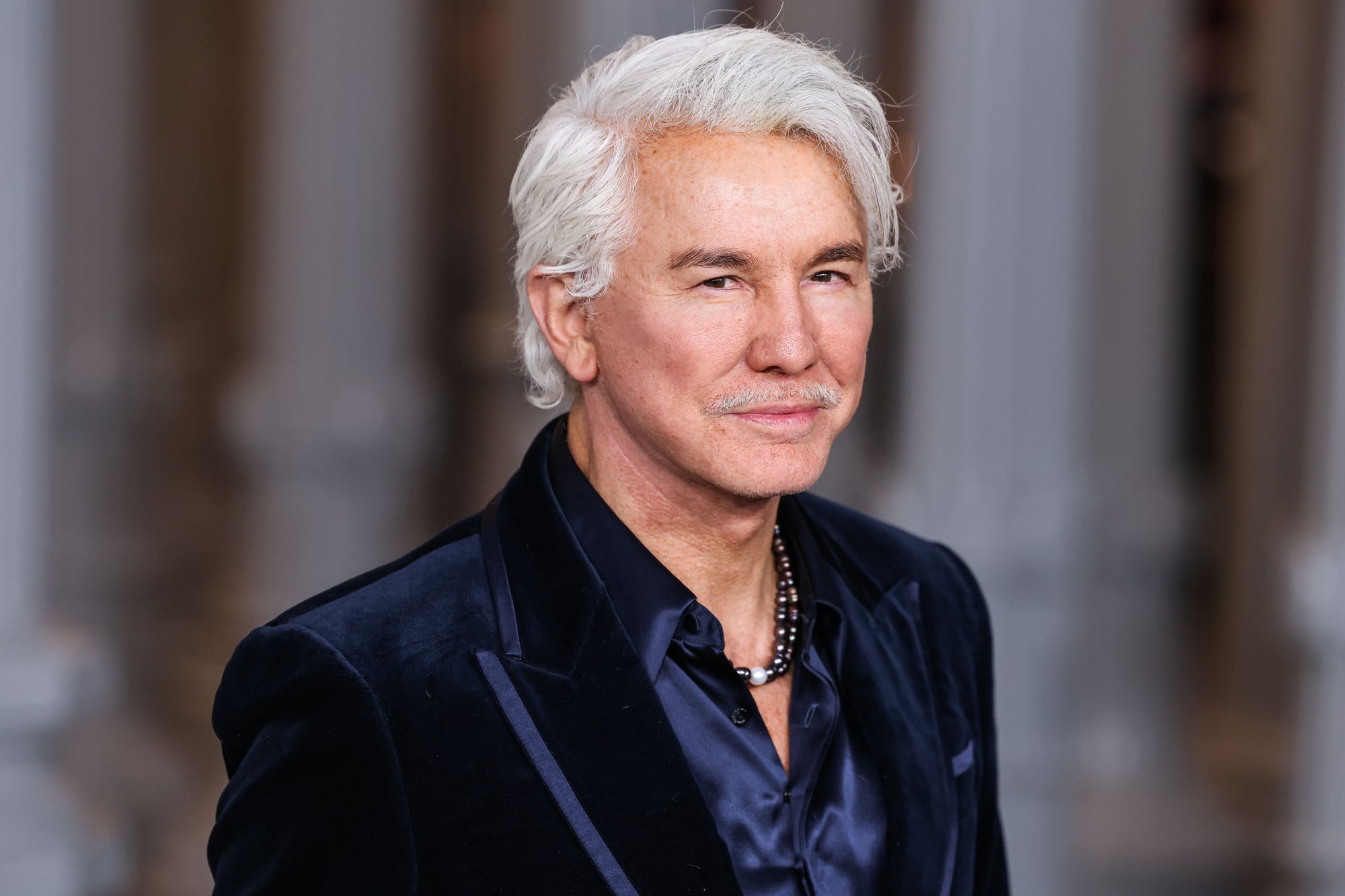
Baz Luhrmann brought his visual flair to the birth of hip-hop in 1970s South Bronx, creating the most expensive Netflix series at the time.
The show followed a group of teenagers as they navigated the emerging music scene, gang violence, and the struggle to make something of themselves in a neighborhood falling apart.
Part one dropped six episodes in 2016, and part two added five more in 2017, making up one complete season.
The production costs were staggering, and Netflix decided not to continue despite the show’s ambition and style.
Watching it feels like being dropped into a specific moment in music history when everything was raw and new.
Pushing Daisies

A pie maker who could bring dead things back to life with a touch solved murders in this whimsical crime show that looked like a storybook come to life.
Bryan Fuller created a world with oversaturated colors, rapid-fire dialogue, and a romance between two people who could never touch each other.
The show ran for two seasons technically, but the writers’ strike cut the first season short and the second only got nine episodes before cancellation.
Taking the full run as one complete story gives you twenty-two episodes of pure imagination and heart.
The narrator’s voice guided viewers through cases while developing a surprisingly emotional core about love and loss.
United States of Tara

Toni Collette played a woman with dissociative identity disorder trying to hold her family together while dealing with multiple personalities that took control at unpredictable moments.
The show could have easily gone wrong by treating mental illness as a gimmick, but it approached Tara’s condition with sensitivity while still finding humor in the chaos.
Her alter egos ranged from a 1950s housewife to a teenage rebel to a gruff Vietnam vet, each one causing different problems for her patient husband and confused kids.
Showtime gave it three seasons, but the first one works perfectly on its own as a complete arc.
Collette’s performance alone makes it worth watching, as she shifted between personalities with such precision that you forgot one person played all these roles.
I Am Not Okay With This
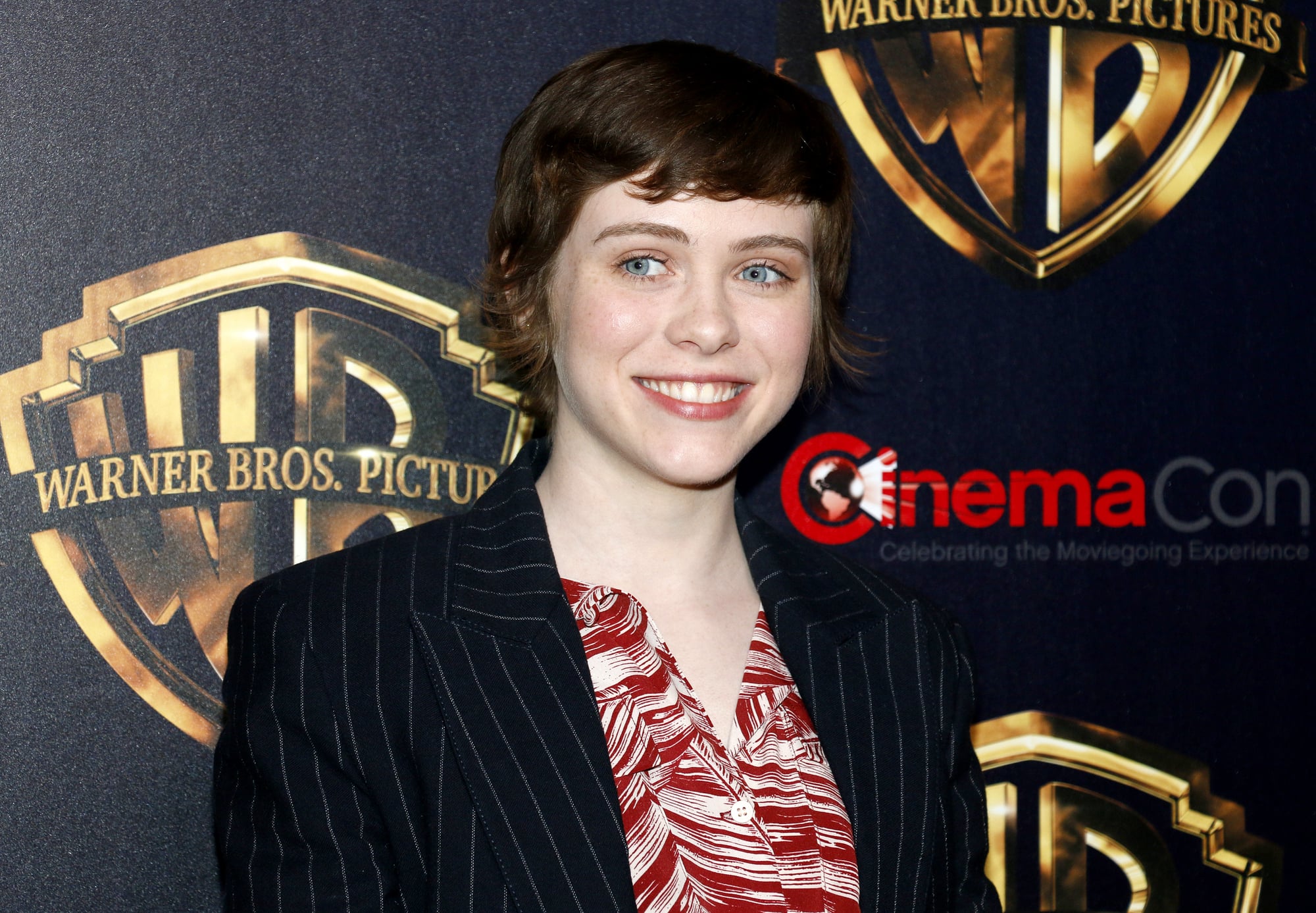
A teenage girl discovered she had telekinetic powers while dealing with her father’s death, her confusing feelings for her best friend, and the general nightmare of high school.
Netflix adapted Charles Forsman’s graphic novel into seven short episodes that captured the specific weirdness of being young and angry.
Sophia Lillis brought the same intensity she showed in It to a character who felt genuinely lost and overwhelmed.
The show ended on a cliffhanger that promised an exciting second season, then Netflix cancelled it due to production challenges during the pandemic.
Those seven episodes still tell a complete enough story about discovering you’re different and deciding what to do about it.
Flash Forward

Two best friends in 1996 navigated the social minefield of seventh grade in this Disney Channel series that treated preteens like real people with legitimate concerns.
The show tackled issues like peer pressure, body image, and family problems without being preachy or condescending.
Becca and Julie filmed video diaries to their future selves, creating a framing device that let them reflect on their experiences.
Disney only aired one season before cancelling it, possibly because it dealt with topics that made some parents uncomfortable.
Watching it now provides a window into what middle school felt like before smartphones and social media changed everything.
Daybreak

A high school outcast woke up to find his city overrun by Mad Max-style gangs after a nuclear explosion turned most adults into mindless creatures.
Netflix mixed zombie apocalypse tropes with teen comedy and lots of fourth-wall breaking in this wild adaptation of a graphic novel.
Matthew Broderick showed up as the villain, high school cliques formed warring tribes, and the whole thing had a manic energy that never let up.
The main character narrated directly to viewers, commenting on his own story and the conventions of post-apocalyptic fiction.
Netflix cancelled it after one season, leaving behind ten episodes of controlled chaos that worked better as a complete story than it probably would have as an ongoing series.
The Society
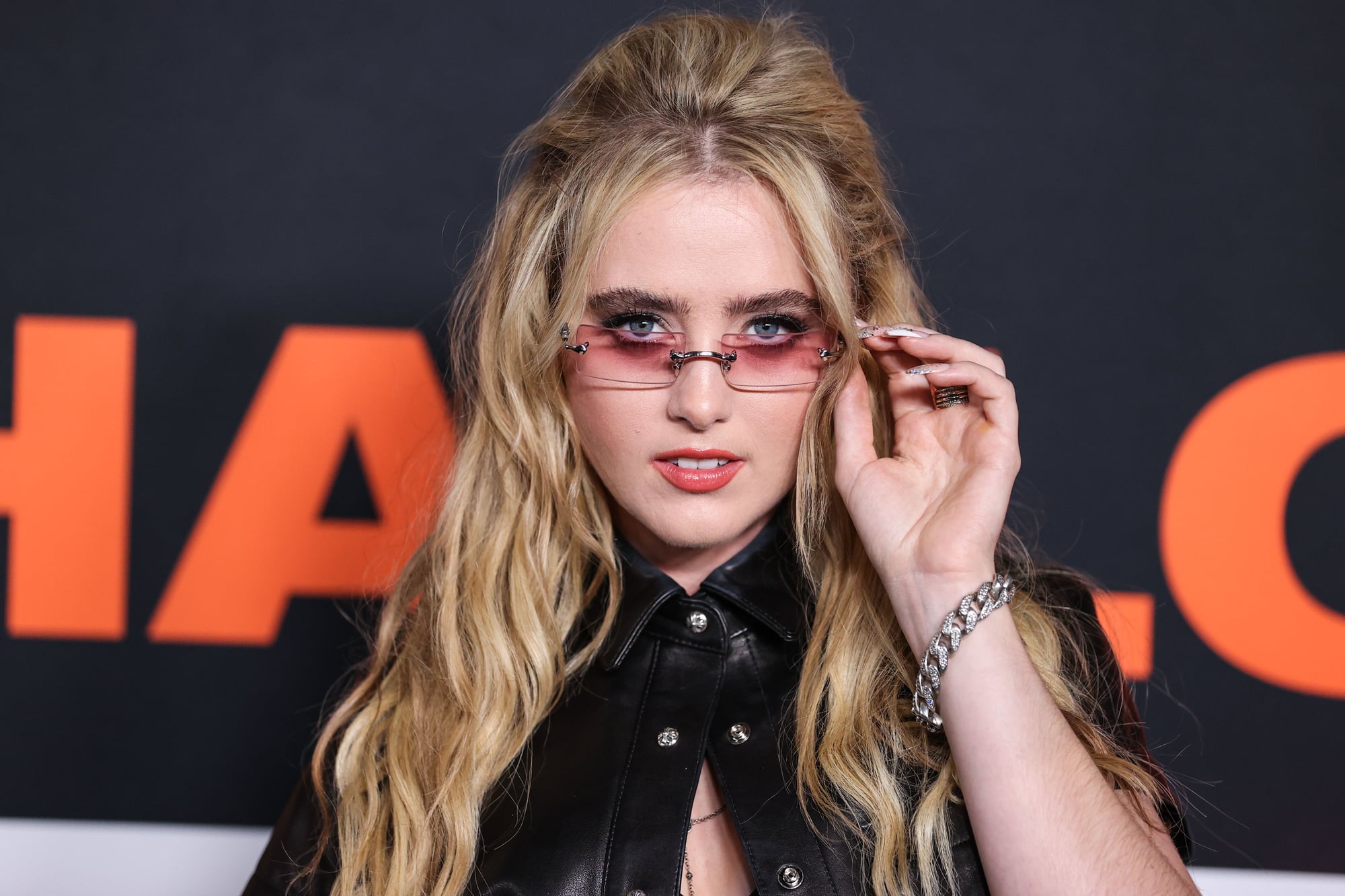
A group of teenagers returned from a field trip to find everyone in their town had vanished, leaving them completely alone with no adults or way to contact the outside world.
Netflix turned this premise into a Lord of the Flies situation where the kids had to create their own government and figure out how to survive.
Alliances formed and fell apart, resources became scarce, and difficult decisions revealed who people really were under pressure.
The show built toward answers about what happened and why, then Netflix cancelled it before the second season could film.
The first season works as a thought experiment about what happens when you remove all authority and let young people build society from scratch.
Everything Sucks
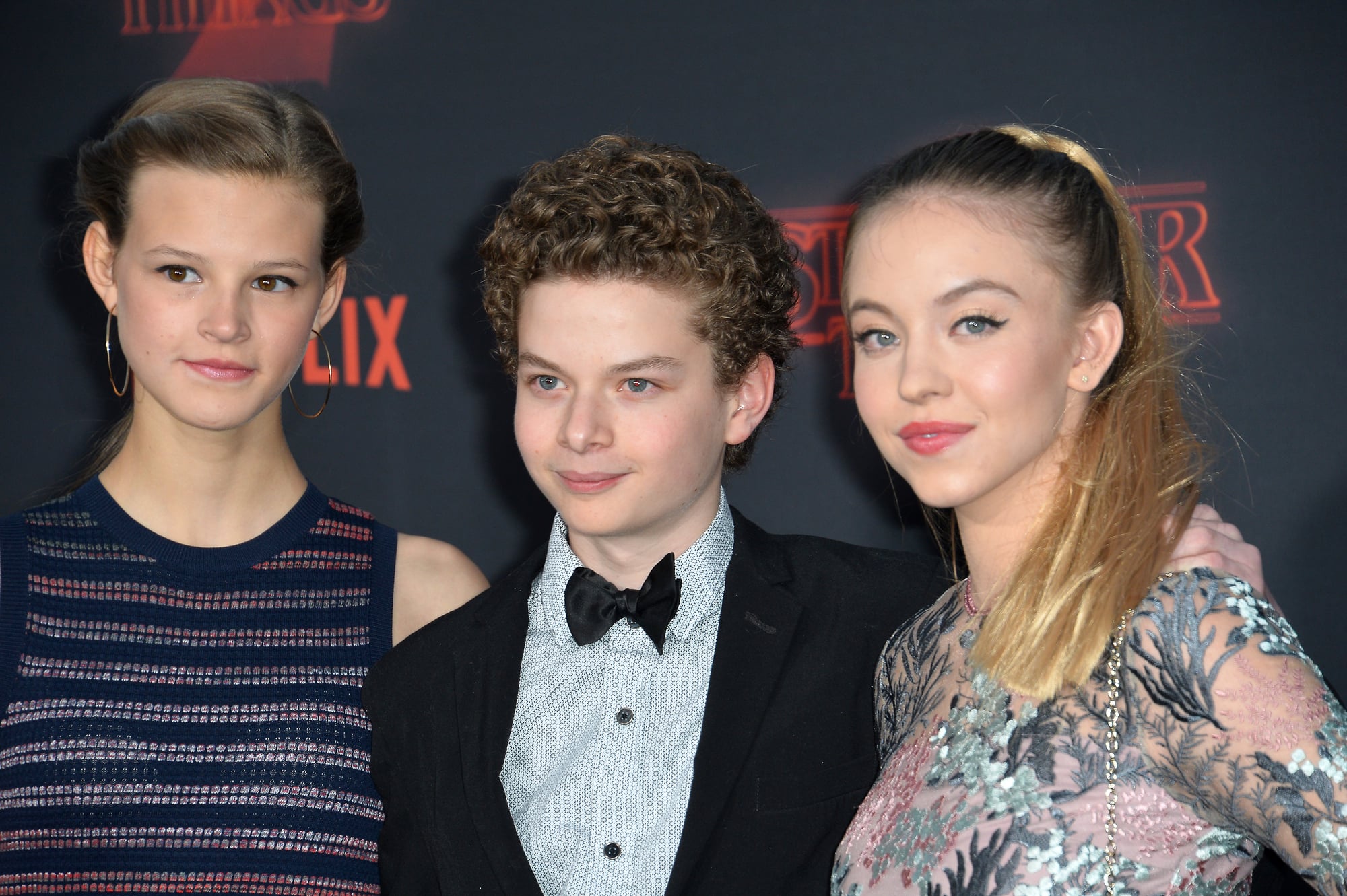
Growing up in Boring, Oregon in 1996 meant joining the AV club and crushing on someone who might not like you back in this Netflix nostalgia trip.
The show captured the specific feeling of being a freshman in high school when everything feels important and permanent even though nothing really matters yet.
Two groups of students, the AV nerds and the drama kids, collided and created friendships and romances across social boundaries.
Netflix cancelled it after ten episodes despite a passionate fan response.
The season told a complete story about first love, coming out, and making terrible movies with your friends that you’ll cringe about later.
Bunheads

Amy Sherman-Palladino took a break from the Gilmore Girls universe to create a show about a Vegas showgirl who impulsively married her biggest fan and moved to his small coastal town.
When her new husband died in a car accident, she found herself running his mother’s ballet school and mentoring a group of young dancers.
The show had Sherman-Palladino’s signature rapid-fire dialogue and quirky small-town characters, plus extended dance sequences that showcased real talent.
ABC Family gave it one season before pulling the plug, leaving fans without resolution but with eighteen episodes of sharp writing and beautiful choreography.
Sutton Foster brought the same energy she had on Broadway to a role that let her dance, sing, and deliver witty one-liners.
Debris

Two agents from different countries investigated pieces of alien debris that crashed to Earth and gave people strange powers, often with deadly consequences.
NBC tried to create a new X-Files with this series that mixed procedural elements with an ongoing mystery about the debris’ origins.
Each episode featured a different piece with different effects, from making people merge with objects to bringing back the dead in disturbing ways.
The show built its mythology carefully, revealing layers of conspiracy and hidden agendas, then NBC cancelled it after the first season.
Those thirteen episodes told enough of a story to be satisfying while leaving plenty of questions unanswered about what the debris really was and where it came from.
The Tick
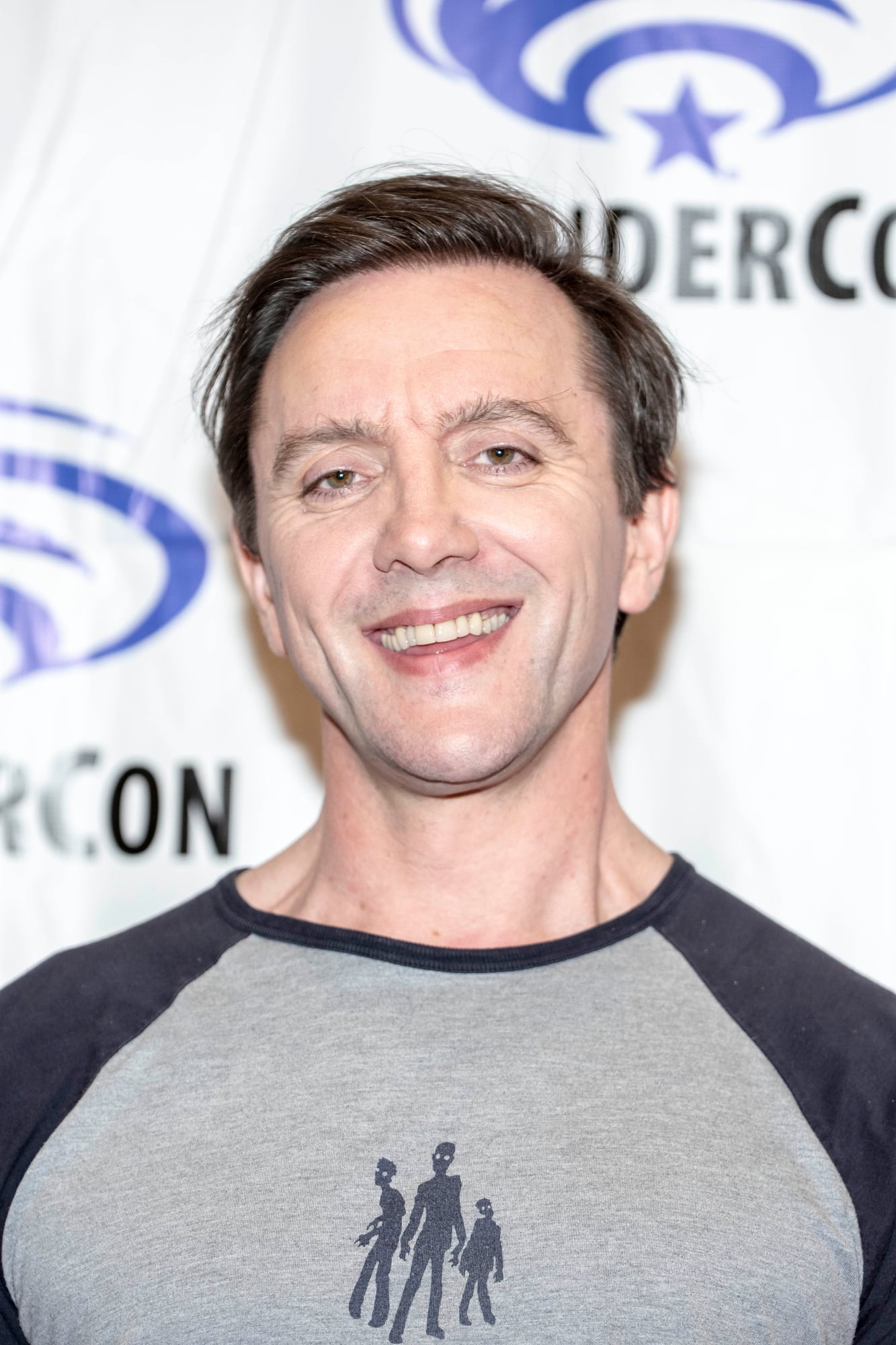
A blue superhero with super strength and very little common sense protected a city from bizarre villains in this Amazon adaptation of the cult comic.
Peter Serafinowicz played the Tick with perfect deadpan sincerity, treating every ridiculous situation as if it were the most important thing in the world.
His sidekick Arthur was an accountant who accidentally stole a high-tech flying suit and got dragged into superhero life despite wanting nothing to do with it.
Amazon gave it two short seasons, but the first one works beautifully on its own as an origin story.
The show lovingly mocked superhero conventions while still delivering genuine action and heart.
Everything’s Gonna Be Okay

A twenty-something Australian became the guardian of his two teenage half-sisters when their father died, leaving three people who barely knew each other to figure out how to be a family.
The show featured one of the most authentic portrayals of autism on television, with the younger sister Matilda played by an actress on the spectrum herself.
Creator Josh Thomas brought the same sweet awkwardness he showed in Please Like Me to a series about messy people trying their best.
Freeform cancelled it after two seasons, with the first ten episodes forming a complete story about stepping up when life throws you something you’re not ready for.
The show never talked down to its characters or their struggles, treating disability and grief and growing up with equal seriousness and humor.
Teenage Bounty Hunters

Twin sisters in Atlanta accidentally became bounty hunters while trying to pay off damage to their truck, discovering they were surprisingly good at tracking down criminals.
Netflix mixed teen drama with action comedy, giving the sisters a full plate of school stress, religious guilt, family secrets, and actual danger from fugitives.
The show played with Southern culture and evangelical Christianity in ways that felt specific and genuine rather than stereotypical.
The chemistry between the leads made every scene work, whether they were catching bad guys or arguing about boys.
Netflix cancelled it after one season on a cliffhanger, leaving fans furious that they’d never see where the story went next.
Where We All End Up

These shows prove that good storytelling doesn’t need years to make an impact.
Whether they got cancelled unfairly or went out on their own terms, each one delivered a complete experience that stands up to rewatching.
The best part about discovering them now is knowing you’ve got a finished story waiting with no commitment beyond a weekend or two.
Some will leave you wishing for more, others will feel perfectly complete, but all of them remind us that sometimes one great season beats five mediocre ones.
More from Go2Tutors!

- The Romanov Crown Jewels and Their Tragic Fate
- 13 Historical Mysteries That Science Still Can’t Solve
- Famous Hoaxes That Fooled the World for Years
- 15 Child Stars with Tragic Adult Lives
- 16 Famous Jewelry Pieces in History
Like Go2Tutors’s content? Follow us on MSN.



