Items TSA Confiscates Most
Getting through airport security can feel like navigating a minefield. You pack carefully, arrive early, and still somehow end up watching a TSA agent pull something from your bag that you completely forgot was there.
Understanding what gets taken most often can save you time, money, and the frustration of losing items you actually care about.
Liquids and Gels Over the Limit

The 3-1-1 rule trips up more travelers than anything else. Any liquid, gel, or aerosol over 3.4 ounces goes straight into the confiscation bin.
Water bottles, shampoo, contact solution, moisturizer—all of it adds up fast. TSA agents see thousands of these items daily, and most travelers genuinely forget about that half-full water bottle tucked in a side pocket.
The rule exists because liquids can conceal explosives, and screening technology still can’t reliably test larger quantities at checkpoint speed. You can bring your full-size toiletries if you check a bag, but carry-ons follow strict limits.
Sharp Objects and Pocket Knives
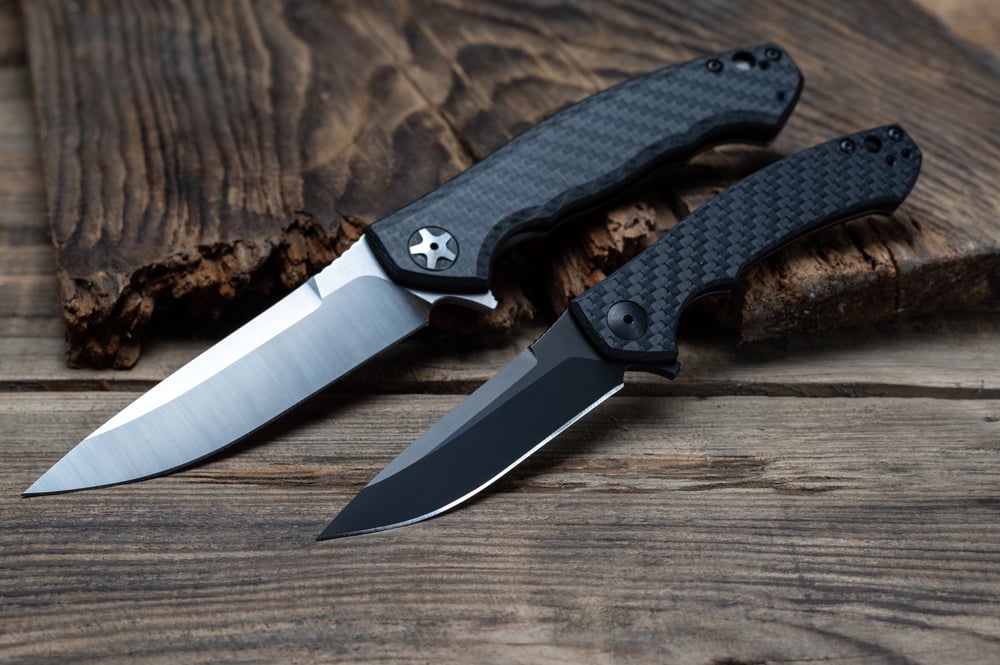
Swiss Army knives, scissors with blades longer than four inches, box cutters, and razor blades top the confiscation charts at every airport. Many people carry these tools daily and forget they’re clipped to a keychain or buried in a backpack pocket.
TSA allows scissors under four inches and safety razors without blades, but anything that could potentially be used as a weapon gets pulled. The agency auctions off confiscated items or destroys them, depending on condition and type.
Firearms and Ammunition
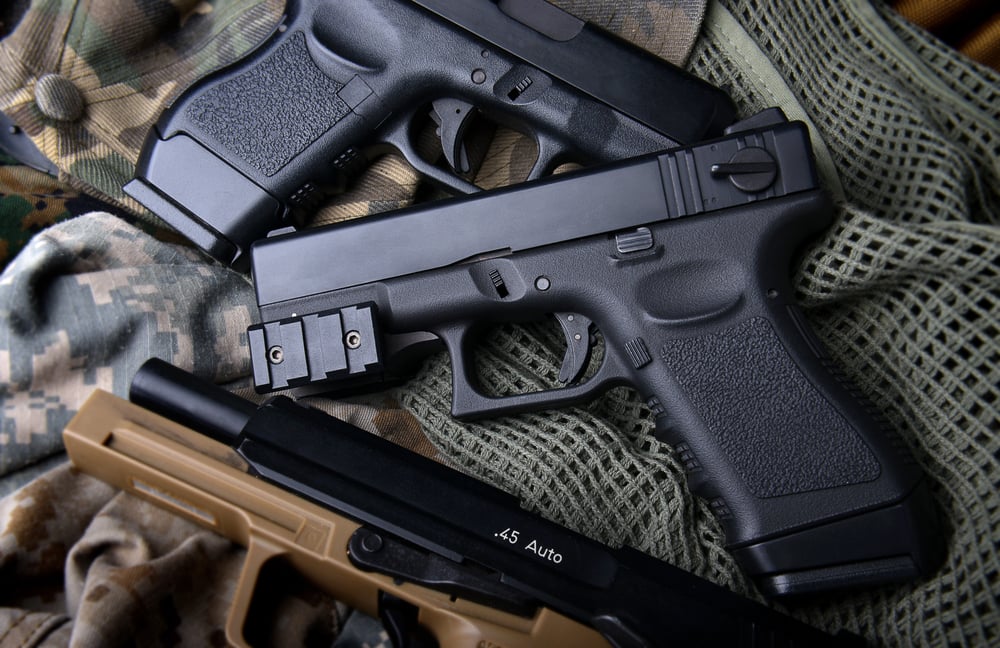
The TSA catches thousands of loaded firearms at checkpoints every year, and the numbers keep climbing. Some travelers genuinely forget about the gun in their bag, especially if they use the same bag for hunting trips or range visits.
Others deliberately try to carry them through, thinking nobody will notice. Bringing a firearm through security results in hefty fines, possible arrest, and missing your flight.
You can transport guns legally by declaring them and packing them properly in checked luggage, but trying to carry one through the checkpoint creates serious problems.
Tools and Work Equipment

Screwdrivers longer than seven inches, wrenches, hammers, crowbars, and power tools get pulled regularly from carry-on bags. Contractors and tradespeople sometimes pack for work trips without thinking about TSA restrictions.
The tools themselves aren’t illegal, but security rules prohibit anything that could be used as a club or bludgeoning weapon. Pliers under seven inches pass through fine.
Same with Allen wrenches and most small hand tools. But that full toolbox you need for a job? Check it or ship it ahead.
Self-Defense Sprays and Stun Devices
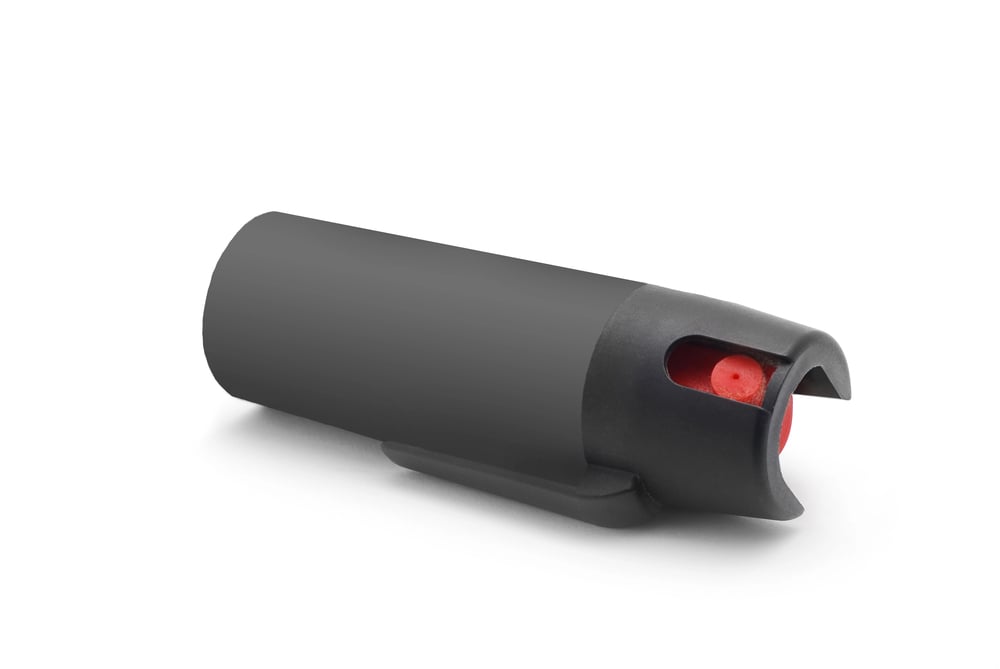
Pepper spray, mace, tasers, and stun guns get confiscated constantly, often from travelers who carry them daily for personal safety. You can pack one four-ounce container of pepper spray in checked luggage if it has a safety mechanism, but stun devices can’t fly at all on passenger aircraft.
Many states allow these items, so people forget they’re forbidden in the secure area. TSA sees them as potential weapons, regardless of intended use.
Sporting Equipment That Doubles as Weapons

Baseball bats, golf clubs, hockey sticks, ski poles, and pool cues all qualify as potential bludgeoning tools. Sports fans heading to games or athletes traveling to competitions often try to carry their equipment through security, only to have it confiscated.
The issue isn’t the sport itself but the solid, heavy construction that makes these items effective as improvised weapons. Check them or arrange for equipment rental at your destination.
Oversized Batteries and Power Banks
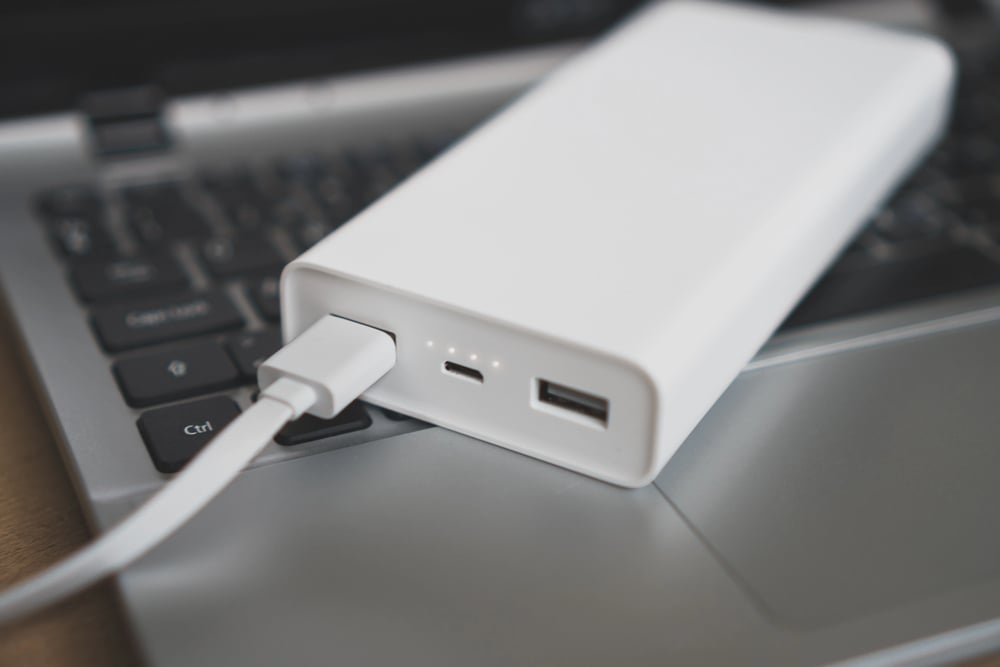
Lithium batteries over 100 watt-hours require airline approval, and anything over 160 watt-hours can’t fly at all on passenger planes. Power banks and spare batteries must go in carry-on bags, not checked luggage, due to fire risk.
But oversized ones get pulled regardless of where you pack them. Camera equipment, power tools, and specialty electronics sometimes use batteries that exceed limits.
Check the watt-hour rating before you pack, and contact your airline if you need to travel with large batteries for medical equipment or professional gear.
Snow Globes and Liquid-Filled Items

Snow globes larger than a tennis orb get confiscated because they contain liquid that exceeds the 3.4-ounce limit. The same rule applies to gel candles, liquid-filled toys, and decorative bottles.
TSA can’t easily measure the liquid inside these items at the checkpoint, so they err on the side of caution. Souvenirs and gifts often fall into this category, disappointing travelers who spent good money on mementos.
Pack them in checked bags or ship them home instead.
Aerosol Cans Beyond the Limit
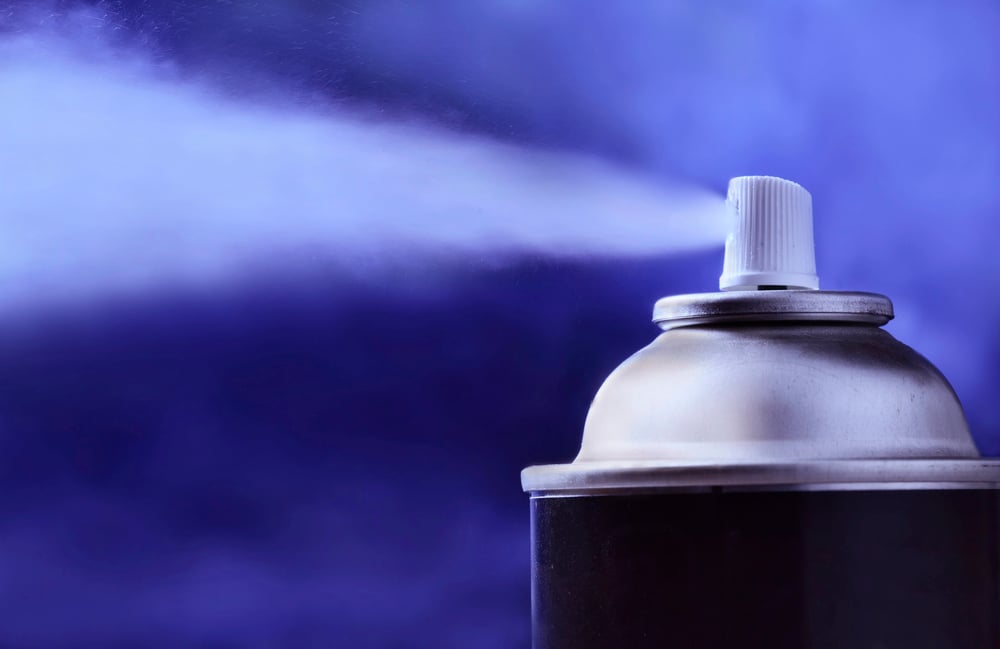
Spray paint, cooking spray, compressed air dusters, and large cans of dry shampoo all get pulled regularly. The 3-1-1 rule applies to aerosols just like other liquids, and the total volume in your quart-sized bag can’t exceed what fits comfortably with other items.
Flammable aerosols face additional restrictions. Bug spray and sunscreen usually pass through fine if they’re travel-sized, but industrial aerosols and spray paint get confiscated regardless of size.
Food Items That Raise Flags
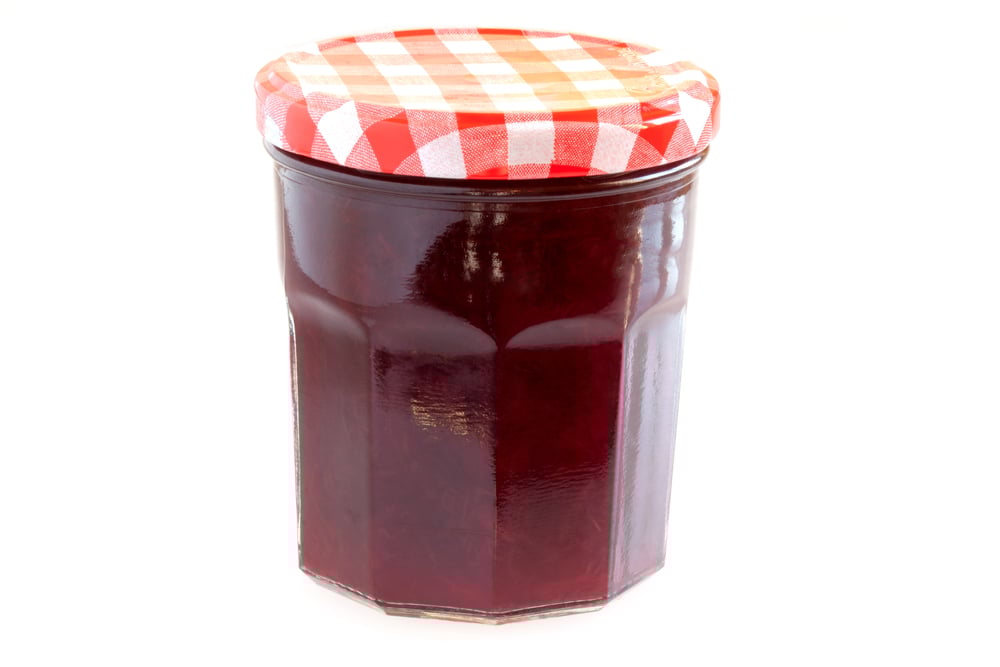
Creamy dips, spreads, sauces, jams, and anything spreadable counts as a liquid under TSA rules. Solid foods generally pass through security, but that homemade salsa or container of peanut butter doesn’t.
Gift baskets with jars of honey, preserves, or specialty sauces cause problems too. Cheese, chocolate, bread, and other solid foods travel fine in carry-ons.
But if you can pour it, pump it, squeeze it, or spread it, the 3-1-1 rule applies.
Lighters and Matches
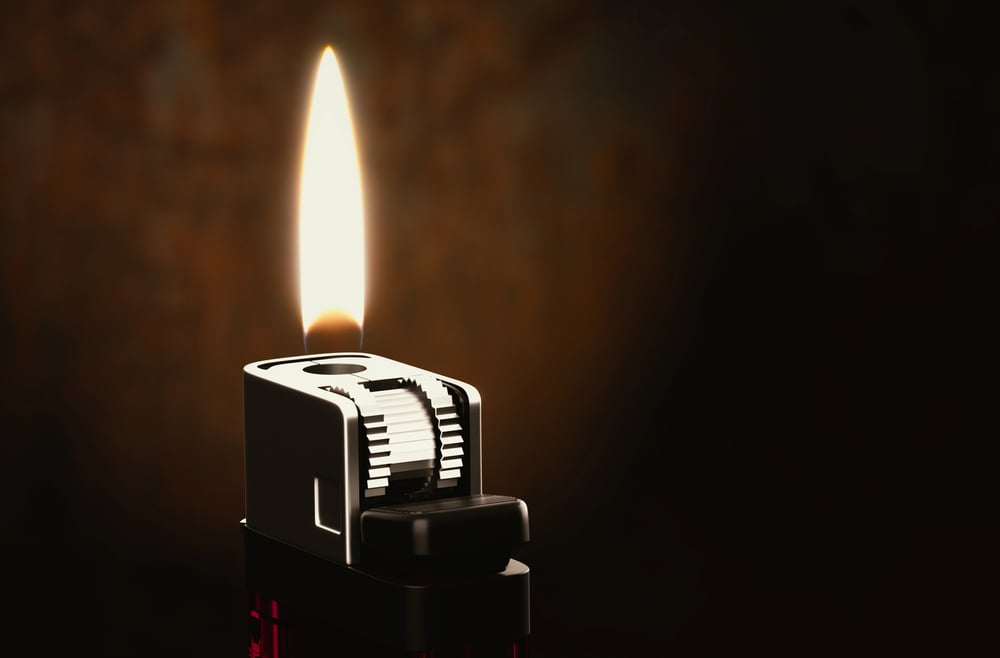
You can carry one standard lighter or one book of safety matches in your pocket or carry-on, but torch lighters, arc lighters, and strike-anywhere matches are banned. Checked bags can’t contain any lighters or matches at all.
The restriction exists because lighters contain flammable fuel and matches pose fire risks in cargo holds. TSA confiscates countless novelty lighters and multi-packs from travelers who didn’t check the rules.
Martial Arts Weapons and Training Equipment
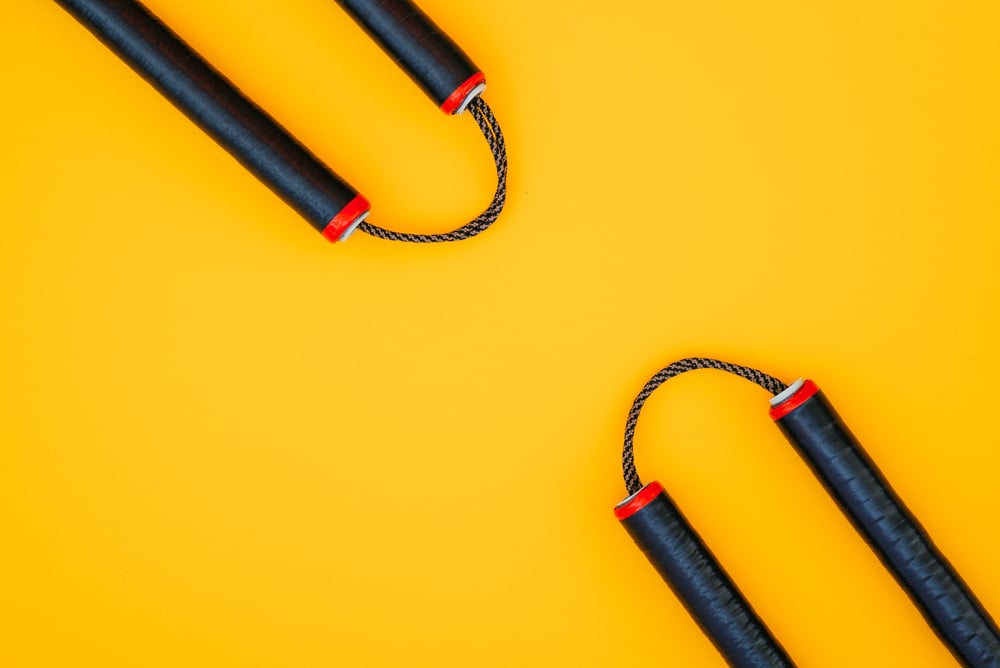
Nunchucks, brass knuckles, throwing stars, swords, and martial arts training weapons get pulled from bags surprisingly often. Practitioners traveling to tournaments or training sessions sometimes pack these items without realizing they’re prohibited, regardless of intended use.
Even decorative versions and wall-hangers fall under the ban. If it’s designed as a weapon, real or replica, it can’t go through security checkpoints.
Electronic Cigarettes and Vaping Devices
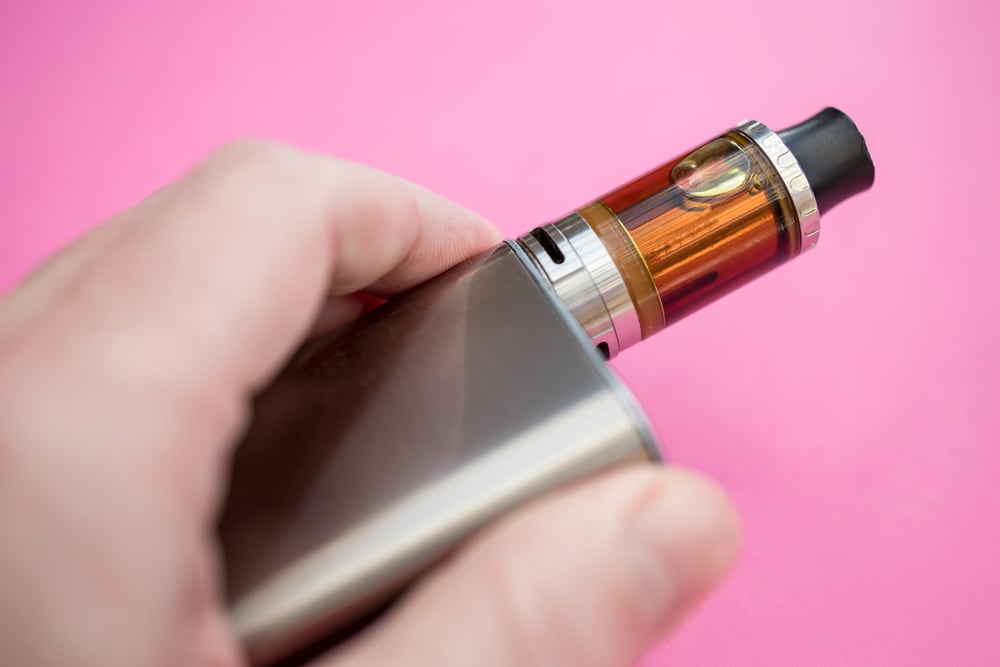
Flying with these gadgets? Only your carry-on will do – checked bags are off limits thanks to battery dangers.
Still, juice vials and fluid containers play by the standard 3-1-1 game for liquids. Mistakes happen when people shove vape gear into wrong pockets or haul oversized bottles.
Now here’s where things start shifting – battery kinds plus how big the tank is can change what’s allowed. Go look up the latest rules from TSA before you put any vape gear in your bag.
The Reality of Airport Security
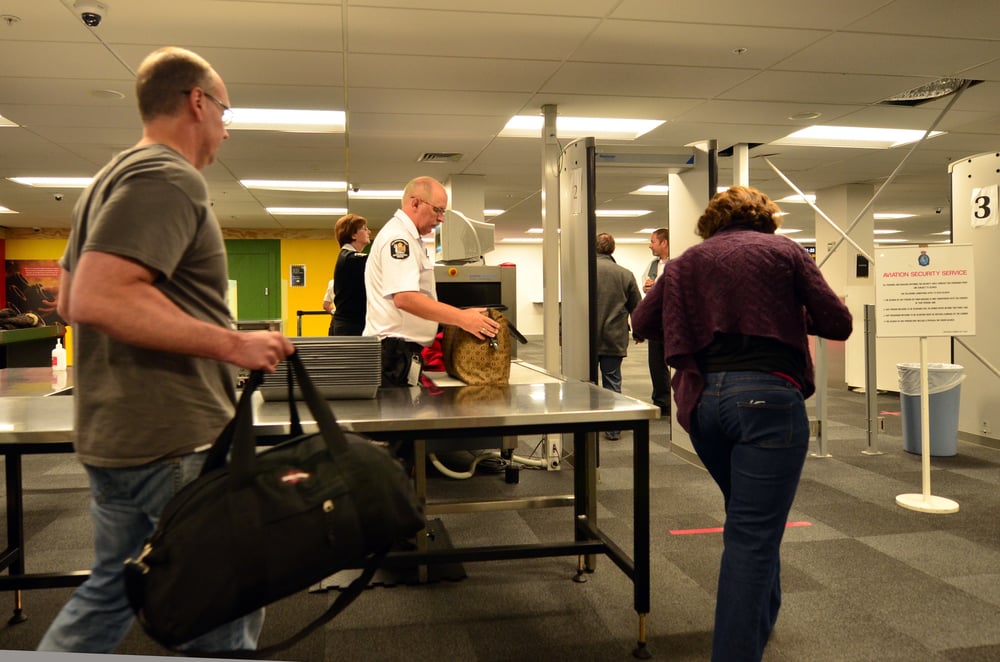
That moment in the security queue, eyes on officers sorting through luggage, brings it back – flying runs by its own playbook. Something ordinary in your coat might look dangerous up there where the sky never ends.
Left-behind things speak quietly – a blade from a trail last summer, a drink topped off just past the coffee stand, wrenches meant for a job site that stayed quiet after all. Every one of those forgotten pieces marks a rule understood too late, price already paid.
More from Go2Tutors!

- The Romanov Crown Jewels and Their Tragic Fate
- 13 Historical Mysteries That Science Still Can’t Solve
- Famous Hoaxes That Fooled the World for Years
- 15 Child Stars with Tragic Adult Lives
- 16 Famous Jewelry Pieces in History
Like Go2Tutors’s content? Follow us on MSN.