Fashion Trends That Lasted Less Than a Year
Fashion changes in a flash. Yet some looks last way longer than expected.
While others disappear almost overnight. These were the ones that shone hard but didn’t stay – like streaks of light no one remembers now.
You might recall a few of these – perhaps you actually used to wear some. What’s odd about quick fads is how into them everyone was back then, yet acted like they’d vanished half a year after.
They show fashion isn’t always spot-on.
Harem Pants Go Mainstream

Harem pants hit mainstream stores around 2009 and peaked in 2010. The dropped-crotch silhouette looked like MC Hammer pants had a confused reunion with yoga wear.
Retailers pushed them hard. The mainstream appeal faded relatively quickly.
Many people realized the fit was unflattering from most angles. Stores marked them down heavily.
The trend represented peak 2009-2010 fashion confusion before people moved on to other styles.
Shutter Shades Take Over

Kanye West wore shutter shades in his “Stronger” video in 2007. Within months, they were everywhere.
The plastic slat sunglasses served no practical purpose—you couldn’t actually see through them properly. But practicality didn’t matter.
People wore them to clubs, parties, and music festivals for roughly six months. Then everyone simultaneously realized they looked ridiculous.
The trend collapsed by early 2008. Now they only appear in costume shops next to other regrettable 2000s accessories.
Sillybandz Worn as Bracelets
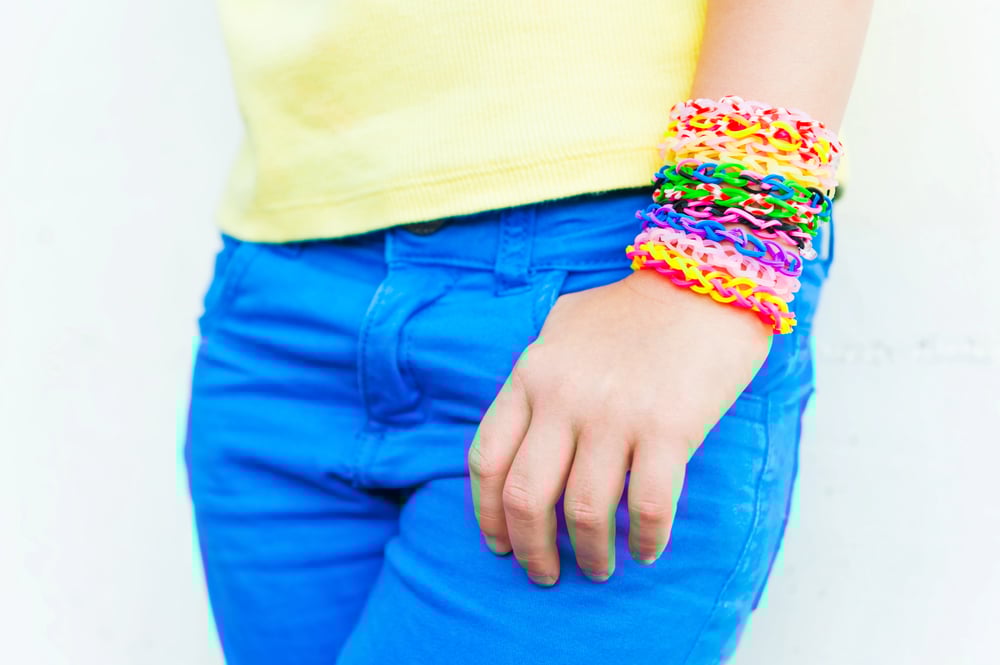
Sillybandz exploded in late 2009 and throughout 2010. Kids and teenagers stacked dozens of shaped rubber bands on their wrists.
Schools banned them. Parents bought them by the hundreds.
Trading them became a playground economy. The fad crashed hard in 2011.
Sales dropped dramatically within months. The company that made $200 million in 2010 saw demand evaporate.
What seemed like a permanent fixture of youth culture disappeared almost overnight. The bands now sit forgotten in junk drawers across America.
Visible Thong Straps

The early 2000s brought the bizarre trend of intentionally showing thong straps above low-rise jeans. Celebrities made it mainstream.
Regular people copied it. The look dominated from about 2002 to 2003.
Then it vanished. Fashion shifted.
People stopped thinking visible undergarments looked edgy. The trend became associated with tackiness instead of style.
By 2004, even the celebrities who started it had moved on. The whole phenomenon now serves as shorthand for early 2000s excess.
Bubble Skirts Fill Stores

Designers pushed bubble skirts hard in 2007. The gathered, puffed-up hemline created a rounded silhouette.
Magazines featured them. Stores stocked them heavily.
The trend lasted about one season. Most people looked terrible in them.
The shape added bulk exactly where nobody wanted it. Sales tanked quickly.
Retailers couldn’t move inventory. By 2008, bubble skirts had retreated to clearance racks.
The style joins the long list of runway ideas that failed in real life.
Chevron Print Everywhere
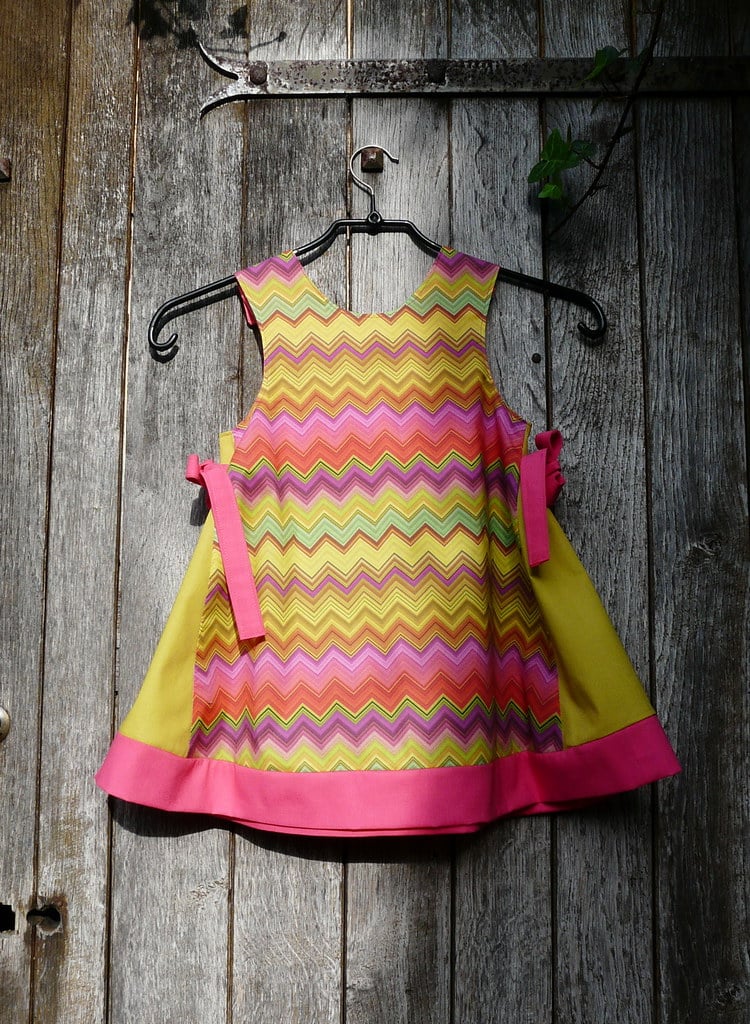
Chevron zigzag patterns overtook fashion and home decor in 2012. The geometric design appeared on everything—clothes, pillows, phone cases, shower curtains.
Pinterest boards exploded with chevron projects. By 2013, people were sick of it.
The pattern went from fresh to exhausting in record time. Retailers couldn’t sell chevron items anymore.
The trend died so completely that seeing it now triggers flashbacks to that brief moment when zigzags dominated everything.
Jelly Shoes Make a Brief Return
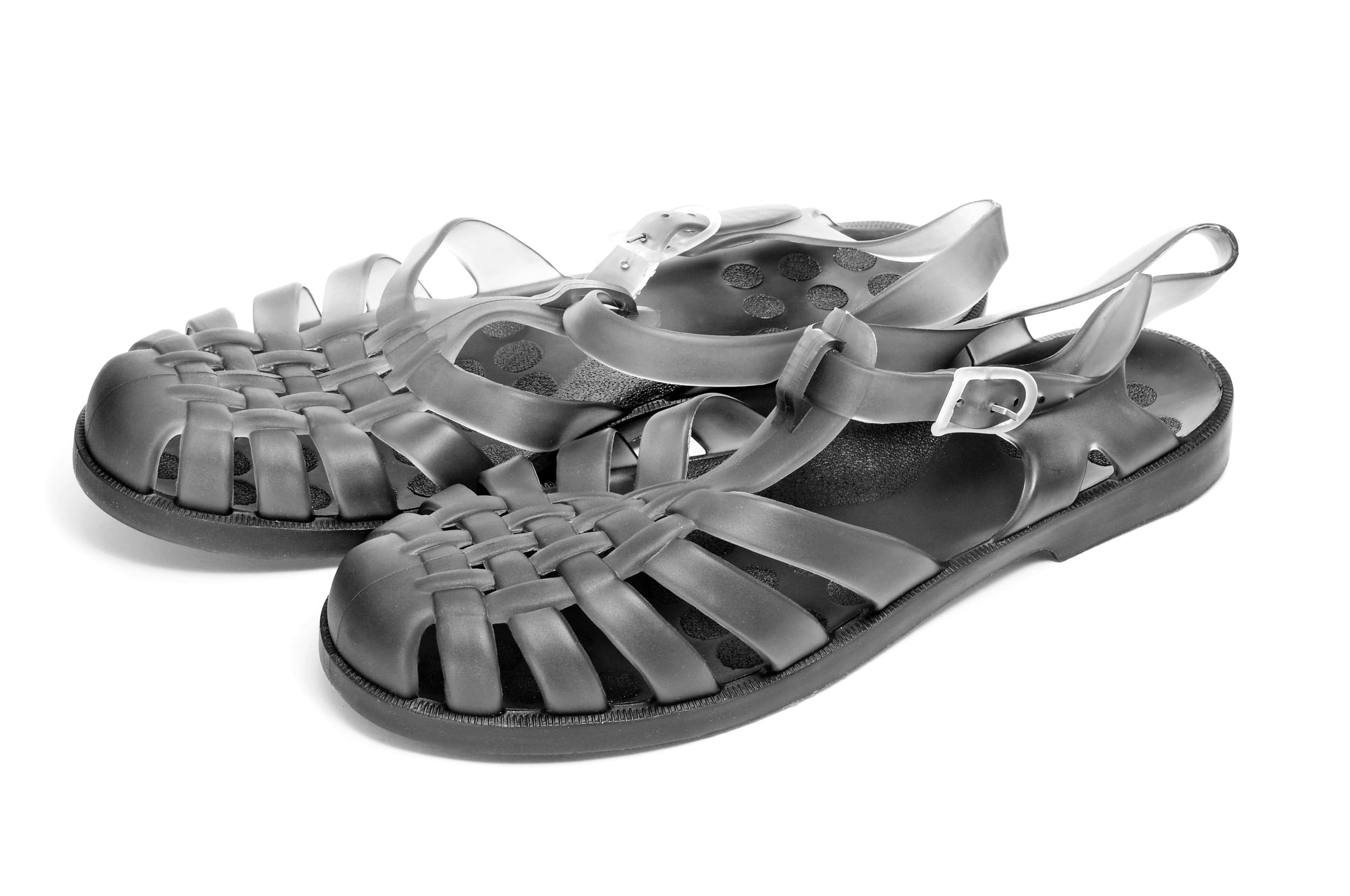
Jelly shoes came back in 2010, decades after their 1980s heyday. Fashion writers called them nostalgic.
Stores carried them in adult sizes. Some people actually bought them.
The revival lasted maybe six months. Adults remembered why they stopped wearing plastic shoes—they’re uncomfortable and make your feet sweat.
The nostalgia wore off fast. By 2011, jelly shoes had returned to children’s departments where they belonged.
The attempted comeback failed miserably.
Mustache Everything
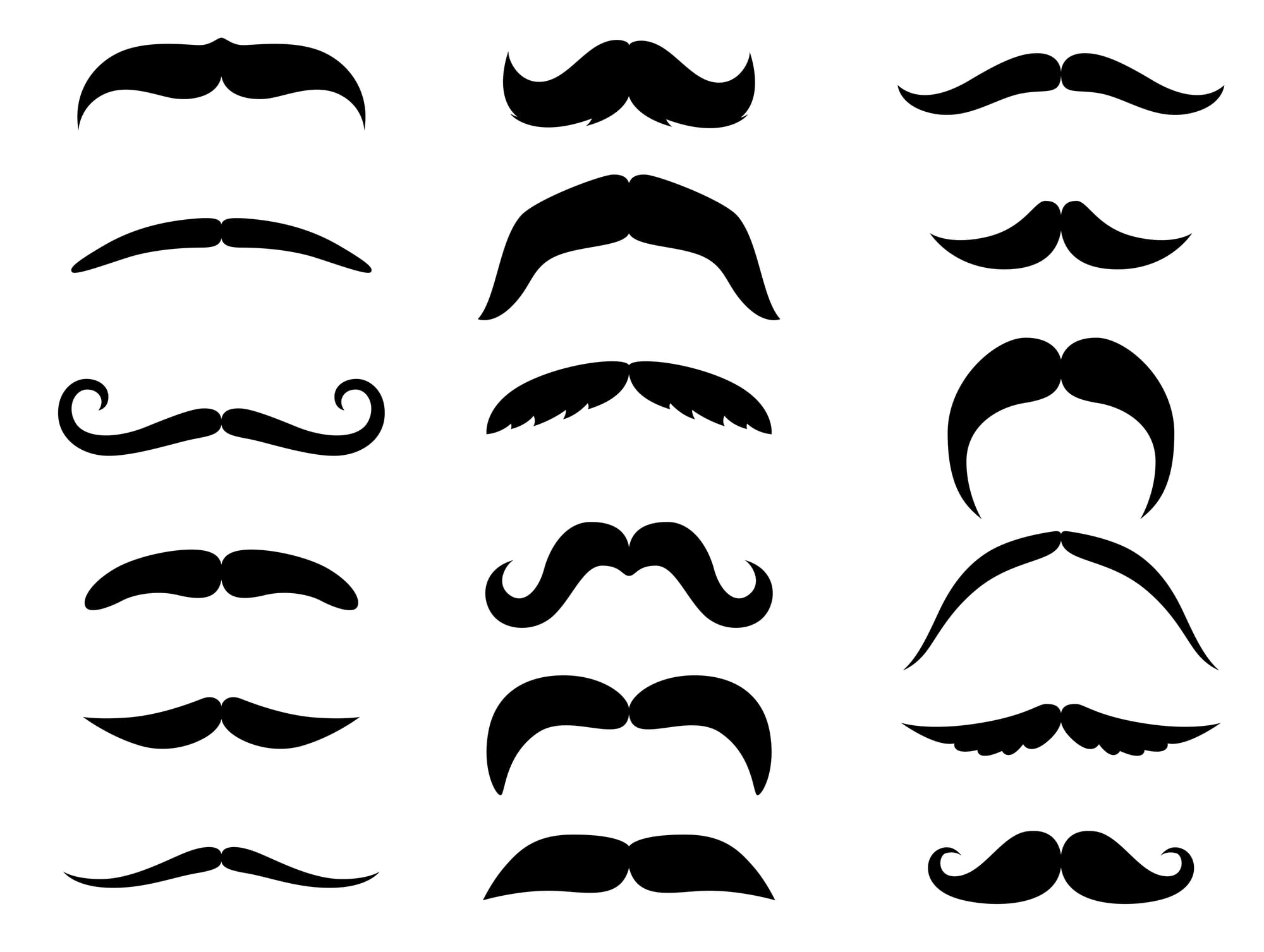
The hipster mustache motif exploded around 2011 and 2012. The curled handlebar design appeared on T-shirts, mugs, jewelry, phone cases, and tattoos.
Temporary mustache tattoos became party favors. The trend felt inescapable.
Then it became annoying. The joke got old.
The design lost all meaning through overuse. By 2013, the mustache trend had become a symbol of played-out ironic humor.
Most people threw away or donated their mustache merchandise. The whole thing now represents peak hipster excess.
Neon Colors Take Over

Neon everything dominated summer 2011. Bright pink, electric green, fluorescent orange, and shocking yellow covered clothing and accessories.
Stores couldn’t stock enough neon items. The trend felt aggressively optimistic.
It burned out within months. The colors were too intense.
They clashed with everything. Photos from that era hurt to look at.
By fall 2011, neon had retreated. People returned to wearable colors.
The brief neon explosion now serves as a cautionary tale about taking trends too far.
Oversized Glasses Without Lenses

Fashion glasses without prescription lenses peaked around 2012. People wore large frames as accessories.
Celebrities started the trend. Regular people followed.
The chunky glasses became a look. Then everyone realized wearing fake glasses was pointless.
The trend felt try-hard and pretentious. By 2013, only people who actually needed vision correction wore glasses.
The fashion accessory version died quietly. Now wearing glasses without lenses reads as costume-level weird.
Galaxy Print Leggings

Galaxy-printed leggings flooded Tumblr and Instagram in 2012. The space-themed pattern showed stars, nebulas, and cosmic imagery.
Online retailers sold millions. Music festival attendees wore them religiously.
The trend crashed in 2013. The print became oversaturated.
Everyone had galaxy leggings. The uniqueness disappeared.
People moved on to other patterns. The space theme now looks distinctly dated.
Those leggings sit unworn in the backs of closets worldwide.
Sock Buns Crown Heads

The sock bun hairstyle dominated 2012. Women rolled their hair around actual socks to create large, perfect buns.
YouTube tutorials got millions of views. The technique seemed foolproof.
But the look was too polished and artificial. By 2013, people wanted messier, more natural styles.
The sock bun method felt outdated fast. The trend disappeared along with most of its tutorial videos.
Hair accessories companies probably still have excess sock bun supplies gathering dust.
Tribal Print Goes Commercial

Tribal or Aztec prints exploded in mainstream fashion during 2012. The geometric patterns appeared on everything from leggings to phone cases.
Fast fashion retailers mass-produced tribal designs for months. The trend died by 2013 for several reasons.
The designs often appropriated indigenous patterns inappropriately. The saturation made them boring.
The quality was usually terrible. The brief tribal print moment now represents a particularly forgettable fashion cycle that most people would rather forget.
The Speed of Fashion’s Failures

These trends have one thing in common besides fading fast – each blew up real quick then flooded the market. Social platforms pushed them into hype – and just as fast, out again.
Stuff that used to take ages now takes weeks or less. Stores pump out way too much; shoppers grab it like crazy.
Soon nobody wants it, but the shelves are still full. The fashion world just can’t break this habit.
One style shows up, spreads like wildfire, floods every store, then fizzles out. Each season feels quicker than the last.
When trends flop, they remind us that rushing doesn’t help. Every now and then, clothes roll out so quickly nobody asks for them.
More from Go2Tutors!

- The Romanov Crown Jewels and Their Tragic Fate
- 13 Historical Mysteries That Science Still Can’t Solve
- Famous Hoaxes That Fooled the World for Years
- 15 Child Stars with Tragic Adult Lives
- 16 Famous Jewelry Pieces in History
Like Go2Tutors’s content? Follow us on MSN.