Crossings Built Just for Animals
When roads spread wide across land once wild, animals find their paths blocked. Cutting through woods, meadows, or marshes, busy lanes split homes apart.
Movement becomes risky, even fatal, for many who try to cross. Because of this, people came up with structures made just for creatures on the move.
Raised walkways, underground passages, and quiet routes now link separated spaces. Travel gets safer for deer, badgers, frogs – while cars meet fewer surprises.
Still, these constructions do far more than serve practical needs. What stands out is how they reflect a shift – people now see infrastructure can share space with the natural world.
Not separate anymore, roads and habitats begin to meet through joint efforts by builders, scientists, and city designers worldwide. Beginnings show up in bridges over highways, tunnels beneath busy lanes, places where animals pass safely while traffic flows above.
Results appear quietly: fewer collisions, stronger animal populations, even calmer driving experiences. Each project adds one small proof – that sharing land might be simpler than expected.
A Brief History of Wildlife Crossings

The idea of dedicated animal crossings isn’t as new as it might seem. The first recorded wildlife overpasses were built in Europe in the 1950s and 1960s, largely in response to increasing roadkill incidents.
In the Netherlands, early efforts to reconnect fragmented forests led to the creation of green bridges covered with soil and vegetation, allowing deer, foxes, and smaller mammals to cross safely.
In North America, wildlife crossings gained traction in the late 20th century, with Canada’s Banff National Park becoming a pioneer. Stretching over the Trans-Canada Highway, these crossings were designed to protect grizzly bears, elk, and other large mammals from deadly collisions.
Studies conducted after their construction showed dramatic reductions in roadkill, proving that well-planned crossings could have real ecological impact.
Types of Crossings

Wildlife crossings come in a variety of forms, each tailored to the species they are meant to serve. Overpasses are perhaps the most recognizable, often landscaped to resemble the surrounding terrain.
Underpasses and tunnels work well for smaller mammals, reptiles, and amphibians, offering protected passage beneath busy roads. Even rope bridges have been used in tropical areas to help monkeys, possums, and other arboreal species move across fragmented canopies.
Some crossings are surprisingly simple yet highly effective. Culverts—small tunnels under roads—allow frogs, turtles, and small mammals to pass safely.
Meanwhile, fencing along highways directs animals toward these crossings, reducing the chance of random road encounters. The combination of fencing and targeted structures creates a system that is both safe for wildlife and efficient for human travel.
Effectiveness and Statistics

The success of wildlife crossings is well-documented. In Banff National Park, overpasses and underpasses have led to a 90 percent reduction in wildlife-vehicle collisions for species like elk and deer.
In the Netherlands, green bridges have helped maintain genetic diversity by allowing populations to interbreed across fragmented habitats. Wildlife crossings also support ecosystem health.
By enabling animals to follow natural migration routes, these structures help preserve predator-prey relationships, prevent overpopulation in isolated areas, and ensure access to food and water sources. Even small crossings for amphibians and reptiles can prevent local extinctions by reconnecting wetland habitats.
In short, wildlife crossings are not just about saving animals from traffic—they’re about preserving the integrity of entire ecosystems.
Notable Crossings Around the World
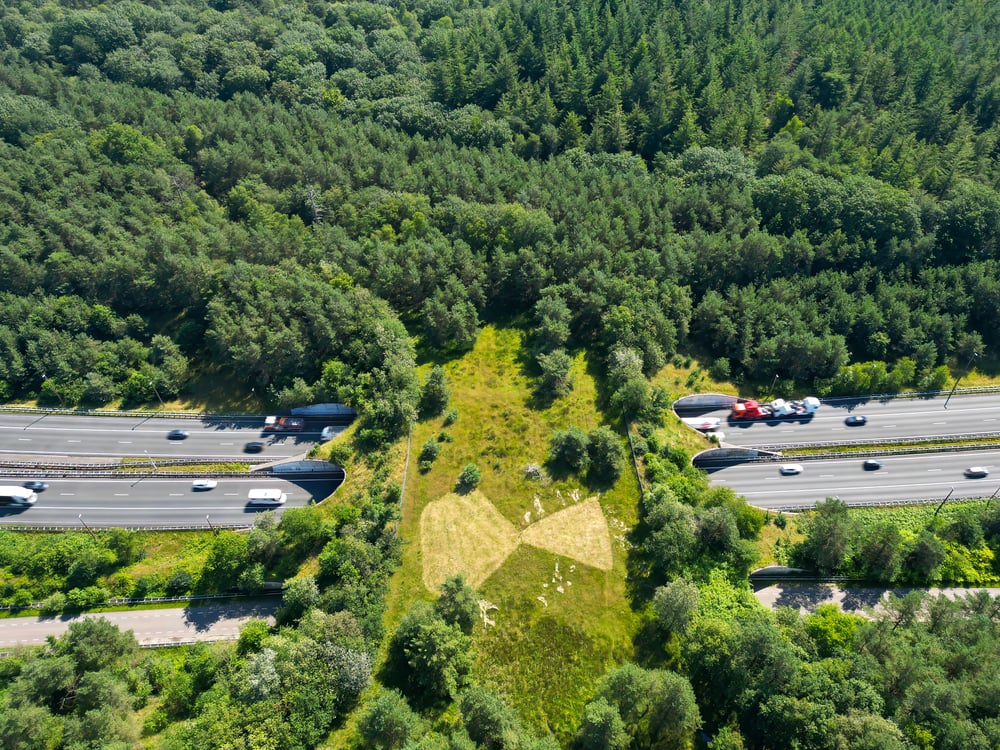
Some wildlife crossings have become landmarks in their own right. Canada’s Banff National Park is famous for its combination of 38 underpasses and six overpasses, offering safe passage for grizzly bears, cougars, and wolves.
In the Netherlands, eco-bridges like the Natuurbrug Zanderij Crailoo span busy highways, allowing deer, badgers, and boars to roam freely. In the United States, Florida’s underpasses and overpasses have been critical for the survival of the endangered Florida panther.
Meanwhile, in Costa Rica, rope bridges help monkeys navigate fragmented forests caused by expanding agriculture. Even in urban settings, small tunnels and green corridors provide critical pathways for foxes, hedgehogs, and raccoons, allowing them to coexist with human neighborhoods.
Design Considerations
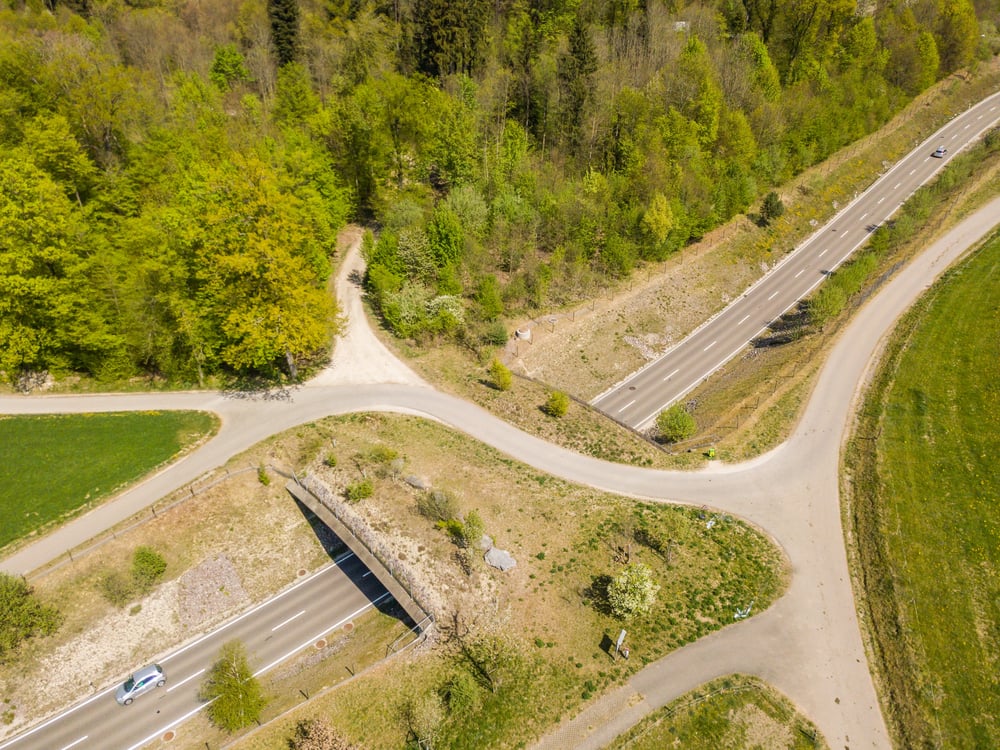
Building a crossing is more than simply placing a bridge or tunnel across a road. Successful designs consider the behavior, size, and preferences of target species.
Vegetation, soil type, and lighting are carefully planned to make crossings inviting rather than intimidating. Overpasses are often landscaped with native plants to resemble forest floors, while underpasses may include drainage systems and gentle slopes to accommodate amphibians.
Fencing plays a critical role as well, guiding animals toward crossings and preventing them from wandering into traffic. Placement is strategic, often at known migration routes or areas with high roadkill rates.
Regular monitoring and adjustments ensure that crossings remain effective as animal populations and landscapes evolve over time.
Challenges and Limitations

Despite their success, wildlife crossings face several challenges. Construction can be expensive, and not all highways or regions have the resources to implement them.
Maintenance is crucial—vegetation overgrowth, erosion, and human interference can reduce effectiveness. Moreover, measuring the success of crossings is complex, as it requires long-term monitoring of animal populations and movement patterns.
Some species are also hesitant to use crossings, particularly if they feel exposed or stressed. In these cases, adjustments in design or placement are necessary.
Even so, the overall impact of these crossings remains overwhelmingly positive, making them a worthwhile investment for both wildlife and human safety.
Cultural and Ecological Significance

Wildlife crossings are more than functional structures—they are symbols of coexistence. They demonstrate that humans can design infrastructure that accommodates both our needs and those of the natural world.
These crossings encourage people to see roads not as insurmountable barriers, but as spaces that can harmonize with the surrounding environment. They also carry an ecological message.
By reconnecting fragmented habitats, wildlife crossings help maintain biodiversity and resilience, reminding us that every species plays a role in sustaining healthy ecosystems. In doing so, these structures serve as tangible examples of how thoughtful planning can bridge the gap between human development and conservation.
Why It Still Matters

Built into highways, wildlife crossings now matter more than ever with cities spreading wider every year. Not just concrete and steel, each one stands for safer journeys, helping creatures move freely despite busy roads cutting through their paths.
Where development pushes forward, these passages hold ground, letting nature stay connected even when landscapes change. One day at a time, these pathways show how building things differently works better.
Instead of tearing habitats apart, smart designs help creatures move safely across busy areas. A wide bridge in Alberta lets elk pass above traffic, while small tunnels under roads in Germany let amphibians crawl through damp earth below.
Each project fits the needs of local wildlife, shaped by where they live and how they travel. People made them happen because someone noticed what was missing.
When plans include animals early on, fewer get hurt, drivers stay safer too. It turns out, fitting nature into human spaces isn’t impossible – just overlooked.
These spots quietly prove balance is possible, even near highways cutting through wild places.
More from Go2Tutors!

- The Romanov Crown Jewels and Their Tragic Fate
- 13 Historical Mysteries That Science Still Can’t Solve
- Famous Hoaxes That Fooled the World for Years
- 15 Child Stars with Tragic Adult Lives
- 16 Famous Jewelry Pieces in History
Like Go2Tutors’s content? Follow us on MSN.



