Cruise Tipping and Gratuity Mistakes to Avoid
Cruise ships carry unwritten rules about money that nobody explains until it’s too late. The gratuity system operates like a shadow economy running parallel to your vacation, and getting it wrong can leave you feeling awkward, overtipping out of guilt, or undertipping out of confusion. Understanding when to tip, how much to give, and who expects what transforms a potentially stressful aspect of cruising into something manageable.
The key isn’t memorizing exact dollar amounts for every scenario — it’s understanding the logic behind cruise tipping so you can navigate confidently without second-guessing every interaction.
Ignoring automatic gratuities completely
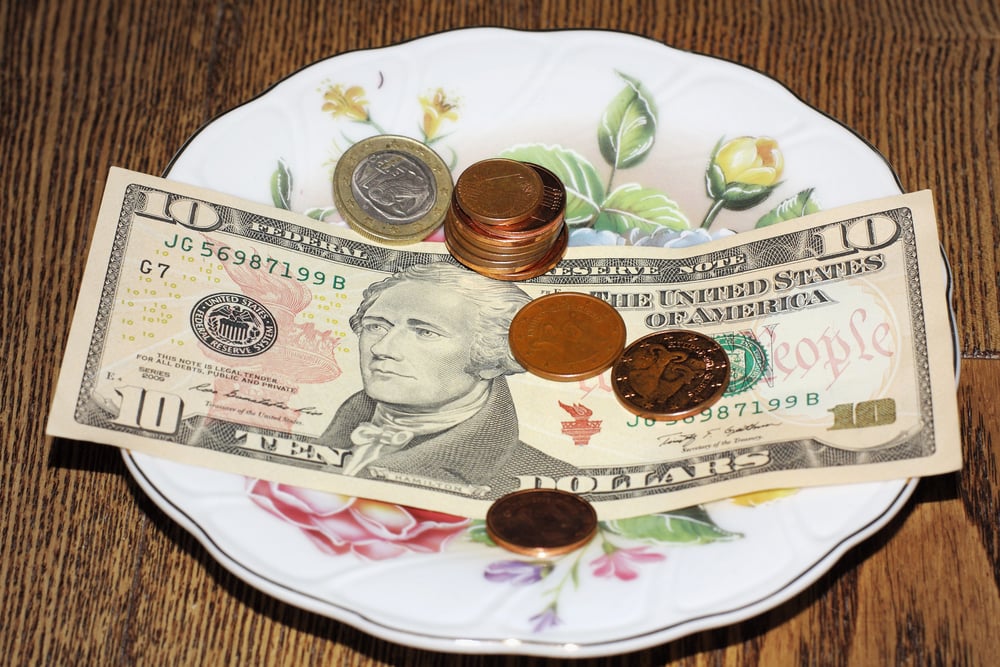
Cruise lines add daily service charges to your account automatically. These typically run $14-16 per person per day and cover your room steward, dining staff, and other service personnel. Some passengers assume this covers everything and never think about tipping again.
The automatic charges are a baseline, not a ceiling. They’re distributed among multiple crew members and represent the minimum expected gratuity for standard service. Exceptional service deserves recognition beyond the automatic amount.
Overtipping to compensate for guilt

When travelers discover how little crew members earn in base wages, they sometimes overcompensate by tipping excessively for routine service. A $50 tip for bringing towels to your room doesn’t make economic sense for anyone involved.
The guilt-driven approach actually creates problems (it sets unrealistic expectations for other passengers and puts financial pressure on travelers who can’t afford to match those amounts) while missing the point entirely. Crew members appreciate consistent, appropriate recognition more than sporadic windfalls. And here’s what really matters: reliable, steady tipping from all passengers creates better working conditions than unpredictable large amounts from a few people who feel guilty about wage disparities they didn’t create.
But the most important thing to understand is that appropriate tipping shows respect for the service industry structure as it exists, not as you wish it existed — which is actually more helpful to the people doing the work.
Tipping specialty restaurant staff the same as main dining
The elegant steakhouse on deck 8 feels like it should command restaurant-style gratuities. After all, the service is more attentive, the atmosphere more refined, and you’re already paying a cover charge for the privilege of eating there. So naturally, many passengers add an 18-20% tip on top of their specialty dining bill.
That generous impulse overlooks how specialty restaurants actually work on ships. The staff in these venues are already included in your automatic daily gratuities — the same pool that covers your main dining room server covers the sommelier pouring wine in the chef’s table experience. The cover charge for specialty dining goes toward the premium ingredients and smaller staff-to-guest ratios that make the experience possible.
A few extra dollars for truly exceptional service makes sense. But treating specialty dining like an independent restaurant creates a disconnect between what you’re paying for and how the ship’s economy actually functions.
Cash tips in non-cash crew areas

Cash feels personal. Folding bills into someone’s hand creates a moment of direct appreciation that electronic gratuities can’t match. The instinct to hand your room steward a twenty or slip the bartender a five makes perfect emotional sense.
Most crew members can’t easily convert cash tips to their home currency or need to store physical money securely for months-long contracts. The automatic gratuity systems exist partly because they’re more practical for people living and working at sea. Cash tips also create tax complications for crew members in ways that processed gratuities don’t.
The personal touch matters, but it works better through other gestures. A handwritten note carries more lasting value than a twenty-dollar bill that creates logistical problems.
Removing automatic gratuities without replacement

The guest services desk will remove automatic gratuities from your account if requested. Some passengers do this planning to tip individually in cash, then forget or run out of time before disembarkation. Others remove the charges because they object to the automatic system on principle.
Removing gratuities without replacement means the people who cleaned your room, served your meals, and handled dozens of small requests during your cruise receive nothing for that service. The crew members have no way of knowing whether you plan to tip later, removed charges due to poor service, or simply don’t believe in tipping.
If the automatic system bothers you, that’s fair enough. But the alternative needs to be a concrete plan, not just a vague intention to “take care of people” at the end of the cruise.
Tipping based on home country customs
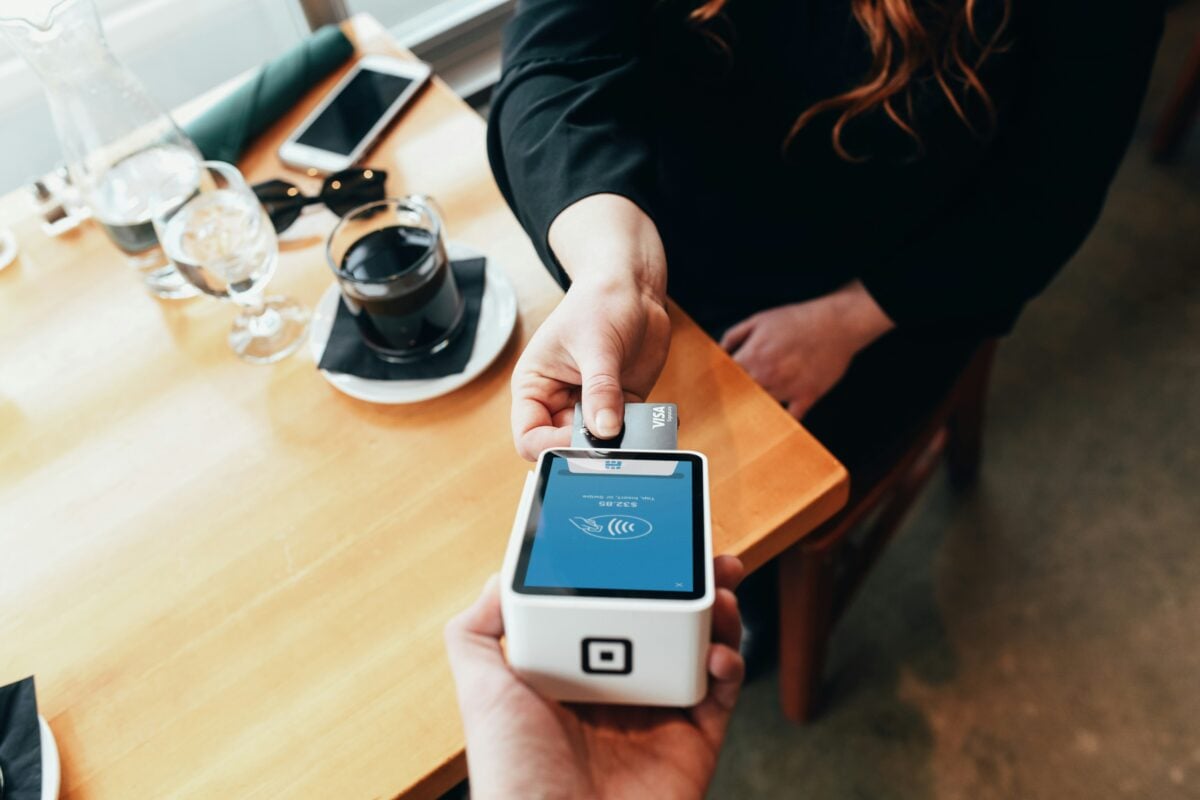
Cruise ships blend international passengers with international crew members, creating a cultural mixing bowl where everyone’s tipping expectations differ. European passengers often tip minimally because service charges are built into pricing in their experience. American passengers may tip heavily because that’s the cultural norm at home. Neither approach quite fits the cruise environment.
The ship operates its own economic ecosystem that borrows from multiple tipping cultures without fully matching any of them. The automatic gratuities reflect this hybrid approach — more structured than American restaurant tipping, more generous than European service charges, designed to work across cultural expectations rather than favor one approach.
Understanding this helps explain why the cruise system feels slightly foreign to everyone. It’s supposed to.
Forgetting about room service and special requests
Room service on most cruise lines is complimentary, which leads many passengers to assume no tip is expected. The same logic applies to special requests — extra towels, late-night ice delivery, help with luggage — that feel like standard ship services rather than personal favors.
The crew member who brings coffee to your balcony at 6 AM is providing personal service that goes beyond the baseline covered by automatic gratuities. These individual interactions deserve individual recognition, usually in the $2–$5 range, depending on the complexity of the request.
The pattern matters more than the amount. Consistent small tips for room service and special requests signal that you understand these are personal favors, not anonymous ship services.
Tipping excursion guides on the ship
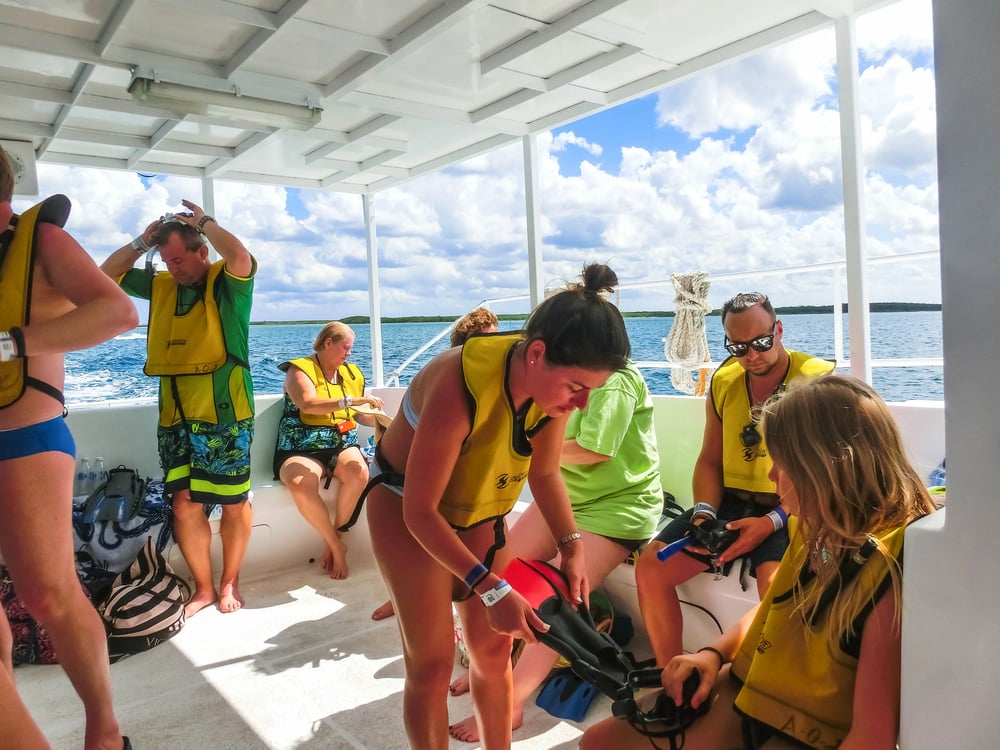
Shore excursions booked through the cruise line feel like ship services, so many passengers assume the guides are ship employees covered by onboard gratuities. The reality is more complicated — most excursion companies are independent operators who contract with cruise lines but employ their own guides and drivers.
These guides depend on tips from tour participants for a significant portion of their income, similar to tour guides anywhere else in the world. The suggested amounts vary by destination and tour length, but $5–$10 per person for a half-day excursion represents a reasonable starting point.
The cruise staff will usually mention appropriate tipping guidelines before excursions, but they don’t always make it clear that these tips are separate from your onboard gratuity budget. Plan for excursion tipping as a separate category of cruise expenses.
Undertipping alternative dining venues

The pizza counter, ice cream station, and poolside grill operate differently from the main dining room, but many passengers aren’t sure how differently. These venues often have tip jars or electronic payment options that suggest individual gratuities, creating confusion about whether automatic gratuities already cover these interactions.
Generally, staff at casual dining venues are included in the automatic gratuity pool, making additional tips unnecessary for routine service. However, if someone goes notably out of their way — remembering your specific pizza preferences, making a special drink, providing table service at a typically self-serve location — a dollar or two acknowledges that extra effort.
The tip jars exist because passengers want a way to show appreciation for good service, not because tips are expected for every transaction. Use them when the service genuinely deserves recognition.
Misjudging spa and salon gratuities

Spa services feel like luxury indulgences where generous tipping demonstrates sophistication and appreciation. Many passengers apply standard salon and spa tipping rates from home — 18–20% of the service cost — without considering how shipboard spa operations differ from land-based businesses.
Cruise ship spas typically add an automatic 18% gratuity to all services, which should be disclosed when you book the appointment, but isn’t always clearly communicated. Adding another 15–20% on top of the automatic charge means you’re tipping over 30% total, which exceeds any reasonable service standard.
Check your spa receipt carefully to see what gratuities have already been added before deciding on additional tips. If the service was exceptional, a few extra dollars makes sense. But doubling up on percentage-based tips creates an expensive misunderstanding.
Confusion about bar packages and individual drinks

All-inclusive drink packages create tipping confusion because passengers aren’t sure whether gratuities are included in the package price or expected per drink. The situation varies by cruise line, with some including gratuities in package pricing and others adding automatic charges per drink.
When gratuities are automatically added per drink, that usually covers standard service — making drinks efficiently, remembering preferences, and providing friendly interaction. Exceptional service — creative cocktails, detailed wine recommendations, going out of the way to find specific spirits — deserves additional recognition in the $1–$2 per drink range.
The key is understanding your specific package terms rather than guessing. Guest services can clarify whether your drink package includes gratuities or adds them separately, eliminating the uncertainty.
Overtipping for standard service quality

Cruise ship service operates at a consistently high level that can feel exceptional compared to everyday experiences at home. Room stewards who clean twice daily, dining staff who remember dietary restrictions, and bartenders who recognize returning guests provide service that many passengers want to reward generously.
This level of service is the standard expectation on cruise ships, not exceptional performance worthy of exceptional tips. The automatic gratuities are calculated based on this service level — attentive, personalized, and consistent throughout the cruise.
Reserve extra tipping for service that genuinely exceeds the already high baseline. A room steward who helps with a special celebration, a waiter who accommodates complex dietary needs, or a bartender who creates custom drinks for your group deserves additional recognition. But excellent standard service is what you’re already paying for through the automatic system.
Timing tips incorrectly
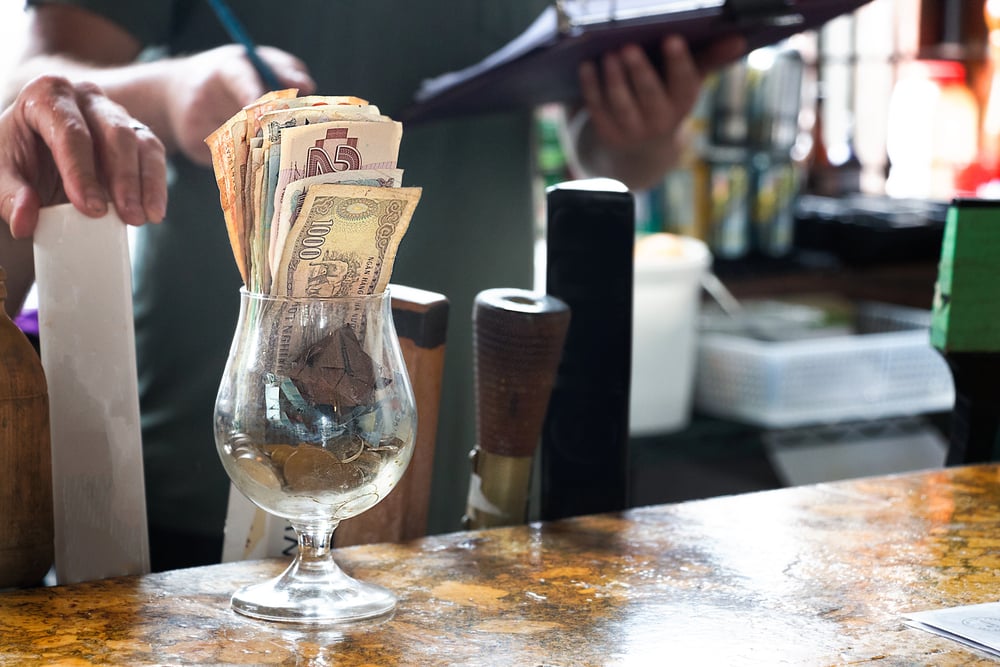
Many passengers save all their individual tipping for the last day of the cruise, creating a flurry of cash exchanges during disembarkation. This approach feels organized but misses opportunities to build relationships and ensure continued good service throughout the week.
Early tipping signals your appreciation and often improves service for the remainder of the cruise. A small tip to your room steward on the second day, after you’ve seen the quality of their work, establishes you as a passenger who appreciates good service. Bartenders who receive tips early in the cruise often remember drink preferences and provide faster service throughout the week.
The timing strategy that works best combines both approaches — small tips early for exceptional service, with a final thank-you tip on the last day for crew members who made your cruise particularly enjoyable. This creates positive momentum while still allowing for end-of-cruise appreciation.
Finding your tipping rhythm

The most successful cruise tipping approach treats gratuities as part of the vacation budget rather than an unexpected expense. Planning for both automatic charges and individual tips eliminates the stress of making decisions in the moment and allows you to tip appropriately without financial anxiety.
What matters most is consistency and appropriateness rather than generosity for its own sake. Crew members prefer passengers who understand the system and tip reliably over those who either ignore gratuities entirely or tip unpredictably based on momentary impulses. The goal is showing appreciation in ways that work within the ship’s economic structure while recognizing the individual people who make your vacation possible.
More from Go2Tutors!

- The Romanov Crown Jewels and Their Tragic Fate
- 13 Historical Mysteries That Science Still Can’t Solve
- Famous Hoaxes That Fooled the World for Years
- 15 Child Stars with Tragic Adult Lives
- 16 Famous Jewelry Pieces in History
Like Go2Tutors’s content? Follow us on MSN.