15 Landmarks That Almost Got Demolished
History is filled with near-misses where iconic structures we treasure today once faced the wrecking ball. Behind many of our beloved landmarks lie forgotten tales of preservation battles, financial crises, and last-minute rescues that saved these architectural treasures from destruction.
Here is a list of 15 remarkable landmarks that nearly vanished forever, reminding us how close we’ve come to losing some of the world’s most celebrated sites.
Eiffel Tower

Originally built as a temporary structure for the 1889 World’s Fair, the Eiffel Tower was scheduled for demolition in 1909. City officials viewed the iron tower as an eyesore that dominated the Parisian landscape.
Its salvation came when engineers realized its potential as a radio transmission tower, providing crucial military communication capabilities that ultimately saved it from destruction.
Grand Central Terminal

New York’s magnificent train station narrowly escaped demolition in the 1970s amid financial troubles. The terminal was saved largely through the efforts of preservationists like Jacqueline Kennedy Onassis, who fought a legal battle all the way to the Supreme Court.
The 1978 court decision not only saved Grand Central but also established important legal precedents for landmark preservation throughout America.
Like Go2Tutors’s content? Follow us on MSN.
The Colosseum
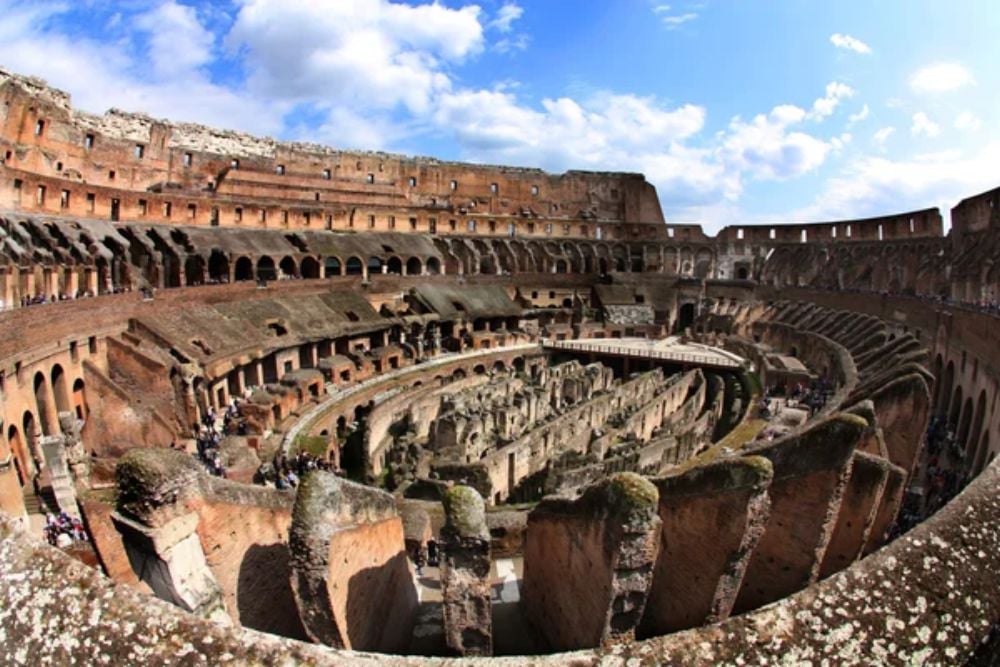
Rome’s ancient amphitheater deteriorated severely over the centuries, with much of its stone removed for other construction projects. By the 19th century, numerous plants grew from its walls, and engineers warned the structure was unstable and dangerous.
The Italian government finally intervened in the 1870s, reinforcing the outer wall and preventing what would have been a catastrophic loss of this irreplaceable ancient wonder.
Angkor Wat

Cambodia’s magnificent temple complex nearly succumbed to both natural reclamation and human destruction. The jungle had already swallowed portions when the Khmer Rouge regime threatened further damage in the 1970s.
International preservation efforts beginning in the 1990s rescued this spectacular site from both natural overgrowth and potential demolition during political turmoil.
Royal Albert Hall

London’s iconic concert venue faced severe structural problems in the 1990s. Engineers discovered the weight of the massive domed roof was pushing the walls outward at an alarming rate.
The hall came dangerously close to collapse before an ingenious system of steel cables was installed to reinforce the structure, saving this Victorian masterpiece from potential demolition.
Like Go2Tutors’s content? Follow us on MSN.
The White House

Following the War of 1812, the burned and damaged White House was nearly demolished. Many officials argued for constructing an entirely new presidential residence, considering the charred building beyond repair.
The structure was saved when President James Madison insisted on restoration rather than replacement, preserving what would become one of America’s most significant landmarks.
Machu Picchu

Peru’s “Lost City of the Incas” faced a serious threat in the early 2000s when plans emerged for a cable car to increase tourism. Preservationists feared the construction would severely damage the ancient site’s structural integrity and cultural significance.
International pressure ultimately forced the abandonment of the cable car project, preserving the archaeological wonder in its natural setting.
Palace of Westminster
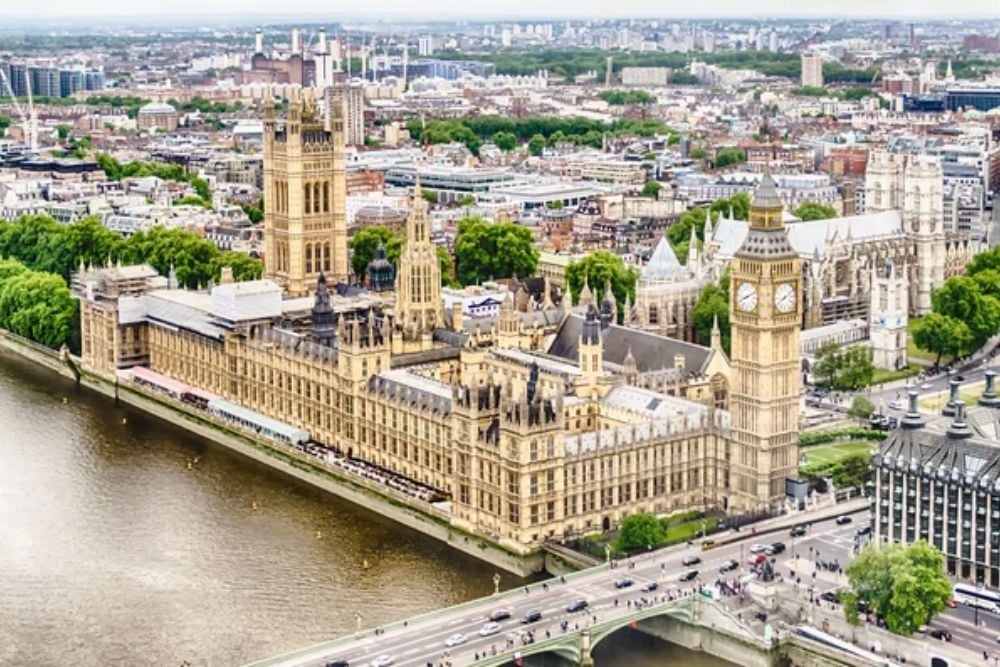
London’s iconic Parliament buildings suffered catastrophic damage during World War II bombing raids. Some officials proposed constructing a modern replacement rather than undertaking the enormous task of restoration.
The decision to rebuild the severely damaged sections in their original Gothic style preserved one of the world’s most recognizable government buildings for future generations.
Like Go2Tutors’s content? Follow us on MSN.
Taj Mahal

India’s magnificent marble mausoleum has faced numerous threats, including severe air pollution that was eroding its white facade. In the 1990s, nearby oil refineries and factories were causing such damage that experts warned the structure might need to be dismantled if industrial activity continued unchecked.
Court-ordered environmental restrictions finally reduced the threat, saving this architectural masterpiece.
Notre-Dame Cathedral
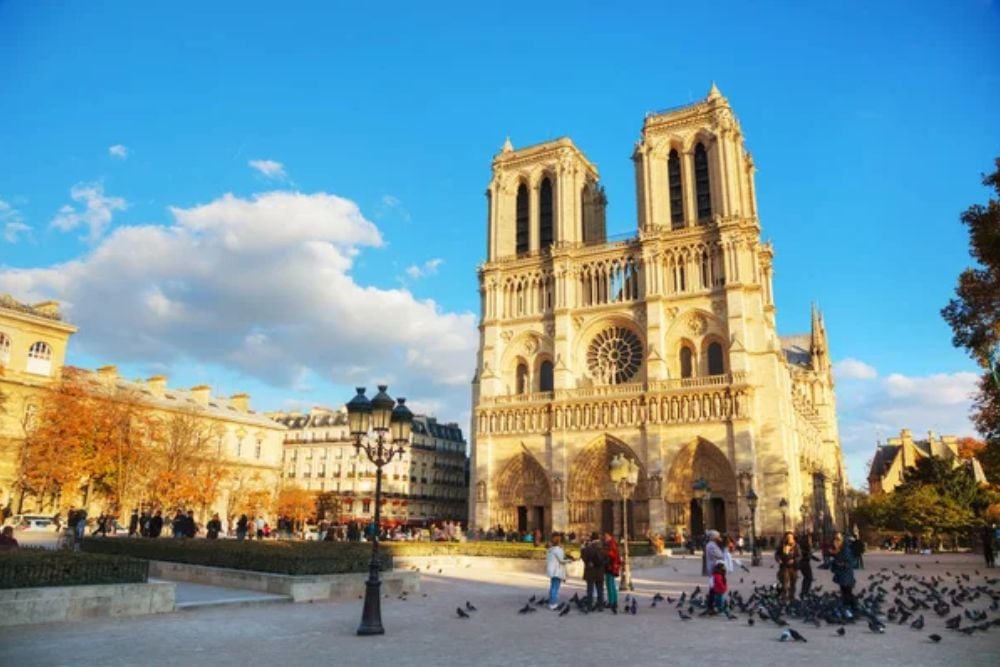
Long before the devastating 2019 fire, Paris’s gothic cathedral faced demolition during the French Revolution. Revolutionaries damaged the structure, destroying statues and converting the building into a “Temple of Reason.”
The cathedral was saved from complete destruction when Napoleon Bonaparte, recognizing its cultural importance, ordered its restoration for his coronation in 1804.
Sydney Opera House

Australia’s most recognizable building was nearly abandoned during construction. The revolutionary design proved so complex and expensive that political opposition nearly halted the project midway through.
Construction costs spiraled to more than 14 times the original estimate, and a change in government almost resulted in a simplified replacement building before public support saved the original vision.
Like Go2Tutors’s content? Follow us on MSN.
The Alamo

San Antonio’s historic mission faced demolition threats in the late 1800s as commercial development expanded around it. The deteriorating structure was nearly torn down for retail space before the Daughters of the Republic of Texas launched a preservation campaign.
Their efforts rescued this symbol of Texan independence from being replaced by a shopping complex.
Dresden Frauenkirche

Germany’s baroque masterpiece was reduced to rubble during the Allied bombing of Dresden in 1945. The communist East German government left the ruins as a war memorial, considering reconstruction impossible.
Following German reunification in 1990, a remarkable reconstruction effort using thousands of original stones saved from the rubble restored this architectural treasure to the Dresden skyline.
Ellis Island
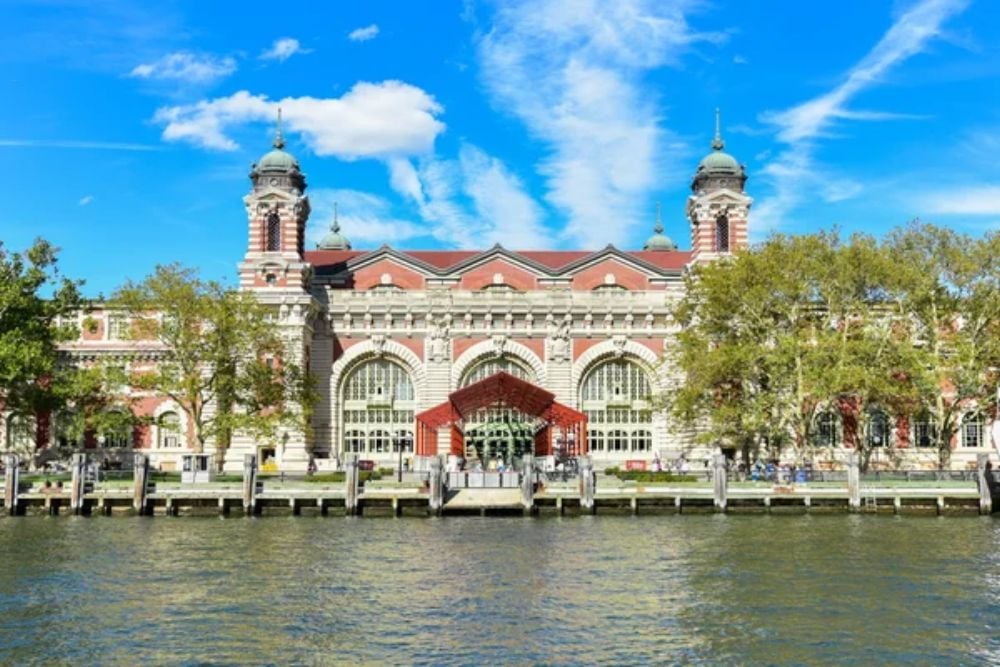
New York’s historic immigration station deteriorated severely after closing in 1954, with collapsed roofs and walls overtaken by vegetation. By the 1970s, the buildings were slated for demolition until preservationists launched a campaign to save this gateway through which millions of Americans’ ancestors had passed.
A massive renovation project ultimately transformed the crumbling complex into the museum we know today.
Like Go2Tutors’s content? Follow us on MSN.
The Parthenon
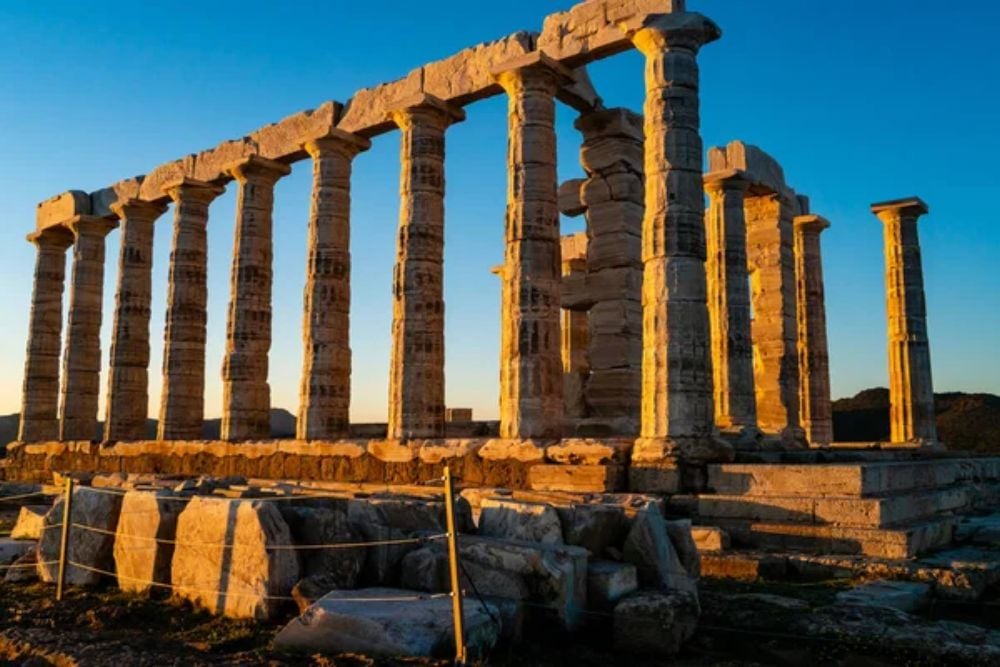
Athens’ ancient temple suffered extensive damage throughout history, including a devastating explosion in 1687 when the structure was being used as a gunpowder magazine. In the early 1800s, British ambassador Lord Elgin removed many of the remaining sculptures, arguing they would otherwise face destruction as Ottoman authorities were using the marble for building materials.
Modern restoration efforts beginning in the 1970s have worked to preserve what remains of this classical masterpiece.
Architectural Heritage Preserved

Throughout history, the landmarks we now consider untouchable have often dangled precariously close to destruction. Their survival reminds us that preservation isn’t automatic but requires vigilance and advocacy.
Each rescued building represents not just architectural achievement but the determined efforts of those who recognized their value when others saw only outdated structures ready for replacement.
More from Go2Tutors!

- 18 Unexpectedly Valuable Collectibles You Might Have Lying Around
- 15 Things Every Teenager in the ’70s Did That Teens Today Wouldn’t Understand
- 15 Strange Things People Have Tried to Ban (And Failed)
- 15 Inventions That Were Immediately Banned After Being Created
- 20 Actors Who Were Almost Cast in Iconic Roles
Like Go2Tutors’s content? Follow us on MSN.