Dances Once Banned by Authorities
Dancing has always made people nervous. Throughout history, when bodies move to music in ways that feel too free, too provocative, or too different, those in power have tried to stop it.
These bans reveal more about the societies that imposed them than about the dances themselves—fears about morality, class divisions, racial prejudice, and the simple fact that joy can feel threatening when you’re trying to maintain control.
The Waltz: Scandalous Closeness

When the waltz arrived in European ballrooms during the late 1700s, it caused an uproar. Partners held each other close—revolutionary at a time when most dances kept people at arm’s length.
The rotating motion, the intimacy, the speed: all of it seemed designed to corrupt young people. Religious leaders denounced it from the pulpits.
Doctors warned that the spinning would damage women’s health and fertility. Some German states banned it outright.
Even as late as the 1820s, English etiquette guides cautioned against the waltz’s “voluptuous intertwining of the limbs.” The scandal seems absurd now.
The waltz became the most respectable of ballroom dances, taught to children in cotillions and performed at state dinners. But for decades, dancing that close to someone felt dangerous.
The Tango: Too Much Passion
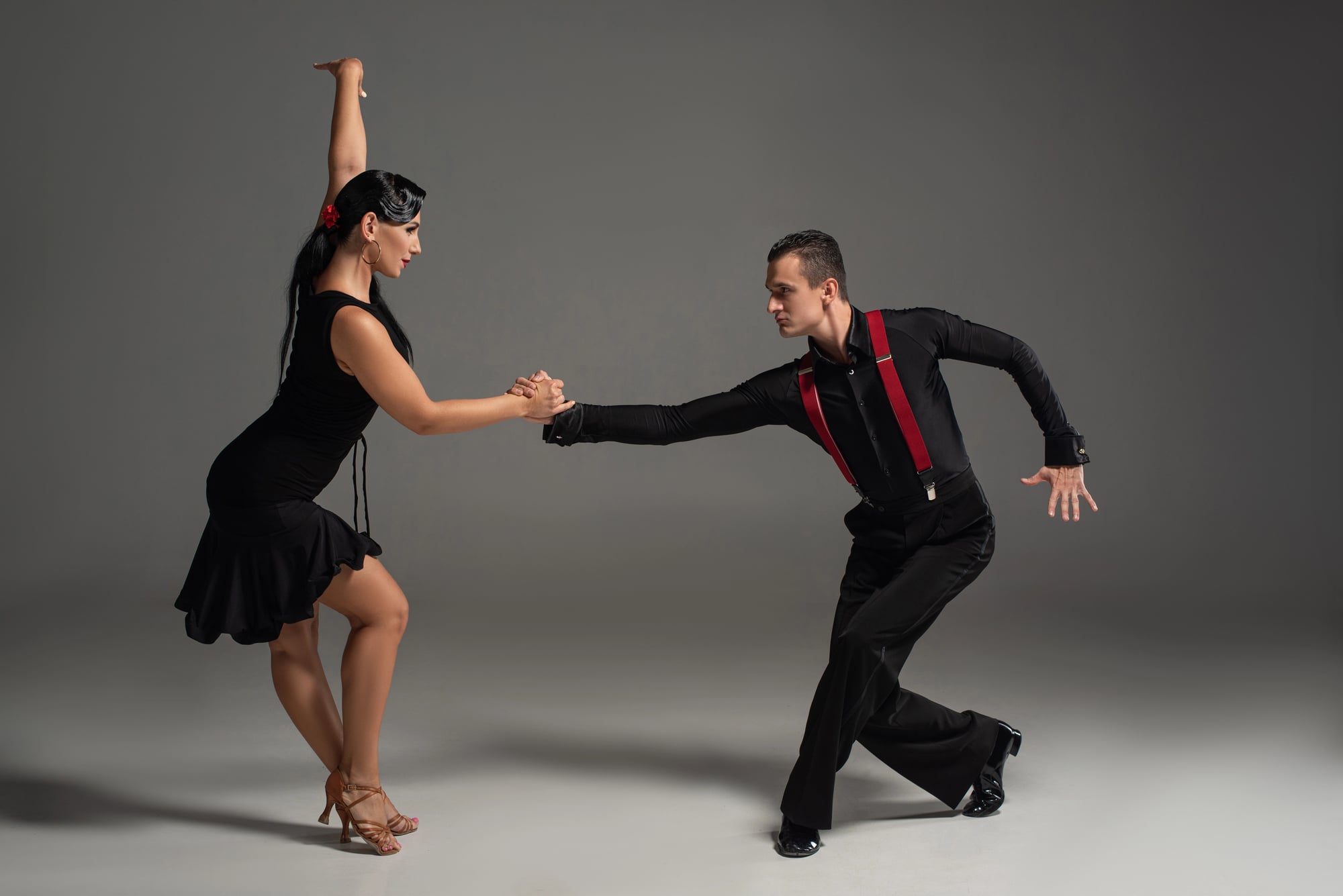
Buenos Aires gave birth to the tango in the late 1800s, in the working-class neighborhoods where European immigrants mixed with locals. The dance emerged from brothels and bars, and polite society wanted nothing to do with it.
When the tango reached Europe around 1910, the reaction was swift. The Vatican condemned it.
Kaiser Wilhelm II banned his officers from dancing in uniform. Dance instructors created “respectable” versions with less hip movement and more distance between partners.
Paris eventually embraced the tango, which helped it spread worldwide. But that embrace came only after the dance was sanitized, tamed, made acceptable for people who would never set foot in the neighborhoods where it was born.
Jazz Dancing: Racial Panic
The 1920s brought jazz music and new ways of moving. The Charleston, with its wild kicks and swiveling knees, became the symbol of the era.
But authorities in many American cities saw these dances as threats to moral order. Dance halls faced strict regulations.
Some cities banned jazz dancing entirely in public venues. Authorities framed the bans as concerns about public safety or decency, but race played a central role.
Jazz came from Black communities, and white authorities feared the cultural mixing that happened on dance floors. The enforcement was selective and often racist.
White flappers might receive warnings while Black dancers faced arrests. The laws revealed deep anxieties about changing social hierarchies and young people—especially young women—claiming freedom through movement.
The Twist: Provocative Hips
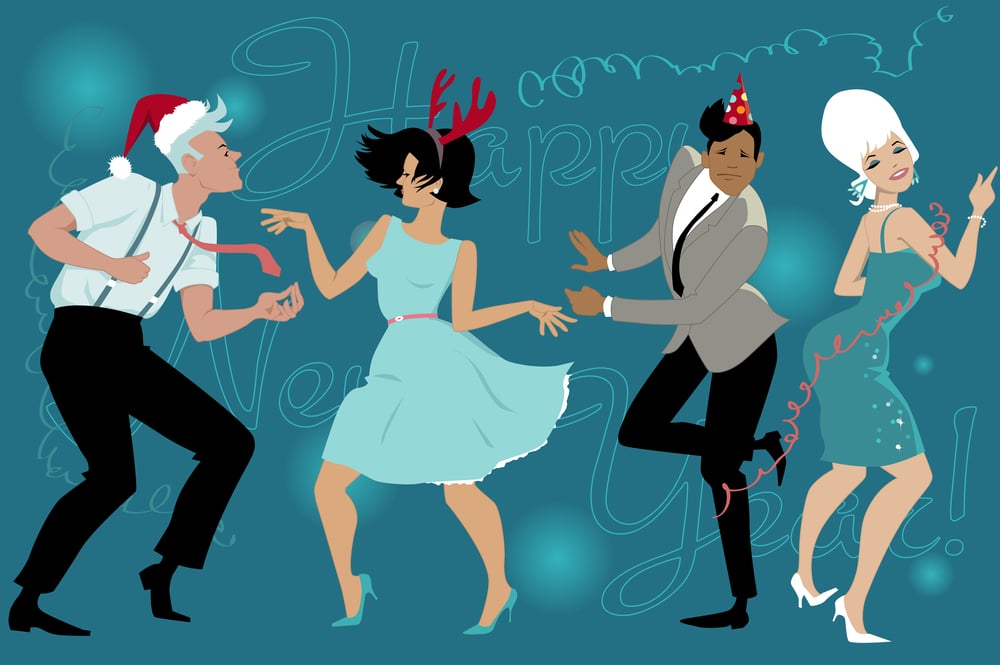
Chubby Checker’s “The Twist” became a phenomenon in 1960, hitting number one twice on the Billboard Hot 100. The dance that went with it seemed simple enough.
No partner required. Just twist your hips back and forth while bending your knees.
But those hip movements worried people. Religious leaders called it vulgar.
Some communities banned it from school dances. South Africa’s apartheid government prohibited it, along with other rock and roll dances.
The Tampa area saw attempts to ban the twist from various venues. The objections focused on the gyrating hips and the lack of physical contact between partners.
Dancing alone seemed almost more threatening than dancing together—individuals expressing themselves without the structure of traditional partner dances.
Rock and Roll: Rebellion in Motion
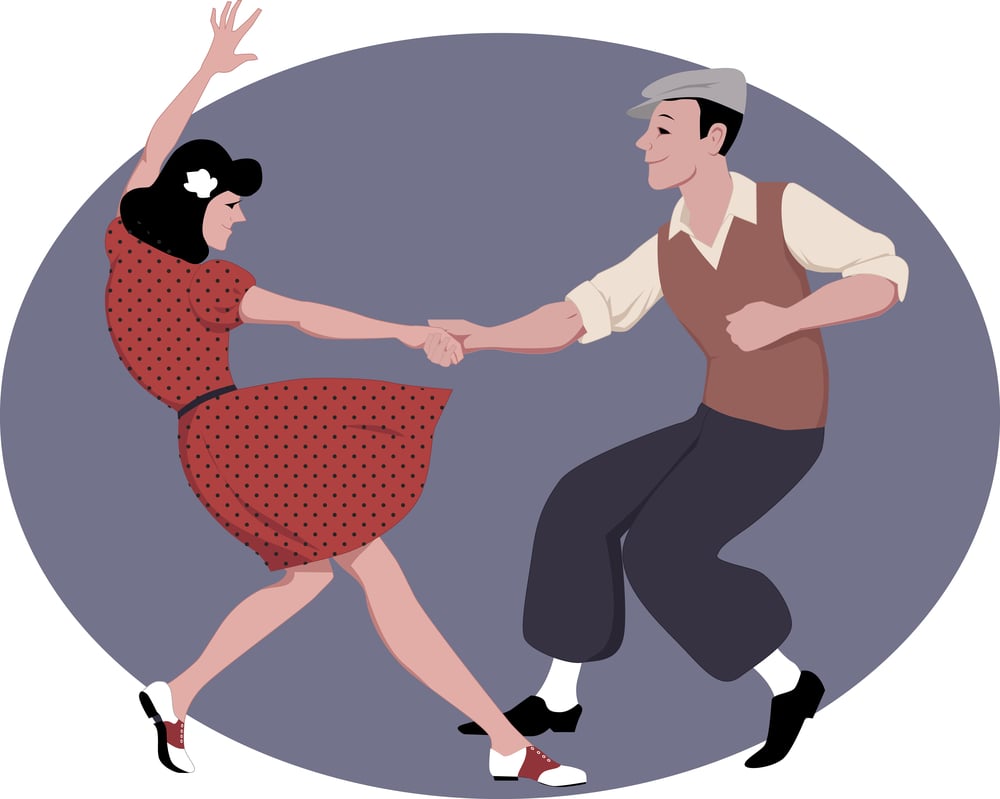
Elvis Presley’s hip movements caused such controversy that when he appeared on television, cameras sometimes avoided showing him from the waist down. Communities across America banned rock and roll dances from school gymnasiums and community centers.
The concerns went beyond the dancing itself. Rock and roll represented youth culture breaking away from parental control.
The music came from Black traditions, and the dancing reflected that heritage. White teenagers adopting these moves threatened the racial boundaries authorities wanted to maintain.
Entire genres of music faced bans because of the dancing they inspired. The fear wasn’t just about movement—it was about what that movement represented.
Breakdancing: Street Culture Goes Public

When breakdancing emerged from New York City streets in the 1970s, it quickly spread through urban areas. The athletic, acrobatic moves—spinning on backs, freezing in impossible positions, battling through dance—captivated young people.
But cities passed laws restricting or banning breakdancing in public spaces. New York City itself cracked down on dancers in subway stations and public plazas.
The justification varied: blocking pedestrian traffic, creating safety hazards, encouraging loitering. The real issue was often about controlling public space and limiting where young people, especially young people of color, could gather and express themselves.
Breakdancing crews claimed corners and plazas, transforming urban spaces into stages. That kind of spontaneous public performance made authorities uncomfortable.
Lambada: The Forbidden Dance
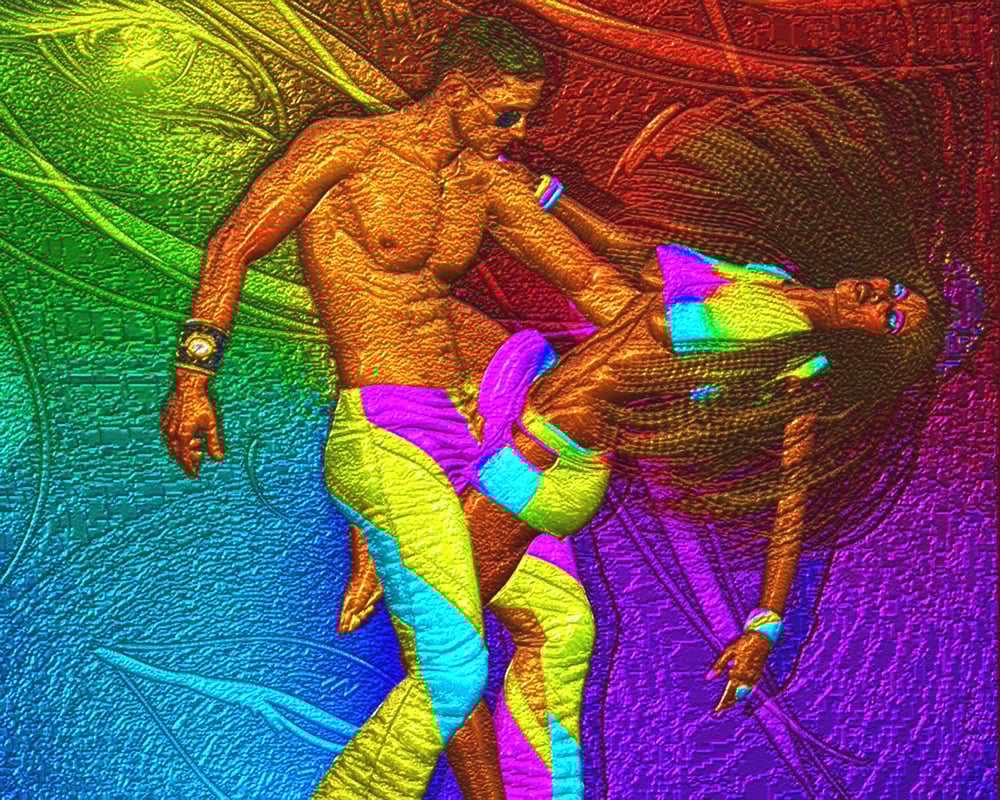
Brazil’s lambada exploded onto the international scene in 1989, marketed quite literally as “the forbidden dance.” The close hold, the grinding hip movements, the legs intertwined—it combined elements that had scandalized people about earlier dances.
Several countries restricted or banned it. Indonesian authorities prohibited public performances.
Some American communities banned it from school dances. The marketing as forbidden probably helped its popularity more than hurt it, but the bans were real enough.
The lambada craze faded quickly, but it showed how easily a dance could become controversial when it involved close physical contact and movements that evoked something beyond pure entertainment.
Voguing: Underground Ballroom Culture

Voguing developed in Harlem’s underground ballroom scene during the 1980s, created by Black and Latino LGBTQ+ communities. The stylized poses mimicked fashion models and drew from ancient Egyptian art.
Dancers competed in elaborate competitions, walking categories and striking poses that told stories. Mainstream culture discovered voguing when Madonna’s song brought it to MTV in 1990.
But the actual ballroom scene had long operated in spaces hidden from authorities, partly by choice and partly by necessity. Police harassment, discriminatory enforcement of public assembly laws, and broader persecution of LGBTQ+ people meant these dance spaces existed on the margins.
The culture wasn’t banned in the formal sense, but it was pushed underground through broader oppression. The dances themselves were never the real target—the people dancing were.
Grinding: High School Dance Floor Battles
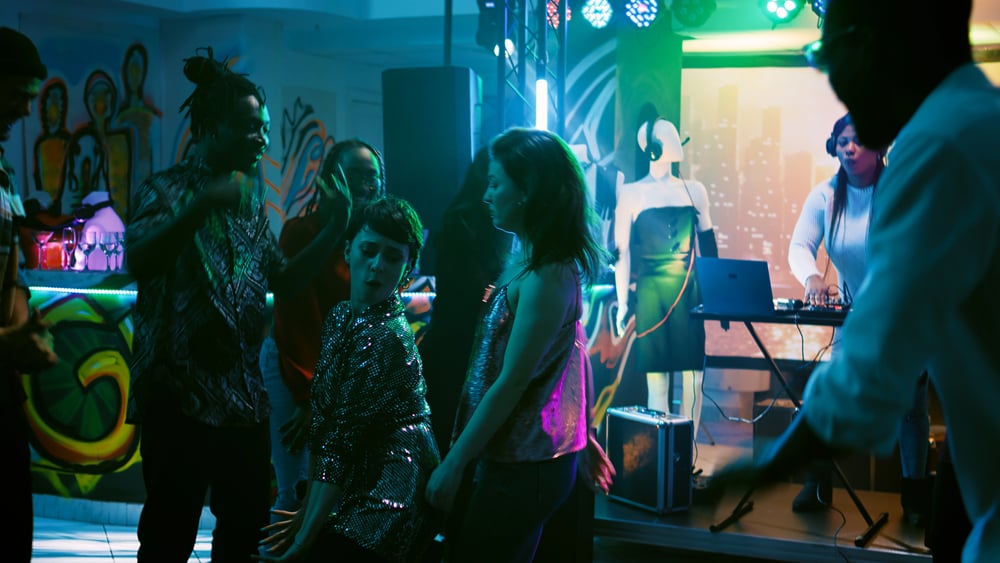
School administrators have waged an ongoing battle against grinding—the close, hip-to-hip dancing that became common at high school dances starting in the 1990s. Schools across America have banned it, instituted “space rules,” hired chaperones with flashlights to patrol dance floors, or canceled dances entirely.
The crackdowns continue today. Some schools require signed permission slips acknowledging grinding policies.
Others have moved to alternative events that don’t involve dancing. The enforcement often creates more drama than the dancing itself.
Students adapt. Every generation finds new ways to dance closely, and every generation of administrators responds with rules.
The specific moves change, but the tension between youthful expression and institutional control remains constant.
Can-Can: Lifting Skirts in Paris
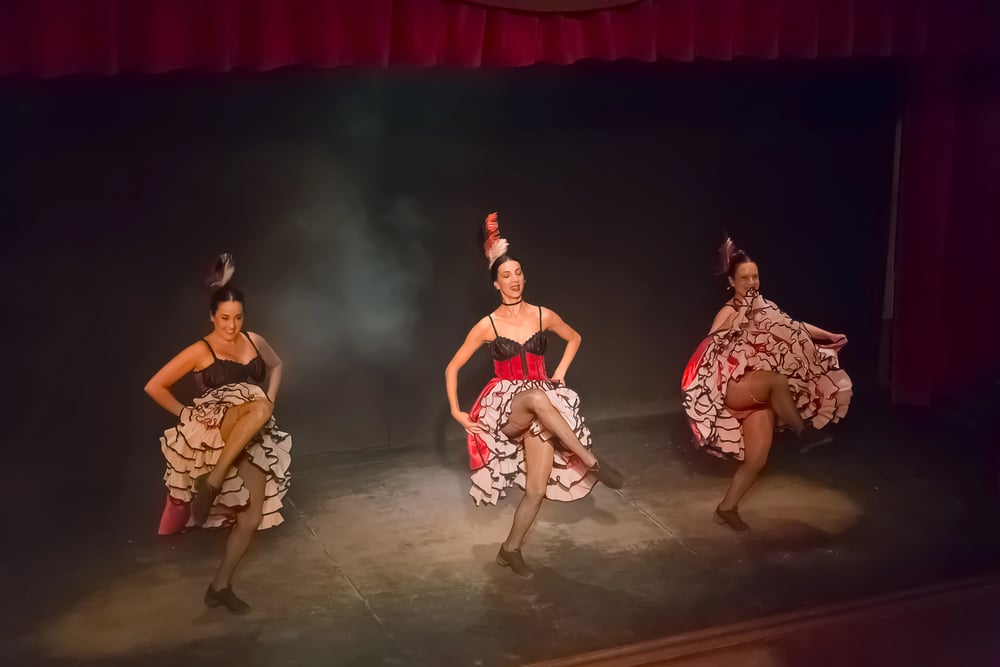
The can-can developed in Parisian music halls during the 1840s, featuring high kicks, splits, and the lifting of skirts to show petticoats and legs. Female dancers performed it with energy and abandon that shocked proper society.
Authorities tried to suppress it. Police arrested dancers for public indecency.
Respectable venues refused to host it. The dance was associated with working-class women and with the less refined entertainment districts.
But the can-can survived and eventually became a symbol of Parisian nightlife. The Moulin Rouge made it famous worldwide.
What once seemed outrageously scandalous became tourist entertainment. The context changed everything.
Limbo: Religious Objections

The limbo might seem like harmless party entertainment—bending backward to pass under a progressively lower bar. But it originated in Trinidad as part of funeral rituals, and that spiritual connection made some religious authorities uncomfortable.
Various religious communities objected to the limbo when it became popular at parties in the 1950s and 1960s. Some church groups discouraged members from participating, seeing it as appropriating sacred practices for entertainment.
Schools in certain communities banned it from dances and events. The objections weren’t about the physical movements themselves but about the disconnect between the dance’s origins and its use as party amusement.
The line between cultural appreciation and appropriation has always been complicated.
Cakewalk: Mockery and Meaning

Enslaved people in America created the cakewalk during the 1800s, originally as a subtle mockery of slave owners’ formal dances. Performers exaggerated the fancy steps and stiff postures of white ballroom dancing, turning it into satire.
After emancipation, the cakewalk became popular entertainment. White performers adopted it, often in blackface, completely missing or ignoring the original satirical intent.
Some states and venues banned it, particularly when performed by Black dancers, citing concerns about public order or morality. The dance’s history reveals layers of cultural theft and distortion.
What began as resistance through performance became commodified entertainment, then faced bans that targeted the very people who created it.
Folk Dances: National Identity Battles
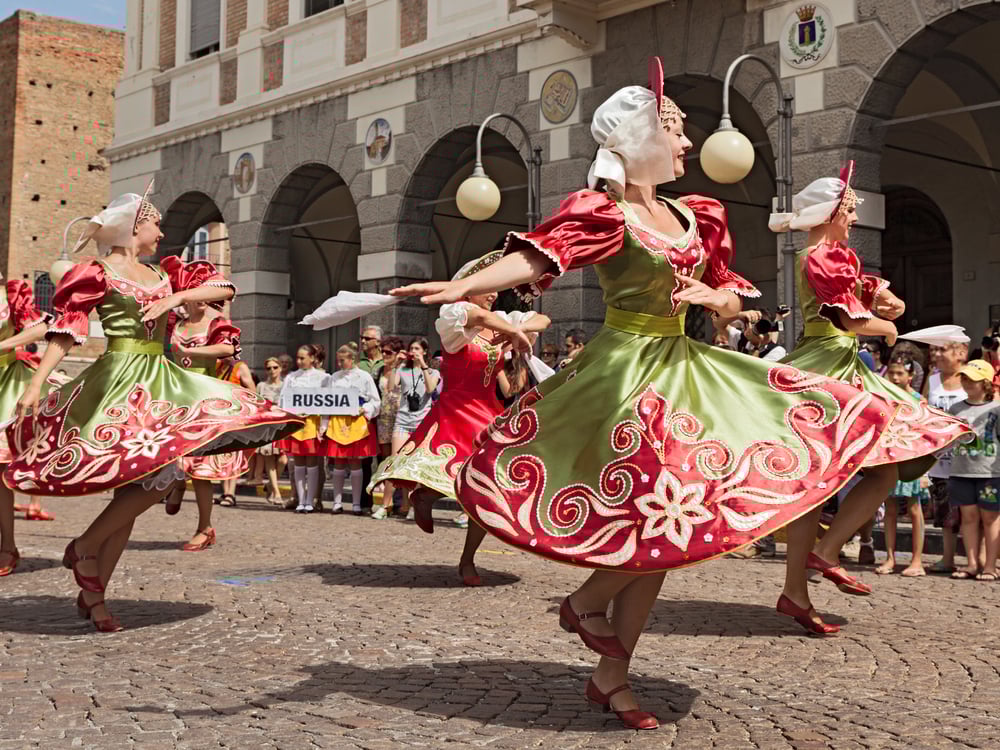
Authoritarian regimes throughout history have banned folk dances that represented ethnic or regional identities they wanted to suppress. The Soviet Union restricted or prohibited traditional dances of conquered nations.
Franco’s Spain suppressed Basque and Catalan dances. Various colonial powers banned indigenous dances in the territories they controlled.
These weren’t bans about morality or public decency. They were about erasing cultural identity.
Dancing traditional steps, wearing traditional clothing, gathering to celebrate traditional ways—all of these became acts of resistance. Some of these dances survived in secret, passed down through families who refused to let them disappear.
Others were lost entirely. The political power of dance has never been just about the movements themselves.
Polka: Too Enthusiastic
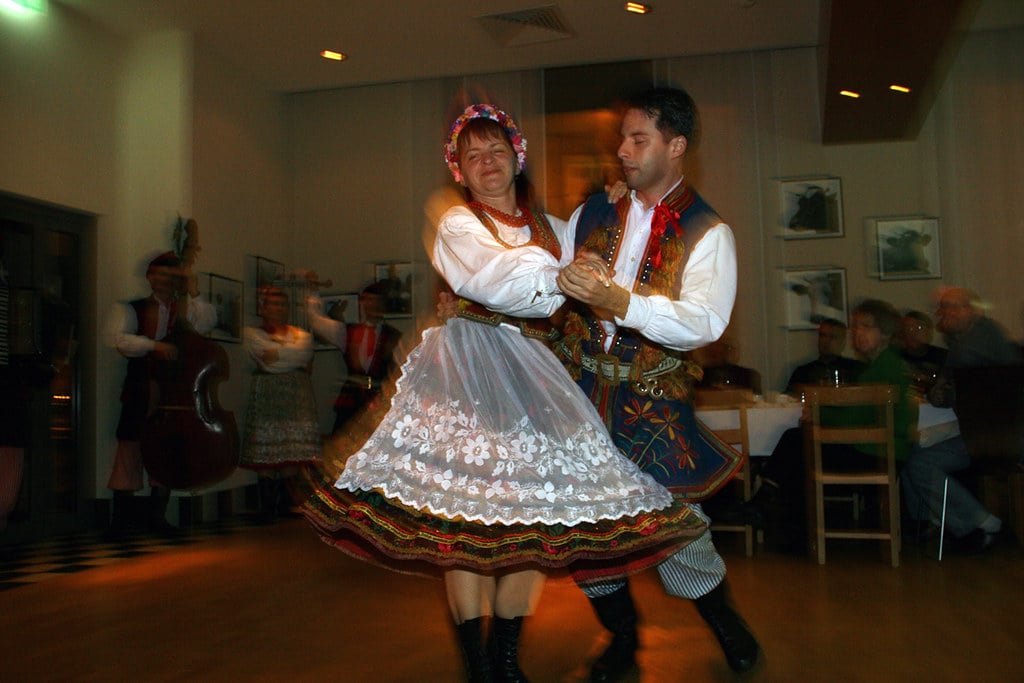
The polka swept through Europe in the 1840s with such enthusiasm that some communities pushed back. The energetic partner dance, full of hops and spins, seemed undignified to those who preferred more sedate entertainment.
Russian authorities tried to restrict it, seeing it as too Western and potentially subversive. Some churches objected to the exuberant movements.
English commentators worried it was too exhausting for proper ladies. The polka survived these objections and spread worldwide.
It became traditional in unexpected places, from the American Midwest to Slovenia. The very energy that made authorities nervous gave the dance its staying power.
When Movement Becomes Rebellion
Bans on dancing have rarely been about the physical movements themselves. They’ve been about control, about fear of change, about maintaining social hierarchies.
Dancing brings people together. It lets them express joy, anger, desire, and freedom.
When bodies move outside prescribed boundaries, those in power often see threats. The pattern repeats across centuries and continents.
A new dance emerges, usually from marginalized communities. It spreads because it resonates with something people need to express.
Authorities ban it, citing morality or public safety or cultural values. The dance either disappears or, more often, outlasts the ban and becomes accepted—sometimes even respectable.
Every banned dance was, for a moment, dangerous. Not because the steps themselves could harm anyone, but because moving freely, claiming space, expressing yourself through rhythm—these acts have always been radical.
They still are.
More from Go2Tutors!

- The Romanov Crown Jewels and Their Tragic Fate
- 13 Historical Mysteries That Science Still Can’t Solve
- Famous Hoaxes That Fooled the World for Years
- 15 Child Stars with Tragic Adult Lives
- 16 Famous Jewelry Pieces in History
Like Go2Tutors’s content? Follow us on MSN.



