Fascinating Facts About Popular Holiday Traditions
Few things have the power to unite people like holidays. Traditions produce moments that everyone looks forward to, from sharing special meals to decorating trees.
Some have a long history, while others are more recent but equally significant. The tales that lie behind these traditions frequently astonish and delight.
Let’s examine some well-known holiday customs and discover what makes them unique.
Christmas trees were once banned

It’s hard to imagine Christmas without a tree, but in 17th-century England, Christmas trees were actually banned. People thought they were tied to old, non-Christian beliefs.
The tradition came back later, thanks to Queen Victoria’s husband who loved them from his German home. Now, decorating a tree is one of the best parts of the holiday.
Santa Claus has many names

Santa goes by many names around the world. Sometimes he’s Father Christmas, other times Saint Nicholas or Kris Kringle. Each name has its own story, but the idea is the same: a kind, gift-giving figure spreading joy.
That’s something nearly every culture can agree on.
Like Go2Tutors’s content? Follow us on MSN.
The Yule log was a real, burning log
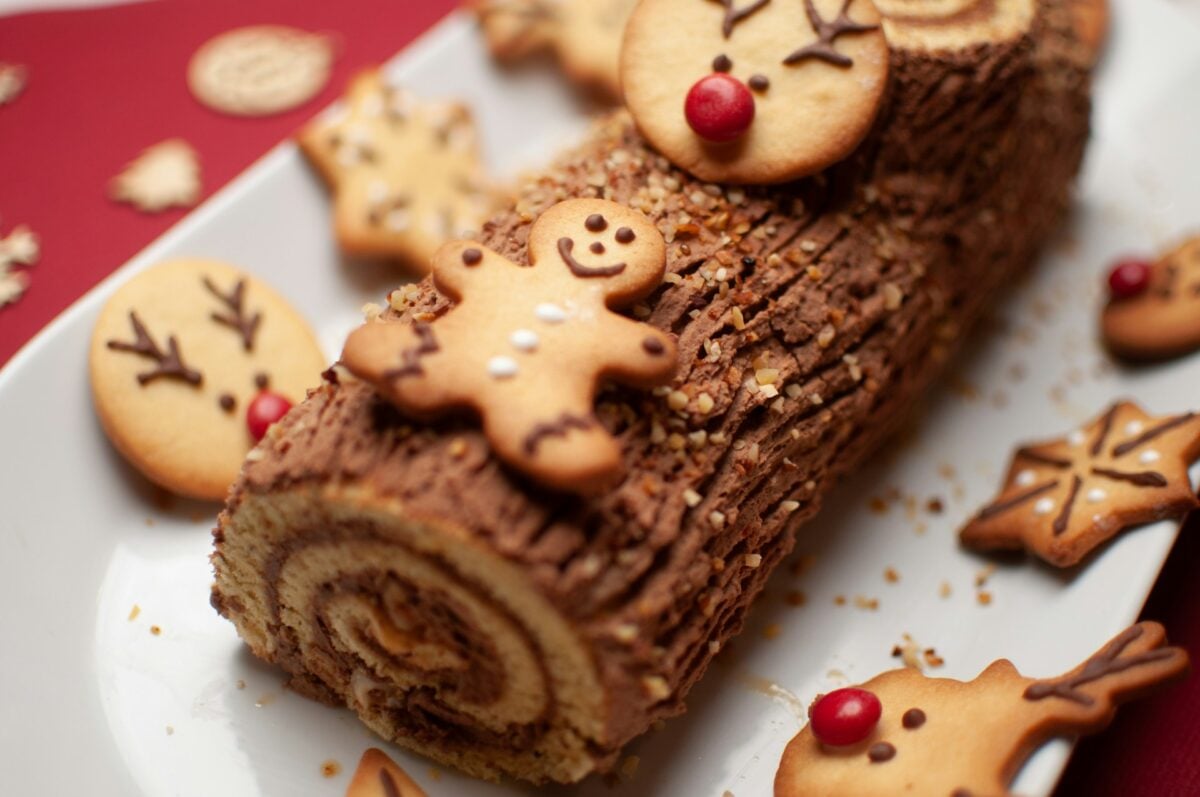
Before Christmas lights, families would burn a big log called the Yule log during the holidays. It was supposed to bring warmth and good luck all season long.
Nowadays, the Yule log is often a cake, but the idea of the log still connects us to the past.
Mistletoe had a different meaning
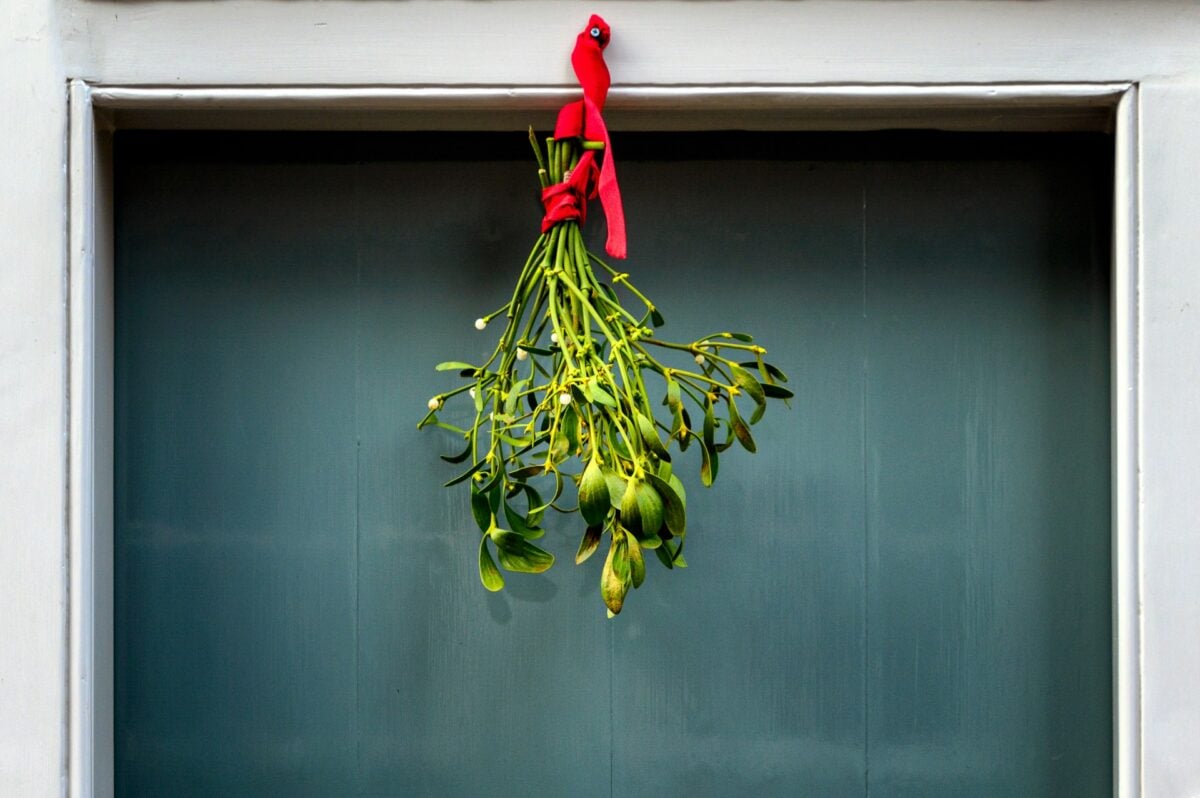
People love kissing under the mistletoe, but it wasn’t always about romance. Long ago, mistletoe was thought to have healing powers and to protect homes from harm.
The kissing tradition came much later, turning it into a symbol of love and friendship.
Hanukkah candles are lit in a special order
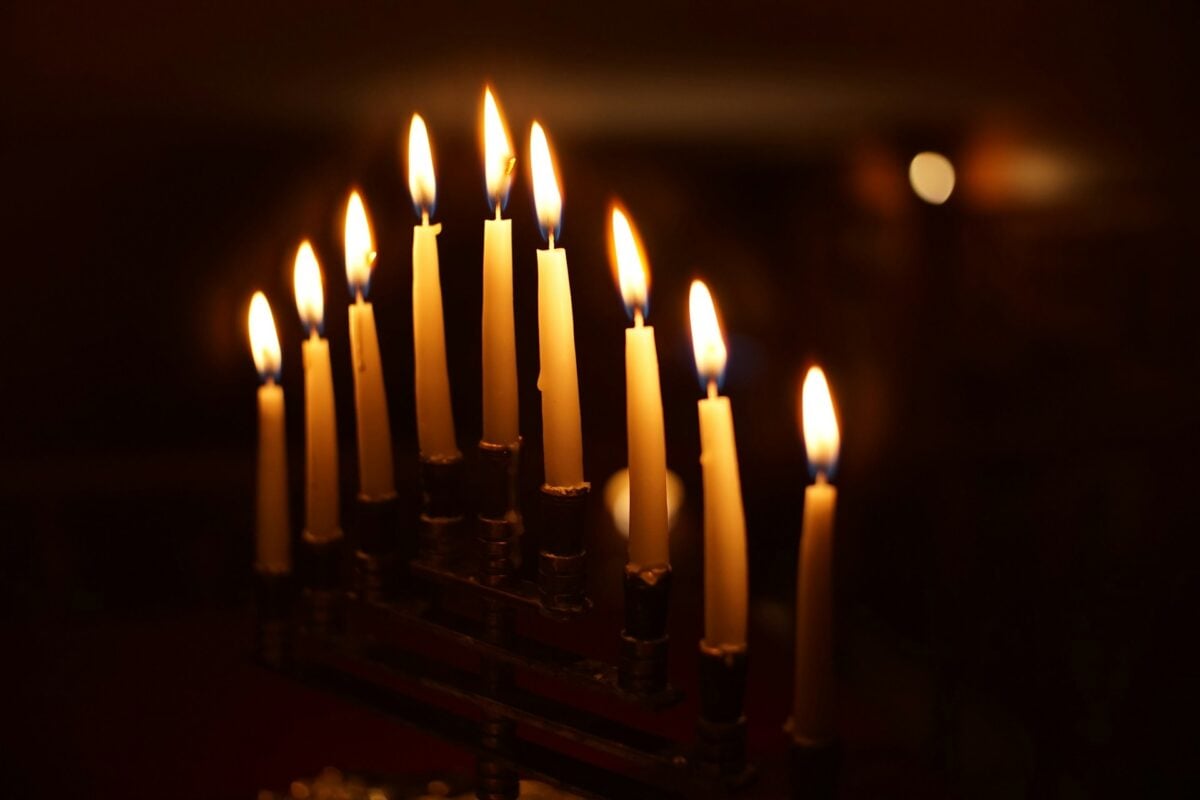
Lighting the menorah during Hanukkah is more than just putting candles on a holder. Each night, one more candle is lit until all eight shine bright.
The ninth candle, called the shamash, lights the others. This tradition remembers a miracle when a small amount of oil lasted eight days.
Like Go2Tutors’s content? Follow us on MSN.
Kwanzaa honors African heritage

Kwanzaa started in the 1960s as a way to celebrate African culture and family. It lasts seven days, each focusing on a different value like unity and creativity.
Families light candles and share special meals, connecting with their roots in a joyful way.
Christmas stockings have a sweet origin

Hanging stockings comes from an old story about a man who secretly gave gold coins to three poor sisters. The coins landed in their stockings by the fireplace.
That’s how the idea of hanging stockings for gifts began. Now, it’s a beloved tradition for many families.
The star on top of the tree has a story

The star at the top of the Christmas tree stands for the Star of Bethlehem. It’s the one said to have guided wise men to baby Jesus.
Putting the star on the tree is a gentle reminder of that story and adds a special touch to the decorations.
Like Go2Tutors’s content? Follow us on MSN.
Candy canes weren’t always colorful

Candy canes started as plain white sugar sticks. Later, the red stripes and peppermint flavor were added to make them more festive.
The shape is said to look like a shepherd’s staff, quietly tying back to Christmas stories.
Christmas cards began as a time saver
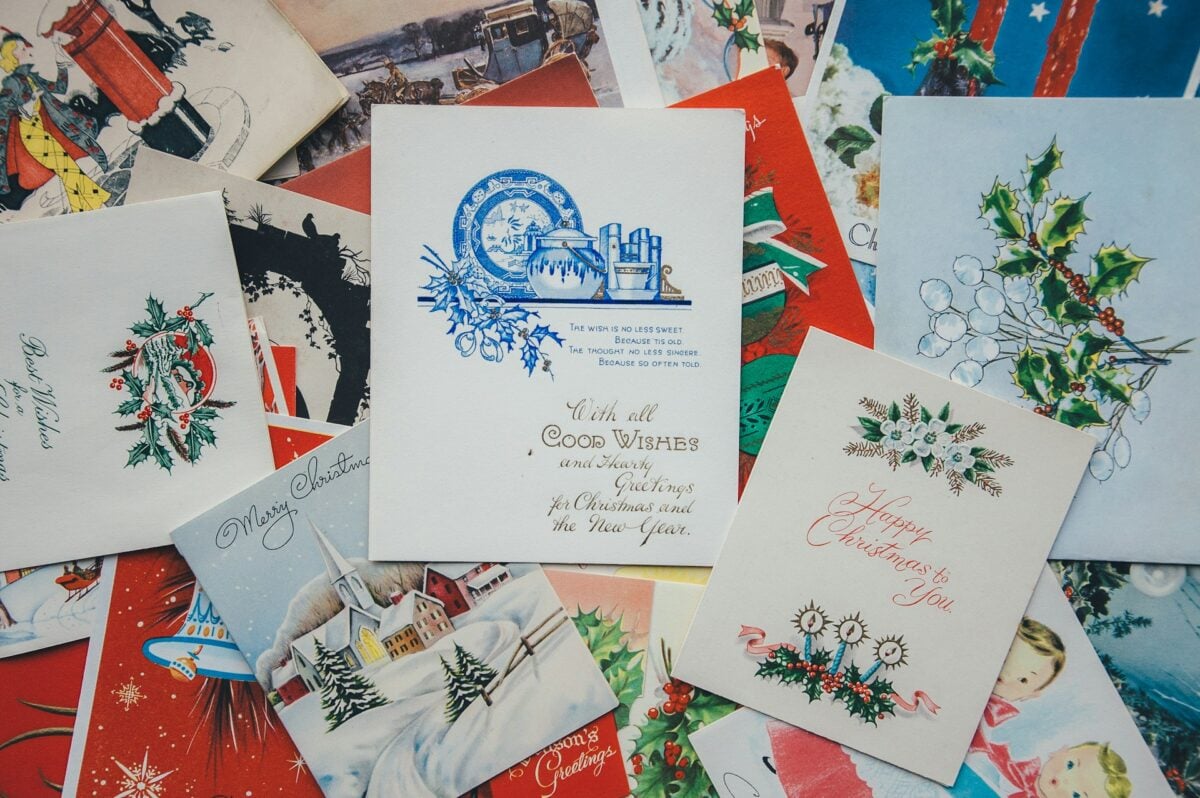
Sending holiday cards is common now, but it started in the 1840s to save time and money. The first card showed a family raising a toast with a simple greeting.
It caught on fast and became part of holiday celebrations everywhere.
New Year’s Eve has unique lucky traditions

Different places have special ways to welcome the new year. In Spain, people eat twelve grapes at midnight—one for each month ahead. In Japan, bells ring 108 times to clear away bad luck.
These customs show how much everyone hopes for a fresh start.
Like Go2Tutors’s content? Follow us on MSN.
Gift-giving has many roots

Giving presents at the holidays links back to many stories, including the three wise men bringing gifts to Jesus. Over time, it became a way to show love and care no matter what people believe.
Gift-giving is now a big part of celebrations all over the world.
The poinsettia has a colorful history

That bright red and green plant is a holiday favorite. It’s named after Joel Poinsett, who brought it to the U.S. from Mexico in the 1820s.
The poinsettia’s shape is said to look like the Star of Bethlehem, and its colors stand for hope and joy.
Holiday lights started as candles
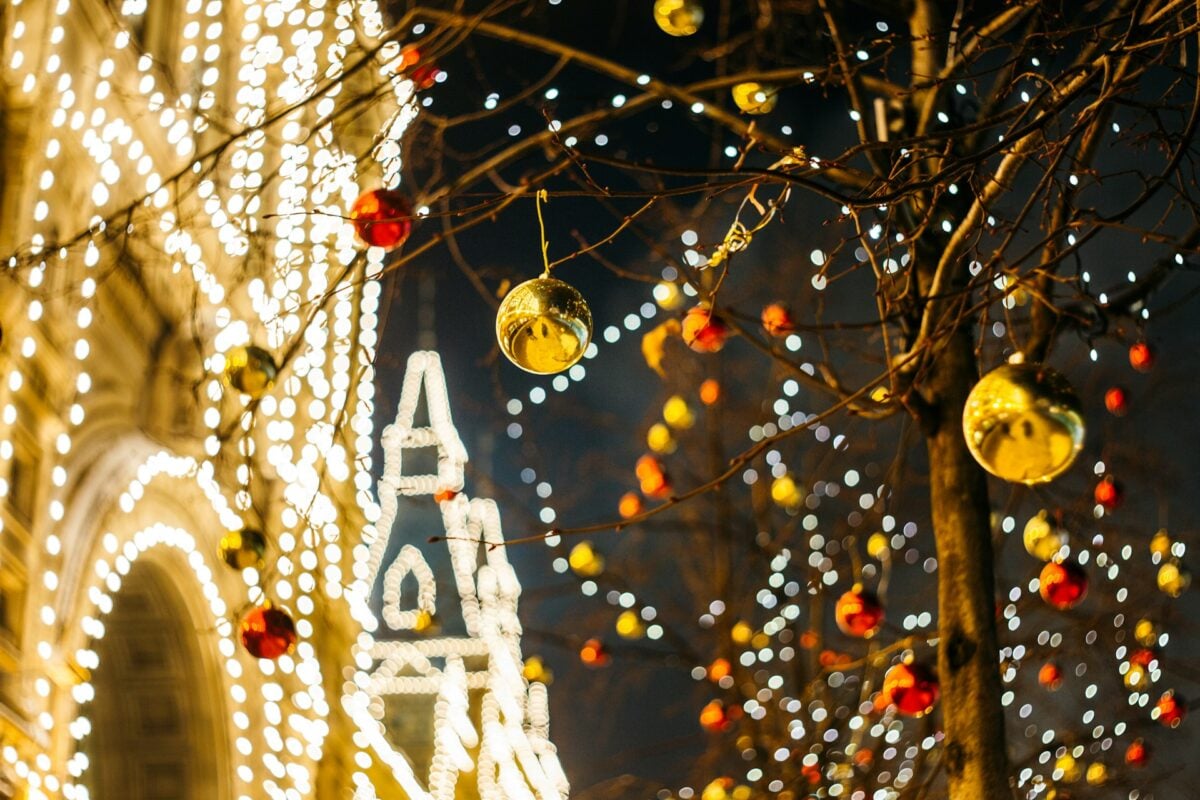
Before electric lights, people decorated trees and homes with candles. It was beautiful but risky. Electric lights appeared in the early 1900s, making decorating safer and easier.
Now, twinkling lights are a must-have for holiday cheer.
Like Go2Tutors’s content? Follow us on MSN.
Holiday meals bring people together
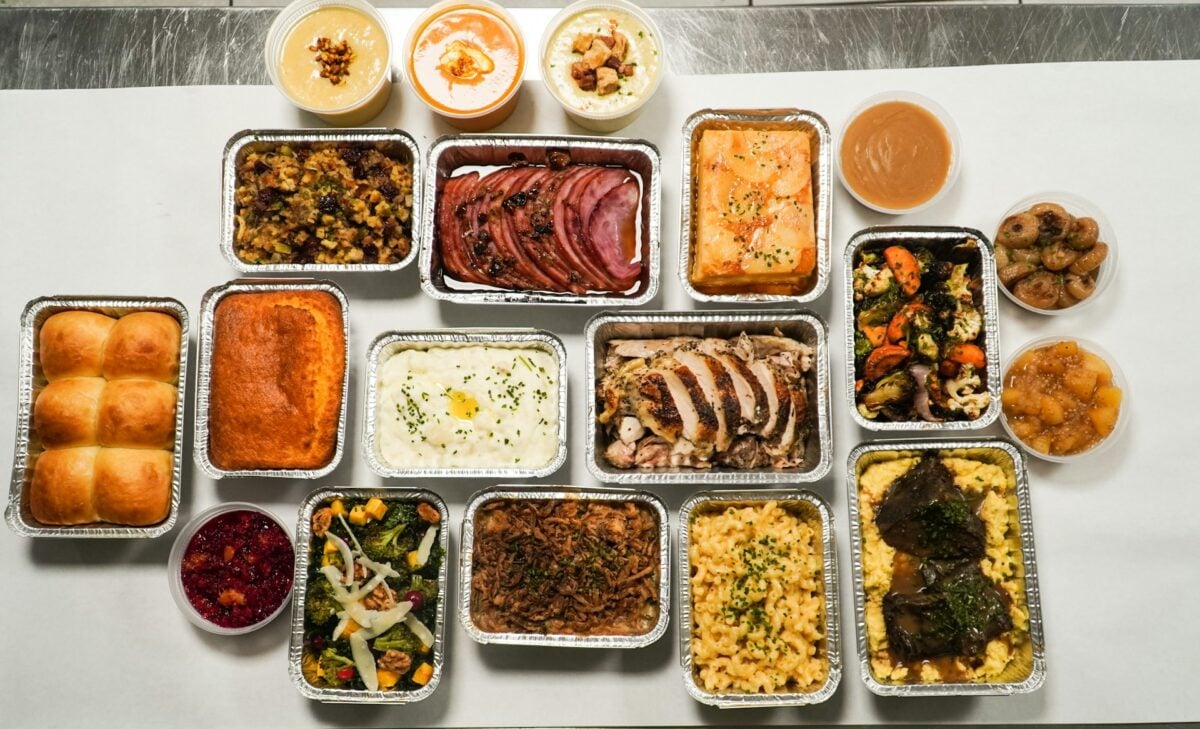
Sharing special foods is a huge part of holiday traditions. The dishes might be different—roast turkey, latkes, or soul food—but the goal is the same.
Food brings families closer, makes memories, and celebrates culture.
The Twelve Days of Christmas means more than the song
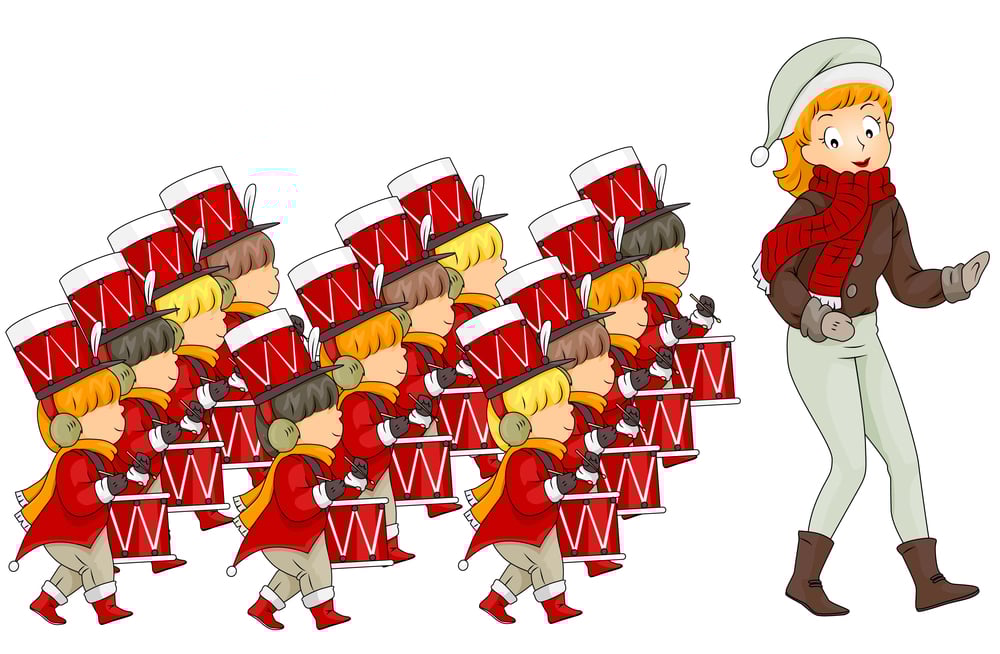
The famous song counts gifts over twelve days, but its meaning runs deeper. Some believe the gifts are symbols with hidden messages.
Others say it was just a fun way to mark the time between Christmas and Epiphany. Either way, it’s part of holiday fun.
Caroling started as a way to get treats

Singing door to door was once a way to spread good cheer and get some treats. People gave food or coins as thanks.
Today, caroling is a way to bring neighbors together and share holiday spirit.
Like Go2Tutors’s content? Follow us on MSN.
Traditions grow and change
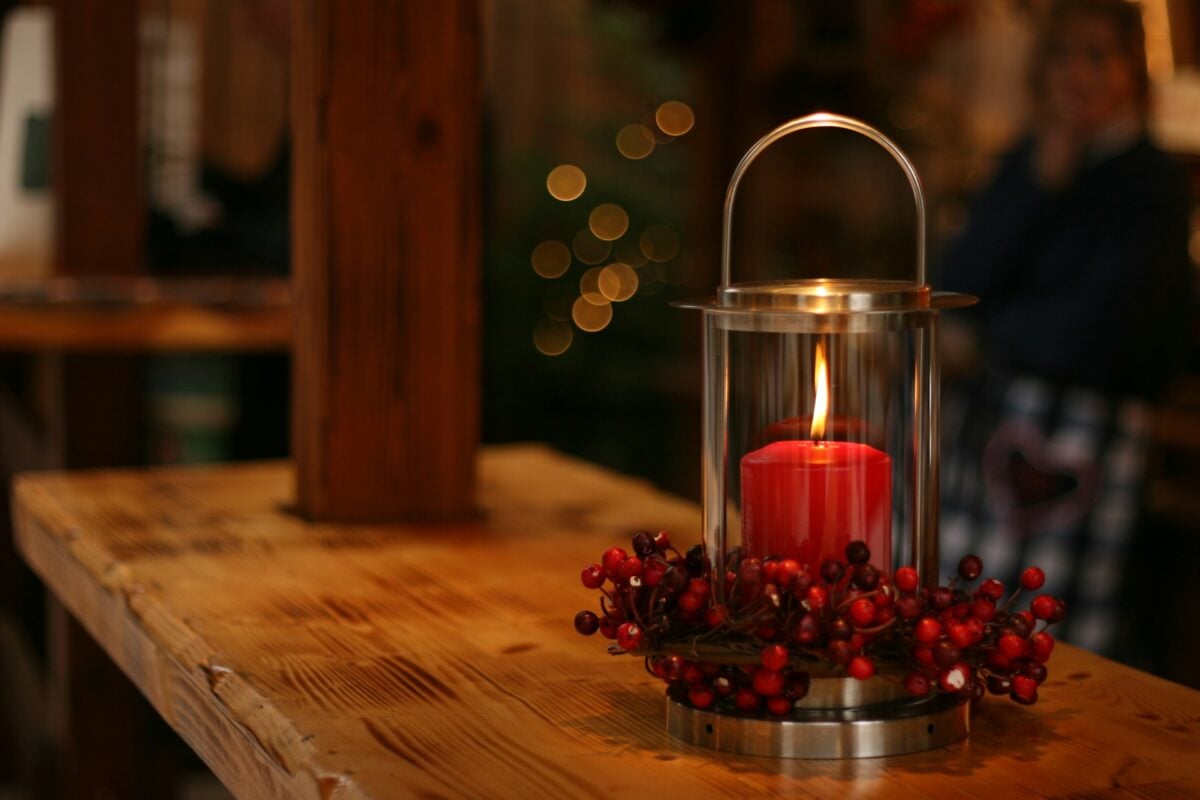
Even the oldest traditions change as people grow and new ideas come along. Old customs mix with new ones, creating fresh ways to celebrate.
This keeps the holidays alive and meaningful for everyone.
The heart of the holidays stays the same

Fundamentally, holiday customs help us stay connected to the past and to one another. They serve as a reminder to everyone of the importance of kindness, family, and hope.
Those emotions never go away, no matter how much changes.
More from Go2Tutors!

- 16 Historical Figures Who Were Nothing Like You Think
- 12 Things Sold in the 80s That Are Now Illegal
- 15 VHS Tapes That Could Be Worth Thousands
- 17 Historical “What Ifs” That Would Have Changed Everything
- 18 TV Shows That Vanished Without a Finale
Like Go2Tutors’s content? Follow us on MSN.