Dangerous Nations Where Women’s Rights Are Most at Risk
Women’s rights remain under siege across the globe, with certain countries standing out for their particularly harsh restrictions and dangerous conditions. The progress made in many parts of the world feels fragile when contrasted against nations where basic freedoms remain out of reach for half the population.
From legal systems that treat women as property to societies where stepping outside without permission can mean imprisonment or worse, these countries represent the most challenging environments for women today. Understanding where women face the greatest dangers isn’t just an academic exercise.
It’s a sobering reminder of how quickly rights can be stripped away and how much work remains to be done. The stories emerging from these nations reveal not just systemic oppression, but individual acts of courage that often go unnoticed by the outside world.
Afghanistan
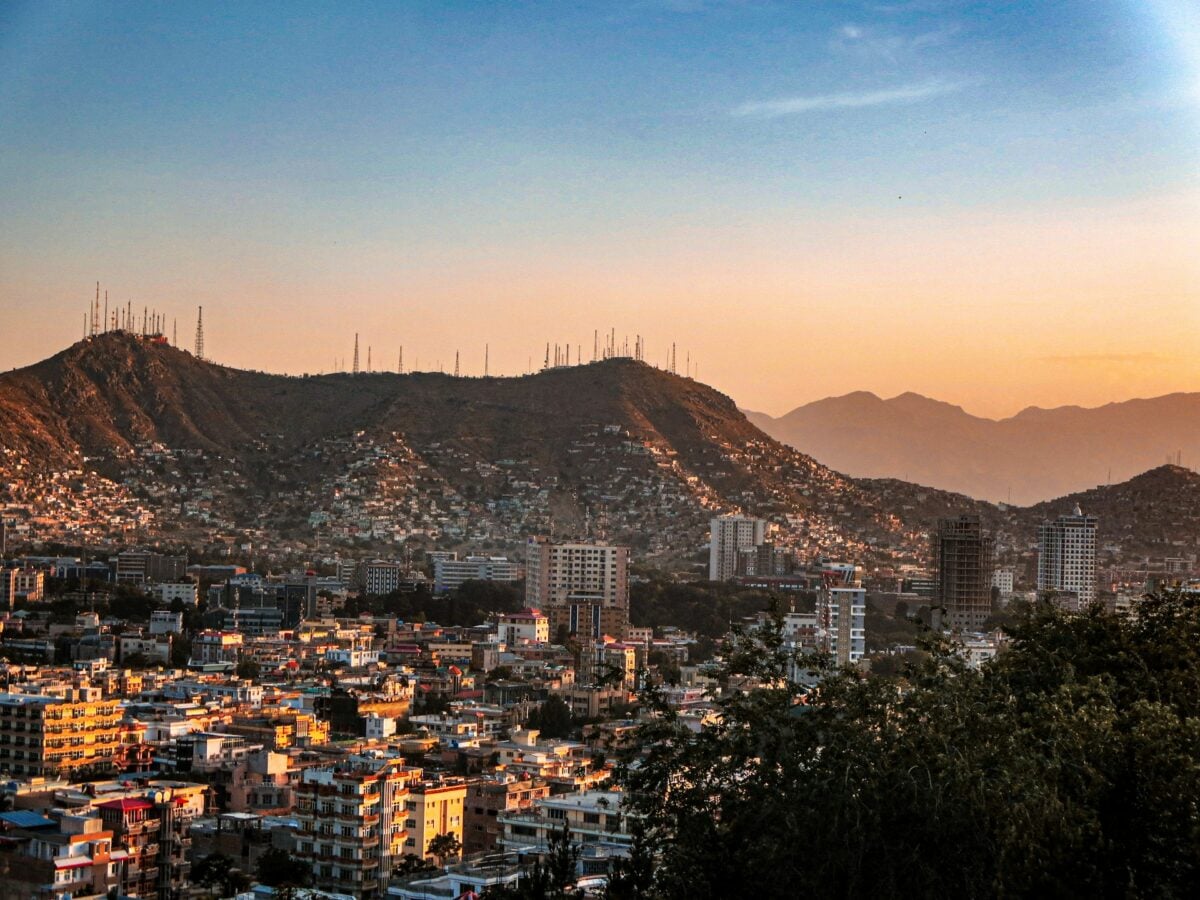
The Taliban’s return to power in 2021 erased two decades of progress overnight. Women can’t work, can’t go to school past sixth grade, can’t travel without a male guardian.
Public parks are off-limits. So are universities.
This isn’t gradual erosion of rights — it’s complete elimination. Afghanistan now represents the most restrictive environment for women anywhere on earth, and the situation continues to worsen with each new decree.
Iran
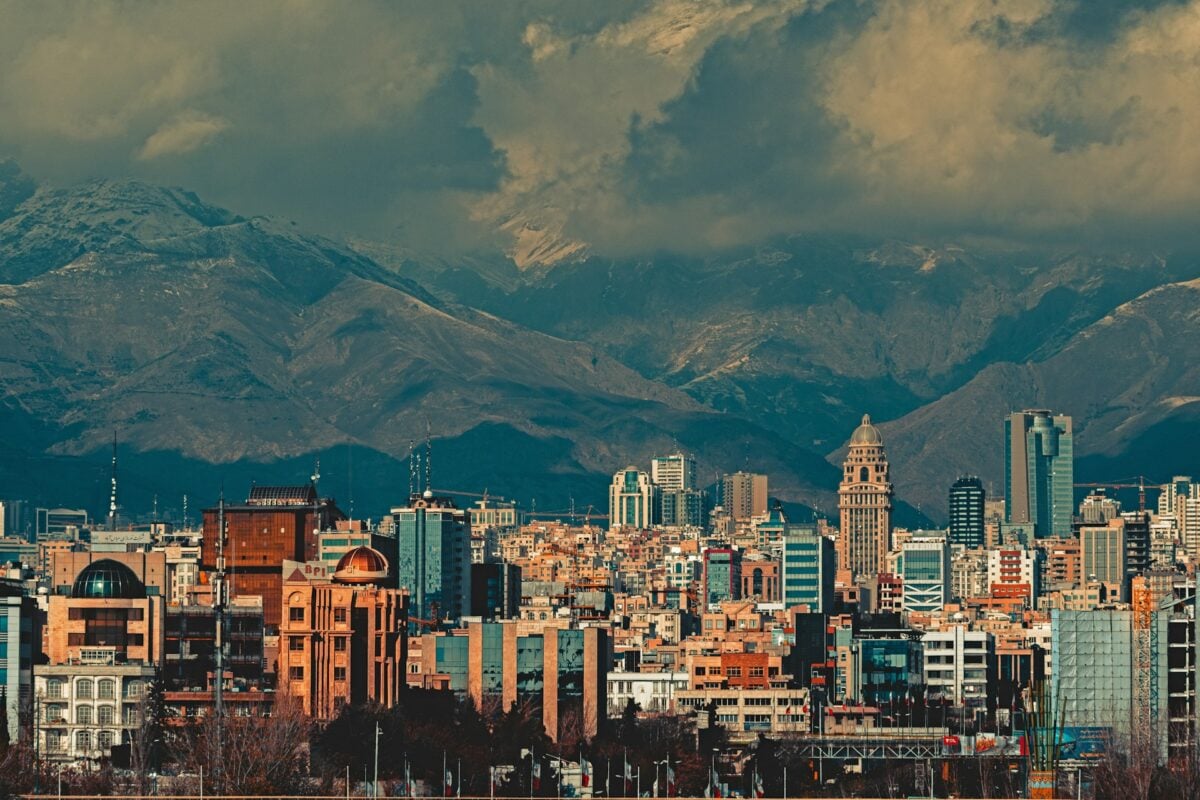
The morality police don’t just suggest compliance with dress codes (they weren’t exactly known for gentle recommendations before recent protests, and the crackdown since Mahsa Amini’s death has been brutal beyond measure). Women who remove their hijabs face imprisonment, and those who protest face something far worse.
The government’s response to the “Woman, Life, Freedom” movement revealed just how far authorities will go to maintain control, and yet — this is perhaps the most remarkable part — the resistance continues, even when the cost of defiance can be measured in years of imprisonment or worse. So the risk isn’t theoretical here: it’s immediate, it’s personal, and it’s escalating.
And yet thousands of women continue to find ways to resist, which tells you something about both the oppression and the strength required to face it.
Saudi Arabia
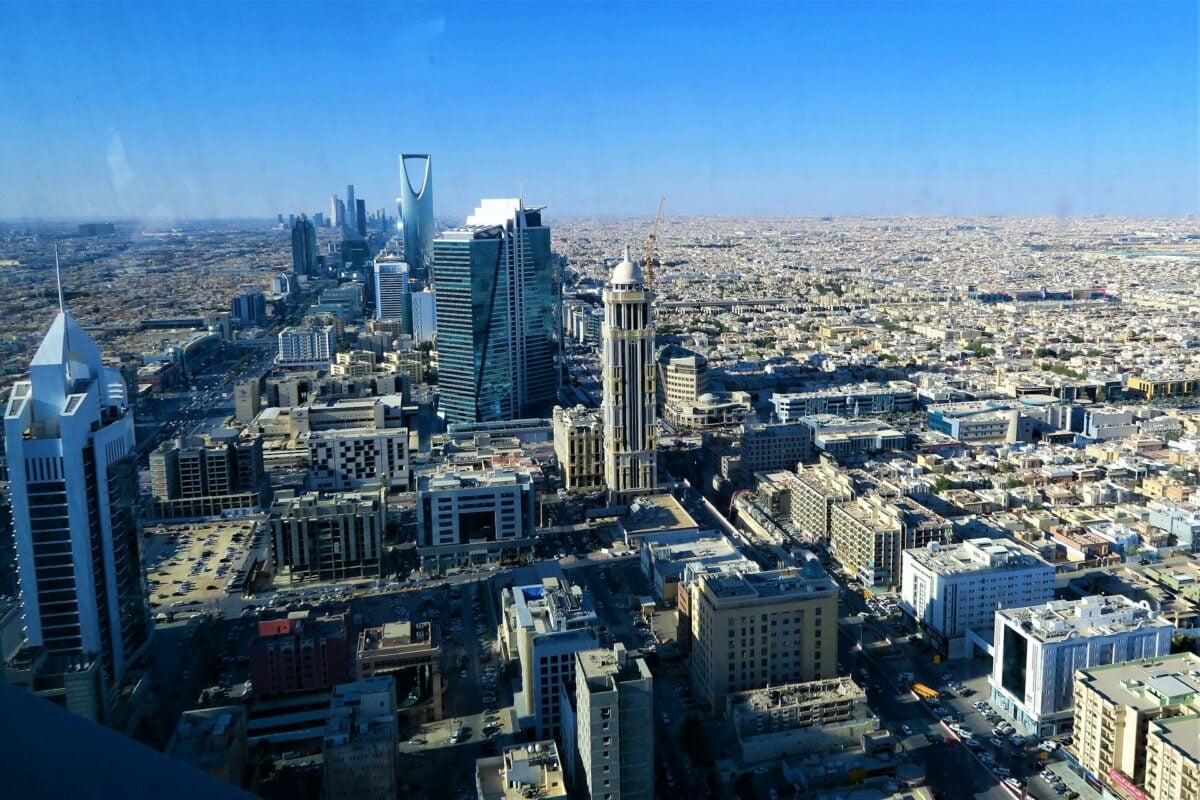
The kingdom operates like a carefully maintained illusion of progress. Women can drive now — that’s the headline everyone remembers.
But the male guardianship system still controls most decisions that matter. Travel requires permission. Medical procedures require approval.
The reforms that make international news often mask the restrictions that remain in place. For all the talk of modernization, Saudi Arabia still treats women as legal minors throughout their entire lives.
Yemen
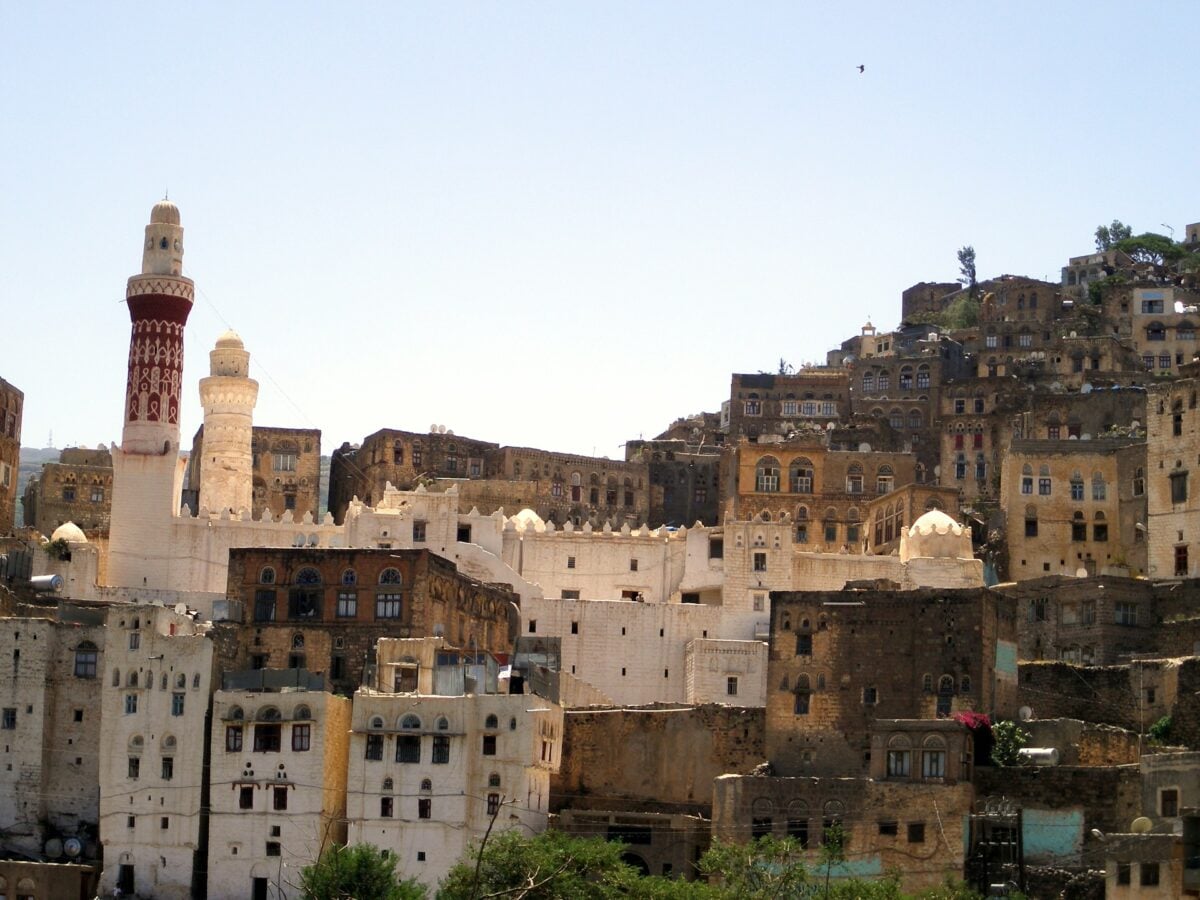
War has a way of making everything worse, and for Yemeni women, the conflict has created layers of danger that compound daily (the Houthis control large portions of the country and have implemented increasingly strict interpretations of Islamic law, while government-controlled areas struggle with basic security). Child marriage rates have spiked during the conflict — families marrying off daughters as young as eight or nine, seeing marriage as protection when protection doesn’t exist anywhere else.
But the war isn’t just background context here. It’s the engine driving much of the oppression, creating conditions where women become even more vulnerable to violence, forced marriage, and economic desperation that leaves few choices available.
North Korea
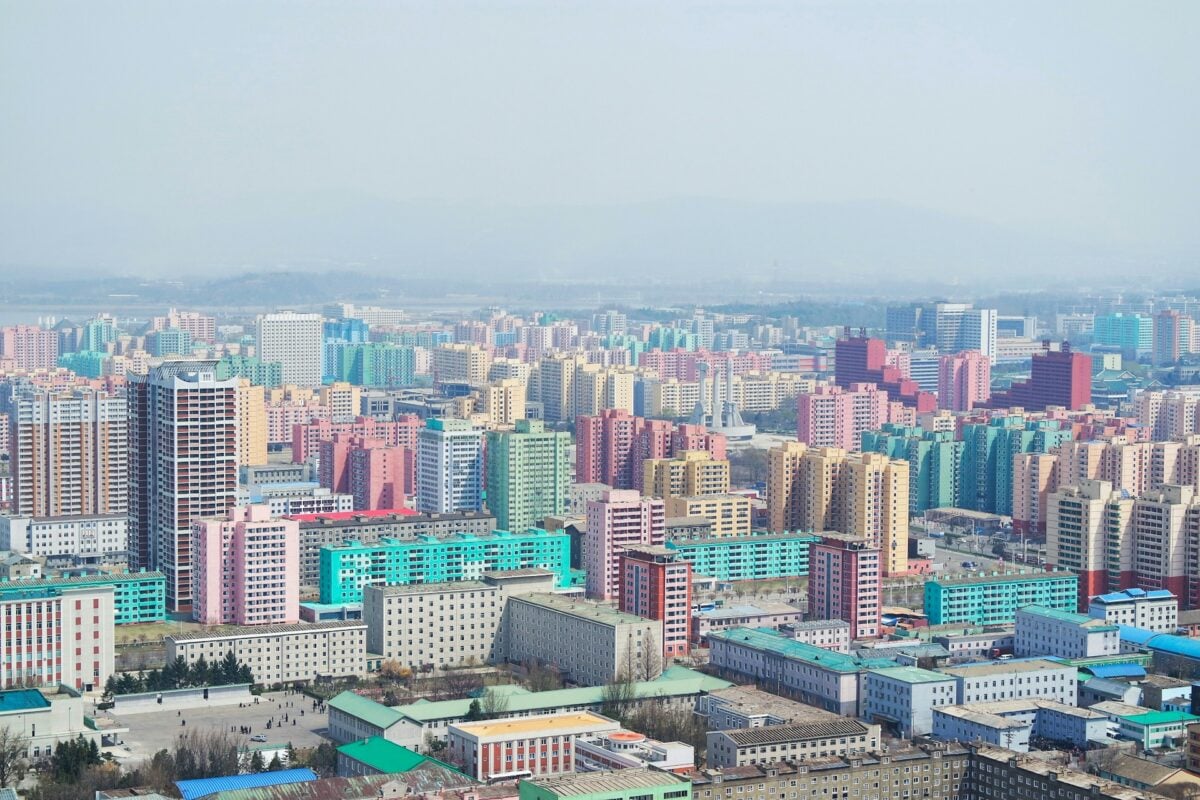
The surveillance state doesn’t make exceptions for gender, but women face additional layers of control that men don’t experience. Pregnancy monitoring by state officials.
Forced abortions for unauthorized pregnancies. Public executions for adultery.
The isolation of North Korea means stories reach the outside world only through defectors, and those stories consistently describe a system where women’s bodies are considered state property. Even basic healthcare decisions require government approval.
Pakistan
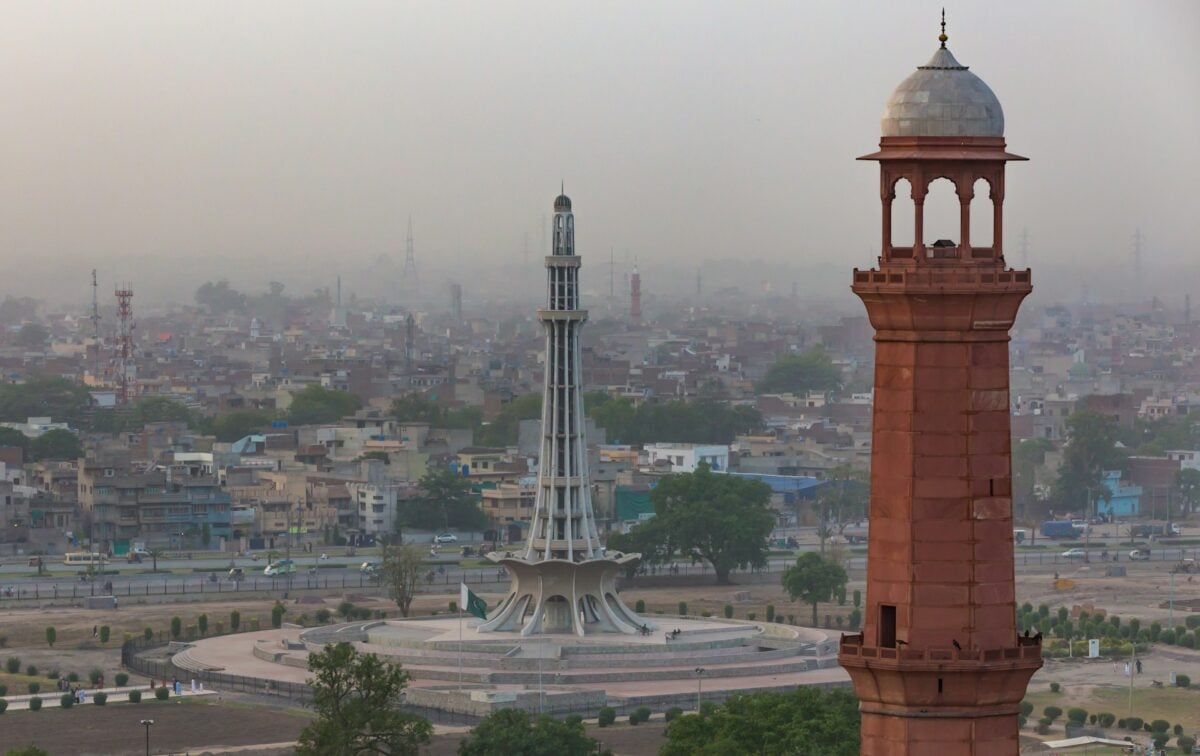
Honor killings happen often enough that they barely register as news anymore. The legal system provides little protection — tribal courts in rural areas operate outside federal law entirely.
Acid attacks remain common despite legislation meant to prevent them. The gap between Pakistan’s laws on paper and the reality women face daily reveals how little legislation matters when cultural practices remain unchanged.
Education rates for girls have improved in urban areas, but rural Pakistan often feels like a different country entirely.
Somalia
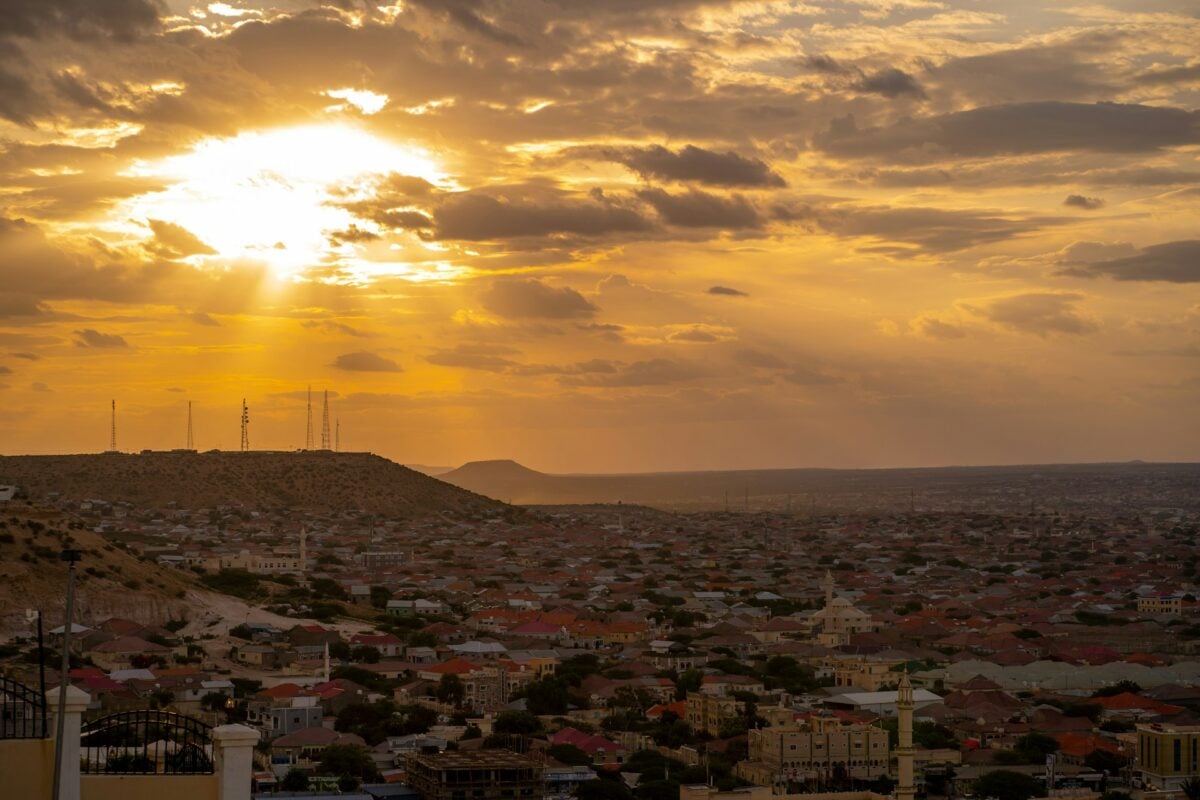
Twenty years without a functioning government creates the kind of chaos where might makes right. Female genital mutilation affects nearly every girl.
Rape is used as a weapon of war. Child marriage happens so routinely that questioning it seems almost beside the point.
The absence of law enforcement means traditional clan structures fill the vacuum, and those structures rarely protect women’s interests. Even humanitarian workers struggle to reach women in need, making this crisis largely invisible to the outside world.
Sudan
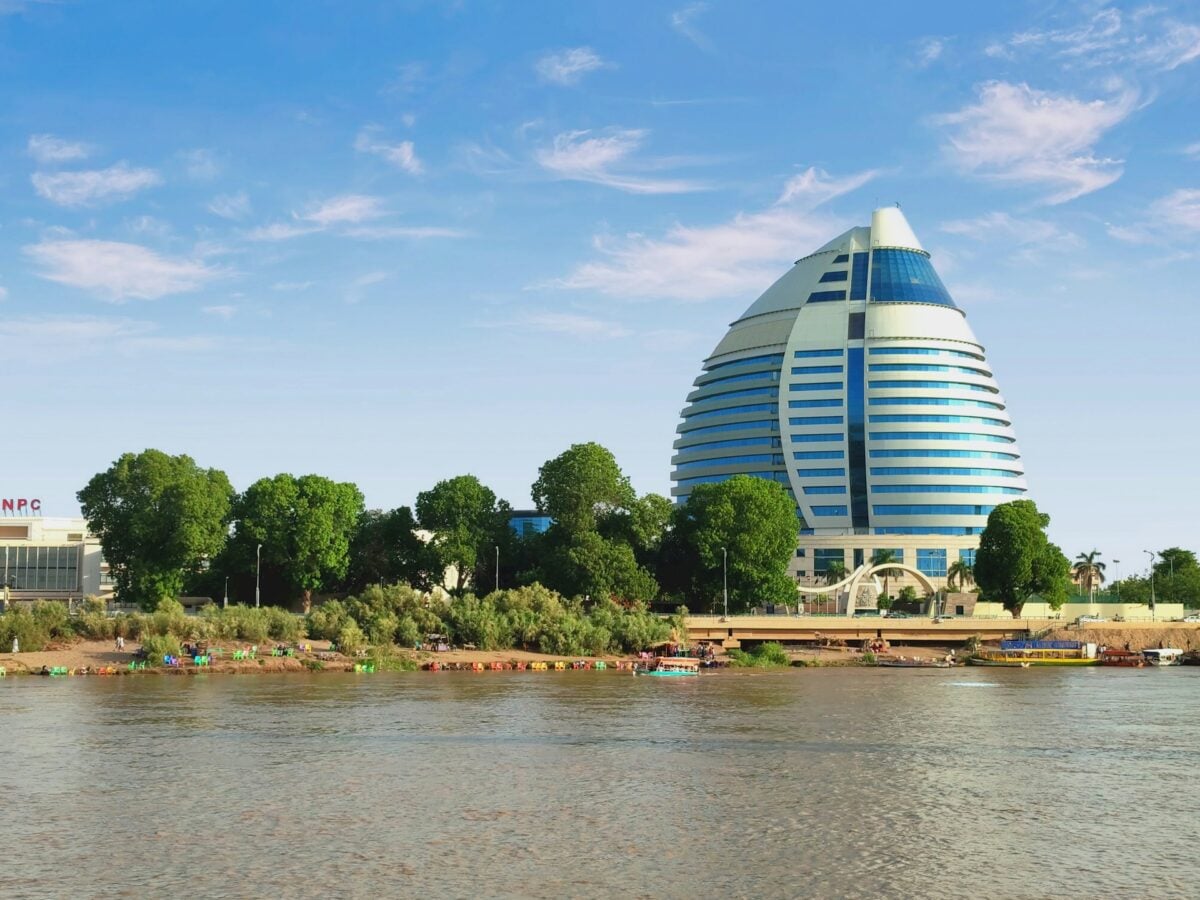
The revolution that toppled Omar al-Bashir in 2019 raised hopes that seemed reasonable at the time — women had been central to the protest movement, after all, and their voices seemed to matter in ways they hadn’t before. The subsequent military coup crushed most of those hopes, and the recent outbreak of fighting between rival military factions has made daily survival the primary concern for most families.
Violence has increased dramatically since the latest conflict began. Women’s rights activists have been detained, and many have fled the country entirely.
The progress that seemed possible just a few years ago now feels like a distant memory.
Chad

The legal system allows polygamy and child marriage while making divorce nearly impossible for women to obtain. Rural areas operate under traditional law that treats women as property to be transferred between families.
Maternal mortality rates remain among the highest in the world, partly because women often can’t seek medical care without male permission. Education for girls drops off sharply after primary school, leaving most women economically dependent throughout their lives.
Mali
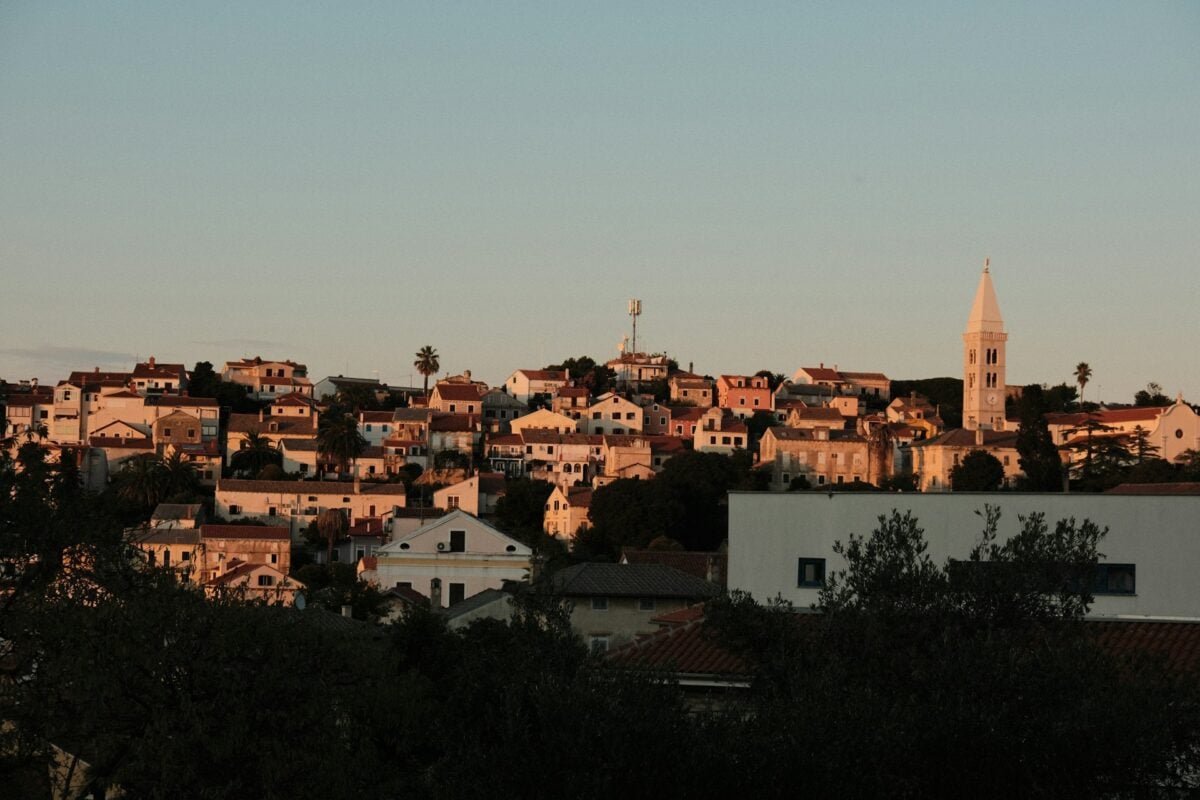
Northern regions under jihadist control have imposed restrictions that make daily life nearly impossible for women. Public floggings for dress code violations.
Bans on women traveling alone. Forced marriages to fighters.
The government in Bamako has limited control over these areas, leaving women in the north essentially abandoned. Even in government-controlled regions, traditional practices like female genital mutilation continue despite official bans.
Syria
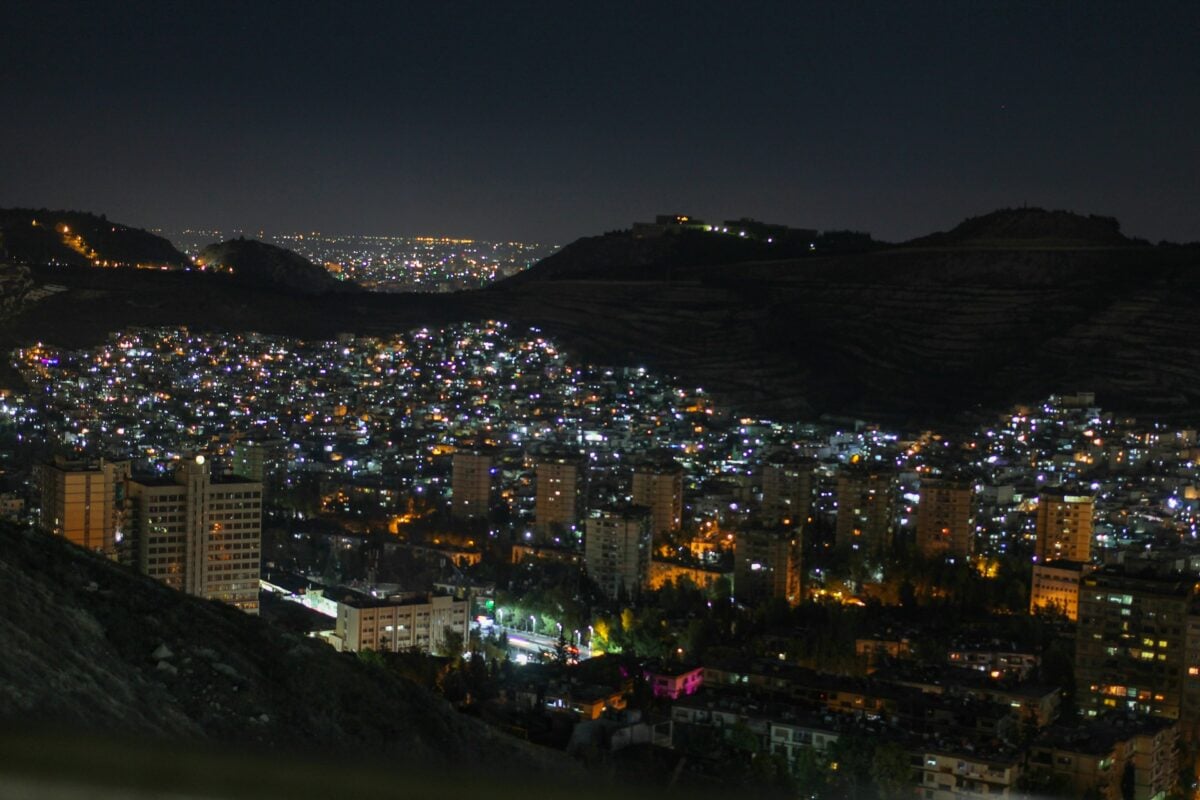
Twelve years of civil war have created multiple zones of control, each with different rules for women (and none of them particularly favorable). Areas controlled by various armed groups often impose strict interpretations of Islamic law, while government-controlled regions struggle with basic security and economic collapse.
The refugee crisis has separated families and left many women entirely on their own in camps where protection doesn’t exist. Violence has become so common that aid organizations struggle to document all the cases, much less address them effectively.
Democratic Republic of Congo
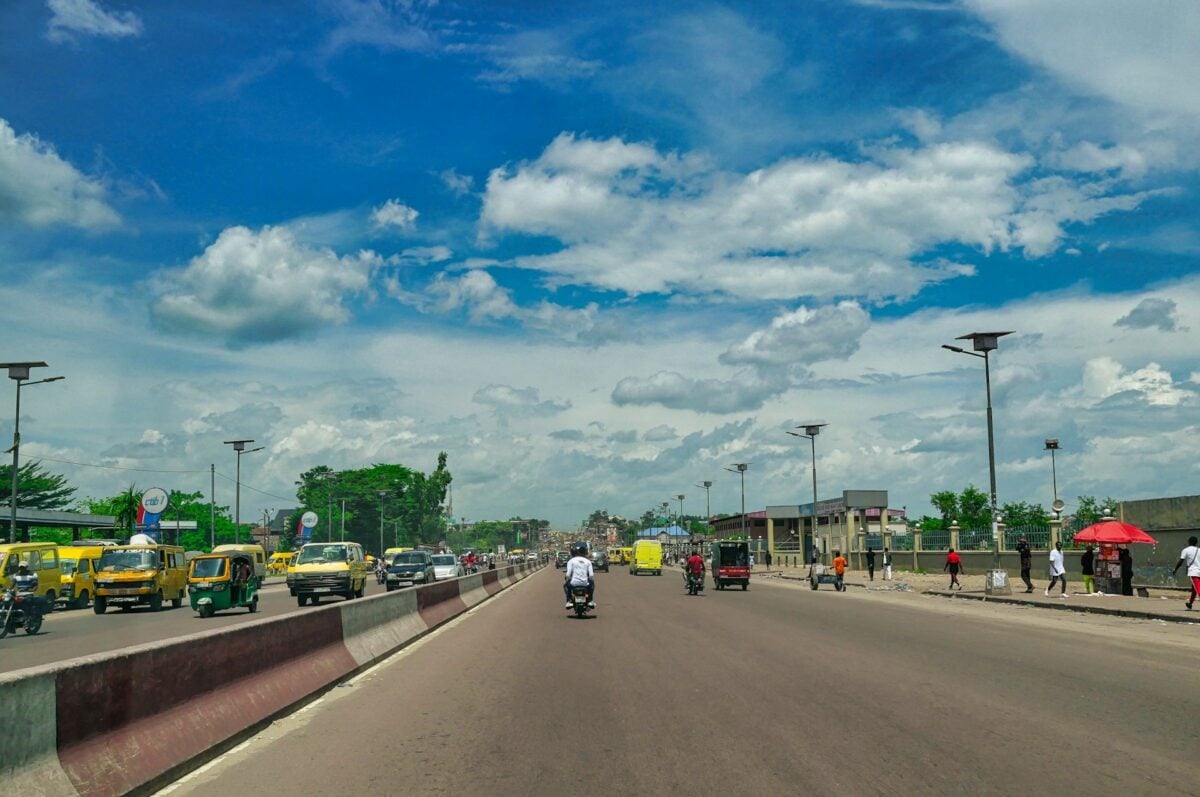
The world’s deadliest conflict since World War II continues in eastern Congo, and violence remains a primary weapon of war. Armed groups use rape systematically to terrorize communities and displace populations.
The government has little control over vast portions of the country, leaving women vulnerable to both armed groups and traditional practices that limit their rights. Even in areas under government control, law enforcement remains weak and corruption widespread.
Myanmar
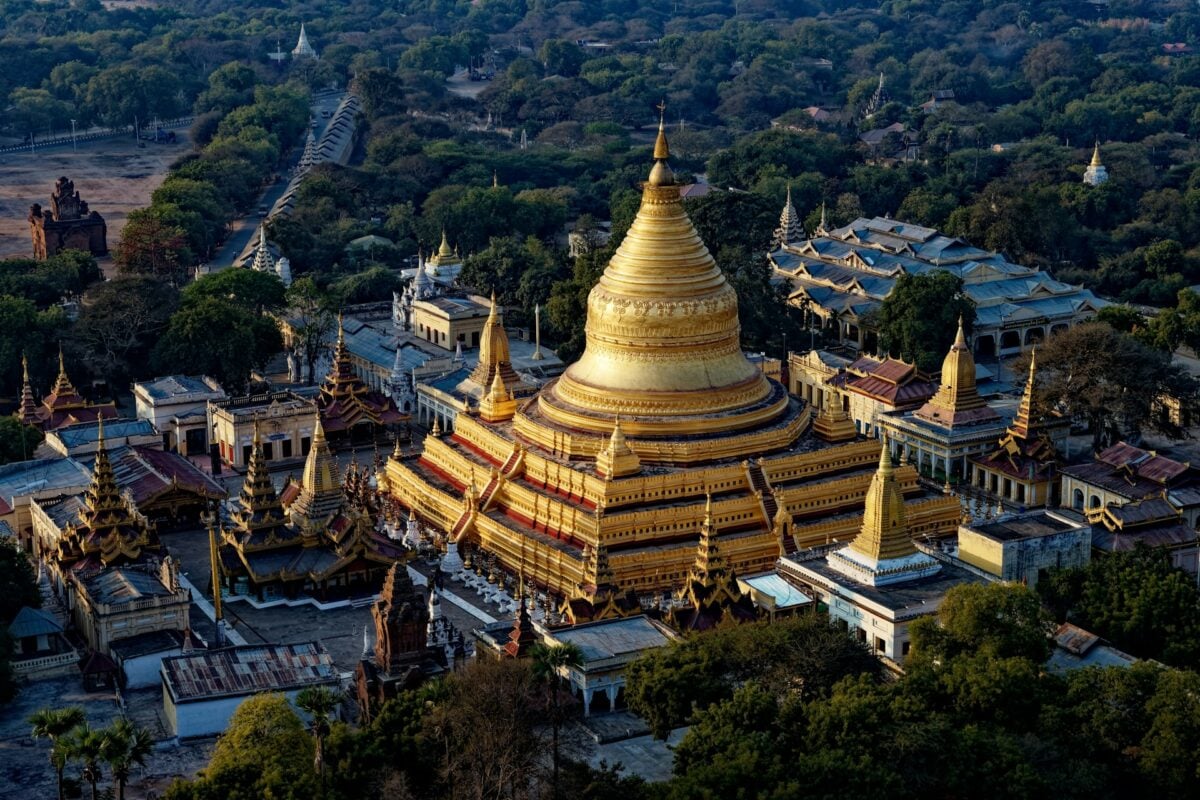
The military coup in 2021 reversed years of democratic progress and plunged the country back into authoritarian rule. Women’s rights activists have been particular targets of the military crackdown, with many detained or forced underground.
In areas controlled by the military, women face arbitrary detention and violence. The collapse of civilian government has also meant the end of programs designed to address domestic violence and support women’s economic participation.
The weight of these realities
These aren’t distant problems that might someday affect someone else. They’re current conditions affecting millions of women right now, today, while the rest of the world debates other priorities.
The distance between progress and regression turns out to be much shorter than anyone wants to admit. Rights that seem permanent can vanish overnight when the political winds shift.
That’s perhaps the most sobering lesson from this global landscape — not just that oppression exists, but how quickly it can expand when left unchecked.
More from Go2Tutors!

- The Romanov Crown Jewels and Their Tragic Fate
- 13 Historical Mysteries That Science Still Can’t Solve
- Famous Hoaxes That Fooled the World for Years
- 15 Child Stars with Tragic Adult Lives
- 16 Famous Jewelry Pieces in History
Like Go2Tutors’s content? Follow us on MSN.