Countries With The Most Humid Climate Worldwide
Moisture in the air sticks around like a secret everyone knows. That dampness blurs distant shapes, wraps around everything quietly.
Warm days grow thick when humidity rises – suddenly harder to bear. Sweat lingers instead of evaporating, so skin stays sticky even while standing still.
Humidity clings to these nations like a second skin, month after month. Sitting close to the equator – or caught in the sway of monsoons and balmy sea flows – they top global moisture charts without effort.
Buildings rise with breathability in mind; even how people move through their days bends around damp air. A deep dive into nations where muggy air sticks around reveals nature’s role in shaping damp climates.
From coastal belts to tropical zones, moisture lingers thanks to how land meets weather patterns. Ocean currents push wetness inland while dense forests recycle vapor through trees.
Mountain slopes trap clouds that reveal fog into valleys below. Warm winds sweep across flatlands without breaking.
Latitude plays a part when equatorial heat hovers year round. Rain doesn’t just fall – it hangs, soaking the sky.
Singapore

Singapore is often cited as one of the most consistently humid countries in the world. Located just one degree north of the equator, the island nation experiences a tropical rainforest climate with average relative humidity frequently hovering around 80 percent.
Morning levels can climb even higher after overnight rainfall. Temperatures typically range between the mid-70s and low-90s Fahrenheit throughout the year.
Combined with high moisture in the air, that steady warmth creates a climate where air conditioning is not a luxury but a necessity. Afternoon thunderstorms are common, adding to the dense atmosphere.
Still, Singapore’s infrastructure reflects adaptation. Covered walkways, efficient drainage systems, and widespread indoor cooling help residents navigate the persistent humidity with relative ease.
Indonesia

Stretching across thousands of islands, Indonesia sits squarely along the equator. Its geography places much of the country under a tropical rainforest or tropical monsoon climate classification.
High temperatures and abundant rainfall combine to keep humidity levels elevated across large portions of the archipelago. Cities such as Jakarta routinely experience relative humidity above 75 percent, with higher readings during the wet season.
Dense forests and surrounding seas contribute to moisture retention in the air. The constant interplay between land and ocean reinforces that damp, heavy feel.
Even so, daily life adjusts to the rhythm of the climate. Early morning activity and shaded outdoor spaces help residents manage the thick air during the hottest parts of the day.
Malaysia

Malaysia shares many of the same equatorial influences as its neighbor Singapore. Divided between Peninsular Malaysia and parts of Borneo, the country experiences significant rainfall throughout the year, particularly during monsoon periods.
Relative humidity commonly exceeds 80 percent in many regions. Coastal areas feel especially saturated due to warm surrounding waters.
In cities like Kuala Lumpur, the combination of urban density and tropical moisture can amplify the sensation of heat. On the other hand, Malaysia’s lush rainforests and vibrant biodiversity owe much to this humid environment.
The very moisture that challenges comfort also sustains one of the richest ecosystems in Southeast Asia.
The Philippines
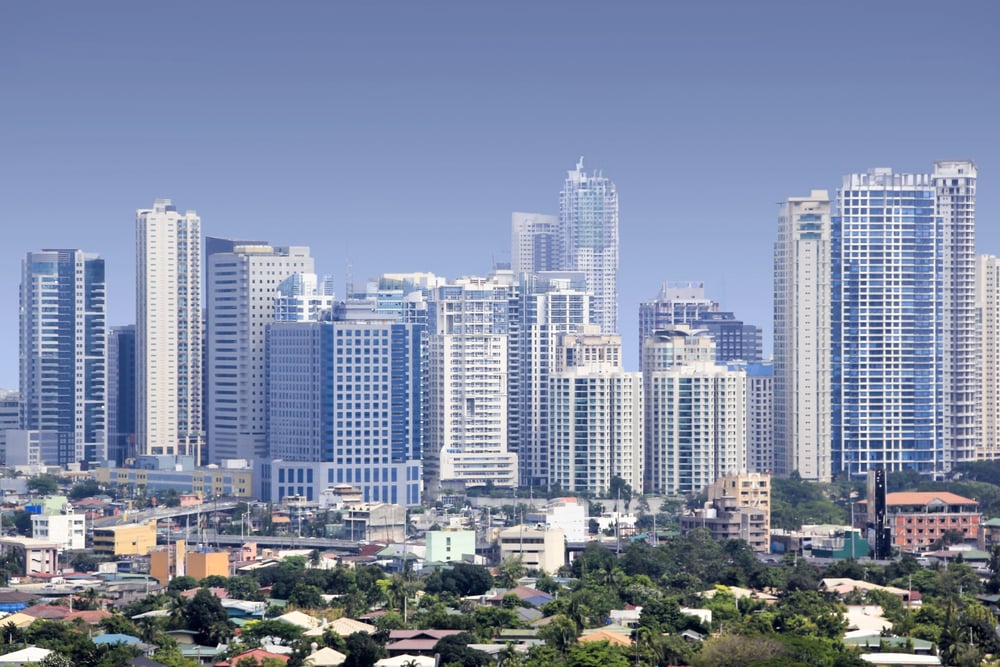
The Philippines, composed of more than 7,000 islands, experiences a tropical maritime climate. Warm ocean waters surround the country, feeding moisture into the atmosphere year-round.
Average humidity levels often remain above 75 percent, climbing higher during the rainy season. Monsoon winds, known locally as the Habagat and Amihan, play a major role in seasonal weather patterns.
The wet season can bring heavy downpours and lingering dampness that stretches for months. Even during drier periods, the air rarely feels crisp.
Still, the climate supports vibrant agriculture and dense vegetation. Rice fields, coconut groves, and tropical forests thrive in the moist conditions.
Bangladesh

Bangladesh frequently appears in discussions about humid climates, particularly during its long monsoon season. Positioned along the Bay of Bengal and crisscrossed by major rivers like the Ganges and Brahmaputra, the country’s geography traps moisture inland.
Summer months can feel especially intense. Temperatures often climb into the 90s Fahrenheit, and relative humidity levels may exceed 80 percent.
The resulting heat index can make outdoor activity physically demanding. Even so, the fertile delta landscape benefits from abundant rainfall.
Agriculture remains central to the economy, supported by the same humidity that defines daily life.
Brazil
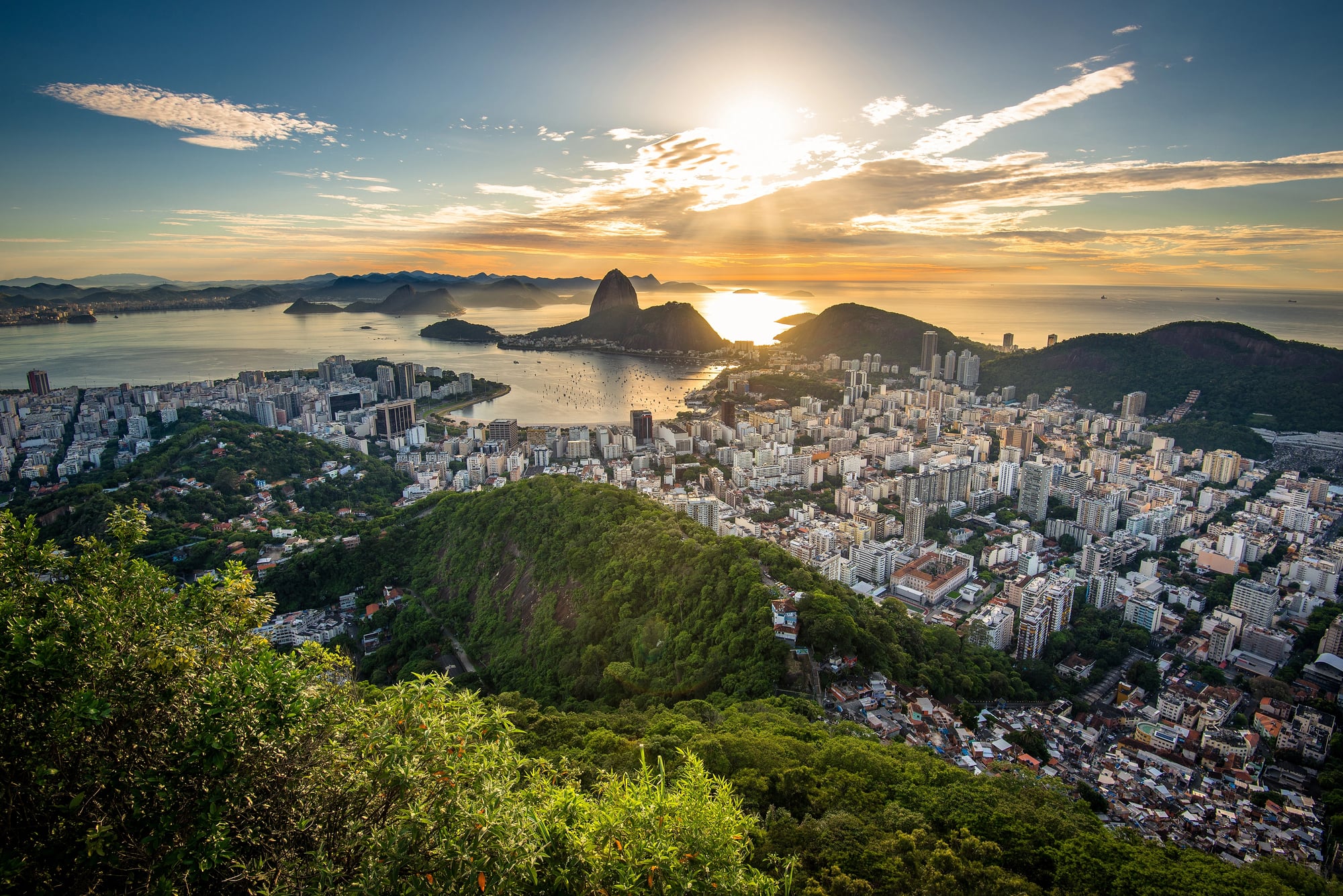
Brazil’s vast size means its climate varies widely, yet large portions of the country experience sustained humidity. The Amazon Basin, in particular, is one of the most humid regions on the planet.
Tropical rainforest conditions dominate, with frequent rainfall and heavy atmospheric moisture. Cities such as Manaus sit deep within this humid zone.
Relative humidity can remain high even outside peak rainy months. Dense forest cover and powerful river systems contribute to the saturated environment.
That said, Brazil also includes drier regions in the northeast and south. The contrast highlights how geography, altitude, and ocean currents shape humidity patterns within a single national boundary.
Thailand

Thailand’s tropical climate produces warm temperatures and high humidity across much of the country. The central plains and coastal regions often experience relative humidity above 70 percent, particularly during the rainy season.
Bangkok, located near the Gulf of Thailand, is known for its steamy atmosphere. Afternoon downpours can briefly cool the air, but they also reinforce the lingering moisture.
The combination of urban heat and tropical humidity makes shade highly valued. Still, Thailand’s climate supports thriving agriculture, from rice paddies to fruit orchards.
The seasonal rhythm of monsoon rains shapes both farming and daily routines.
Democratic Republic Of The Congo

The Democratic Republic of the Congo lies along the equator in central Africa. Much of its territory is covered by dense tropical rainforest, second in size only to the Amazon.
High temperatures and consistent rainfall create persistently humid conditions. Relative humidity in equatorial regions can remain elevated throughout the year.
The Congo Basin’s vast forest canopy traps moisture, sustaining one of the most biodiverse ecosystems on Earth. On the other hand, infrastructure challenges can be compounded by the climate.
Persistent dampness affects roads, buildings, and transportation networks in ways that drier regions do not experience.
Papua New Guinea

Papua New Guinea’s location in the southwestern Pacific places it firmly within the tropical humidity belt. Surrounded by warm ocean waters, the country experiences high rainfall and elevated humidity across much of its terrain.
Lowland areas near the coast feel especially saturated, with relative humidity frequently exceeding 80 percent. Mountainous regions offer some variation, but moisture remains a defining characteristic.
Even so, the climate sustains dense rainforests and diverse wildlife. The interplay between heat and humidity supports ecosystems that are both rich and fragile.
India’s Coastal Regions

India’s size produces a wide range of climates, yet coastal areas along the Arabian Sea and Bay of Bengal regularly experience intense humidity. Cities such as Mumbai and Chennai often record high relative humidity, particularly during the monsoon.
Summer months can be especially demanding. When temperatures rise above 90 degrees Fahrenheit and moisture levels remain elevated, the heat index climbs sharply.
Monsoon rains bring temporary relief but also reinforce atmospheric moisture. That said, inland regions and higher elevations offer drier alternatives.
The diversity within India illustrates how proximity to warm water strongly influences humidity levels.
Why Humidity Shapes More Than Comfort

Foggy air does more than make you sweat. Because of it, how homes go up changes, along with crop choices, travel routes, health patterns.
Where damp hangs heavy, walls breathe easier thanks to airflow tricks, covered walkways pop up, surfaces pick up mold-resistant traits. Fertile ground and steady rains help crops grow across several areas.
Still, downpours every year push buildings to handle damp walls, rusting metal, plus wind that tears at rooftops. Humidity sticks around where the land meets hot skies.
Places hugging the equator, or swayed by seasonal winds, stay damp simply because that is how the air and ground connect there.
The Climate Reality That Persists

Where oceans give off warmth, you often find sticky air hanging low. Near the middle of the planet, rain shows up regularly, making everything damp.
Heat rising from sea surfaces feeds moisture into the sky above. Life there moves slower – buildings breathe better, routines bend around downpours.
People learn early how sweat lingers when the wind refuses to pass by. When weather grows warmer, sticky air can grow stronger in certain places, changing how hot it feels along with storm timing.
Seeing which areas stay damp longest reveals habits and survival choices across populations. Moist breezes weave into identity, guiding personal rhythms just as much as city planning.
More from Go2Tutors!

- The Romanov Crown Jewels and Their Tragic Fate
- 13 Historical Mysteries That Science Still Can’t Solve
- Famous Hoaxes That Fooled the World for Years
- 15 Child Stars with Tragic Adult Lives
- 16 Famous Jewelry Pieces in History
Like Go2Tutors’s content? Follow us on MSN.



