Deadly Jungle Species You Likely Never Even Heard Of
The Amazon rainforest gets all the attention when people talk about dangerous wildlife. Everyone knows about jaguars, anacondas, and poison dart frogs.
But the world’s jungles hide creatures that make those famous predators look tame by comparison. Some of them are smaller than your thumb.
Others hunt in ways that seem borrowed from science fiction. Most people will never encounter them, and frankly, that’s for the best.
Fer-de-Lance
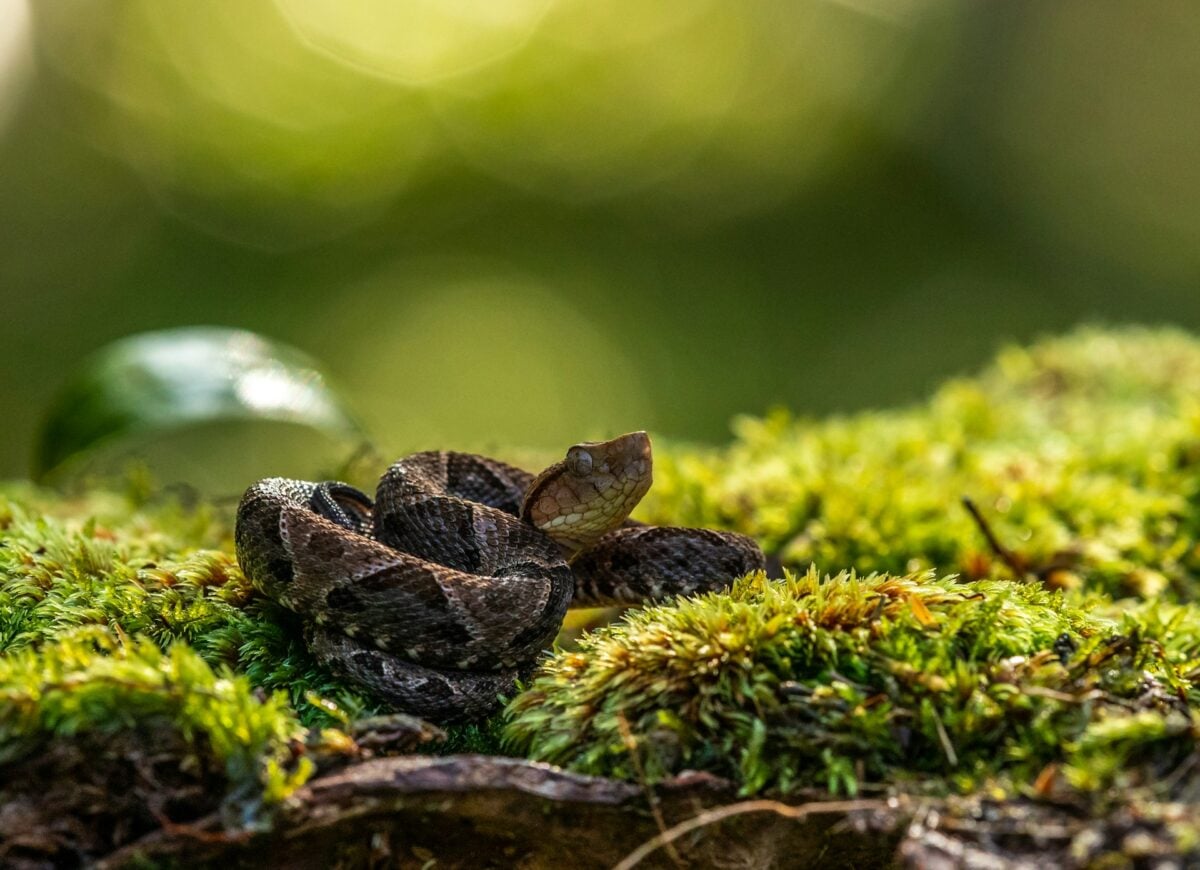
The fer-de-lance doesn’t waste time with warnings. No rattle, no bright colors, no dramatic hood display.
It strikes from leaf litter where you can’t see it, and by the time you feel the bite, the damage is already spreading through your bloodstream. This snake kills more people in Central America than any other venomous species, and it does so with ruthless efficiency.
The venom destroys tissue, crashes blood pressure, and shuts down organs one by one.
Golden Poison Frog
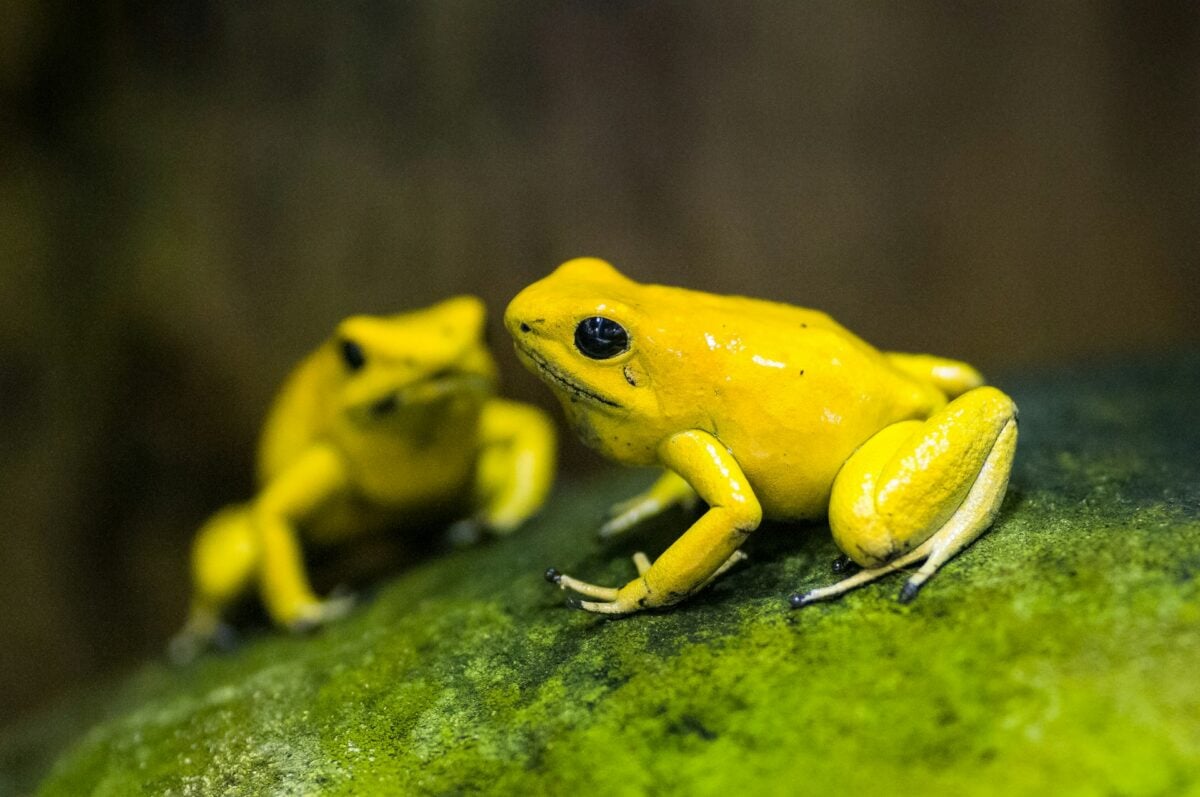
A frog the size of a paperclip carries enough poison to kill ten grown adults. The indigenous Emberá people have been coating their arrow tips with this frog’s toxins for centuries (which tells you something about both the frog and the Emberá’s respect for its power).
But here’s what makes the golden poison frog particularly unsettling — it doesn’t need to bite you, doesn’t need to spray you, doesn’t even need to touch you directly. Just handling one with bare hands can be fatal, because the batrachotoxin seeps through human skin like water through paper.
And once it’s in your system, there’s no antidote, no treatment, no clever medical intervention that’s going to save you. Your nervous system simply stops working.
The frog, meanwhile, goes about its day completely unbothered by the fact that it’s essentially a tiny, hopping weapon of mass destruction.
Army Ants
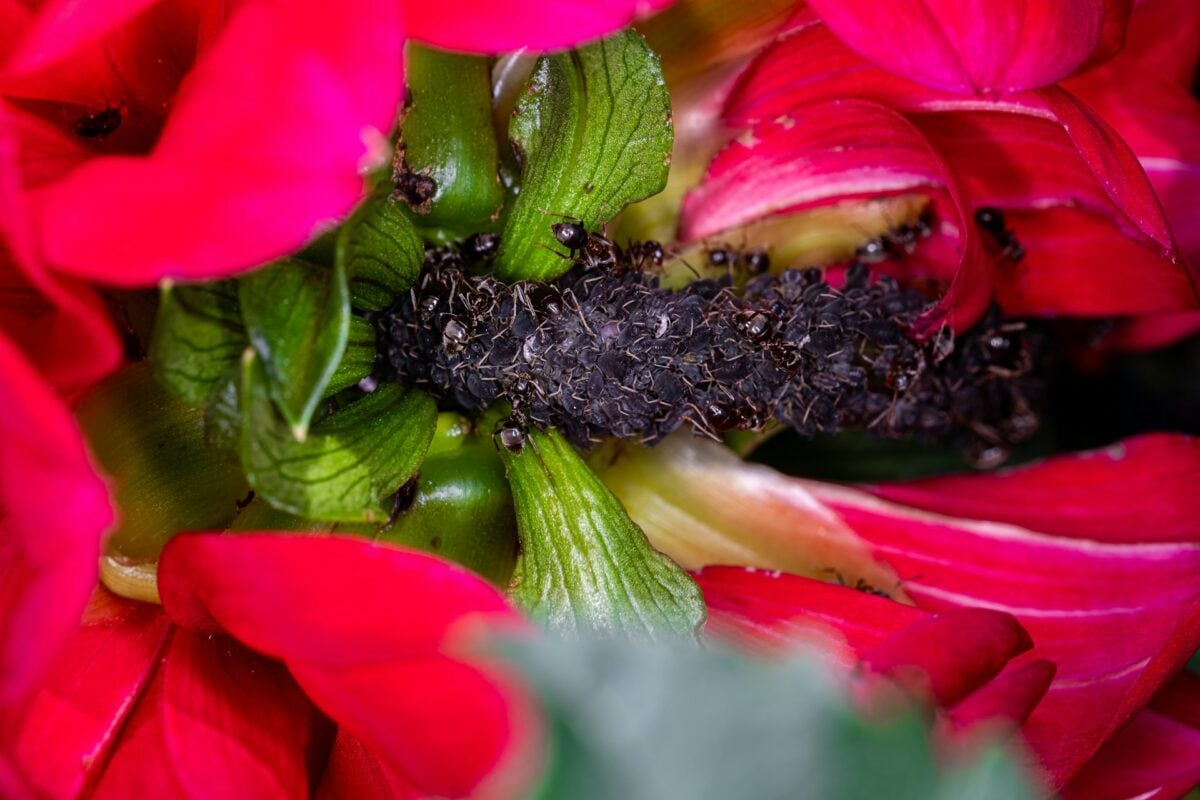
Army ants approach warfare like a natural disaster with a purpose. A single colony can contain over a million individuals, and when they’re on the move, they don’t distinguish between threats and obstacles — they simply consume everything in their path.
These aren’t the ants raiding your picnic. Army ants form living bridges with their own bodies, create temporary shelters by linking together, and coordinate attacks with a precision that would impress military strategists.
They’ve been known to strip large animals down to bone in hours.
Bullet Ant
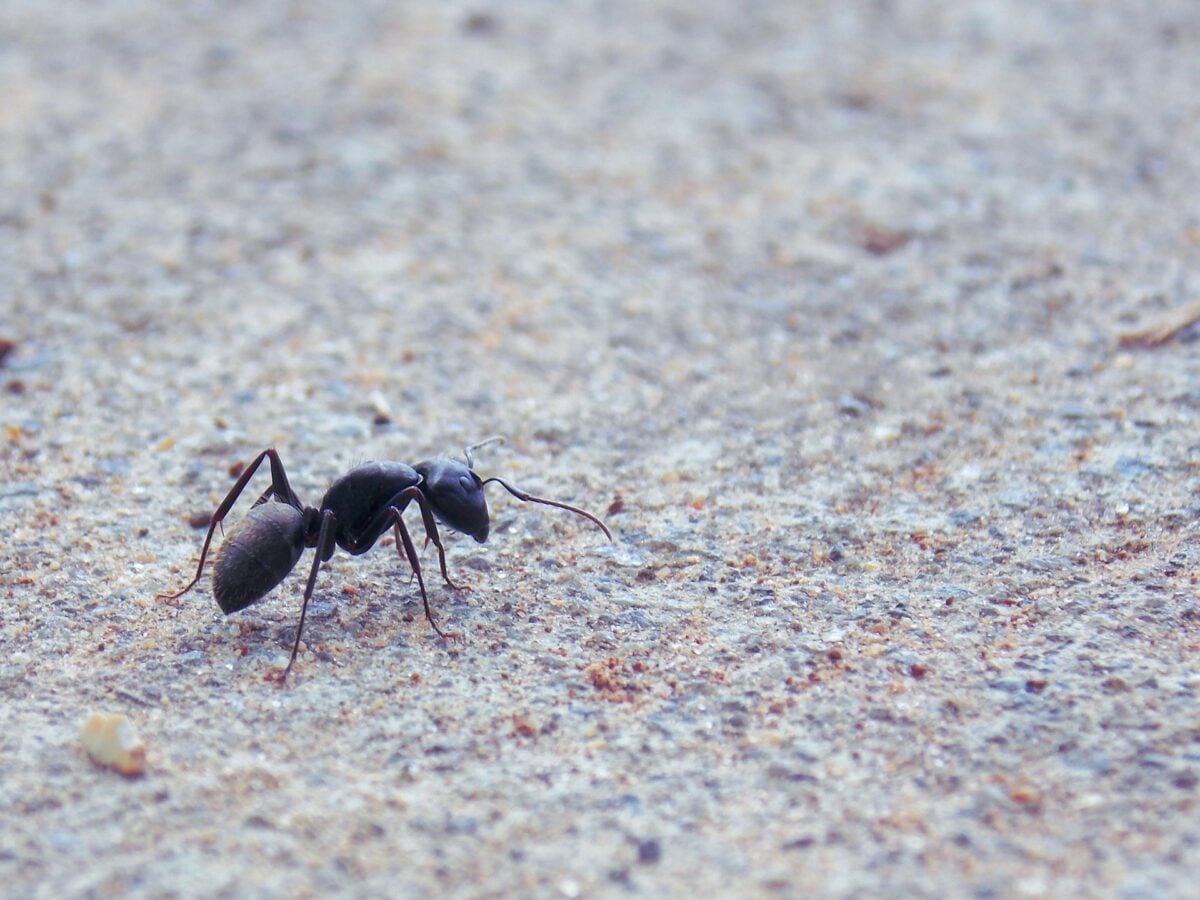
Pain has a scale, and the bullet ant owns the top of it. The Schmidt Pain Index ranks insect stings from one to four, and the bullet ant earned its four-plus rating honestly.
People who’ve been stung describe it as being shot, hence the name. But the bullet ant doesn’t just deliver pain — it delivers a lesson in endurance.
The agony lasts for hours, not minutes, and it comes with muscle spasms and temporary paralysis. Some indigenous tribes use bullet ant stings as rites of passage.
That should tell you everything about how much this hurts.
Gaboon Viper
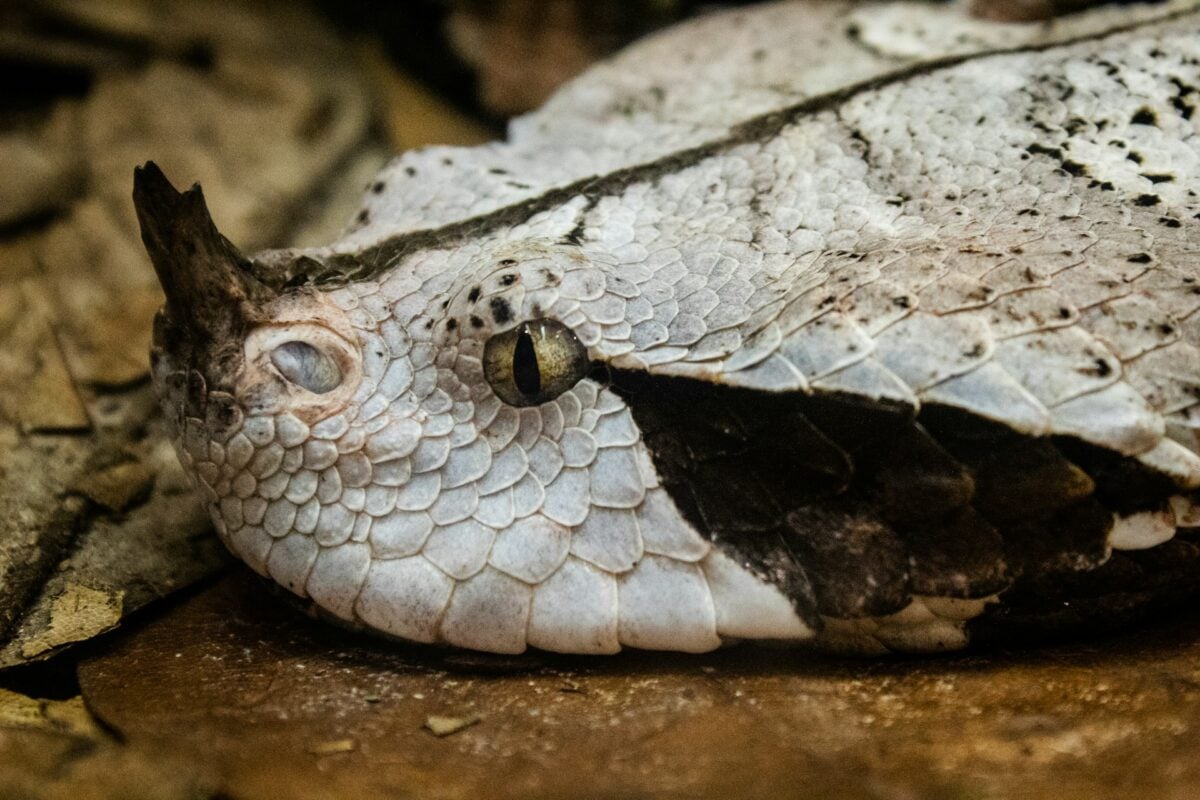
Picture a snake designed by someone who understood that subtlety often works better than intimidation. The Gaboon viper’s camouflage is so perfect that it becomes invisible against fallen leaves — not nearly invisible, not well-hidden, but genuinely invisible until it moves.
It’s like watching a magic trick performed by evolution, except the reveal involves fangs longer than your fingers and venom potent enough to stop an elephant’s heart. This snake doesn’t hunt so much as it practices patience as an art form, waiting motionless for days until something edible wanders within striking distance.
And when it does strike, the whole encounter is over before the victim understands what happened.
Tsetse Fly
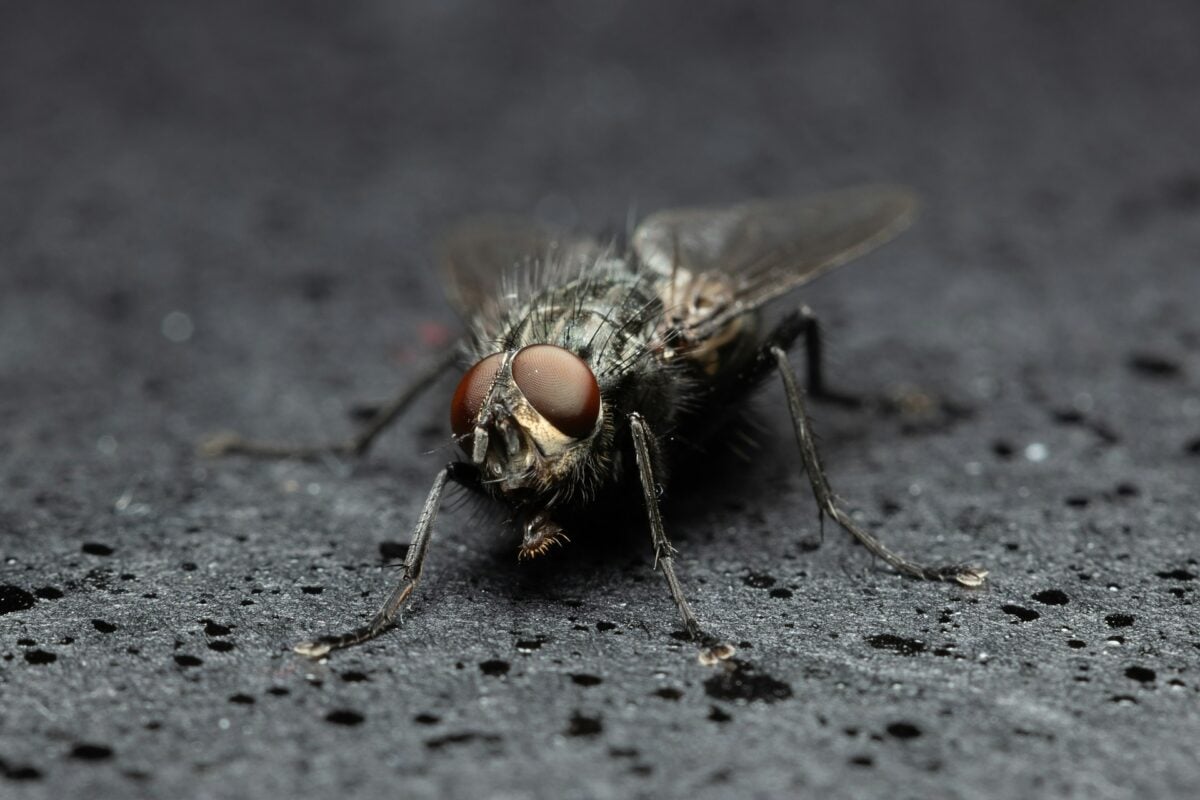
The tsetse fly proves that size means nothing when you’re carrying the right weapon. This insect, no bigger than a housefly, carries sleeping sickness — a disease that has shaped African history for millennia and continues to threaten millions of people today.
What makes the tsetse fly particularly dangerous is its persistence. It doesn’t just bite once and move on.
It follows moving objects for miles, drawn by carbon dioxide and movement. The disease it spreads attacks the nervous system, causing confusion, disrupted sleep cycles, and eventually death if untreated.
Bushmaster
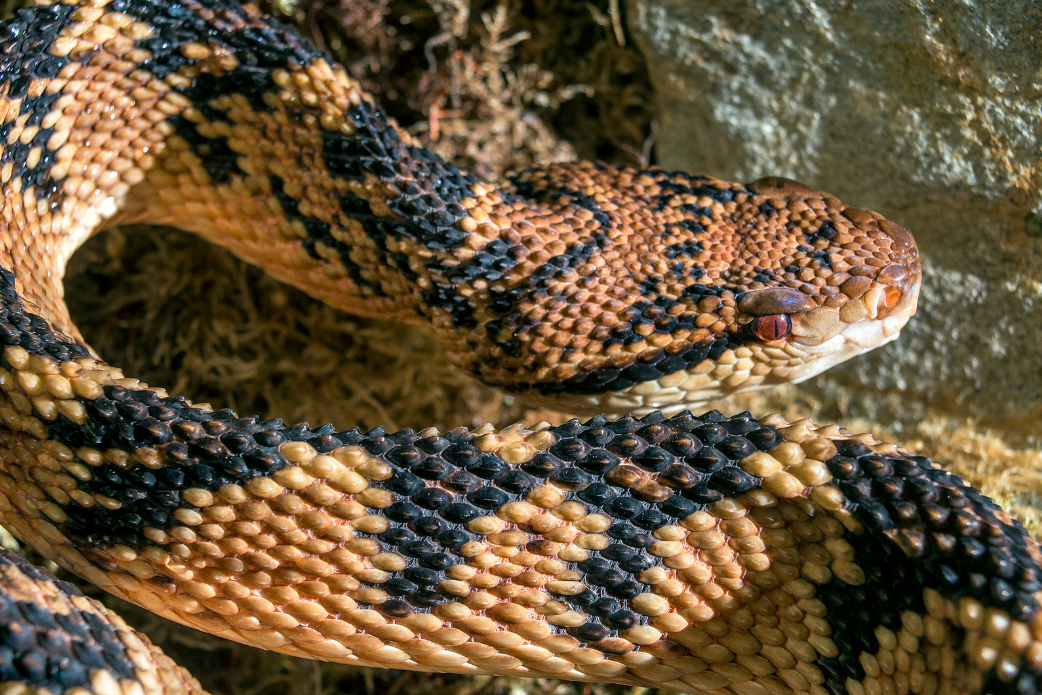
The bushmaster is what happens when evolution decides a snake needs to be both venomous and enormous. At twelve feet long, it’s the largest viper in the Americas, and it uses every inch of that length to its advantage.
Unlike most pit vipers that give live birth, the bushmaster lays eggs and guards them aggressively. This means encountering a protective mother — already the deadliest snake in Central America — when she’s at her most defensive.
The venom causes massive internal hemorrhage and tissue death. There’s antivenom, but it has to be administered quickly, and bushmasters don’t typically strike near hospitals.
Cone Snail
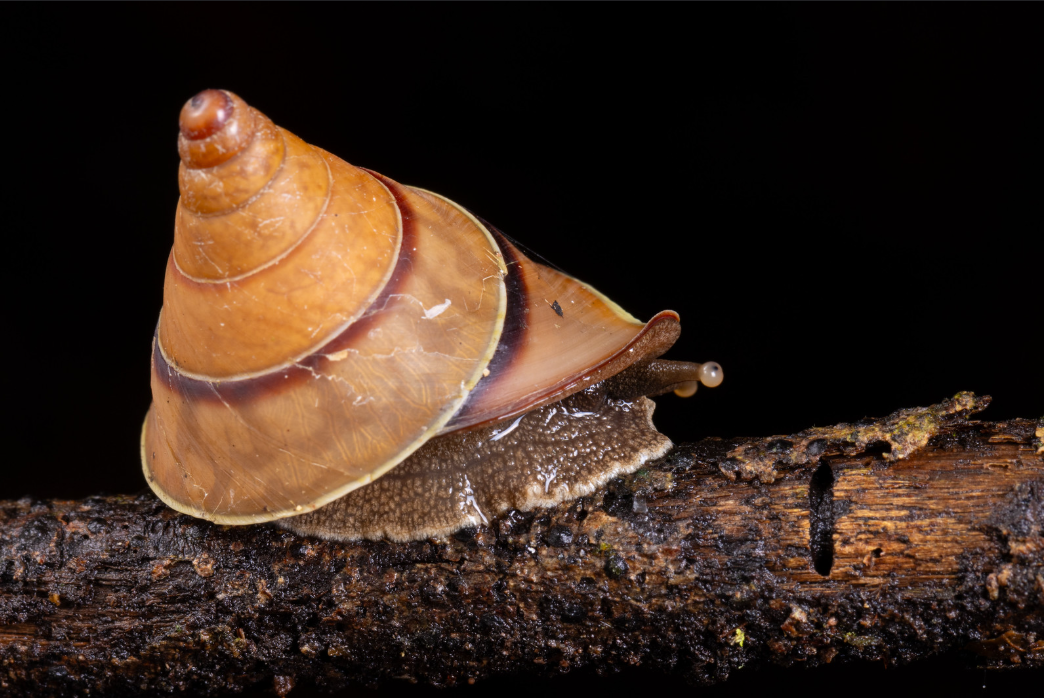
Here’s a creature that turns the ocean floor into a minefield. Cone snails look like decorative shells you might pick up on a beach walk, but they’re actually highly sophisticated predators with a delivery system that would impress weapons manufacturers.
They fire harpoon-like teeth filled with a cocktail of neurotoxins that can paralyze fish instantly — and humans aren’t immune to the effects. The venom contains hundreds of different compounds, each targeting specific parts of the nervous system with surgical precision.
Some species pack enough poison to kill twenty adults, and there’s currently no antivenom available for most cone snail stings. The really unsettling part is how they hunt: they literally shoot their prey with a biological projectile, like something out of a nature documentary directed by someone with a background in military technology.
Eyelash Viper
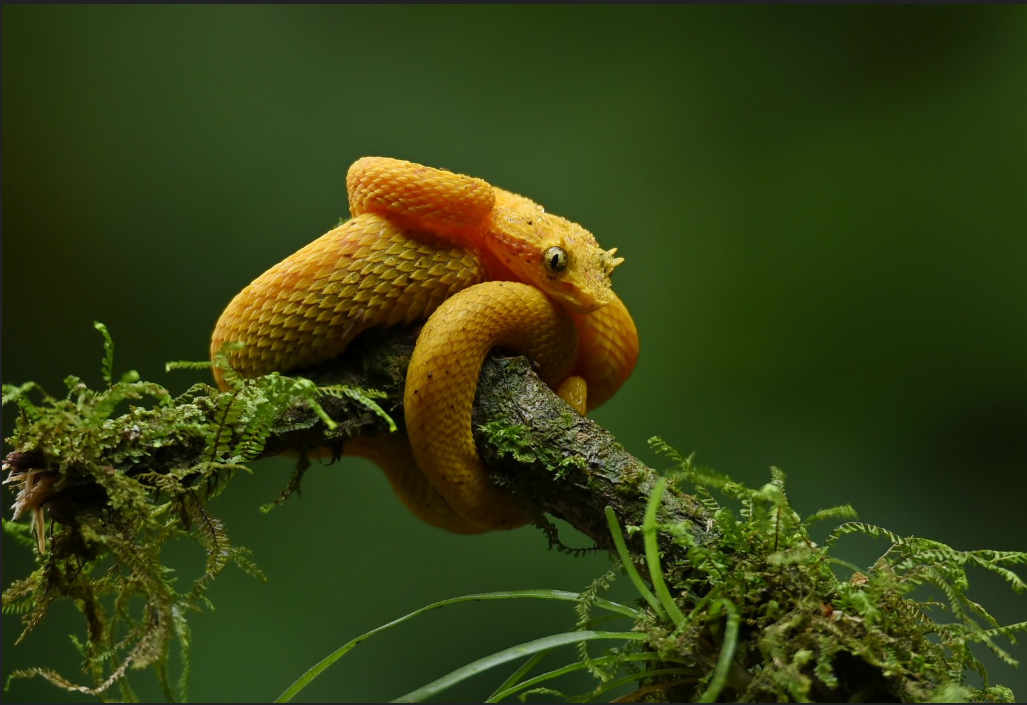
The eyelash viper has perfected the art of the ambush. Those distinctive scales above its eyes aren’t just for show — they break up its outline, making it nearly impossible to spot among jungle foliage.
This snake hangs from branches at eye level, waiting for birds, frogs, or anything else that comes within striking distance. Its venom works fast, causing hemorrhaging and organ failure.
The eyelash viper is responsible for more snakebites in some parts of Central America than any other species, partly because people simply don’t see it until it’s too late.
Driver Ants
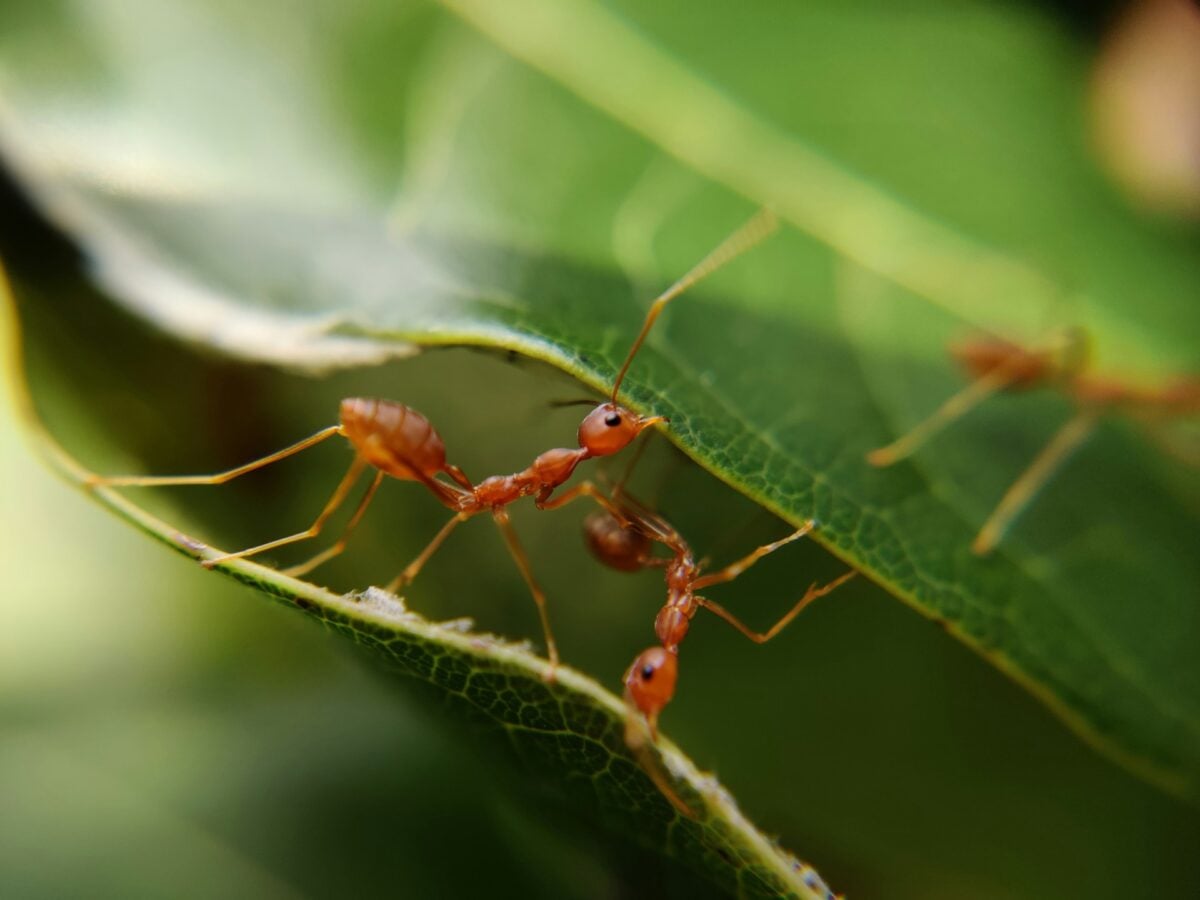
Driver ants make army ants look like a minor inconvenience. These African insects form colonies that can span multiple acres underground, and when they emerge to hunt, they create rivers of destruction that alter entire ecosystems.
The soldiers have mandibles so large they can’t feed themselves — other ants have to bring them food. But those oversized jaws can cut through human skin like scissors.
Driver ants have been known to kill tethered animals that couldn’t escape their path, and there are documented cases of them overwhelming people who were unable to flee.
Irukandji Jellyfish
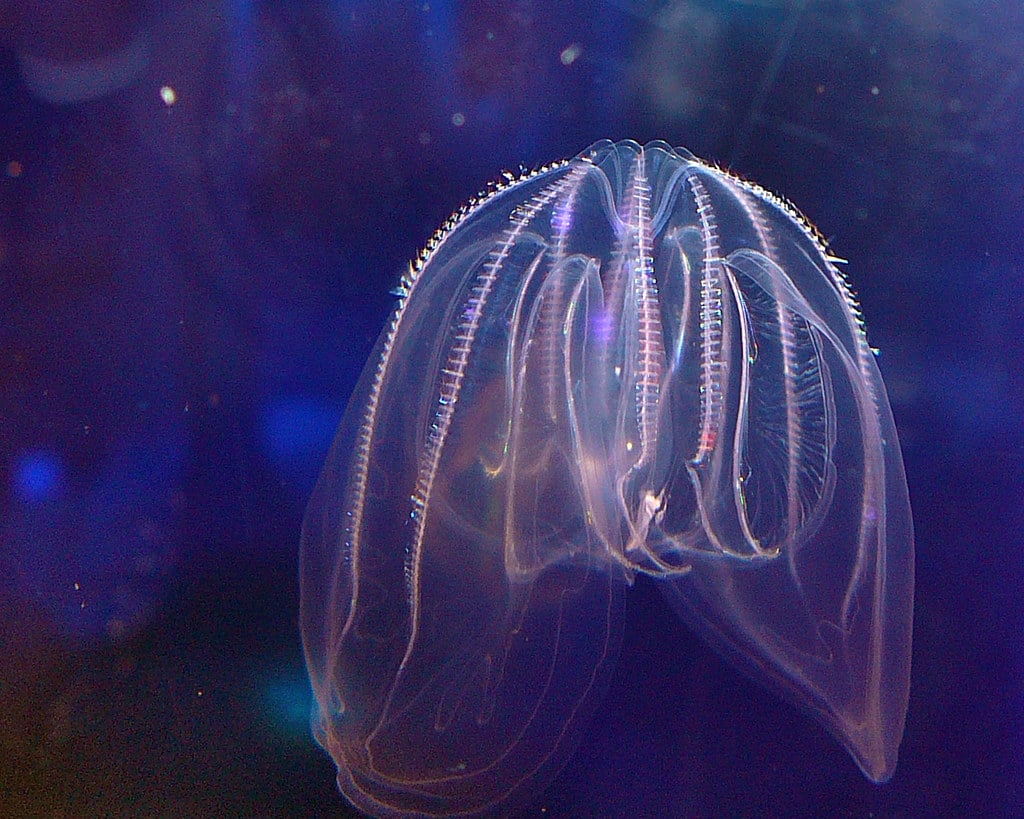
The Irukandji jellyfish makes every other venomous creature look like an amateur. Smaller than a human fingernail, it’s practically invisible in the water, and its sting initially feels like a mild bee sting.
That’s where the deception ends. Within thirty minutes, Irukandji syndrome begins: excruciating muscle cramps, shooting pains throughout the body, nausea, vomiting, and a sense of impending doom so overwhelming that victims beg doctors to let them die.
The venom can cause brain hemorrhages and heart failure. There’s no antivenom, and some victims die days after being stung.
Blue-Ringed Octopus
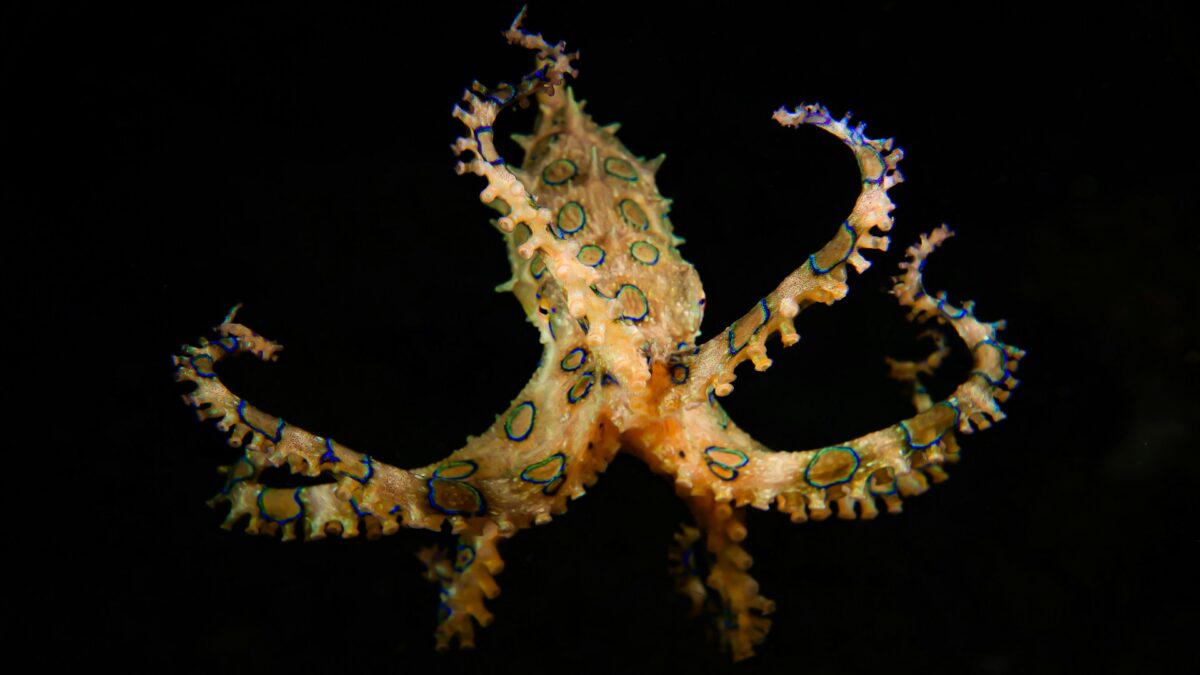
The blue-ringed octopus carries enough venom to kill twenty-six adults, and it’s about the size of a golf orb. Those bright blue rings that give it its name only appear when it’s agitated — which means if you can see them, you’re already too close.
The venom contains tetrodotoxin, the same poison found in pufferfish. It causes rapid paralysis, and victims often remain conscious while their respiratory system shuts down.
There’s no antivenom. The only treatment is artificial respiration until the toxin clears the system — assuming help arrives in time.
The Silent Threat
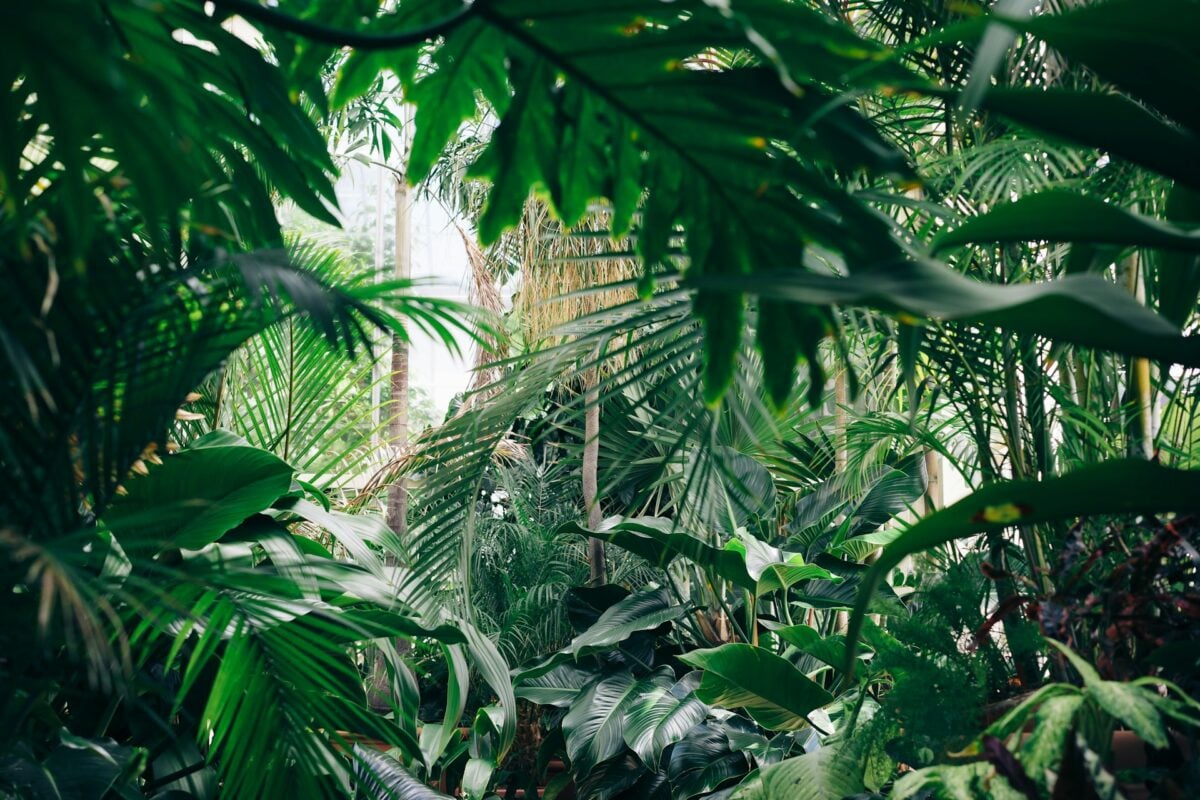
These creatures share something beyond their capacity for harm — they’ve perfected the art of being underestimated. They don’t announce themselves with dramatic displays or obvious warnings.
They simply exist in spaces where humans venture, carrying evolutionary advantages that took millions of years to develop and can end a life in minutes. The jungle keeps its deadliest secrets well hidden, and perhaps that’s exactly how it should be.
More from Go2Tutors!

- The Romanov Crown Jewels and Their Tragic Fate
- 13 Historical Mysteries That Science Still Can’t Solve
- Famous Hoaxes That Fooled the World for Years
- 15 Child Stars with Tragic Adult Lives
- 16 Famous Jewelry Pieces in History
Like Go2Tutors’s content? Follow us on MSN.