Department Store Lunch Counters Shoppers Remember
There was a time when a day of shopping came with a built-in intermission: a table, a menu, and a waitress who knew the regulars. Department stores treated lunch as part of the merchandise, and some of their dining rooms became more famous than anything sold on the floors below.
Many of those rooms are gone, and a few have been revived under new owners and new names. The dishes, the clocks, and the holiday rituals have outlived the cash registers.
The Chicken Pot Pie at The Walnut Room
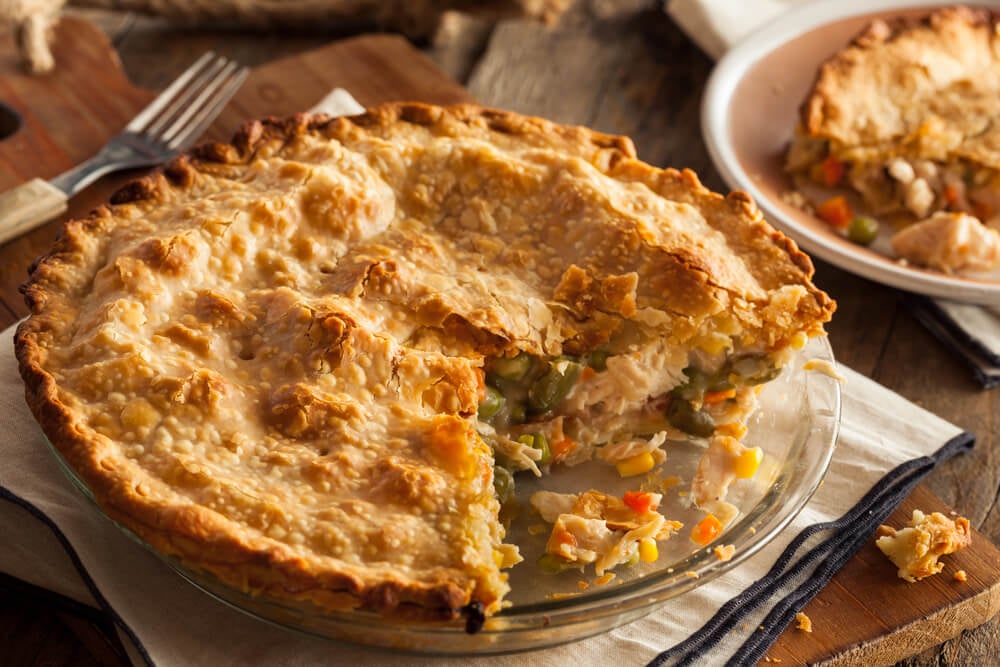
On the seventh floor of the Marshall Field’s building on State Street in Chicago, the Walnut Room has served shoppers since the early 1900s, making it one of the oldest department store restaurants in the country. Every holiday season, a towering Christmas tree rises in the middle of the dining room, and reservations for a table beneath it have long been a seasonal ritual.
The dish most tied to the room is Mrs. Hering’s chicken pot pie, a recipe that generations of diners ordered without reading the menu. Dessert often meant something built around Frango mints, the chocolate candy Marshall Field’s made famous.
The Magnolia Room and Its Chicken Salad
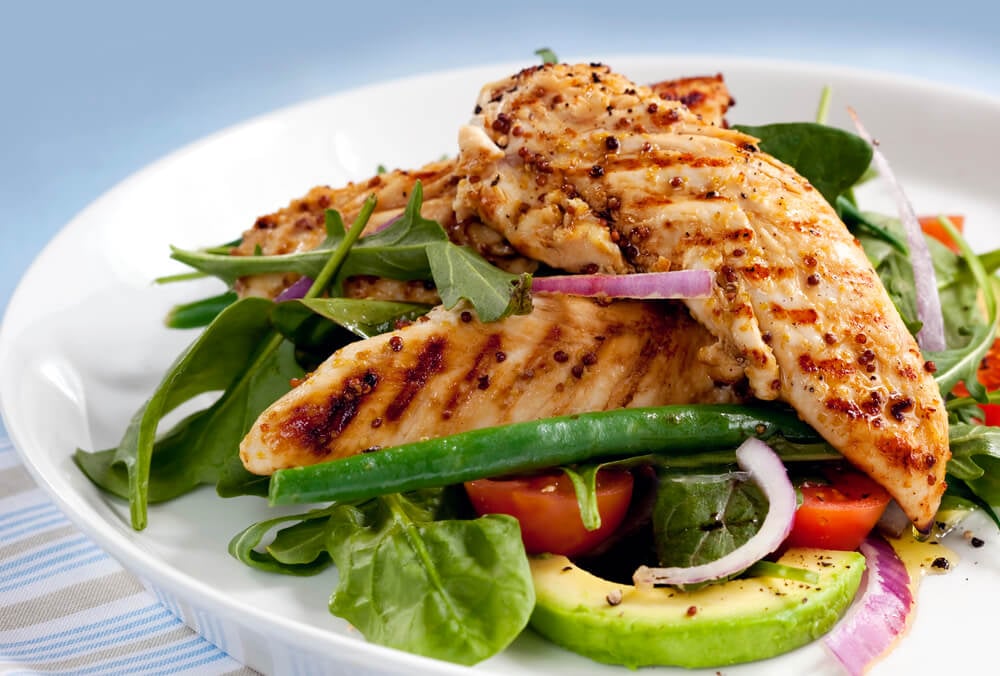
Rich’s in Atlanta served Southern comfort food in the Magnolia Room, where chicken salad and frozen fruit salad became the order diners still describe decades later. Tea-room lunches there came with the kind of table service that has mostly vanished from shopping trips.
Rich’s gave the city other traditions too, including the Pink Pig, a children’s ride that carried generations of Atlanta kids around the store at Christmas. The Magnolia Room closed with the store, but its menu lives on in the memories of the families who ate there.
The Chicken Broth at Neiman Marcus
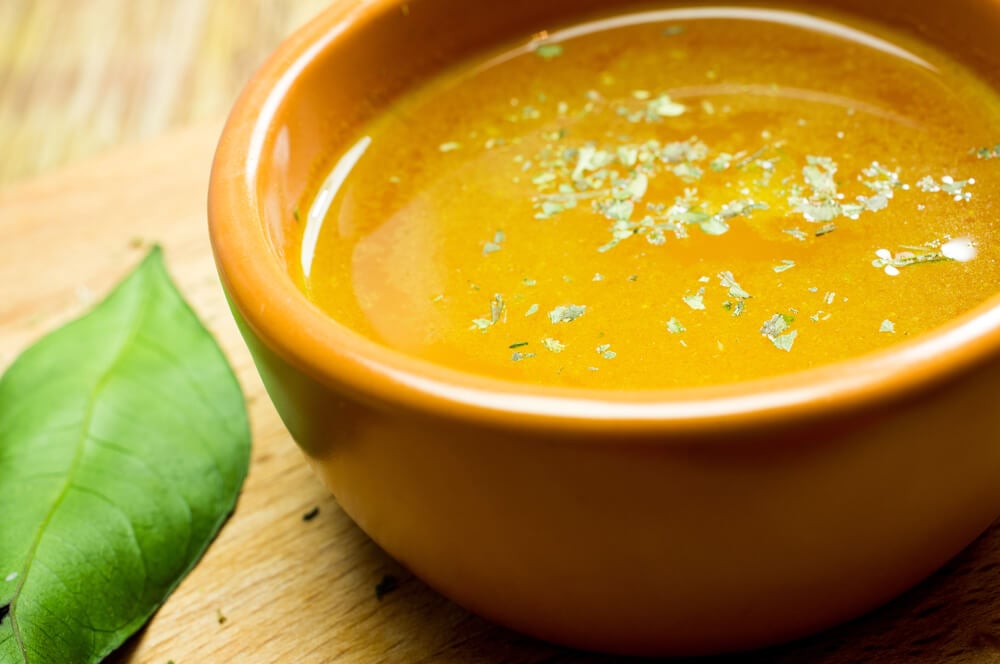
The Zodiac Room at the downtown Dallas Neiman Marcus is closely associated with Helen Corbitt, the food director whose name still turns up in Texas dining lore. Lunch there began with a small cup of chicken broth and a warm popover, a ritual that told guests the meal was an occasion.
Ladies in hats and gloves treated the room as a standing appointment, and the menu leaned on dressed-up salads and light entrees. The popovers became so identified with the store that generations of Texans measured every other popover against them.
The Crystal Tea Room at Wanamaker’s
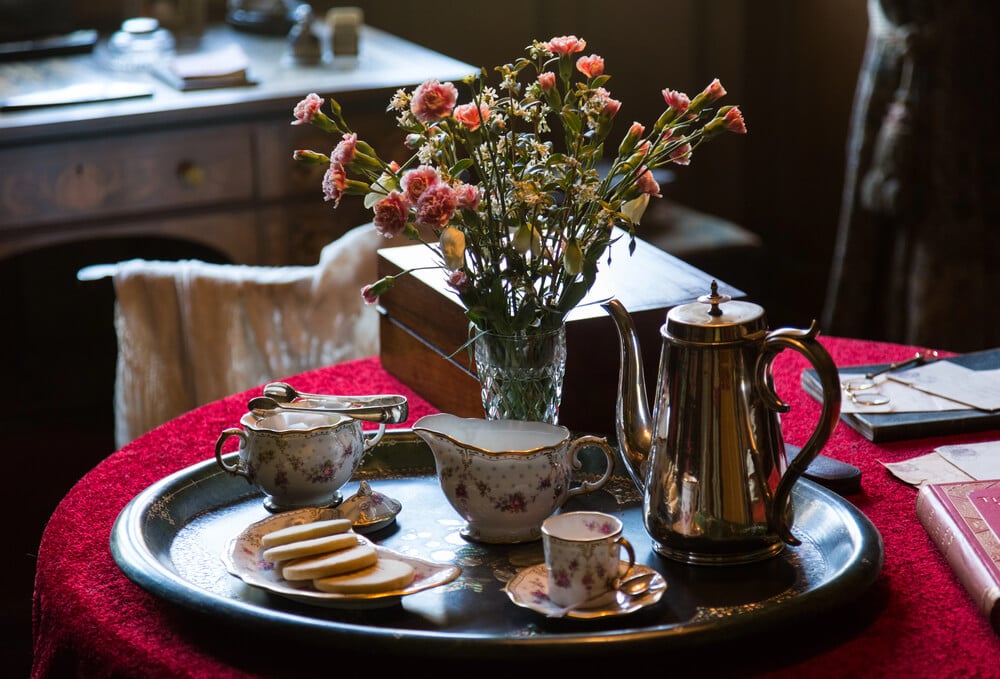
The Crystal Tea Room sat inside the John Wanamaker store in Philadelphia, one of the great merchant palaces of the country. The store’s Grand Court, with its pipe organ and its bronze eagle statue, was the city’s favorite meeting place, and “meet me at the Eagle” served as directions for generations of Philadelphians.
A lunch in the tea room was usually part of the same outing, folded between a visit to the court and an afternoon on the selling floors. Few department store restaurants had a setting this grand wrapped around them.
The Silver Grille at Higbee’s
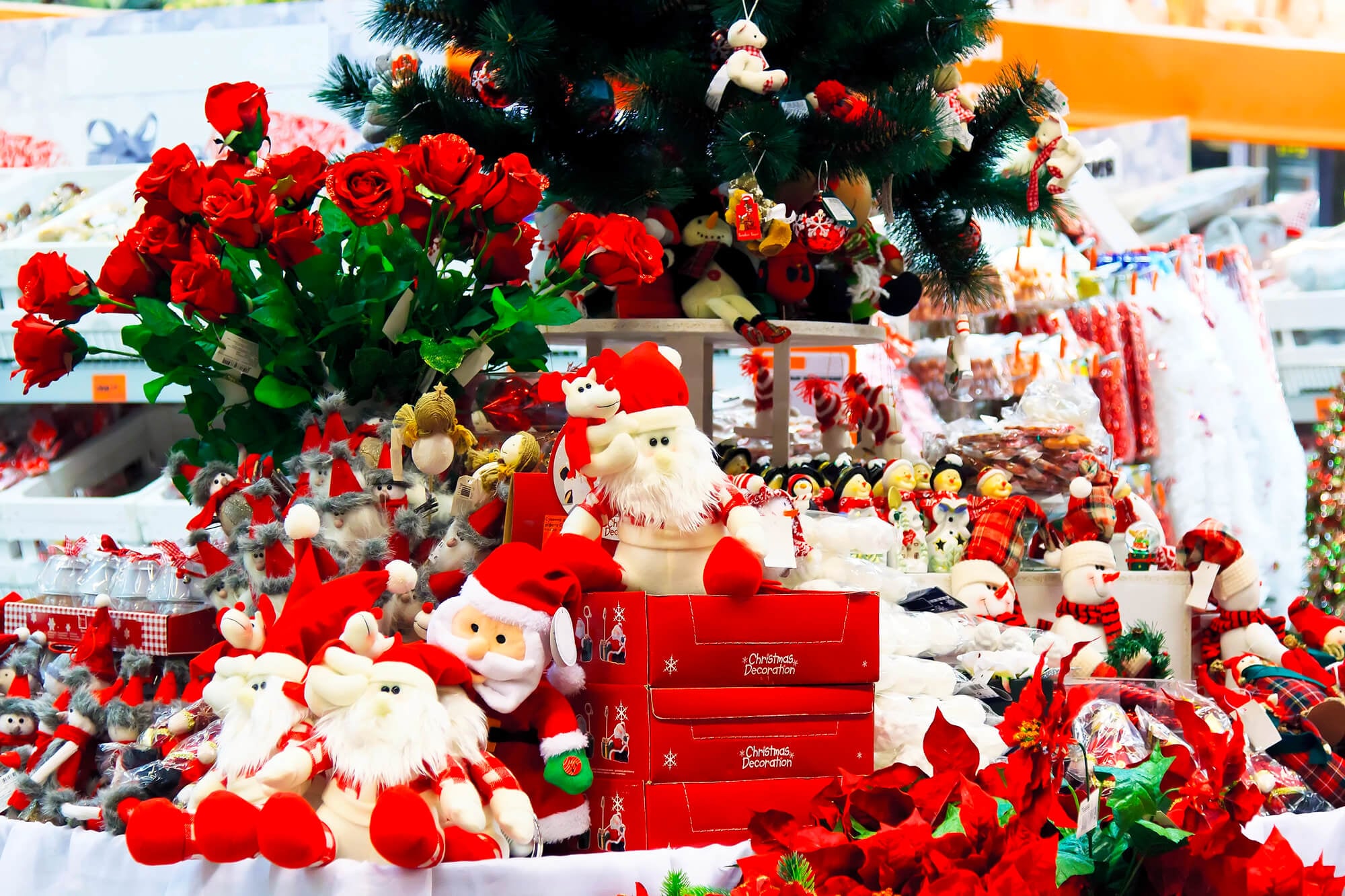
The Silver Grille was the restaurant at Higbee’s, the department store on Public Square in Cleveland. Families made it a stop during the Christmas season, when the store’s holiday windows and Santa visits drew crowds from across northeast Ohio.
Higbee’s later entered popular memory as the store where the fictional Ralphie sees Santa in the movie A Christmas Story. The Higbee Building itself has been reborn as a casino, which gives the old dining room an odd afterlife.
The Georgian Room at Meier & Frank
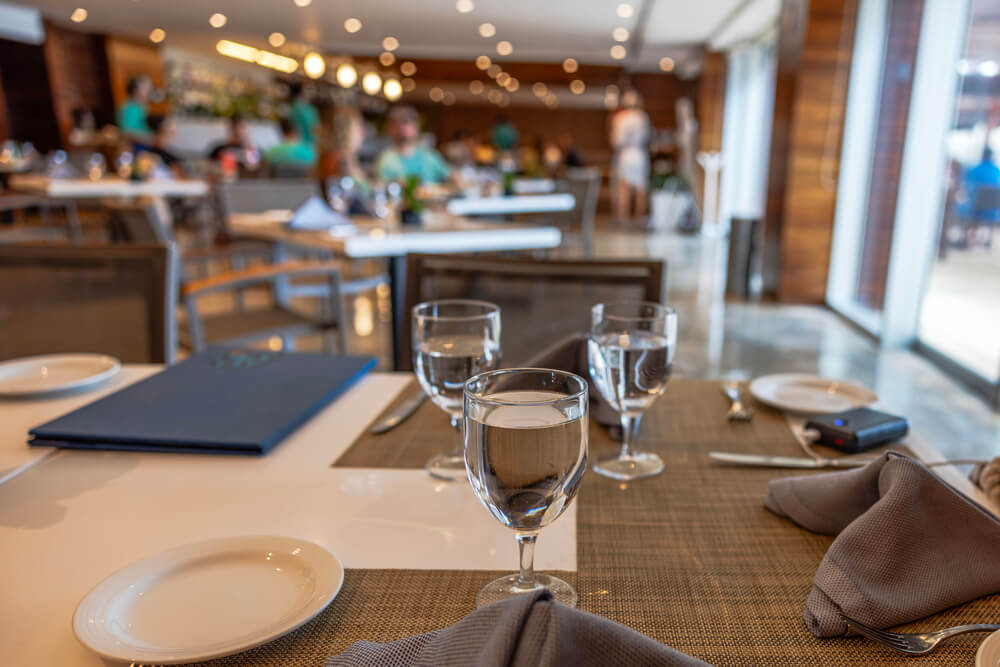
Portland’s Meier & Frank store housed the Georgian Room, an elegant dining room that sat high in the downtown flagship. The building, one of the anchors of the city’s shopping district, now holds The Nines hotel.
For decades, lunch in the Georgian Room was where Portland families marked birthdays, graduations, and holiday shopping trips. The room’s formal service and white tablecloths made an ordinary Tuesday feel like an event.
The Oak Grill and Its Popovers
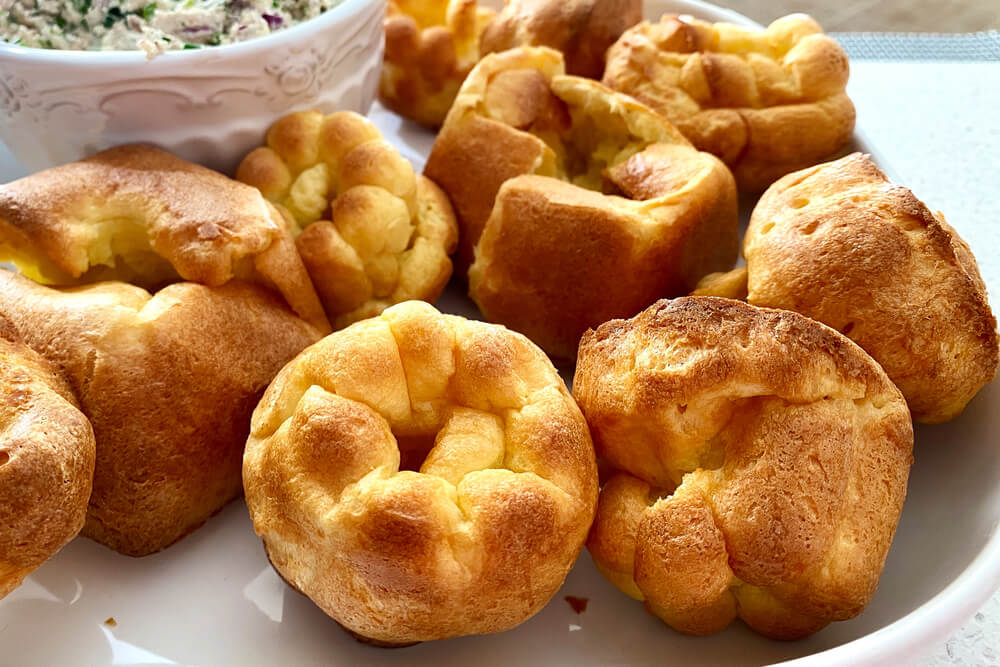
Dayton’s flagship at 700 Nicollet Avenue in Minneapolis hosted the Oak Grill, a room famous for its popovers. The Oak Grill closed in January 2017 when Macy’s ended the downtown dining tradition, along with the Sky Room, the store’s upper-floor dining room.
A newer Macy’s restaurant at Ridgedale Center in Minnetonka was designed as an ode to the original. Few dishes have inspired a tribute that specific.
The Maurice Salad at J.L. Hudson’s
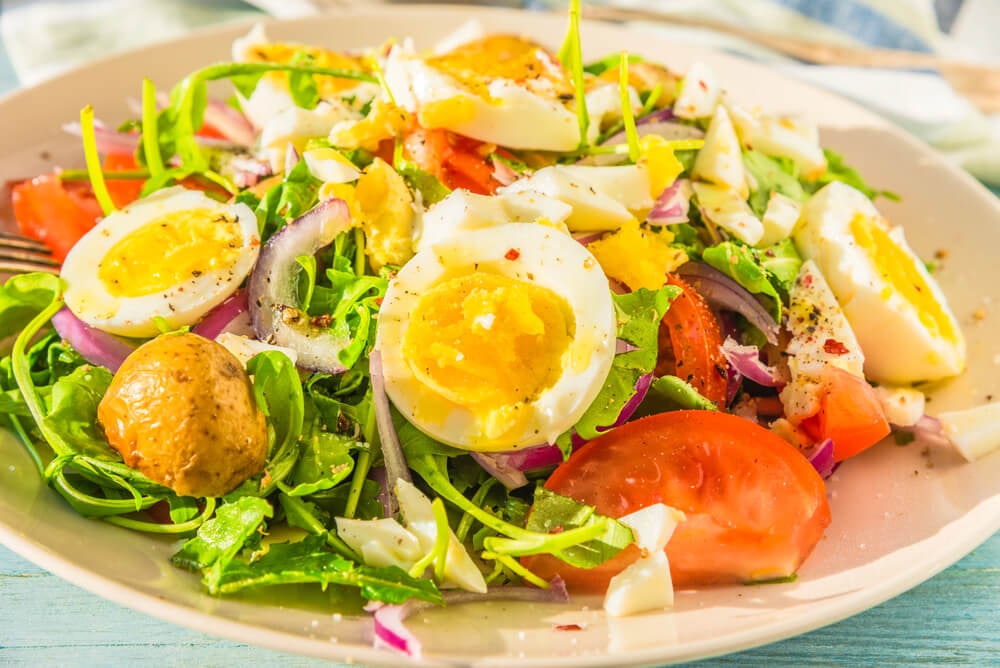
J.L. Hudson’s in Detroit gave the city the Maurice Salad, a tall plate of julienned ham, turkey, and Swiss cheese with a sweet dressing. The dish became a Detroit signature, and home cooks still re-create it from memory.
Hudson’s flagship on Woodward Avenue was among the largest department stores in the country, and its restaurants fed a city’s worth of lunch crowds. The store is long gone, yet the salad keeps turning up on Michigan menus.
The Blueberry Muffins at Jordan Marsh
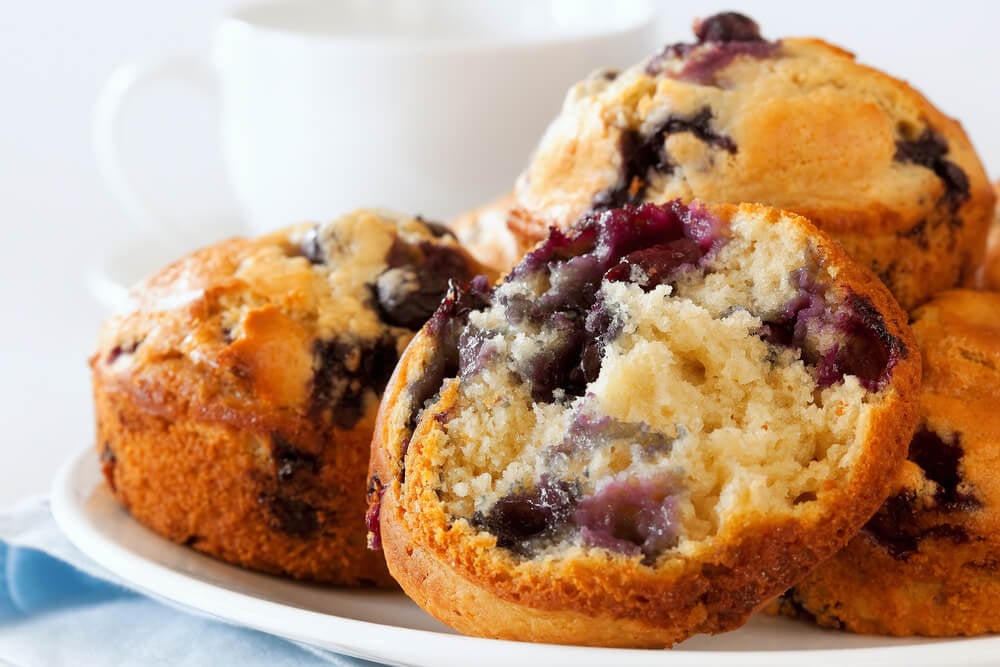
Jordan Marsh in downtown Boston became so linked with its blueberry muffins that the recipe outlived the store. The muffins were sliced in half, grilled in butter, and served warm, a preparation that turned a simple baked good into a destination.
The store anchored Downtown Crossing, and generations of New Englanders carried its shopping bags. A baked good has rarely done more to keep a retailer’s name in circulation.
The Tic Toc and the Clock at Kaufmann’s
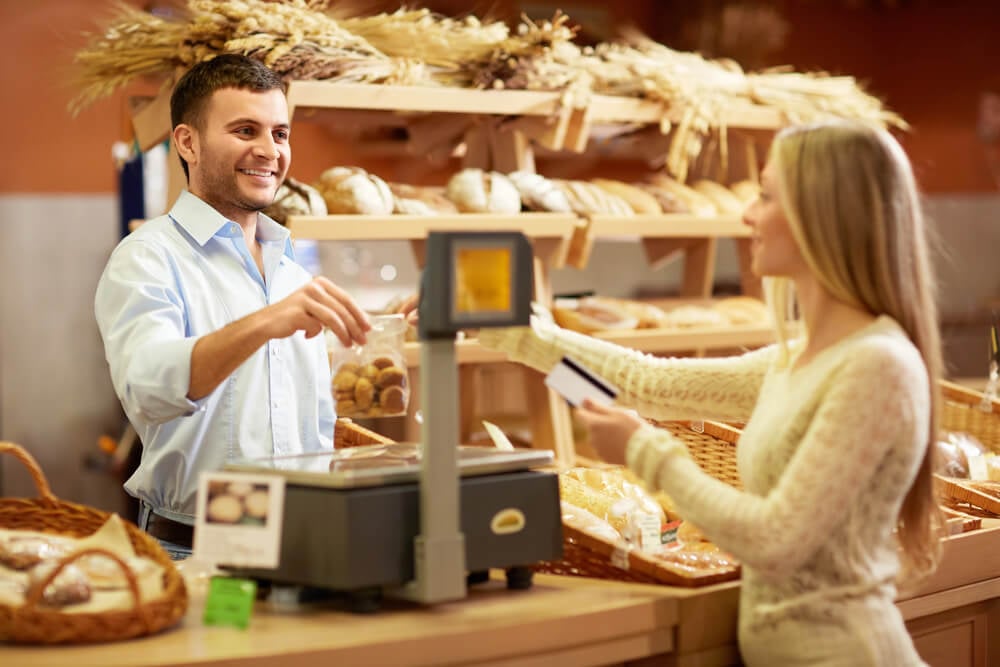
Kaufmann’s in downtown Pittsburgh paired a restaurant called the Tic Toc with an in-store bakery counter. The big clock on the corner of Fifth Avenue and Smithfield Street became the city’s favorite meeting spot, and the phrase “meet me under the clock” still means something to locals.
Couples, friends, and commuters all arranged to find each other there before heading inside. Lunch at Kaufmann’s was often the second half of a rendezvous.
The Tea Room at Bullock’s Wilshire
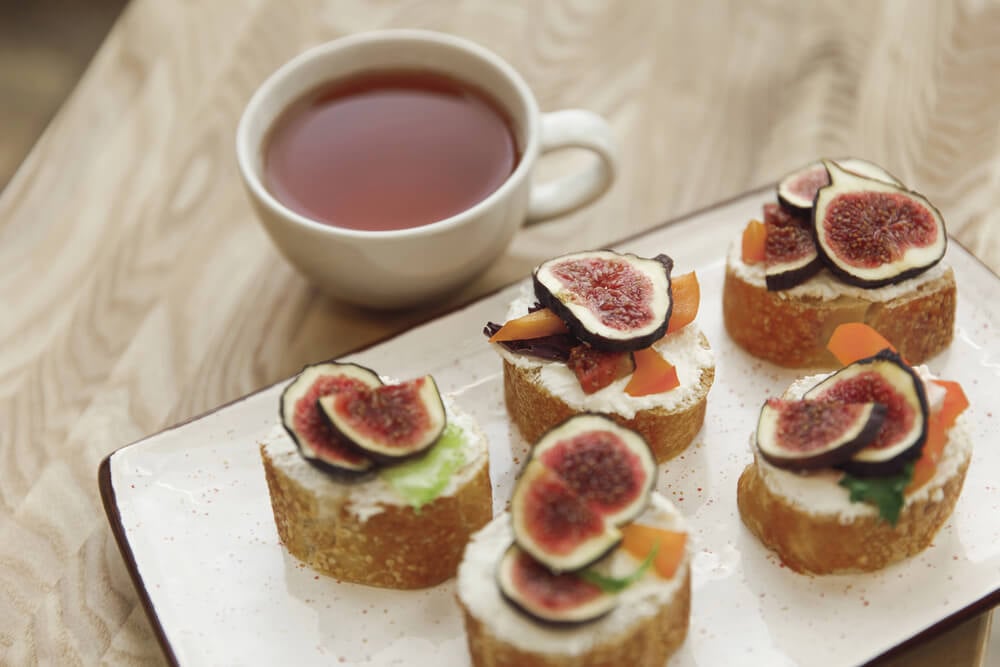
Bullock’s Wilshire in Los Angeles opened in 1929 as an Art Deco showpiece, and its tea room drew the city’s fashionable crowd. The store was designed for drivers, with a rear entrance and porte-cochere where cars pulled in so shoppers could step straight inside.
Lunch there came with the sense of being at a private club rather than a store. The building is now home to Southwestern Law School, but the architecture remains a landmark.
The Bird Cage at Lord & Taylor
Lord & Taylor’s Fifth Avenue flagship in New York housed the Bird Cage, a restaurant that suited the store’s reputation for refined, unhurried shopping. Ladies who lunched there often took in a fashion presentation between courses.
The store’s building on Fifth Avenue remains a Manhattan landmark, even though the retailer’s days there are over. A meal in the Bird Cage was part of the old New York ritual of dressing up to go downtown.
The Tea Room at Younkers
Younkers, the Iowa department store that began in Keokuk in the 1850s and grew into a Des Moines institution, was home to a Tea Room that became a gathering place for the entire city. Waitresses there were trained to serve with the polish of a good hotel, and generations of Iowans came for luncheons, bridal showers, and fashion shows.
The room outlasted many of the habits that created it, and its memory still draws people back downtown. A table at the Tea Room meant that an ordinary Saturday had been promoted.
The Tea Room at Woodward & Lothrop
Woodward & Lothrop, known to Washington shoppers as Woodies, anchored the corner of Eleventh and G Streets for much of the twentieth century. Founded in 1880, the store ran a Tea Room where downtown workers, congressional spouses, and families on holiday outings sat down for lunch between rounds of shopping.
Woodies was especially loved at Christmas, when the toy department and the store’s seasonal displays became a Washington tradition. The company closed in 1995, but the nickname still gets a smile from anyone who grew up in the District.
When the Lunch Hour Was Part of the Store
Looking back across these rooms, the pattern is plain: department stores did not just sell goods, they sold an afternoon. The menus mattered, but so did the rituals around them, from the clock at Kaufmann’s to the tree in the Walnut Room.
Customers remembered what they ate because they remembered who they were with. That is why so many of these dishes keep resurfacing in recipes, tributes, and revivals.
When Dayton’s popovers return on a menu or the Maurice Salad appears in a Detroit kitchen, the draw is the feeling of being taken care of during a day out. A sandwich and a seat were never really the point.
More from Go2Tutors!

- 27 Silver Dollars and Half Dollars Worth Keeping
- 28 Restaurant Menu Items Nobody Orders Anymore
- 17 Places Built in Seemingly Impossible Spots
- 27 Vintage Rings Worth More Than They Look
- 25 Restricted Sites Tourists Can’t Enter
Like Go2Tutors’s content? Follow us on MSN.