17 Photos That Accidentally Captured Historic Moments
Throughout history, some of the most powerful images weren’t planned photo ops but rather spontaneous captures that happened to freeze pivotal moments in time. These accidental photographs serve as authentic windows into history, caught without staging or preparation.
Here is a list of 17 remarkable photographs that accidentally captured historic moments, proving that sometimes the most meaningful documentation of history occurs when nobody planned it.
The Hindenburg Disaster
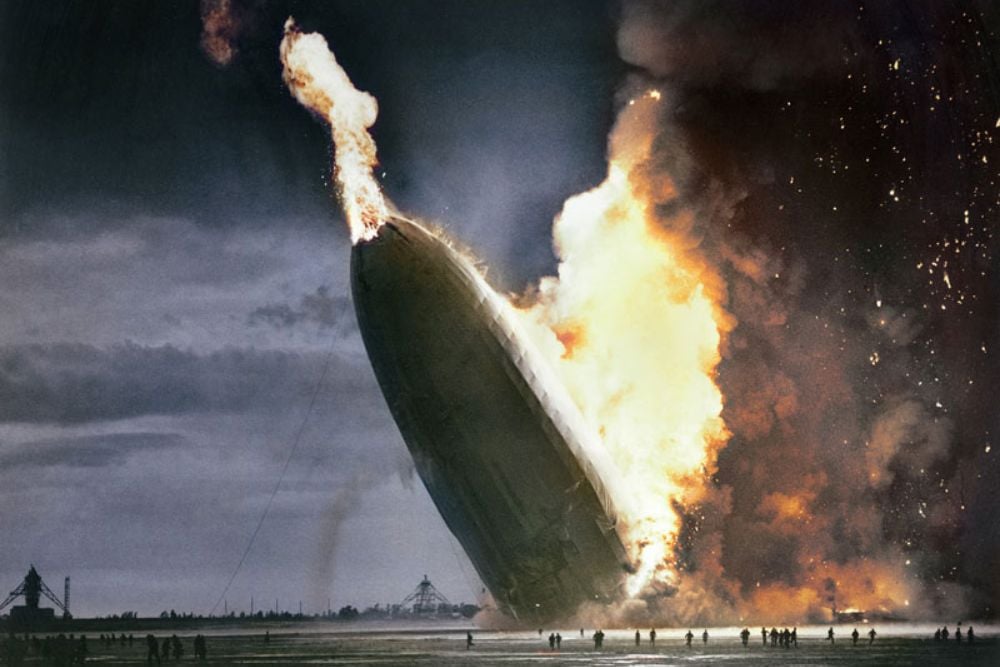
What began as routine coverage of a luxury airship landing turned into documentation of one of aviation’s most notorious disasters. Photographer Sam Shere was simply waiting to capture Hindenburg’s arrival in New Jersey in 1937 when the hydrogen-filled airship suddenly burst into flames.
His rapid reaction produced an iconic image that has become synonymous with the end of the airship era. The photo’s power comes from its candid nature, no one could have anticipated capturing such a pivotal moment in transportation history.
Tank Man at Tiananmen Square
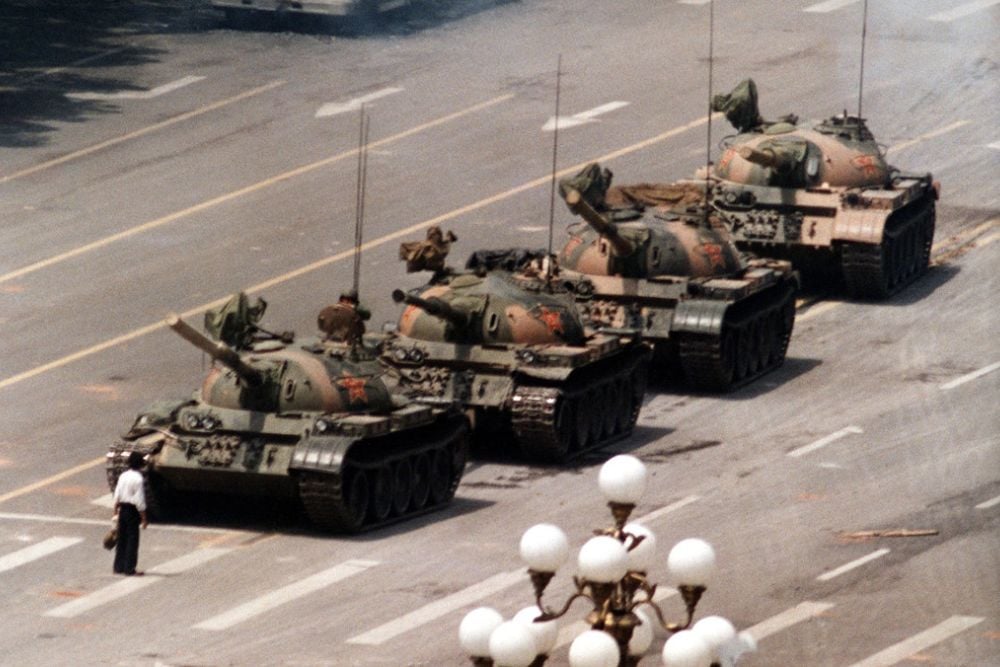
In 1989, a photographer looking out of his hotel window in Beijing noticed a solitary figure standing before a column of tanks. The resulting image of an unknown man defying military might became one of the most powerful symbols of resistance in modern history.
The photographer had simply been documenting the broader protests when this extraordinary moment of courage unfolded before his lens. This accidental timing created a defining image of the 20th century that continues to represent individual courage in the face of overwhelming power.
The Falling Man on 9/11
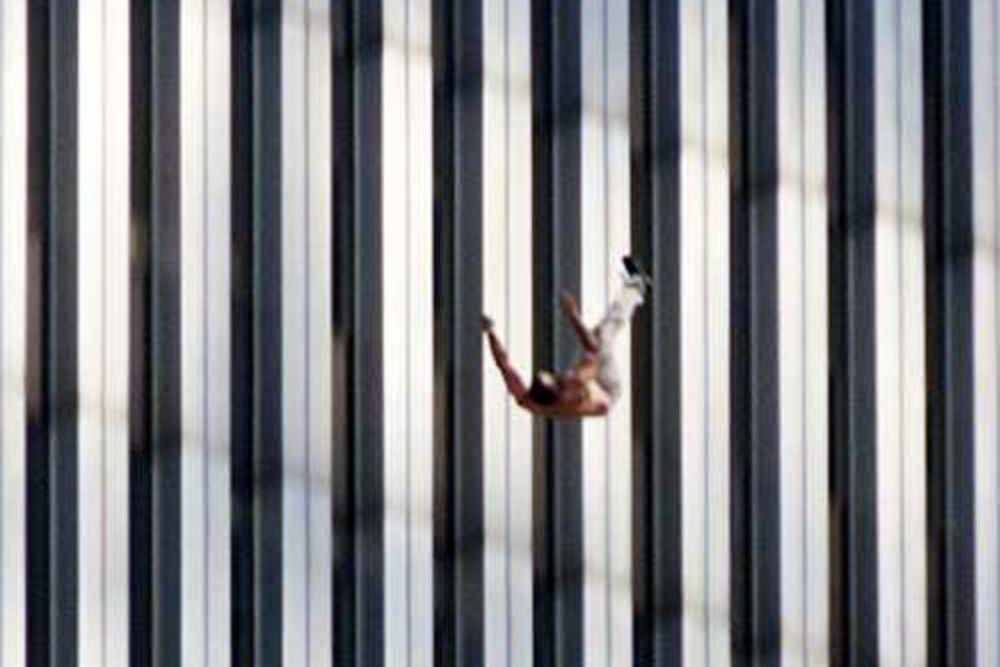
Associated Press photographer Richard Drew was covering a fashion event in New York City when the September 11 attacks began. Rushing to the scene, he captured one of the most haunting images from that day, a man falling from the World Trade Center.
The photograph, taken amid chaos and confusion, has become a solemn reminder of the human tragedy of that day. The photographer never set out to create such a powerful historical document, yet his image has become an indelible part of our collective memory of that tragic day.
The Beatles’ Abbey Road Cover
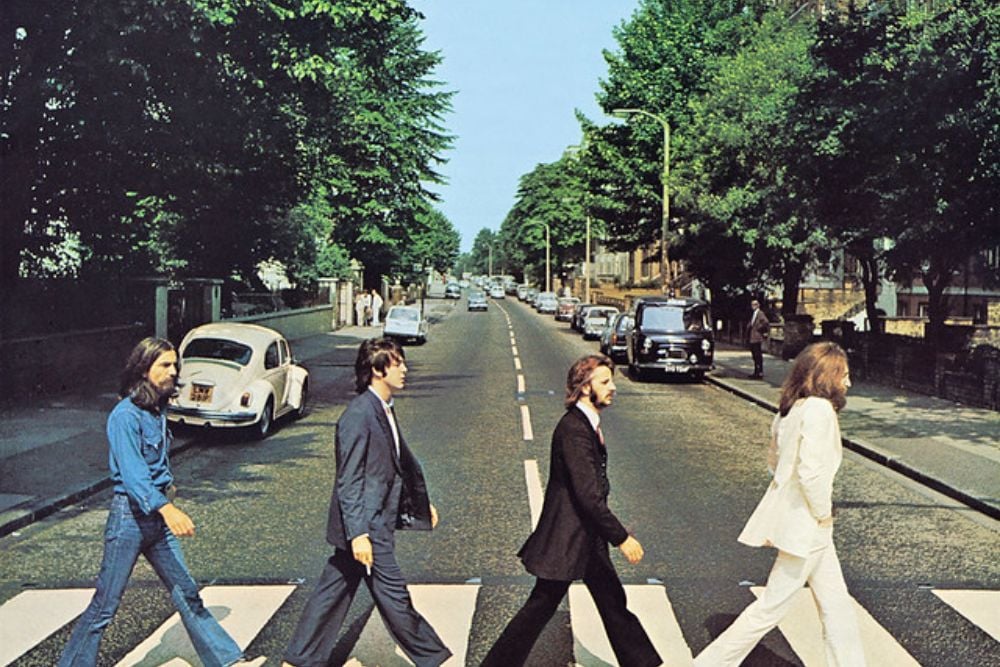
What became one of music’s most recreated album covers was actually a quick, informal shoot. Photographer Iain Macmillan spent just ten minutes on a stepladder while police briefly held traffic, capturing the Fab Four crossing Abbey Road.
The seemingly simple photograph has been analyzed endlessly for supposed ‘clues’ and became an iconic image that transcended its original purpose as album art. The hurried nature of the shoot resulted in an image that would become instantly recognizable worldwide for generations.
Lunch Atop a Skyscraper
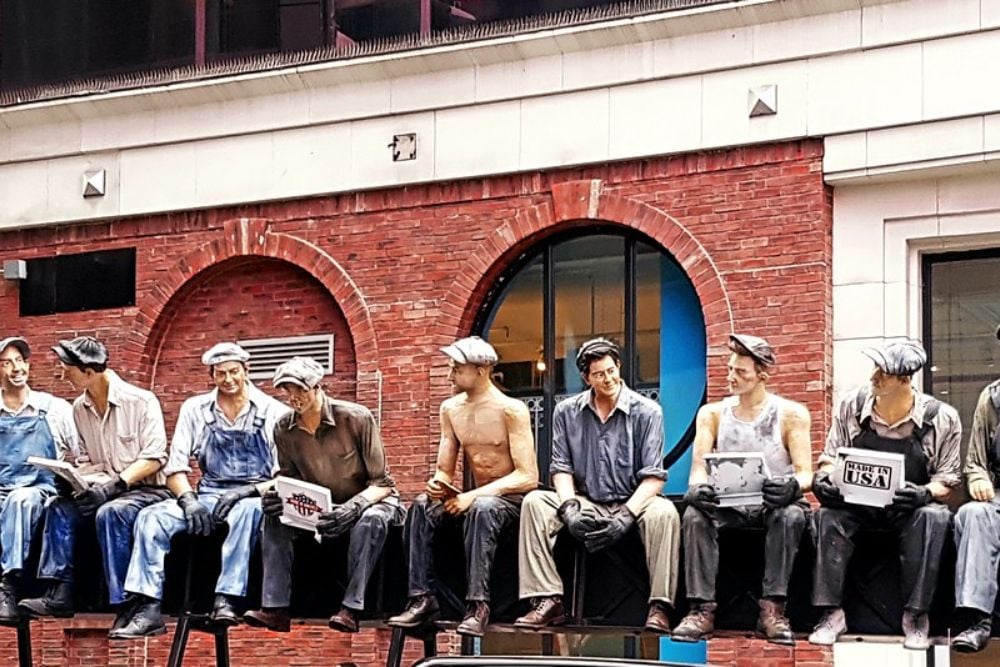
In 1932, a photographer captured construction workers casually eating lunch on a steel beam 850 feet above New York City. What was intended as a publicity photo for Rockefeller Center became a defining image of American resilience during the Great Depression.
The photograph’s power comes from its authentic portrayal of workers seemingly unfazed by heights that would terrify most people. This snapshot of everyday courage during the construction of an iconic American landmark resonates decades later as a testament to human determination.
The Kiss at Times Square
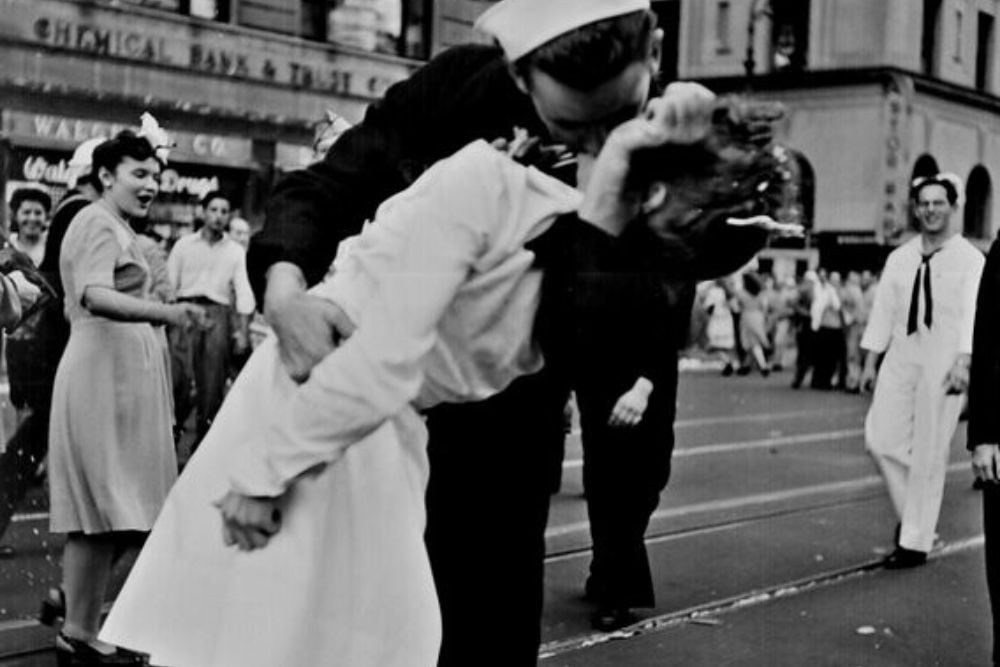
Alfred Eisenstaedt’s famous photograph of a sailor kissing a nurse in Times Square on V-J Day wasn’t carefully composed, it was a spontaneous shot taken amid celebrations. The photographer was simply documenting the jubilant atmosphere when he noticed the embrace and quickly captured what would become an iconic representation of national relief at the end of World War II.
This split-second decision preserved a moment of pure joy that has come to symbolize an entire nation’s emotional response to peace.
The Burning Monk
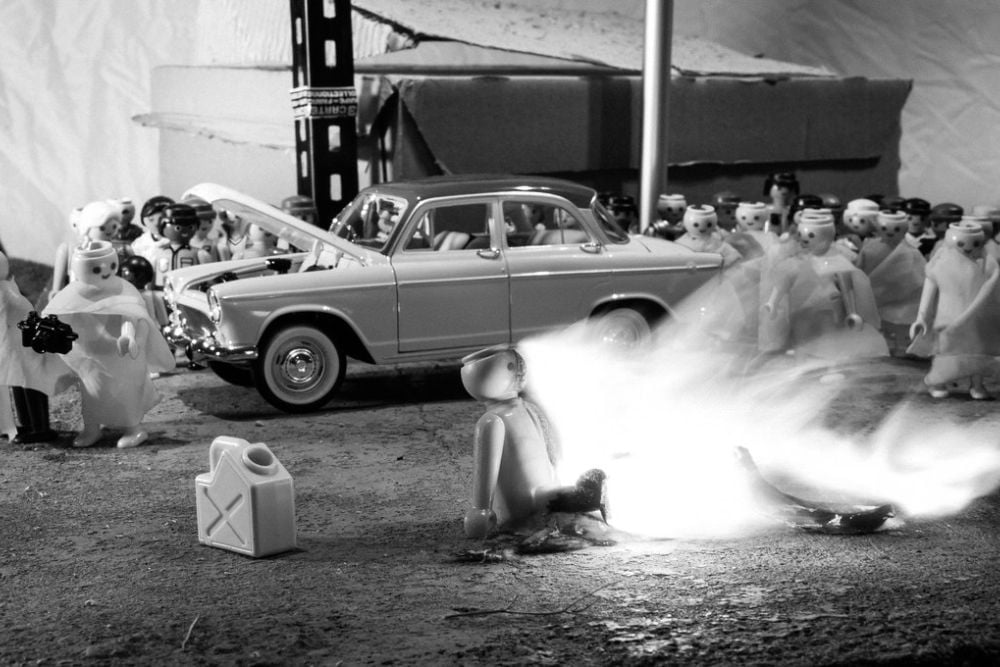
In 1963, journalist Malcolm Browne happened to receive a tip about an upcoming protest. Arriving at the scene in Saigon, he witnessed and photographed Buddhist monk Thích Quảng Đức setting himself on fire in protest of the South Vietnamese government.
Browne’s shocking images brought international attention to the conflict. The photographer had no idea he would document such an extreme act of protest, yet his presence created a visual record that dramatically increased global awareness of the political situation in Vietnam.
The Challenger Explosion
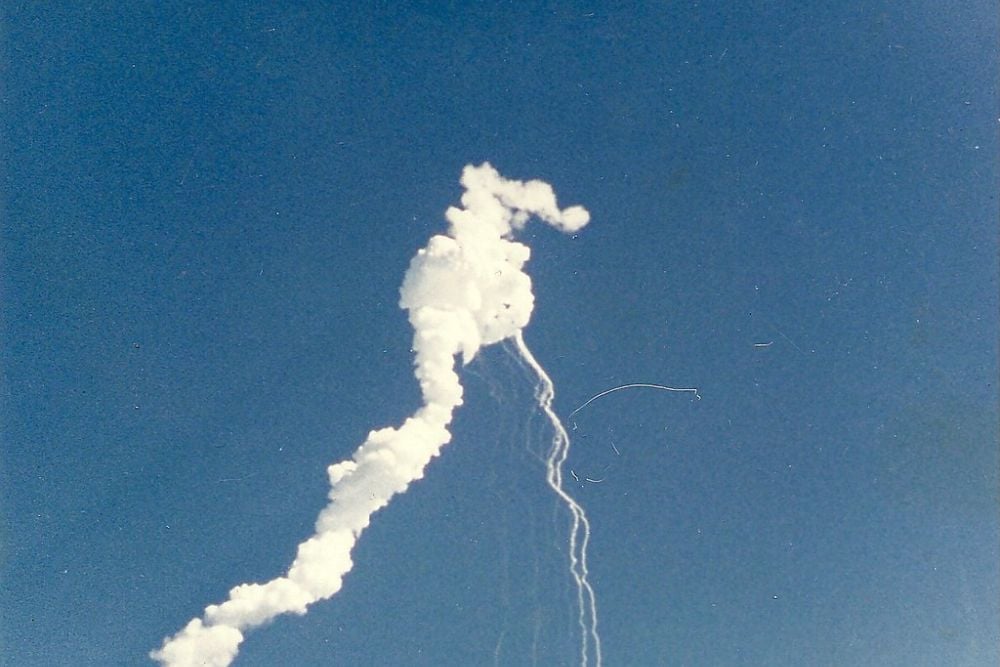
When schoolteacher Christa McAuliffe was selected to join the Challenger mission, media presence was higher than usual for the shuttle launch. This meant dozens of cameras were rolling when disaster struck 73 seconds after liftoff in 1986.
What was meant to be documentation of a celebratory moment in space exploration instead captured tragedy in real-time. These unintentional images of disaster have become powerful historical documents that changed public perception of the space program’s risks.
The First Flight at Kitty Hawk
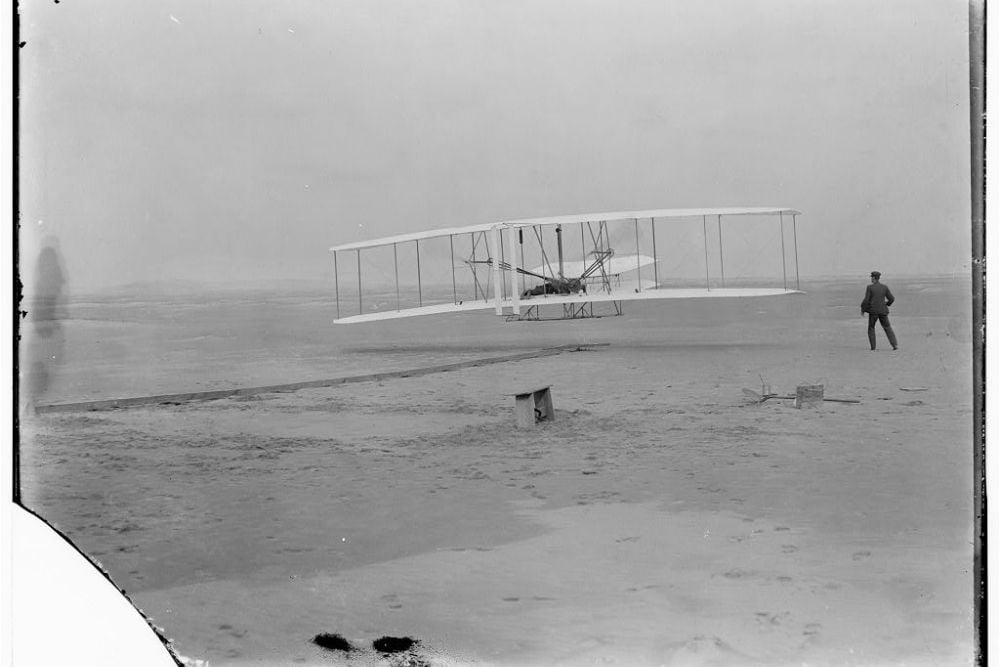
John T. Daniels, who had never operated a camera before, was asked to squeeze a bulb trigger if anything interesting happened during the Wright brothers’ attempts at flight. His perfect timing captured the exact moment of mankind’s first powered flight in 1903.
This accidental photographer created one of history’s most significant technological milestones through sheer luck and good timing. Had his finger slipped or had he blinked at the wrong moment, we might have lost visual evidence of this pivotal achievement.
Einstein Sticking Out His Tongue
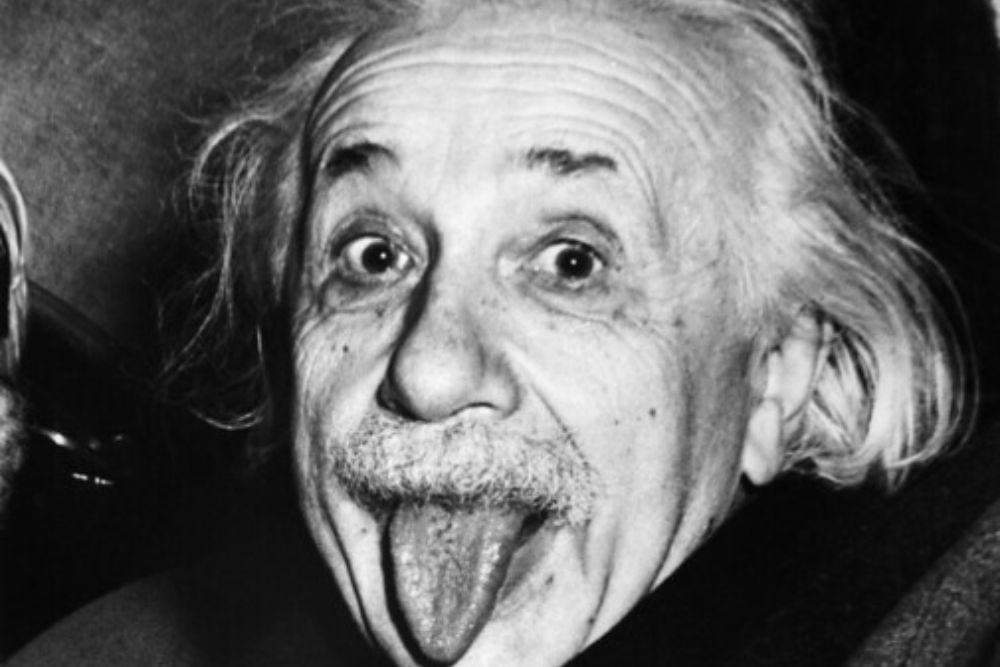
What became Albert Einstein’s most recognizable image was supposed to be just another boring press photo. Tired of smiling for photographers on his 72nd birthday, Einstein impulsively stuck out his tongue right as the shutter clicked.
The physicist loved the resulting image so much he ordered nine copies for himself. This spontaneous gesture, captured purely by chance, revealed the playful personality behind one of history’s greatest minds and has become far more famous than any formal portrait of the scientist.
The Birmingham Civil Rights Protests
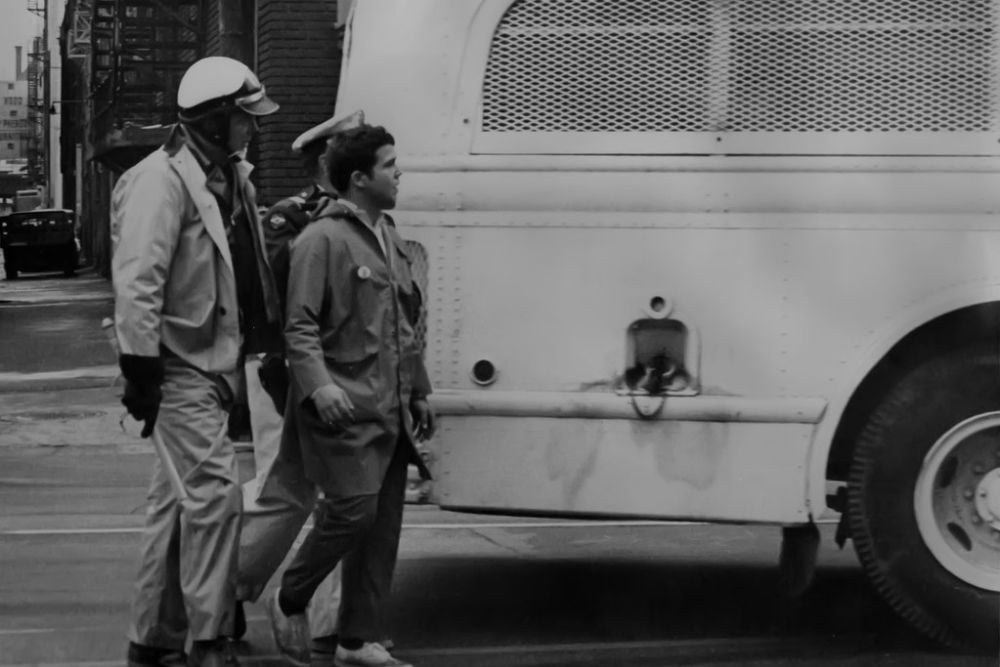
Photojournalist Bill Hudson was covering civil rights demonstrations in Birmingham when he captured a police dog attacking a young protester. The shocking image appeared in newspapers nationwide, galvanizing public opinion against segregation policies.
What began as routine coverage of ongoing protests resulted in a defining image of the civil rights struggle that helped change the course of American history by revealing the brutality faced by peaceful protesters.
The Berlin Wall Falls
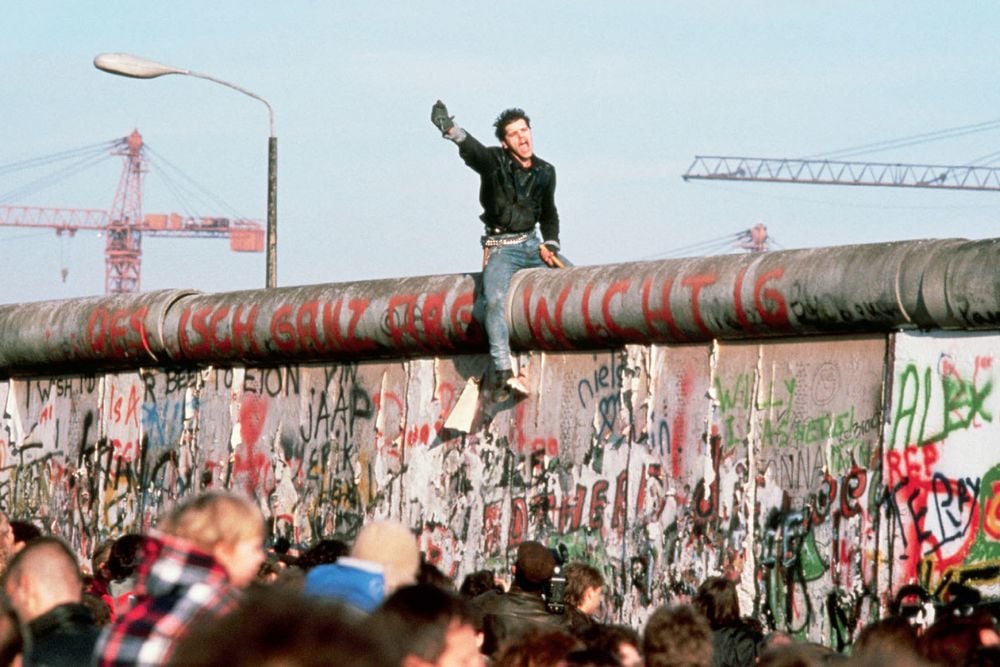
When East Germany announced relaxed travel restrictions in November 1989, photographer Tom Stoddart was nearby covering a different story. Quickly pivoting, he documented jubilant citizens beginning to dismantle the wall that had divided their city for decades.
His unplanned presence resulted in powerful images of one of the Cold War’s most symbolic moments. These photographs of spontaneous celebration captured the raw emotion of freedom in a way no planned photo opportunity ever could.
Raising the Flag on Iwo Jima
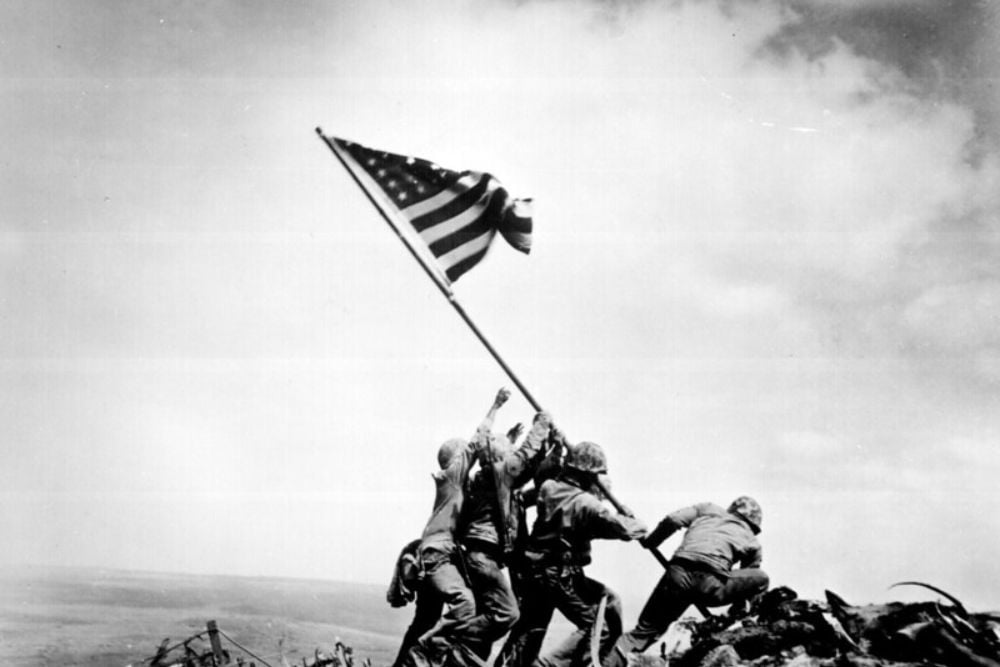
While Joe Rosenthal’s famous flag-raising photograph was technically staged (it was the second, larger flag raised that day), the powerful composition was completely unplanned. Rosenthal didn’t even look through his viewfinder, he simply raised his camera quickly and hoped for the best.
This hurried shot became one of the most reproduced photographs in history and the basis for the Marine Corps War Memorial. The accidental artistry of this hastily captured moment created an enduring symbol of American military sacrifice and determination.
The Loch Ness Monster ‘Surgeon’s Photo’
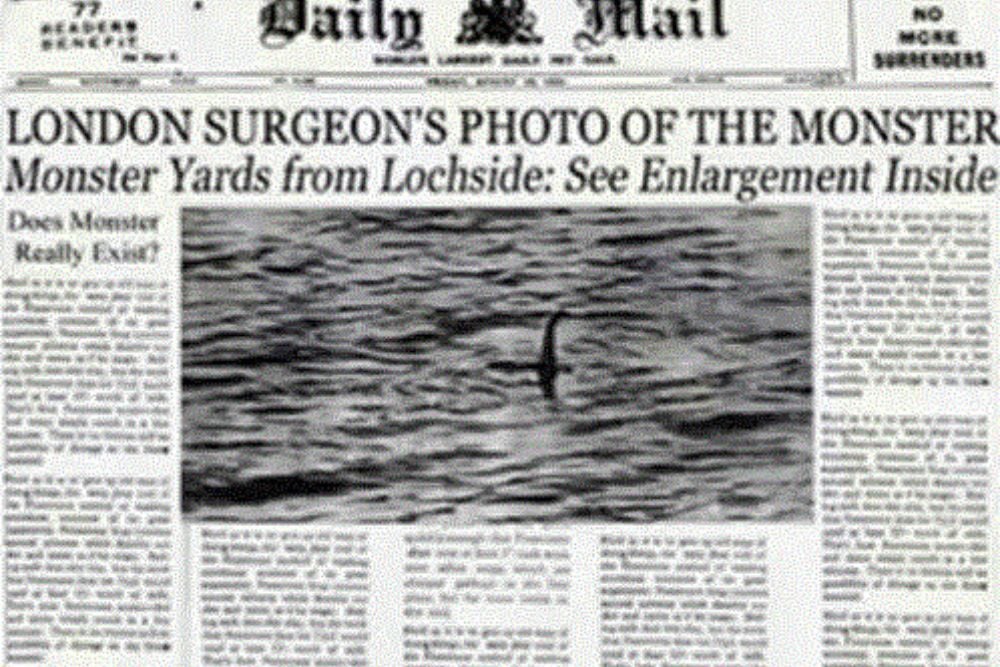
For decades, the ‘Surgeon’s Photo’ was considered the most compelling evidence of the Loch Ness Monster. Supposedly taken by a London doctor in 1934, the image shows what appears to be a long-necked creature emerging from the water.
While later revealed as a hoax using a toy submarine, the photograph accidentally captured something historic: our enduring fascination with cryptozoology and the unknown. This image’s lasting cultural impact demonstrates how even fraudulent photographs can become legitimate historical artifacts documenting human belief systems.
The Nuclear Mushroom Cloud
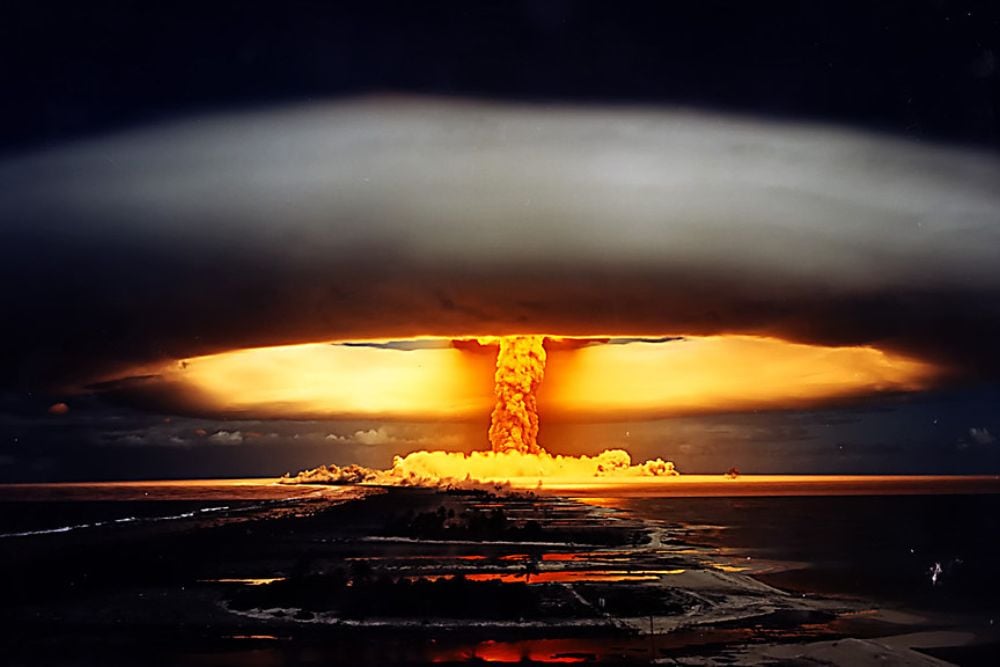
When the United States tested nuclear weapons in the Pacific, military photographers were assigned to document the explosions primarily for scientific analysis. However, these utilitarian images took on profound historical and cultural significance, becoming powerful symbols of both technological achievement and existential threat.
The photographers were simply doing their jobs, yet they created some of the most recognizable and consequential images of the 20th century that continue to shape our understanding of nuclear power.
JFK Assassination Frame 313
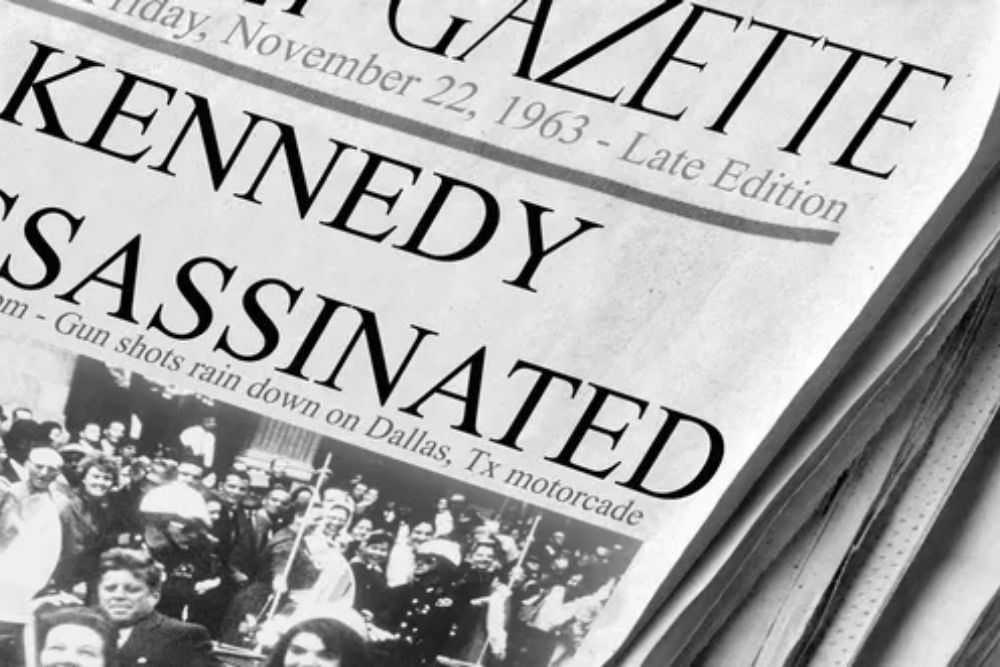
Abraham Zapruder only intended to capture a pleasant memory of President Kennedy’s motorcade with his new camera. Instead, he accidentally filmed the exact moment of assassination, particularly frame 313, which explicitly shows the fatal shot.
This home movie became crucial evidence in understanding what happened that day in Dallas. Perhaps the most significant accidental documentation in American history, Zapruder’s film transformed a private citizen into a reluctant historical witness whose name is forever linked to tragedy.
Lightning Striking the Columbia Space Shuttle
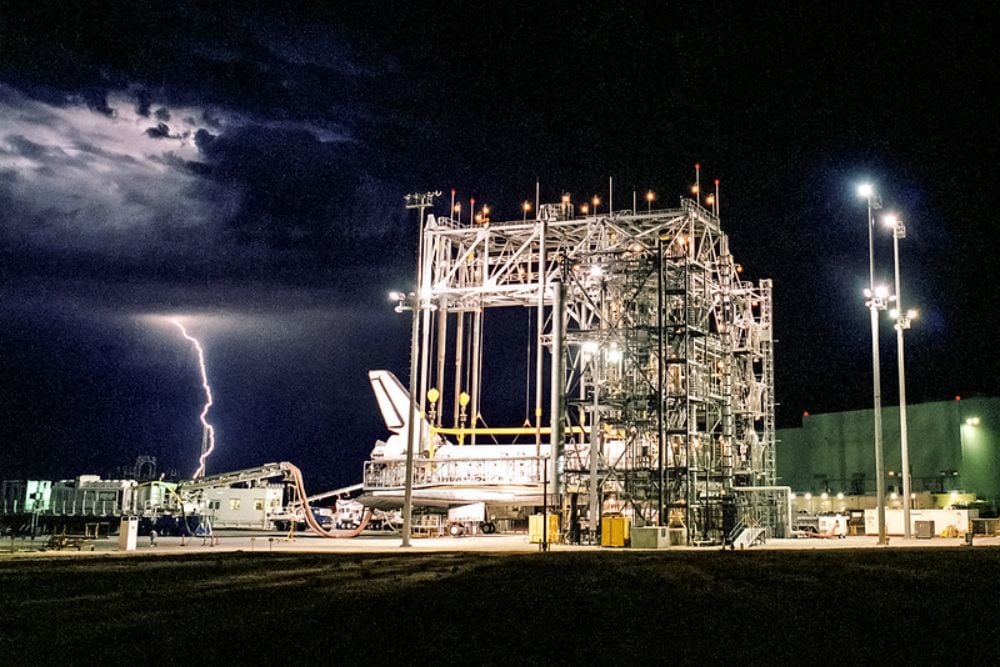
During the 1983 launch of the Columbia space shuttle, photographer Ken Havekotte was simply documenting another routine mission when his camera captured lightning striking the shuttle during ascent. NASA engineers later studied these chance images to understand how the shuttle’s lightning protection systems performed under actual conditions.
What began as standard launch documentation became valuable scientific evidence that helped improve safety protocols for future missions.
Persistent Echoes of the Unplanned
Throughout photographic history, some of the most powerful images emerged not from careful planning but from being in the right place at precisely the right moment. These accidental captures remind us that history often unfolds unpredictably, beyond anyone’s ability to orchestrate or control.
While modern technology has made photography ubiquitous, there remains something uniquely powerful about those rare instances when an unplanned click of a shutter freezes a turning point that changes our understanding of the world forever.
More from Go2Tutors!

- The Romanov Crown Jewels and Their Tragic Fate
- 13 Historical Mysteries That Science Still Can’t Solve
- Famous Hoaxes That Fooled the World for Years
- 15 Child Stars with Tragic Adult Lives
- 16 Famous Jewelry Pieces in History
Like Go2Tutors’s content? Follow us on MSN.



