Designs Once Radical Now Utterly Normal
Every generation has its rebels—those designers, architects, and creators who push boundaries so hard that society gasps in horror. The establishment clutches its pearls, critics write scathing reviews, and the general public declares these innovations tasteless, dangerous, or downright immoral.
Fast forward a few decades, and those same radical designs have quietly slipped into everyday life. Nobody bats an eye anymore.
What was once shocking becomes so ordinary that we forget it ever caused controversy in the first place.This pattern repeats itself throughout history with remarkable consistency.
The designs that scandalize one era become the defaults of the next. Here is a list of 15 designs that were once considered radical but are now utterly normal.
The Eiffel Tower
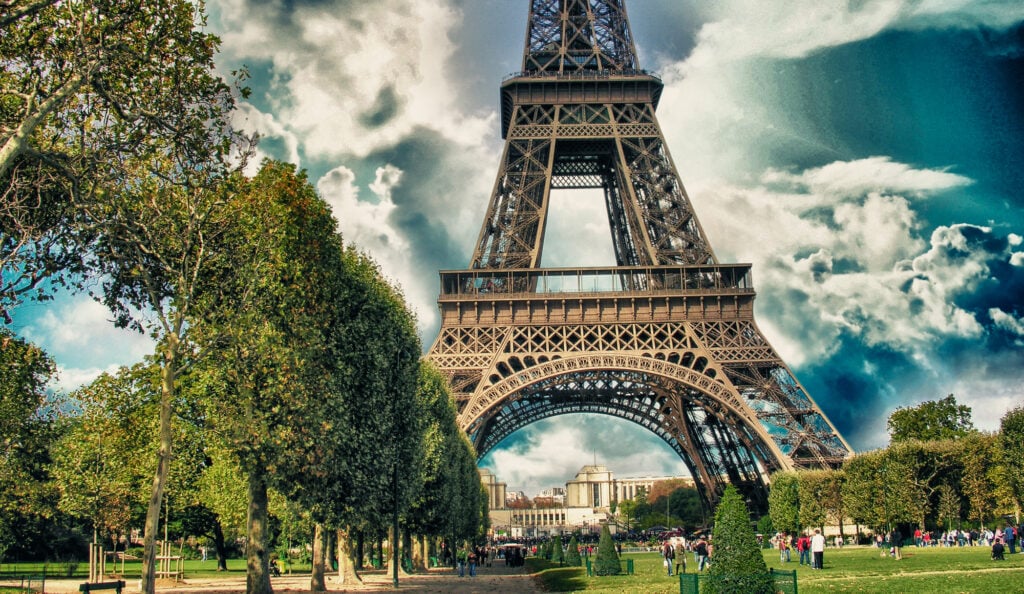
When construction began in 1887, Parisian artists and intellectuals despised Gustave Eiffel’s iron tower, viewing it as an industrial monstrosity that would ruin the city’s aesthetic. A group of 300 prominent artists, writers, and architects—including Guy de Maupassant and Charles Garnier—signed a formal protest letter calling it a humiliation to Paris.
Maupassant reportedly ate lunch in the tower’s restaurant regularly, not because he enjoyed the food, but because it was the only place in Paris where he couldn’t see the structure. Today, the tower welcomes roughly seven million visitors annually and serves as the most recognizable symbol of France. The supposed eyesore became an icon.
Open Floor Plans

Frank Lloyd Wright proposed an open kitchen concept in his 1930s Willey House project for a middle-income family, challenging the traditional separated rooms that signified wealth and status. In the 18th and 19th centuries, walls between rooms were actually status symbols—having separate parlors, libraries, and smoking rooms indicated you were wealthy enough to afford the space.
Wright’s radical idea of combining living spaces seemed absurd to many. Now open floor plans dominate modern home construction, though interestingly, they’re starting to face pushback as remote work has people craving separate spaces again.
Like Go2Tutors’s content? Follow us on MSN.
The Miniskirt
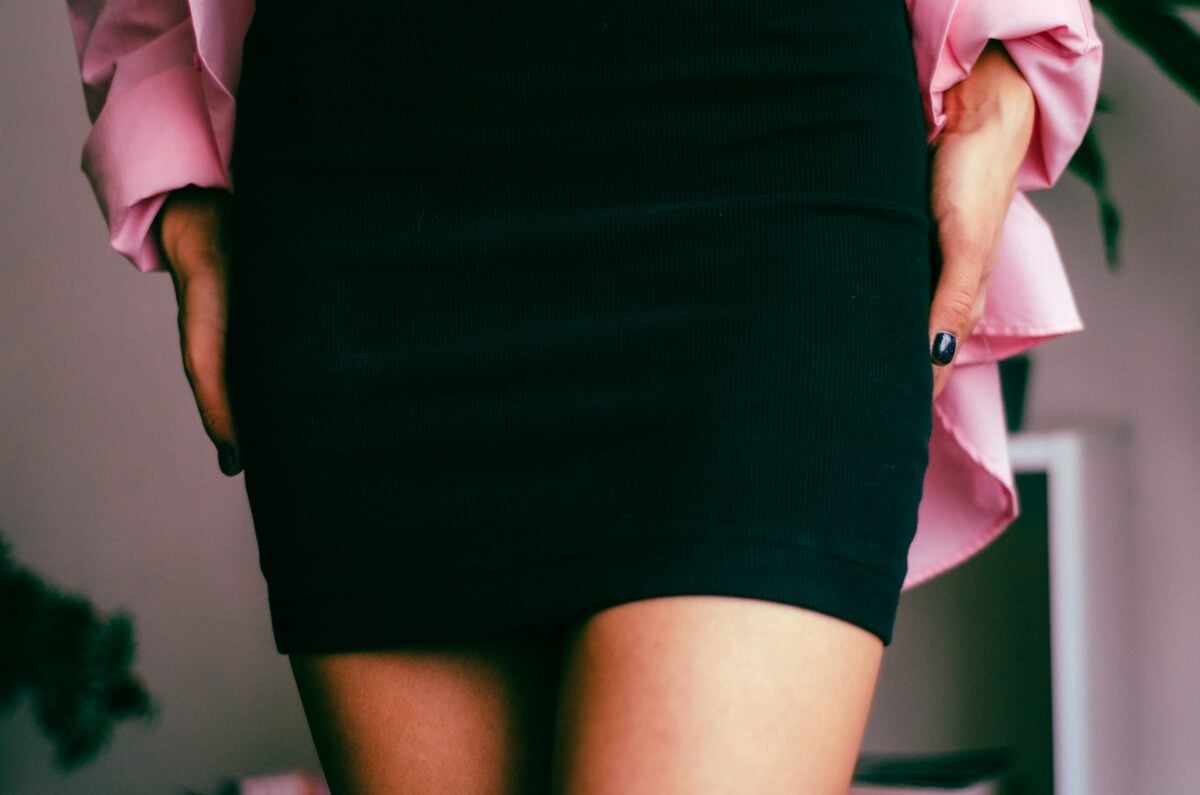
When designer Mary Quant and model Twiggy popularized the miniskirt in 1965, it sparked intense moral panic and was associated with the women’s liberation movement. High schools across America banned the style, claiming short skirts caused distraction, and many employers prohibited women from wearing them to work.
In several African countries, politicians attempted to ban miniskirts as protests against male authority, and Uganda’s Minister of Ethics proposed arresting women wearing anything above the knee. The miniskirt survived every attempt to suppress it and became standard fashion.
You can find them in any clothing store today without causing even a ripple of controversy.
The Bikini

French engineer Louis Réard introduced the modern bikini on July 5, 1946, naming it after the Bikini Atoll where atomic bomb tests were taking place. Pope Pius XII condemned the swimsuit as sinful, and countries including Belgium, Italy, Spain, and Australia banned it.
When Miss World contestants wore bikinis in the first 1951 pageant, religious countries threatened to withdraw, and bikinis were subsequently banned from all beauty pageants. American swimwear manufacturers scorned the design as unsuitable for American women.
Now bikinis are everywhere—beaches, pools, fashion magazines, and vacation photos—without anyone thinking twice.
Tattoos

Tattooing was primarily associated with sailors, working-class professions, bikers, gang members, and inmates throughout most of the 20th century, carrying strong negative connotations. In the 1980s, the punk and gay movements adopted body modification as protest against conservative middle-class norms.
What were once viewed as marks of abnormality in industrialized regions are now considered normal, with tattoos becoming so common that the stigma has largely disappeared. Major corporations have relaxed dress codes, and visible tattoos no longer automatically disqualify someone from professional employment.
The rebellion became mainstream.
Like Go2Tutors’s content? Follow us on MSN.
Women Wearing Pants

During the 1970 controversy over skirt lengths, pants emerged as women’s preferred option, representing both modesty and practicality while conveying a feminist message. Before the mid-20th century, women wearing trousers was considered scandalous and inappropriate in most contexts.
Women were expected to wear dresses or skirts in nearly all situations, and pants were strictly masculine attire. Now women wear pants everywhere—to work, to formal events, to government positions—and nobody considers it noteworthy.
The controversy evaporated so completely that younger generations can barely imagine it existed.
Skyscrapers

The Eiffel Tower’s success demonstrated the architectural possibilities enabled by advances in engineering, giving architects confidence to use metal in new structural designs. The tower’s innovative approach directly enabled new building shapes in the 20th century, especially skyscrapers.
Before the late 19th century, the idea of buildings reaching hundreds of feet into the sky seemed impossible and unnecessary. Early skyscrapers were met with skepticism about their safety and appropriateness.
Today, every major city competes to build taller towers, and skylines packed with skyscrapers define modern urban landscapes.
Modernist Architecture

The Eiffel Tower symbolized modernism through its lack of classical detailing and focus on structural aesthetics, departing from past architectural styles focused on stone buildings inspired by history. Buildings with flat roofs, clean lines, exposed materials, and minimal ornamentation shocked people accustomed to decorative classical styles.
Critics found modernist structures cold, ugly, and inhuman. Now modernist principles dominate contemporary architecture.
The stripped-down aesthetic that once provoked outrage has become the standard approach for everything from office buildings to museums to residential homes.
Like Go2Tutors’s content? Follow us on MSN.
Colored Hair

Punk culture in the 1970s introduced mohawked, spiked, and colored hair as rejection of social order. Companies like Chick-fil-A and Hobby Lobby maintain strict policies against employees having colored hair, with guidelines stating only naturally occurring hair colors are permitted.
Bright pink, blue, purple, or green hair was once exclusively associated with rebellious subcultures. Now you’ll see people with vibrant hair colors working in banks, teaching in schools, and sitting in corporate meetings.
The shock value has faded as self-expression through hair color gained acceptance.
Blue Jeans

Denim pants originated as sturdy workwear for laborers, miners, and cowboys in the late 19th century. They were considered too rough and informal for any respectable setting. Wearing jeans to school, church, or the office would have been unthinkable.
The fabric symbolized manual labor and low social status. Now jeans have conquered nearly every dress code. They’re acceptable in most offices, perfectly fine for casual restaurants, and even appear in designer collections selling for hundreds of dollars.
The working-class uniform became universal casual wear.
Body Piercings Beyond Ears

Nose piercings, eyebrow piercings, and other facial piercings were associated with punk subcultures and viewed as signs of deviance or rebellion. Parents worried their children would ruin their lives by getting visible piercings.
Employers automatically rejected applicants with facial piercings. Indiana University Health system announced it removed its 50-page dress code to allow visible tattoos and piercings, with the chief nurse executive stating that caregivers hiding their piercings didn’t feel genuine.
Now nose rings, multiple ear piercings, and other visible piercings are common enough that most people don’t notice them.
Like Go2Tutors’s content? Follow us on MSN.
Concrete Buildings

When architects began constructing buildings from raw, exposed concrete in the mid-20th century, many found the material ugly and oppressive. Concrete seemed too industrial, too cold, too brutal for human spaces.
The Brutalist movement faced particular scorn for celebrating concrete’s raw appearance. Critics argued these buildings looked like parking garages or prisons.
Now concrete appears in high-end residential architecture, trendy restaurants, and luxury hotels. The material once considered cheap and ugly has become associated with modern sophistication.
Glass Curtain Walls

The Eiffel Tower popularized iron and glass for structures aiming to appear light and airy, influencing buildings like Paris’s Printemps department store. When architects started designing buildings with exterior walls made almost entirely of glass, critics worried about everything from structural integrity to privacy to energy efficiency.
The idea of working in a transparent box seemed dystopian. Now glass facades dominate urban architecture.
Office towers, apartment buildings, and commercial spaces feature floor-to-ceiling windows as standard design. The transparency that seemed radical became expected.
Casual Friday Attire

A 2019 survey found that more than 90 percent of employers believe the workforce is more relaxed than a decade ago, with over one-third considering tattoos and unnatural hair colors acceptable. The concept of wearing anything less formal than a suit to the office was once unthinkable.
When companies began allowing casual dress on Fridays in the 1990s, it seemed like a radical departure from professional standards. Older workers worried that standards were collapsing.
Now casual dress has expanded beyond Fridays in most workplaces. Many tech companies never require formal attire at all.
The suit-and-tie uniform that once defined professionalism has largely disappeared.
Like Go2Tutors’s content? Follow us on MSN.
Radical Design Furniture

Superstudio’s Quaderna range featured square patterns covering furniture, architectural plans, collages, and films, establishing a rational grid that carried modernism to its extreme to reveal its absurdities. Italian Radical Design emerged in the 1960s as young architects and designers created provocative, often deliberately kitsch pieces to challenge minimalist beauty standards and critique modernism.
Studio 65’s Capitello chair transformed a Corinthian column into seating made from polyurethane foam, taking classical symbols from elites and giving them to the masses. These unconventional pieces were dismissed as jokes or affronts to good taste.
Now they’re valuable collector’s items displayed in museums, and their playful, boundary-pushing spirit influences contemporary furniture design.
How the Outrageous Becomes Ordinary

The journey from scandal to acceptance follows a predictable path. First comes shock and rejection. Established voices declare the new design dangerous, tasteless, or immoral.
Then a younger generation adopts it as an act of rebellion or self-expression. Gradually, the shocking becomes familiar through repeated exposure. Eventually, the design proves its practical value or simply becomes too common to fight.
What seemed radical gets absorbed into the mainstream, and a new generation looks back in disbelief that anyone ever objected. The designs that define normalcy today were yesterday’s controversies, and today’s controversies will likely be tomorrow’s defaults.
More from Go2Tutors!

- 16 Historical Figures Who Were Nothing Like You Think
- 12 Things Sold in the 80s That Are Now Illegal
- 15 VHS Tapes That Could Be Worth Thousands
- 17 Historical “What Ifs” That Would Have Changed Everything
- 18 TV Shows That Vanished Without a Finale
Like Go2Tutors’s content? Follow us on MSN.