Fascinating Traditions Of the Japanese Samurai
Japan has given the world a lot to admire. Its architecture, food, and art are studied and celebrated everywhere. But few things from Japanese culture stay with you quite like the samurai.
These warriors carried themselves with a discipline and intentionality that touched every part of their lives — not just combat. Their traditions ranged from the way they groomed their hair to the poetry they wrote the night before a battle.
Once you start looking beyond the sword, the samurai become one of the most interesting groups in all of history.
The Code That Shaped Everything
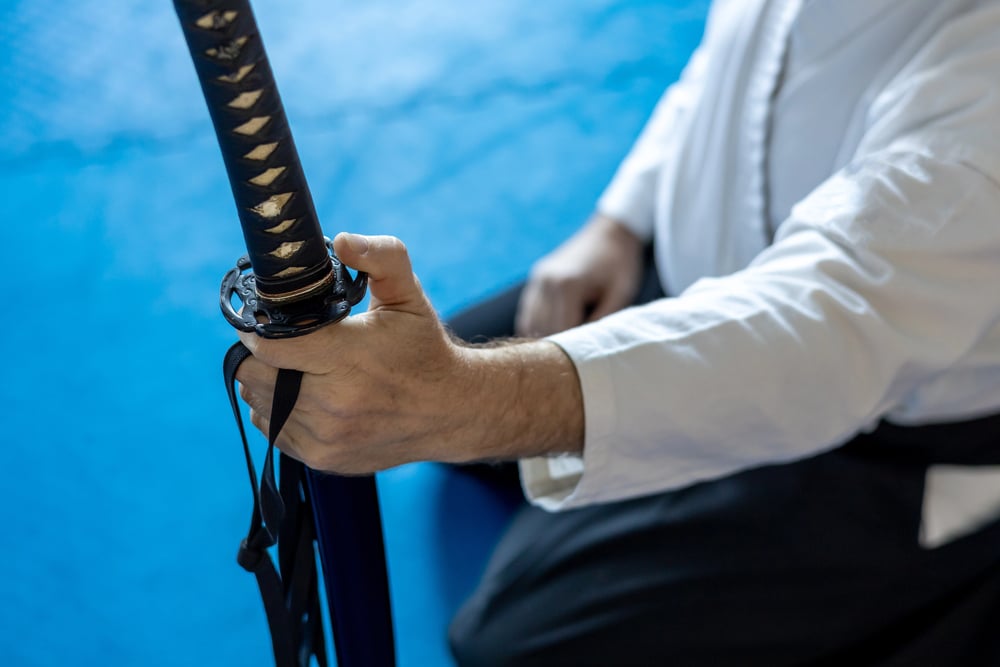
Before anything else, you need to understand Bushido. It was the guiding philosophy behind nearly everything a samurai did.
The word itself breaks down simply: “bu” means warrior, and “do” means way. So Bushido was literally the way of the warrior.
But it was far more than a set of fighting rules. Bushido dictated how a samurai should live, think, and even die.
Loyalty, honor, courage, and discipline were its pillars. A samurai who broke from these values wasn’t just seen as a bad fighter — they were considered a failure as a human being.
This code wasn’t written down in one tidy document. It evolved over centuries, drawing from Buddhism, Confucianism, and Shinto.
Different samurai and different eras interpreted it slightly differently. But the core idea stayed the same: your life should reflect your values, every single day.
Shaving, Knotting, and Looking the Part

You can’t talk about samurai traditions without talking about their hair. The chonmage — that distinctive topknot — was one of the most recognizable parts of samurai identity.
It wasn’t just a style choice. It carried real meaning. Cutting the topknot was a formal act, often representing a departure from samurai life or a period of mourning.
Some samurai cut theirs when they became monks. Others did it after defeat or exile.
The topknot was tied directly to who you were, so removing it was a serious statement.
Their grooming went beyond hair, too. Samurai paid attention to their appearance in a way that surprised a lot of people.
Looking put-together was a sign of discipline and self-respect, both of which mattered enormously within Bushido.
Mornings Before the Sun Comes Up

Samurai were creatures of routine. Their mornings started early and followed a deliberate structure.
Many practiced meditation or prayer before doing anything else, setting the tone for the day with stillness rather than noise. Physical training came next.
Sword drills, archery practice, and other forms of martial exercise were daily habits, not occasional activities. This wasn’t about getting fit.
It was about staying sharp, both mentally and physically. Some samurai also kept journals or read texts related to Bushido in the morning.
Feeding the mind was just as important as training the body.
The Sword Was More Than a Weapon
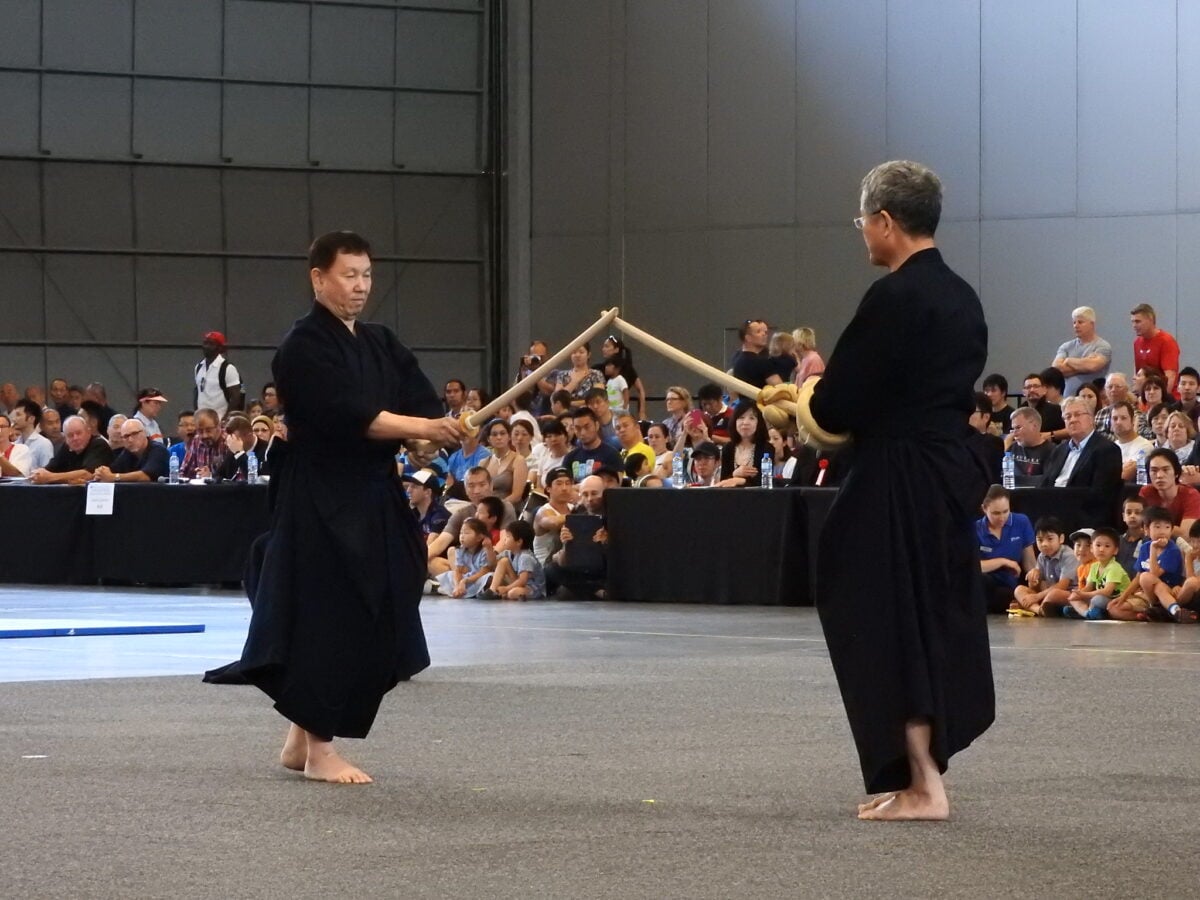
Kenjutsu — the art of sword fighting — was central to samurai culture. But calling it “sword fighting” leaves out most of what made it significant.
For many samurai, the sword was a sacred object. Swords were often given names.
They were maintained and cared for with real reverence. A samurai’s sword could be passed down through generations, carrying the weight of family history along with it.
The training behind Kenjutsu was intense and ongoing. Different schools taught different styles, and samurai sometimes traveled great distances to study under a master.
The goal wasn’t just to win fights. It was to understand the sword deeply enough to move with it as naturally as breathing.
Archery as a Spiritual Practice

Kyudo, the Japanese art of archery, looks deceptively calm. There’s no rushing, no urgency.
A practitioner draws the bow slowly, holds for a moment, and releases with precision. And that slowness was the whole point.
For samurai, Kyudo was as much a spiritual discipline as a combat skill. The process of drawing, aiming, and releasing was supposed to teach patience, focus, and presence. Getting the arrow to land wasn’t the only measure of success.
How you carried yourself through the entire process mattered just as much. Kyudo ceremonies were held at shrines and during important events.
The ritual nature of the practice tied it directly to Japanese spiritual life, making it something far more meaningful than target practice.
On Horseback in Battle and Peace
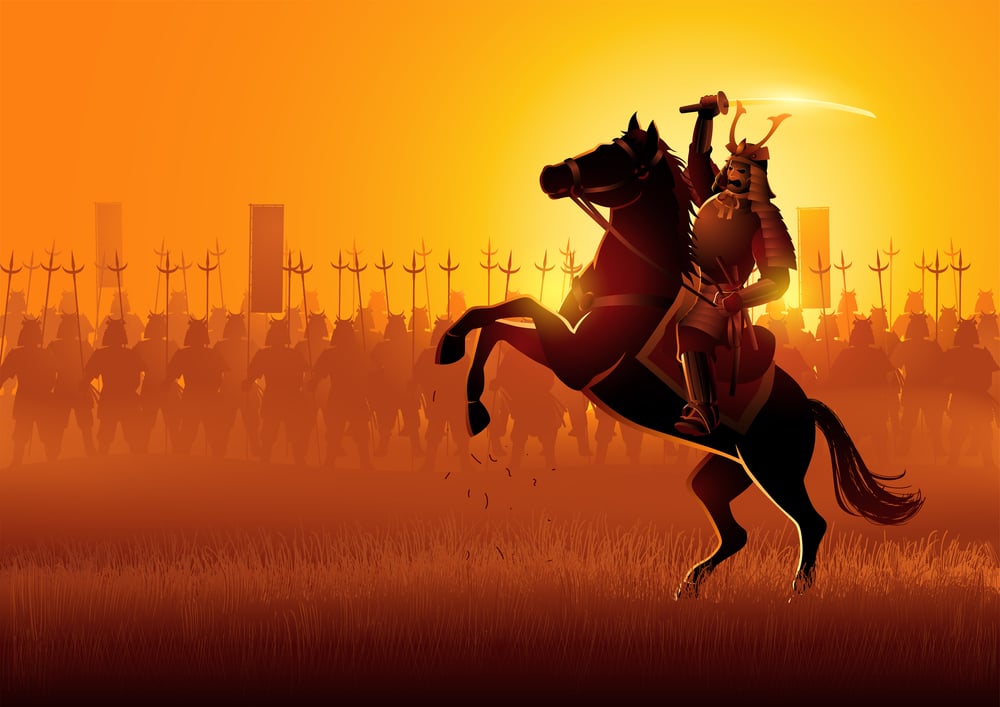
Samurai and horses had a deep relationship. Horsemanship was a core skill, and it started young.
Many samurai boys began riding before they could properly hold a sword. In battle, a mounted samurai carried a significant advantage.
But the traditions around horses extended well beyond warfare. Samurai cared for their horses with genuine dedication.
Some horses even earned names and recognition alongside their riders. Mounted archery was another tradition worth noting.
Firing arrows from a moving horse required a level of coordination and skill that took years to develop. Competitions in this discipline drew real attention and respect.
A Quiet Cup of Tea in a Warrior’s Life
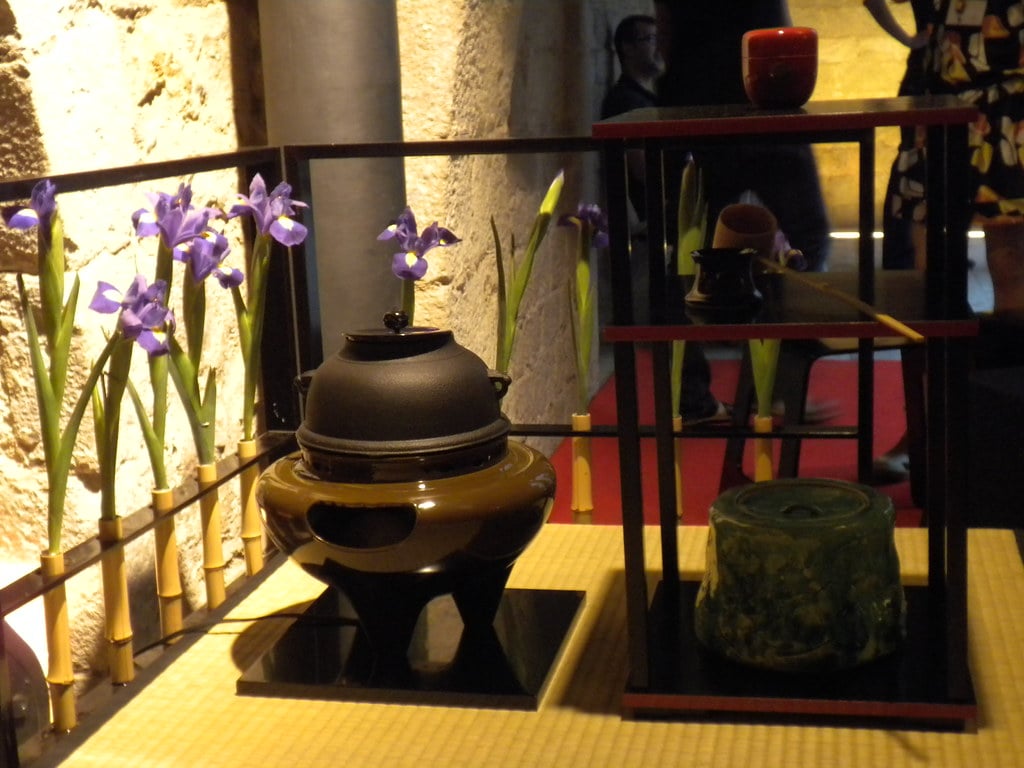
Here’s something that catches people off guard: samurai embraced the tea ceremony. It seems like an odd fit for warriors, but it makes perfect sense once you understand what the ceremony actually represented.
The Japanese tea ceremony — chanoyu — was about simplicity, calm, and being fully present. Those are exactly the qualities Bushido valued.
A samurai who could sit still, clear their mind, and find peace in a simple act was someone who understood discipline at its deepest level. Some of the most influential figures in the history of Japanese tea were connected to samurai culture.
The tea ceremony became a place where warriors and artists overlapped, and that overlap shaped both traditions in lasting ways.
Writing Poetry Between Battles
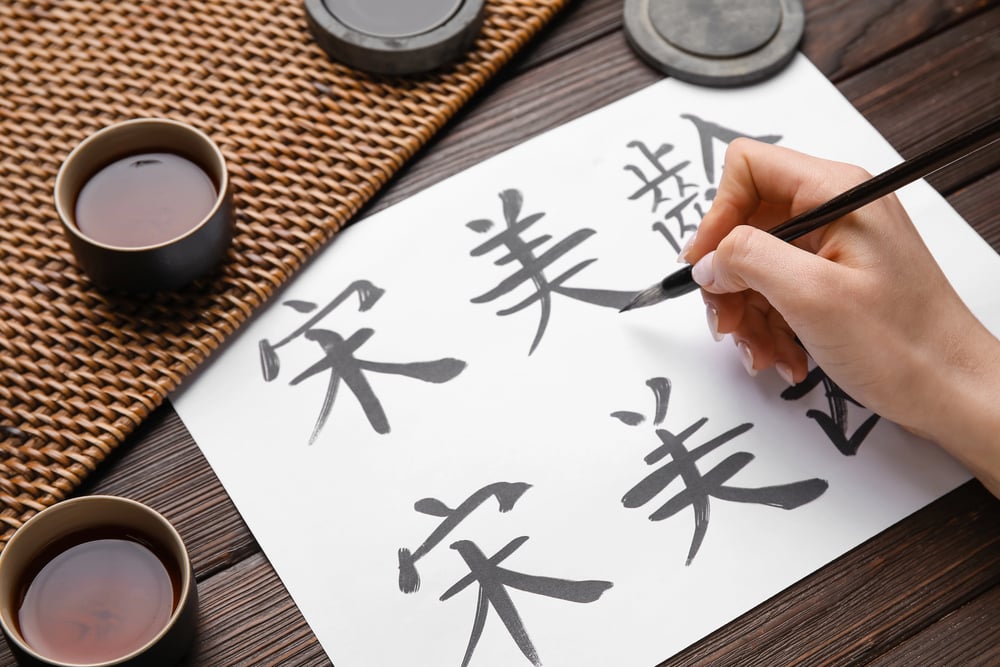
Samurai weren’t just fighters. Many of them were writers, and haiku — that short, precise form of poetry — was a particular favorite.
Writing a poem before battle or before death was a real tradition. These weren’t casual scribbles.
They were carefully crafted, meant to capture a feeling or a moment with as few words as possible. The discipline required to write a good haiku actually aligned well with the kind of mental focus Bushido demanded.
Poetry was also a way for samurai to express emotions they might not have spoken aloud. Grief, beauty, uncertainty about the future — all of these found their way into verse.
It reveals a side of samurai culture that the popular image of armored warriors completely misses.
Who You Served Mattered More Than Anything
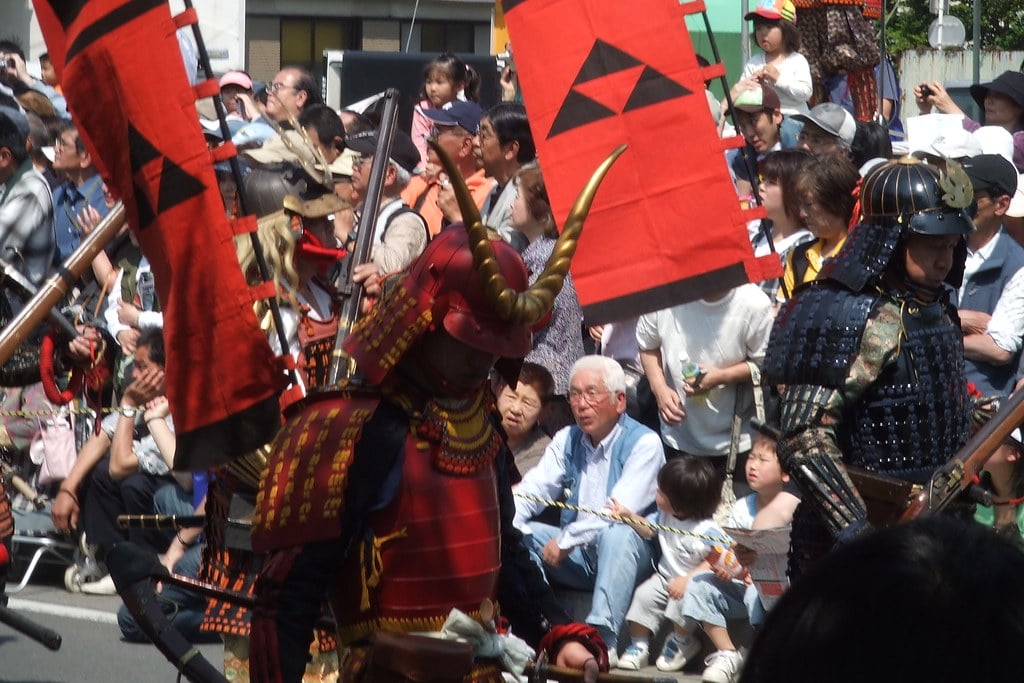
Loyalty was the backbone of samurai life. Every samurai served a lord — called a daimyo — and that relationship defined nearly everything about their existence.
A samurai’s duty to their lord came before almost all other obligations. This wasn’t just an expectation. It was deeply felt.
Some samurai spent entire lifetimes serving a single family, passing that loyalty down to their children. When a lord died or a samurai lost their master, the result was devastating.
A samurai without a lord became a ronin — someone without purpose or direction, at least by the standards of their world. Being a ronin carried real social weight, and many spent years searching for a new master to serve.
Buddhism and the Samurai Mind
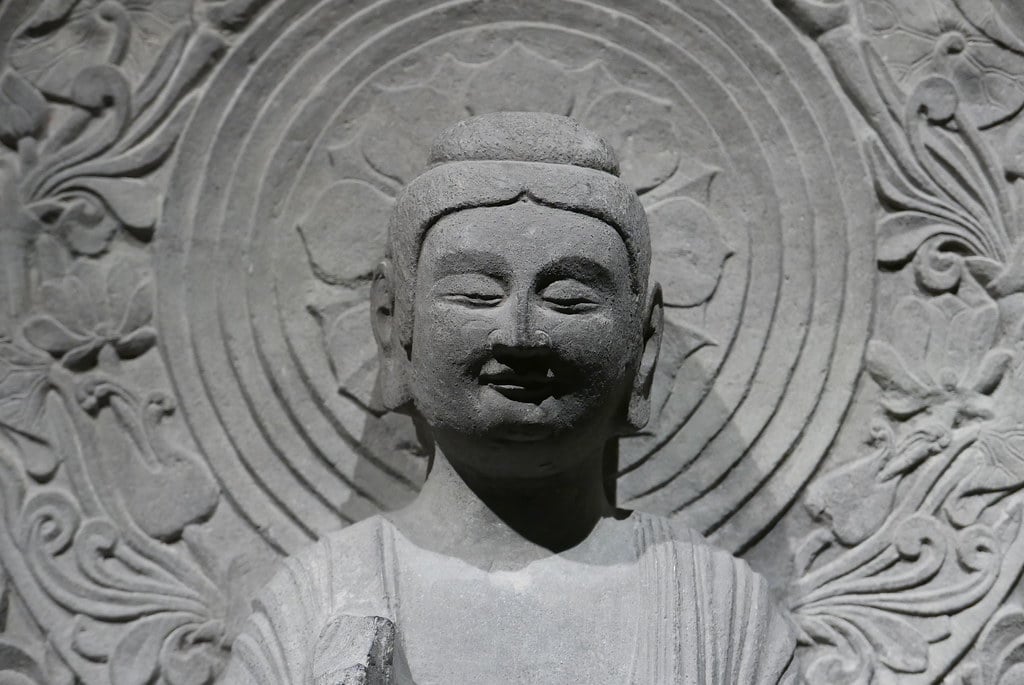
Buddhism had a profound influence on how samurai thought about life and death. Many practiced Buddhism seriously, and its teachings shaped their attitudes toward impermanence, suffering, and courage.
The idea that life is fleeting wasn’t abstract philosophy for a samurai. It was a practical reality. Battles ended lives at any time. Buddhism gave them a framework for sitting with that truth without being overwhelmed by it.
Some samurai became monks after retiring from active service. Others carried Buddhist teachings with them throughout their careers.
Temples and shrines were important places in samurai communities, and many warriors made offerings or prayers before heading into conflict.
What They Ate and How They Ate It

Samurai had specific eating habits, and food was approached with the same care as everything else in their lives. Rice was the foundation of their diet, and the quality and quantity of rice a lord could provide was a direct measure of their wealth and power.
Meals were simple by modern standards. Fish, vegetables, and soups made up much of what samurai ate day to day.
The emphasis was on sustenance and balance rather than excess.
Armor That Told a Story
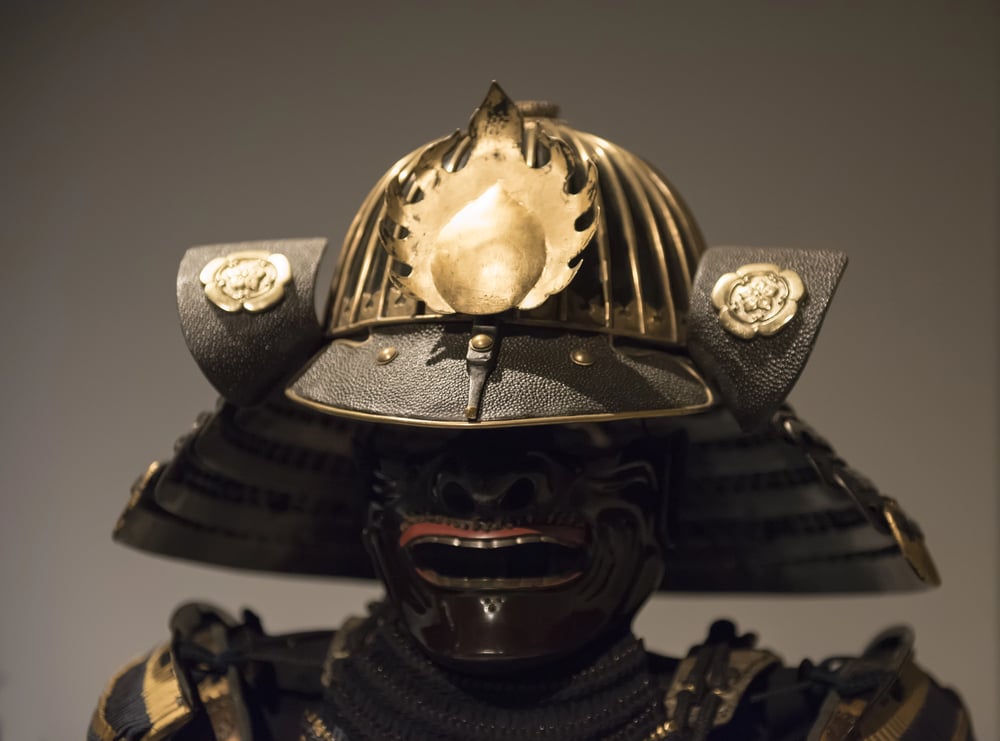
Samurai armor wasn’t just protective gear. It was art. Each piece was crafted with care, and the design choices — colors, patterns, the style of the helmet — communicated identity and allegiance.
A samurai’s armor often carried the mon, the family crest. This made it immediately clear who you were fighting for on the battlefield. Some armor was incredibly elaborate, decorated with lacquer, silk, and metalwork that took skilled craftspeople months to complete.
Caring for armor was a serious responsibility. It was cleaned, repaired, and sometimes stored with almost ceremonial attention. Passing armor down through a family was common, and wearing your ancestor’s armor into battle carried real emotional weight.
Festivals, Games, and Celebrations

Life as a samurai wasn’t all training and duty. They participated in festivals, played games, and enjoyed celebrations just like everyone else in Japanese society.
Some games were surprisingly competitive. Go, the ancient board game, was a favorite among samurai.
It demanded strategic thinking, and matches between skilled players lasted for hours. Chess-like games also found a natural place in samurai culture.
Festivals tied to the seasons and to Shinto traditions brought communities together and gave warriors a chance to step away from the weight of duty — at least for a little while.
Facing Death Without Fear
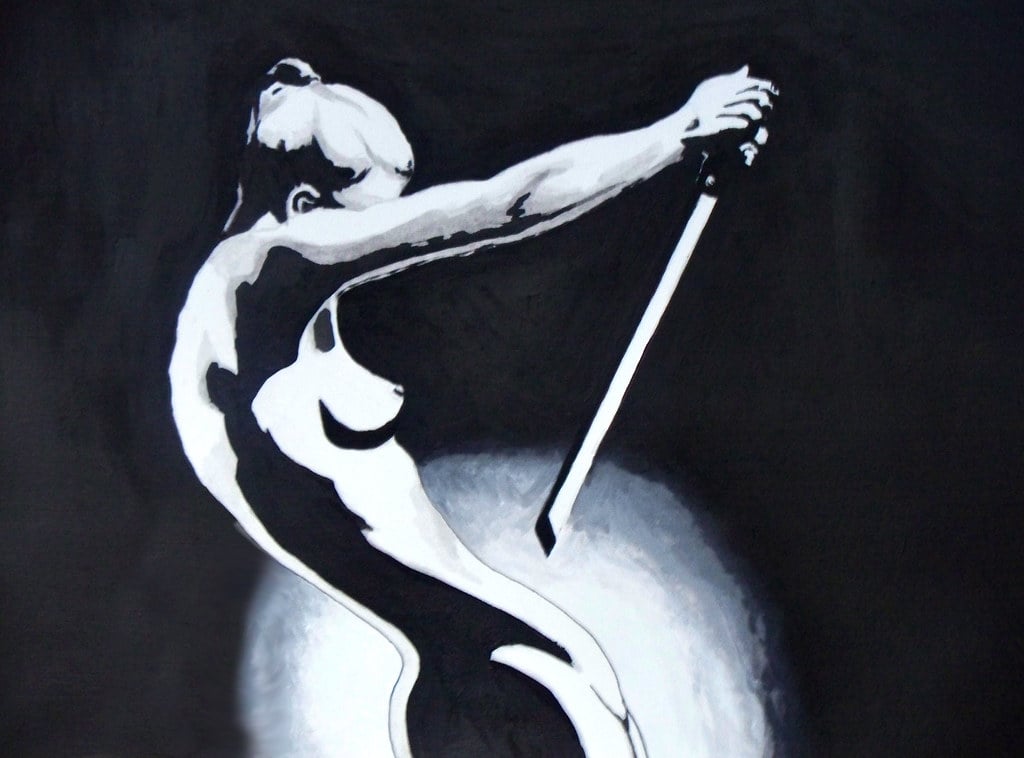
A warrior never looked away from thoughts of dying. In fact, facing that truth every day became part of their training. To welcome death calmly showed courage instead of fear.
Death by one’s own hand, called seppuku, stood at the heart of how samurai faced mortality. When battle turned wrong or shame took hold, such an end became expected. Using a small sword, the individual moved through strict motions without pause. Someone watched nearby – the kaishakunin – ready to step in.
Their role began when pain grew too great; they acted so agony did not linger. A single warrior might never kneel before his blade.
Still, readiness to meet the end with dignity wove through their world like water under ice. To fall meant nothing.
To fall ashamed – that carried weight. The fear wasn’t gone.
It just wore different clothes.
The Weight of a Life Well Lived

A lone fighter, blade in hand, facing overwhelming enemies – that’s how we often picture the samurai. True? Well, sort of. Yet there’s more beneath the surface.
A face hid behind the number, someone who penned verses, sipped tea slowly, galloped across fields, folded hands in prayer. Grief visited now and then, joy showed up too, hours stretched out in still thought.
Excellence wasn’t optional – it shaped every act, far beyond battlefields. Customs twisted like old roots, clashed at times, yet stayed rooted in what it means to feel, to be near, to remember.
Studying samurai life for more than a moment shifts how you see them. Not frozen in old history – instead, they feel nearby.
Lessons come through clearly: steady habits, clear goals, living on purpose sticks around even now.
More from Go2Tutors!

- The Romanov Crown Jewels and Their Tragic Fate
- 13 Historical Mysteries That Science Still Can’t Solve
- Famous Hoaxes That Fooled the World for Years
- 15 Child Stars with Tragic Adult Lives
- 16 Famous Jewelry Pieces in History
Like Go2Tutors’s content? Follow us on MSN.