Essential Fashion Trends Of the Early 2000s
The early 2000s were a wild ride for fashion. Between the futuristic optimism of a new millennium and the rise of celebrity culture, getting dressed became an adventure in excess, experimentation, and unapologetic self-expression.
This was the era when Paris Hilton carried chihuahuas in designer bags, when Britney and Justin showed up to the American Music Awards in matching denim, and when your phone was small enough to fit in a purse the size of a postage stamp. Here’s what defined the wardrobe of anyone who wanted to look cool between 2000 and 2005.
Low-Rise Jeans
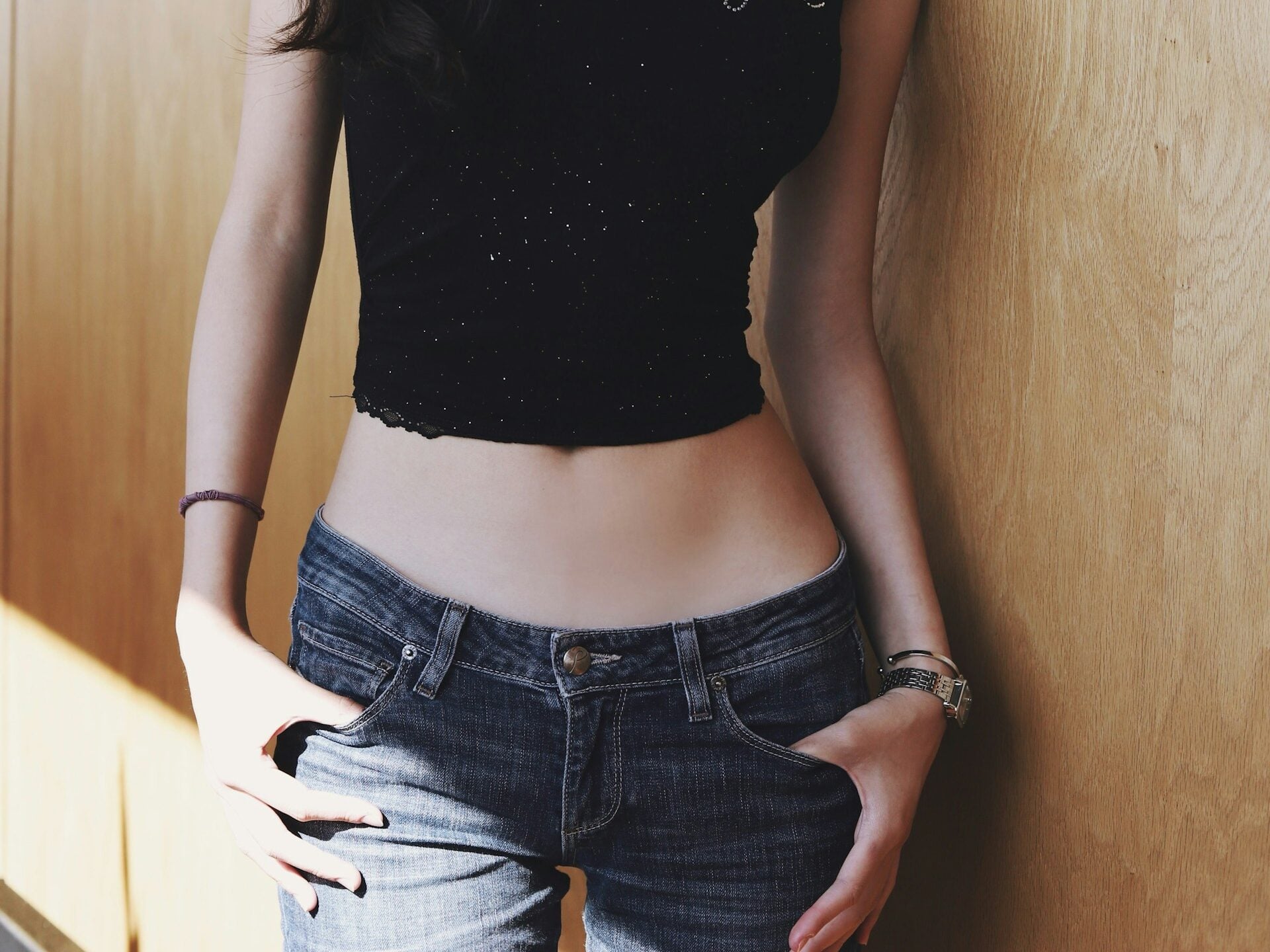
You either loved them or spent the entire decade tugging them up. Low-rise jeans sat somewhere around your hip bones and made sitting down a calculated risk.
They hugged your hips and thighs before flaring out at the knee into a bootcut that dragged on the ground and soaked up every puddle you walked through. Brands were competing to see who could drop the waistband lower, and the answer was always “lower than you think is physically possible.”
Pair them with a belly-baring top and you had the unofficial uniform of the decade. These jeans came in every wash imaginable, often with elaborate embroidery snaking down the back pockets or rhinestones spelling out brand names across your backside.
Velour Tracksuits
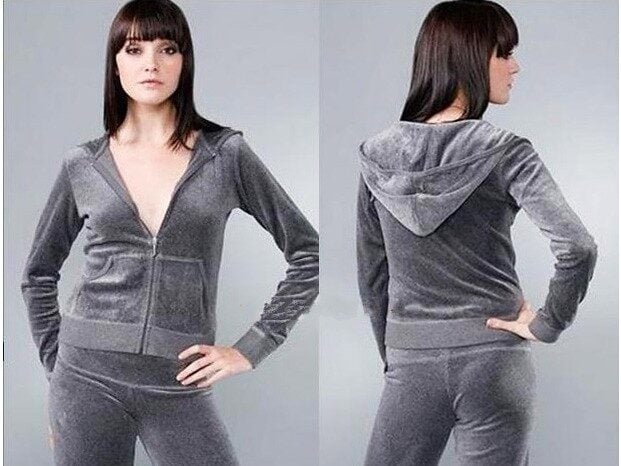
Juicy Couture turned loungewear into a status symbol. The velour tracksuit, usually in pink or baby blue with “Juicy” bedazzled across the rear, became the go-to outfit for celebrities running errands.
Paris Hilton and Britney Spears wore them to airports, coffee shops, and anywhere else they needed to look effortlessly glamorous while technically wearing pajamas. The matching zip-up jacket and low-rise pants combo was soft, sparkly, and everywhere.
You weren’t anybody unless you owned at least one tracksuit, and the more colorful your collection, the better. The whole look screamed “I’m too famous to try hard but also spent $200 on this sweatsuit.”
Tiny Shoulder Bags
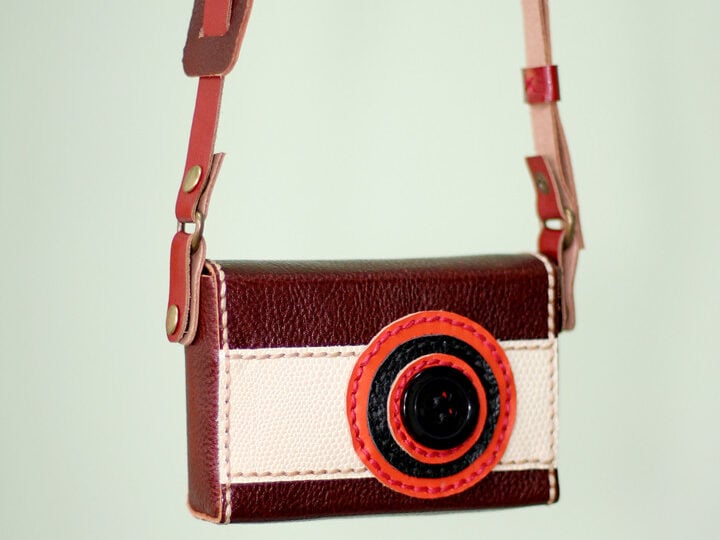
Functionality took a backseat to fashion when shoulder bags shrank to the size of a makeup compact. These miniature accessories could barely hold a flip phone, lip gloss, and maybe your keys if you squeezed.
But they looked adorable dangling from your shoulder, especially when they matched your outfit or came with a designer logo stamped across the front. Carrie Bradshaw made them a must-have accessory, and suddenly everyone needed a tiny bag that served almost no practical purpose.
The impracticality was the point. You had to be selective about what made the cut, which somehow made you feel more put together even though you were constantly leaving things behind.
Butterfly Motifs
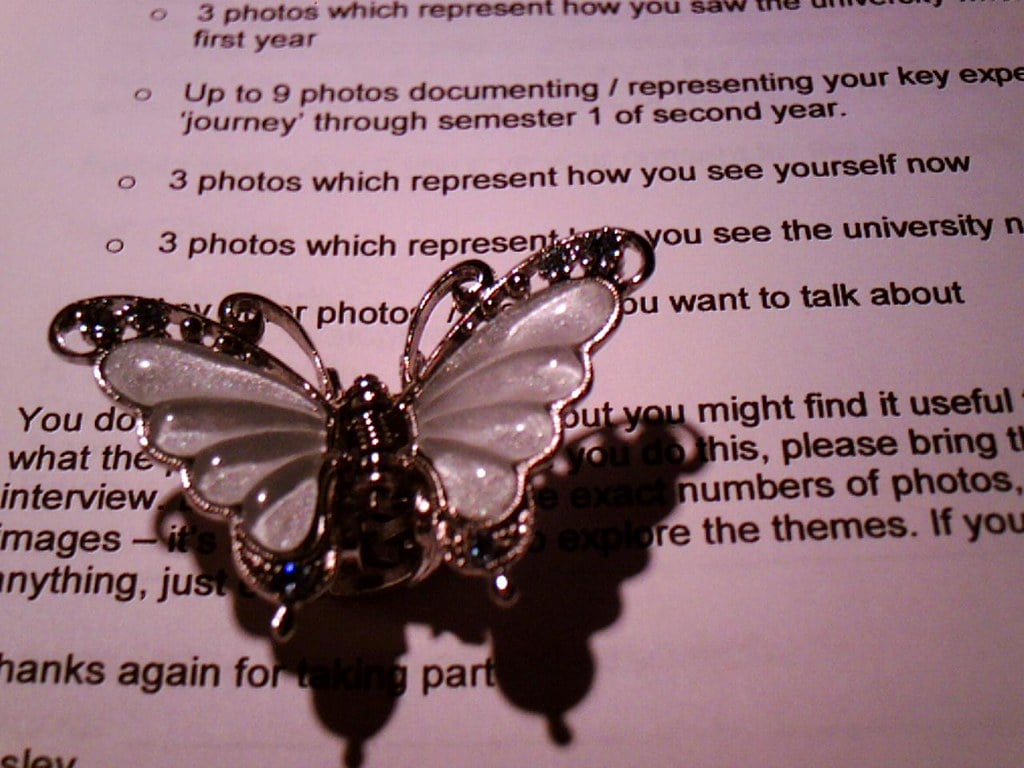
Butterflies landed on everything. Tops, accessories, hair clips, even temporary tattoos. Mariah Carey’s iconic rainbow butterfly top became legendary, and soon butterflies were fluttering across clothing racks everywhere.
The insect symbolized transformation and freedom, which fit perfectly with the optimistic energy of the new millennium. Hair clips shaped like butterflies held back your hair in elementary school and continued into high school and beyond.
You could find butterfly prints in psychedelic colors, delicate embroidery, or chunky plastic accessories. The trend was sweet without being too juvenile, playful without losing its edge.
Trucker Hats
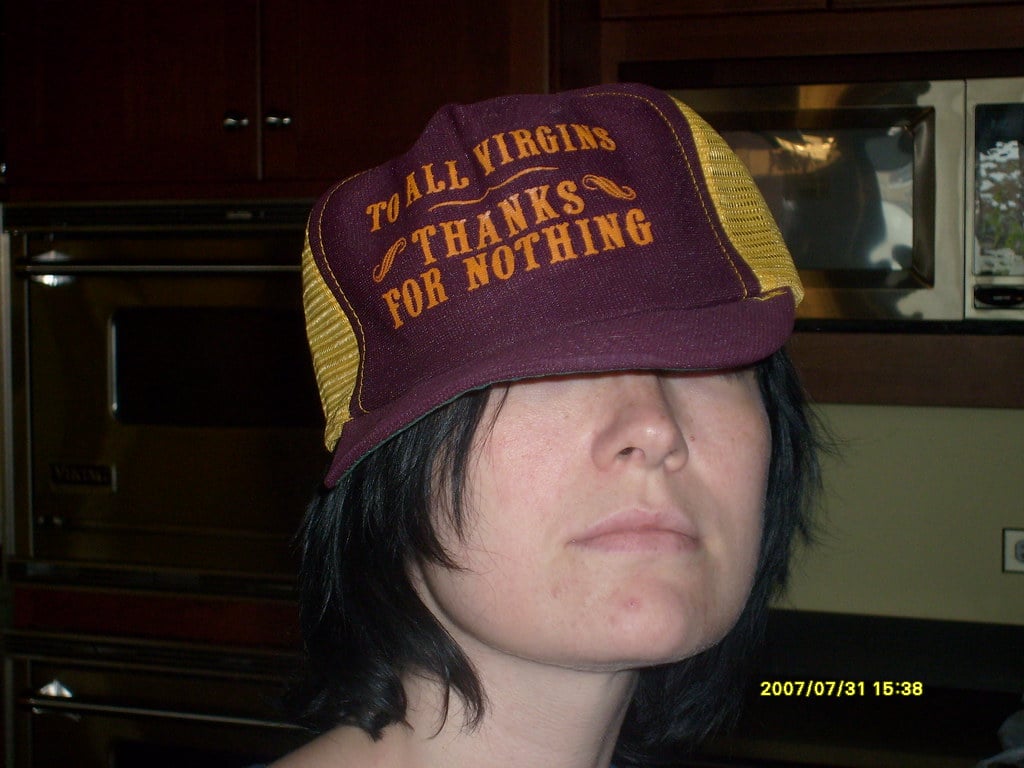
Von Dutch and Ed Hardy turned mesh-backed caps into a celebrity staple. These hats featured bold graphics, brand patches, and an oddly specific combination of foam front panels with breathable mesh backs.
Ashton Kutcher wore them. So did every pop star photographed leaving a nightclub. The trucker hat straddled the line between ironic and genuine, looking equally at home at a dive bar or a red carpet event.
You wore them low over your eyes or perched high on your head, usually paired with oversized sunglasses. The trend burned bright and fast, peaking somewhere around 2003 before fading into the category of “what were we thinking?”
Cargo Pants
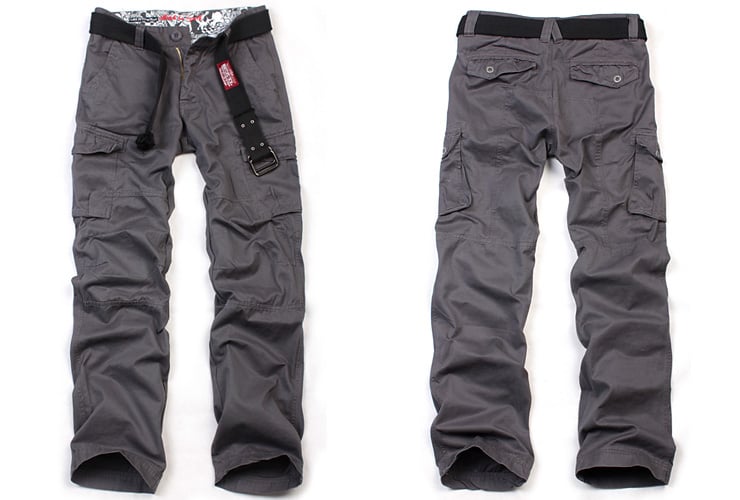
Pockets. So many pockets. Cargo pants and shorts came loaded with compartments on the thighs, giving you storage space you absolutely did not need but appreciated anyway.
They were baggy, comfortable, and came in materials ranging from cotton to silk to velvet. The hip-hop community embraced them first, but soon everyone was wearing low-slung cargos with chains dangling from the belt loops.
Beyoncé rocked cropped cargo pants with an oversized belt, cementing their place in pop culture. You could dress them down with sneakers or bizarrely try to dress them up with heels.
Either way, you had enough pocket space to carry everything you couldn’t fit in your tiny shoulder bag.
Metallics and Futuristic Fabrics
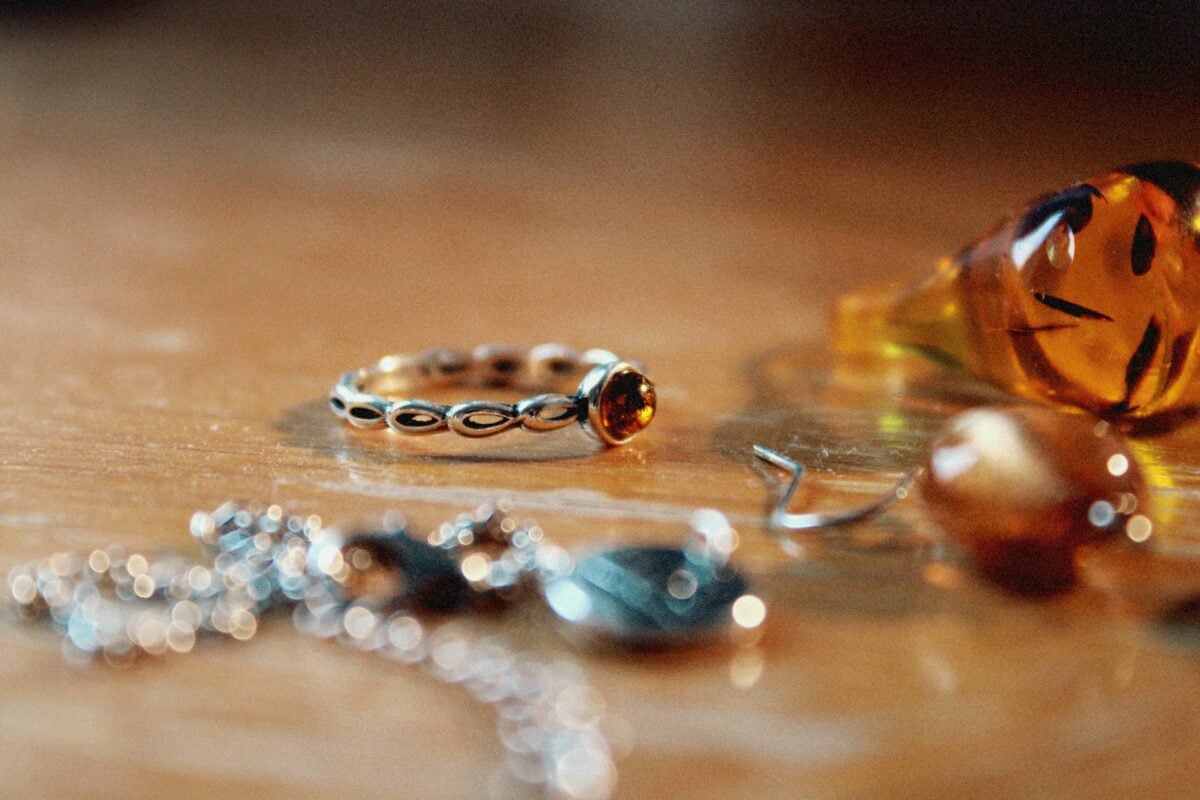
Y2K fashion took the new millennium seriously. Designers leaned into space-age aesthetics with shiny metallics, reflective materials, and a color palette dominated by silver, chrome, and gunmetal gray.
Tops came in liquid-looking fabrics that caught the light, pants had a vinyl sheen, and accessories looked like they belonged on a sci-fi set. This futuristic approach felt optimistic and fresh, like fashion was preparing for a tech-forward future where we’d all dress like extras in The Matrix.
The look was particularly popular for going out, where you wanted to shimmer under club lights. Bronze and silver eyeshadow completed the aesthetic, turning everyone into a walking reflection.
Mini Skirts in Every Fabric
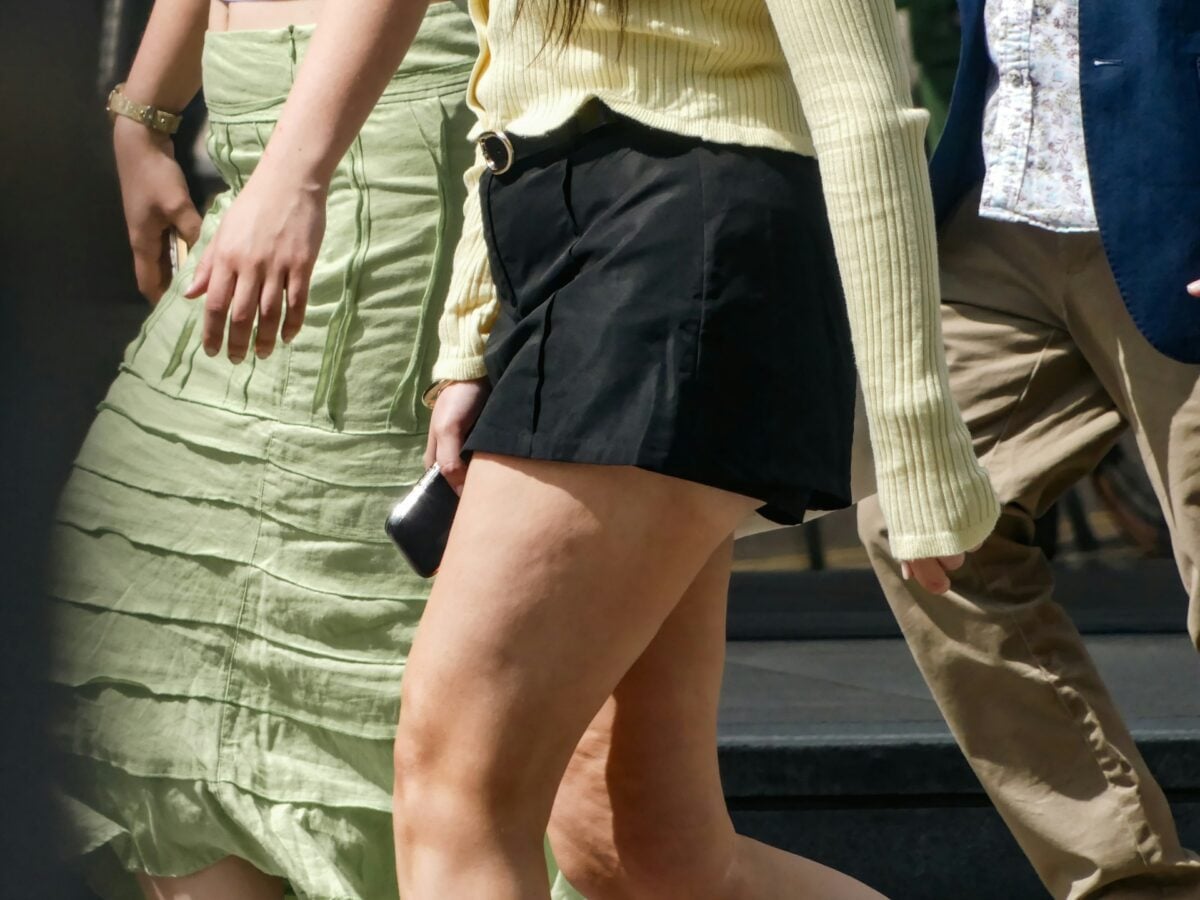
Hemlines crept upward and stayed there. Denim mini skirts were a staple, but you could also find them in corduroy, tartan plaid, leather, and pinstripe.
Pleated versions had a schoolgirl vibe that toed the line of appropriate. The shorter the better, with many skirts barely longer than a wide belt.
You wore them with everything from fitted blazers to graphic tees, and the combination somehow always worked. Box-pleated styles added movement, while straight-cut denim versions kept things simple.
Burberry’s tartan pleated mini became an aspirational piece, spotted on celebrities and knockoffs at every mall store. Pair one with chunky platform shoes or ballet flats and you had an outfit.
Chunky Belts on Everything
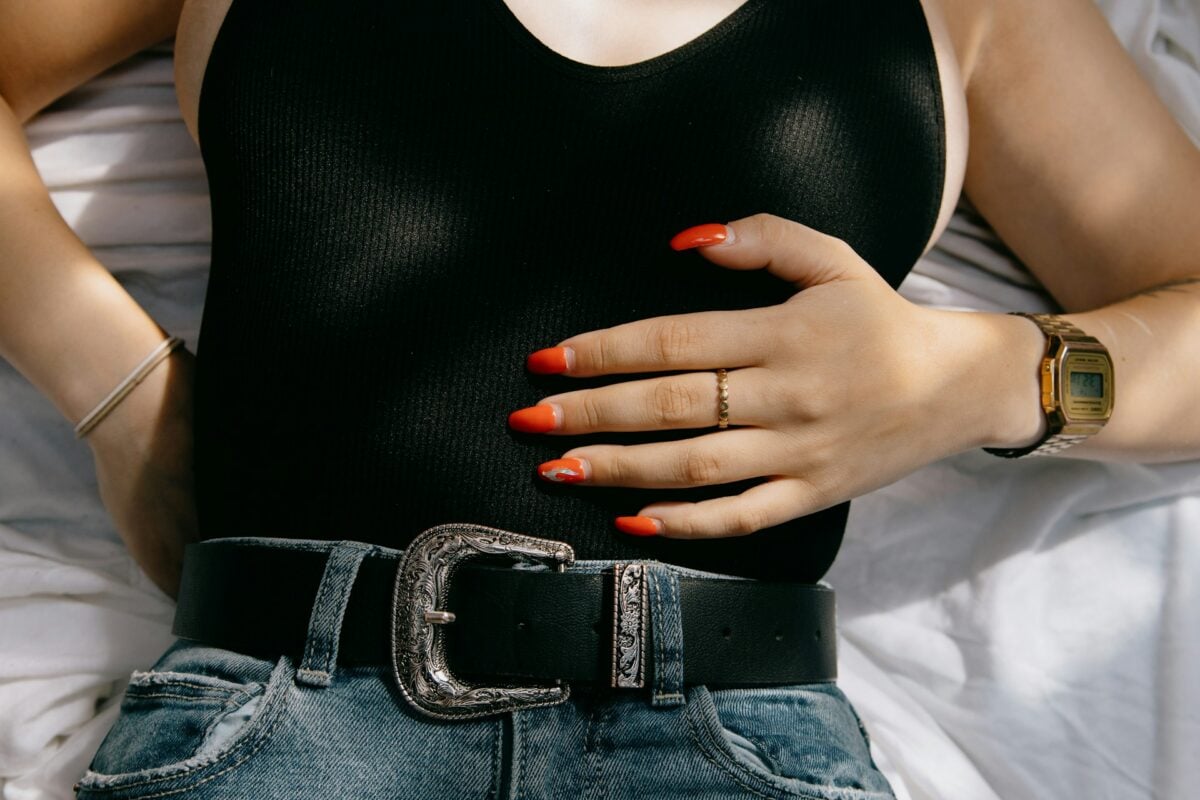
Belts became a focal point rather than a functional afterthought. Wide leather belts, often embellished with rhinestones or oversized buckles, wrapped around waists over shirts, dresses, and even other belts.
You cinched them over babydoll tops, threaded them through the loops of your low-rise jeans, or wore them purely as decoration over a tunic. The chunkier and more detailed, the better.
Studded versions gave off a rock-and-roll edge, while bedazzled options leaned more glam. The belt wasn’t there to hold your pants up as much as it was there to create a silhouette and add visual interest.
Everyone owned at least three in different colors and finishes.
Baby Tees and Cropped Tops

Tight, tiny, and ending well above your belly button. Baby tees had cap sleeves and a snug fit that showed off every curve.
They often featured cute graphics, brand logos, or cheeky slogans. You layered them over long-sleeve shirts, wore them alone, or even threw one over another baby tee for extra texture.
Cropped tops came in every style imaginable, from ribbed knits to mesh to sequined party tops. Showing your midriff was mandatory, and the higher the hem, the more fashion-forward you looked.
Paired with low-rise bottoms, these tops created a distinct midsection gap that defined the silhouette of the era. Comfort was negotiable but looking good was not.
Platform Everything
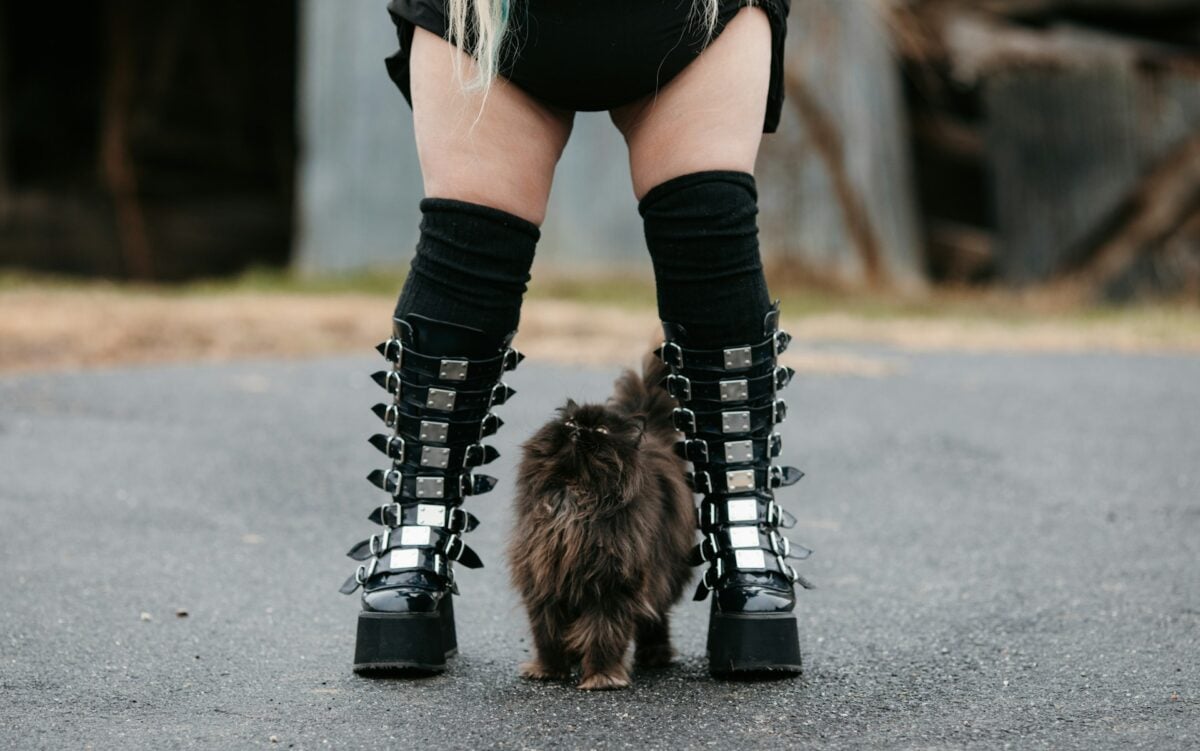
Shoes got a lift. Platform flip-flops, chunky sneakers, towering wedges, and thick-soled boots all added inches to your height.
The Spice Girls had popularized platforms in the late ’90s with those infamous Buffalo sneakers, but the 2000s took the concept and ran with it in every direction. Platform sandals featured thick cork or foam soles decorated with florals or metallics.
Even ballet flats got a platform treatment. The added height changed your whole posture and made a statement before you even opened your mouth.
Walking was occasionally treacherous, especially when your flared jeans caught under your heels, but the aesthetic payoff was worth the stumbling.
Graphic Tees and Band Merch
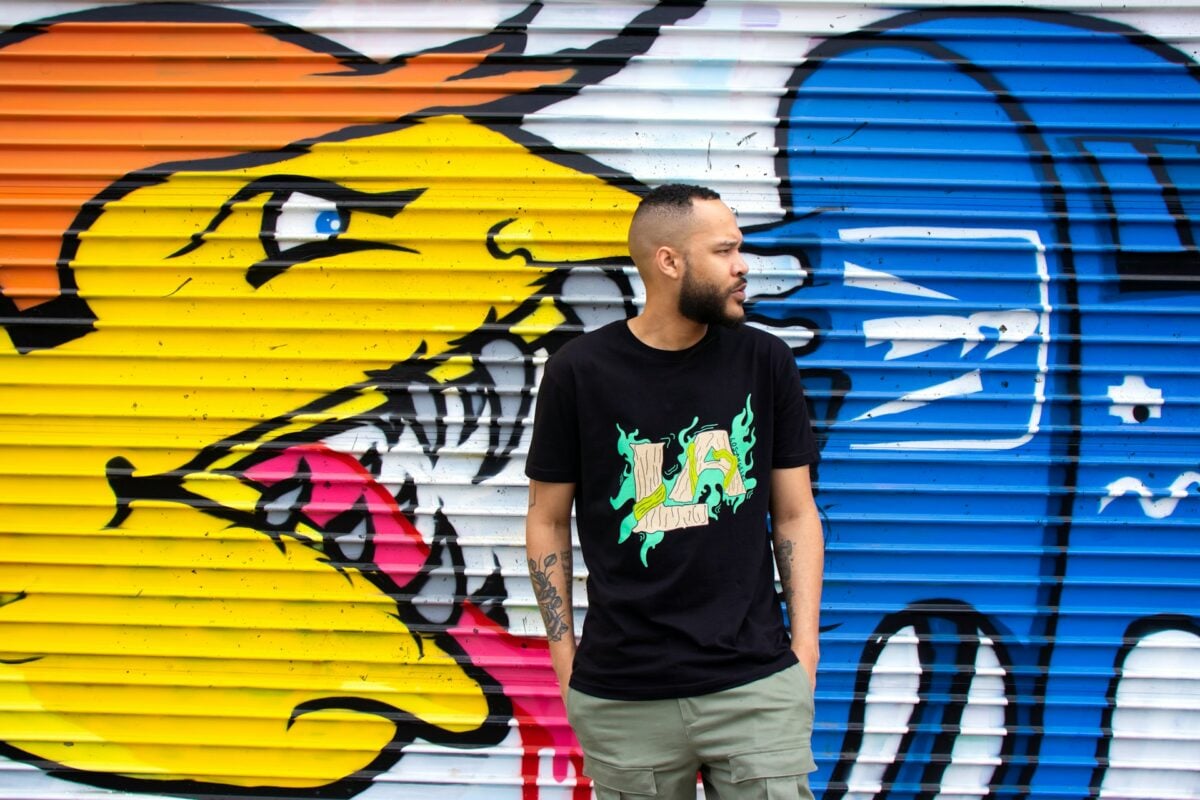
T-shirts became walking billboards. Vintage band tees, whether authentic or deliberately distressed to look vintage, were everywhere.
You wore shirts for bands you loved and bands you’d never heard of, as long as the logo looked cool. Graphic tees featured everything from cartoon characters to ironic slogans to abstract designs.
Rhinestones added sparkle to otherwise simple shirts, and many came pre-fitted in that same baby tee silhouette. The trend blended music culture with fashion, letting you broadcast your taste or at least your aesthetic preferences.
You could find them at thrift stores, concerts, or mall chains that mass-produced the vintage look for people who wanted the style without the history.
Denim on Denim
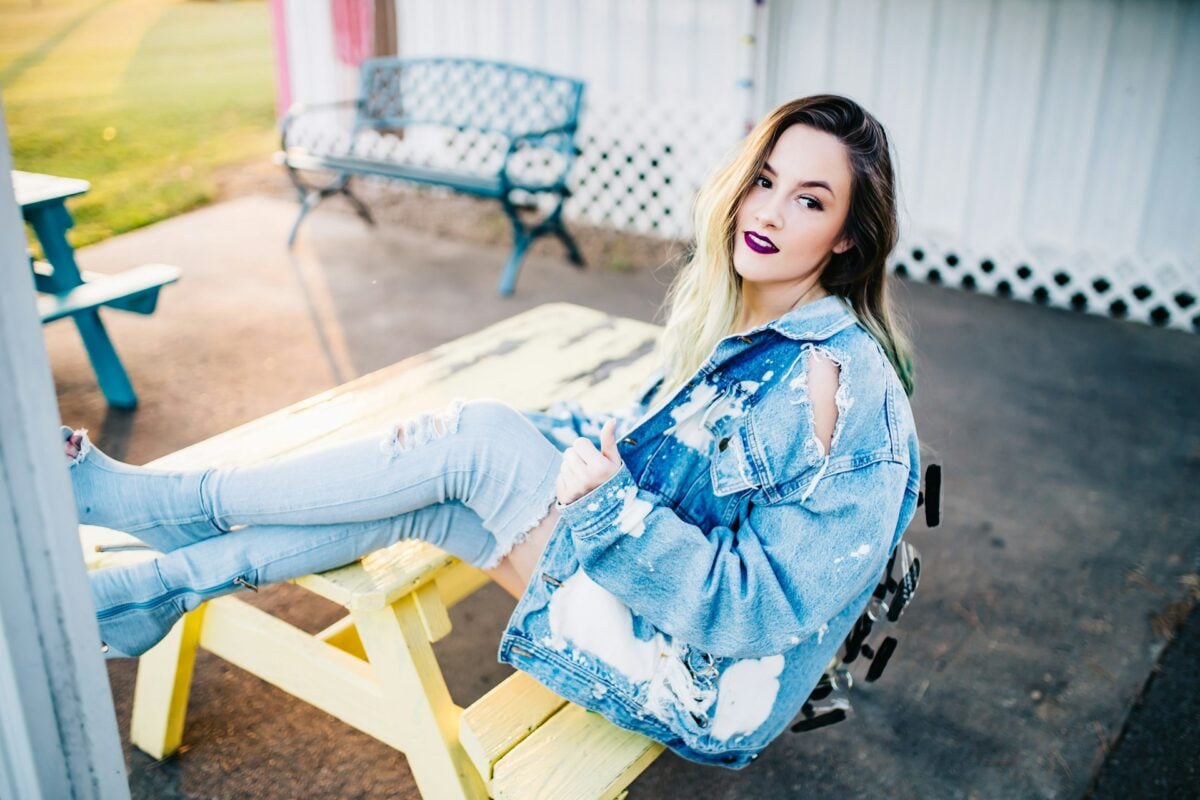
Britney and Justin’s matching denim outfits at the 2001 American Music Awards became instantly iconic, but they weren’t alone in their commitment to the Canadian tuxedo. Denim jackets over denim jeans, denim skirts with denim vests, even denim accessories piled on top of denim clothing.
The trick was mixing washes or adding enough embellishments that the pieces didn’t blend together into a blue blob. Denim came embroidered, rhinestone-studded, distressed, or bleached into patterns.
You could wear head-to-toe denim and still feel like you were making distinct outfit choices based on the details. The look was casual but required confidence to pull off without looking like you got dressed in the dark.
Rimless and Tiny Sunglasses
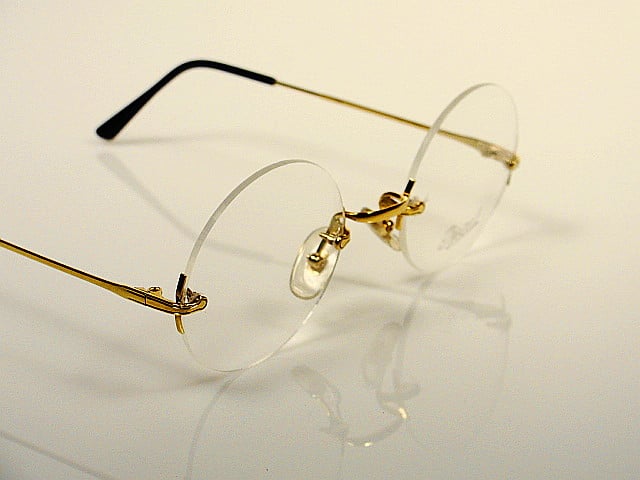
Sunglasses shrank along with everything else. Tiny oval frames, rimless designs, and wraparound styles that looked like they came from a sci-fi movie dominated faces everywhere.
The smaller the lenses, the cooler you looked, even though these sunglasses provided roughly zero sun protection and made squinting fashionable. Celebrities like Jennifer Lopez and Mariah Carey wore them indoors, outdoors, and apparently just for the aesthetic.
Colored lenses in pink, blue, or yellow added another layer of personality. These glasses worked because they were impractical, turning functional eyewear into pure decoration.
You wore them perched low on your nose or pushed up on your head like a headband when you actually needed to see.
The Whole Thing Still Matters
Fashion moves in cycles, and the early 2000s have roared back with surprising force. What seemed ridiculous fifteen years ago now looks fresh to a generation discovering these trends through thrift stores and social media.
The confidence to wear something totally over the top, the willingness to prioritize style over practicality, the joy of dressing like you’re having fun – those elements transcend any single decade. Whether you lived through it the first time or you’re experiencing Y2K fashion as a revival, the spirit remains the same.
Get dressed like you mean it, even if what you mean is absolutely absurd.
More from Go2Tutors!

- The Romanov Crown Jewels and Their Tragic Fate
- 13 Historical Mysteries That Science Still Can’t Solve
- Famous Hoaxes That Fooled the World for Years
- 15 Child Stars with Tragic Adult Lives
- 16 Famous Jewelry Pieces in History
Like Go2Tutors’s content? Follow us on MSN.