15 Forgotten Industries That Once Dominated the World
Long before smartphones and streaming services captured our attention, several industries stood as pillars of global commerce and culture. These commercial giants employed millions, shaped cities, and influenced geopolitics in ways that seem almost unimaginable today. Their rapid decline serves as a powerful reminder of how quickly technological advancement and changing consumer preferences can transform our economic landscape.
Here is a list of 15 once-mighty industries that shaped our world before fading into the background of history.
Whaling

Before electricity illuminated our homes, whale oil lit the world. This marine hunting industry employed over 70,000 people at its peak in the mid-1800s and was America’s fifth-largest economic sector.
Towns like New Bedford, Massachusetts, once the richest city per capita in the United States, were built entirely on whaling wealth, with majestic captains’ mansions still standing as a testament to the industry’s former prosperity.
Ice Harvesting

Before refrigeration, during the winter, workers would saw huge slabs of ice from frozen lakes, insulate them with sawdust, and send them all over the world. Thousands of seasonal laborers braved cold temperatures to collect nature’s refrigerant as part of this surprisingly global trade.
By the 1890s, Boston alone was exporting some 300,000 tons of New England ice a year, with companies such as the Tudor Ice Company shipping the ice as far as South America and India.
Typewriter Manufacturing

With hundreds of thousands of employees employed by companies like Remington, Smith Corona, and IBM, the clicking sounds of typewriter keys used to fill every office in the world. Specialized typing schools were established to train the workforce because these writing devices were so mechanical but necessary.
Before word processors started making these mechanical wonders outdated in the 1920s, the Underwood factory in Hartford, Connecticut, produced over 500,000 typewriters a year.
Telegraph Operations
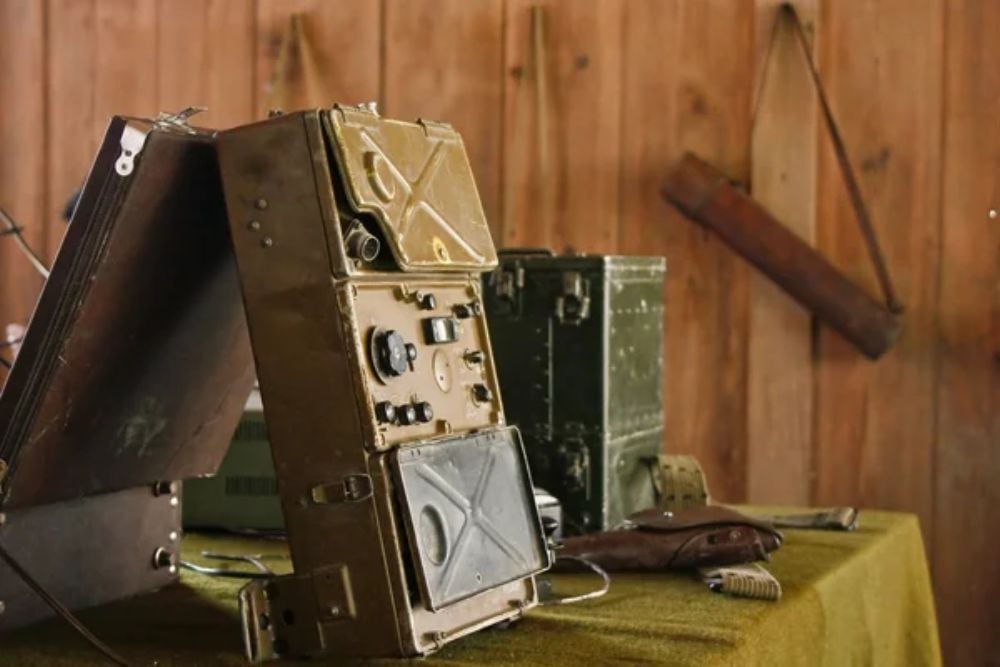
Before telephones reached widespread adoption, telegraph lines connected the world through Morse code dots and dashes. Western Union alone employed over 75,000 telegraph operators who transmitted millions of messages daily across its network.
These operators required specialized training and formed their own professional culture with unique jargon and skills, transmitting everything from business transactions to war dispatches at unprecedented speeds.
Switchboard Operation
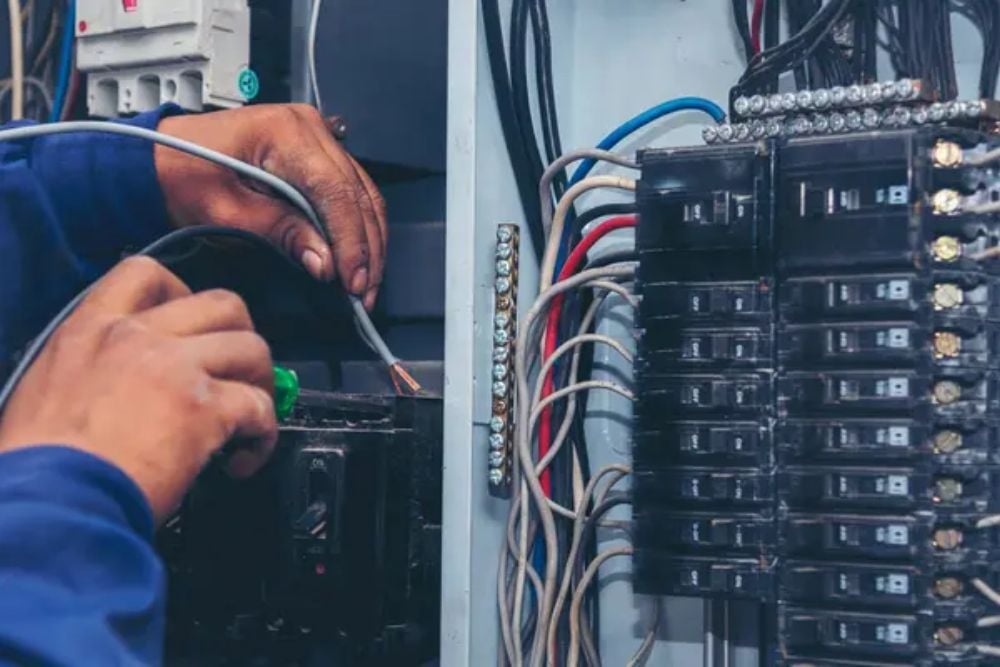
When telephones first revolutionized communication, human operators, predominantly women, physically connected calls by plugging cables into the appropriate jacks. At its height in the 1940s, AT&T employed over 350,000 operators working around the clock.
These ‘hello girls’ managed every long-distance connection in America, creating an entirely female-dominated profession that vanished with the advent of automated switching systems.
Slide Rule Manufacturing

Before calculators and computers were invented, slide rules were the essential tools for engineers, scientists, and mathematicians. Companies like Keuffel & Esser produced millions of these calculation devices, with their factories employing thousands of precision workers.
These mechanical calculating tools helped design skyscrapers, bridges, and even calculated trajectories for the Apollo moon missions before electronic calculators made them obsolete virtually overnight in the 1970s.
Film Photography

Kodak once employed over 145,000 people worldwide and dominated the global photography market with its film products and processing services. The company’s yellow boxes were recognized everywhere, and ‘Kodak moments’ became a cultural shorthand for precious memories.
Entire towns like Rochester, New York were built around film manufacturing before digital photography rendered most of the industry’s infrastructure and chemical expertise unnecessary.
Video Rental Stores

Weekend entertainment once meant visiting your local video store to browse physical copies of films. At its peak in the late 1990s, Blockbuster operated over 9,000 stores worldwide with 84,000 employees helping customers find the perfect weekend entertainment.
These stores became community gathering spots and cultural touchstones before streaming services eliminated the need for physical media rentals.
Carriage Building
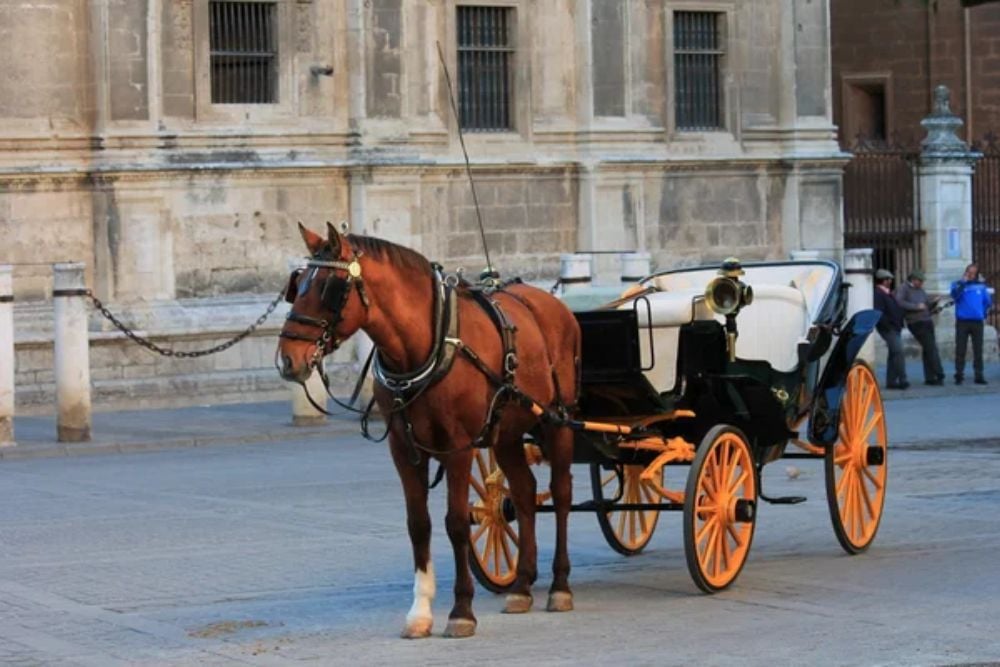
Horse-drawn carriages were once crafted by skilled artisans who combined woodworking, metalwork, upholstery, and leather crafting. These vehicles represented the primary transportation method for centuries, with major cities supporting thousands of specialized workshops.
New York’s Brewster & Co. produced luxury carriages for America’s elite, employing over 400 specialized craftsmen in their factory before automobiles transformed transportation forever.
Map Making Companies

Professional cartographers once meticulously created and updated paper maps that guided travelers worldwide. Companies like Rand McNally employed thousands of specialists who researched, drafted, and printed detailed maps for every purpose.
Their road atlases were essential items in American glove compartments, selling millions annually before GPS navigation systems and smartphone apps eliminated most demand for physical maps.
Canal Transportation
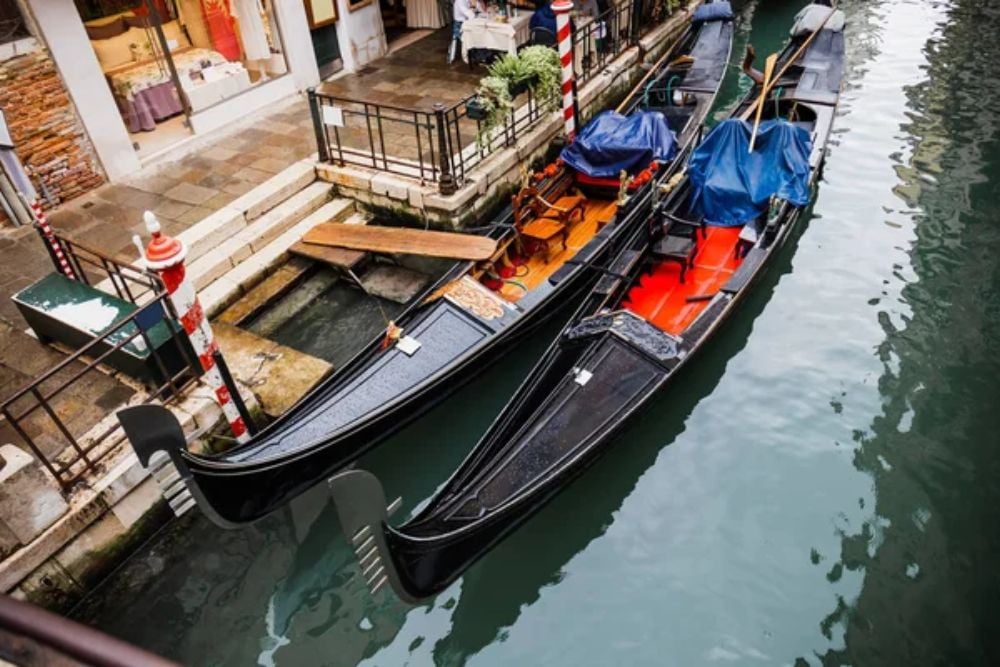
Before the railways came and dominated land transportation, canal networks employed hundreds of thousands in construction, maintenance, and operation. These artificial waterways transformed commerce by allowing heavy goods to move inland at unprecedented speeds and volumes.
The Erie Canal alone employed over 50,000 workers and made New York the nation’s leading commercial center by connecting the Great Lakes to the Atlantic, creating prosperous communities along its 363-mile route.
Telegraph Manufacturing
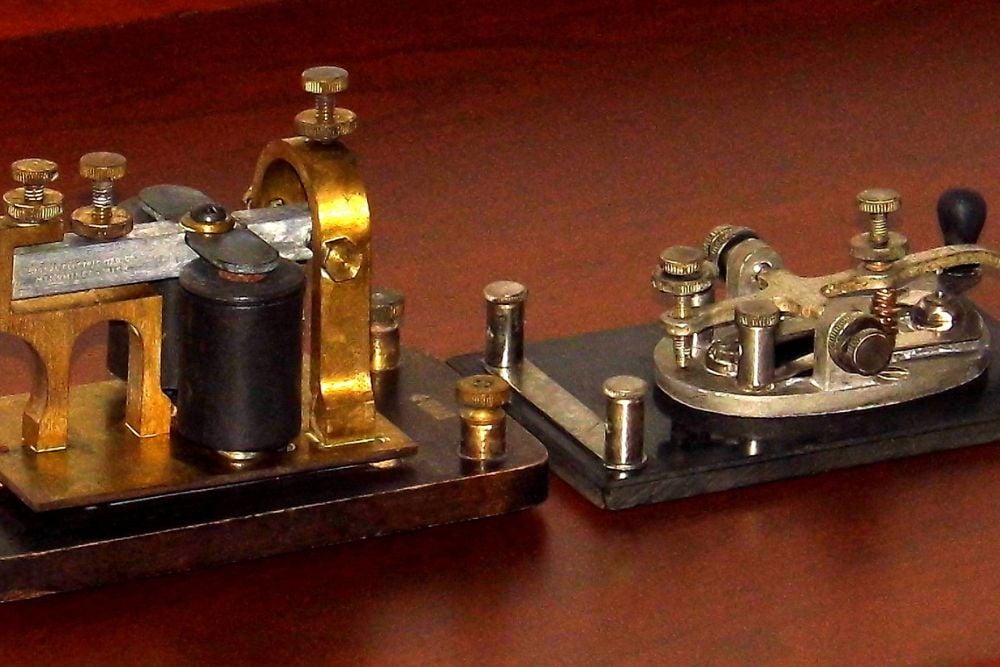
The massive infrastructure required for telegraph networks created a manufacturing boom for companies producing telegraph poles, copper wire, and specialized equipment. Western Electric, originally founded to supply telegraph equipment, grew to employ over 40,000 workers at its peak.
These factories produced millions of miles of wire and countless technical components that connected the world before wireless communication technologies gradually made them obsolete.
Steamship Companies
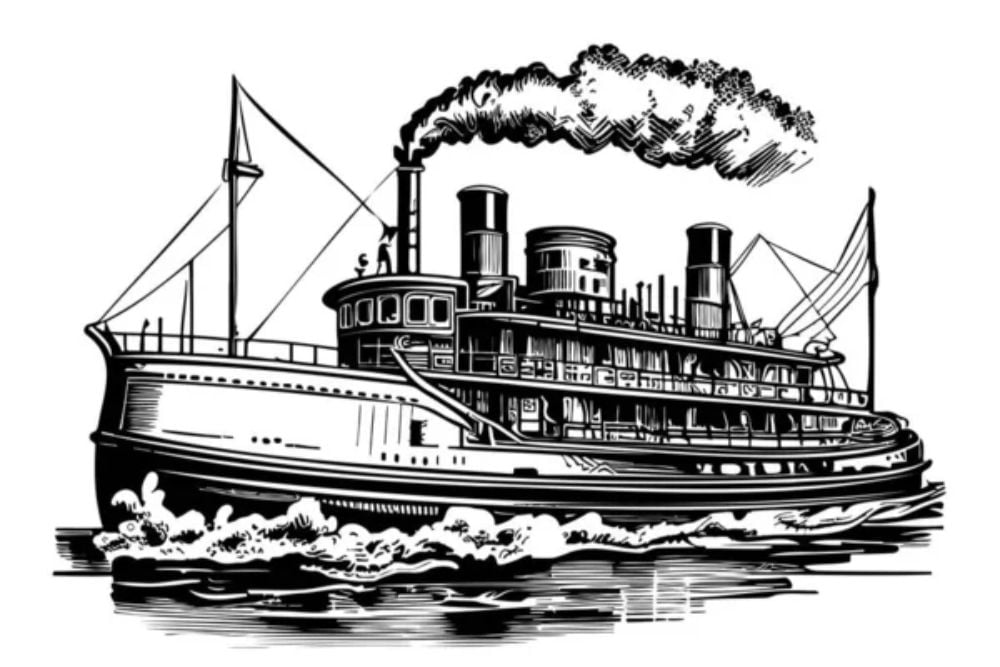
Massive passenger liners once dominated international travel, employing thousands of sailors, stewards, and support staff per vessel. Companies like White Star Line and Cunard operated fleets of these floating cities that carried millions across oceans in varying degrees of luxury.
The industry created entire port economies before air travel rendered week-long ocean crossings unnecessary for all but leisure purposes.
Phonograph Record Manufacturing
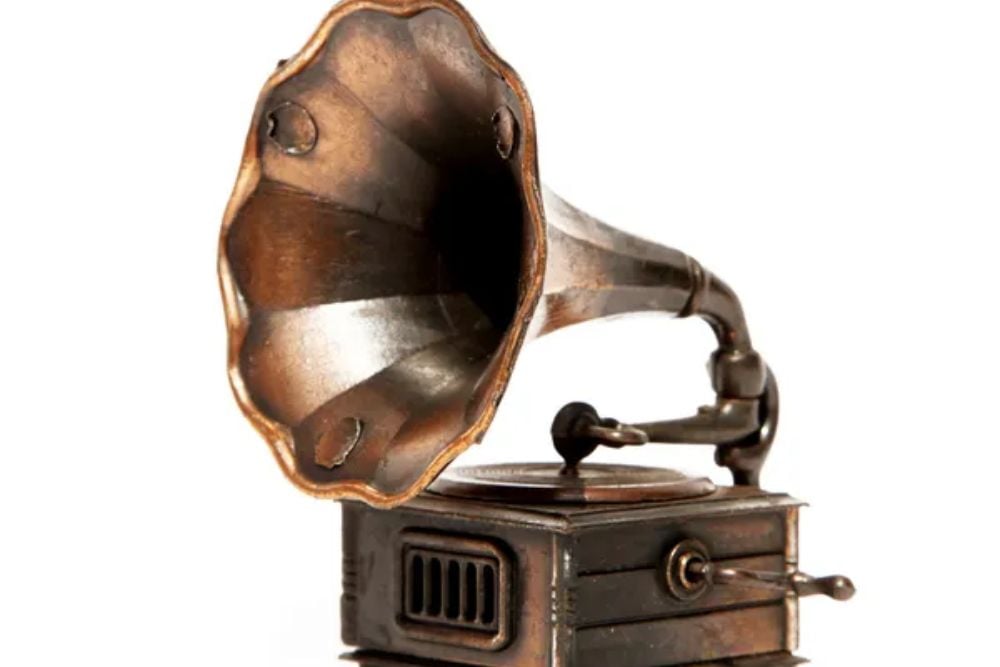
Vinyl records were once produced in massive factories employing tens of thousands of workers who pressed music into physical form. Companies like RCA operated around the clock to meet global demand, with specialized engineers, pressing plant operators, and packaging staff.
Each record required precise manufacturing processes that sustained entire communities before digital music distribution eliminated the need for most physical media.
Arcade Game Manufacturing

Video arcade cabinets once crowded malls, bowling alleys, and dedicated gaming centers worldwide. At the industry’s peak in the early 1980s, companies like Atari and Williams Electronics employed thousands manufacturing these specialized entertainment machines.
A single popular game like Pac-Man would require producing over 100,000 cabinets, creating manufacturing jobs that disappeared when home consoles and eventually mobile gaming captured the market.
The Constant Current of Change

These vanished industries remind us that economic dominance is never permanent, regardless of how essential a product or service might seem. Each represented the cutting edge of their era before being swept aside by innovation.
Their legacy lives on in the communities they built, the technologies they inspired, and occasionally in the niche markets where enthusiasts keep traditional methods alive for appreciation rather than necessity.
More from Go2Tutors!

- The Romanov Crown Jewels and Their Tragic Fate
- 13 Historical Mysteries That Science Still Can’t Solve
- Famous Hoaxes That Fooled the World for Years
- 15 Child Stars with Tragic Adult Lives
- 16 Famous Jewelry Pieces in History
Like Go2Tutors’s content? Follow us on MSN.



