Drivers Who Broke Land Speed Records
Speed has always been part of our need to push limits. From the moment cars were invented, people wanted to know how fast they could go.
Breaking land speed records became a way to prove what humans and machines could do together. These aren’t just stories about fast cars.
They’re about people who risked everything to go faster than anyone before them.
Henry Segrave

Henry Segrave was a British driver who made history in 1927 when he became the first person to drive over 200 miles per hour. He reached 203.79 mph at Daytona Beach in his Sunbeam Mystery.
Segrave was a World War I pilot before he started racing, and that fearless attitude carried over to his driving. He didn’t just break one record—he set multiple speed records during his career.
Tragically, he died in 1930 while trying to break a water speed record, showing just how dangerous the pursuit of speed could be.
Malcolm Campbell

Malcolm Campbell was obsessed with speed for most of his life. He broke the land speed record nine times between 1924 and 1935, pushing the limit further each time.
Campbell named all his record-breaking cars “Bluebird” after a play he had seen in London. His final land speed record was 301.13 mph, achieved in 1935 at Bonneville Salt Flats in Utah.
Campbell’s dedication to breaking records inspired his son Donald, who would later become a speed record holder himself.
George Eyston

George Eyston was an engineer who understood cars in ways most drivers didn’t. He broke the land speed record three times in 1937 and 1938, driving a massive car called Thunderbolt that had two Rolls-Royce engines.
Eyston reached 357.5 mph on the Bonneville Salt Flats, proving that smart engineering could beat raw power. He was known for being methodical and careful, which helped him survive a career that killed many of his competitors.
John Cobb

John Cobb was a wealthy fur broker who spent his fortune chasing speed records. In 1947, he set a land speed record of 394.2 mph that would stand for nearly 17 years.
Cobb’s car, called Railton Mobil Special, was sleek and powerful, designed specifically for the salt flats. He was known for being calm and calculated, never taking unnecessary risks.
Like Segrave, Cobb eventually died pursuing a water speed record in 1952, but his land speed achievement remained untouched for years.
Craig Breedlove

Craig Breedlove changed everything about land speed racing when he showed up with a jet-powered car in 1963. His vehicle, Spirit of America, looked more like a missile than a car, with three wheels and a General Electric jet engine.
Breedlove broke the 400 mph barrier and eventually pushed the record to 600.601 mph by 1965. He survived several terrifying crashes, including one where his car shot off the track and into a salt pond.
Breedlove’s use of jet power opened a new era in land speed records.
Art Arfons

Art Arfons was a drag racer from Ohio who built his own jet-powered car in his garage. He and Craig Breedlove traded the land speed record back and forth during the 1960s in one of the most exciting rivalries in motorsport history.
Arfons reached 576.553 mph in 1965 with his car Green Monster, which he had built mostly from surplus aircraft parts. He was a hands-on builder who did most of the work himself, proving that you didn’t need a huge team to compete at the highest level.
Arfons retired from land speed racing after a serious crash but lived until 2007.
Gary Gabelich

Gary Gabelich set a land speed record in 1970 that would stand for 13 years. He drove a rocket-powered car called The Blue Flame to 622.407 mph on the Bonneville Salt Flats.
The car was powered by natural gas and hydrogen peroxide, making it one of the most unusual record-breaking vehicles ever built. Gabelich was a skilled driver who had worked his way up through drag racing before getting his shot at the land speed record.
His achievement proved that rocket power could be just as effective as jets.
Richard Noble
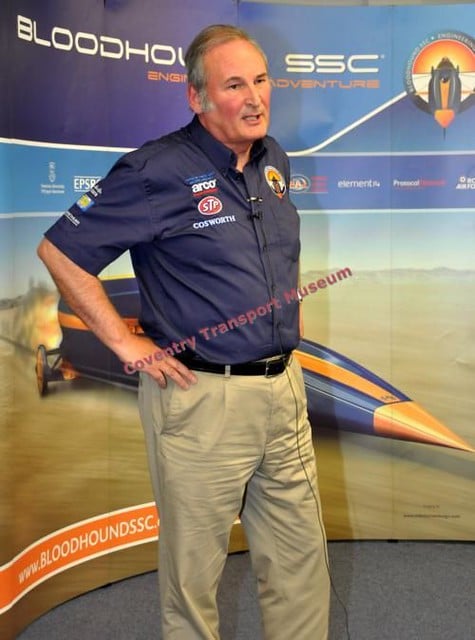
Richard Noble was a British entrepreneur who decided to bring the land speed record back to Britain after decades of American dominance. In 1983, he drove Thrust2 to 633.468 mph in the Nevada desert.
Noble had to raise money through sponsorships and sheer determination because he didn’t have the backing of major companies. His success proved that a well-organized team could compete with better-funded rivals.
Noble later became the driving force behind the next British land speed record attempt, though he wouldn’t be the driver.
Andy Green
Andy Green is the only person to break the sound barrier on land. In 1997, he drove Thrust SSC to 763.035 mph in Nevada’s Black Rock Desert, creating sonic booms that could be heard for miles.
Green was a Royal Air Force fighter pilot, which gave him the skills to handle the incredible forces and speeds involved. The car he drove had two jet engines producing 110,000 horsepower, more power than all the cars in a Formula 1 race combined.
Green’s record still stands today, more than 25 years later.
Tom Green
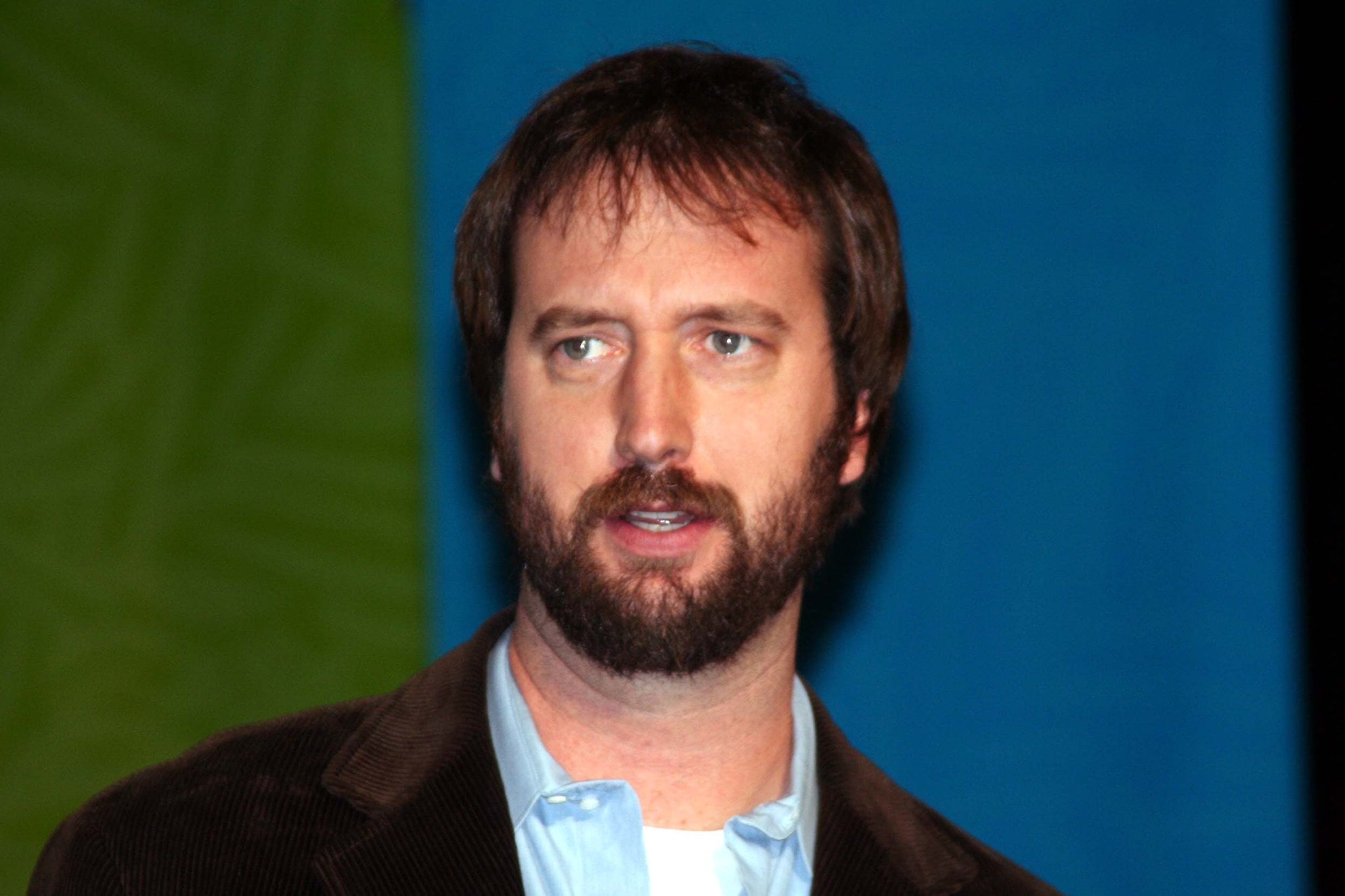
Tom Green (no relation to Andy) was an Australian who set a land speed record in 1964 that wasn’t officially recognized at the time. He reached 403.1 mph in his jet-powered car Wingfoot Express at Bonneville Salt Flats.
The car crashed during a later run, and Green barely escaped with his life. His achievement showed how dangerous the pursuit of land speed records had become as drivers pushed into uncharted territory.
Bob Summers
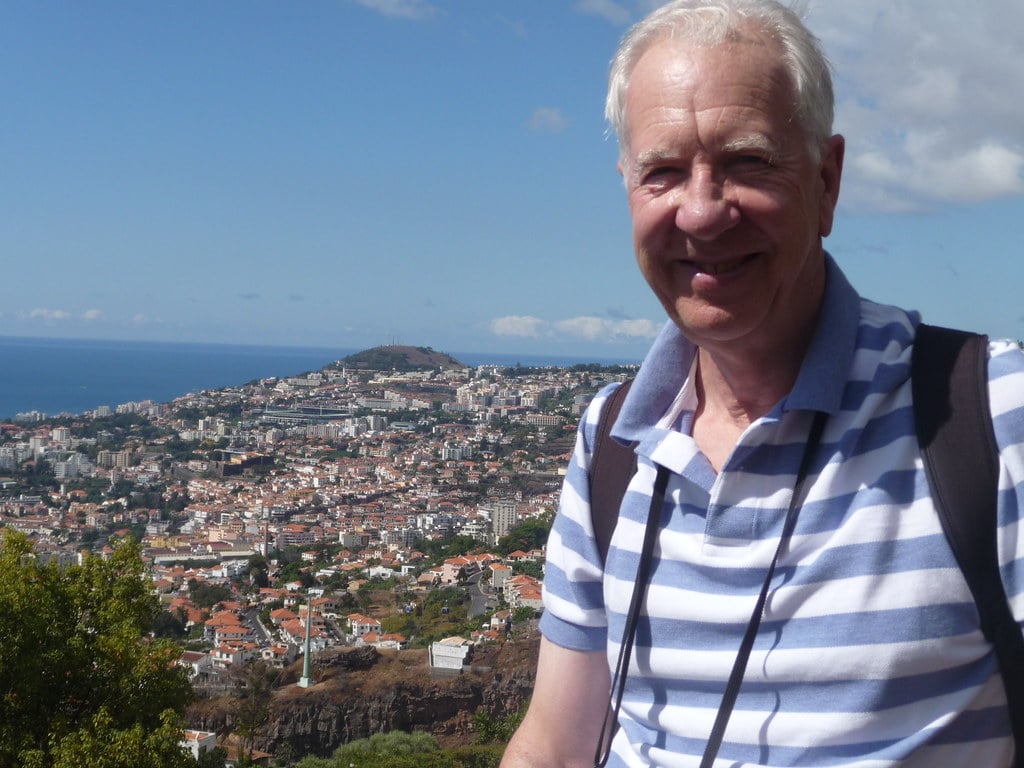
Bob Summers set a record in 1965 for wheel-driven cars, reaching 409.277 mph in his streamliner Goldenrod. This record was different from jet-powered records because it used traditional engines connected to the wheels rather than jet thrust.
Goldenrod had four engines producing a combined 2,400 horsepower. Summer’s record for wheel-driven cars stood for 46 years, making it one of the longest-standing records in motorsport history.
The car itself is now in a museum, preserved as a piece of racing history.
Kitty O’Neil

Kitty O’Neil was a deaf stuntwoman and racer who set a women’s land speed record in 1976. She drove a rocket-powered car to 512.710 mph in the Alvord Desert in Oregon.
O’Neil had planned to try for the overall land speed record, but her sponsor pulled her from the attempt at the last minute, giving the opportunity to a male driver instead. Despite this setback, her achievement stood as a women’s record for decades.
O’Neil was also a champion diver and an accomplished stuntwoman in Hollywood.
Al Teague
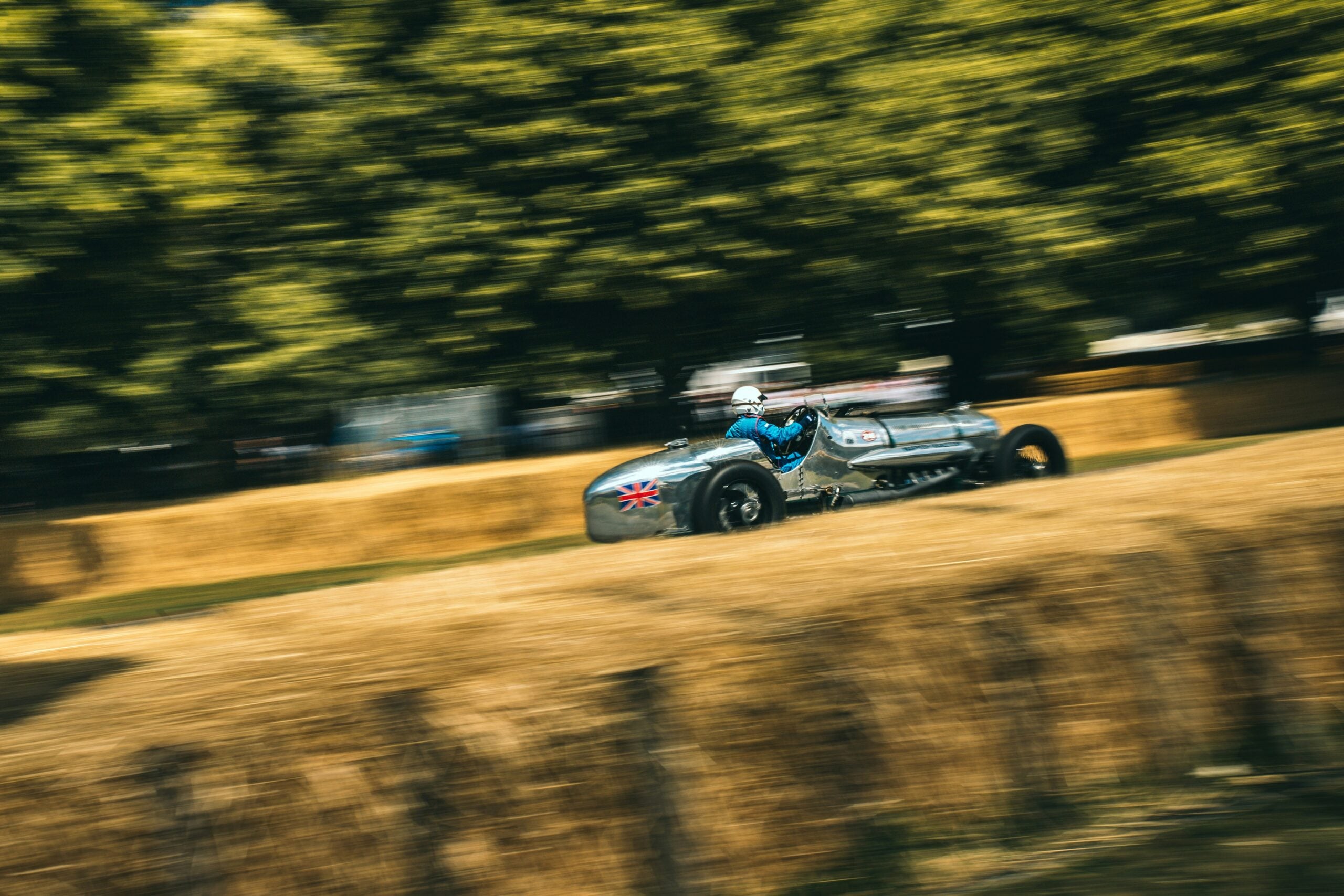
Al Teague focused on land speed records using wheels, not jets or rockets. Back in 1991, he hit 409.986 mph, slipping past Bob Summers’ old time by a hair.
His vehicle, called Spirit of ’76, ran on one engine instead of several. He worked as a machinist, crafting big parts of the car right in his own garage.
Even after turning 70, he kept racing – tweaking, testing, chasing faster runs.
Jessi Combs

Jessi Combs worked with metal, hosted TV shows, yet also raced fast vehicles – she spent years aiming to beat the top speed ever set by a woman. Back in 2019, on a dry lake bed out in Oregon, she hit 522.783 mph, surpassing Kitty O’Neil’s mark that lasted more than four decades.
Sadly, her vehicle went off course during that attempt; she didn’t survive. Even though it came posthumously, officials confirmed the achievement, securing her legacy among high-speed pioneers.
People admired her craftsmanship, but also how fiercely she pushed into spaces where few women had gone before.
George Poteet

George Poteet’s been smashing land speed marks on wheels for over twenty years. His sleek machine, Speed Demon, hit more than 470 mph – putting it among the quickest vehicles running on tires ever made.
Running his own company helps him bankroll the whole operation, building rides with top-tier precision. While past racers lost their lives chasing fast times, he’s stayed safe without slowing down.
These days, you’ll still find him testing edges out at Bonneville.
Danny Thompson
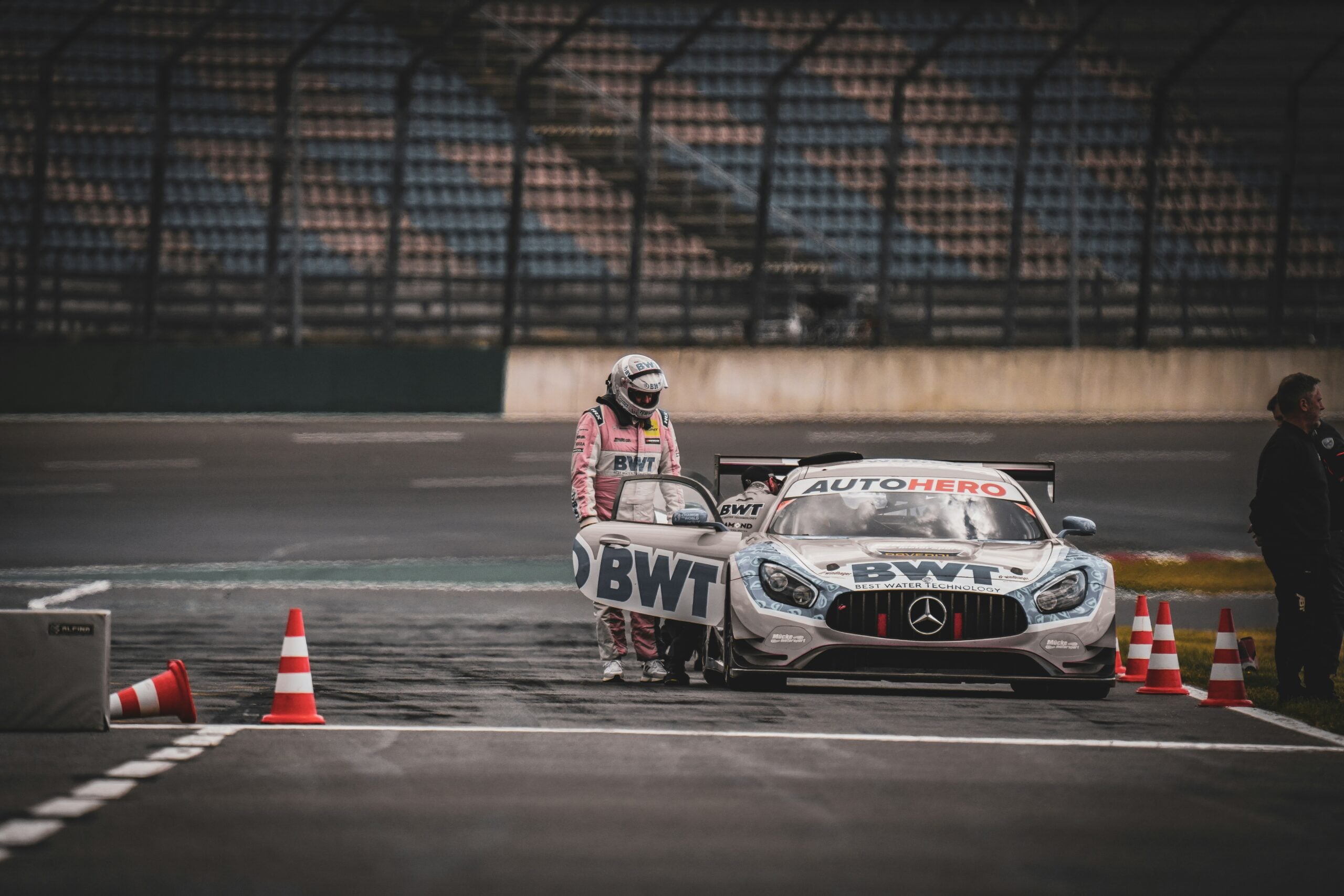
Danny Thompson was raised under the weight of his dad’s name – Mickey, a well-known speed racer killed back in ’88. By 2018, Danny made it happen: he hit 448.757 mph in a sleek, wheel-powered machine named Challenger 2.
That ride? It came from blueprints Mickey once drew up years before. For Danny, this wasn’t just about fast cars – it meant finishing what his old man started.
He’d poured time into shaping that vehicle, tweaking every part bit by bit. In crossing that finish line, he also closed a painful chapter – one shaped by loss and unfinished business.
The continuing chase

Land speed attempts keep going, even with today’s tech. Groups from different countries are crafting vehicles to beat Andy Green’s supersonic mark.
Bloodhound LSR wants to hit 1,000 mph, but money issues caused delays. It began with racers just passing 200 mph – now it’s about stretching what machines and people can handle.
More from Go2Tutors!

- The Romanov Crown Jewels and Their Tragic Fate
- 13 Historical Mysteries That Science Still Can’t Solve
- Famous Hoaxes That Fooled the World for Years
- 15 Child Stars with Tragic Adult Lives
- 16 Famous Jewelry Pieces in History
Like Go2Tutors’s content? Follow us on MSN.



