Early Internet Features We Secretly Miss
A funny shift takes place after too many hours scrolling. What felt irritating back then now feels oddly sweet looking back.
Remember those loud designs, clunky buttons? They had life. Today’s sleek screens feel sterile by comparison.
That spark, loose and unpredictable, has faded into smooth predictability. Some parts of those times actually worked out fine.
Yet saying so now seems more like spilling a secret than making a point.
The Sound of Dial-Up Connecting
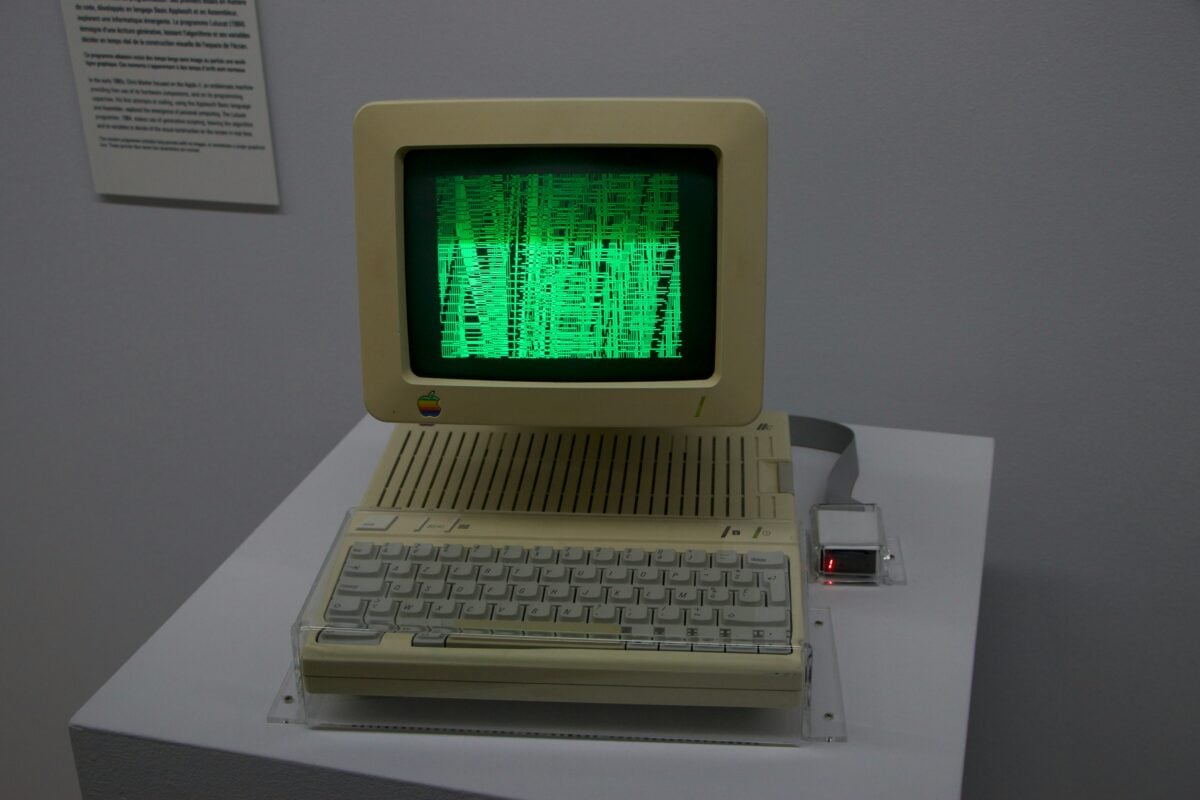
That screech and hiss meant something. Your computer was literally negotiating with another machine, and you could hear the conversation happening.
The handshake tones told you progress was being made. Modern instant connections feel clinical by comparison.
There was a ritual in waiting for dial-up. You had time to grab a drink, settle into your chair, and prepare mentally for whatever you were about to do online.
The anticipation made arrival feel earned.
AIM Away Messages as a Form of Self-Expression
Crafting the perfect away message was an art form. You wanted to seem busy but approachable, clever but not trying too hard.
Song lyrics, cryptic quotes, and passive-aggressive hints about your social life all found their home in that tiny text box. Your away message told people who you were, or at least who you wanted them to think you were.
Status updates on modern platforms feel sterile by comparison. They lack the intimacy of something meant for a specific buddy list rather than an algorithmic feed.
Websites That Looked Like They Were Made by Humans
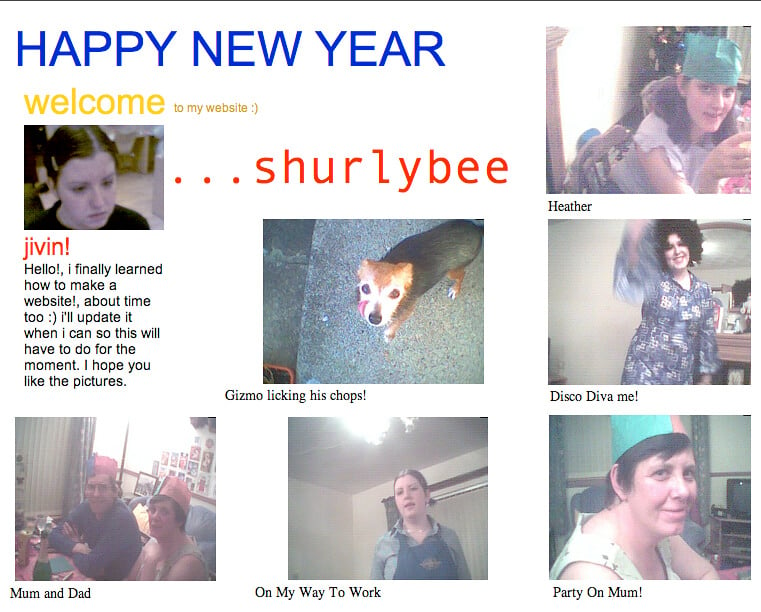
GeoCities pages had personality. They had under-construction GIFs, visitor counters, and backgrounds that made text nearly impossible to read.
Someone had clearly spent hours figuring out how to make their cursor leave a trail of stars. The aesthetic was chaotic, but it was authentic.
Every page felt like walking into someone’s bedroom and seeing their posters on the wall. Modern web design optimizes for conversion rates and user retention metrics.
The result looks professional but feels like a hotel room.
Chat Rooms Organized by Topic
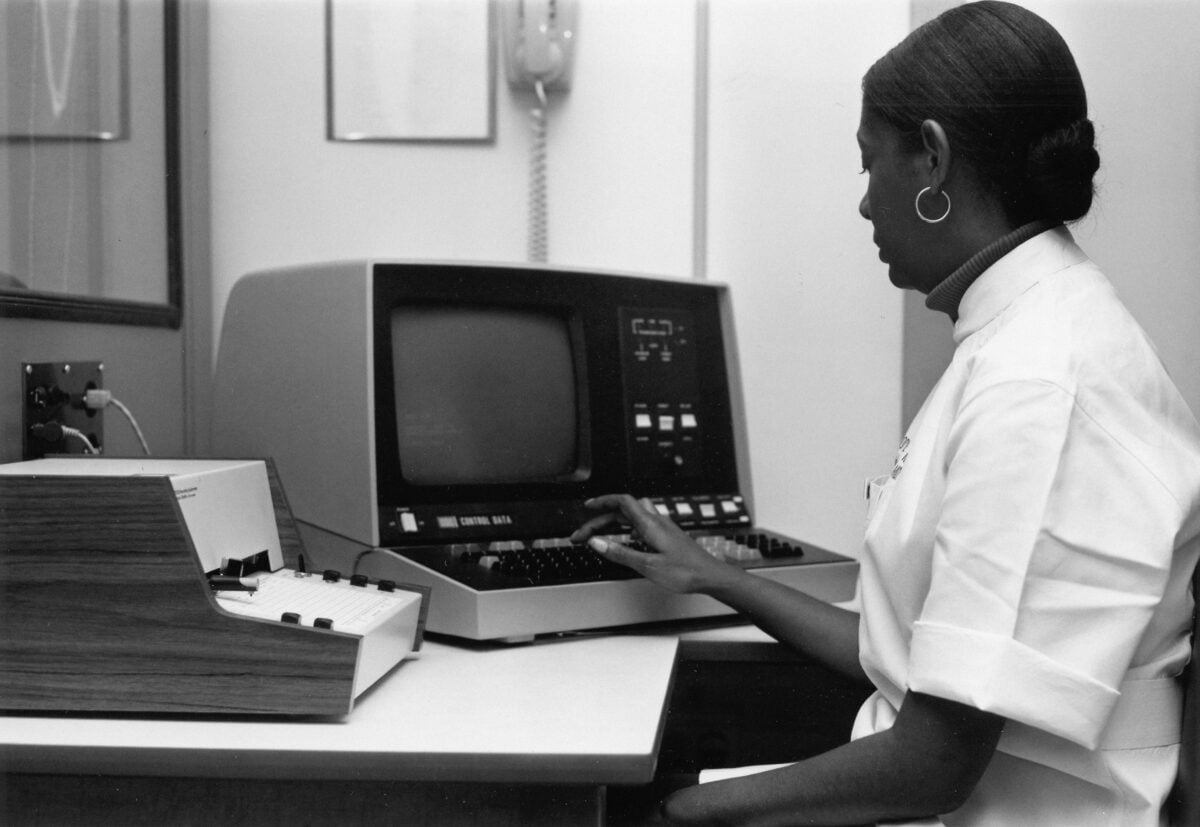
You could find a chat room for anything. Fans of obscure bands, people who collected stamps, night owls who just wanted company at 3 AM.
The rooms had regulars who showed up at the same time each day. Relationships formed. Drama erupted.
Communities existed in these spaces that felt genuinely separate from real life. Today’s social platforms push everything into the same feed, flattening distinct communities into one homogeneous stream.
The Excitement of Getting Email

A new message in your inbox used to mean something. Someone had taken time to write to you specifically.
The “You’ve Got Mail” notification created genuine anticipation. What was it? Who sent it? Now email means work obligations and promotional spam.
The signal-to-noise ratio collapsed entirely. Checking email went from exciting to exhausting within a decade.
Webrings and the Joy of Discovery

Before search engines dominated, webrings connected related sites in a loop. You could click “next” and land on something completely unexpected but vaguely related to your interests.
The journey mattered as much as the destination. You stumbled onto things you never would have searched for.
Modern recommendation algorithms try to replicate this feeling but optimize for engagement rather than genuine discovery. The surprise is gone.
Customizable Profiles That Showed Your Personality
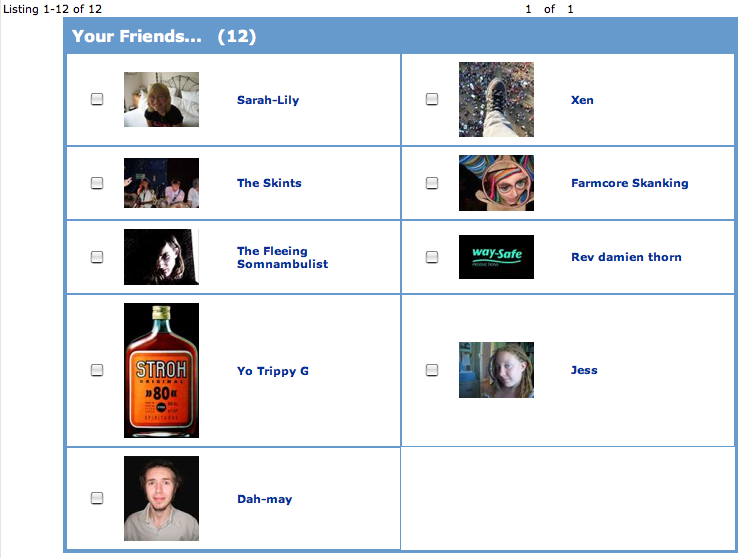
MySpace let you destroy the default layout entirely. You could autoplay music, embed glittery graphics, and choose fonts that made visitors question your sanity.
The customization was garish and wonderful. Your profile was yours. Current social platforms give everyone the same template.
Your identity gets reduced to a profile photo, a bio with character limits, and whatever content the algorithm decides to surface.
Forums With Actual Threading
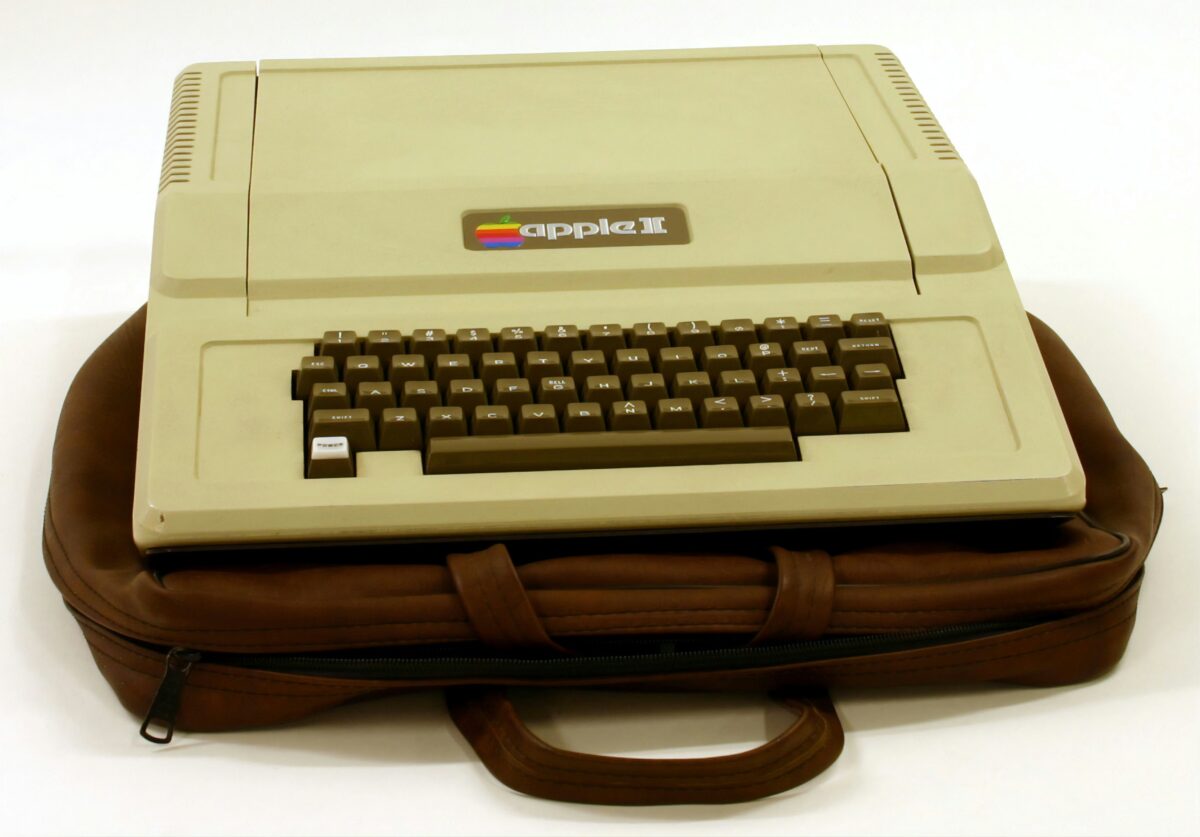
Old-school forums organized conversations by topic. You could follow a thread from beginning to end and understand the full context.
Side discussions branched off naturally. The structure rewarded depth over speed. Modern social media prioritizes recent content and viral moments.
Thoughtful responses get buried under hot takes. The conversational architecture itself has changed what kinds of discussions are possible.
Downloading Music One Song at a Time
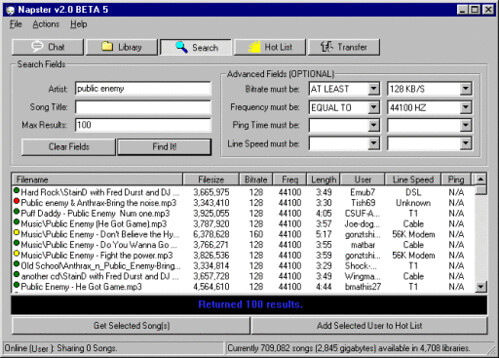
Napster and its successors made you work for your music. You searched, you waited, you hoped the file was real and not mislabeled.
Building a collection took effort and patience. There was pride in a well-curated music folder.
Streaming services offer everything instantly, which sounds better until you realize it made music feel disposable. When everything is available, nothing feels special.
Personal Blogs Before Monetization

People wrote online because they had something to say, not because they were building a brand. Blog posts rambled.
They included updates about the writer’s cat and opinions about breakfast cereal alongside more substantial observations. The writing felt human because it wasn’t optimized for anything.
The rise of content marketing turned blogs into SEO vehicles. The personal voice got professionalized out of existence.
Slow Loading as Forced Patience

Waiting for images to load line by line taught patience. You had time to read the text while the graphics were rendered.
The experience was layered rather than instantaneous. That forced slowness created space for anticipation and appreciation.
Instant loading eliminates that rhythm entirely. Everything appears at once, is consumed immediately, and gets forgotten just as fast.
Screen Names as Alternate Identities
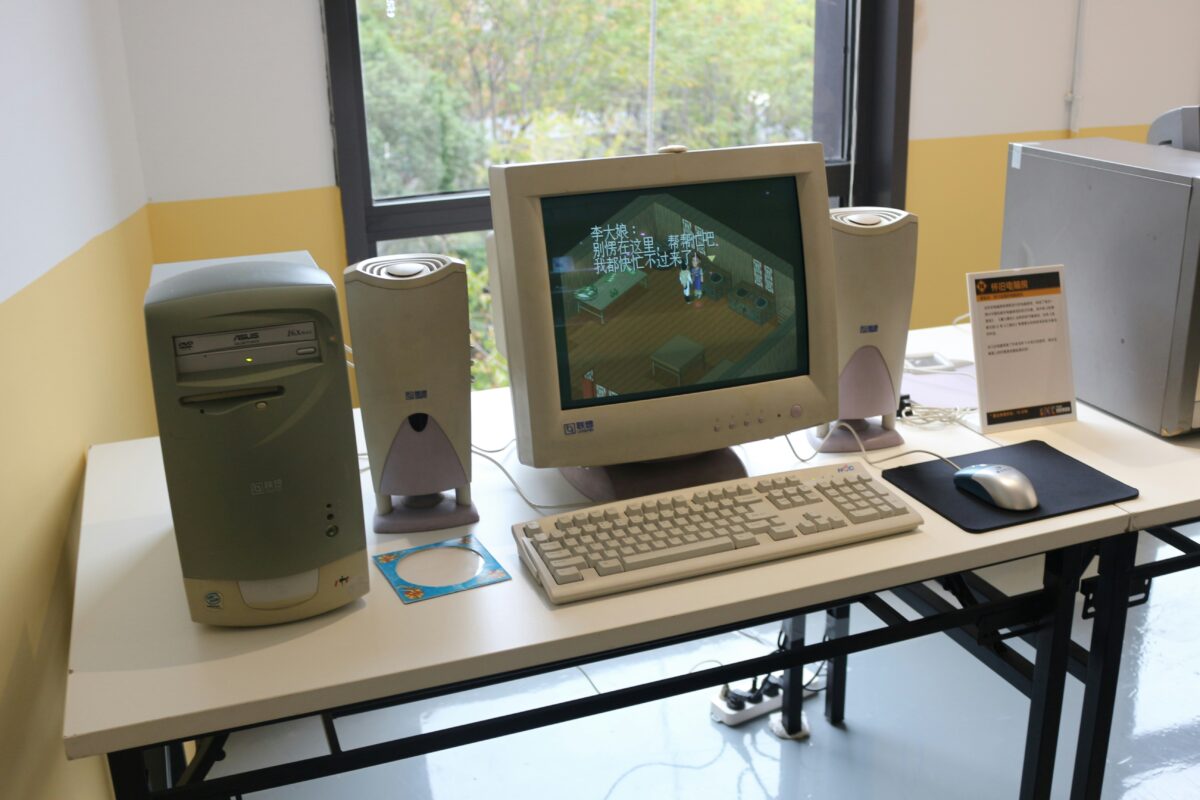
Your screen name was a fresh start. You could be anyone online, and that anonymity paradoxically made people more honest about certain things.
The separation between online and offline identity created room for experimentation. Real-name policies collapsed that boundary. Using your legal name everywhere online means carrying all your baggage with you.
The playground became an extension of the office.
The Web Before Infinite Scroll
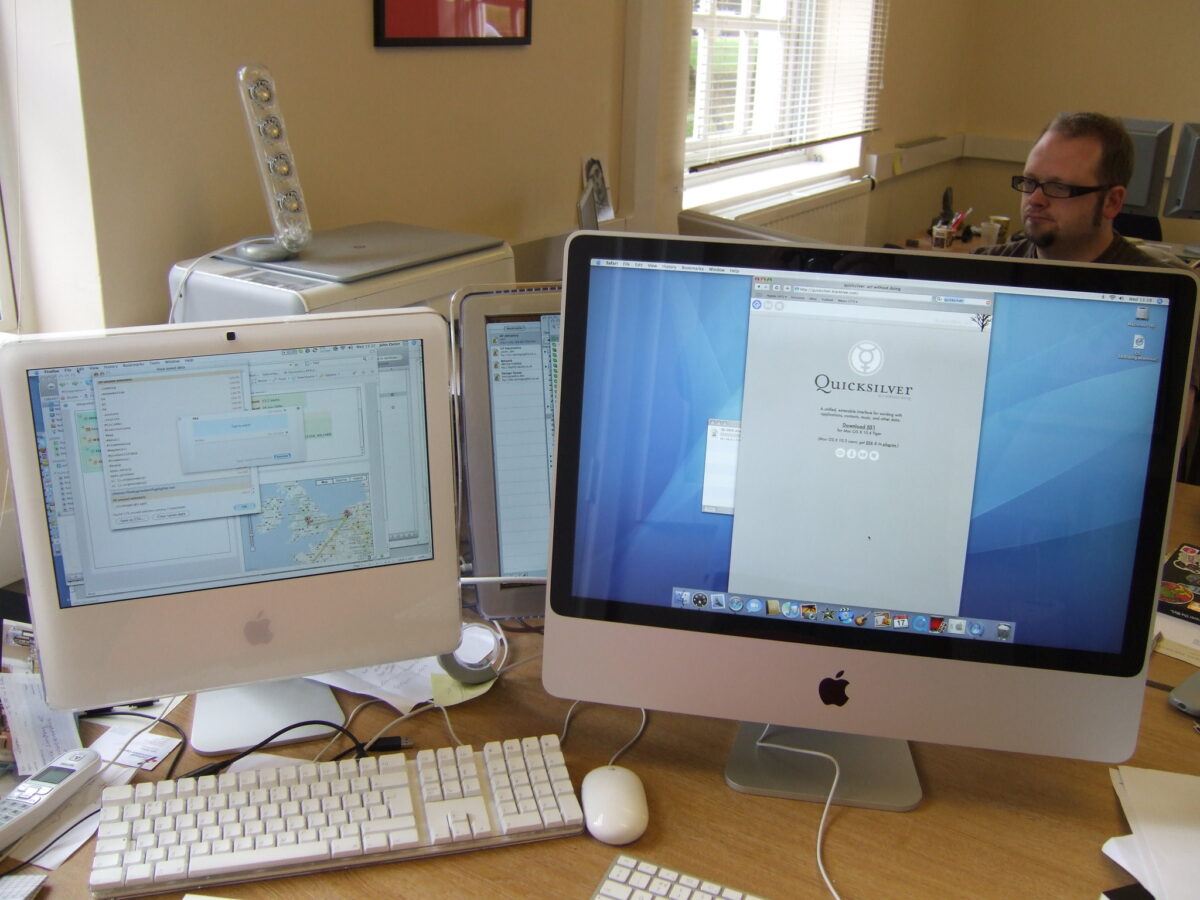
Websites had pages. You clicked through them deliberately.
There was a natural stopping point built into the experience. Infinite scroll removes those boundaries, engineering compulsive use into the infrastructure itself.
The old web respected your time by making you actively choose to continue. New platforms profit from making that choice invisible.
When Logging Off Meant Something
Going offline was a real state of being. You left the internet and returned to your regular life.
The boundary was clear. Now the internet follows you everywhere through your phone.
There is no logging off because there is no distinction between online and offline anymore. The early web existed in a specific place and time.
You visited it intentionally and left when you were done.
The Ghosts in the Machine
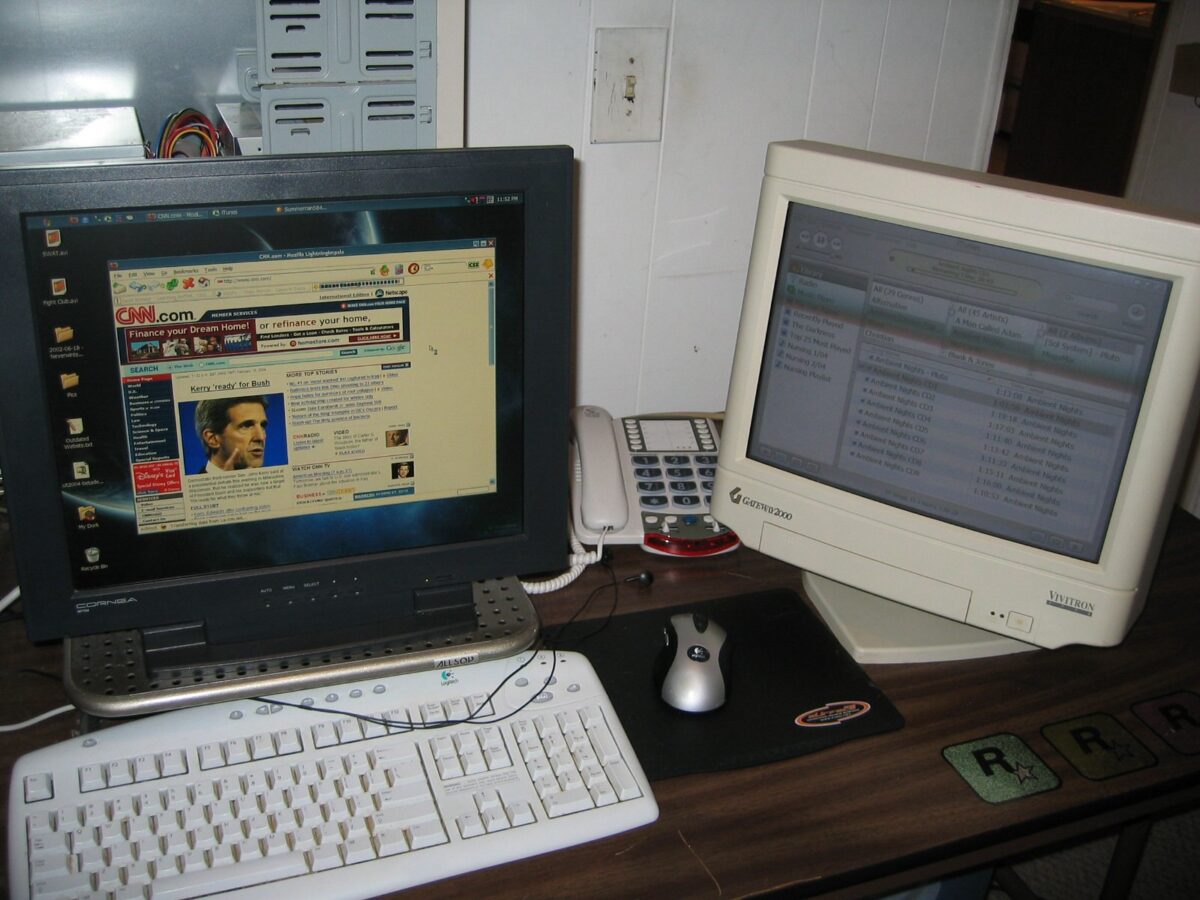
Truth bends backward when we remember. Sure, dial-up days dragged, crashed easily, left users frustrated.
Yet beneath those glitches lived a sense of arrival. Logging on once meant stepping into somewhere distinct, not just floating inside a screen all day.
Strange stuff popped up back then, messy but new, folks unsure how to handle it. That confusion left room for real invention.
Over time, the web settled down, took on tasks, and started behaving properly. Perhaps that shift had to happen.
Still, deep into the night, catching that screech of a modem in some forgotten film wakes a spark inside. A flash hits – you recall logging on once felt like stepping into a quest, not just ticking off chores.
More from Go2Tutors!

- The Romanov Crown Jewels and Their Tragic Fate
- 13 Historical Mysteries That Science Still Can’t Solve
- Famous Hoaxes That Fooled the World for Years
- 15 Child Stars with Tragic Adult Lives
- 16 Famous Jewelry Pieces in History
Like Go2Tutors’s content? Follow us on MSN.



