Biggest Cruise Ships in the World
Once, cruise ships moved with quiet elegance instead of flashy size. Back then, crossing oceans meant valuing smooth rides, steady cabins, and soft lighting at night.
Lately, things have changed more than anyone expected. Today’s floating resorts aren’t built just for getting somewhere.
Their main job is staying noticed.
These days, the bigger the boat, the more it seems to promise. With extra space came room for multiple restaurants, shows that run late, activities stacked one after another – options piling up where once there were few.
Slowly, without much fanfare, companies shifted what a cruise actually meant. Instead of just getting somewhere, the vessel itself started to be the point.
You did not go aboard to travel – you went because the ship had become the place worth seeing.
Now things grew simply because numbers started making sense. New ways to build boats opened doors to wider frames, whereas travelers began liking places where everything showed up without surprise.
With size came room to stretch expenses over many, so prices stayed steady even as extras multiplied inside. Yet somehow the ocean felt different, less like journeying, more like stepping into a world arranged just ahead of you.
Take a step into the world of giant cruise ships, where scale tells a story about modern travel dreams. Their massive build hints at shifting ideas on vacationing across oceans.
Size isn’t just spectacle – it mirrors appetite, ambition, direction. These floating cities show how cruising has stretched beyond leisure into something larger than before.
What they carry goes beyond passengers – they haul expectations, engineering feats, lifestyles. Each deck layered high speaks to comfort pushed further.
Not simply vessels anymore but moving hubs shaped by demand and innovation alike.
Icon of the Seas

Icon of the Seas currently holds the title of the largest cruise ship in the world by gross tonnage. Its sheer presence is unmistakable, rising from the water in stacked layers that resemble a compact skyline rather than a single vessel.
The ship is organised into distinct neighbourhoods, each with its own character, dining options, and entertainment style. This structure helps passengers navigate an otherwise overwhelming amount of space by encouraging intentional movement.
Instead of drifting aimlessly, guests choose where they want to spend their time. Still, the emphasis on scale is deliberate.
Icon of the Seas represents a confident step toward cruise ships as self-contained worlds, designed to keep passengers engaged without pause.
Wonder of the Seas

Wonder of the Seas was the world’s largest cruise ship before being surpassed, and it remains one of the most expansive vessels ever built. Its importance lies in how smoothly it refined the mega-ship formula.
Rather than relying solely on headline attractions, the ship uses spatial contrast to manage energy. Busy entertainment zones sit apart from quieter areas intended for rest, helping prevent sensory overload.
Crowd flow is shaped as much by layout as by scheduling. Wonder of the Seas demonstrated that at extreme scale, design decisions become operational necessities rather than aesthetic choices.
Symphony of the Seas

Symphony of the Seas marked a moment when size and sophistication began to align more deliberately. When it entered service, it briefly claimed the title of the largest cruise ship in the world, but its influence extended beyond that milestone.
Public spaces were designed to support both movement and pause, allowing guests to linger rather than constantly transition. Large theatres, dining venues, and outdoor decks were integrated into a layout that felt cohesive despite the ship’s enormity.
Even so, the experience remained unmistakably grand. Symphony of the Seas showed that growth in size could be paired with restraint, setting a higher expectation for future builds.
Harmony of the Seas

Harmony of the Seas played a key role in making mega-ships feel familiar rather than extraordinary. By the time it launched, the idea of a floating resort had gained traction, and this ship helped normalise that expectation.
Layered decks and open sightlines encouraged exploration without confusion. Multiple venues served similar purposes, reducing pressure on any single space.
This redundancy is central to the appeal of very large ships. Passengers are rarely constrained by limited options, even when sailing at full capacity.
Harmony of the Seas illustrated how size could enhance choice rather than restrict it.
Oasis of the Seas
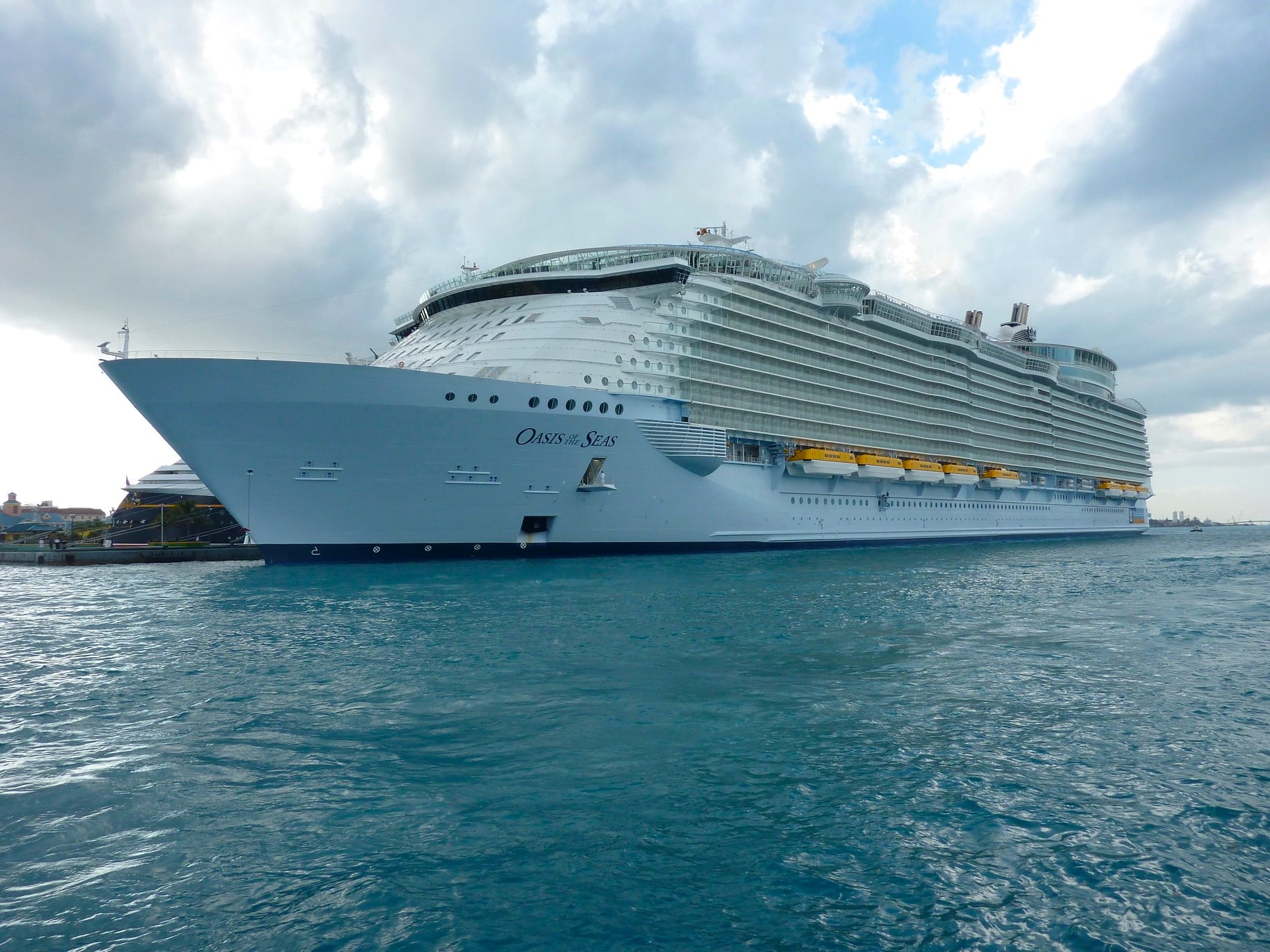
Oasis of the Seas was a genuine turning point for the cruise industry. When it debuted, its size challenged long-held assumptions about what a ship could realistically support.
One of its most influential features was the introduction of interior neighbourhoods, including an open-air park lined with walking paths and dining venues. This design brought moments of calm into a vessel of immense scale.
Over time, the ship has been updated to remain competitive, reflecting the reality that large ships must evolve continuously. Its legacy remains visible across nearly every mega-ship that followed.
Allure of the Seas

Allure of the Seas followed closely behind Oasis of the Seas and proved that the mega-ship concept was repeatable rather than experimental. Its success reinforced confidence in large-scale replication.
Operational refinements improved passenger flow, entertainment scheduling, and spatial efficiency. Lessons from earlier builds were applied to create a smoother, more predictable experience.
Still, the draw remained the same. Size itself was part of the promise.
Allure of the Seas confirmed that scale could be standardised without diminishing appeal.
The Trade-Offs of Going Bigger
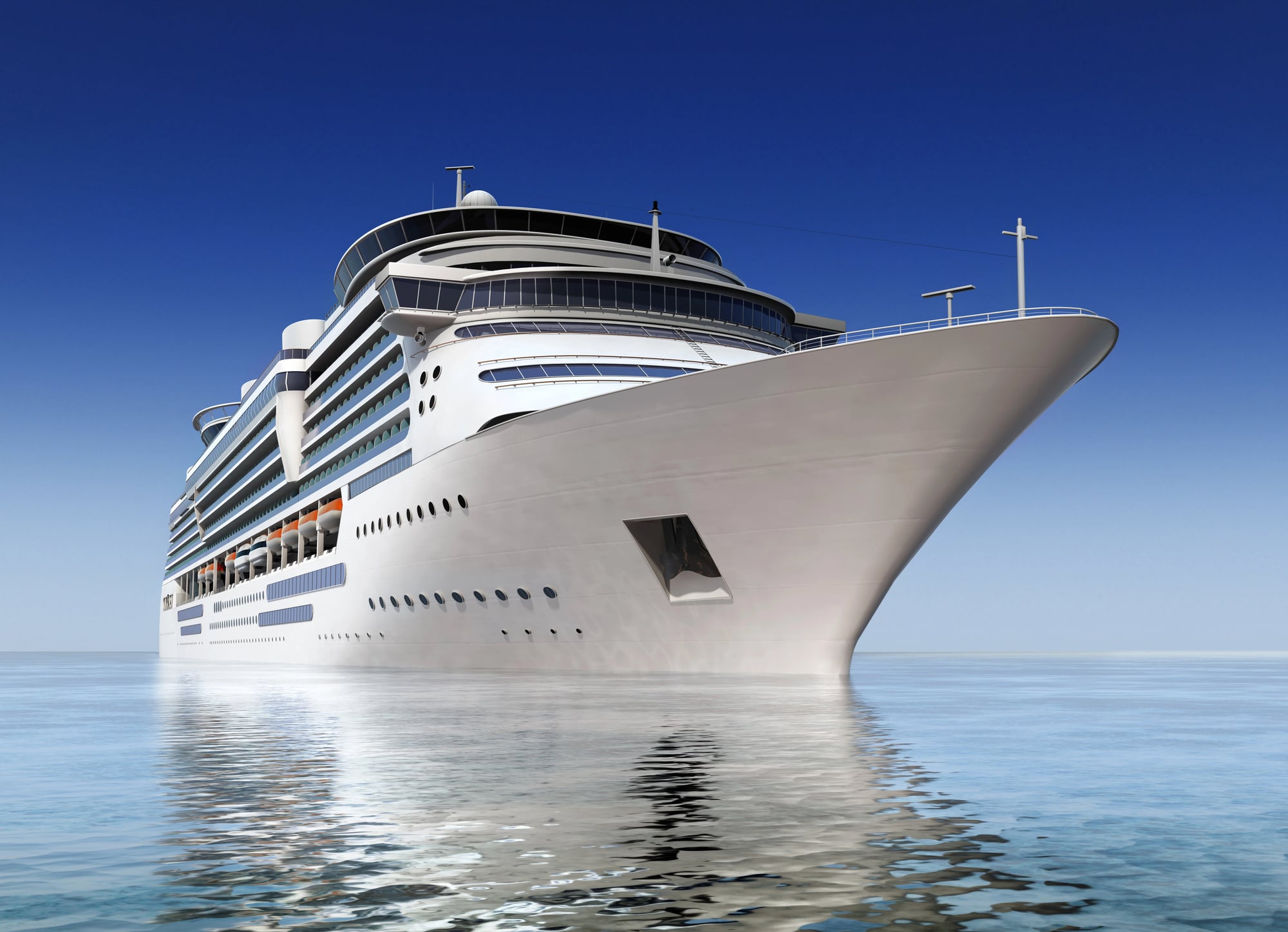
As cruise ships have grown larger, the benefits have come with unavoidable trade-offs. Massive vessels allow cruise lines to centralise dining, entertainment, and accommodation, but they also introduce layers of complexity behind the scenes.
Staffing logistics, maintenance demands, and energy management become delicate balancing acts at this scale. On the other hand, size enables redundancy, allowing multiple venues to serve the same purpose without overwhelming any single space.
The industry’s challenge has been learning how to use scale as a tool for comfort and choice, rather than letting it become a source of friction.
MSC World Europa
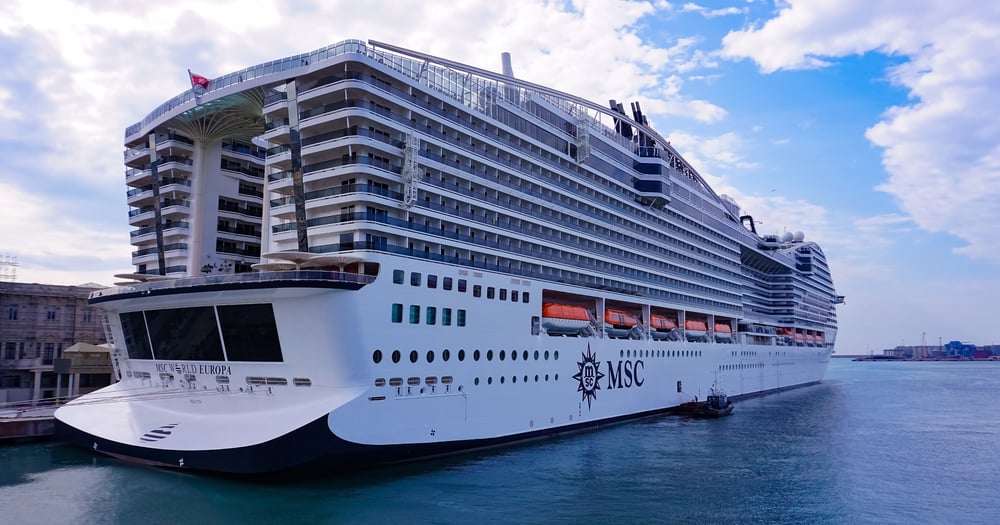
MSC World Europa represents a newer interpretation of scale, blending size with modern design sensibilities. While it competes with the largest ships in terms of mass, its identity is shaped by how space is framed rather than how much exists.
The ship emphasises openness, using expansive promenades and visual continuity to soften its physical enormity. Public areas feel lighter and more fluid, counterbalancing the vessel’s size.
That said, its scale still enables a wide range of dining and entertainment options operating simultaneously. MSC World Europa reflects a design philosophy focused on easing the psychological weight of size.
MSC World America
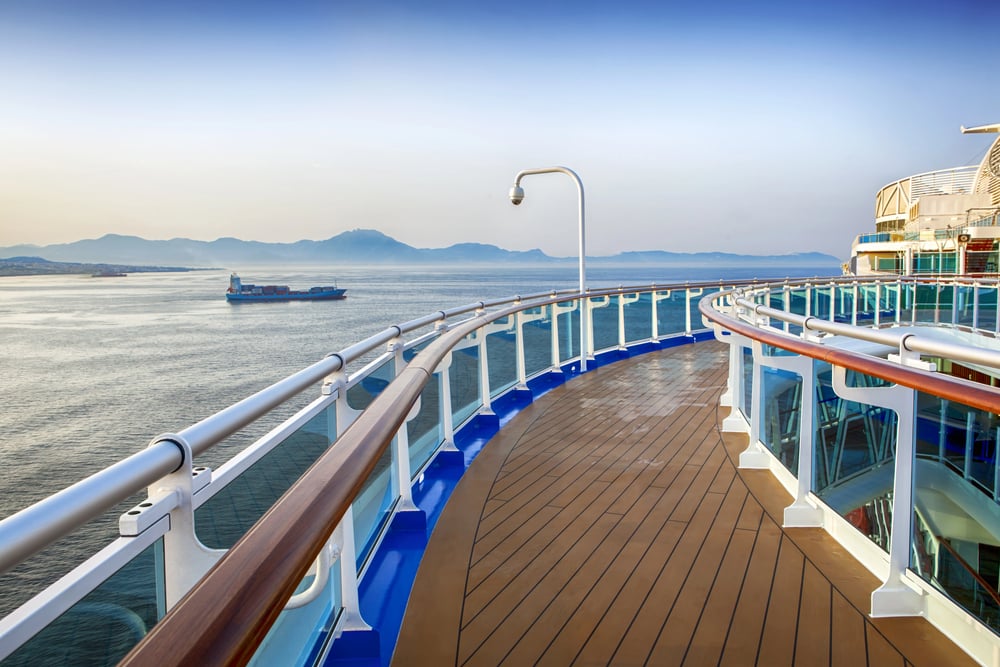
MSC World America builds on the same platform as World Europa, signalling how cruise lines now think in terms of scalable ship families. Its dimensions place it firmly among the world’s largest cruise ships.
What sets it apart is its regional tailoring. Spaces and onboard experiences are designed to appeal to North American cruising preferences, using the ship’s vast footprint to offer familiarity alongside spectacle.
Still, the underlying logic remains consistent. Bigger ships allow cruise lines to deliver customised experiences at scale, serving diverse audiences on a single sailing.
Utopia of the Seas

Utopia of the Seas represents refinement rather than reinvention. Built on an already massive class of ships, it focuses on efficiency and experience within a proven framework.
The ship is optimised for shorter, high-energy itineraries, relying on onboard attractions to anchor the experience. Its size supports this approach by allowing passengers to sample multiple venues without feeling rushed.
Utopia of the Seas demonstrates how scale can support different cruising styles, not just longer voyages.
Why Size Still Defines Cruising
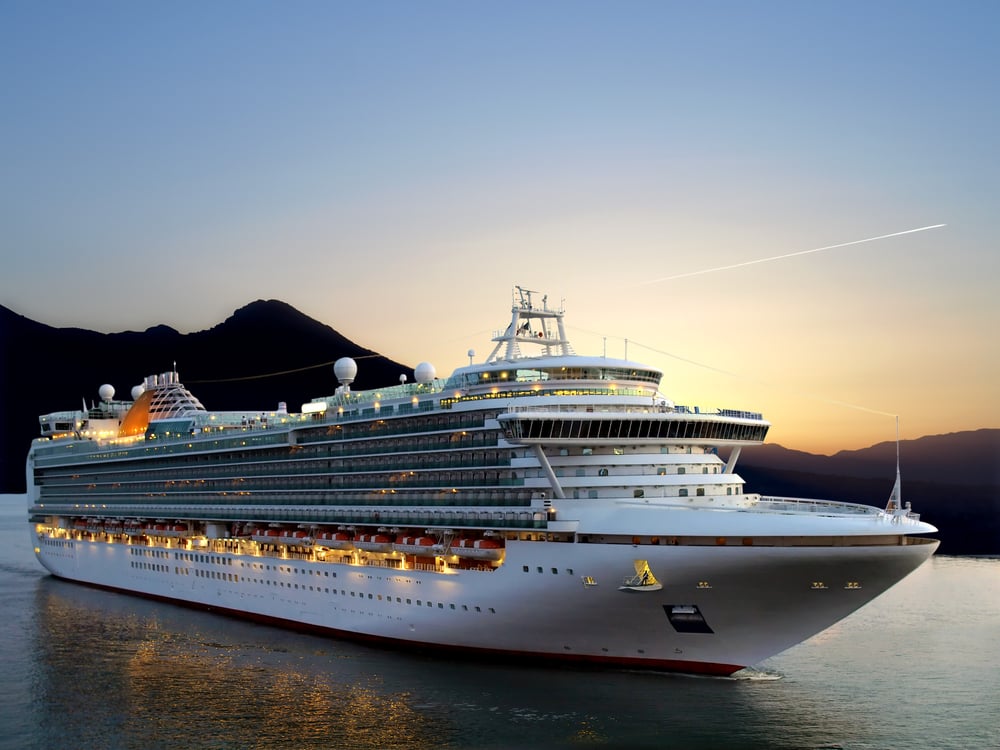
Nowadays, giant cruise ships are everywhere. That change hints at something bigger about travel habits.
It’s less about where you go. What matters more is stepping into new moments easily.
Always having things to do shapes the trip just as much. Big boats allow it, since expenses get shared among many travelers.
Still, running them means handling room, supplies, and what people want – more pressure on those in charge. They rise like statements of today’s drive, moving examples showing cruise lines still bet on size to draw folks in.
How long that idea lasts – or if it shifts – will decide how sailing vacations change ahead.
More from Go2Tutors!

- The Romanov Crown Jewels and Their Tragic Fate
- 13 Historical Mysteries That Science Still Can’t Solve
- Famous Hoaxes That Fooled the World for Years
- 15 Child Stars with Tragic Adult Lives
- 16 Famous Jewelry Pieces in History
Like Go2Tutors’s content? Follow us on MSN.