14 Items Used Differently Around the World
Objects that seem commonplace in one country often serve entirely different purposes elsewhere. Cultural context, local needs, and innovative thinking have led people worldwide to repurpose everyday items in ways that might surprise you. The function of an ordinary tool in America could be completely transformed when crossing international borders.
Here is a list of 14 items that are used in unexpected ways around the world.
Chopsticks as Garden Tools

In Japan, chopsticks aren’t just for mealtime—they’re also handy in the garden. Gardeners use them for delicate tasks like pulling tiny weeds, loosening soil around fragile plants, and moving seedlings without damaging their roots.
The slim, tapered tips make it easy to work in tight spots where fingers just get in the way. Some master gardeners even have special chopsticks made from bamboo or hardwood that they use only for tending to their plants.
Newspapers as Insulation

In parts of Russia and Eastern Europe, newspapers serve a crucial function beyond reading material. During harsh winters, residents layer newspapers between windowpanes to create makeshift double-glazing that traps air and prevents heat loss. T
he practice dates back to Soviet-era housing shortages when proper insulation materials were scarce. Even in modern apartments with better heating systems, older residents still line their windows with newspapers when temperatures drop below freezing.
Like Go2Tutors’s content? Follow us on MSN.
Binder Clips as Cable Organizers
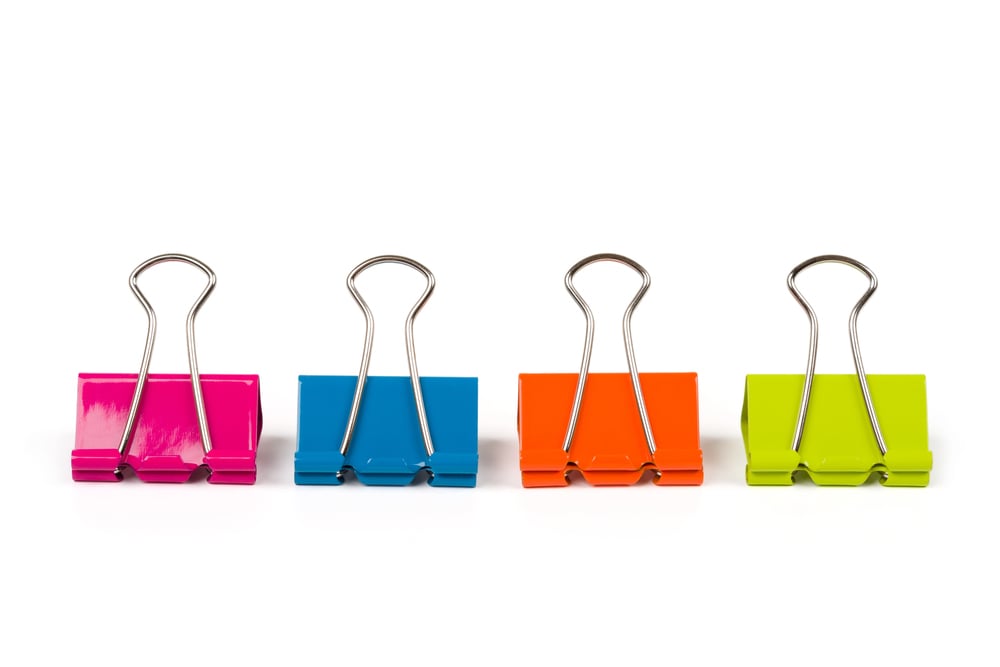
While designed for paper, binder clips in South Korea have become a go-to solution for managing electronic cables. Office workers attach them to desk edges and use the metal handles to guide charging cords, headphone wires, and computer cables.
Electronics stores sell specialized desk organizers inspired by this makeshift solution. Korean tech companies have even incorporated built-in clip systems into newer desk designs after observing this widespread adaptation.
Rice Cookers as Multi-Purpose Kitchen Tools
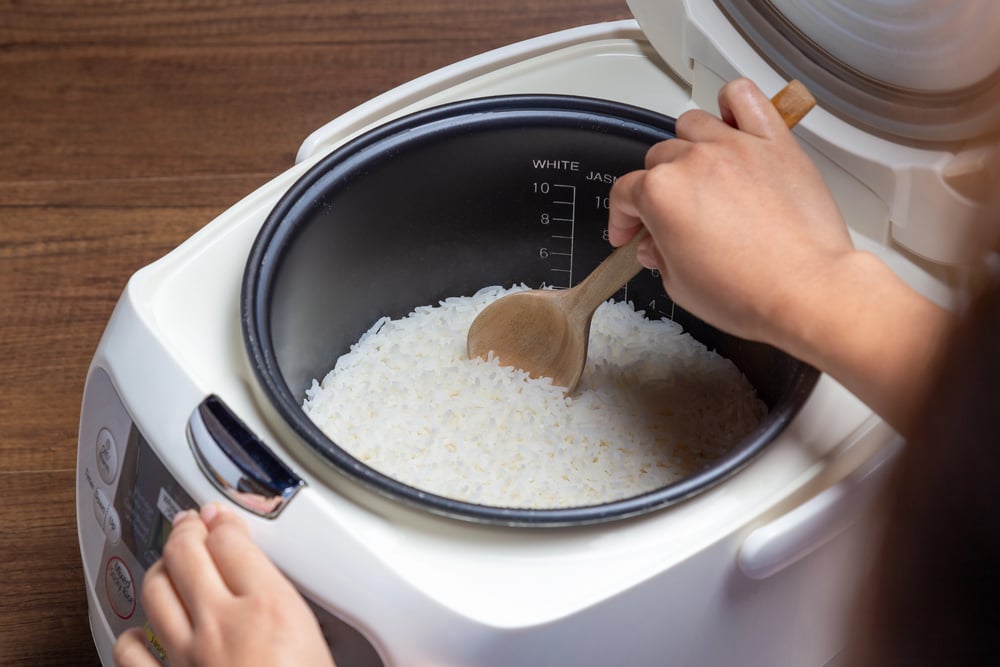
In Japan, rice cookers serve their expected purpose of perfectly cooking rice, but many Japanese households also use them to make pancakes, cheesecakes, and even bread. The consistent heat and non-stick surface create ideal baking conditions for these unexpected treats.
Americans typically limit their rice cookers to grain preparation, missing out on their versatility. In parts of Southeast Asia, particularly Thailand and Vietnam, rice cookers double as soup makers, with families tossing in meat, vegetables, and broth right alongside the rice for a complete one-pot meal.
Plastic Bottles as Light Sources
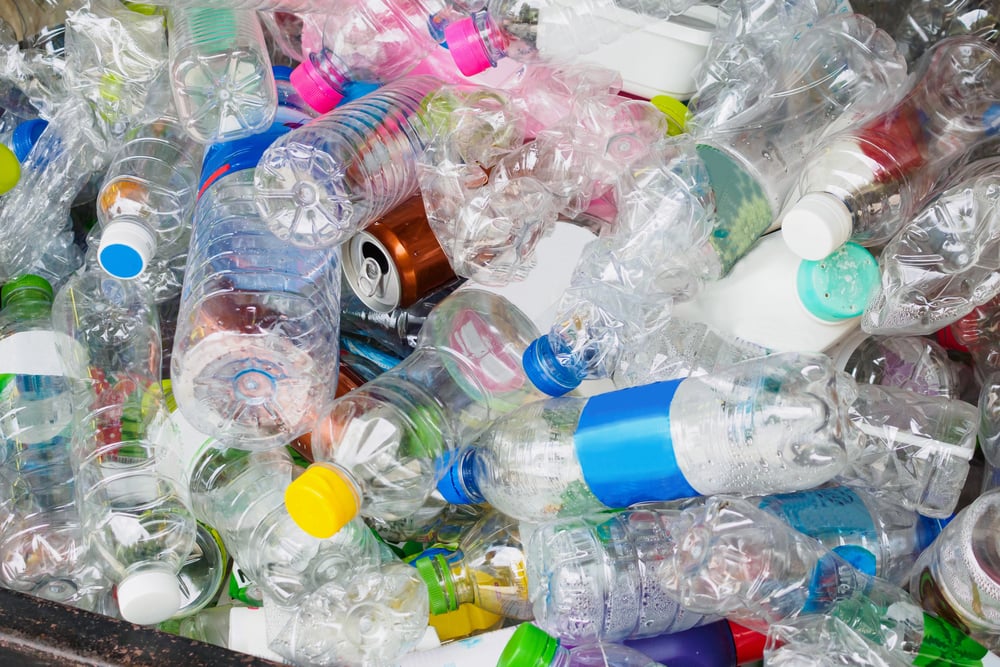
In the Philippines, plastic bottles filled with water and bleach have transformed dark homes in impoverished areas. Inserted through openings in tin roofs, these “solar bottles” refract sunlight to produce the equivalent illumination of a 55-watt bulb.
The Liter of Light project has installed these simple devices in thousands of homes across the country. What began as an emergency solution has become a sustainable lighting alternative in communities without reliable electricity.
Like Go2Tutors’s content? Follow us on MSN.
Safety Pins as Emergency Repairs
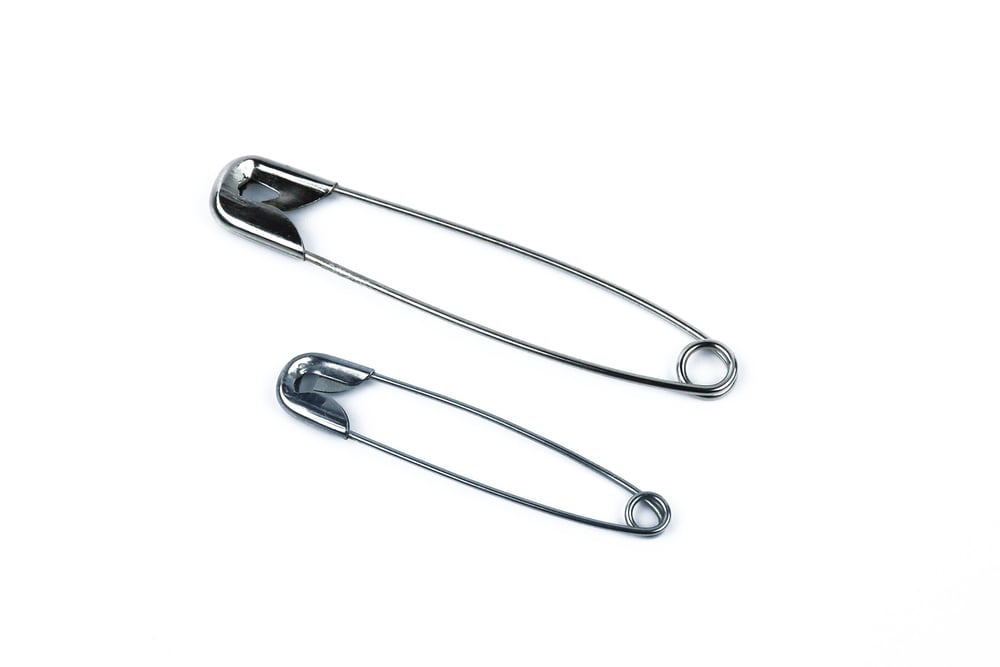
Swedish backpackers popularized using safety pins not just for clothing mishaps but as universal repair tools. They carry collections of various-sized pins for fixing tent tears, replacing broken zipper pulls, and even improvising fishing hooks when necessary.
This practice has spread throughout Scandinavian outdoor culture, where minimalist, multi-purpose gear is highly valued. Outdoor stores in Stockholm now sell specialized titanium safety pins marketed specifically for wilderness repairs.
CD Cases as Bagel Carriers
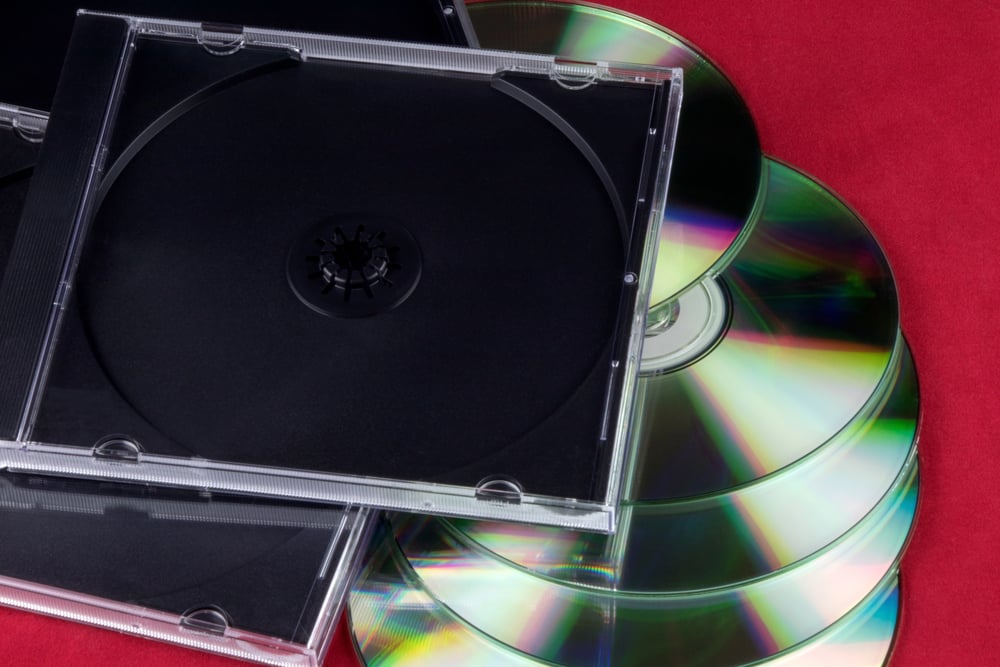
In New York City, empty CD jewel cases found new life as bagel protectors during the early 2000s. Commuters discovered that a fresh bagel fits perfectly inside the plastic case, preventing crushing in crowded subway cars and backpacks.
This practice became so common that some Manhattan bagel shops offered discounted cases alongside their food. Though smartphones have made CD cases increasingly rare, some nostalgic New Yorkers still maintain their plastic bagel protectors.
Wooden Pallets as Furniture
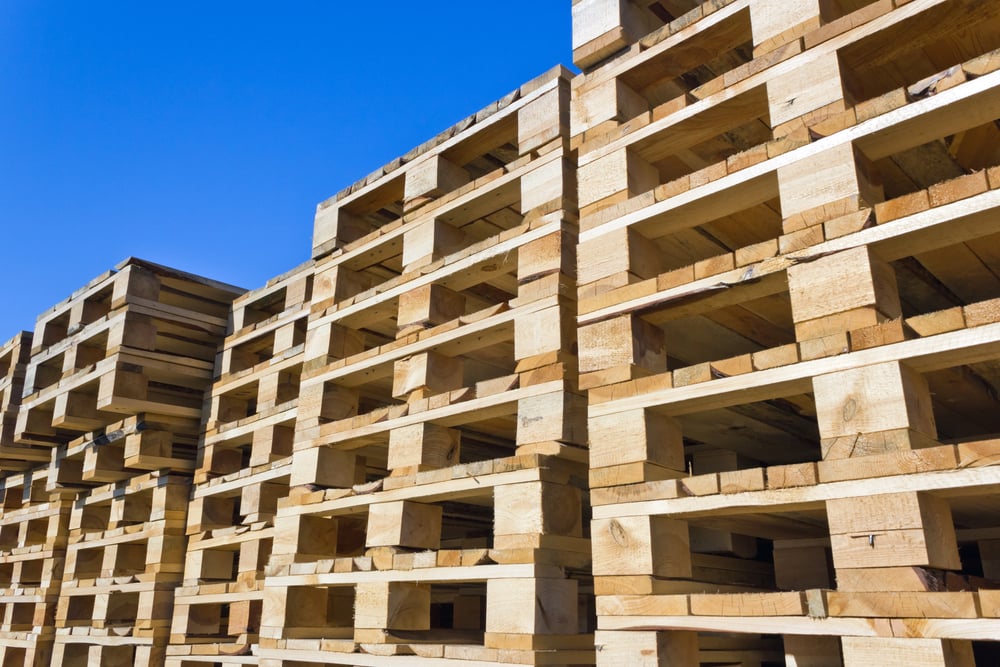
Shipping pallets in Germany have evolved from industrial transport items to trendy furniture building blocks. German design students pioneered techniques for transforming these standardized wooden platforms into sofas, coffee tables, and bed frames.
What began as affordable furniture for cash-strapped students has developed into a legitimate design movement. Berlin now hosts an annual pallet furniture competition where craftspeople showcase increasingly sophisticated creations made from these humble industrial items.
Like Go2Tutors’s content? Follow us on MSN.
Tires as Home Foundations
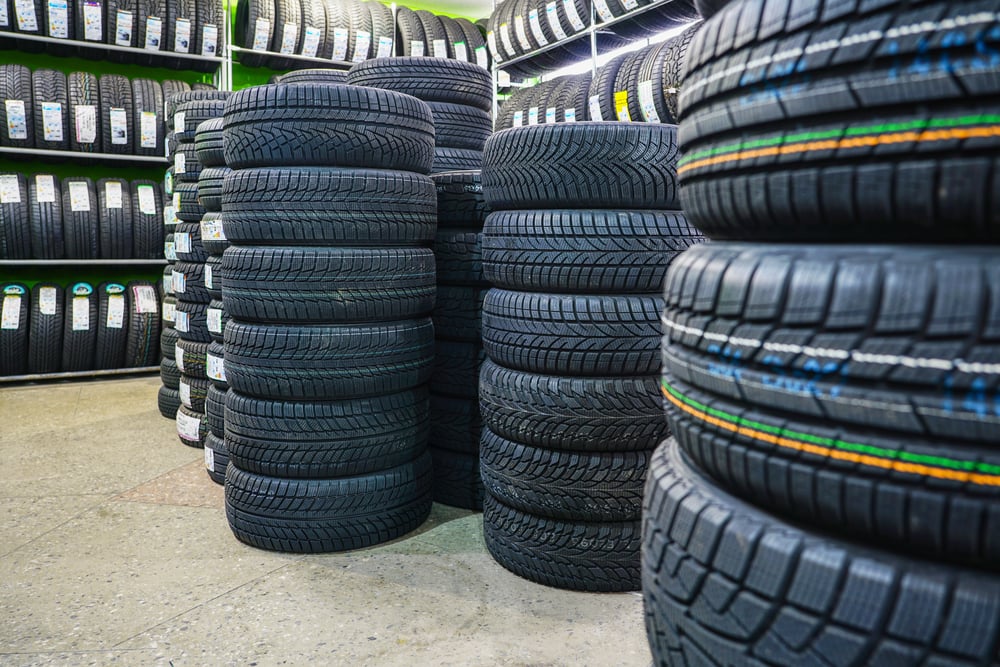
In earthquake-prone regions of Mexico, discarded tires packed with compressed earth form the foundations of homes. These tire foundations absorb seismic movement better than concrete while repurposing waste materials.
Earthship Biotecture has formalized this building technique, creating homes that remain stable during tremors while reducing landfill waste. Mexican architectural schools now teach tire construction methods alongside traditional building techniques as a sustainable alternative for risk-prone areas.
Playing Cards as Guitar Picks
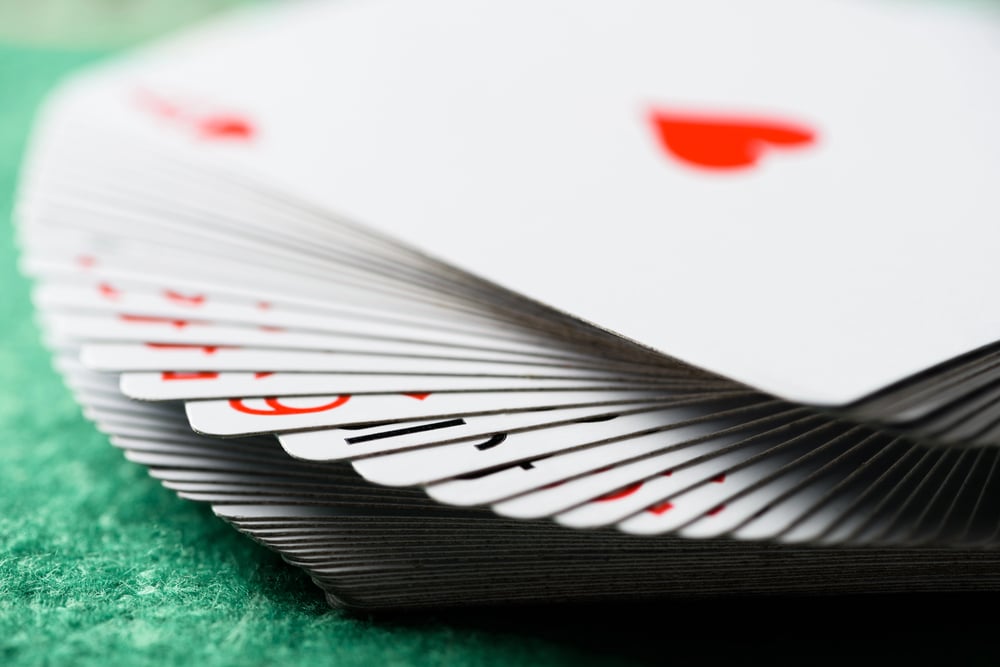
Musicians in Brazil transformed ordinary playing cards into guitar picks long before commercial alternatives were widely available. The flexible plastic cards provide the perfect rigidity for strumming nylon strings on classical guitars.
Professional musicians in Rio still prefer certain brands of playing cards cut into teardrop shapes for their specific tonal qualities. Music shops throughout the country sell pre-cut card picks alongside factory-made varieties, acknowledging this cultural adaptation.
Clothespins as Chip Bag Sealers
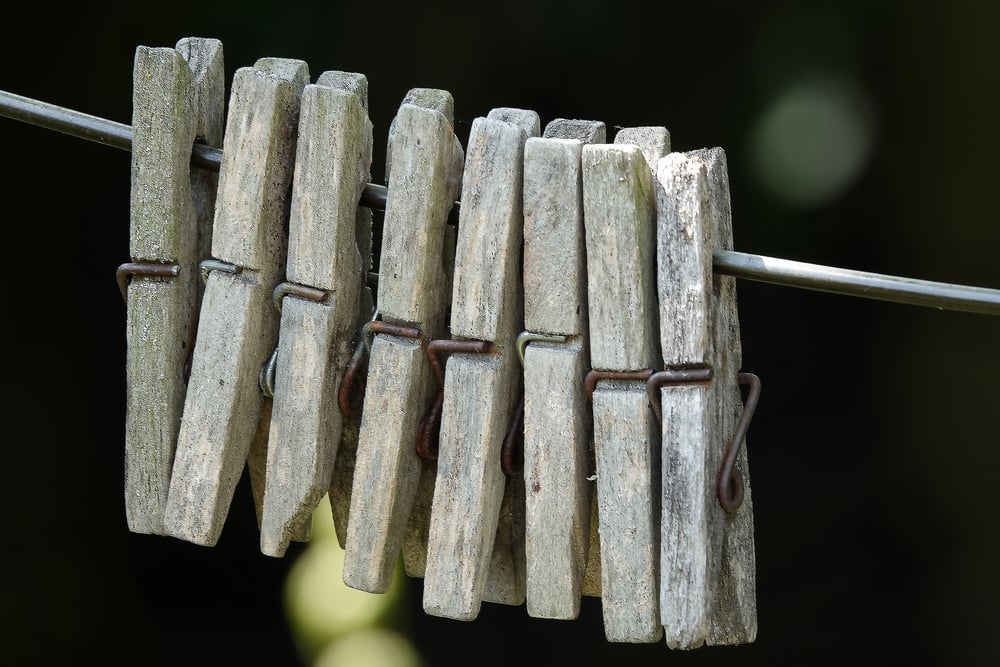
Australian households rarely buy special clips for sealing food packages when clothespins do the job perfectly. This practice is so common that many kitchens have dedicated containers of pins specifically for food storage rather than laundry.
Australian clothespin manufacturers recognized this trend and now produce kitchen-specific pins in different colors to distinguish them from laundry varieties. The practice reflects Australia’s practical approach to repurposing items rather than purchasing single-purpose tools.
Like Go2Tutors’s content? Follow us on MSN.
Cassette Tapes as Curtains

In Cambodia, outdated cassette tapes have found new life as decorative curtains in cafes and hostels. The unspooled tape creates shimmering, translucent barriers that catch light while allowing airflow in tropical environments.
What began as an artistic statement using discarded materials has evolved into a recognized design element. Some workshops in Phnom Penh now specialize in creating these upcycled curtains, carefully selecting tapes for their color variations and reflective properties.
Bed Sheets as Transportation Devices
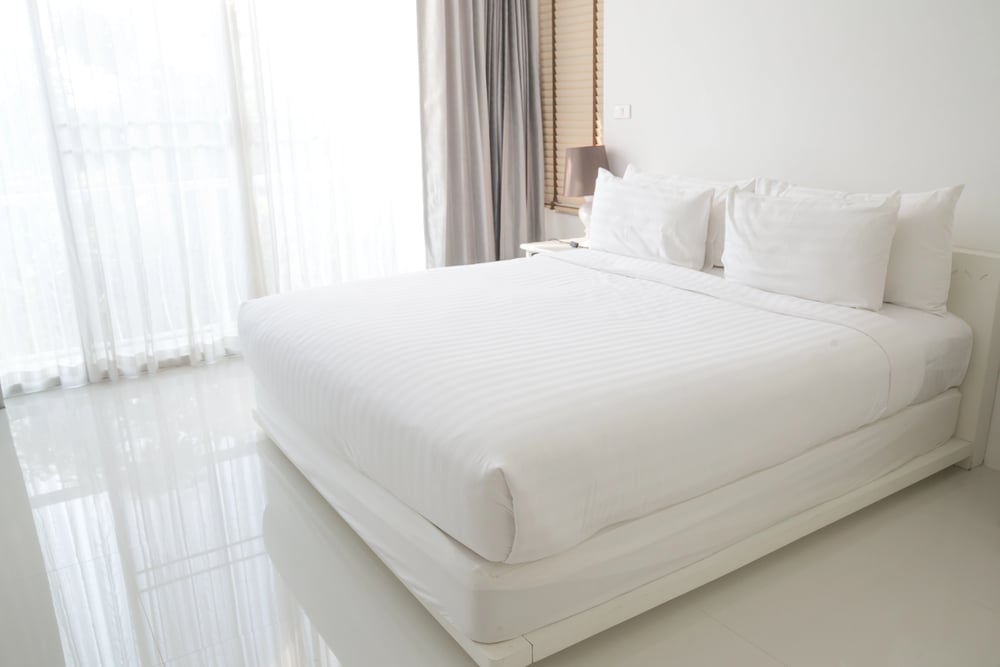
In Vietnam’s crowded hospital wards, bed sheets serve a dual purpose as transfer devices for moving patients. Nurses place patients on sheets with handles sewn into the edges, allowing easy lifting and transferring between beds or examination tables.
This practice has proven so effective that some Vietnamese medical supply companies now manufacture specialized transfer sheets based on this improvised solution. The technique protects both patients and healthcare workers from injury during necessary movements.
Paintbrushes as Dusting Tools
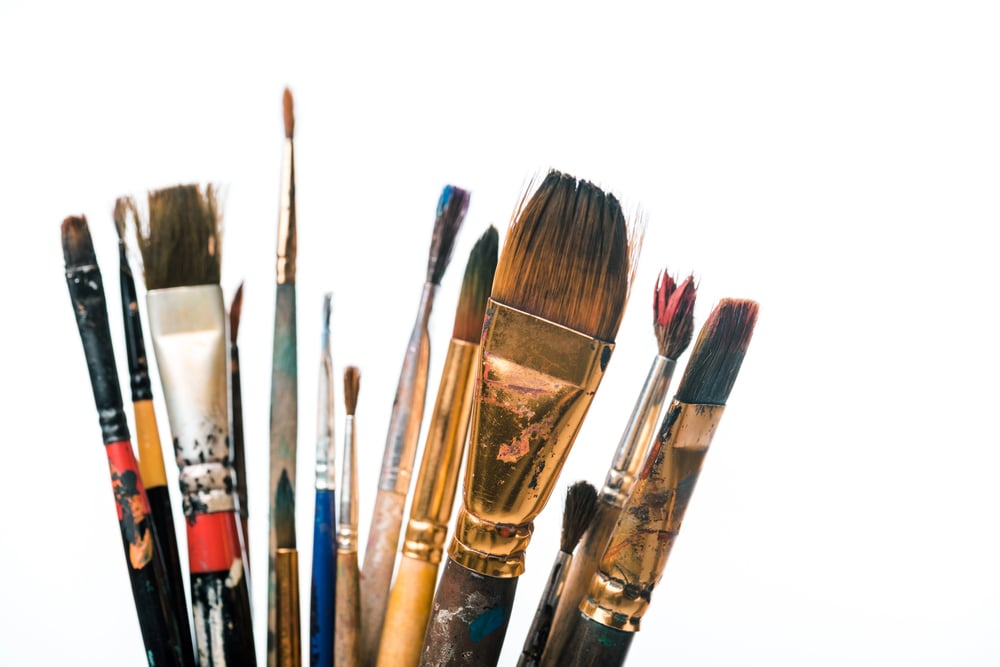
Professional photographers in India repurpose paintbrushes as specialized tools for cleaning camera equipment. The soft bristles remove dust from sensitive lenses and sensors without scratching delicate surfaces.
Photography studios often maintain sets of different-sized brushes labeled specifically for equipment cleaning rather than artistic purposes. This practice has spread internationally through photography forums, with Indian photographers often credited for pioneering these specific brush techniques.
Like Go2Tutors’s content? Follow us on MSN.
Repurposing Through Human Ingenuity
These everyday items demonstrate how human creativity adapts familiar objects to serve entirely different functions across cultures. What seems like an unconventional use to one person represents practical innovation to another. These alternative uses often emerge from necessity, frugality, or simply seeing new possibilities in familiar objects.
Next time you look at an everyday item, consider the potential hidden within its design and how someone halfway around the world might be using that same object in a completely different—yet equally practical—way. Our material culture reveals the beautiful diversity of human problem-solving across the globe.
More from Go2Tutors!

- 18 Unexpectedly Valuable Collectibles You Might Have Lying Around
- 20 Little-Known Historical Battles That Had Huge Consequences
- 20 Historical Artifacts That Scientists Can’t Explain
- 15 Inventions That Were Immediately Banned After Being Created
- 20 Actors Who Were Almost Cast in Iconic Roles
Like Go2Tutors’s content? Follow us on MSN.