Events That Shaped Modern Pop Culture
A single spark never lit the whole fire. Shifts came instead through scattered instances – moments when screens changed hands, voices found new rooms, routines bent without warning.
Global spotlights caught some; others grew in corners, unseen until they weren’t. Taste didn’t wait.
Attention jumped tracks. What felt normal yesterday tilted tomorrow.
Each twist added weight, even the quiet ones. Still felt today, these moments stuck because of shifts behind the scenes.
Not only did they shake things up at first, yet they rewrote the playbook entirely. Who got a seat at the table shifted, along with the speed news moved, even what earned attention.
Even when coverage died down, echoes held on – woven into songs, movies, styles, casual talk. A fresh peek at the turning points that bent pop culture into its current shape.
What followed kept echoing through every twist after. These flashes didn’t just pass by – they dug in.
Each one left marks still visible now. The way things roll today started back then.
Moments cracked open what felt fixed. From those breaks, new rhythms spilled out.
They shifted gears without announcing it. Quiet revolutions built on split-second visibility.
The Rise Of MTV
When MTV launched in the early 1980s, it changed how music was experienced. Songs were no longer just heard.
They were watched. Image, style, and storytelling suddenly carried as much weight as sound, pushing artists to think visually as well as musically.
This shift reshaped celebrity itself. Musicians became icons not only through radio play, but through curated visuals and repeat exposure.
Fashion trends accelerated, personalities became brands, and music culture became inseparable from screen presence. Even as MTV’s original format faded, the idea that sound and image belong together never left.
The Fall Of The Studio System
For much of the 20th century, major film studios controlled careers, contracts, and creative direction. When that system weakened, filmmakers gained more freedom to experiment with storytelling, tone, and subject matter.
This transition marked the beginning of a more director-driven era. Audiences responded to films that felt more personal and less polished.
Grit, ambiguity, and realism entered mainstream cinema, reshaping expectations of what movies could be. The change opened the door for voices that previously struggled to fit studio formulas, influencing how stories are told to this day.
The Birth Of Reality Television

Reality television rewrote the relationship between viewers and entertainment. Ordinary people became central figures, and unscripted moments replaced polished performances.
What mattered most was relatability rather than perfection. This shift lowered the barrier to fame and normalized constant observation.
Audiences began following personalities across seasons, platforms, and personal milestones. The genre also blurred the line between entertainment and real life, influencing how people present themselves both on and off screen.
The Internet Becomes Cultural Infrastructure

When the internet moved from novelty to necessity, pop culture accelerated dramatically. Trends no longer traveled through magazines or television schedules alone.
They spread instantly, often without gatekeepers. This change decentralized influence.
Creators no longer needed traditional approval to reach audiences. At the same time, attention spans shortened and cycles sped up.
Memes, moments, and movements could rise and fall in days. Modern pop culture became faster, more fragmented, and more participatory as a result.
The Globalization Of Music

Music once moved slowly across borders, shaped by local scenes and limited distribution. That changed as digital platforms allowed songs to reach international audiences instantly.
Genres that once felt regional became global influences. This shift expanded taste and collaboration.
Artists drew inspiration from styles far beyond their immediate surroundings, blending sounds in new ways. Pop culture became less centered on a single dominant region and more reflective of shared global exchange.
The Influence Of Celebrity Branding
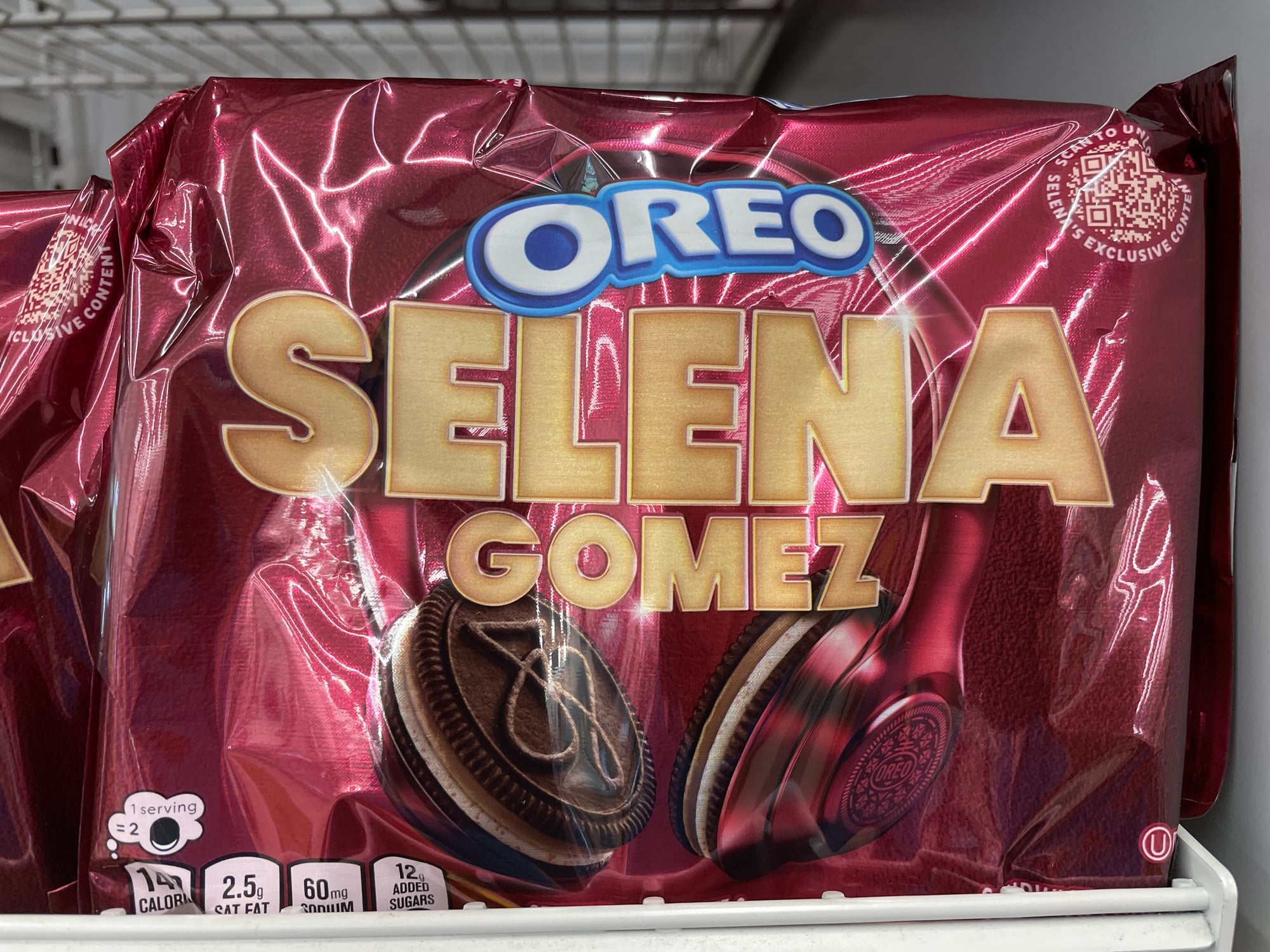
Celebrities were once defined primarily by their craft. Over time, that definition expanded to include lifestyle, values, and personal narrative.
Public figures became brands with carefully managed images that extended across industries. This evolution changed how success was measured.
Influence became tied not just to talent, but to visibility and engagement. Pop culture absorbed this shift, placing personality and presence at the center of attention, often blurring the line between art and marketing.
The Arrival Of Streaming Platforms

Streaming altered how people watched, listened, and discovered content. Scheduled programming gave way to on-demand access, allowing audiences to control pace and timing.
Entire seasons could be consumed in days rather than months. This change reshaped storytelling.
Creators began structuring narratives for long-form viewing, while audiences developed new habits around discussion and anticipation. Streaming also expanded access to international content, further diversifying pop culture influence.
The Rise Of Fandom Culture
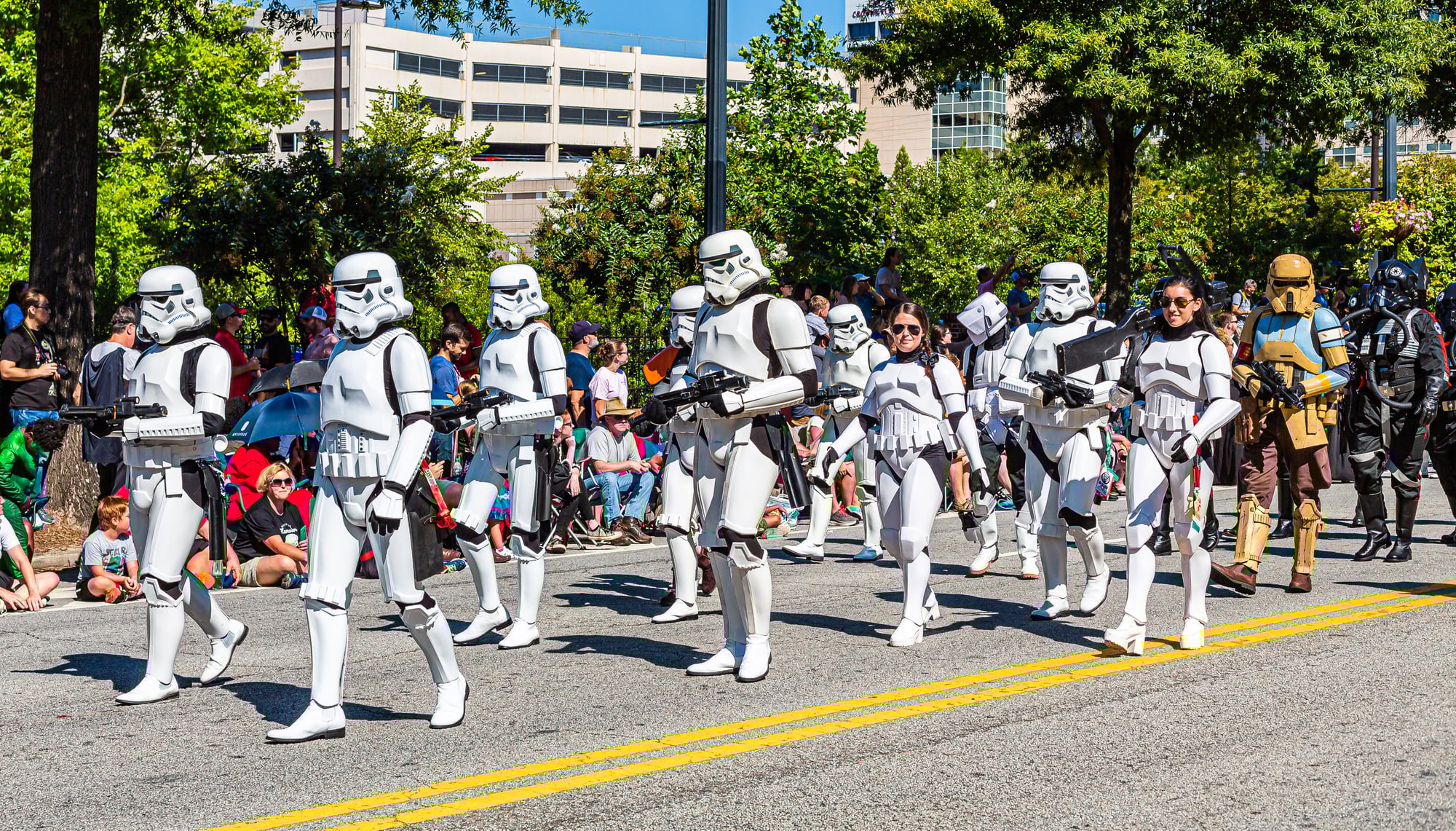
Fans were always part of pop culture, but their role grew more visible and organized over time. Online communities allowed people to gather around shared interests, analyze details, and influence conversations directly.
Fandoms became powerful forces capable of shaping trends, reviving careers, and steering narratives. This participatory culture changed the balance of power between creators and audiences.
Pop culture became something people actively shaped rather than passively consumed.
The Impact Of Social Media Platforms
Social media transformed how pop culture moments are created and remembered. A single clip, image, or phrase could define an era without passing through traditional media channels.
Virality became a new form of relevance. This shift favored immediacy and authenticity, sometimes at the expense of polish.
Personalities felt closer, reactions more direct, and trends more fleeting. Pop culture became conversational, shaped in real time by collective response.
The Reframing Of Representation

As audiences diversified and conversations evolved, representation moved to the center of pop culture discussions. Stories began reflecting a broader range of experiences, backgrounds, and perspectives than before.
This shift did not happen all at once, but its influence is undeniable. Audiences increasingly expected authenticity rather than token inclusion.
The change reshaped casting, storytelling, and marketing, influencing how culture sees itself and who gets to be visible within it.
The Pandemic Pause

When global routines were disrupted, pop culture slowed in unexpected ways. Productions halted, releases were delayed, and audiences turned inward.
At the same time, shared digital experiences became more important than ever. This pause reshaped consumption habits.
Comfort viewing surged, live events shifted formats, and creators adapted to new constraints. The period highlighted how deeply entertainment is woven into daily life, even when the world feels uncertain.
Why These Moments Still Shape Culture

Music discovery now carries echoes of those moments. Following celebrities stems from shifts long ago set in motion.
Communities grow where past changes took root. Alone, none reshaped much.
One followed another, each adding weight. Looking back makes today easier to grasp.
Patterns start making sense once you see them stretch across time. Today’s cultural waves are more than fleeting sounds and images.
Each one grows from choices, breaks in routine, sudden turns – threads pulling at how we bond, speak through art, find shared understanding.
More from Go2Tutors!

- The Romanov Crown Jewels and Their Tragic Fate
- 13 Historical Mysteries That Science Still Can’t Solve
- Famous Hoaxes That Fooled the World for Years
- 15 Child Stars with Tragic Adult Lives
- 16 Famous Jewelry Pieces in History
Like Go2Tutors’s content? Follow us on MSN.