World’s Most Dangerous Animals Ranked
When we think about dangerous animals, our minds often jump to ferocious predators with razor-sharp teeth or massive creatures that could crush us in an instant. The reality is far more surprising and humbling than Hollywood would have us believe.
The world’s deadliest creatures aren’t always the ones that look the most intimidating. In fact, some of the most dangerous animals on Earth are so small you might not even notice them until it’s too late. From disease-carrying insects to venomous sea creatures, nature has equipped its inhabitants with an impressive arsenal of ways to defend themselves and hunt their prey.
Here’s a list of 13 animals that pose the greatest threat to human life, ranked by their annual death toll and overall danger to people.
Mosquitoes

The tiny mosquito claims the top spot as the world’s most dangerous animal, and it’s not even close. These seemingly harmless insects are responsible for an estimated 725,000 to 780,000 human deaths each year. The female mosquito’s thirst for blood makes her a perfect vessel for transmitting deadly diseases like malaria, dengue fever, yellow fever, and the Zika virus.
Malaria alone accounts for over 600,000 deaths annually, with children under five being the most vulnerable victims. What makes mosquitoes particularly dangerous is their ability to breed rapidly in standing water—any puddle, flower pot, or forgotten tire can become a breeding ground—and their presence on every continent except Antarctica.
Snakes
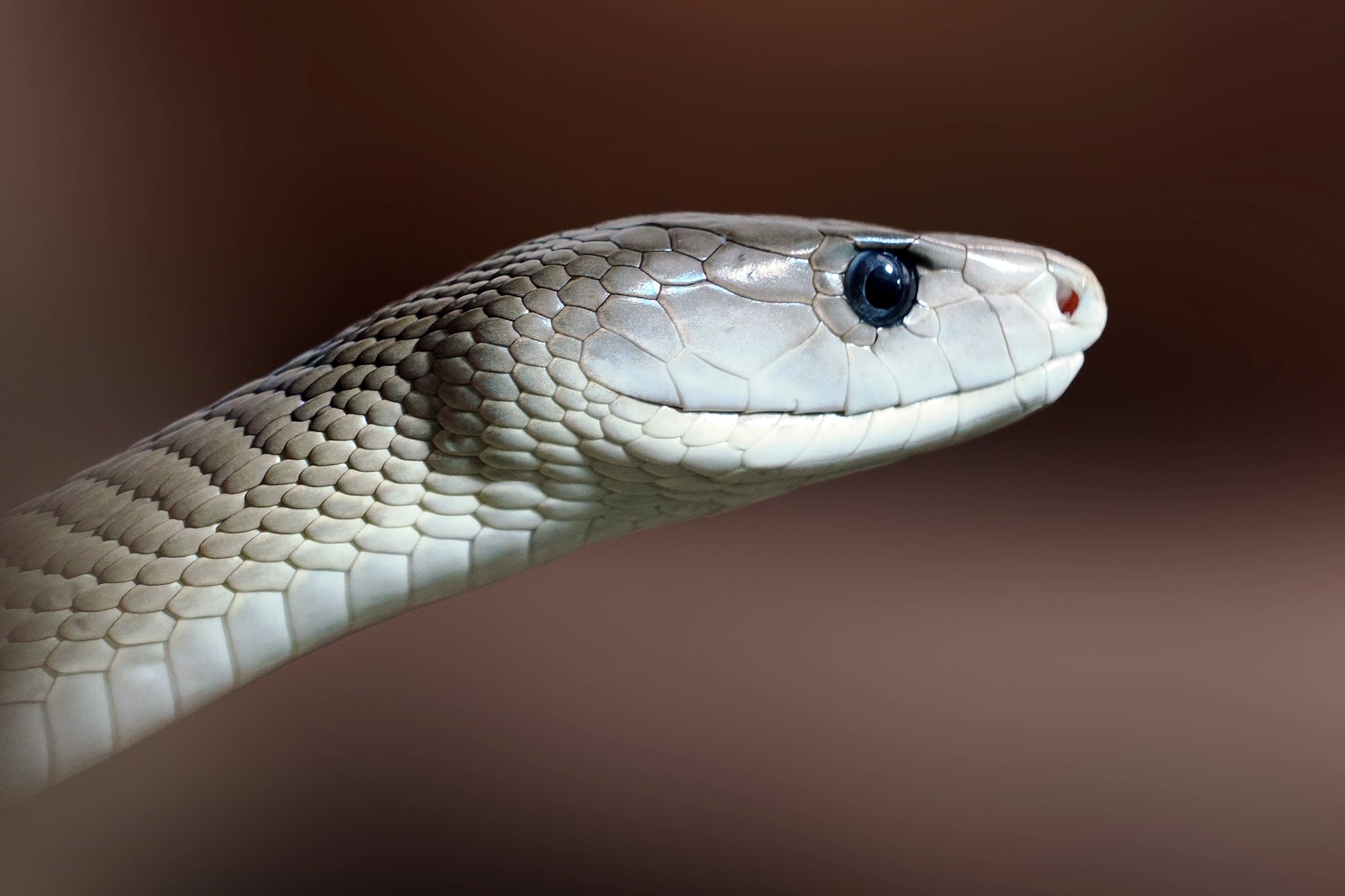
Venomous snakes slither into third place, causing between 80,000 and 140,000 deaths worldwide each year. The vast majority of these fatalities occur in rural areas of developing countries where medical treatment is scarce. Species like the saw-scaled viper, Russell’s viper, and the infamous black mamba are among the deadliest.
What makes snakes particularly dangerous is their ability to strike quickly and inject potent neurotoxins that can cause paralysis and death within hours. The black mamba, for example, can kill a human with just two drops of venom. Two drops.
Assassin Bugs

Also known as ‘kissing bugs’ for their habit of biting humans near the lips while they sleep, assassin bugs transmit Chagas disease. This parasitic infection affects 6 to 7 million people worldwide and causes between 12,000 and 15,000 deaths annually. The disease can remain dormant for years before causing serious heart and digestive complications.
These bugs are particularly dangerous because their bite is painless, and victims often don’t realize they’ve been infected until the disease has progressed significantly. There’s currently no vaccine for Chagas disease.
Freshwater Snails
It seems absurd that snails could be deadly, but certain freshwater species carry parasites that cause schistosomiasis. This disease affects over 200 million people globally and results in approximately 10,000 deaths each year. The parasites enter through the skin when people wade in infected water.
Schistosomiasis is considered the second most socioeconomically devastating parasitic disease after malaria. The chronic nature of the infection can lead to liver damage, kidney failure, and bladder cancer over time. Just wading into the wrong pond can change your life forever.
Ascaris Roundworms

These intestinal parasites cause ascariasis, an infection that kills about 4,500 people annually. Children are particularly susceptible to severe infections that can cause intestinal blockages and malnutrition. The roundworms spread through contaminated soil and poor sanitation conditions.
What makes ascaris particularly insidious is that mild infections often go unnoticed, allowing the parasites to reproduce and spread throughout communities. Heavy infections can cause serious complications and death, especially in malnourished children. Sometimes the first sign of trouble is when worms start emerging from unexpected places.
Crocodiles
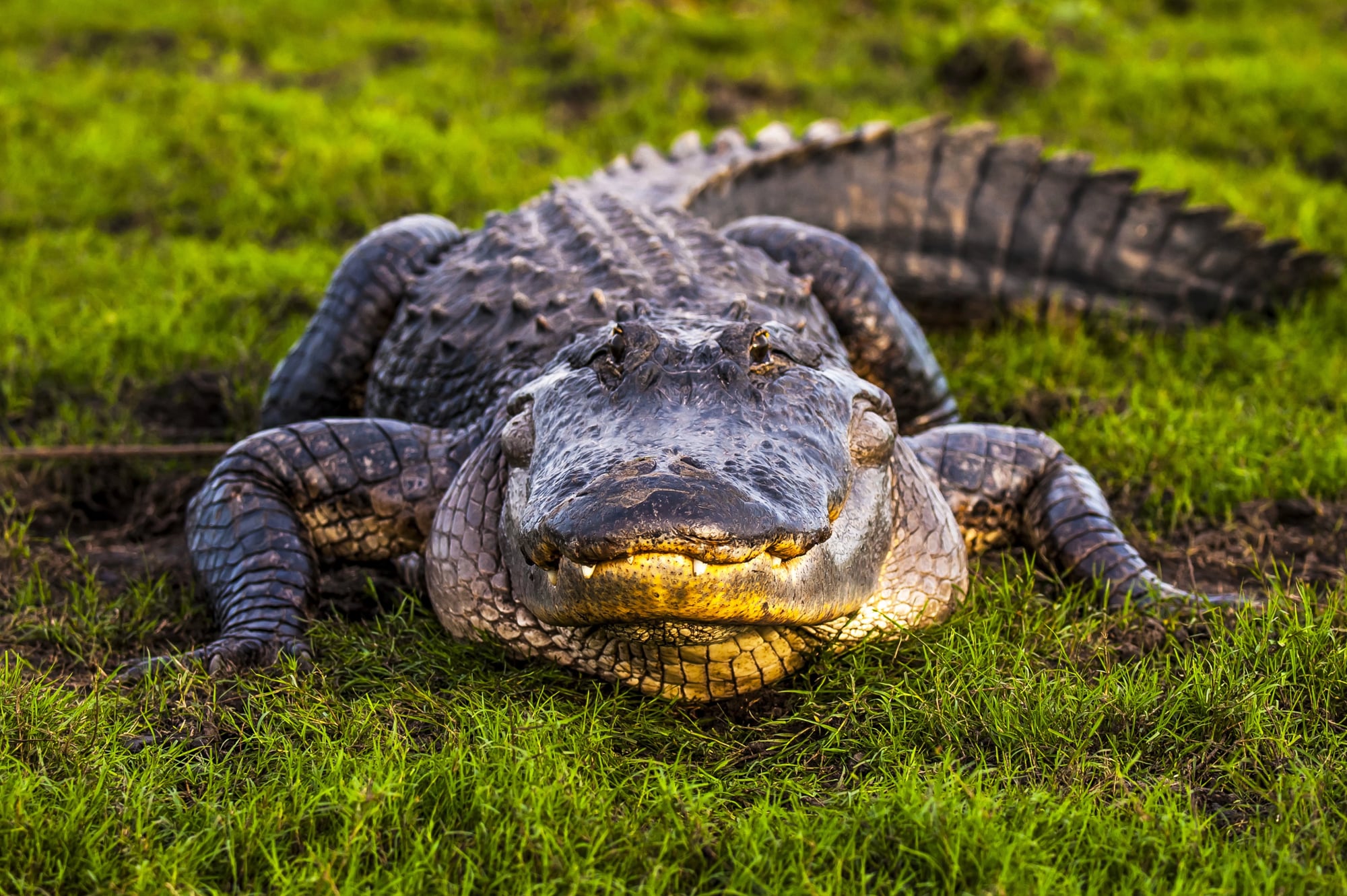
Now we’re getting to the animals that actually look dangerous. Crocodiles are responsible for approximately 1,000 human deaths each year, making them one of the most lethal large predators. The Nile crocodile, with its bone-crushing bite force of 5,000 pounds per square inch, is particularly deadly.
Unlike many animals that avoid humans, crocodiles are opportunistic hunters that will actively prey on people. They’re ambush predators that can remain motionless for hours before launching lightning-fast attacks on unsuspecting victims.
Hippos

Despite their seemingly docile appearance, hippos cause around 500 deaths annually and are considered one of Africa’s most dangerous animals. These massive mammals are extremely territorial and aggressive, especially when protecting their young or when their path to water is blocked. Male hippos can weigh up to 4,000 pounds and run at speeds of 30 miles per hour on land.
Hippos have enormous jaws with teeth that can grow up to 20 inches long. They’re responsible for more human deaths in Africa than most other large animals, often attacking boats that venture too close to their territory. Don’t let their chubby, almost cartoon-like appearance fool you.
Elephants

The world’s largest land mammals are involved in about 500 human fatalities each year. As human settlements expand into elephant territories, conflicts become increasingly common. Elephants have excellent memories and can become aggressive if they associate humans with past threats or trauma.
A single elephant weighs as much as four cars, and their sheer size makes any encounter potentially fatal. When elephants feel threatened or are protecting their calves, they can charge at speeds of up to 25 miles per hour. That’s faster than most people can run, even when absolutely terrified.
Box Jellyfish

These translucent marine creatures are among the most venomous animals on Earth. Box jellyfish are responsible for 40 to 100 confirmed deaths annually, though the actual number is likely higher due to underreporting in remote areas. Their tentacles can extend up to 10 feet and contain millions of stinging cells.
The venom attacks the heart, nervous system, and skin simultaneously, often causing death within minutes. Survivors often suffer permanent scarring and trauma from the incredibly painful stings.
Lions
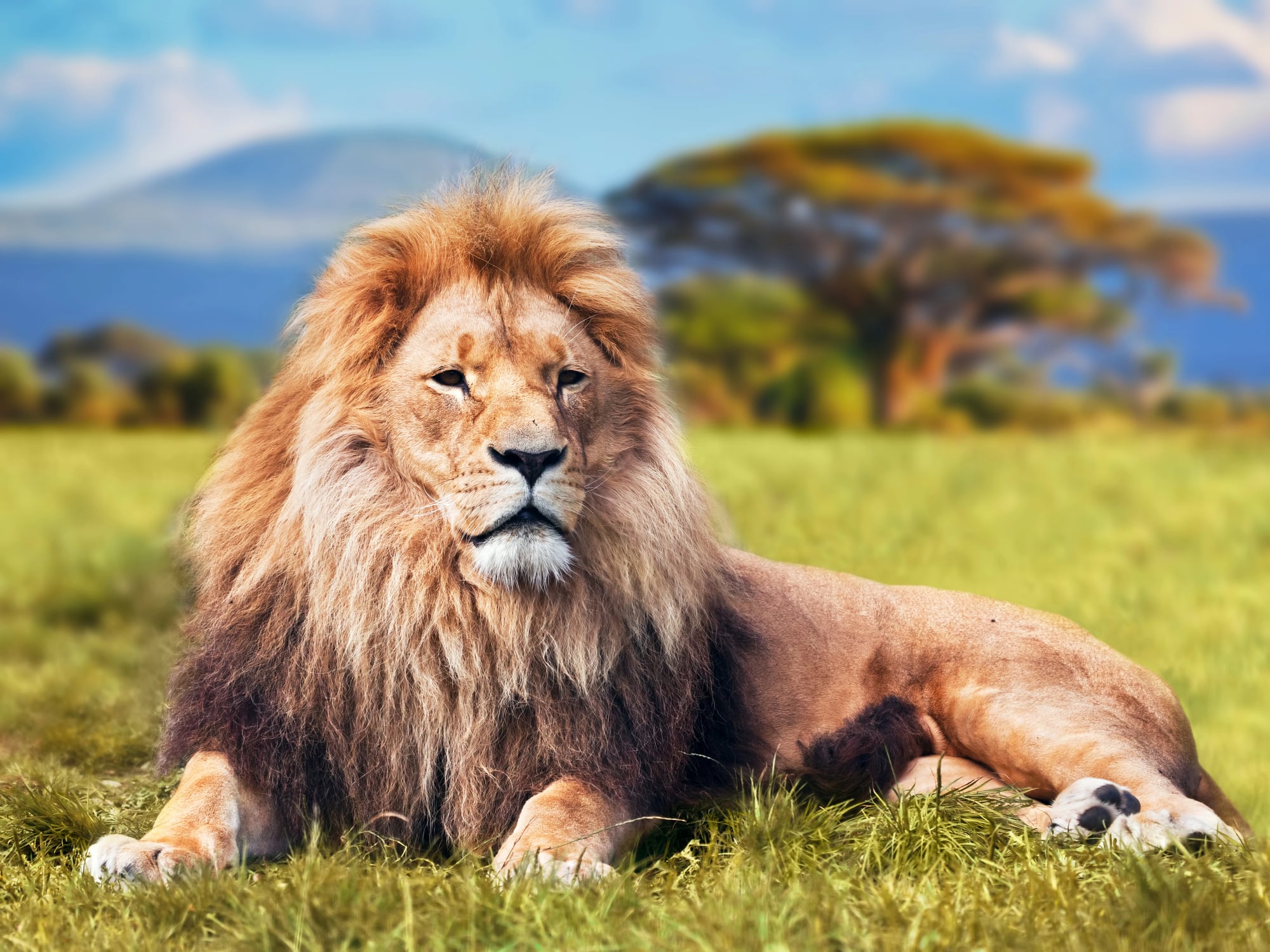
The king of beasts kills approximately 22 people per year, though this number varies significantly depending on local conditions and human-wildlife interactions. Most lion attacks occur when the big cats are injured, elderly, or when their natural prey becomes scarce. Man-eating lions are relatively rare but historically significant events.
Lions typically avoid humans, but when they do attack, their powerful jaws and sharp claws make survival unlikely without immediate medical attention. A single lion can drag a full-grown person away with ease. The last thing you’d hear would be that distinctive roar.
Blue-Ringed Octopus

This golf-sized creature carries enough venom to kill 26 adults within minutes. The blue-ringed octopus’s venom contains tetrodotoxin, which is 1,000 times more potent than cyanide. Remarkably, only three human deaths have been officially recorded from blue-ringed octopus bites, largely because they’re not aggressive unless provoked.
The bite itself is painless, so victims often don’t realize they’ve been envenomated until symptoms like paralysis and respiratory failure begin. There’s no antidote for the toxin. The beautiful blue rings that give this octopus its name only appear when it feels threatened—nature’s way of saying ‘back off.’
Cone Snails
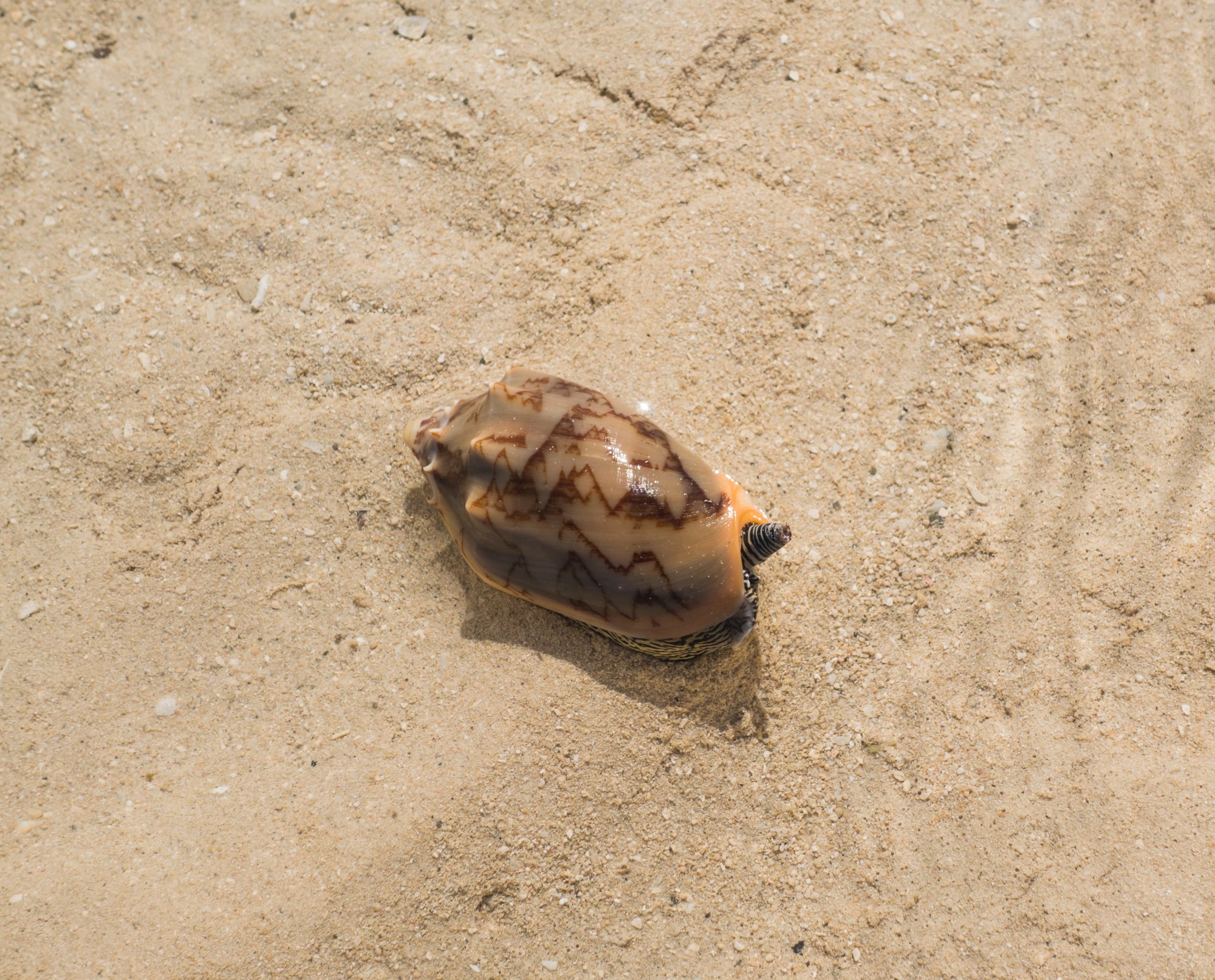
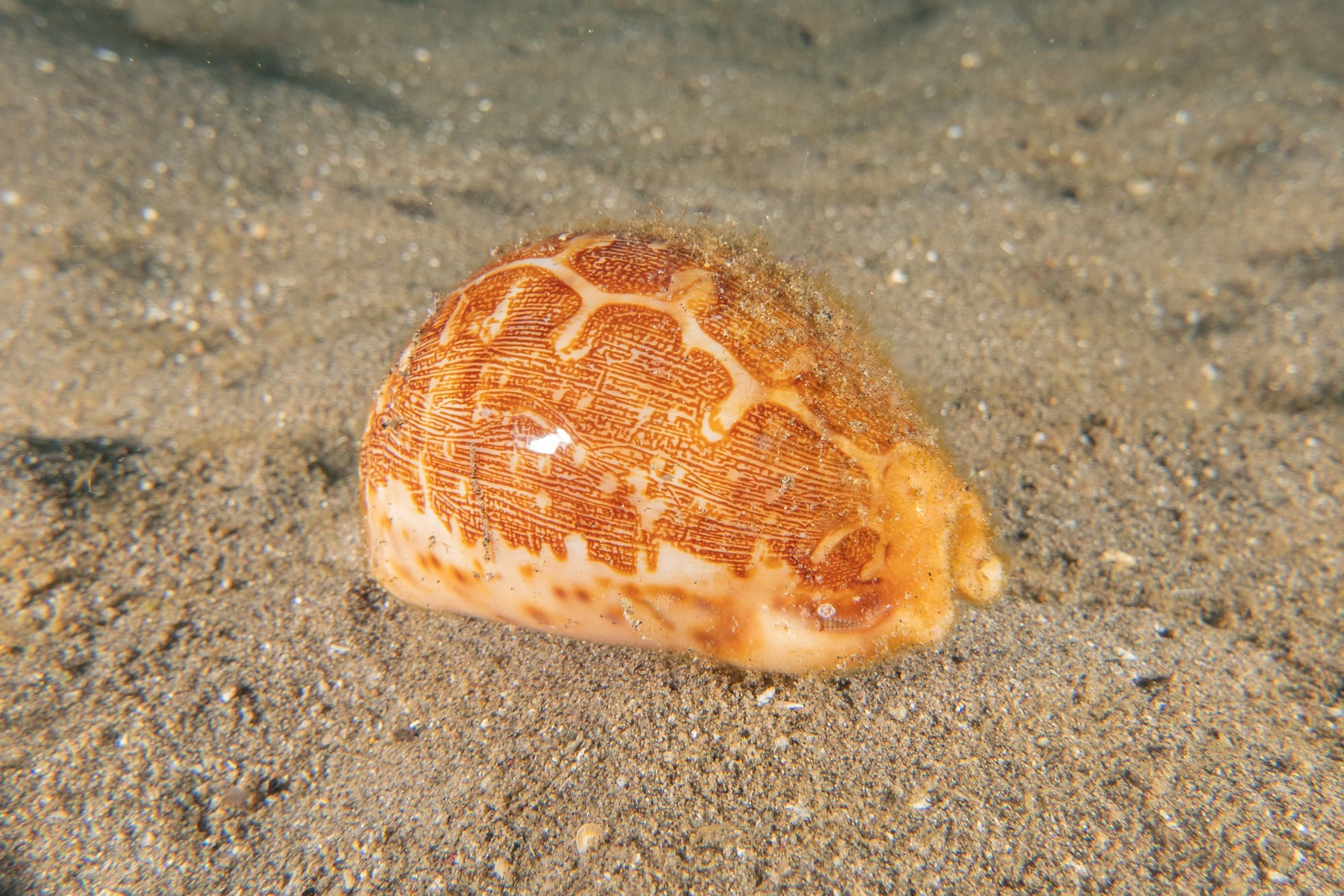
These beautiful marine mollusks are among the ocean’s most efficient killers. Over 30 human deaths have been documented from cone snail stings, which deliver a complex cocktail of neurotoxins through a harpoon-like radula. The venom causes rapid paralysis and can lead to respiratory failure.
Cone snails are particularly dangerous to shell collectors who pick up their attractive shells without realizing a deadly predator lives inside. The larger species have venom potent enough to kill a human because victims supposedly have just enough time to smoke one nicotine before dying.
Stonefish
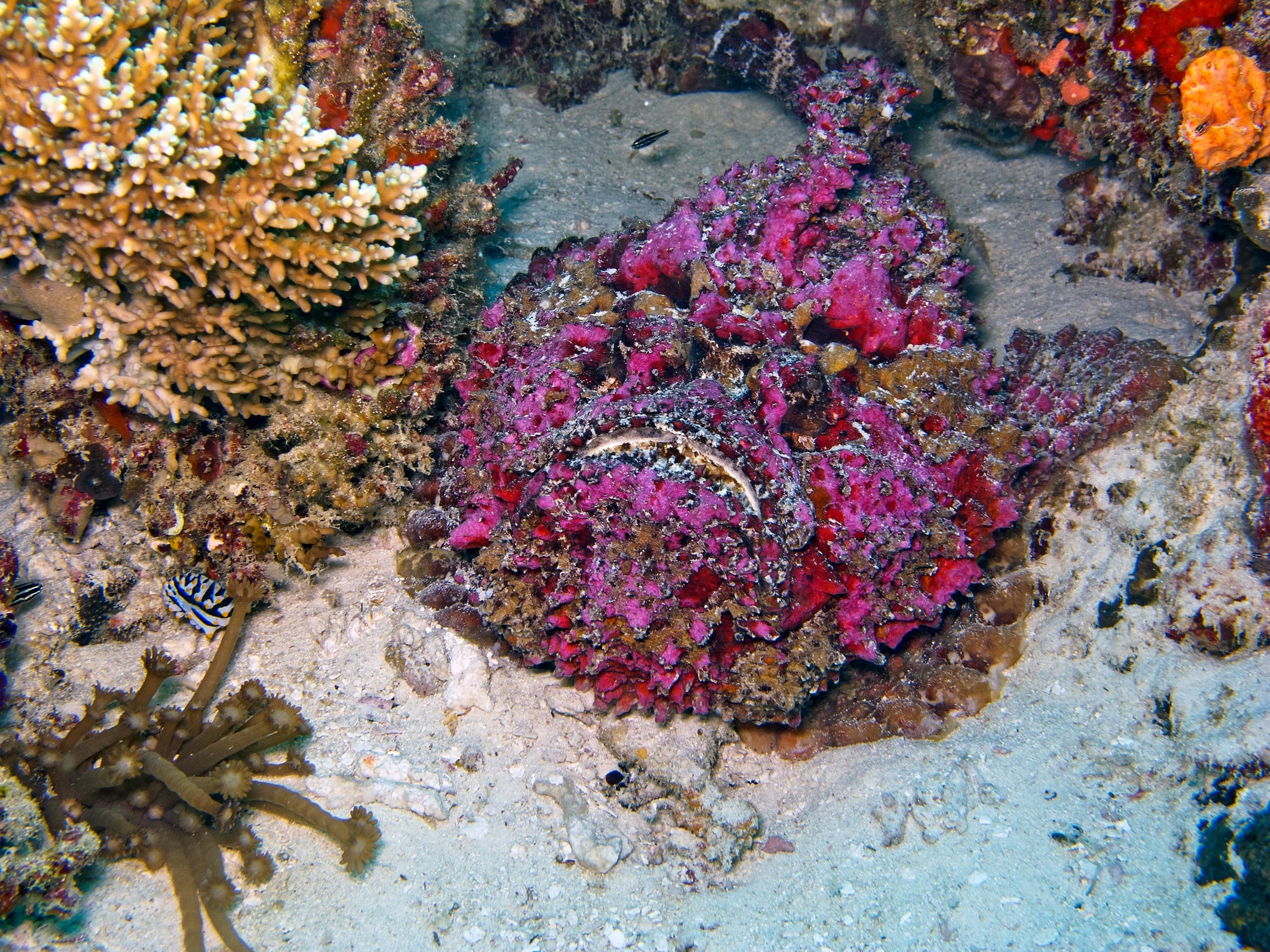
On rocky coastlines and coral reefs, the most poisonous fish in the world lurks in plain sight. When stepped on, the 13 poisonous spines that run the length of stonefish’s backs release neurotoxins. Untreated stings can be lethal within hours, but deaths are comparatively uncommon because antivenom is readily available.
It’s almost impossible to identify these masters of camouflage until it’s too late. If enough toxin gets into the bloodstream, their venom can cause heart failure in addition to severe pain and tissue death. It has been said that stepping on one is like stepping on a land mine.
When Numbers Tell the Real Story
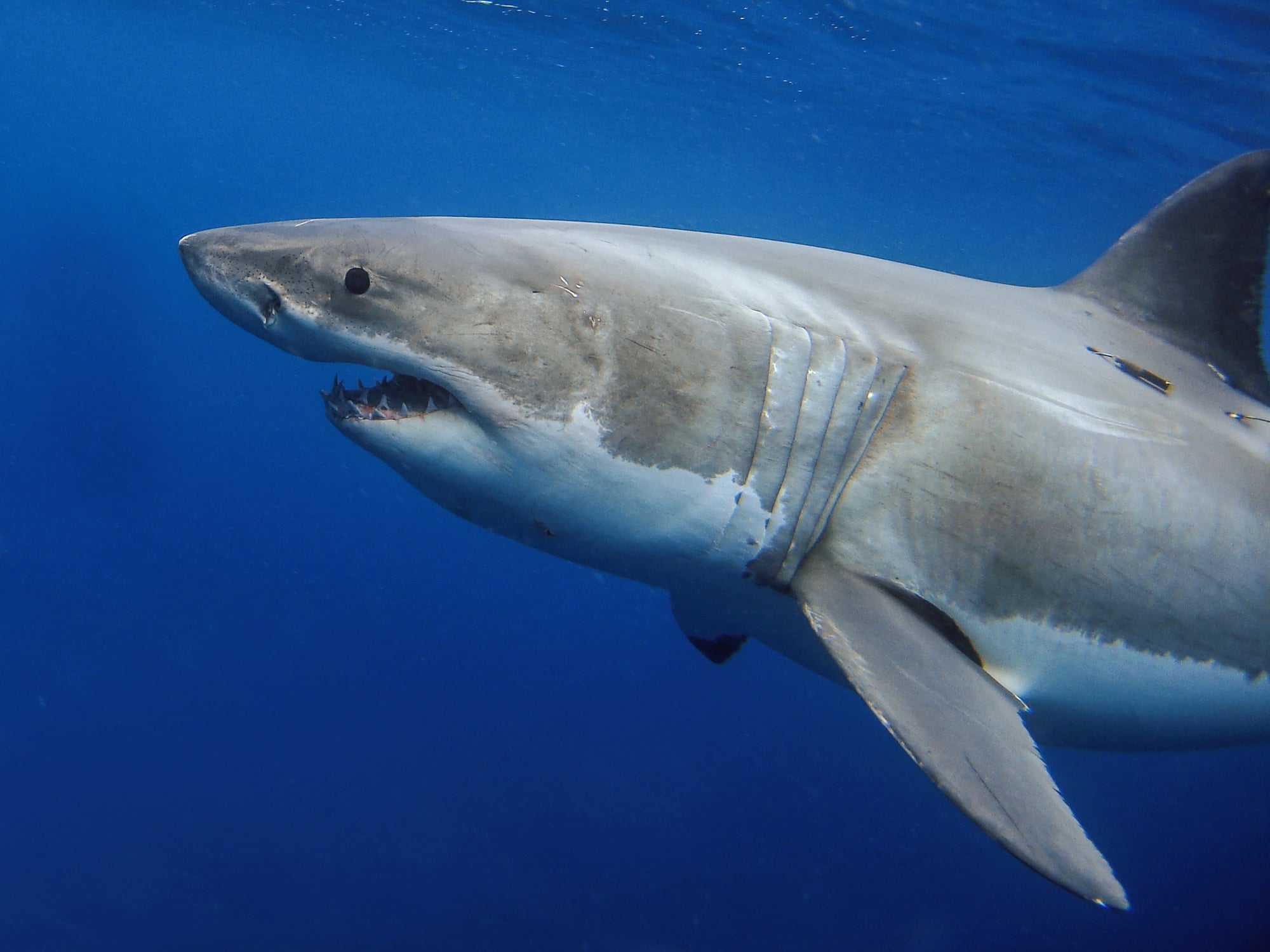
A startling reality about danger in the natural world is revealed by looking at this ranking. The animals with the largest teeth and the most terrifying roars are not the ones that murder the most people. Rather, they are frequently the tiniest organisms that efficiently transmit toxins or spread disease.
Although we have been afraid of big predators for centuries, the true dangers are insects that bite us while we sleep, snails in freshwater streams, and mosquitoes that breed in puddles. This understanding puts our fears in perspective, but it doesn’t lessen the majesty of nature’s most powerful creatures.
More from Go2Tutors!

- The Romanov Crown Jewels and Their Tragic Fate
- 13 Historical Mysteries That Science Still Can’t Solve
- Famous Hoaxes That Fooled the World for Years
- 15 Child Stars with Tragic Adult Lives
- 16 Famous Jewelry Pieces in History
Like Go2Tutors’s content? Follow us on MSN.