16 Ways Jellyfish Defy Aging and Death
Most creatures follow a predictable path from birth to death, but jellyfish seem to have found loopholes in nature’s rulebook. These translucent drifters possess biological tricks that challenge everything we thought we knew about aging, with some species literally rewinding their life clocks when things get tough.
Scientists studying these remarkable animals have uncovered mechanisms that might one day help us understand human aging better.Here is a list of 16 ways jellyfish defy aging and death.
Life cycle reversal
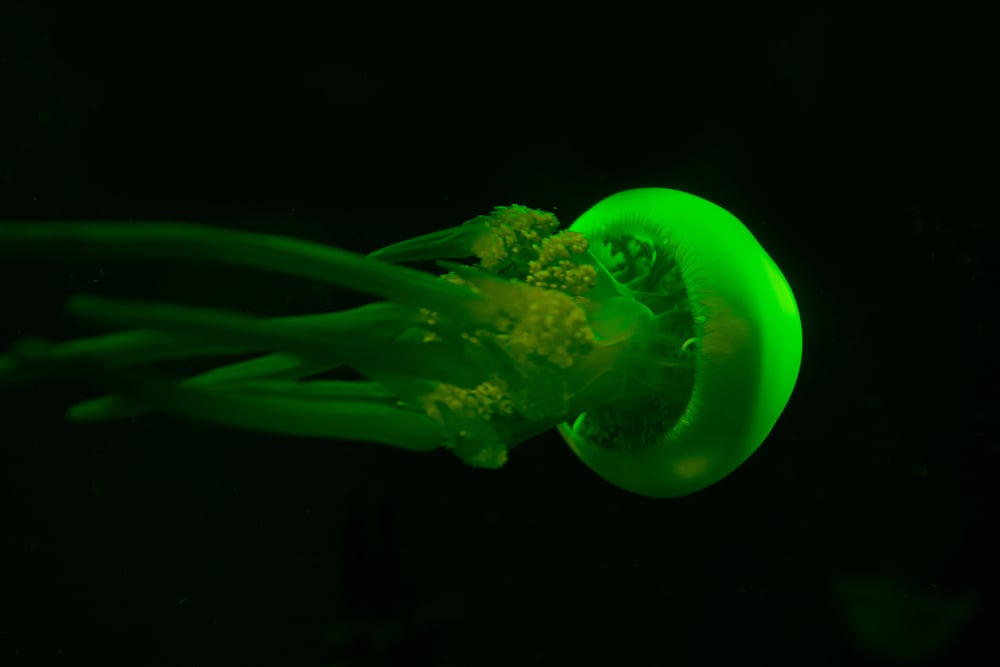
The immortal jellyfish can actually reverse its life cycle when physically damaged or stressed by starvation, shrinking in on itself and settling on the seafloor as a blob-like cyst. Over the next day or two, this blob transforms back into a polyp, essentially hitting the biological reset button.
This process can theoretically repeat indefinitely, meaning these jellyfish might never die of old age under perfect conditions.
Transdifferentiation mastery
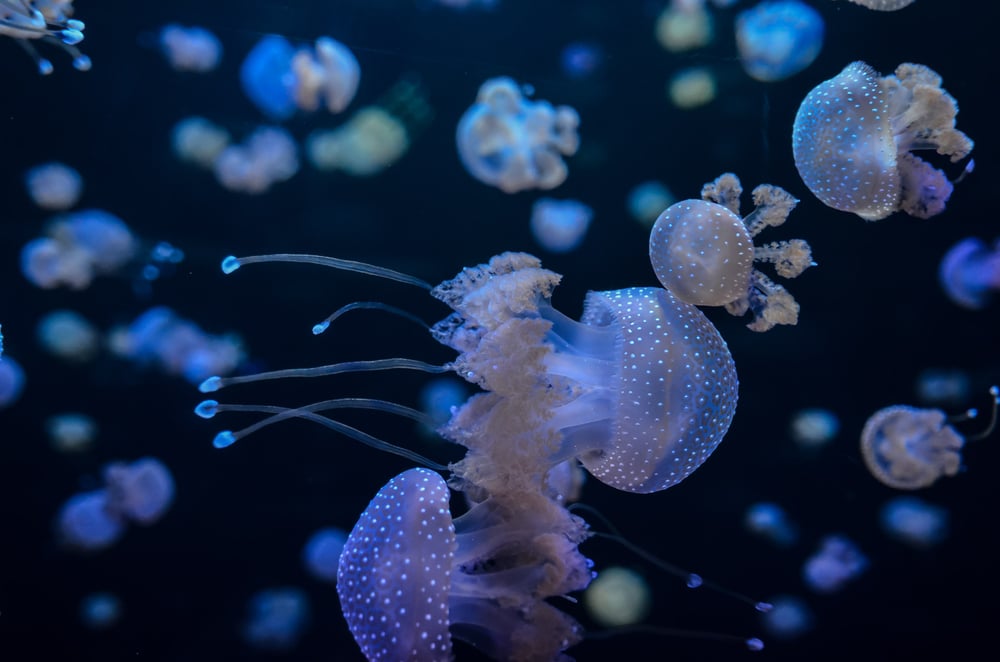
The process behind the jellyfish’s remarkable transformation is called transdifferentiation and is extremely rare. This isn’t just simple regeneration where damaged tissue repairs itself.
Transdifferentiation reprograms the medusa’s specialized cells to become specialized polyp cells, allowing the jellyfish to regrow themselves in an entirely different body plan. Think of it like a butterfly transforming back into a caterpillar, then becoming a butterfly again.
Like Go2Tutors’s content? Follow us on MSN.
Enhanced DNA repair systems
Turritopsis dohrnii had variants and more copies of genes encoding DNA repair proteins and DNA polymerases, suggesting enhanced replicative capabilities. When your DNA gets damaged from everyday wear and tear, these jellyfish have beefed-up repair crews working overtime.
Scientists found twice as many genes that regulate DNA repair and code for restorative proteins compared to jellyfish that age normally.
Telomere maintenance
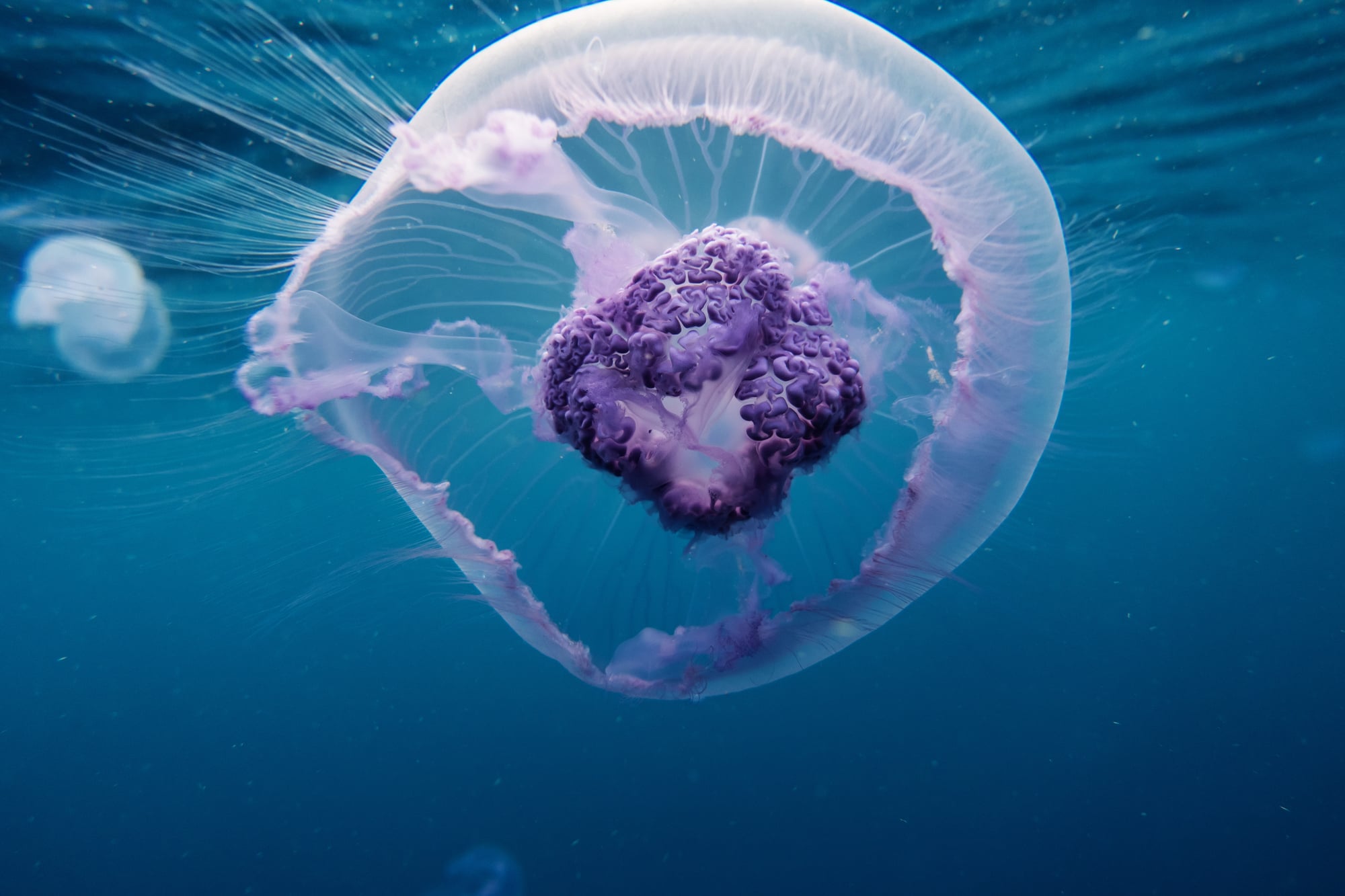
The species possesses unique mechanisms related to telomere maintenance, which play a significant role in its regenerative abilities. Telomeres are like the plastic tips on shoelaces that prevent fraying, except they protect chromosome ends.
Turritopsis dohrnii carried potentially protective variants in genes involved in maintenance of telomeres, the protective caps at chromosome ends that shorten as an organism ages, causing senescence.
Oxidative stress resistance
Compared to non-immortal jellyfish species, Turritopsis dohrnii carried more copies of some genes associated with oxidative stress response, hinting that the animal could protect its genome from reactive oxygen species-induced damage. Reactive oxygen species are basically cellular troublemakers that damage DNA and proteins.
These jellyfish have extra bodyguards to deal with them, contributing to better genome stability overall.
Like Go2Tutors’s content? Follow us on MSN.
Stem cell population control
Researchers found differences in genes associated with replication and stem cell population. Key molecular mechanisms of rejuvenation involve DNA replication and repair, and stem cell renewal.
The immortal jellyfish maintains a robust reserve of cellular building blocks that can be deployed whenever regeneration is needed.
Multiple pathway synergy
A molecular biologist at the Salk Institute noted that the most interesting aspect is that it’s not a single molecular pathway but a combination of many of them working together. The jellyfish doesn’t rely on one trick to stay young.
To extend healthspan effectively, we cannot just focus on one pathway since that will not be sufficient, but must look at many of them and how they synergize.
Stress-triggered transformation
When the immortal jellyfish is exposed to environmental stress, physical assault, or is sick or old, it can revert to the polyp stage, forming a new polyp colony. This isn’t random—it’s a deliberate survival strategy.
The jellyfish essentially recognizes when conditions are bad and decides to start over rather than push through and potentially die.
Like Go2Tutors’s content? Follow us on MSN.
Repair-specific cell generation
Following tentacle amputation in jellyfish, repair-specific proliferating cells robustly form a blastema with stem-like properties that are distinct from resident stem cells. When injured, jellyfish don’t just use their existing stem cells.
Repair-specific proliferative cells with stem cell characteristics appear upon amputation and are mainly involved in blastema formation during tentacle regeneration.
Whole body reconstitution
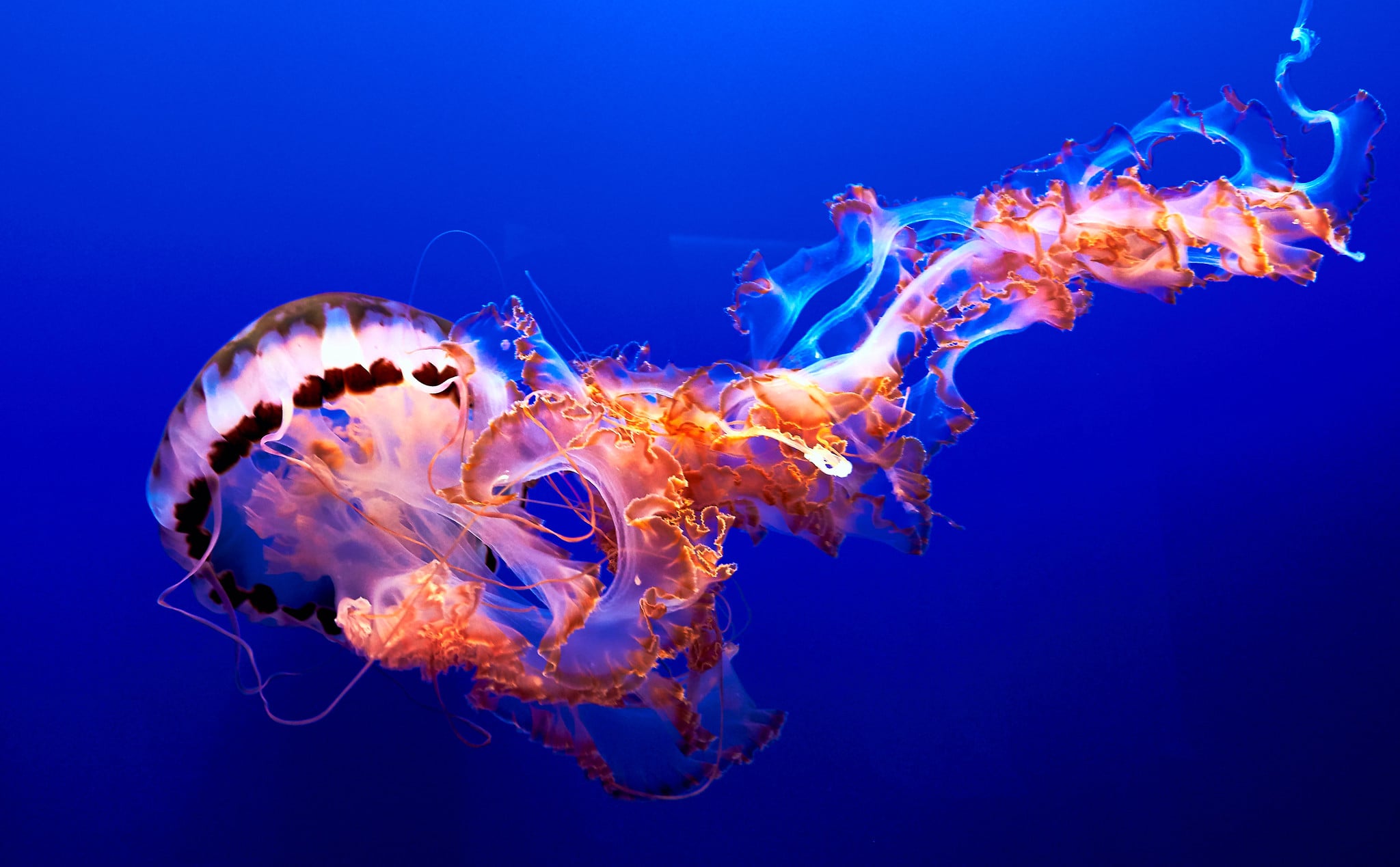
Despite having a relatively complex body structure with well-developed muscles and nervous systems, the adult jellyfish stage maintains a high regenerative ability that enables organ regeneration as well as whole body reconstitution from part of the body. These aren’t simple organisms that can easily rebuild themselves.
Jellyfish have sophisticated anatomy with nerve nets and muscle systems, yet they can still regenerate complete structures from fragments.
Cellular plasticity under stress
Some jellyfish species appear to exhibit context-dependent cellular plasticity. When the hypostome is isolated from the body in certain species, cellular reprogramming triggered by cell senescence occurs in somatic cells.
The cells can sense their situation and change their identity accordingly, adapting to whatever the organism needs most.
Like Go2Tutors’s content? Follow us on MSN.
Radial symmetry restoration
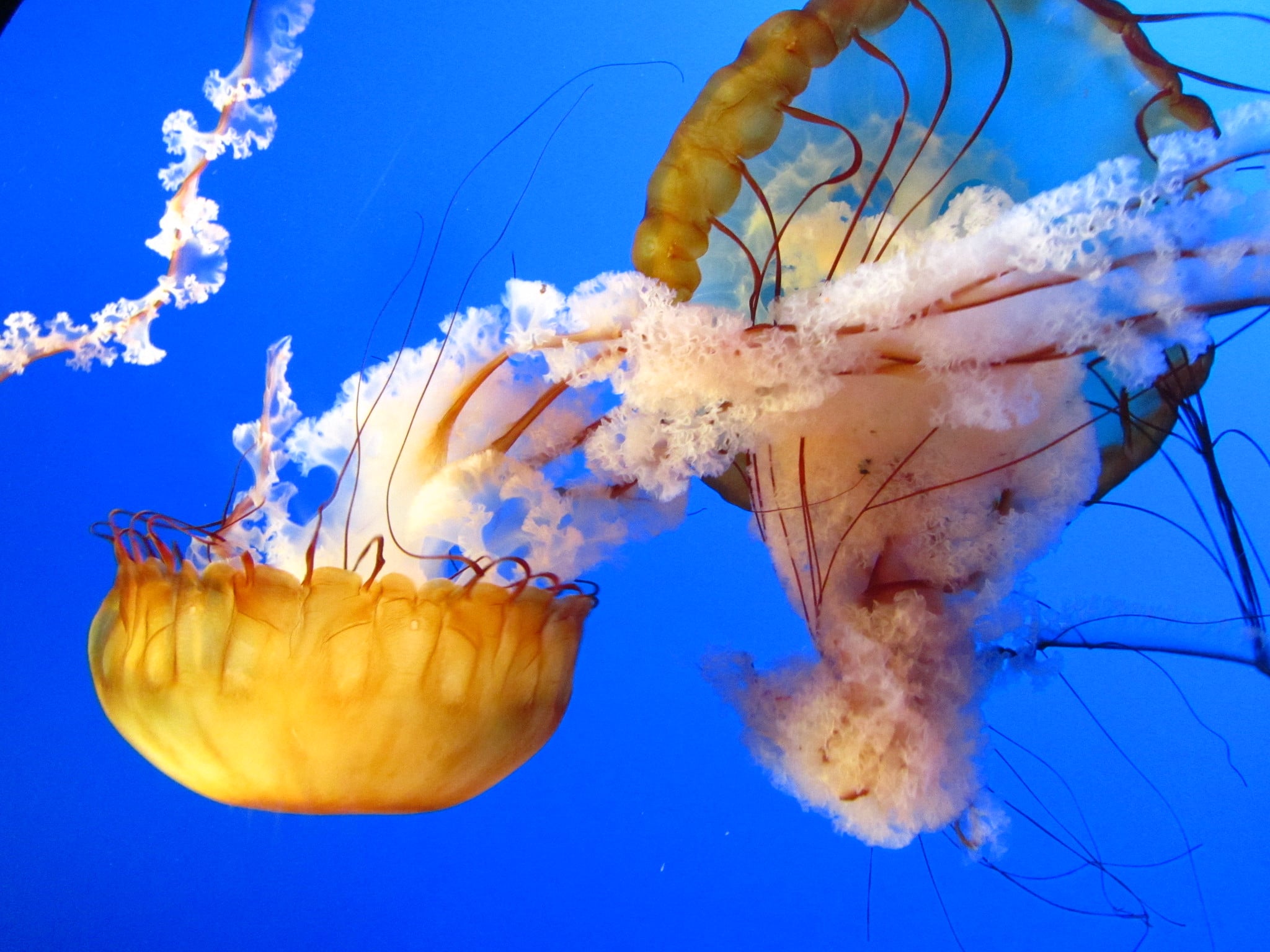
Clytia jellyfish can cope efficiently with a wide range of perturbations, rapidly regaining functionality and a stable body organization through coordinated interplay of tissue reorganization, proliferation of cellular progenitors and long-range cell recruitment. Even when cut into pieces, these jellyfish can reform their characteristic shape.
The regenerating tissue somehow knows how to re-establish the proper body pattern without a brain giving instructions.
Wnt signaling pathway activation
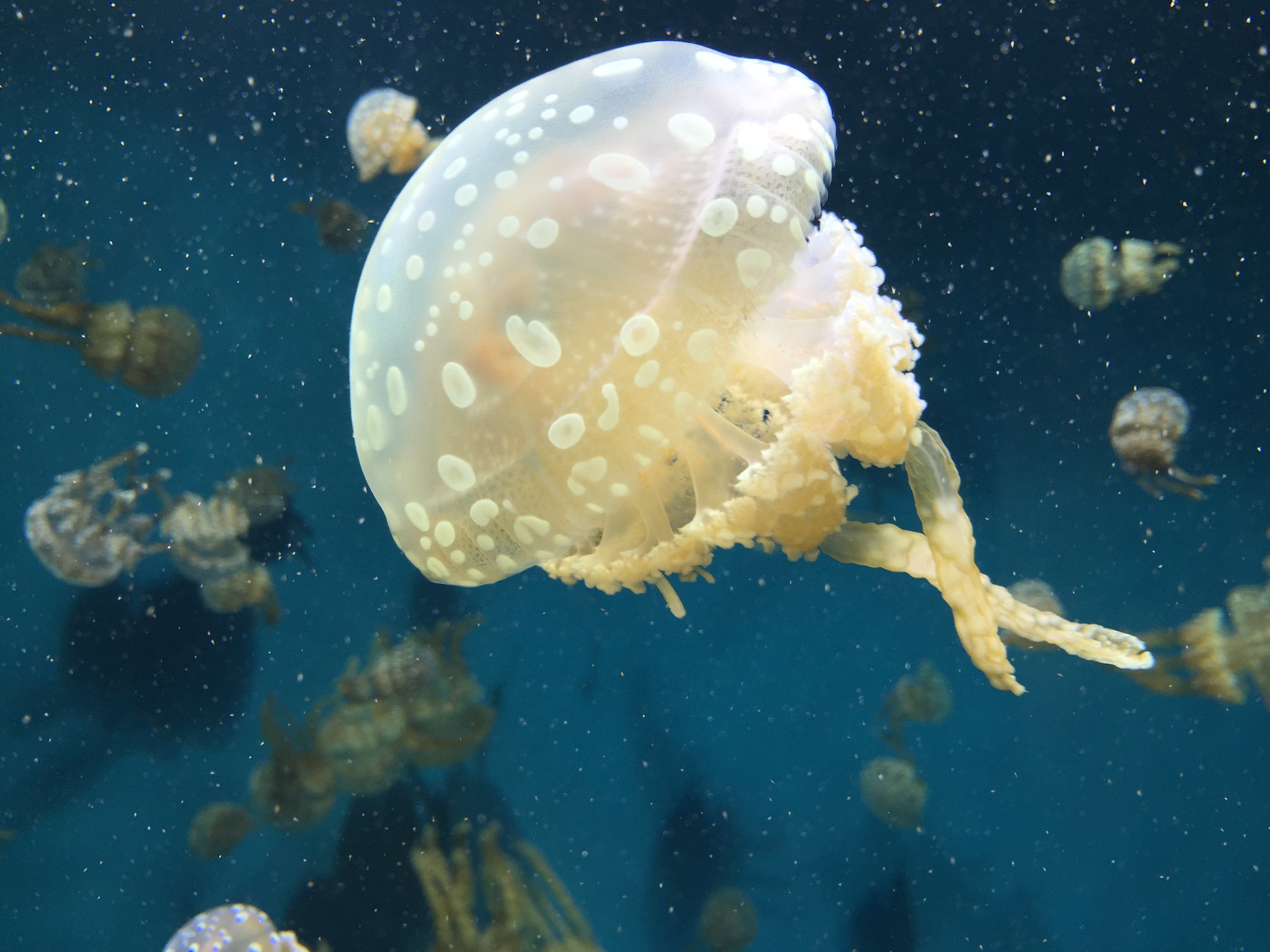
A stage-specific gene in the medusa stage is expressed tenfold more than in other stages and is related to a Wnt signal that can induce a regeneration process upon injury. This molecular signaling system acts like a construction manager, coordinating the rebuilding effort.
Wnt signaling is essential for blastema onset and manubrium regeneration in jellyfish.
Heat shock protein expression
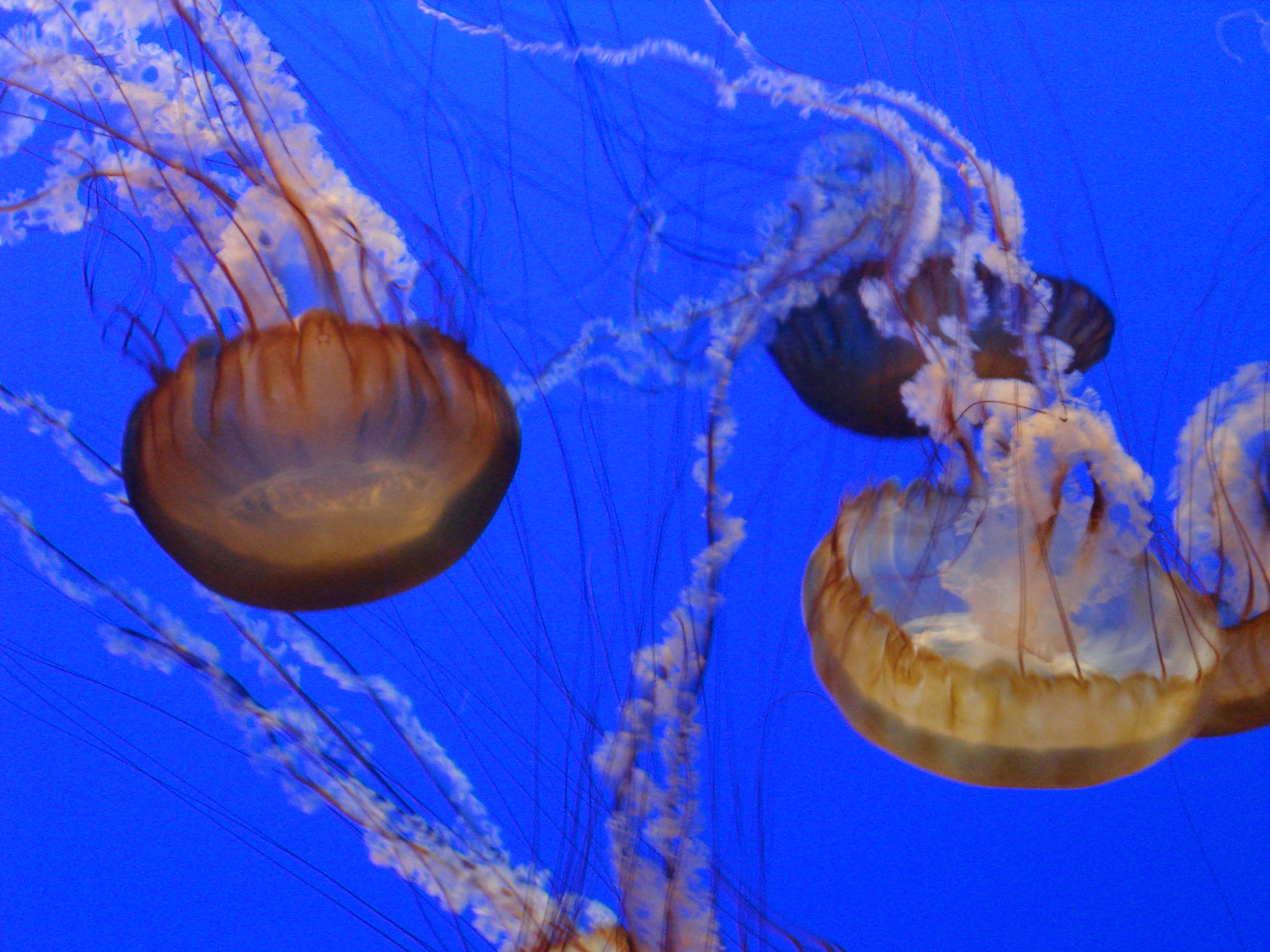
During its life cycle reversal, Turritopsis dohrnii manipulates genetic networks of high relevance including heat shock proteins HSP70 and HSP90. These proteins act like cellular paramedics, helping other proteins fold correctly and protecting cells from damage.
The jellyfish ramps up production of these molecular helpers during its transformation process.
Like Go2Tutors’s content? Follow us on MSN.
Yamanaka factor manipulation
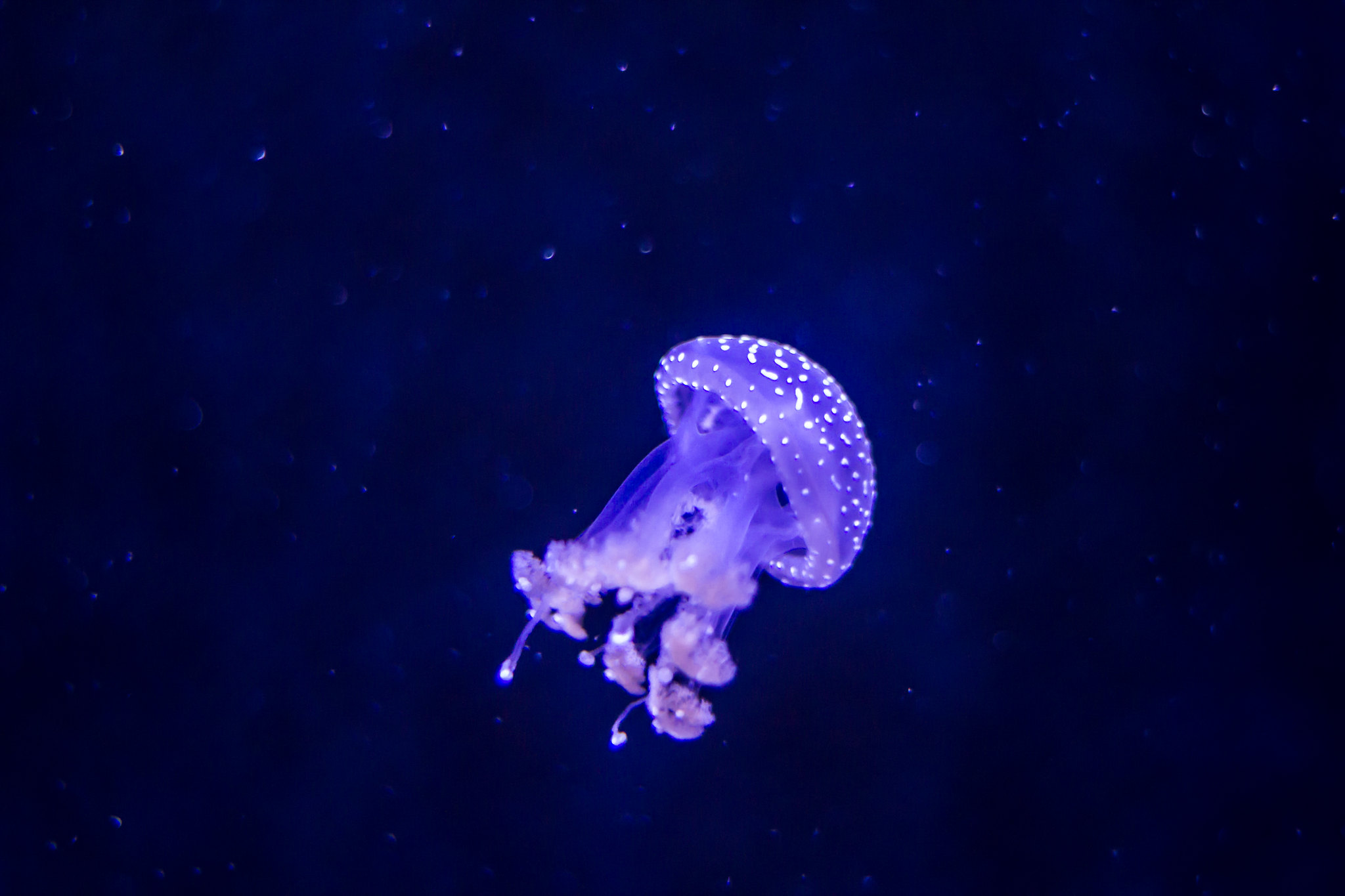
The immortal jellyfish changes the expression of putative homologs of the Yamanaka transcription factor families including POU, Sox, Klf, and Myc during its life cycle reversal. These are the same genetic switches that scientists use to create induced pluripotent stem cells in the lab.
The jellyfish appears to be using nature’s version of this Nobel Prize-winning technique.
Sirtuin gene activity
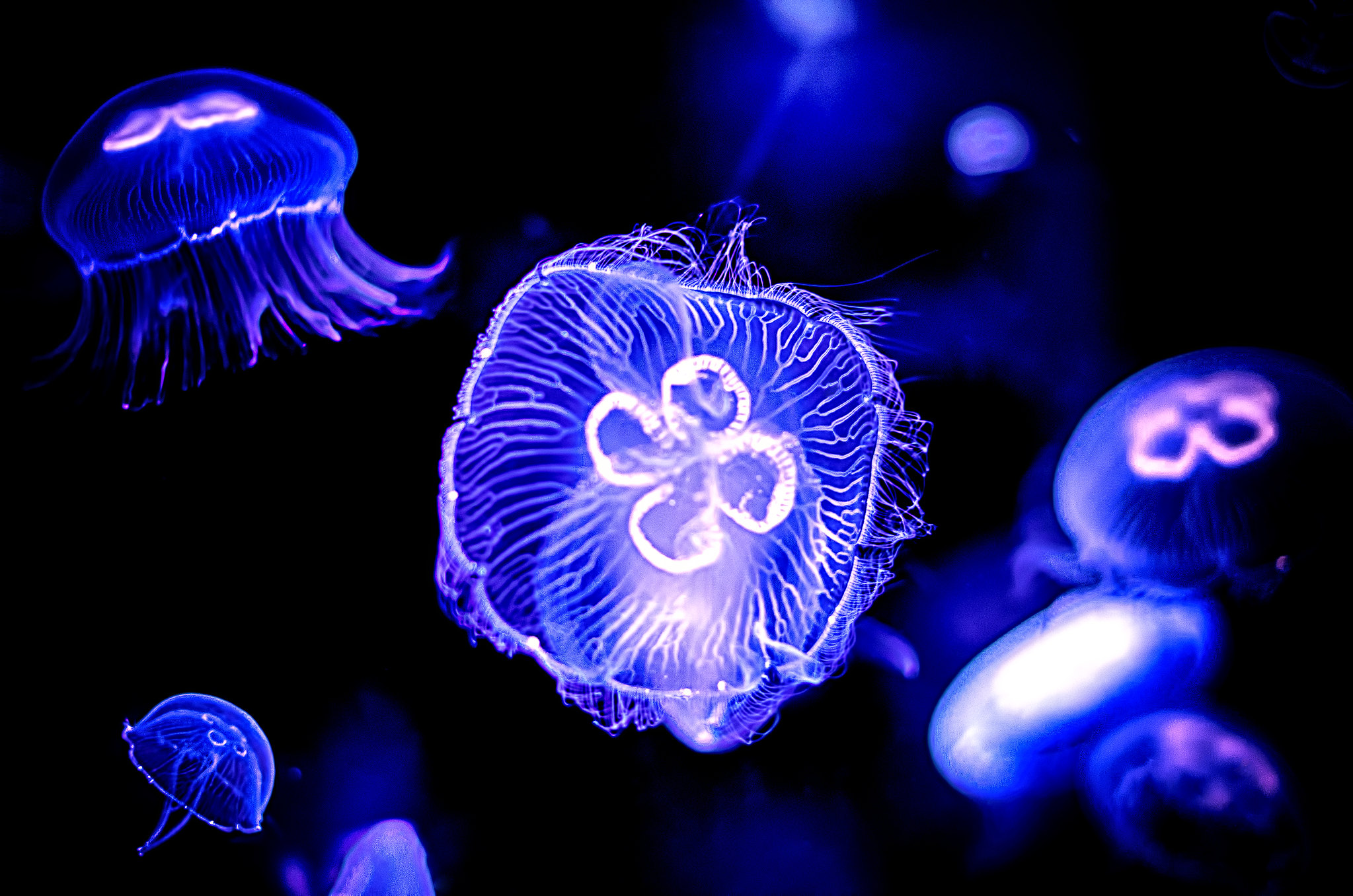
During its life cycle reversal, Turritopsis dohrnii manipulates genetic networks including Sirtuins, particularly SIRT3, which are factors of high relevance in biomedical studies in mammals. Sirtuins are involved in cellular stress resistance and metabolism regulation.
They’ve been linked to longevity in multiple organisms, and these jellyfish seem to have figured out how to use them to their advantage.
From ocean drifters to medical insights
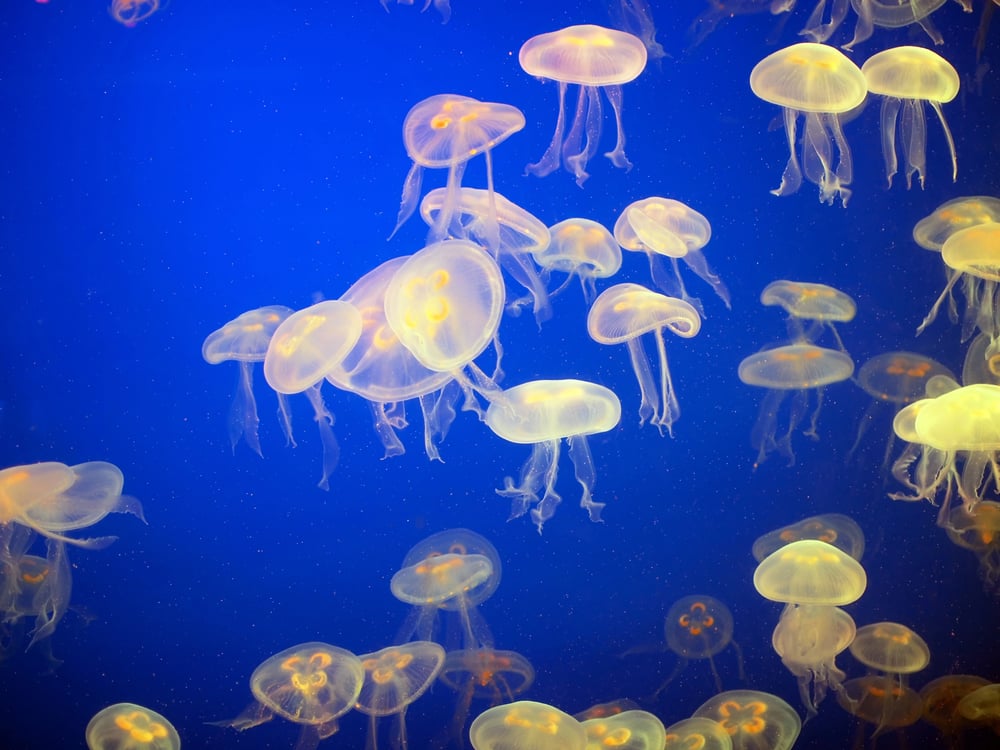
Researchers hope their work could help find better answers to the many diseases associated with aging that overwhelm us today. These tiny, translucent creatures floating in our oceans have spent millions of years perfecting strategies that scientists are only beginning to understand.
The unusual rejuvenation capability of these immortal jellyfish helps researchers better understand aging and improve regenerative medicine. While we won’t be transforming ourselves back into infants anytime soon, the jellyfish’s bag of tricks might teach us how to keep our cells healthier for longer.
Like Go2Tutors’s content? Follow us on MSN.
More from Go2Tutors!

- 16 Historical Figures Who Were Nothing Like You Think
- 12 Things Sold in the 80s That Are Now Illegal
- 15 VHS Tapes That Could Be Worth Thousands
- 17 Historical “What Ifs” That Would Have Changed Everything
- 18 TV Shows That Vanished Without a Finale
Like Go2Tutors’s content? Follow us on MSN.