Everyday Items That Were Almost Never Invented
Some of the things used every day were nearly left out of history. Not because they were bad ideas, but because they faced strange setbacks, bad timing, or people just didn’t think they were needed.
These items now feel like small parts of life, but their stories are far from simple. It’s kind of wild to imagine life without these things—yet we almost didn’t have them at all.
Let’s look at what almost got left behind.
Microwave oven
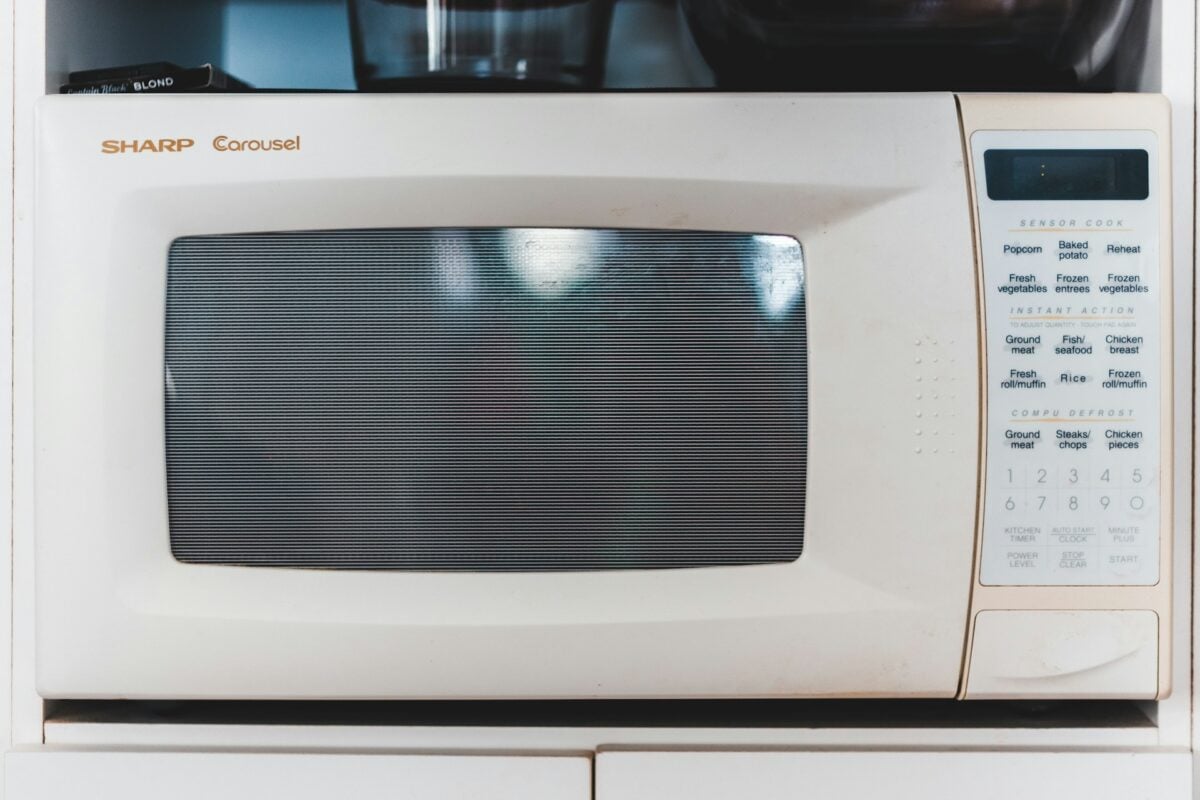
The microwave was born from a melted candy bar. Engineer Percy Spencer was working near radar equipment when he noticed the bar in his pocket had softened.
This led him to test how microwaves could heat food. At first, people didn’t trust it—some even thought it was dangerous.
But once it hit kitchens, there was no going back.
Toilet paper
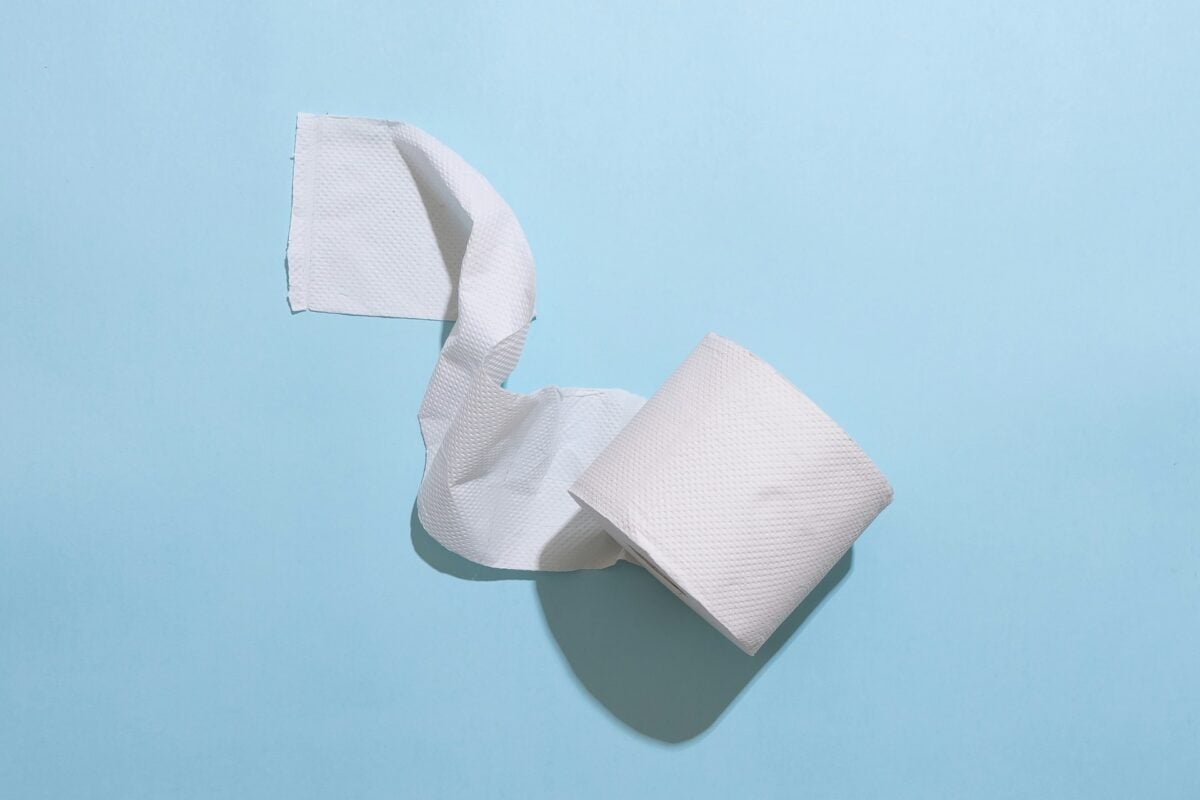
Toilet paper didn’t catch on easily. Before it, people used anything from leaves to stones to newspapers.
When it was first sold, many thought it was too fancy or pointless. It took years for people to warm up to the idea.
Now, it’s a basic item that’s always on the shopping list.
Like Go2Tutors’s content? Follow us on MSN.
Umbrella
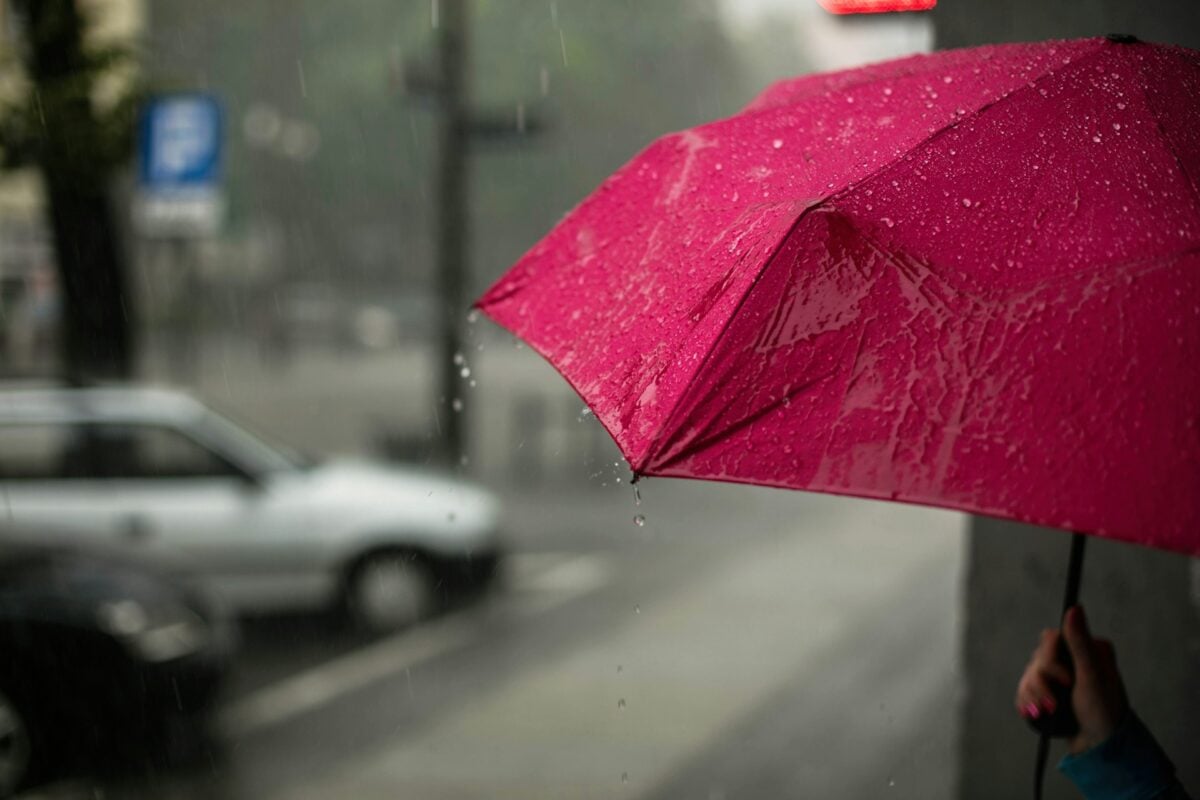
In England, using an umbrella was once seen as silly. Men especially avoided them because it made them stand out, and some believed it looked weak.
The person who made it popular faced laughter and even had things thrown at him in the street. Over time, the umbrella went from odd to essential.
Rainy days just wouldn’t be the same without it now.
Zipper

The zipper took over 20 years to become useful. It was invented in the late 1800s but didn’t work very well.
Clothing makers didn’t trust it, and it was hard to manufacture. It wasn’t until it was redesigned in the 1910s that it started to catch on. Today, it’s hidden in plain sight on clothes, bags, and more.
Coffee filter

Before paper coffee filters, people boiled coffee grounds or used cloth. A woman named Melitta Bentz poked craters in a brass pot and lined it with blotting paper in 1908.
Even then, coffee makers didn’t want to change their methods. But her idea made cleaner, smoother coffee—and soon, it spread fast.
Now, millions of people start their day with her invention.
Like Go2Tutors’s content? Follow us on MSN.
Q-tips
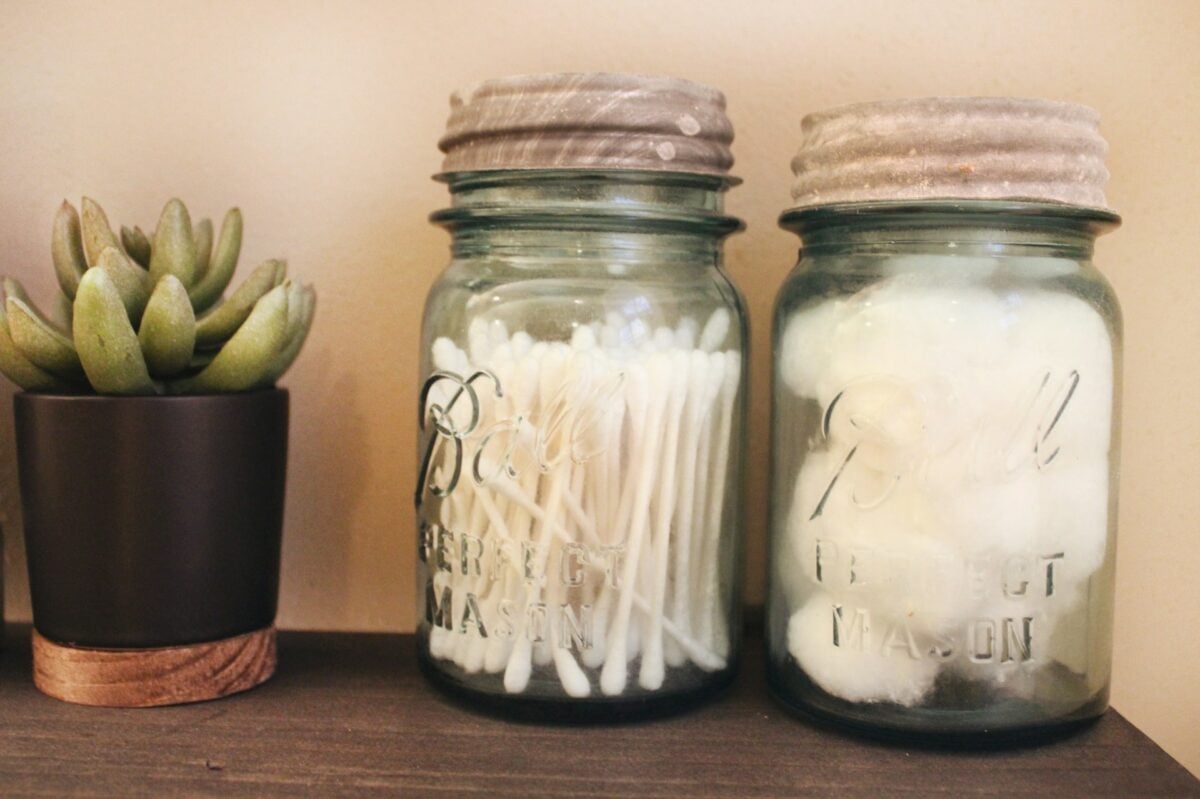
The idea for Q-tips came from watching a baby. A man saw his wife wrapping cotton on a stick to clean their baby’s ears.
He turned it into a product but had a hard time convincing people it was safe. Once it hit stores, parents and makeup users started loving them.
It’s now a bathroom regular.
Post-it Notes

Post-it Notes came from a failed glue. A chemist made a weak adhesive that didn’t have a clear use.
Years later, another worker used it to keep his papers in place in a church book. Still, the company didn’t think people would buy sticky pieces of paper.
When they finally gave out samples, demand exploded.
Erasers
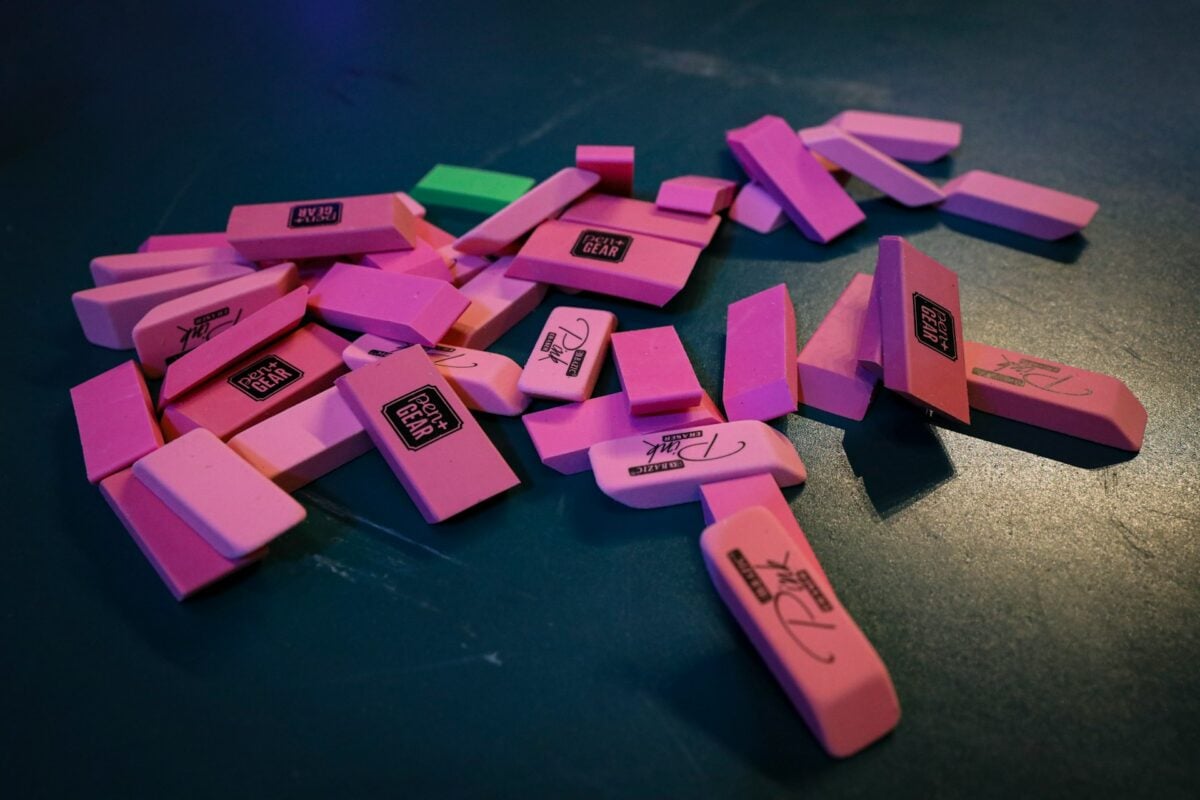
People once used bread to erase pencil marks. When rubber was discovered, it wasn’t widely trusted.
Early rubber spoiled quickly and had a weird smell. Only after better rubber was developed did erasers become common.
Now, they’re part of nearly every pencil set.
Like Go2Tutors’s content? Follow us on MSN.
Dishwasher
The first dishwasher was made in the 1880s, but it wasn’t popular at first. People didn’t see the need for it, especially with cheap labor doing the work.
It also took up too much space in homes. Only after World War II, when more people lived in cities and wanted convenience, did it take off.
Now, it’s a time-saving hero in many kitchens.
Bicycle
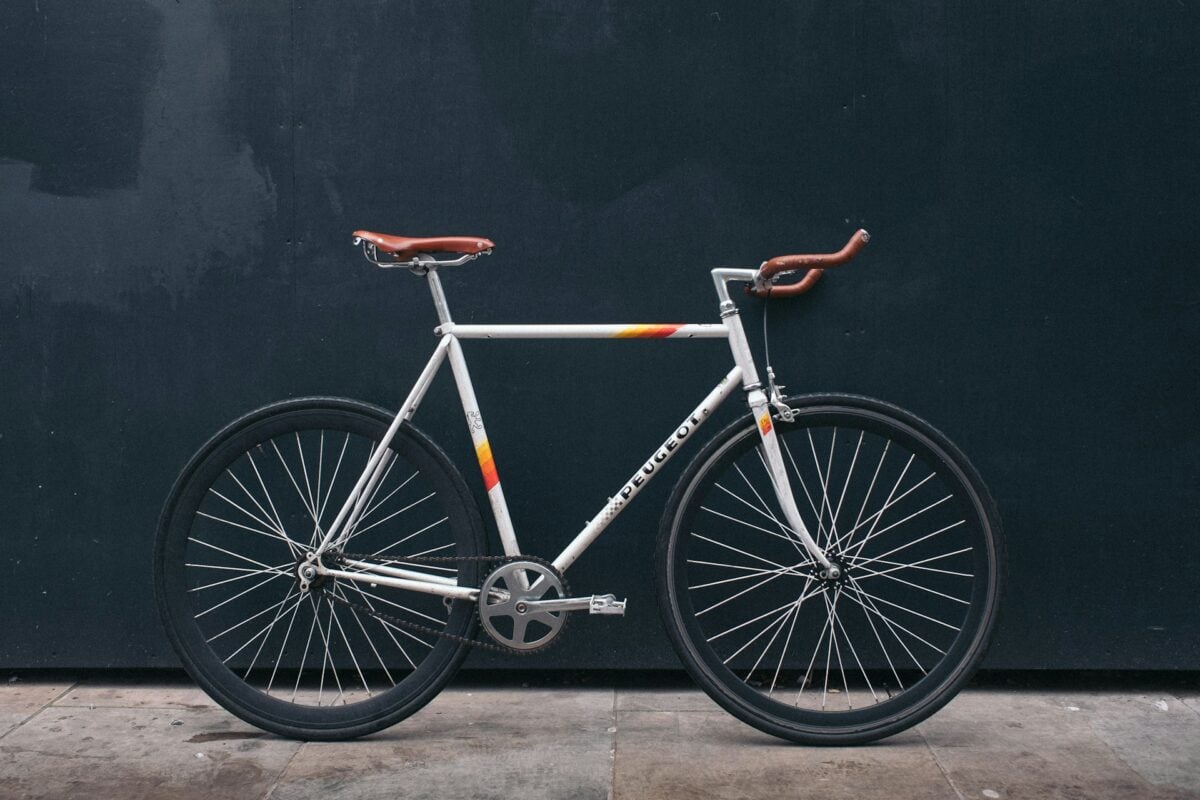
The bicycle went through some strange designs. Some early versions had no pedals, and others had giant front wheels.
People laughed at them or thought they were too risky. But as designs improved and roads got better, bikes became more useful.
Today, they’re for work, fun, and fitness.
Velcro

Velcro was inspired by burrs sticking to clothing. A man studied them under a microscope and copied their hook-and-loop design.
It took years to make it work with fabric. At first, people thought it looked cheap.
But when NASA used it in space, it became cool—and very practical.
Like Go2Tutors’s content? Follow us on MSN.
Safety pin
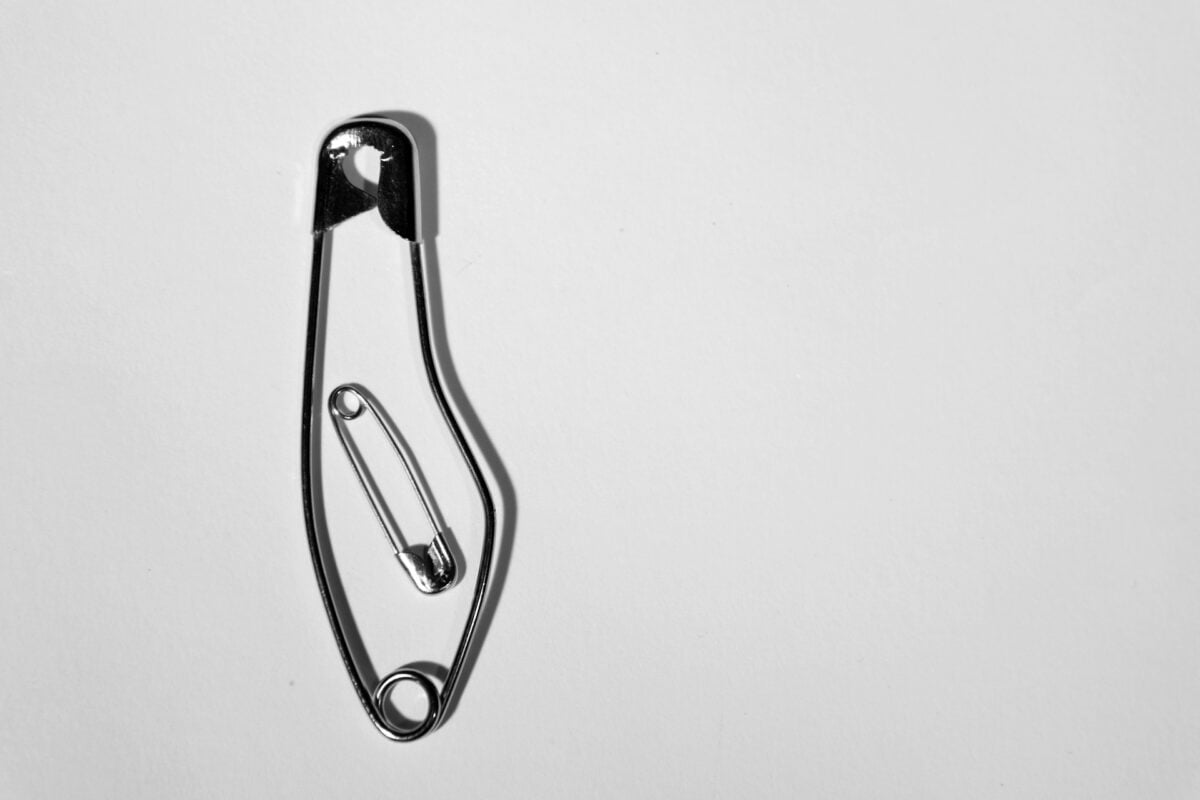
The safety pin wasn’t an instant hit. Its inventor made it to pay off a small debt and sold the rights for a few hundred dollars.
People were slow to trust its clasp. Over time, it proved useful for everything from baby clothes to small fixes.
Now it’s one of those things everyone has but never thinks about.
Roller skates

Roller skates were invented in the 1700s, but early versions were clunky and hard to steer. Many early users got hurt, and crowds laughed more than clapped.
They were even banned in some places. It took redesigns and rink culture to give them new life.
Now they’re part of both fun and fashion.
Wristwatch
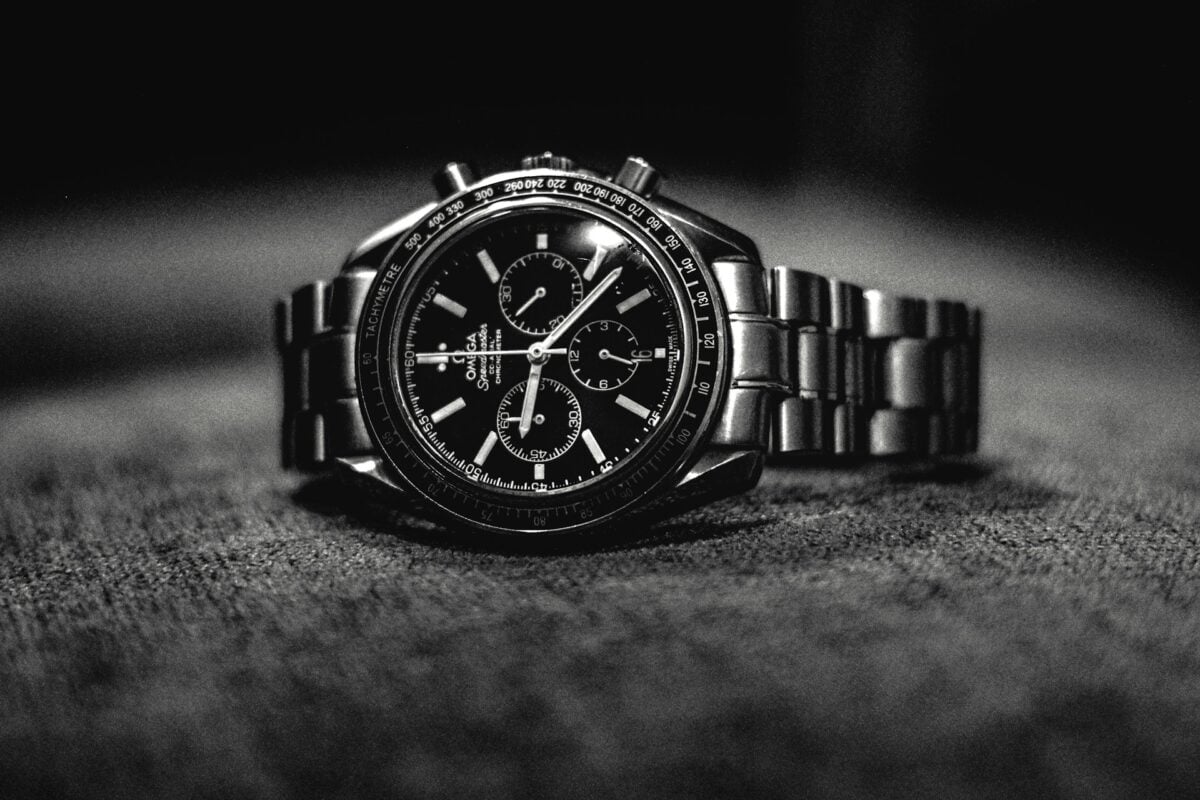
Wristwatches were once seen as jewelry for women. Men carried pocket watches and thought wristwatches were too small and weak.
It wasn’t until soldiers used them during World War I that the design gained respect. The convenience changed minds quickly.
Today, a wristwatch is both style and function.
Like Go2Tutors’s content? Follow us on MSN.
Deodorant

Early deodorants didn’t work very well. Some caused rashes or had strong smells.
People also didn’t think sweat was something that needed fixing. Slowly, cleaner formulas and better ads changed that.
Now, most people wouldn’t dream of skipping it.
Vacuum cleaner
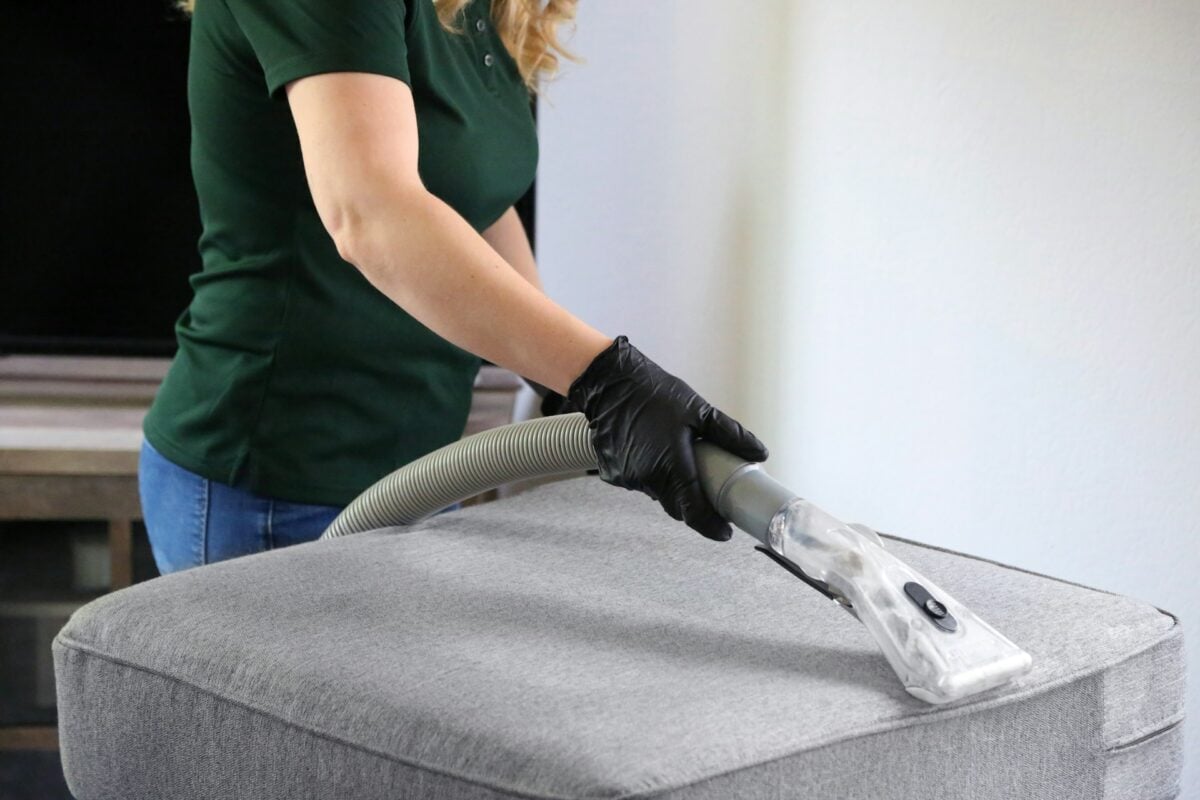
The first vacuum cleaners were huge machines that needed several people to run them. Some even had to be pulled by horses.
People thought they were noisy, expensive, and unnecessary. As smaller, cheaper versions appeared, opinions changed.
It’s now hard to imagine home cleaning without one.
Tissues
When tissues came out, they were meant to remove makeup. People didn’t know they were good for runny noses.
Once that use was discovered, sales jumped. Even then, it took clever ads to fully replace cloth handkerchiefs.
Now, they’re used everywhere from homes to cars.
Like Go2Tutors’s content? Follow us on MSN.
Contact lenses

The first contact lenses were made of glass and very uncomfortable. Most people couldn’t wear them long.
The idea stuck around, though, and new materials made them safer and easier to use. Eye doctors were slow to suggest them, fearing issues.
But now, millions wear them every day with ease.
Why these near-misses matter today

Many of these items seem so normal now that their rocky starts are easy to forget. But each one shows how slow change can be—even when something works.
People often resist what’s new or different, even if it’s better. These stories are reminders that big ideas sometimes take time, patience, and a bit of luck.
And if they hadn’t pushed through, daily life might look very different today.
More from Go2Tutors!

- 16 Historical Figures Who Were Nothing Like You Think
- 12 Things Sold in the 80s That Are Now Illegal
- 15 VHS Tapes That Could Be Worth Thousands
- 17 Historical “What Ifs” That Would Have Changed Everything
- 18 TV Shows That Vanished Without a Finale
Like Go2Tutors’s content? Follow us on MSN.



