Famous Tiaras With Dark Secrets
Tiaras look pretty from the outside. All those diamonds and pearls catching the light make them seem like fairy tale accessories, the kind of thing you’d wear to a gala and live happily ever after.
But behind that sparkle, some tiaras carry stories that would make you think twice before putting one on your head. These headpieces have been smuggled out of revolutions, stolen in daring heists, and even worn moments before assassination attempts.
They’re not just jewelry. They’re witnesses to history’s darkest moments.
Here’s what happens when beauty meets tragedy.
The Vladimir tiara
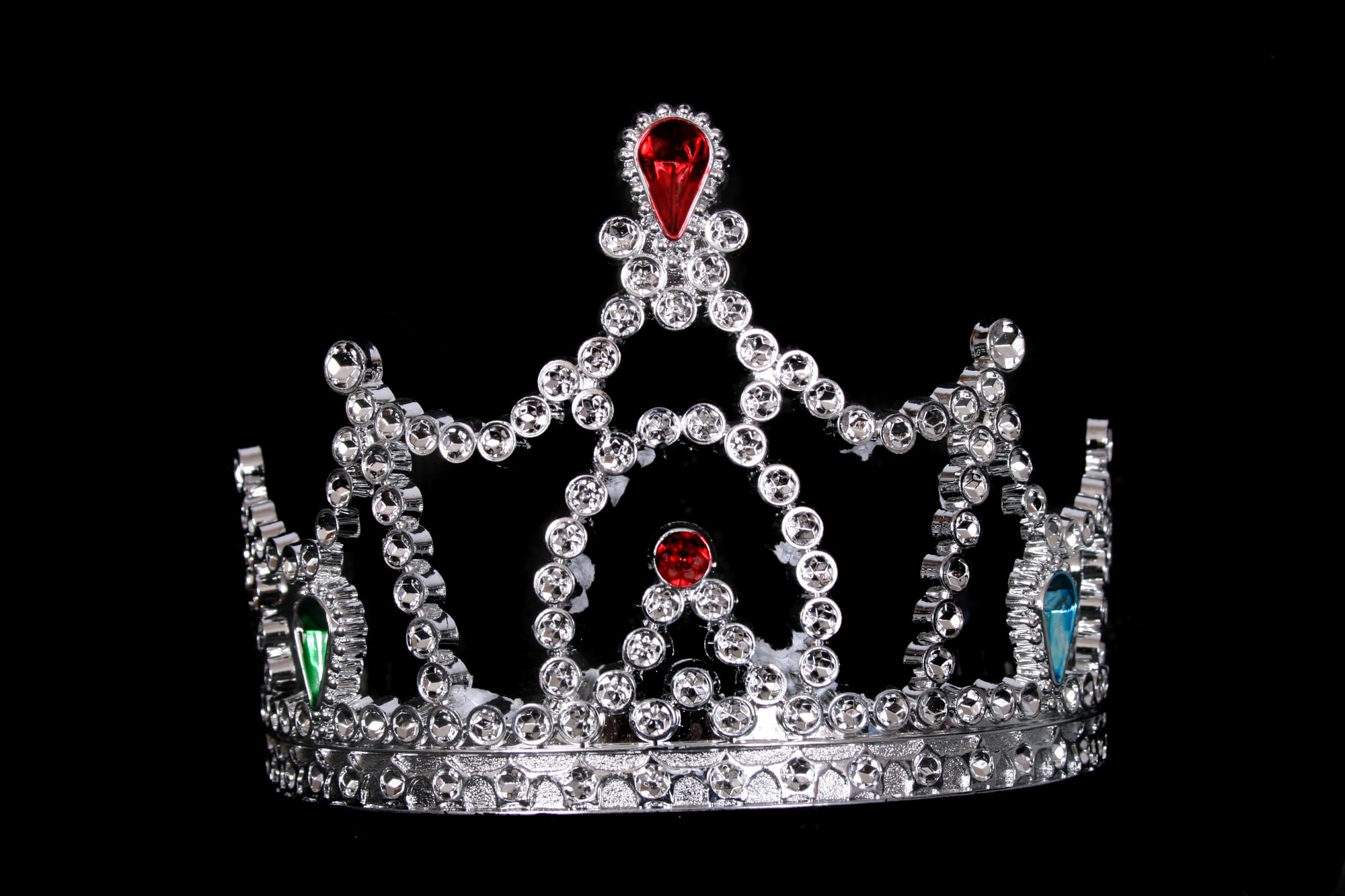
The Vladimir Tiara belonged to Grand Duchessc of Russia and was smuggled out of the country after Tsar Nicholas II and his family were assassinated in 1918. British antiques dealer Albert Stopford made a daring raid to retrieve more than 200 jewels from the duchess’s secret safe in Vladimir Palace and brought them to England.
This wasn’t some casual grab and go situation. Stopford risked his life sneaking into a palace controlled by revolutionaries who were executing aristocrats left and right. The tiara survived but the family it once adorned did not. After the duchess’s death, her daughter sold it to England’s Queen Mary in 1921.
Queen Maud’s pearl tiara

Princess Maud of Wales received a diamond and pearl tiara from her parents as a wedding gift in 1896, made by Carrington & Co. The tiara was versatile, able to be worn as a necklace or in a smaller fringe style when the central scroll element was removed.
For years, it sparkled at royal events in both Britain and Norway after Maud became queen. But in spring 2012, the tiara was stolen from Princess Christina’s apartment in Stockholm. The young man who stole it confessed to throwing it into the sea from a bridge behind Parliament House, and despite divers searching for it, the tiara was never recovered. One of history’s most beautiful royal tiaras is sitting at the bottom of a Swedish waterway, lost forever.
The Portland tiara
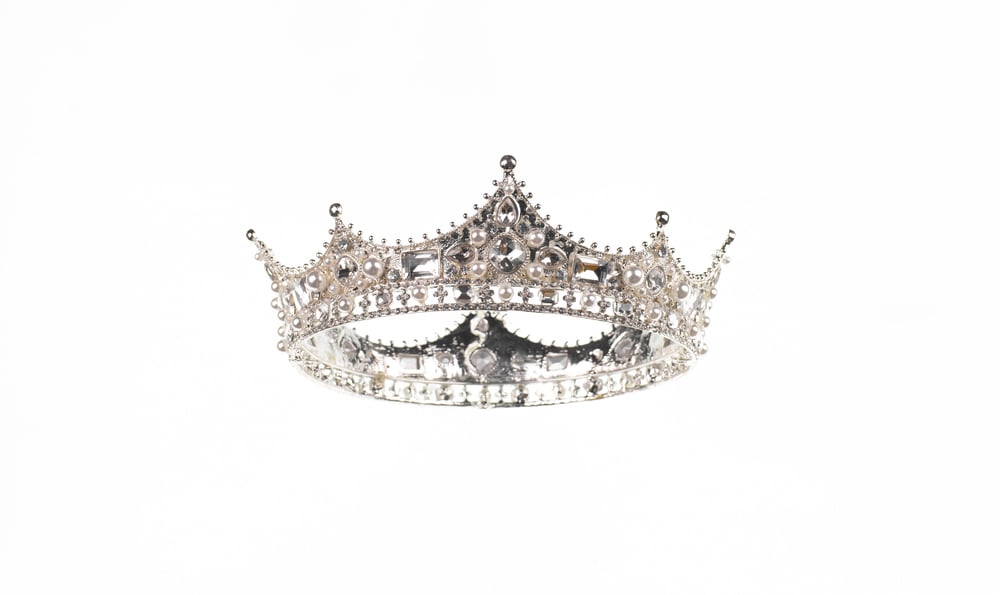
Winifred Cavendish-Bentinck commissioned Cartier to make the Portland Tiara, a gold and silver design worth 3.5 million pounds with cushion and briolette-cut diamonds, specifically for the 1902 coronation of King Edward VII. In 2017, Kelly Duong and Ashley Cumberpatch visited the Harley Gallery on the Welbeck Estate, filming with a small Go-Pro camera while appearing to admire the pieces on display.
They were actually planning a heist. In 2018, the tiara and a brooch made from its diamonds were stolen in a carefully-planned theft. Police believe the jewelry was broken up into individual diamonds and flown to Turkey within 24 hours. The tiara will almost certainly never be seen in its original form again.
Empress Eugénie’s pearl tiara
Empress Eugénie’s Tiara was commissioned by Napoleon III in 1853 as a wedding gift for his new bride, adorned with 212 pearls and nearly 2,000 diamonds set in silver. She wore it in her official portrait and at Windsor Castle.
In October 2025, thieves armed with power tools made off with the tiara and seven other pieces from the Louvre’s Galerie d’Apollon in just seven minutes. The Ministry of Culture confirmed that two high-security display cases were targeted, and eight objects of invaluable cultural heritage were stolen. This wasn’t some random smash and grab. The thieves knew exactly what they wanted and how to get it, leaving behind shattered glass and a nation in shock.
The Regent diamond

The Regent Diamond, one of the most famous diamonds in the world at 140.6 carats, has long been believed to possess a curse since it was discovered by an enslaved man in India in 1701. According to legend, the enslaved man hid the diamond in a leg wound, and was killed by the sea captain who promised to help him escape.
The diamond was eventually cut down into several smaller stones, one of which was sold to Philippe II, who was named regent of Louis XV. During the 2025 Louvre heist, thieves stole eight historic pieces but left the Regent Diamond, worth an estimated 60 million dollars, untouched in its case. Even professional criminals wouldn’t touch it. Make of that what you will.
La Buena tiara
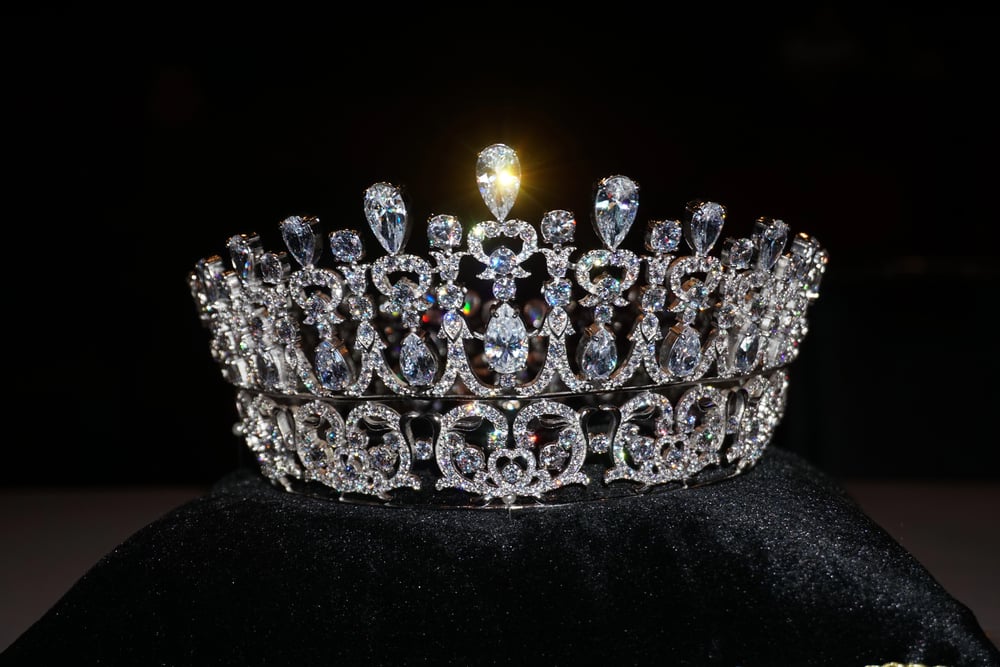
The enormous fleur-de-lis tiara in the Spanish royal vaults, known as La Buena, was a wedding present from King Alfonso XIII to his bride, Ena of Battenberg, in 1906. She wore it on their wedding day, and the ceremony went smoothly, but on the drive back to the palace, an anarchist threw a bomb concealed in a bouquet of flowers at the couple’s carriage.
The royal couple and the tiara all managed to escape unscathed, but numerous Spaniards who had gathered to cheer the procession were killed or injured. The tiara survived but the blood of innocent people stained its first public appearance. Spanish royals still own it today, earmarked for the nation’s queen.
Grand Duchess Hilda’s kokoshnik tiara

On the night of April 21, 2017, someone walked into the Badisches Landesmuseum in Karlsruhe, Germany and walked out with Grand Duchess Hilda of Baden’s tiara worth 1.2 million dollars. Museum officials called the police right away, but the news didn’t break for 17 more days.
The thieves opened a locked display case, removed the small diamond kokoshnik tiara inside, and closed the case as if they’d never touched it. This wasn’t amateur hour. Someone knew the museum’s layout, security patterns, and exactly which piece they wanted. A year and half after it went missing, there’s next to zero chance anyone will ever see it again.
The Burmese ruby tiara

The Burmese Ruby Tiara, often spotted on Queen Elizabeth II, has a controversial history because several tiaras were sacrificed to create it. In 1973, Garrard refashioned this design, which has 96 rubies, some of which were gifted to Queen Elizabeth by the people of Burma as a wedding gift.
To make one perfect tiara, the Queen’s jewelers essentially destroyed other historic pieces. Those original tiaras had their own stories, their own moments in history, all erased so Elizabeth could have something new. The rubies themselves carry weight too. They came from Burma, a country with its own complicated colonial history with Britain.
The Hesse strawberry leaf tiara

The Hesse Strawberry Leaf Tiara was designed by Prince Albert and given to his daughter, Princess Alice, when she married the Grand Duke of Hesse. In 1937, several members of the Hesse family were flying to London for a wedding when their plane crashed in Belgium, killing everyone aboard, including Hereditary Grand Duchess Cecilie, a sister of the Duke of Edinburgh.
The tiara survived because it was packed in a strongbox. Think about that for a second. A plane full of people died but the jewelry made it through unscathed. The Hesse family still owns the tiara today, a beautiful reminder of one of their darkest days.
The Allan tiara

In 1915, Lady Allan, wife of Canadian banker Sir Hugh Montagu Allan, packed her diamond and pearl Cartier tiara in her luggage for a sea voyage from New York to Liverpool on the RMS Lusitania. The ship was torpedoed by a German submarine on the day it was to dock.
Lady Allan survived, and so did her two maids, one of whom was carrying the tiara when she was rescued. Over 1,100 people died when the Lusitania sank. But one maid, clinging to a piece of wreckage with a tiara clutched in her hand, somehow made it out alive. The tiara stayed with the family until 2023, when it was sold at Sotheby’s for nearly 800,000 dollars.
The Hesse moonstone tiara
Grand Duchess Eleonore brought her unusual moonstone and turquoise tiara on the same 1937 Hesse family flight, intending to give it to her new daughter-in-law, Margaret, as a wedding present. Eleonore died in the crash, but the tiara survived, and the remaining members of the family carried out her wishes, presenting the tiara to Margaret.
This wasn’t just jewelry anymore. It became a ghost’s last gift, a grandmother’s final act of love delivered from beyond the grave. Members of Margaret’s extended family still own and wear it today, carrying Eleonore’s memory with them every time they put it on.
The Swedish cut-steel tiara
The unusual cut-steel tiara from the Swedish royal collections was made at the beginning of the nineteenth century but remained unused and forgotten in a palace cabinet until it was rediscovered in the 1970s. For over 150 years, this piece sat in darkness while the world changed around it.
Revolutions happened. Wars were fought. Entire royal families rose and fell. Thanks to Queen Silvia’s curiosity about the extent of the family’s jewelry in the early days of her tenure, the tiara now shines regularly on the Bernadotte women. Sometimes the dark secret isn’t violence or theft. Sometimes it’s just being forgotten, erased from memory as if you never existed at all.
The Duchess of Argyll’s floral tiara
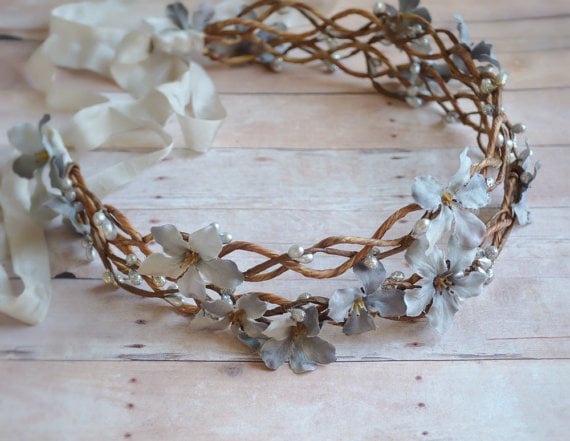
The Victorian-era diamond floral tiara that belongs to the Dowager Duchess of Argyll almost disappeared due to an airport baggage mishap. The tiara, along with other pieces of jewelry, went missing at Glasgow’s airport.
Although the jewels were reported missing and police summoned, the pieces seemed lost for good until the Duchess spotted them in an auction house’s catalogue. It turned out that the airport had found the jewels but sold them to a diamond merchant rather than turning them over to police. Someone at that airport knew exactly what they were doing when they “lost” those jewels. Corruption doesn’t always look like masked thieves with power tools.
The Delhi Durbar tiara

Queen Camilla was loaned the Delhi Durbar tiara from Queen Elizabeth II after marrying King Charles in 2005. This large sparkler was originally commissioned by Queen Mary in 1911 for her and King George V’s coronation as Emperor and Empress of India.
As one of the most ornate royal tiaras out there today, it’s only been worn publicly three times, and just once by Camilla. The dark secret here isn’t murder or theft. It’s empire. This tiara celebrates British rule over India, a period marked by exploitation, famine, and violence. Wearing it today means carrying that history on your head, whether you acknowledge it or not.
The Anglesey tiara
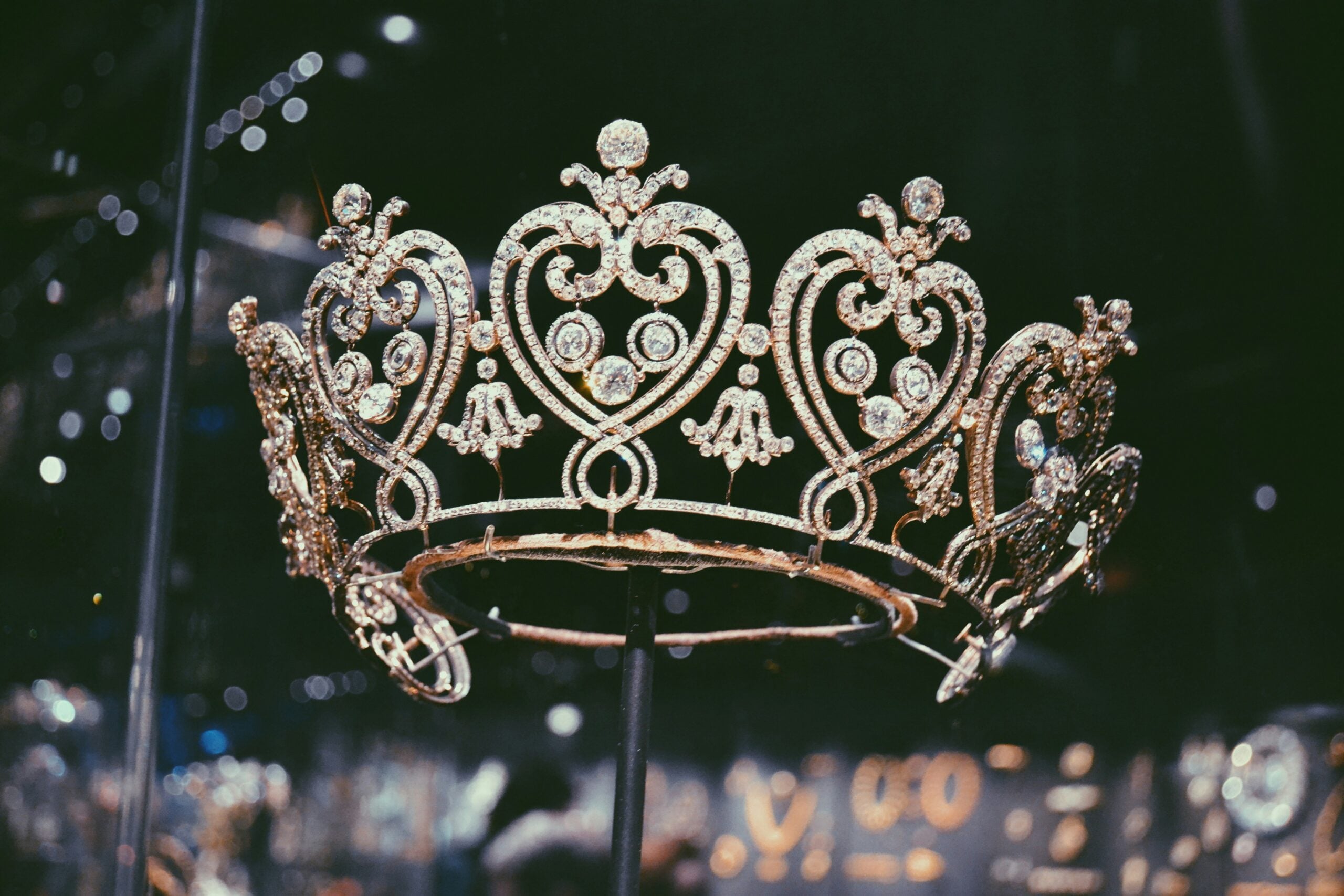
The Anglesey tiara was created for Henry Cyril Paget, the 5th Marquess of Anglesey, who squandered his fortune and amassed 60 million pounds of debt in today’s money. The debt was paid off after his untimely death with a 40-day auction.
One thing kept from the block was a dazzling Victorian tiara set with more than 100 carats of diamonds. Everything the family owned got sold except this one piece. Henry’s excess destroyed his family’s wealth but the tiara survived, a glittering reminder of one man’s inability to stop spending. The tiara was worn by family members at the coronations of Queen Elizabeth II in 1952 and King George VI in 1937.
The Donnersmarck emerald tiara

A Magnificent and Rare Emerald and Diamond Tiara, formerly in the collection of Princess Katharina Henckel Von Donnersmarck, circa 1900, sold for 11,282,500 Swiss francs. The eleven emeralds incorporated in it once belonged to Empress Joséphine.
This tiara features enormous emeralds which total more than 500 carats and are believed to be part of Empress Eugénie of France’s collection, making it the most expensive tiara ever sold at auction at 7.8 million dollars. Those emeralds passed through the hands of empresses and princesses, each one taking the stones from someone else’s crown. By the time Princess Katharina got them, they’d already witnessed the rise and fall of Napoleon’s empire.
Marie Antoinette’s diamonds
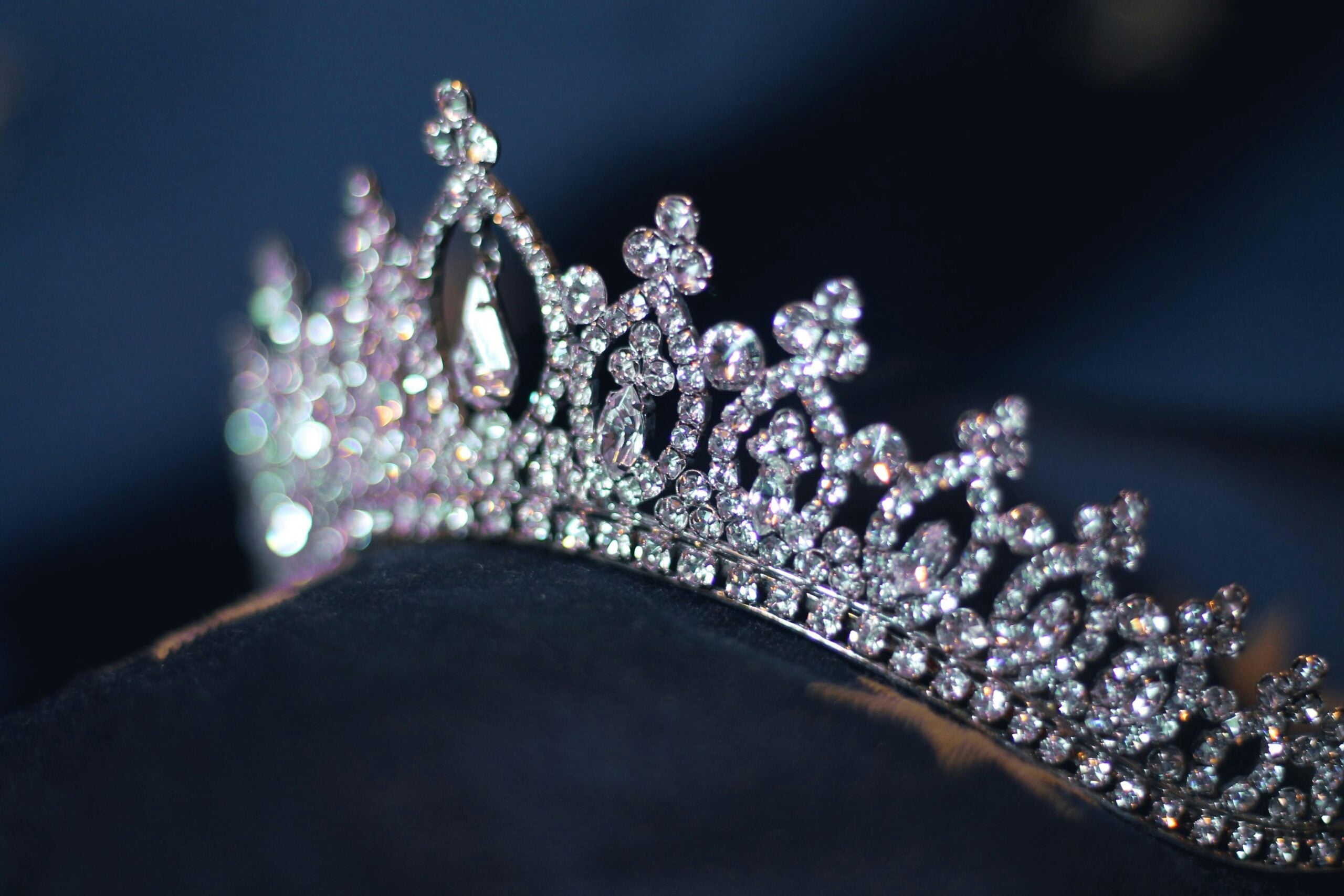
Queen Marie Antoinette, who was held responsible for the financial crisis of France during her time, is said to have sent diamonds to Austria for safekeeping before her death. She knew what was coming. The revolution, the trials, the guillotine.
So she shipped her jewels out of the country, hoping someone in her family would survive to claim them. Some of the French crown jewels were sold in times of need, not all were stolen. Marie never got to wear her tiaras again. She lost her head in 1793, and her jewelry scattered across Europe, pieces of a queen who became a cautionary tale about excess and revolution.
What survives when everything else falls

The tiaras mentioned here have outlived empires, escaped assassins, and survived crashes that killed everyone around them. After the Bolshevik Revolution of 1917, many Russian tiaras were seized and sold abroad to finance the revolution and consolidate the Soviet regime.
Some got melted down for cash. Others ended up in museum vaults or private collections, divorced from the families who once owned them. These aren’t just accessories. They’re proof that beauty and horror can exist in the same space, that the things we treasure most often carry the heaviest histories. Every time someone puts on one of these tiaras, they’re wearing someone else’s tragedy, whether they know it or not.
More from Go2Tutors!

- The Romanov Crown Jewels and Their Tragic Fate
- 13 Historical Mysteries That Science Still Can’t Solve
- Famous Hoaxes That Fooled the World for Years
- 15 Child Stars with Tragic Adult Lives
- 16 Famous Jewelry Pieces in History
Like Go2Tutors’s content? Follow us on MSN.