Facts About Left Handed People
Most people don’t think twice about which hand they use to write or throw. But for the roughly one in ten people who reach for things with their left hand first, the world looks a little different.
Left-handedness shows up in families, shapes how brains work, and even influences career choices in ways scientists are still trying to understand.
A Small but Consistent Minority
About 10% of the global population is left-handed. This percentage stays remarkably stable across different cultures and time periods.
Researchers have found this same ratio in ancient cave paintings and modern classrooms. The consistency suggests something deep in human biology keeps this trait around.
The Genetic Mystery

Scientists know handedness runs in families, but the inheritance pattern isn’t simple. Two right-handed parents can have a left-handed child.
Two left-handed parents raise the odds their kids will be lefties, but many still turn out right-handed. Researchers have identified several genes that influence handedness, but none of them work alone.
The trait appears to develop through a complex interaction between multiple genes and environmental factors during early development.
Brain Wiring Differences
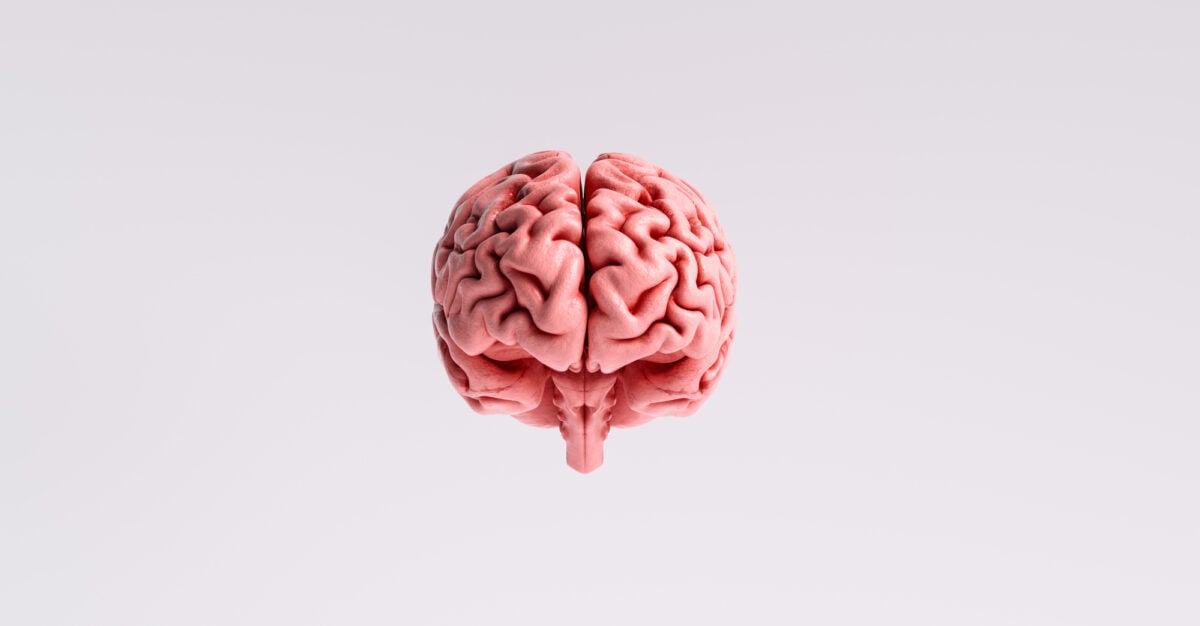
Left-handed people process information differently in their brains. Most right-handers control language in the left hemisphere of their brain.
But left-handers show more variation. Some use the right hemisphere for language.
Others split language functions between both sides. This different wiring might explain why lefties sometimes excel at certain cognitive tasks.
Natural Athletes in Specific Sports

Left-handed people dominate certain competitive sports. Baseball, tennis, fencing, and boxing all show disproportionate numbers of left-handed champions.
The advantage comes from rarity. Right-handed opponents practice mainly against other righties.
When they face a leftie, the angles, spins, and timing feel unfamiliar. This surprise factor gives left-handed athletes an edge that statistics back up year after year.
Historical Prejudice and Superstition

The word “sinister” literally comes from the Latin word for “left.” Many cultures throughout history treated left-handedness as something wrong that needed fixing.
Teachers tied children’s left hands behind their backs to force them to write right-handed. Some religions associated the left hand with evil or uncleanliness.
This stigma has faded in most modern societies, but it shaped how older generations of lefties experienced childhood.
Presidential Patterns

Seven of the last fifteen U.S. presidents have been left-handed. Barack Obama, Bill Clinton, George H.W. Bush, Ronald Reagan, Gerald Ford, Harry Truman, and James Garfield all signed documents with their left hands.
This represents a much higher percentage than the general population. Researchers debate whether this means anything significant or just reflects statistical noise in a small sample size.
Twin Studies

Left-handedness appears more often in twins than in single births. About 17% of twins are left-handed compared to 10% of the general population.
Identical twins don’t always share the same handedness, which tells scientists that genes alone don’t determine which hand dominates. Something about the twin environment in the womb or early development might increase the chances of left-handedness developing.
The Writing Struggle

Right-handed people take for granted how easy it is to write from left to right. The hand moves away from what they just wrote. Left-handed writers drag their hand across fresh ink or graphite.
Many develop a curved “hook” grip to see what they’re writing and avoid smudging. Spiral notebooks, three-ring binders, and desk designs all favor right-handed users, making simple tasks more complicated for lefties.
Tool Design Challenges

Scissors, can openers, measuring cups, and computer mice—most tools assume right-handed use. Left-handed people adapt by learning to use their non-dominant hand or by seeking out specialty left-handed versions that cost more and are harder to find.
Even door handles, credit card machines, and car cup holders seem designed with only righties in mind. This constant need to adapt shapes how left-handed people move through the world.
Language and Learning Differences

Some research suggests left-handed people process language slightly differently. They might show stronger abilities with verbal reasoning or creative wordplay.
Other studies find they’re more likely to stutter or develop dyslexia. The evidence remains mixed and controversial.
What seems clear is that the different brain organization in lefties can influence how they learn and use language, though the effects vary widely between individuals.
Creative Advantages
Left-handed people show up in creative professions at higher rates than expected. Visual artists, musicians, architects, and writers include many lefties.
Some researchers think the different brain wiring helps lefties make unexpected connections or see problems from fresh angles. Others argue that growing up having to adapt constantly might build creative problem-solving skills.
The correlation shows up in study after study, even if the reasons remain debatable.
Not Just Humans

Handedness—or paw preference—appears throughout the animal kingdom. Cats, dogs, and primates all show individual preferences for using one limb over another.
Like humans, these populations split roughly 50-50 with a slight bias toward right-handedness. But some species break this pattern.
Kangaroos strongly favor their left paws. Studying animal handedness helps scientists understand how this trait evolved and why it persists.
Health Research Connections

Studies have linked left-handedness to various health outcomes, though the relationships remain unclear. Some research suggests lefties face slightly higher risks for certain autoimmune disorders or learning difficulties.
Other studies find they recover from strokes affecting certain brain regions more easily. The field remains controversial because it’s hard to separate the effects of handedness from other factors like how society treats lefties or whether forced hand-switching in childhood causes problems.
Musical Instrument Adaptation

Learning to play most musical instruments requires both hands working together in complex ways. Some left-handed musicians simply learn instruments the standard right-handed way. Others modify their approach.
Left-handed guitarists can restring their instruments backwards or buy special left-handed models. Piano works the same for everyone.
The choice of whether to adapt to right-handed norms or insist on left-handed alternatives follows lefties through their musical journeys.
The Advantage in Combat

Left-handers in combat often surprised their rivals. Gladiators, knights from the Middle Ages, even samurai – each met foes ready only for right-side attacks. Unfamiliar strikes came from odd directions, throwing off guards built for predictable patterns.
Today’s armies train to handle either stance, yet back then, that edge lifted certain southpaws into fame.
A Different Perspective
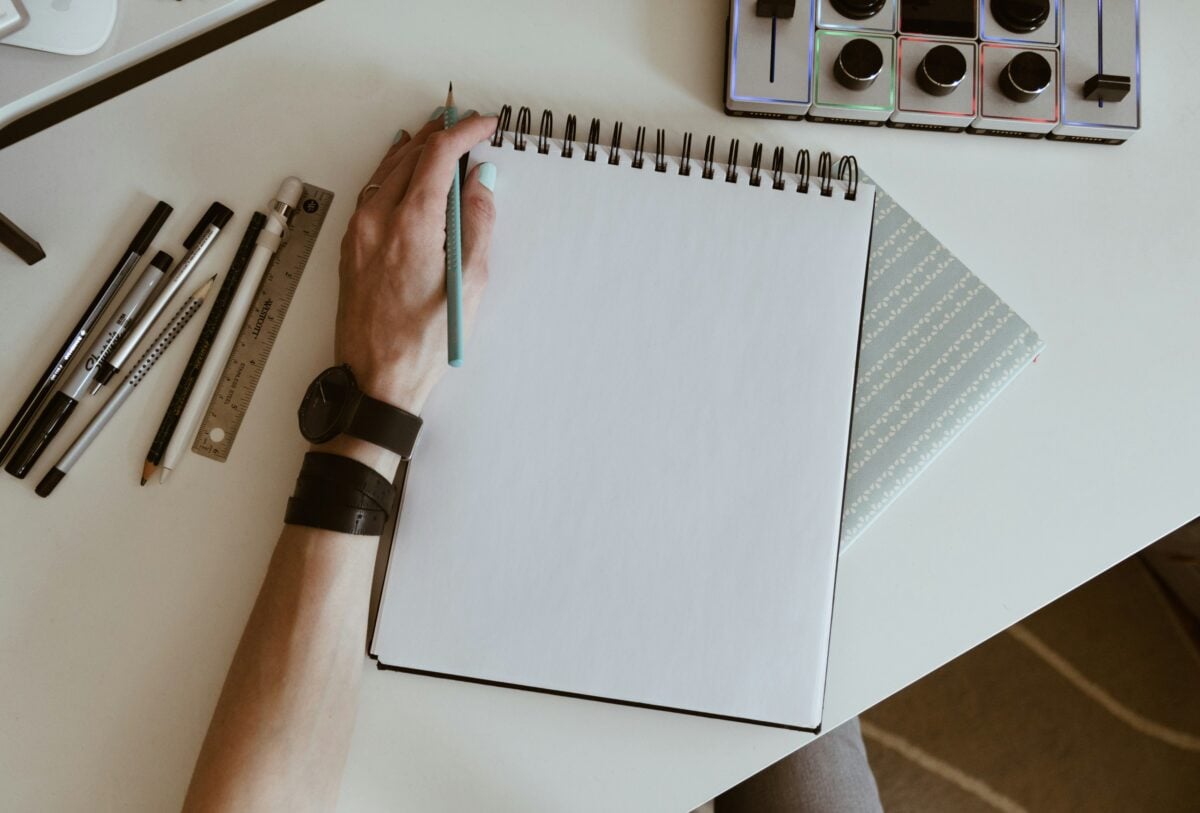
Most folks move through life using their right hand without much thought. Yet if you are left-handed, those everyday actions stand out clearly. The design of scissors, desks, even computer mice – built for someone else’s needs.
Over time, adjustments happen quietly, almost without realizing it. Pride might come from standing apart, or maybe indifference sets in after years of fitting in anyway.
A tenth of humanity shares this quiet shift in perspective, simply by starting things differently each day.
More from Go2Tutors!

- 16 Historical Figures Who Were Nothing Like You Think
- 12 Things Sold in the 80s That Are Now Illegal
- 15 VHS Tapes That Could Be Worth Thousands
- 17 Historical “What Ifs” That Would Have Changed Everything
- 18 TV Shows That Vanished Without a Finale
Like Go2Tutors’s content? Follow us on MSN.