Unusual Ways People Used Shells in Trade
Shells feel like little trinkets today, the kind you pocket after a walk along the shore then forget on a windowsill. Yet across centuries, those hard bits made by sea creatures worked as real cash.
Folks clashed violently for them, hiked endless distances to swap them, even shaped whole systems around gathering and moving them around. How various groups used shells as payment shows how clever people can be when turning ordinary stuff into something valuable.
Cowrie Shells as Global Currency
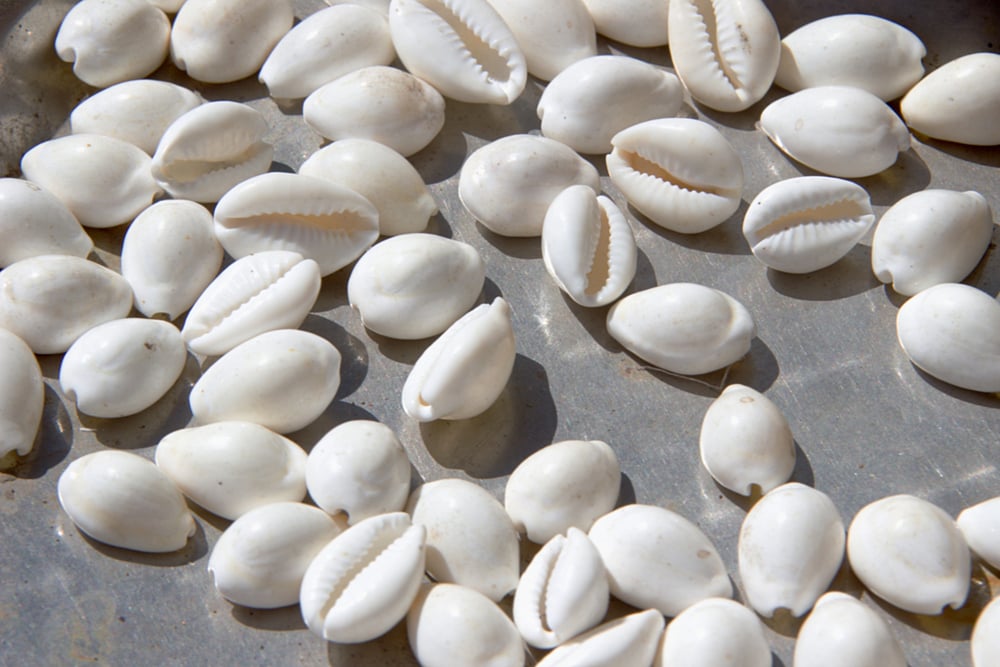
Cowrie shells became one of the most widespread forms of money in human history. These small, smooth shells from sea snails traveled from the Maldives to Africa, Asia, and eventually the Pacific.
Their shine, durability, and difficulty to counterfeit made them perfect currency. In West Africa, cowrie shells functioned as the main currency for centuries.
Traders strung them together in standardized amounts—forty shells made a string, fifty strings made a head. A single shell bought basic goods like food or simple tools.
Larger purchases required thousands of cowries. People accumulated these shells as wealth, storing them in bags and baskets that demonstrated their prosperity.
The shells had to travel incredibly far to reach their markets. Maldive divers collected them from shallow reefs, then traders transported them across the Indian Ocean, up through the Middle East, across the Sahara Desert, and finally into West African kingdoms.
Each leg of that journey added value. By the time cowries reached their destination, they’d passed through dozens of hands and traveled thousands of miles.
Wampum Belts and Treaty Records

Native American tribes in northeastern North America created wampum from white and purple shell beads. The Lenape and other Algonquian peoples carved tiny cylindrical beads from whelk shells and quahog clam shells.
The purple beads took more work to make and carried higher value. Wampum served multiple functions.
Individual beads and strings worked as currency for everyday trade. But the more significant use came in diplomacy.
Tribes wove elaborate belts featuring geometric patterns and symbols that recorded treaties, agreements, and important events. These weren’t just decorative—they functioned as legal documents that both parties recognized as binding.
When Europeans arrived, they initially misunderstood wampum as simple money. Dutch and English colonists actually manufactured wampum using metal tools, flooding the market and devaluing the genuine Indigenous-made beads.
This economic manipulation disrupted traditional trade networks. It also undermined the political significance of the belts.
Dentalium Shells as Northwest Coast Wealth

Dentalium shells look like tiny white tusks—hollow tubes that taper at both ends. These shells came from deep waters off Vancouver Island and became the most valuable trade item along the Pacific Northwest coast.
The longer the shell, the more it was worth. Tribes measured dentalium against tattoo marks on their forearms.
A shell that reached from your wrist to your first mark carried one value. A shell extending to your elbow commanded exponentially more.
The longest shells became family treasures passed down through generations. People wore them as necklaces and earrings, each piece announcing their wealth to everyone who saw them.
The shells rarely came from the tribes who used them as currency. Nuu-chah-nulth divers risked their lives collecting dentalium from cold, deep waters.
They used long poles with brooms at the end to dislodge the shells from the ocean floor. The shells then traveled through extensive trade networks, changing hands repeatedly as they moved inland and south along the coast.
Pearl Shells and Australian Songlines
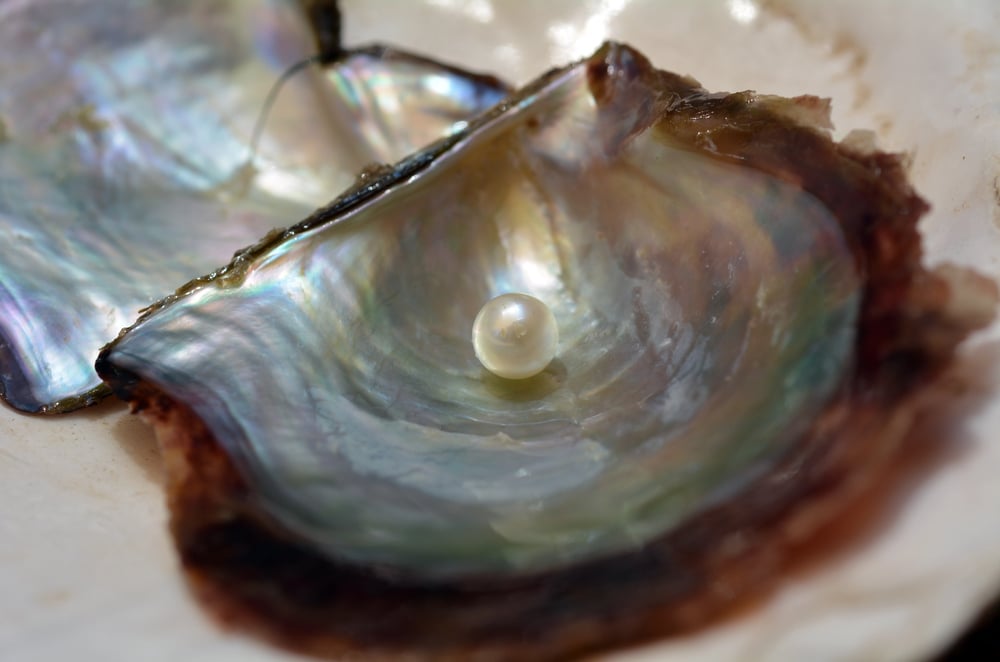
Aboriginal Australians carved pearl shell pendants from the large shells found in northern coastal waters. These pendants traveled along trade routes called songlines.
Songlines were paths marked by songs and stories that connected distant tribes across the continent. The pearl shells themselves came from the sea, but they ended up in the hands of desert-dwelling groups thousands of miles inland.
This created immense value. A man living in central Australia who owned a pearl shell pendant possessed something exotic and rare.
It was something that took years of gradual trade exchanges to acquire. The shells carried spiritual significance beyond their material worth.
Each one bore engravings—spirals, dots, and lines that recorded stories and marked the owner’s identity. When a shell changed hands, the new owner added their marks.
Over decades, a single shell accumulated layers of meaning. It became a traveling record of connections between distant peoples.
Purple Dye and Phoenician Trade Dominance
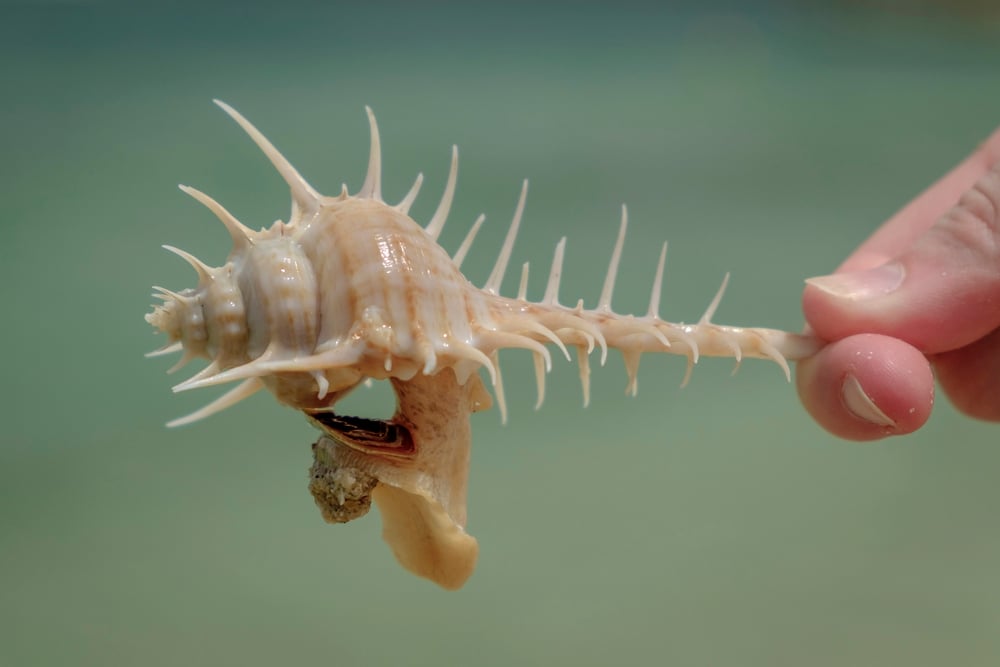
Murex snails produced a purple dye that became so valuable it defined an entire civilization. The Phoenicians built their trading empire partly on extracting this dye from thousands of snails collected along Mediterranean coasts.
The dye did not come from the shell itself but from a gland in the snail’s body. The process required enormous resources.
Extracting enough dye to color a single garment meant harvesting thousands of snails. Workers smashed the shells, removed the glands, and processed them through a complex, stinking procedure that took weeks.
The final product was a purple color that did not fade. It justified the effort.
This purple became the color of royalty across the ancient world. Roman emperors wore togas dyed with Tyrian purple.
The color cost more than gold by weight. Laws restricted its use to the highest ranks of society.
The Phoenicians controlled this luxury trade for centuries. Their cities became wealthy centers of commerce.
Spondylus Shells in Pre-Columbian South America
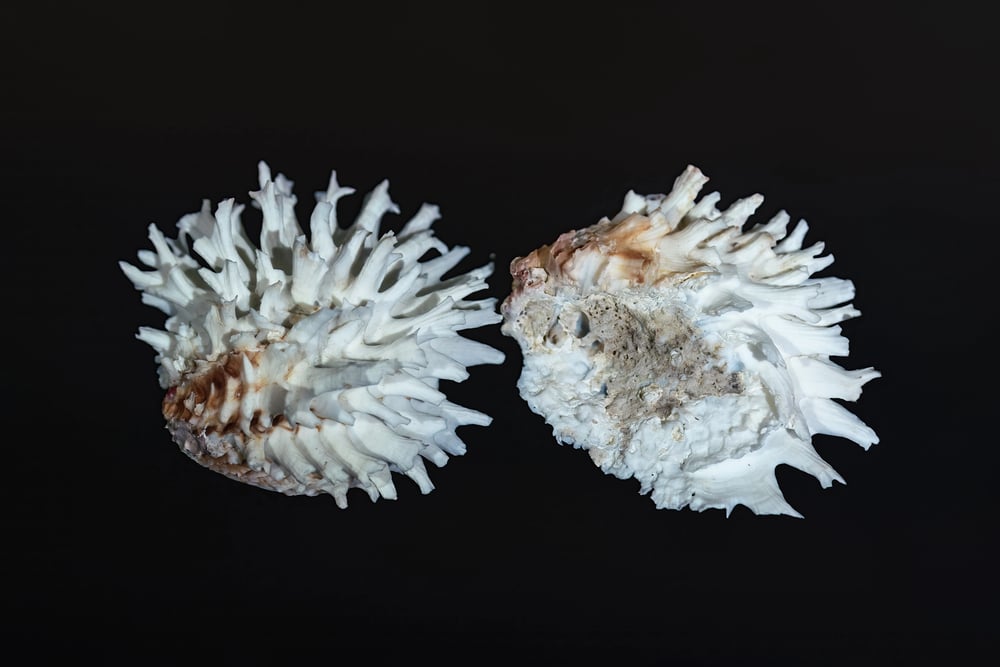
Spondylus shells came from thorny oysters living in warm Pacific waters from Mexico to Peru. These shells featured brilliant reds, oranges, and purples that made them treasured trade items across the Andes.
The Inca and earlier cultures valued them above precious metals. The shells represented fertility and water in Andean cosmology.
Priests used them in ceremonies to call rain. Rulers wore spondylus jewelry and received shells as tribute from coastal subjects.
The shells appeared in royal burials alongside gold and silver. This indicated their equal or superior status to metallic wealth.
Getting the shells required dangerous diving in deep waters. Specialists free-dove to collect them, then traders carried the shells up mountain paths into the highlands.
A single shell traveled from sea level to elevations above 10,000 feet. Its rarity made it worth enormous amounts of other goods.
Turban Shells and Pacific Island Status

In many Pacific Island cultures, large turban shells served as ceremonial currency for marriages, deaths, and peace settlements. The shells came from specific reefs and required specialized knowledge to collect.
Not everyone could gather them. Only those with the proper permissions and expertise could do so.
The shells did not function as everyday money. You could not buy food with them.
Instead, they represented major life transitions and community obligations. When a couple married, their families exchanged turban shells to formalize the alliance between clans.
When someone died, shells paid the ritual specialists who handled the burial. The value came partly from the shell’s beauty and size.
It came mostly from the social obligations embedded in each one. A shell given at your grandfather’s funeral carried the memory of that event.
When you later gave that shell at your daughter’s wedding, you connected those two occasions. You wove your family’s history into a material object.
Olive Shells and California Trade Networks
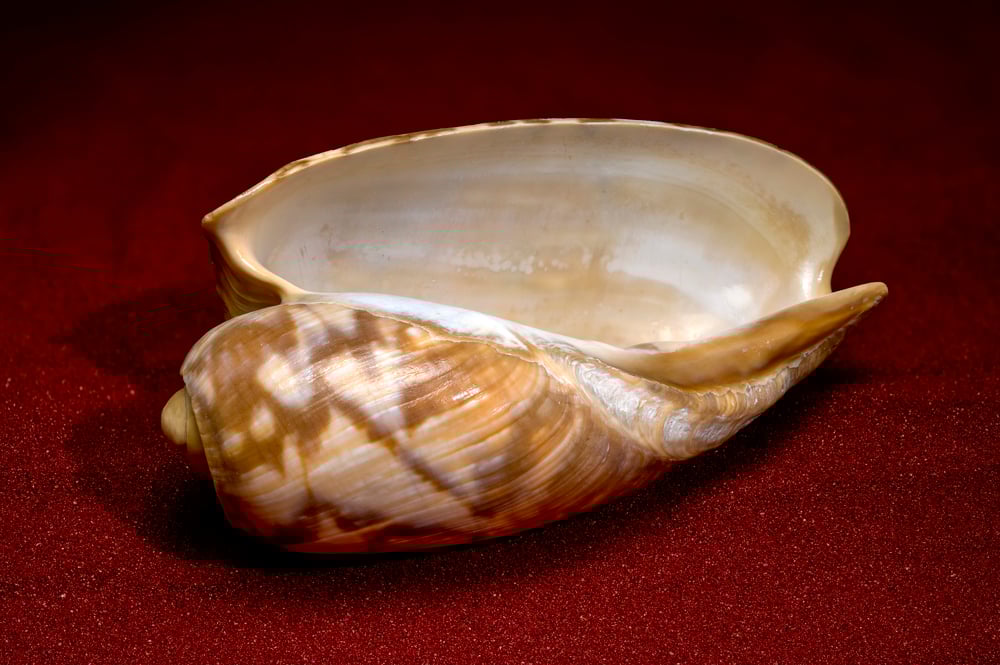
California’s native peoples created currency from olive shells gathered along the coast. These small, tube-shaped shells were ground, polished, and strung into necklaces that measured specific lengths.
The longer the strand, the higher its value. Coastal groups collected the shells but did not use them extensively themselves.
Instead, they traded the finished shell strands to inland groups who valued them highly. A single strand could purchase baskets, tools, or food supplies.
Longer strands bought substantial items like boats or houses. The standardization impressed later European observers.
The strands came in recognized lengths with corresponding values accepted across different tribes. This created a functioning monetary system without central authority or written records.
People simply agreed on what each length of shells was worth and traded accordingly. The system worked smoothly across regions.
Scallop Shells and Pilgrim Identity

Medieval European pilgrims traveling to Santiago de Compostela in Spain collected scallop shells as proof they had completed their journey. These shells became so closely associated with pilgrimage that they functioned as a sort of spiritual currency.
The shells granted the bearer certain rights and protections. A pilgrim wearing a scallop shell received shelter at monasteries, hospitals, and private homes along pilgrimage routes.
The shell served as a passport of sorts. It was evidence that the traveler deserved Christian hospitality.
Some pilgrims sold their shells to others. This created a market in fake pilgrimage credentials.
Churches along the route sold official scallop shells blessed by priests. These authenticated shells carried more weight than ones simply picked up on the beach.
The church created value by adding its spiritual authority to a common natural object. It transformed seashells into religious artifacts worth real money.
Mother-of-Pearl and Chinese Button Trade
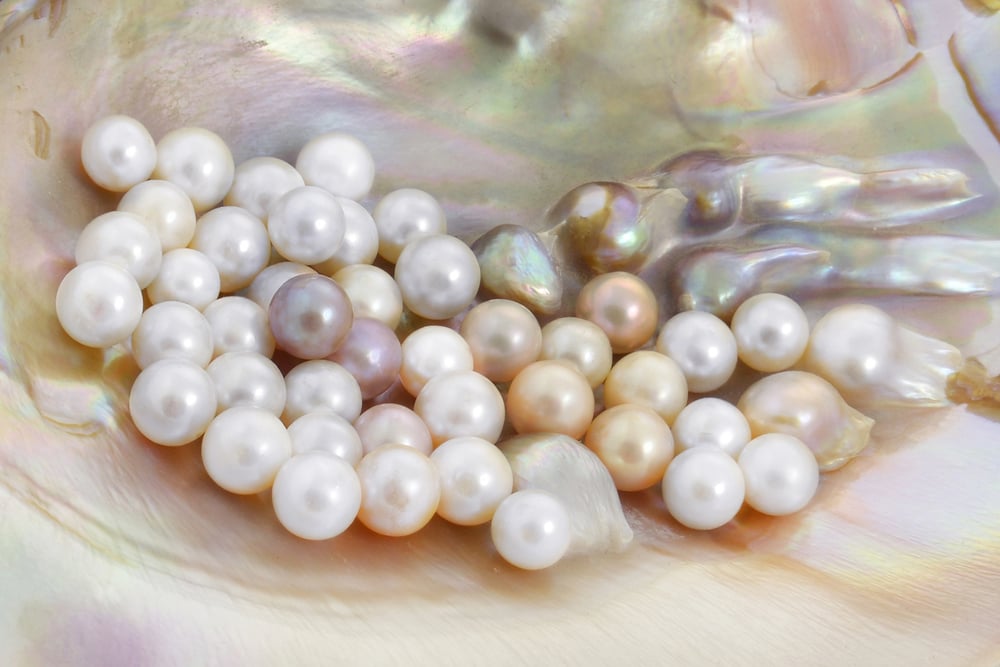
The inner lining of certain shells produces an iridescent material called mother-of-pearl. Chinese craftsmen turned this material into buttons that became a major trade item.
The shells came from rivers and coastal waters throughout Asia, then traveled to workshops where artisans cut and polished them into buttons. European and American clothing manufacturers imported millions of these buttons.
The trade peaked in the early twentieth century before plastic buttons replaced them. Entire Chinese towns specialized in button production, creating economic systems based on shells collected from nearby waterways.
The buttons themselves were not especially valuable individually. The trade volume made it profitable.
Ships carried tons of mother-of-pearl buttons westward. They returned with payment that supported Chinese coastal communities.
The trade represented an unusual case where shells became industrial components rather than decorative currency. It demonstrated how flexible shell-based economies could be.
Conch Shells as Musical Instruments and Status Symbols
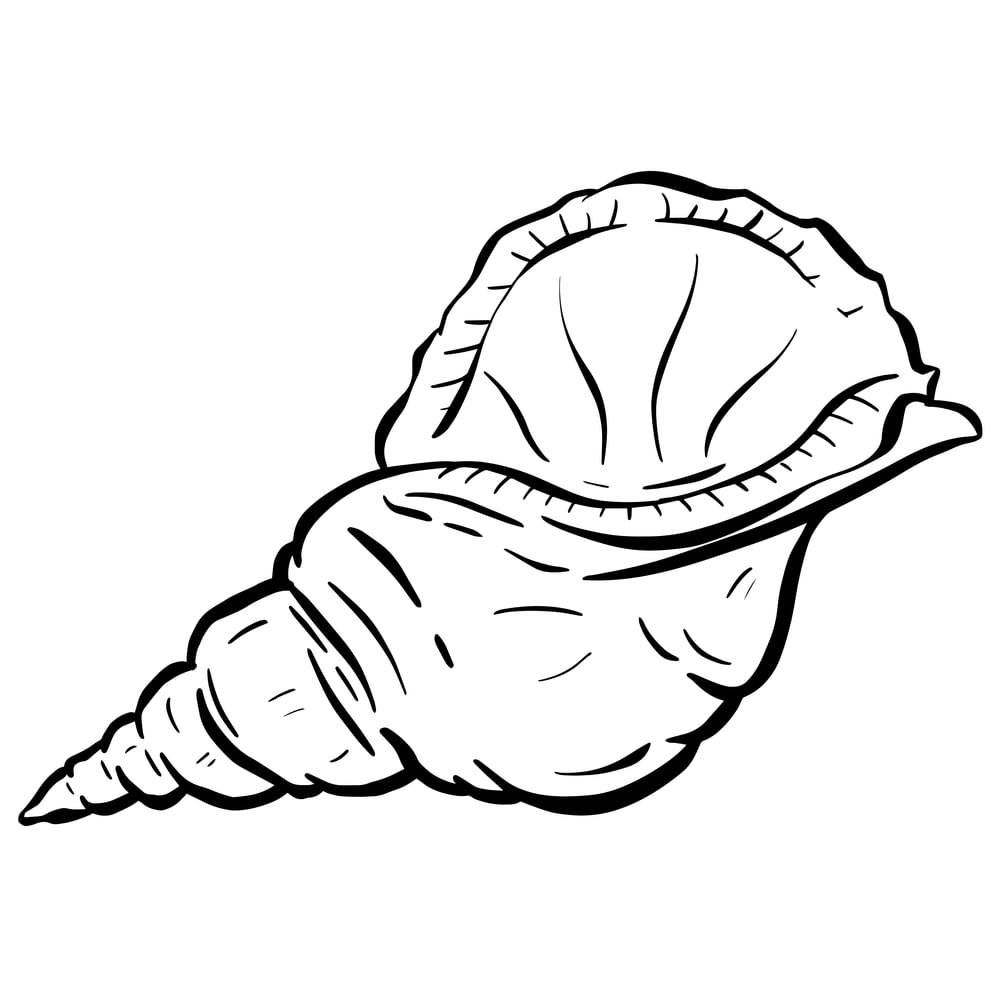
Large conch shells served double duty across many cultures. The shells’ size and distinctive pink interior made them valuable status symbols, but their acoustic properties added another dimension.
When you removed the tip and blew into the opening, the shell produced a loud, resonating trumpet sound. In the Pacific and Caribbean, chiefs and warriors used conch shell trumpets to signal across distances.
The sound carried farther than human voices and communicated specific messages depending on the pattern of blasts. Villages recognized their leader’s particular conch trumpet sound.
The shells themselves represented wealth and authority. A family that owned multiple large conch shells demonstrated their prosperity.
The shells appeared at ceremonies, feasts, and important gatherings. Some cultures buried high-status individuals with their conch shells.
This ensured they kept their wealth and authority in the afterlife. The shells held significance long after their owners passed.
Tusk Shells and Inuit Trade

Inuit groups traded shells despite living in regions where shells did not naturally occur. Traders brought dentalium and other tusk-shaped shells north, where they became extremely valuable due to their scarcity.
Arctic peoples wore them as jewelry and used them in trade with other Inuit groups and with native peoples farther south. The shells represented connections to distant places and peoples.
An Inuit woman wearing a dentalium necklace possessed something that had traveled perhaps 2,000 miles through multiple hands to reach her. The necklace told stories about trade relationships and family connections.
It also represented her household’s ability to acquire rare goods. European explorers noted the high value Inuit peoples placed on shells.
Traders brought shells north specifically to exchange for furs, ivory, and other Arctic products. The shells’ light weight and durability made them practical trade goods for long journeys.
Their exotic origin made them desirable to people who rarely encountered them. They became prized possessions in Arctic communities.
Abalone Shells and California Prestige
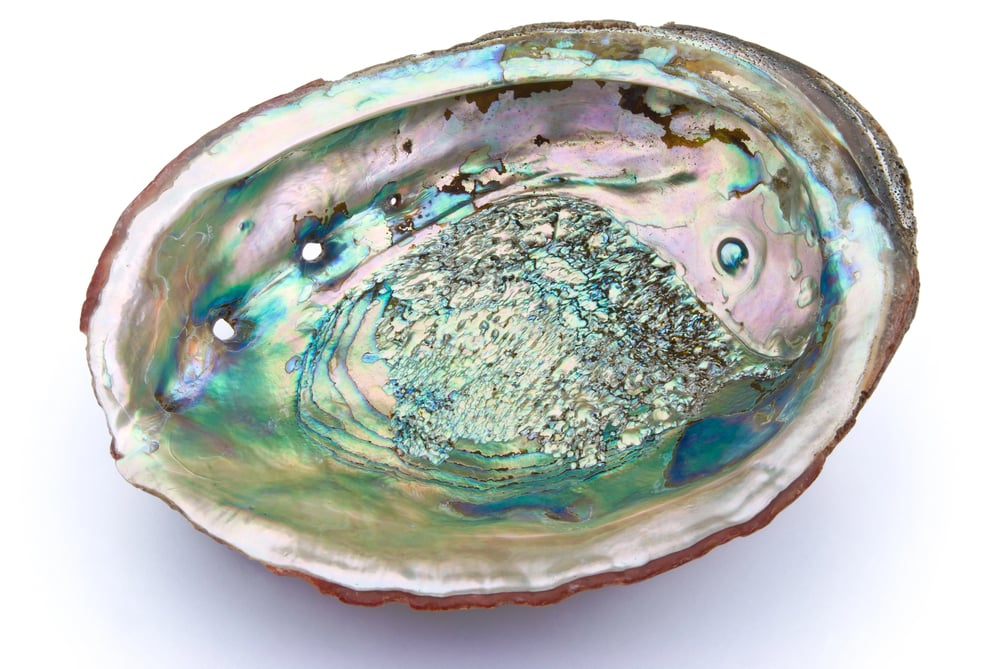
The inner surface of abalone shells shimmers with blues, greens, and purples that catch light like oil on water. California’s native peoples prized these shells above almost all other trade goods.
The shells came from dangerous coastal diving, which added to their value. Divers free-dove to pry abalone from rocks in cold, turbulent water.
The shells then traveled through trade networks extending from the Pacific coast deep into the interior Southwest. Desert-dwelling groups treasured them as exotic luxuries worth substantial payment in other goods.
The shells appeared in jewelry, ceremonial objects, and as decorative inlay on other items. A person wearing abalone shell jewelry displayed their wealth and connections.
The shells’ brilliant colors made them stand out, ensuring everyone noticed the wearer’s status. Some groups believed the shells carried spiritual power linked to the ocean.
This added religious significance to their material worth. They became symbols of prestige and cultural identity.
When Things Become Value

Shells show how money’s just what folks decide matters. A cowrie doesn’t scream cash, same as plain paper.
People picked them because they were easy to carry, tough, nice-looking, and also hard to find enough to keep things valuable. Across places, unrelated groups used shells since they made trading stuff simpler.
The fall of shell cash lines up with the rise of metal coins or government-backed paper notes. Yet shells haven’t vanished from how people see value.
Some still hunt for rare ones, spend big on flawless examples, yet turn them into ornaments. The urge to value stunning, hard-to-find bits of nature sticks around.
They just went from currency to treasured trinkets. It was an update in role, not a break from instinct.
More from Go2Tutors!

- The Romanov Crown Jewels and Their Tragic Fate
- 13 Historical Mysteries That Science Still Can’t Solve
- Famous Hoaxes That Fooled the World for Years
- 15 Child Stars with Tragic Adult Lives
- 16 Famous Jewelry Pieces in History
Like Go2Tutors’s content? Follow us on MSN



