Sports Teams That Changed Cities Overnight
Moving a city needs some thought. After packing comes organizing then letting folks know.
Yet pro teams do not always play by those rules. Whole squads can vanish fast, catching supporters off guard while towns rush to respond.
Those changes affect way more than timetables. They shift how folks see themselves.
Jerseys, mascots, even memories might disappear from a city then pop up in another all while you are sipping your first cup. Execs make calls behind closed doors, yet regular supporters get hit hardest when they check news and realize their squad’s moved.
The Colts Leave Baltimore in Moving Vans

The Baltimore Colts packed everything into Mayflower moving trucks on March 29, 1984. They left in the middle of the night.
Literally. The owner, Robert Irsay, decided that Indianapolis offered better terms, a new stadium, better finances, more stability.
Baltimore got no warning. Fans woke up to empty facilities and a loophole in their sports landscape.
The city tried to stop it. Maryland legislators worked through the night attempting to seize the team through eminent domain.
But the trucks crossed state lines before any legal action stuck. By morning, Baltimore had no NFL team, and Indianapolis had inherited one complete with a championship legacy.
The Rams Abandon Los Angeles

The Los Angeles Rams moved to St. Louis in 1995, and nobody saw it coming. LA is the second largest market in America.
Why would a team leave? The stadium situation fell apart.
The Rams wanted upgrades to the Los Angeles Memorial Coliseum, and the city could not deliver what owner Georgia Frontiere wanted. St. Louis offered a brand new domed stadium.
The city emptied its pockets to bring professional football back after losing the Cardinals. One day, Los Angeles had two NFL teams.
The next, it had none. The Rams took everything, history, identity, legacy, and drove east.
Cleveland Loses the Browns

Art Modell announced his intention to move the Cleveland Browns to Baltimore on November 6, 1995. The news hit Cleveland like a sledgehammer.
This team had existed since 1946. It represented the city’s working class identity.
Modell wanted a new stadium, and Baltimore offered exactly that, plus financial incentives Cleveland could not match. The move sparked lawsuits, protests, and genuine grief.
Cleveland fans organized boycotts and campaigns to keep the team. Eventually, the NFL worked out a deal allowing Cleveland to keep the Browns name, colors, and history.
But that did not change the fact that the team itself, the players, coaches, and staff, went to Baltimore and became the Ravens.
The Supersonics Disappear From Seattle

Seattle lost the SuperSonics in 2008. The team moved to Oklahoma City after 41 years in the Pacific Northwest.
Owner Clay Bennett bought the team in 2006, and within two years, he relocated it. He claimed Seattle would not fund a new arena.
Seattle argued he never negotiated in good faith. The departure gutted Seattle’s basketball culture.
The Sonics had won a championship, produced Hall of Famers, and built generations of fans. Oklahoma City got an instant NBA team, complete with young stars Kevin Durant and Russell Westbrook.
Seattle got promises about maybe getting a team back someday.
The Nordiques Move to Colorado

The Quebec Nordiques relocated to Denver in 1995, becoming the Colorado Avalanche. The move happened fast.
Quebec City could not build a new arena. The Canadian dollar weakened against the American dollar, making operations expensive.
The small market could not compete financially with American cities. COMSAT Entertainment Group bought the team and immediately moved it.
Quebec lost not just a hockey team but a cultural institution. French Canadian identity wrapped itself around the Nordiques.
Denver celebrated, especially when the Avalanche won the Stanley Cup in their first season. Quebec still does not have an NHL team.
The Oilers Head to Tennessee

The Houston Oilers announced their move to Tennessee in 1996. The team spent decades in Houston, building a loyal following and producing legendary players.
But owner Bud Adams wanted a new stadium. Houston balked at the cost.
Nashville stepped in with funding and enthusiasm. The transition took time.
The team spent years playing in Memphis and using a college stadium before settling into Nashville. But the damage to Houston happened immediately.
The city lost its football identity overnight. Adams took everything, including the team name initially, though he later changed it to the Tennessee Titans.
The Expos Become the Nationals
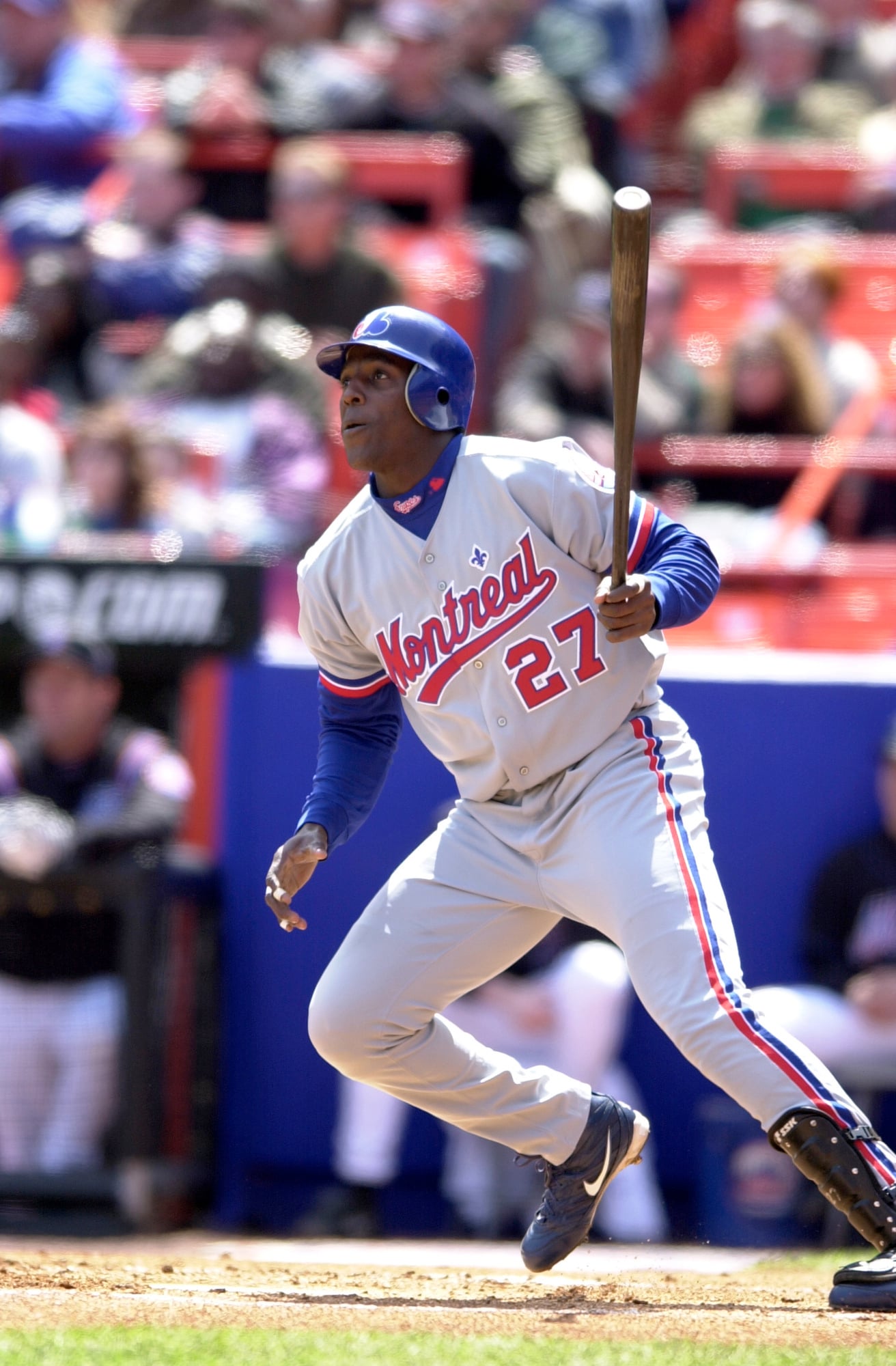
The Montreal Expos moved to Washington, D.C., after the 2004 season. Baseball in Montreal died slowly, but the final move happened quickly.
Attendance dropped. The franchise struggled financially.
Major League Baseball took over ownership, and Commissioner Bud Selig orchestrated the relocation. Montreal had supported baseball since 1969.
The Expos developed stars, built a passionate bilingual fanbase, and represented Canadian baseball. Washington got its team back after 33 years without one.
Montreal got nothing but memories and the occasional exhibition game.
The Thrashers Fly to Winnipeg

Atlanta lost its second NHL team when the Thrashers relocated to Winnipeg in 2011. The franchise lasted just 12 years in Atlanta.
Attendance sagged. The ownership group focused on their NBA team instead.
True North Sports and Entertainment bought the team and immediately moved it north. The relocation happened between playoff seasons.
One spring, Atlanta had hockey. By fall, Winnipeg had reclaimed the Jets name and brought NHL hockey back to Canada.
Atlanta had proven twice that it could not sustain hockey. Winnipeg celebrated like it had won a championship.
The Raiders Leave Oakland (Twice)

Oakland lost the Raiders twice. First, they moved to Los Angeles in 1982.
Then they returned in 1995. Then they left again for Las Vegas in 2020.
The final move hurt the most because fans thought they had secured the team permanently after getting them back once. Al Davis, and later his son Mark, fought with Oakland over stadium issues for years.
Las Vegas offered a gleaming new stadium and a fresh market. Oakland offered memories and loyalty.
The team chose the former. The city that created the Raiders’ outlaw image got abandoned twice.
The Jets Abandon Winnipeg (Before Returning)

The original Winnipeg Jets moved to Phoenix in 1996, becoming the Coyotes. Small market economics killed hockey in Winnipeg.
The team could not compete financially with American franchises. Barry Shenkarow sold to Richard Burke and Steven Gluckstern, who immediately relocated the team.
Winnipeg lost 17 years of hockey history. The city mourned.
Players like Teemu Selanne built their legacies there. The Coyotes struggled for years in the desert, never quite fitting in Phoenix.
Meanwhile, Winnipeg waited, hoping for hockey’s return, which eventually came when Atlanta’s franchise moved north in 2011.
The Whalers Abandon Hartford
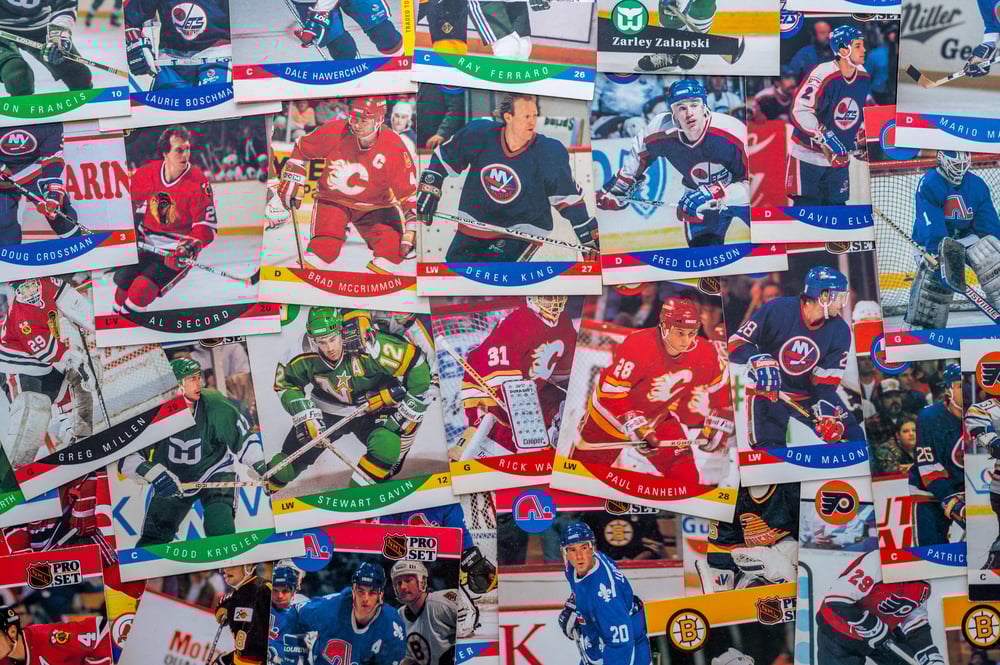
The Hartford Whalers moved to Raleigh, North Carolina, in 1997, becoming the Carolina Hurricanes. Hartford had supported the team since 1979.
The arena was outdated. The market was small.
Owner Peter Karmanos bought the team and moved it within two years. Connecticut lost its only major professional sports franchise.
The Whalers had built a devoted following despite never winning a championship. The logo became iconic.
The goal song became legendary. Raleigh got a team that won the Stanley Cup in 2006.
Hartford got nothing but nostalgia and vintage jerseys.
The Chargers Ditch San Diego

The San Diego Chargers announced their move to Los Angeles in January 2017. Dean Spanos wanted a new stadium.
San Diego held a referendum in November 2016. Voters rejected public funding.
Rather than negotiate further, Spanos announced the relocation on January 12, 2017, moving the team to LA for the 2017 season, where the Rams had returned the previous year. San Diego had supported the Chargers since 1961.
The team defined the city’s sports identity. LA barely noticed the Chargers arrival.
They played in a small soccer stadium for years before moving into SoFi Stadium as tenants to the Rams. San Diego fans felt betrayed.
Many still have not forgiven the franchise.
The Warriors Move Across the Bay

The Golden State Warriors relocated from Oakland to San Francisco in 2019. This was not a traditional city to city move since both cities exist in the same metro area.
But to Oakland residents, it felt like abandonment. The team built a dynasty in Oakland, winning three championships between 2015 and 2018.
Then they moved to the Chase Center in San Francisco, a gleaming arena in Mission Bay. Ticket prices jumped.
The atmosphere changed. Oakland lost not just a team but the cultural centerpiece of its downtown.
San Francisco gained a team that many locals could not afford to watch in person.
When Geography Stops Mattering

These actions show where true loyalty lies. While supporters pour heart, cash, time into clubs, bosses focus on earnings and arena contracts.
Once numbers fail, relocations happen. Cities are not just losing fun, they are shedding who they are.
Gone too is their past, piece by piece. The moments people once lived through together? Also vanishing.
Franchises pack up, heading elsewhere, trading loyal crowds for eager newcomers making different connections, leaving behind confusion instead of closure. The quick move hits fans hard.
Yet they should know what is coming, see the truth, or at least feel valued. Most times, none of that happens.
Clubs disappear overnight, sparking rage and quiet stadiums. Those still around pick up one bitter takeaway from pro games, loyalty does not stop change, even when your heart is fully in.
More from Go2Tutors!

- The Romanov Crown Jewels and Their Tragic Fate
- 13 Historical Mysteries That Science Still Can’t Solve
- Famous Hoaxes That Fooled the World for Years
- 15 Child Stars with Tragic Adult Lives
- 16 Famous Jewelry Pieces in History
Like Go2Tutors’s content? Follow us on MSN.