Facts About Salvador Dali and His Art
Salvador Dalí remains one of the most recognizable figures in art history, his upturned mustache and flamboyant personality almost as famous as his melting clocks. But behind the theatrical persona and surreal imagery lies a complex artist whose work transformed how we think about dreams, reality, and the unconscious mind.
His paintings don’t just hang on museum walls — they’ve seeped into popular culture, advertising, and our collective visual vocabulary in ways that would have delighted the master showman himself.
His Mustache Was Inspired by Diego Velázquez
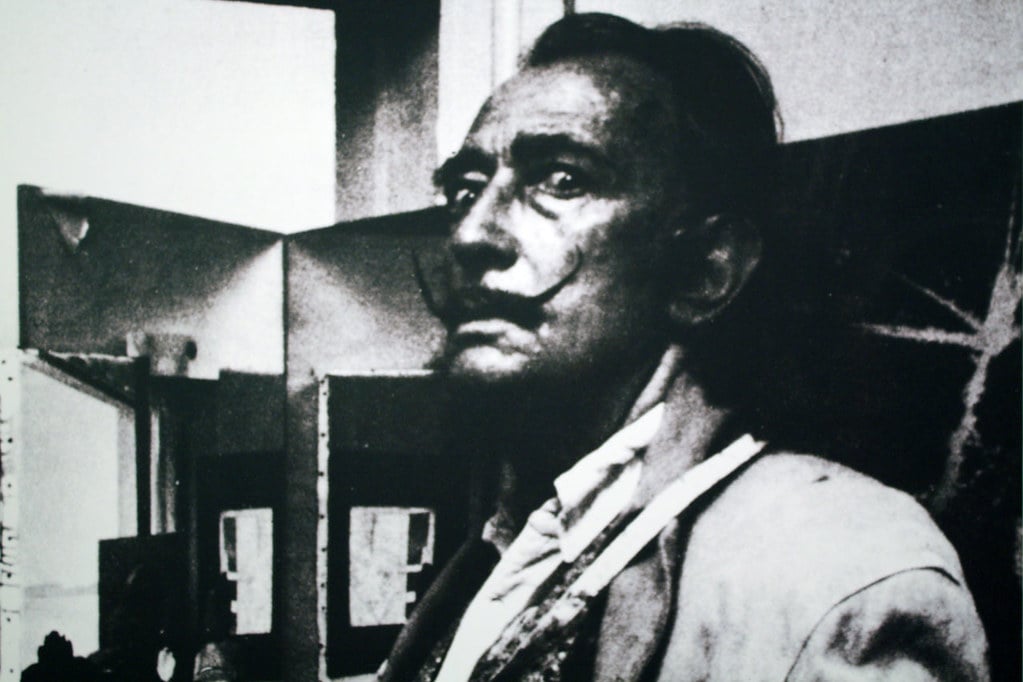
Dalí’s iconic mustache wasn’t just vanity. He modeled it after the facial hair of 17th-century Spanish master Diego Velázquez, whose work he deeply admired.
The mustache became part performance art, part homage to classical Spanish painting. Dalí waxed it into precise upward curves and claimed it was his antenna for receiving artistic inspiration.
The Persistence of Memory Came from Melted Cheese
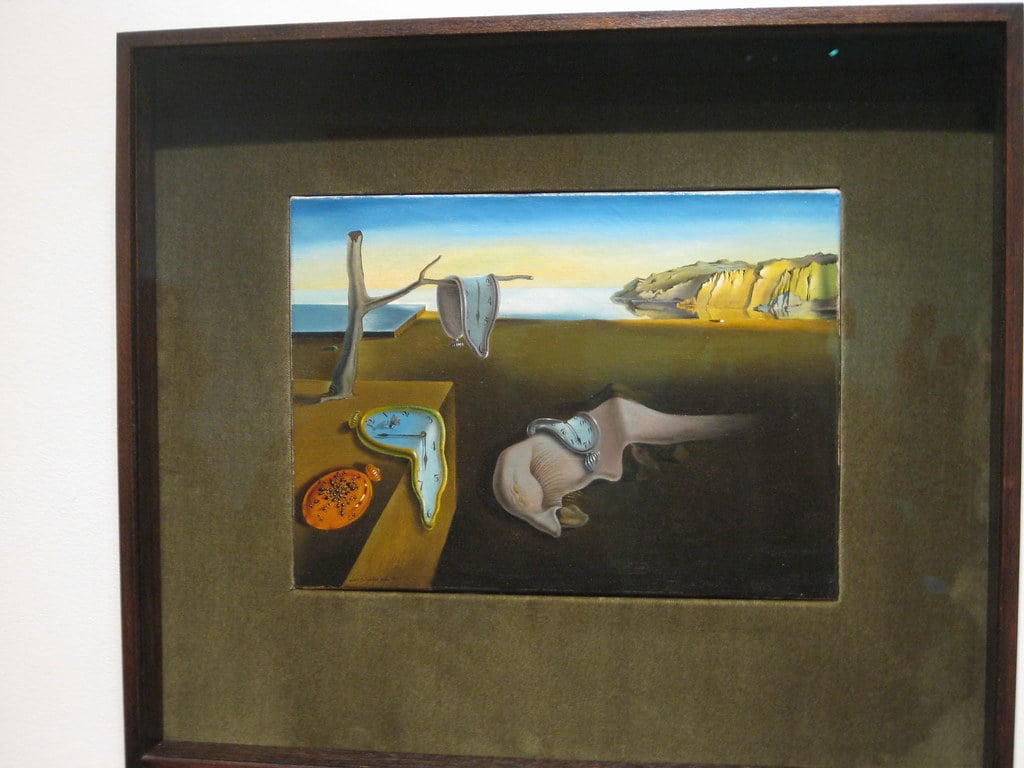
The famous melting clocks in “The Persistence of Memory” weren’t born from some profound meditation on time (though that interpretation works fine). Dalí got the idea while watching Camembert cheese melt in the Spanish sun after a dinner party.
He painted the masterpiece the very next morning in 1931, completing it in just a few hours. Sometimes genius is that simple.
He Was Kicked Out of Art School Twice
Dalí’s relationship with formal education was complicated, to put it mildly — and this might be putting the most charitable spin on what was essentially academic rebellion wrapped in adolescent arrogance. He was first expelled from the Royal Academy of Fine Arts in Madrid in 1923 for inciting student unrest, then allowed back, only to be kicked out permanently in 1926.
The final straw came when he declared that none of his professors were competent enough to examine him (which, to be fair, might have been accurate, but timing and tact were never Dalí’s strong suits). And yet this rejection from traditional academic circles freed him to develop the techniques that would make him famous, because sometimes the best thing an institution can do for a genuine original is to get out of their way completely.
Gala Was His Muse and Business Manager
Like finding the other half of a conversation you didn’t know you were having, Dalí’s meeting with Gala Éluard changed everything about how he worked and who he became. She was married to poet Paul Éluard when they met, but became Dalí’s lover, model, and eventually his wife.
More than just romantic inspiration, Gala managed his career with shrewd business sense. She negotiated his contracts, organized his exhibitions, and protected his time for painting.
Their relationship was unconventional — she had affairs, he painted her obsessively — but it lasted until her death in 1982.
He Designed the Chupa Chups Logo
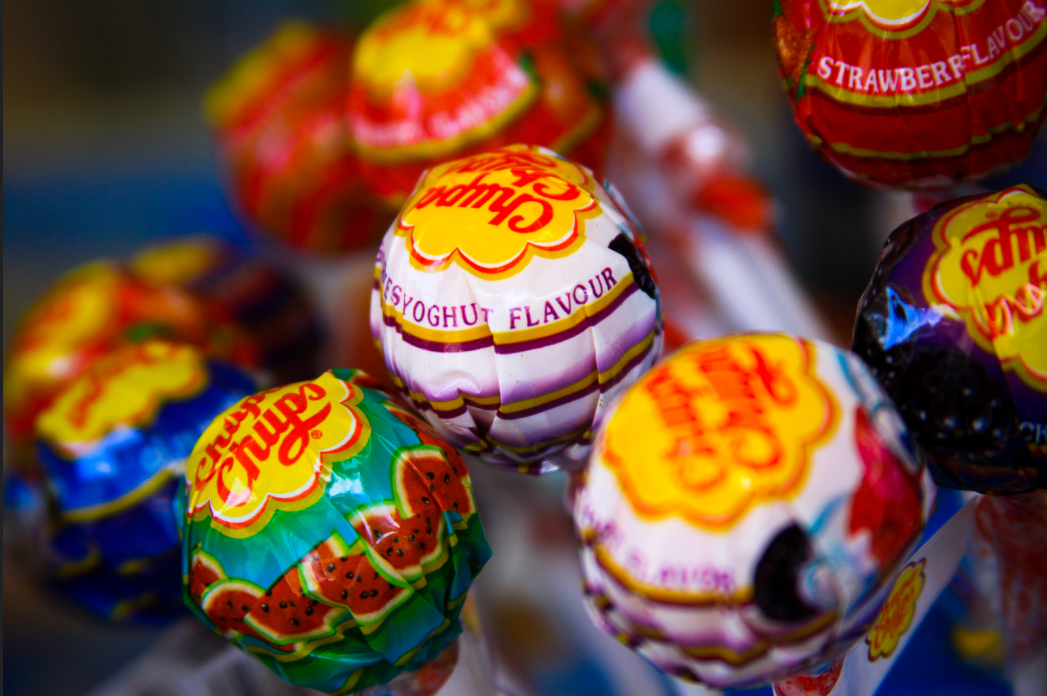
Dalí created the distinctive daisy logo for Chupa Chups lollipops in 1969. The Spanish confectionery company approached him for a design that would stand out on store shelves.
His solution was elegantly simple: place the logo on top of the lollipop instead of the side, so it would always be visible. The design has remained virtually unchanged for over 50 years.
Surrealism meets candy marketing.
His Paranoid-Critical Method Was Pseudo-Scientific
Dalí developed what he called the “paranoid-critical method” as his approach to accessing the unconscious mind. Unlike automatic drawing or other Surrealist techniques, Dalí’s method involved entering a state of systematic paranoid delusion while remaining rational enough to record what he saw.
He claimed this allowed him to see multiple images within the same visual field — like the hidden faces in “Metamorphosis of Narcissus.” Whether this was genuine psychological technique or elaborate artistic marketing depends on how seriously you take Dalí’s pronouncements about his own genius.
He Once Gave a Lecture in a Diving Suit

Picture this: you’re at the 1936 International Surrealist Exhibition in London, and the star speaker arrives wearing a full diving suit, complete with helmet, claiming it will allow him to “plunge deeply into the human subconscious.” This was vintage Dalí — part performance art, part publicity stunt, part genuine artistic statement about exploring hidden depths of the psyche.
The stunt nearly killed him when he began suffocating inside the helmet and had to be rescued mid-lecture, but that’s what happens when metaphor meets reality without proper safety precautions (and yet, somehow, this near-death experience only enhanced his reputation for dramatic flair).
Walt Disney Collaborated with Him on a Film

In the 1940s, Dalí and Walt Disney worked together on an animated short called “Destino.” The project combined Disney’s animation techniques with Dalí’s surreal imagery — dancing figures, morphing landscapes, and impossible architectural spaces.
Disney shelved the project due to financial constraints, but it was finally completed in 2003 using Dalí’s original storyboards and paintings. The six-minute film feels like stepping inside one of his paintings.
He Painted with Mathematical Precision
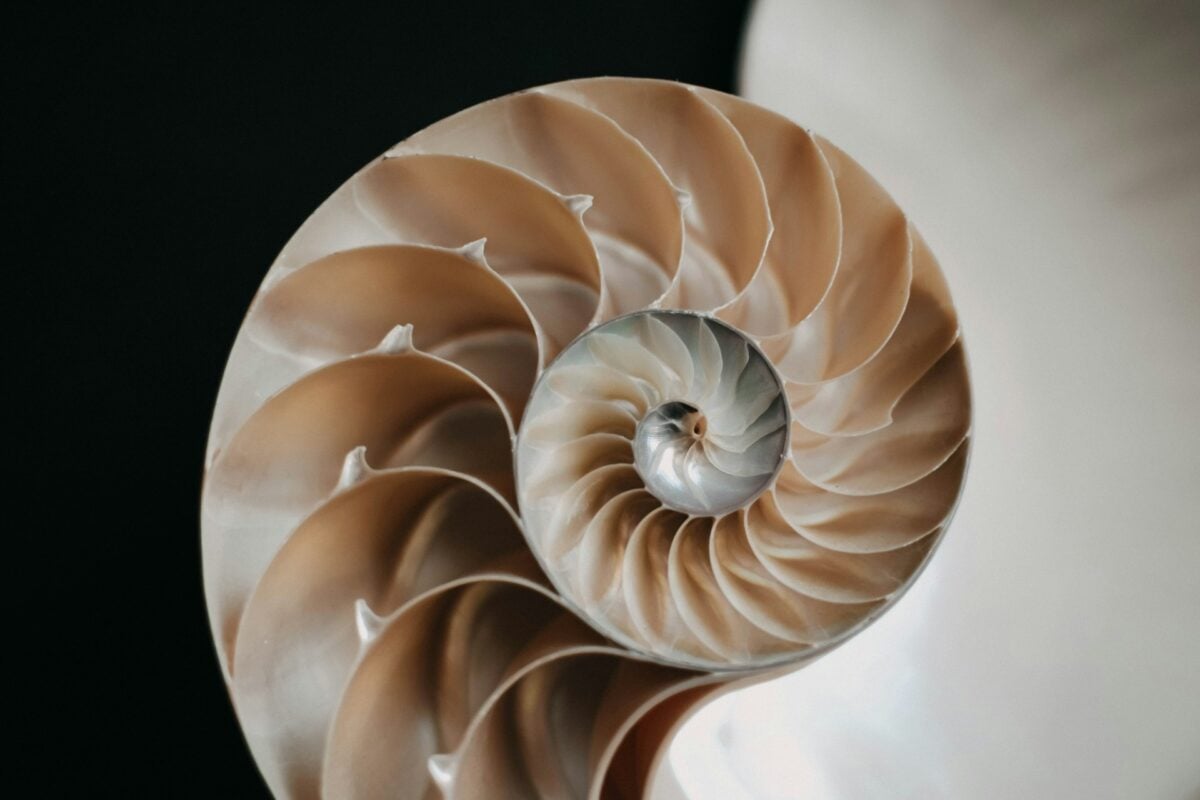
Dalí wasn’t just throwing paint at canvas and hoping for the best. His later works incorporated mathematical concepts, particularly the golden ratio and geometric forms.
“Leda Atomica” and “The Sacrament of the Last Supper” use precise mathematical proportions in their composition. He studied rhinoceros horns, DNA helixes, and atomic structure, incorporating these forms into his religious and mythological paintings.
Science and surrealism turned out to be natural companions.
His Childhood Shaped His Artistic Obsessions
Before Dalí was born, his parents had another son named Salvador who died of gastroenteritis at 22 months old — and when the future artist arrived nine months later, they gave him the same name, creating a psychological landscape that would haunt and inspire his work for decades. His parents took him to his brother’s grave and told him he was his brother’s reincarnation, which explains the recurring themes of death, identity, and doubles throughout his paintings.
Add to this his complicated relationship with his domineering father and his adoration of his mother, and you have the psychological raw material for a lifetime of surreal exploration. The death motifs, the anxieties about identity, the obsession with decay and permanence — it all traces back to a childhood where he was simultaneously himself and a ghost.
He Created His Own Museum as His Final Artwork
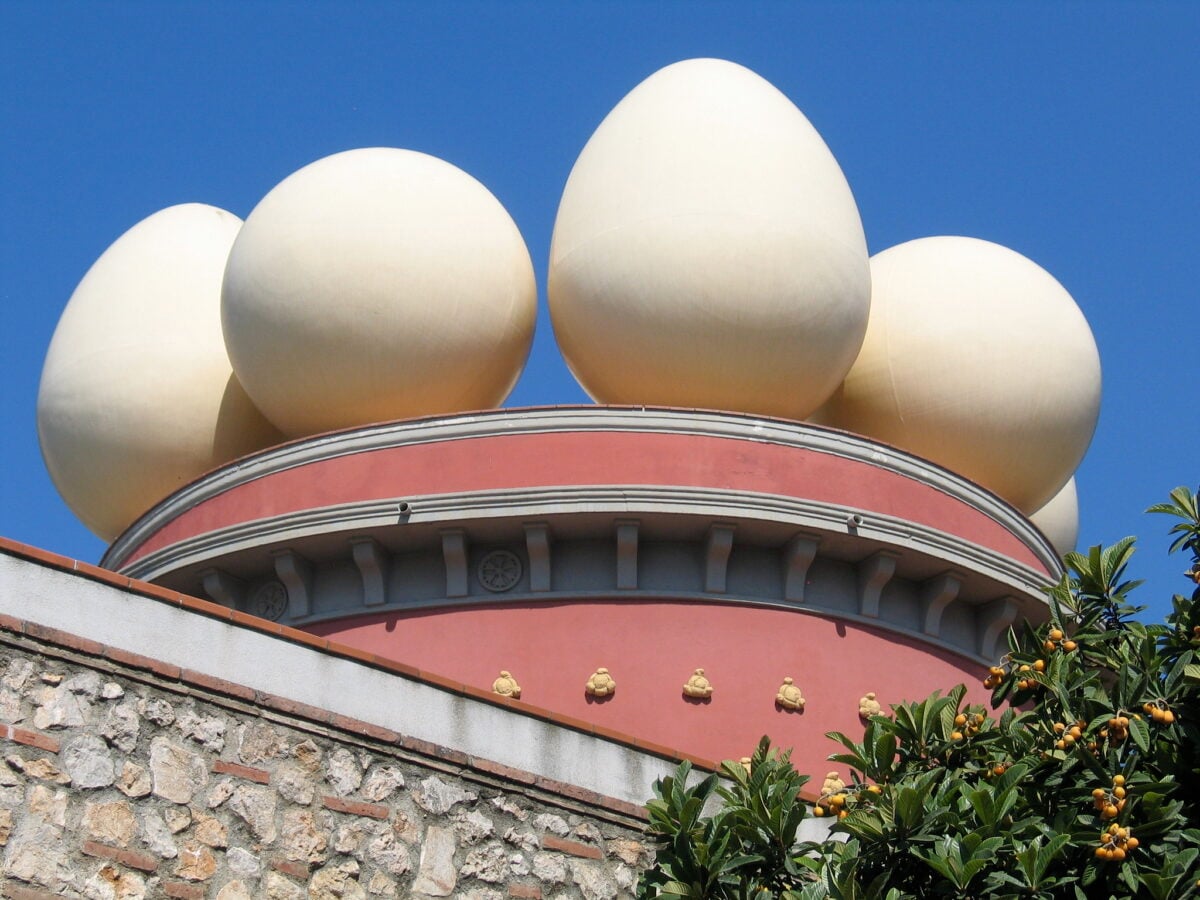
The Dalí Theatre-Museum in Figueres, Spain, was designed by the artist as his final masterpiece, its distinctive exterior crowned with a geodesic dome and giant eggs. He called it his greatest surreal object, filling it with his paintings, sculptures, and installations arranged according to his own theatrical vision.
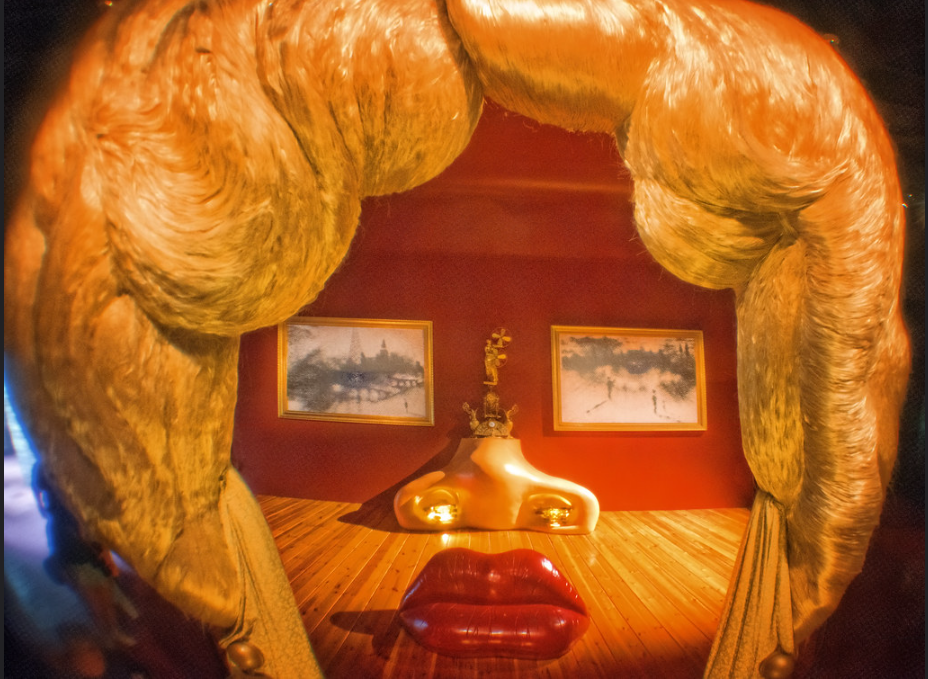
The interior features a room designed as Mae West’s face and a Cadillac that rains inside when you put in a coin. Dalí is buried within the museum, making it both artwork and mausoleum.
He Had a Phobia of Grasshoppers
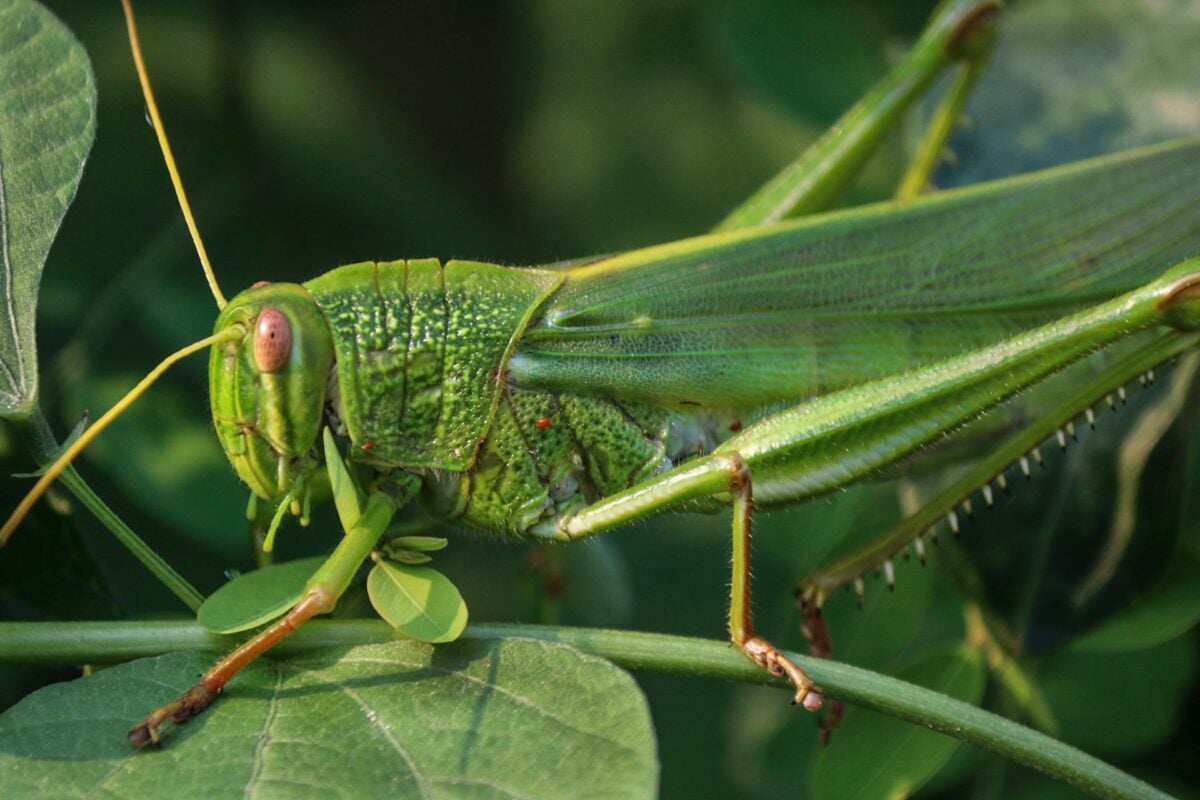
Despite painting insects frequently, Dalí was terrified of grasshoppers throughout his life. This phobia showed up in his work as symbols of death, decay, and anxiety.
In one of his art pieces, grasshoppers crawl across faces in disturbing detail. He traced this fear to a childhood incident when classmates threw a dead grasshopper at him.
The terror stuck, but he transformed it into artistic power.
Money Was as Important as Art to Him

Dalí made no apologies for loving money and fame as much as artistic expression. He once said, “The difference between me and the Surrealists is that I am a Surrealist.”
But he could have added that the difference was also commercial savvy. He signed blank papers for others to create fake “Dalí” prints, licensed his image for advertisements, and never met a publicity opportunity he didn’t like.
This annoyed the art establishment but made him wealthy and globally famous in ways few artists achieve during their lifetime.
Through the Looking Glass of Memory

Standing before a Dalí painting is like catching your reflection in a funhouse mirror — everything familiar becomes strange, yet somehow more true than the original. His art doesn’t just depict dreams; it teaches your eyes to see the world as if you’re always half-asleep, where clocks melt because time isn’t as solid as we pretend, and where the landscapes of the mind prove more vivid than anything outside the window.
Perhaps that’s the most enduring fact about Salvador Dalí: he didn’t just create surreal art, he made surrealism feel inevitable, as if reality had been waiting all along for someone to point out how strange it really was.
More from Go2Tutors!

- The Romanov Crown Jewels and Their Tragic Fate
- 13 Historical Mysteries That Science Still Can’t Solve
- Famous Hoaxes That Fooled the World for Years
- 15 Child Stars with Tragic Adult Lives
- 16 Famous Jewelry Pieces in History
Like Go2Tutors’s content? Follow us on MSN.