Celebrities Who Changed Fashion Forever
Fashion doesn’t exist in a vacuum. It shifts and morphs with the people who wear it, and some individuals do more than just follow trends—they create them.
These celebrities didn’t just dress well. They redefined what clothing could mean, who could wear what, and how personal style could become a form of expression that outlasts any single season.
Audrey Hepburn Made Simplicity Iconic
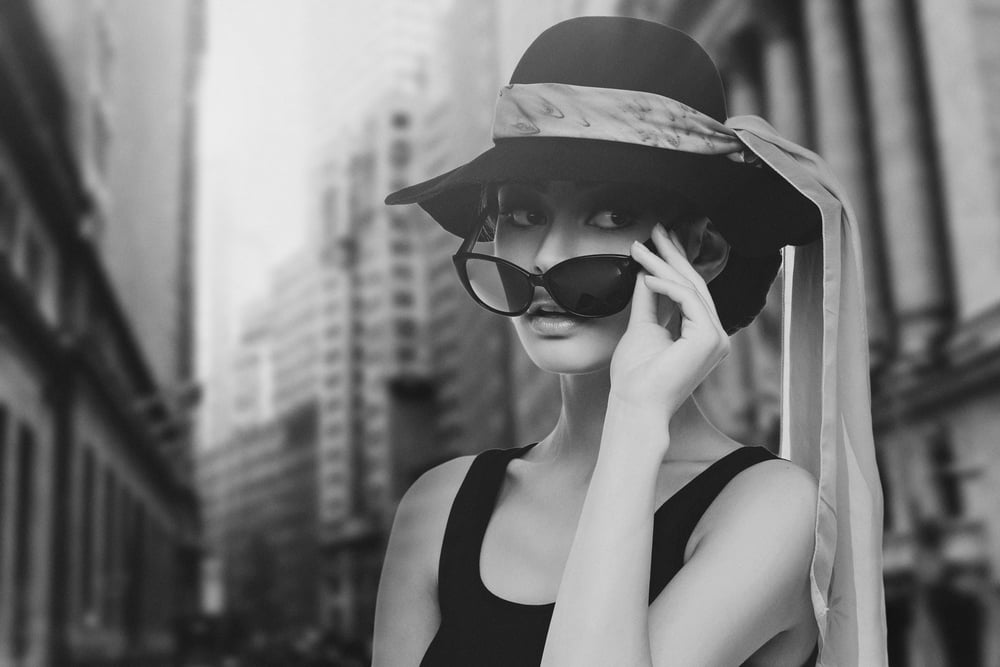
Hepburn turned the little black dress into a wardrobe staple. Before her, fashion leaned heavily on elaborate designs and excessive decoration.
She showed up in Givenchy’s clean lines and suddenly, less became more. That shift ripples through fashion today.
You see it in every minimalist collection, every classic silhouette that prioritizes elegance over excess. Her influence extended beyond clothing.
The ballet flats, the oversized sunglasses, the pixie cut—all of these became timeless because she wore them with confidence. She proved that style doesn’t require complexity.
Sometimes, the most powerful statement comes from knowing exactly what to leave out.
David Bowie Erased Gender Lines in Clothing

Bowie wore makeup. He wore platform boots and glittering jumpsuits.
He presented himself as Ziggy Stardust and challenged every assumption about what men could wear. The 1970s weren’t ready for it, but fashion evolved because of it.
His androgynous style opened doors that designers are still walking through. Today’s gender-fluid fashion owes everything to Bowie’s willingness to ignore boundaries that most people accepted without question.
He treated clothing as art and his body as the canvas.
Madonna Turned Controversy into Style

Madonna made underwear outerwear. She wore cone bras on stage and made religious imagery part of her wardrobe.
Each era of her career brought a complete reinvention, and fashion followed her lead every time. She understood something that many celebrities miss—shock value needs substance behind it.
Her provocative choices weren’t random. They pushed conversations about female autonomy and power into mainstream culture.
Fashion became her medium for social commentary, and it worked.
Princess Diana Brought Humanity to High Fashion

Diana wore designers, but she also wore relatability. She’d show up to formal events in stunning gowns, then appear at a charity function in jeans and a sweater.
That duality changed how royalty presented itself. Her “revenge dress”—that black Christina Stambolian number she wore the night Charles admitted his affair—became one of fashion’s most discussed moments.
She proved that clothing choices communicate messages beyond aesthetics. Fashion became a personal narrative in her hands.
She also championed British designers when she could have easily relied on Parisian houses. That support helped establish London as a serious fashion capital.
Her influence extended beyond what she wore to how she used fashion as a tool for connection and statement-making.
Kurt Cobain Made Grunge Acceptable

Cobain wore thrift store flannel and ripped jeans because that’s what he had. Then everyone wanted to look like they shopped at thrift stores.
Fashion houses tried to recreate that authenticity, which created this strange paradox—high fashion mimicking low fashion, expensive clothing designed to look cheap. His disheveled aesthetic rejected the polished glam rock that dominated the 1980s.
That rejection resonated with people who felt disconnected from mainstream culture. Suddenly, not caring about fashion became its own fashion statement.
Comfort and authenticity mattered more than looking put together.
Rihanna Owns Every Style She Touches

Rihanna doesn’t follow trends. She sets them, then moves on before anyone catches up.
From her Met Gala appearances to her Fenty brand, she’s redefined what celebrity fashion influence looks like in the modern era. She mixes high fashion with streetwear, vintage with avant-garde, and somehow makes it all work.
Her Fenty line changed the beauty industry by offering 40 foundation shades at launch. That inclusivity became the new standard.
Other brands scrambled to catch up because she proved that diversity isn’t just ethical—it’s profitable. She applied that same thinking to her fashion ventures, creating pieces that work for different body types and personal styles.
Harry Styles Brought Back Fashion Risk-Taking
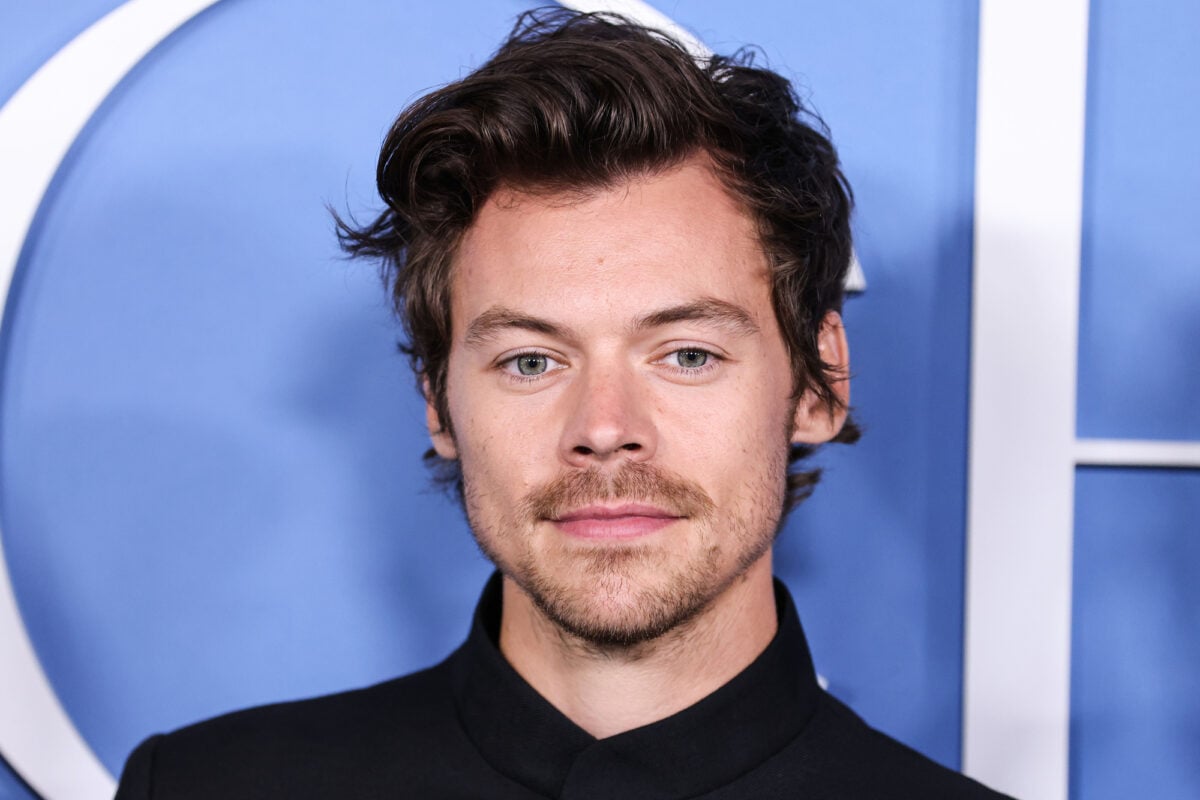
Styles wears dresses on magazine covers. He shows up in pearls and pink suits.
He treats fashion as play rather than armor, and that approach feels refreshing in an era where celebrity style often defaults to safe choices. His willingness to experiment has inspired men to take more risks with their wardrobes.
The boundaries around menswear keep expanding because he keeps pushing them. He makes traditionally feminine elements feel natural in men’s fashion, not because he’s trying to make a statement, but because he genuinely likes how they look.
Marilyn Monroe Created the Bombshell Blueprint

Monroe understood her image completely. The platinum blonde hair, the red lips, the figure-hugging dresses—all calculated to create a specific effect.
She became the template for Hollywood glamour that designers still reference decades later. That white dress flying up over the subway grate became one of fashion’s most recognized images.
She proved that a single moment could define style for generations. Her influence shows up in every red carpet gown designed to photograph well, every calculated hair color choice, every piece of clothing selected for its ability to create an iconic image.
James Dean Perfected Casual Cool

Dean made the white t-shirt and jeans uniform look like rebellion. Before him, that combination meant working class.
He wore it and suddenly it meant youth, danger, and freedom. The leather jacket became synonymous with outsider status because he wore it that way.
His style was minimal—almost boring by today’s standards. But the attitude behind it changed everything.
He showed that how you wear something matters more than what you wear. That legacy lives in every piece of basic clothing marketed as essential, every brand built around the idea of effortless cool.
Grace Jones Redefined What Fashion Could Be
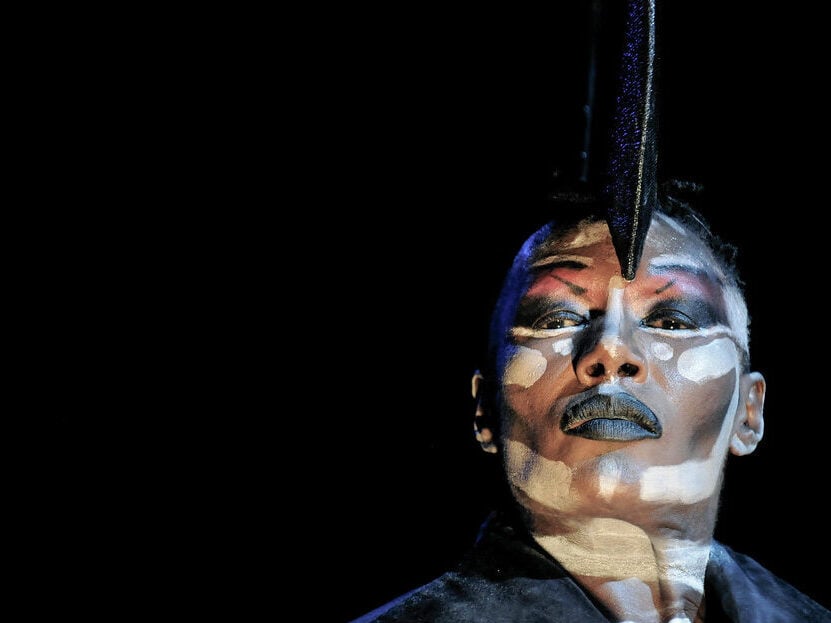
Jones treated her appearance like performance art. The angular suits, the flat-top haircut, the dramatic makeup—all of it challenged conventional beauty standards in ways that fashion still processes.
She didn’t fit existing categories, so she created her own. Her collaborations with designers like Jean-Paul Gaultier pushed fashion into new territory.
She proved that intimidating could be attractive, that severe lines could be beautiful, that fashion didn’t need to soften itself to appeal to mainstream tastes. The avant-garde fashion you see today owes much to her refusal to conform.
Lady Gaga Used Fashion as Theater
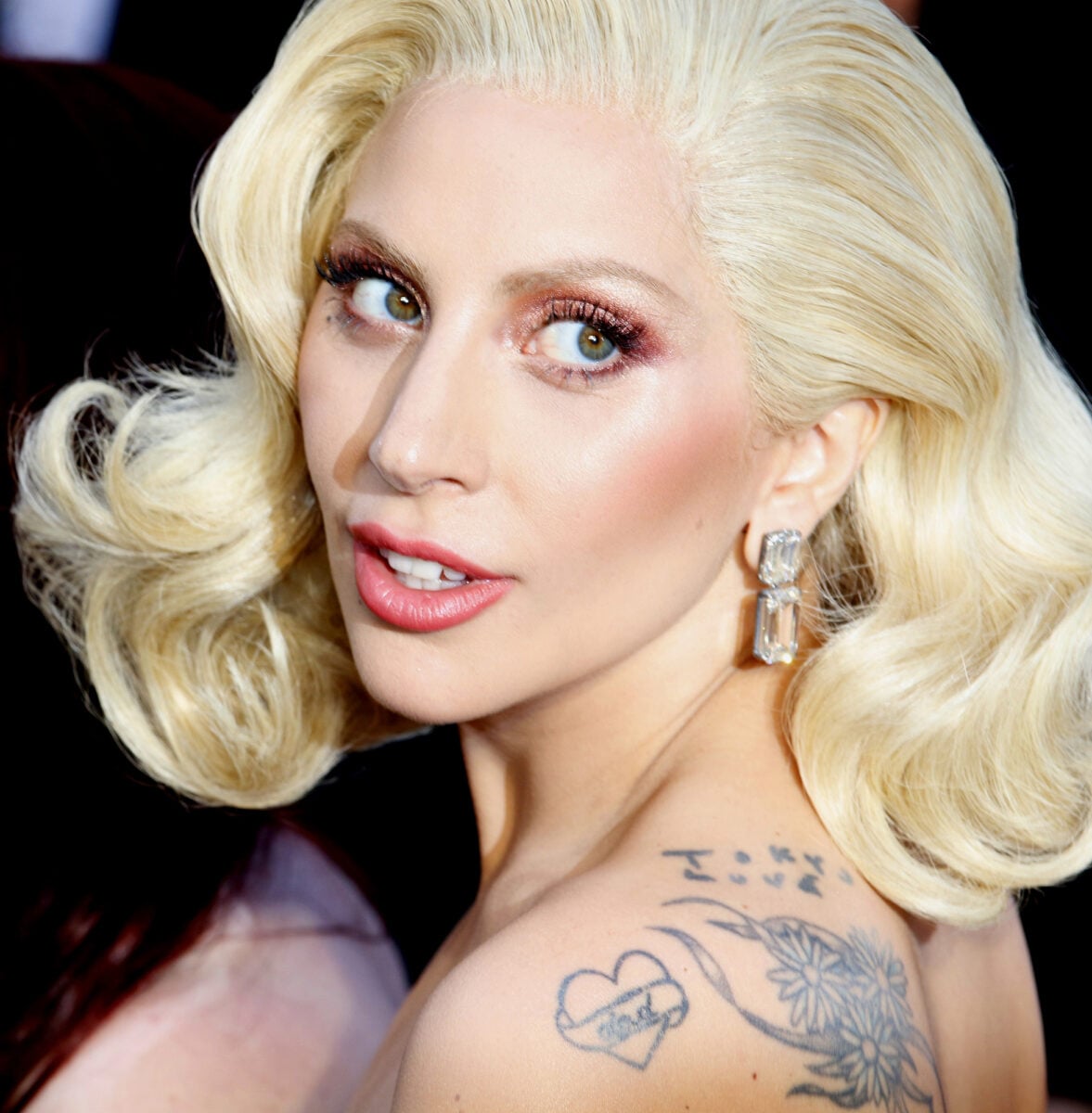
Gaga showed up to the VMAs in a dress made of raw meat. She wore impossible heels and elaborate headpieces to run errands.
She treated every public appearance as an opportunity for fashion spectacle, and that commitment changed celebrity style expectations. Before Gaga, most pop stars cycled through looks created by stylists.
She approached fashion as part of her artistic identity. That meat dress sparked conversations about animal rights, fashion as art, and the limits of shock value.
Whether people loved or hated her choices, they paid attention. She made fashion coverage essential entertainment rather than optional sidebar content.
Tupac Brought Street Style to Mainstream Recognition
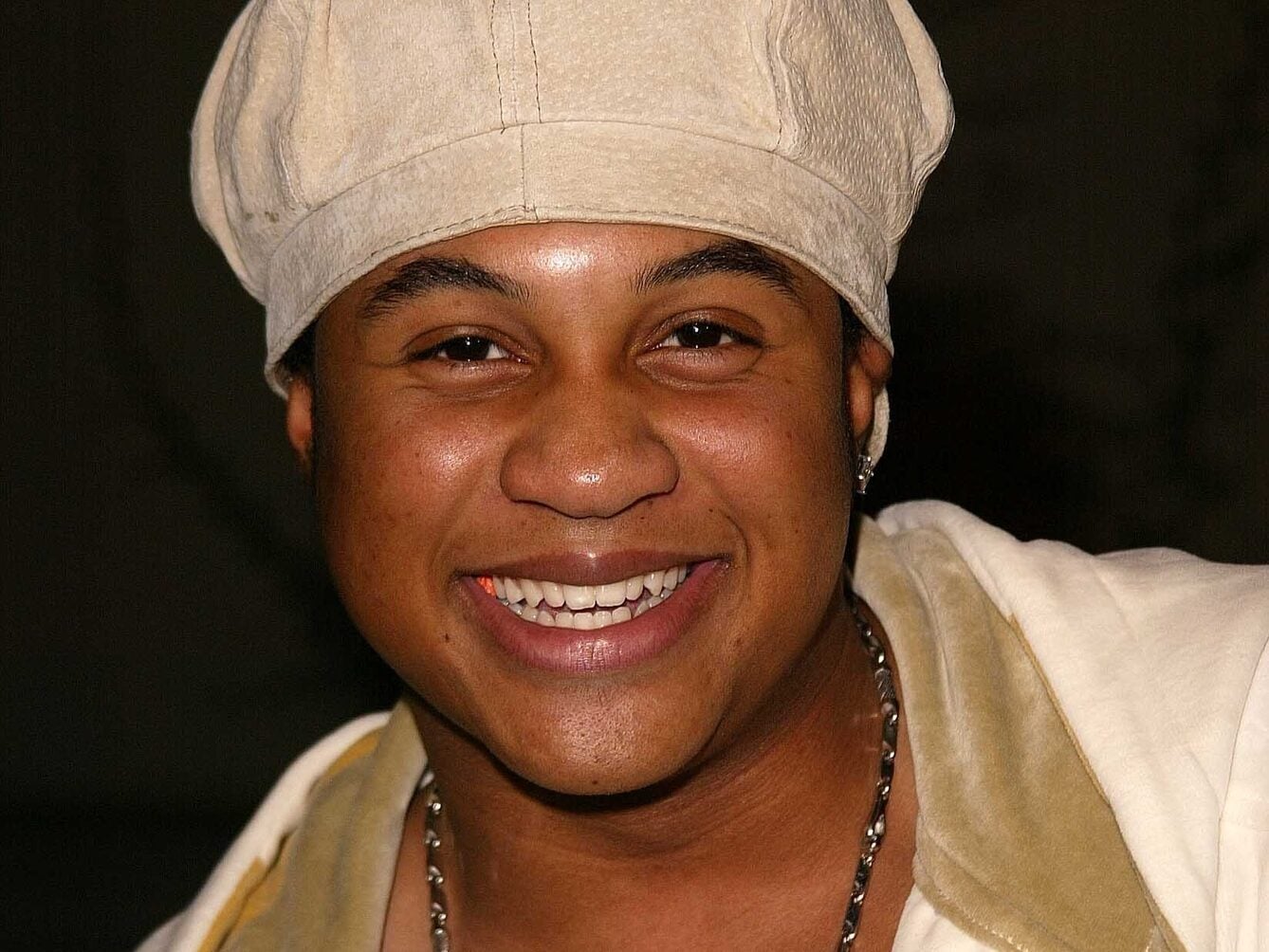
Tupac wore bandanas, baggy jeans, and Timberlands. He made hip-hop fashion visible in spaces that had largely ignored it.
His style reflected his environment authentically, and that authenticity resonated far beyond his immediate audience. He understood that fashion could communicate identity and solidarity.
The way he dressed spoke to his community while also introducing that aesthetic to broader audiences. Luxury brands now collaborate with hip-hop artists regularly, but Tupac helped establish that crossover when it wasn’t yet commonplace.
Kate Moss Made Heroin Chic Happen
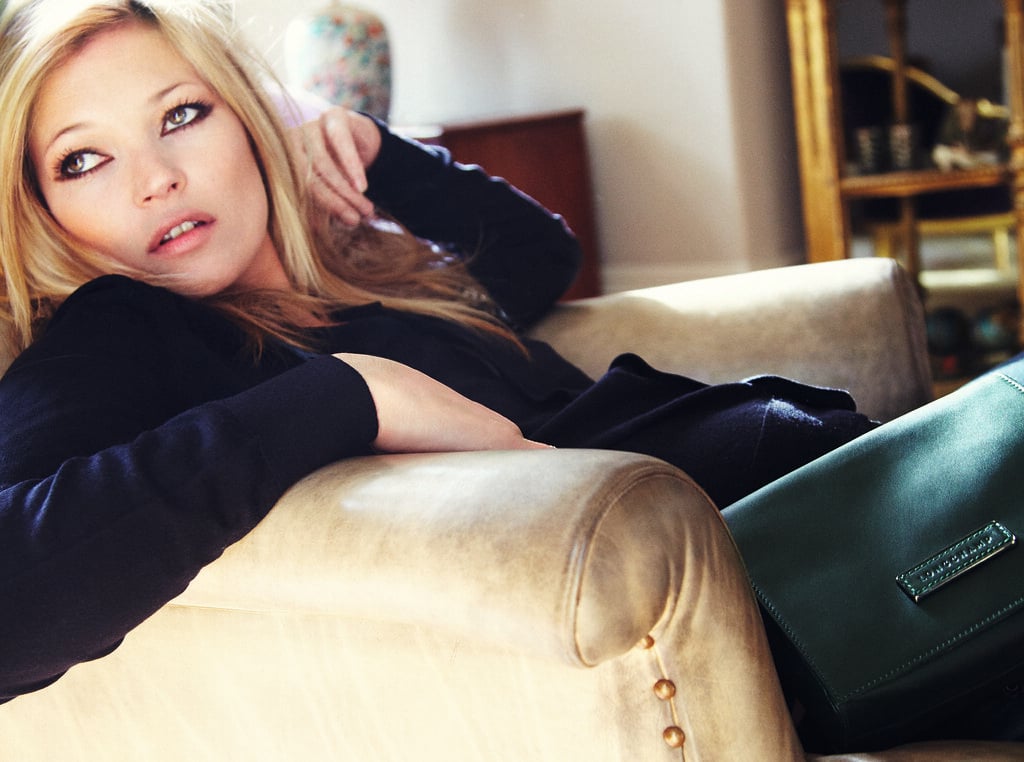
Back then, models were towering icons of polished perfection. Into that world stepped Moss, slight and ghostly where others shone bold.
Instead of power poses, she brought slouch and shadow. Slip dresses hung loose on her frame like afterthoughts.
Hair looked slept-in, not styled. Dark smudges under eyes suggested late nights or early mornings – no one asked.
Glamour had meant shine; now it whispered. The eighties loved loud statements.
This new look refused to shout. What started as talk around “heroin chic” opened doors to real questions on beauty standards, plus how fashion shapes them.
Still, Kate Moss did more than define one era. Over time, the scene swung back, showing how trends often ditch what they once praised too much.
That she remained central in a world quick to move on hints at her quiet shift across decades – always different, yet somehow unchanged.
When Fashion Becomes More Than Fabric

Something clicked for these stars – what we wear speaks. Not just fabric, but beliefs unfold through sleeves and seams.
Choices that stick around? They do not simply fit well.
A deeper truth hides in them, rooted in now yet reaching beyond. Moments freeze in a hemline, a color, an attitude worn like armor.
Each moment a rule gets questioned, you feel their mark. When designs go off the expected path, there they are again.
Style chosen over blending in? That is them too.
Movement in fashion does not happen on its own. It happens because some push further.
Further than others. Harder.
Always ahead.
More from Go2Tutors!

- The Romanov Crown Jewels and Their Tragic Fate
- 13 Historical Mysteries That Science Still Can’t Solve
- Famous Hoaxes That Fooled the World for Years
- 15 Child Stars with Tragic Adult Lives
- 16 Famous Jewelry Pieces in History
Like Go2Tutors’s content? Follow us on MSN.