15 Gadgets Everyone Owned in the 2000s That No Longer Exist
The 2000s were a peculiar time for technology. You carried three separate devices to do what your phone does now, burned CDs like your life depended on it, and somehow convinced yourself that a tiny screen was perfect for watching movies.
These gadgets felt revolutionary then — essential, even. Now they’re museum pieces, casualties of smartphones and streaming services that made them obsolete almost overnight.
IPods
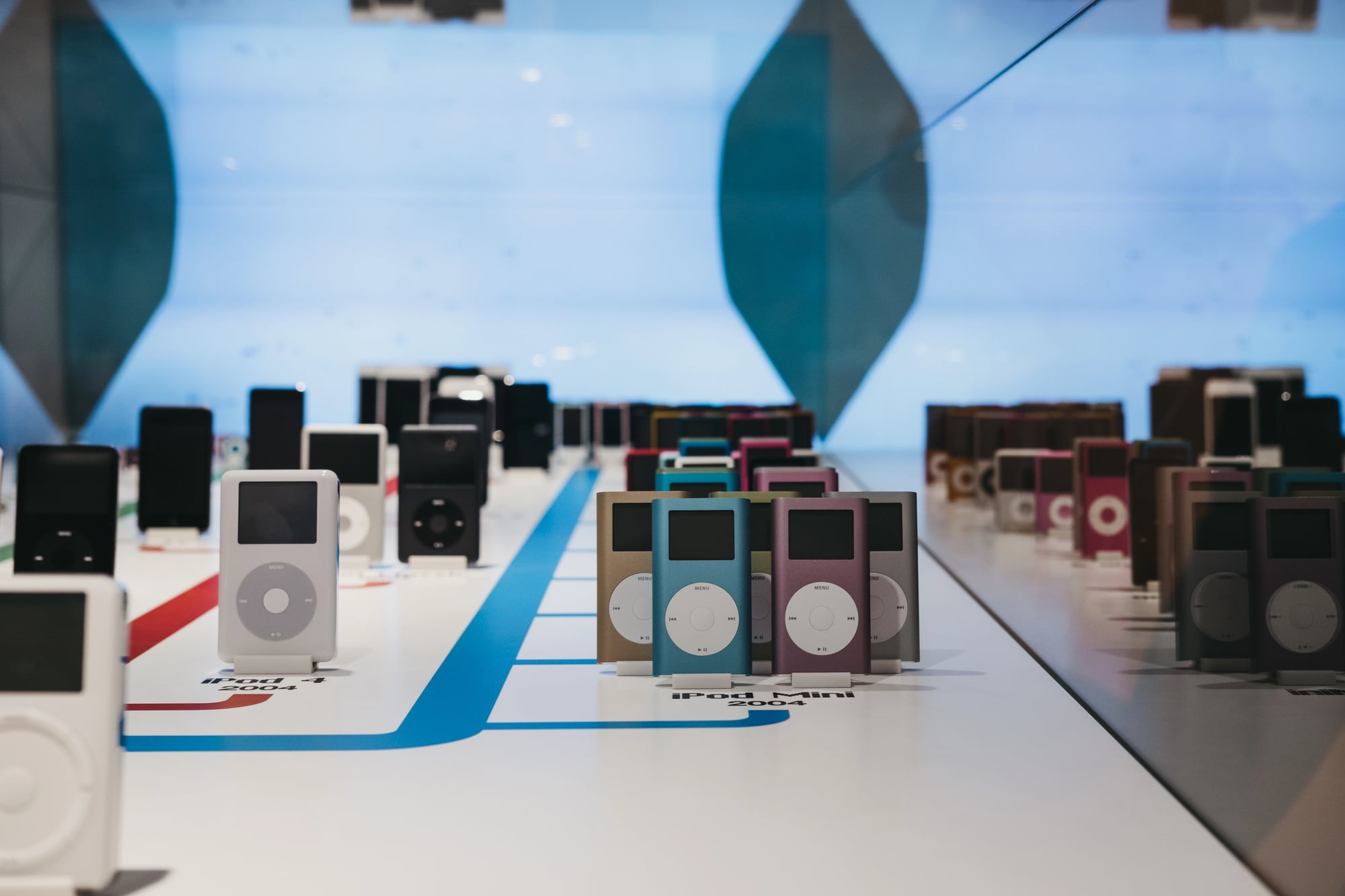
The iPod didn’t just change how people listened to music. It changed everything.
That click wheel, the white earbuds, the satisfying weight of holding 1,000 songs in your palm — it felt like magic in 2001, and honestly, it still does when you find one buried in a drawer somewhere. Apple killed the iPod Classic in 2014, but streaming services had already delivered the fatal blow years earlier.
Why carry a separate device when Spotify could live on your phone? The math was simple, even if letting go wasn’t.
(Some people still swear by their old iPods, claiming the sound quality was better, which may or may not be nostalgia talking.) But here’s the thing about the iPod: it taught an entire generation that technology could be beautiful, intuitive, and personal all at once — lessons that every device since has tried to replicate.
Digital Cameras
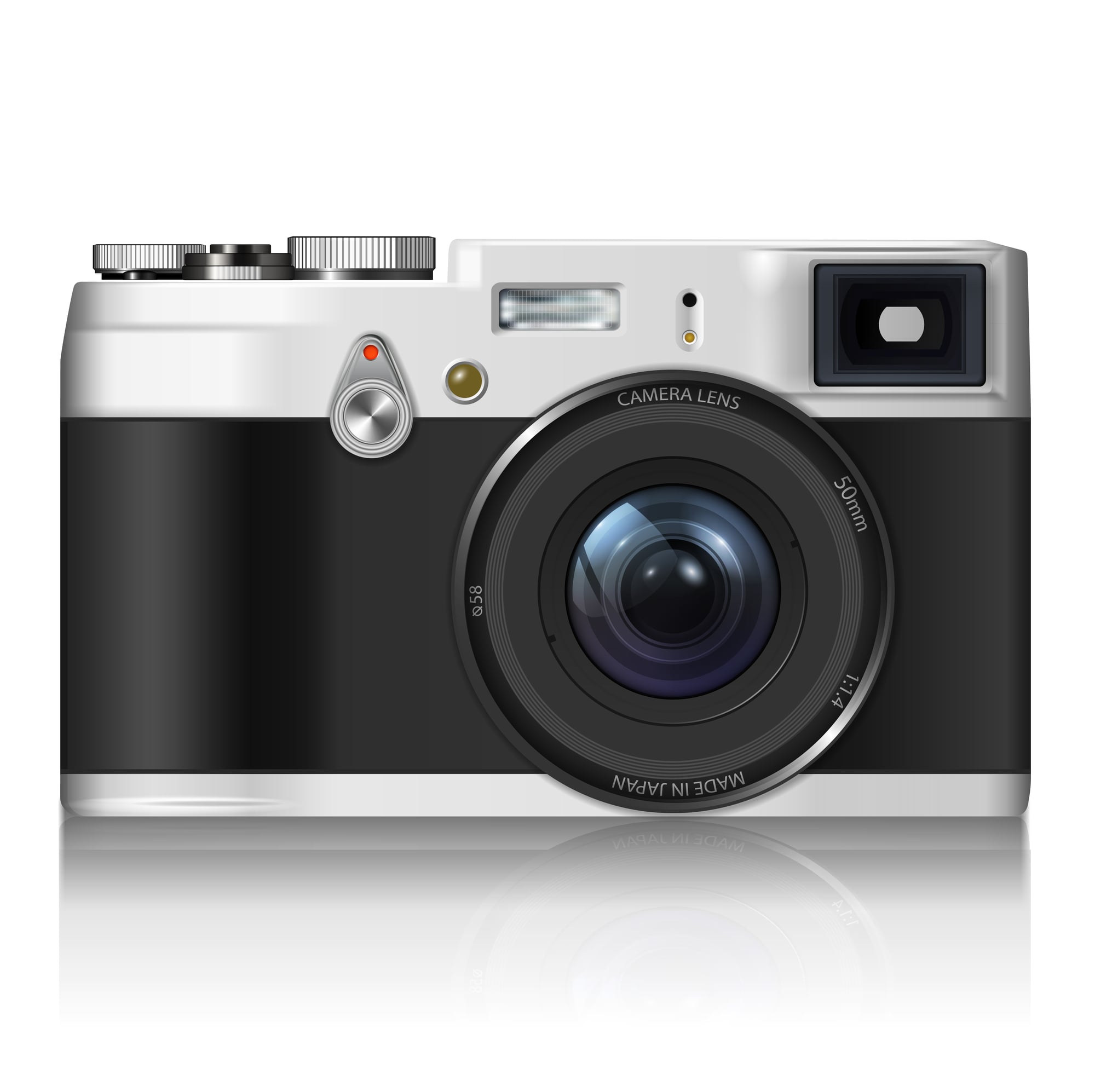
Film was expensive and developing took forever, so digital cameras felt like freedom itself — at least until you realized how terrible most of the photos actually looked when you uploaded them to your computer later. The early ones produced grainy, poorly lit images that somehow felt revolutionary anyway because you could see the results instantly and delete the disasters on the spot.
Point-and-shoot digital cameras ruled the 2000s with their tiny LCD screens and limited storage, but they taught everyone to become photographers in a way that film never could: recklessly, experimentally, without counting the cost of each shot. Everyone carried one to parties, vacations, random Tuesday nights that suddenly seemed worth documenting.
The camera phone eventually swallowed this entire industry whole, which is probably for the best — nobody misses digging through purses and pockets looking for that separate device when something worth photographing was happening right now.
Portable DVD Players
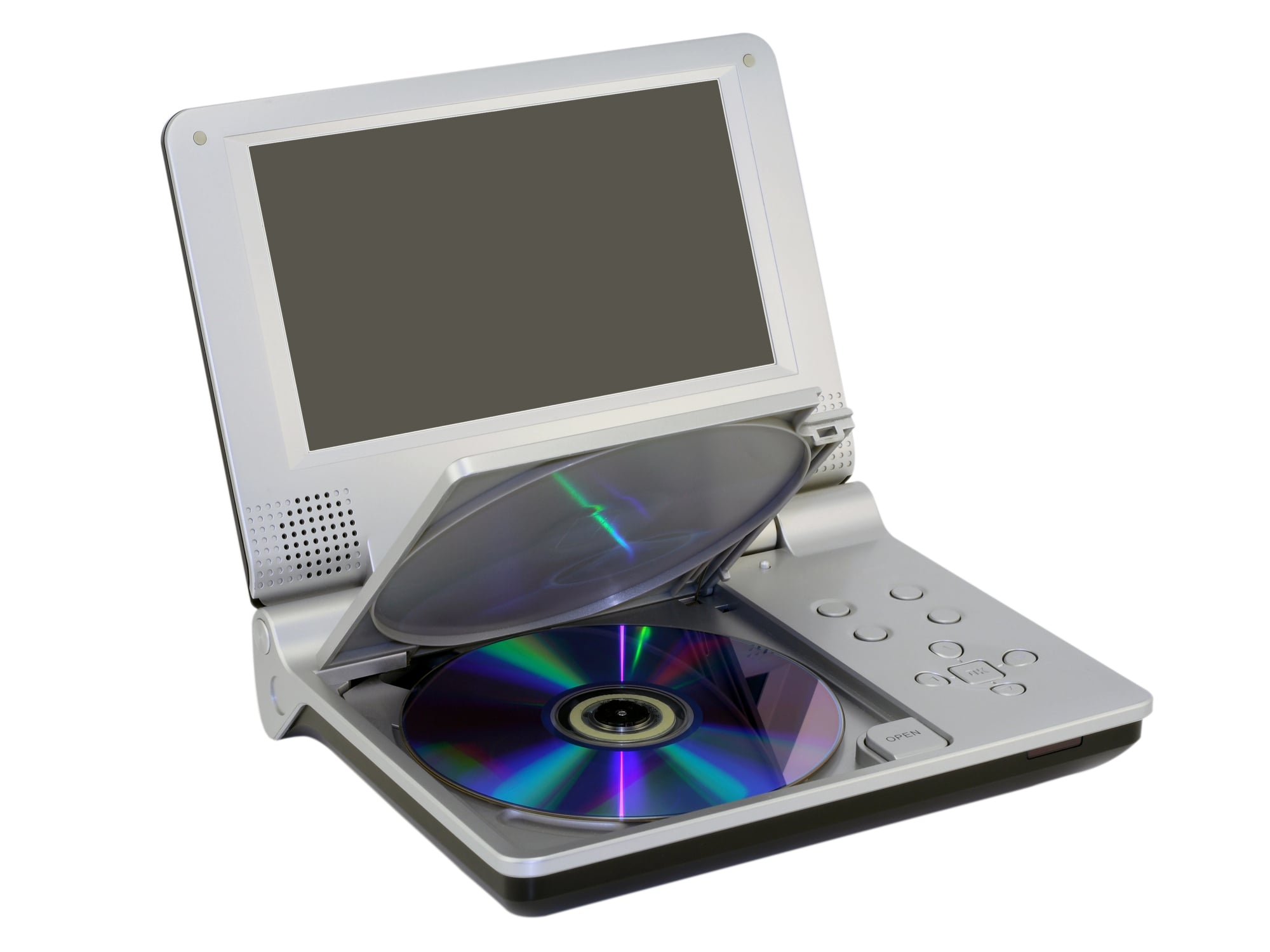
Like carrying a laptop that only played movies, these chunky rectangles promised entertainment anywhere you could find a flat surface and two hours of battery life. The screen was roughly the size of a greeting card, but that didn’t stop anyone from hunching over one during long car rides, watching the same three DVDs they’d remembered to pack.
The ritual was half the experience: choosing which movies deserved precious disc space in your travel case, adjusting the screen angle to minimize glare, rationing battery power like you were crossing the desert. Airlines loved them because they kept passengers quiet, parents loved them because they kept kids occupied, and everyone pretended the viewing experience was actually pleasant rather than a exercise in neck strain and squinting.
Tablets killed portable DVD players the moment screens got decent and storage got cheap. Nobody mourned their passing.
MP3 Players
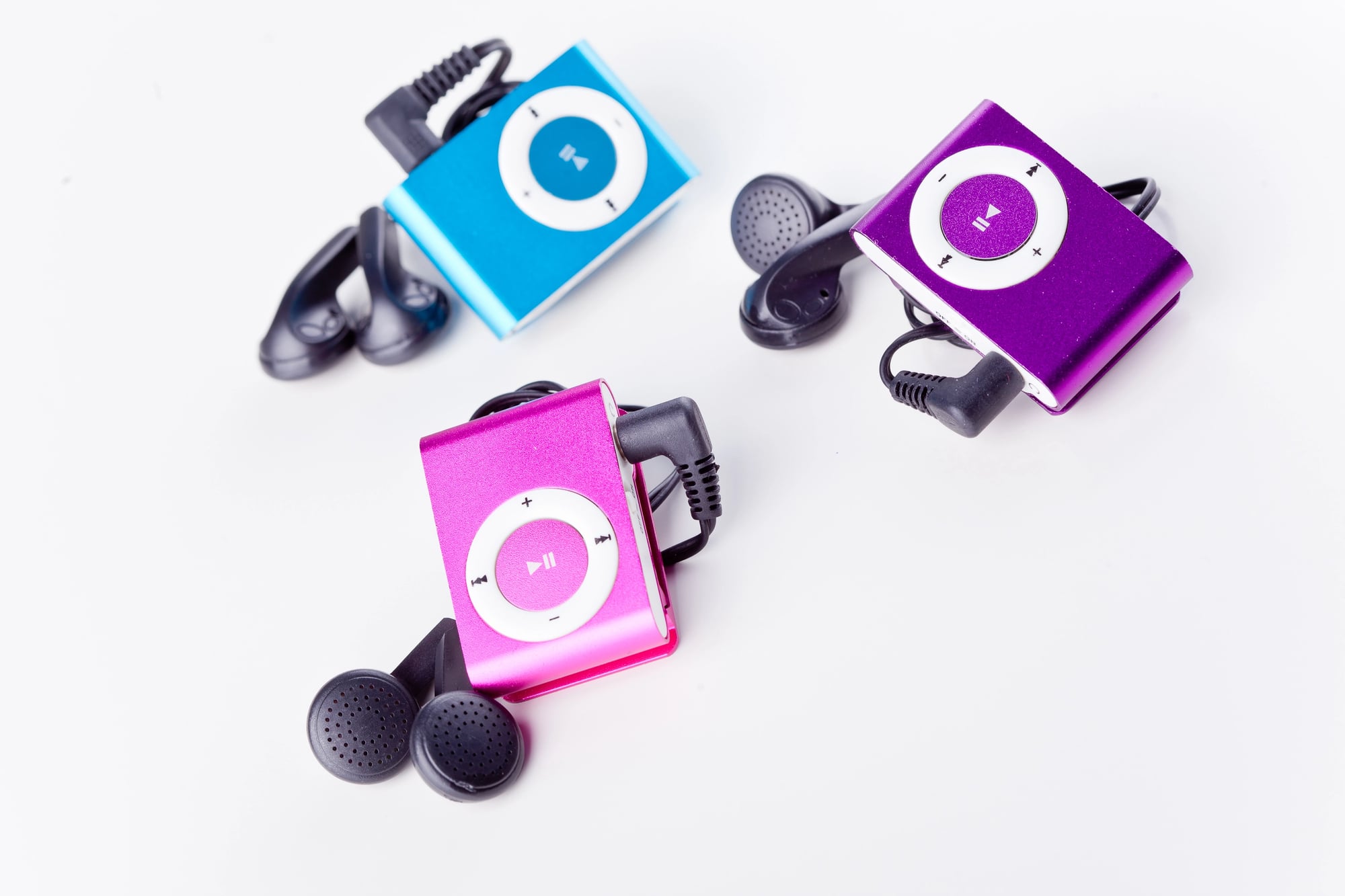
Before iPods dominated everything, the MP3 player landscape was wonderfully chaotic. Creative Zen, iRiver, Diamond Rio — brands that meant something once, fighting over who could cram the most songs into the smallest package while maintaining battery life that wouldn’t die during your commute.
These devices were purely functional in a way that now seems almost quaint. No internet, no apps, no notifications — just your music collection and whatever organizational system you’d cobbled together from WinAmp playlists and hastily renamed files.
You knew every song by heart because you’d carefully chosen each one, and loading new music required actual planning and computer time. The interface was usually terrible, the controls were confusing, and somehow none of that mattered because the alternative was carrying a Walkman and a stack of CDs everywhere.
Simplicity by limitation rather than design, but it worked.
Flip Phones
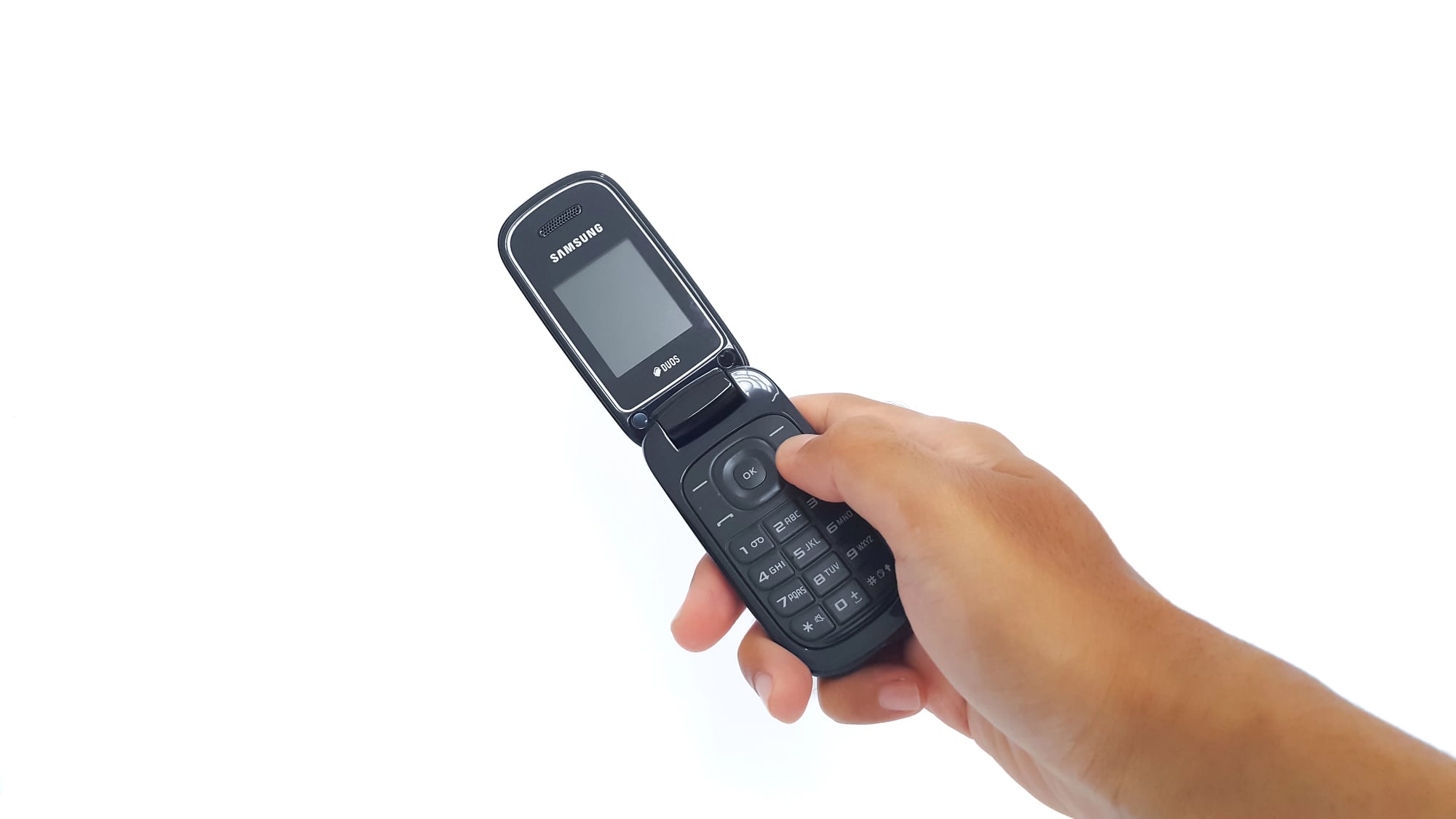
The satisfaction of ending a phone call with a sharp snap remains unmatched by any touchscreen gesture ever invented. Flip phones were small, nearly indestructible, and lasted for days on a single charge — luxuries that smartphones have never quite managed to replicate despite decades of trying.
Texting required genuine commitment back then. T9 predictive text was a skill you had to learn, and typing out anything longer than “running late” became a delibericate choice rather than a reflexive habit.
Phones were for calling people, cameras were for taking pictures, and music players were for music — the idea that one device could handle all three seemed impossible until it suddenly wasn’t. The flip phone’s death was swift and total once the iPhone arrived, but those little clamshells taught everyone that phones could be personal objects rather than just communication tools.
Portable CD Players
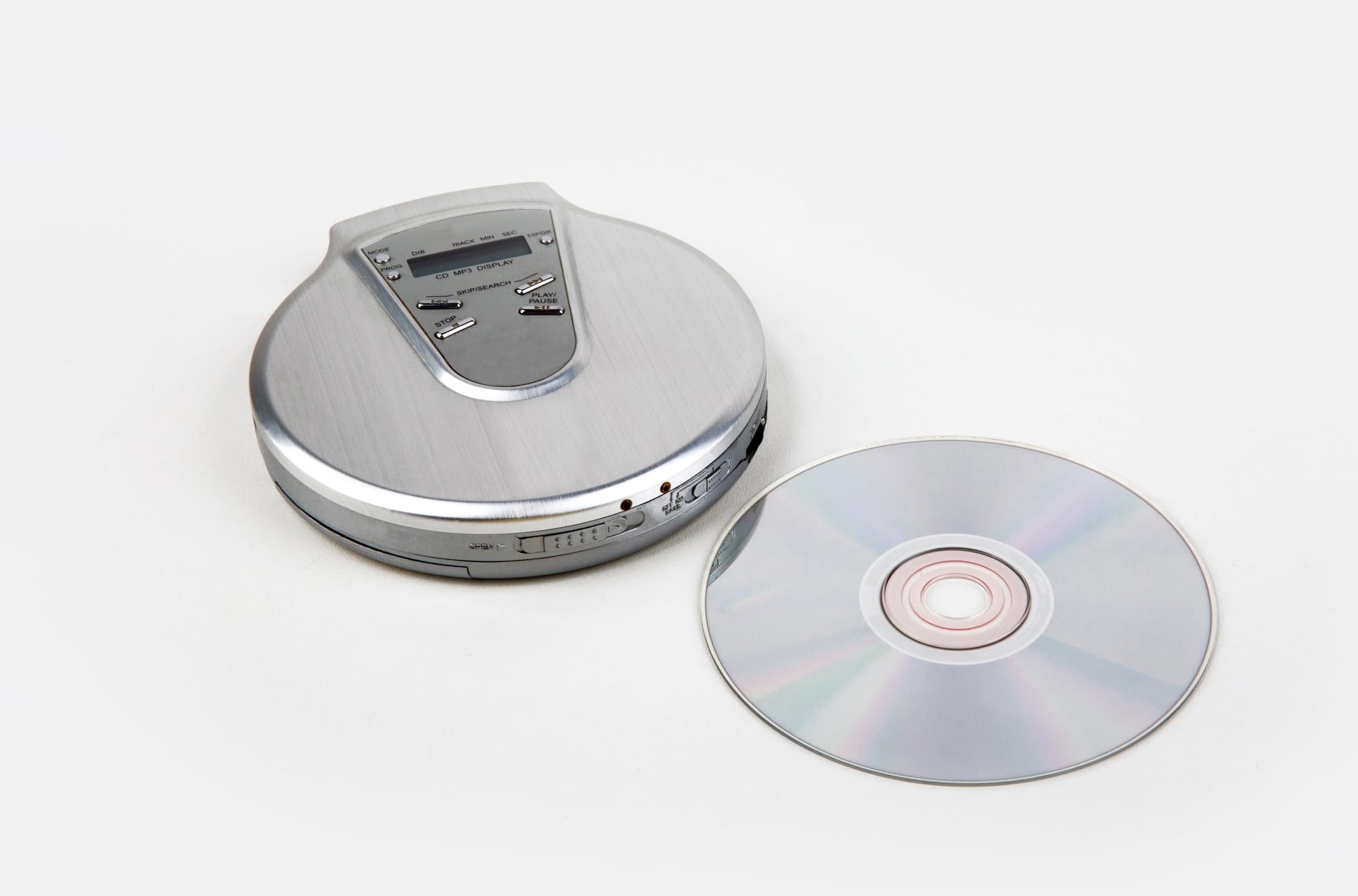
The Discman and its countless imitators represented a very specific type of optimism: the belief that you could carry your entire music collection anywhere, as long as you didn’t mind the weight, the skipping, and the constant threat of running out of batteries at the worst possible moment.
Anti-skip protection became the holy grail of portable CD technology, because nothing killed the mood like your music stuttering to a halt every time you took a step. You learned to walk differently with a Discman — smoother, more deliberate, like you were balancing something fragile.
Which you were, technically. The ritual of switching CDs mid-walk, trying to hold the player steady while fumbling through your case for the next album, was an art form that required genuine dexterity and planning.
MP3 players eliminated all of this inconvenience in one swift blow, and nobody looked back. Some experiences don’t deserve nostalgia.
PDAs
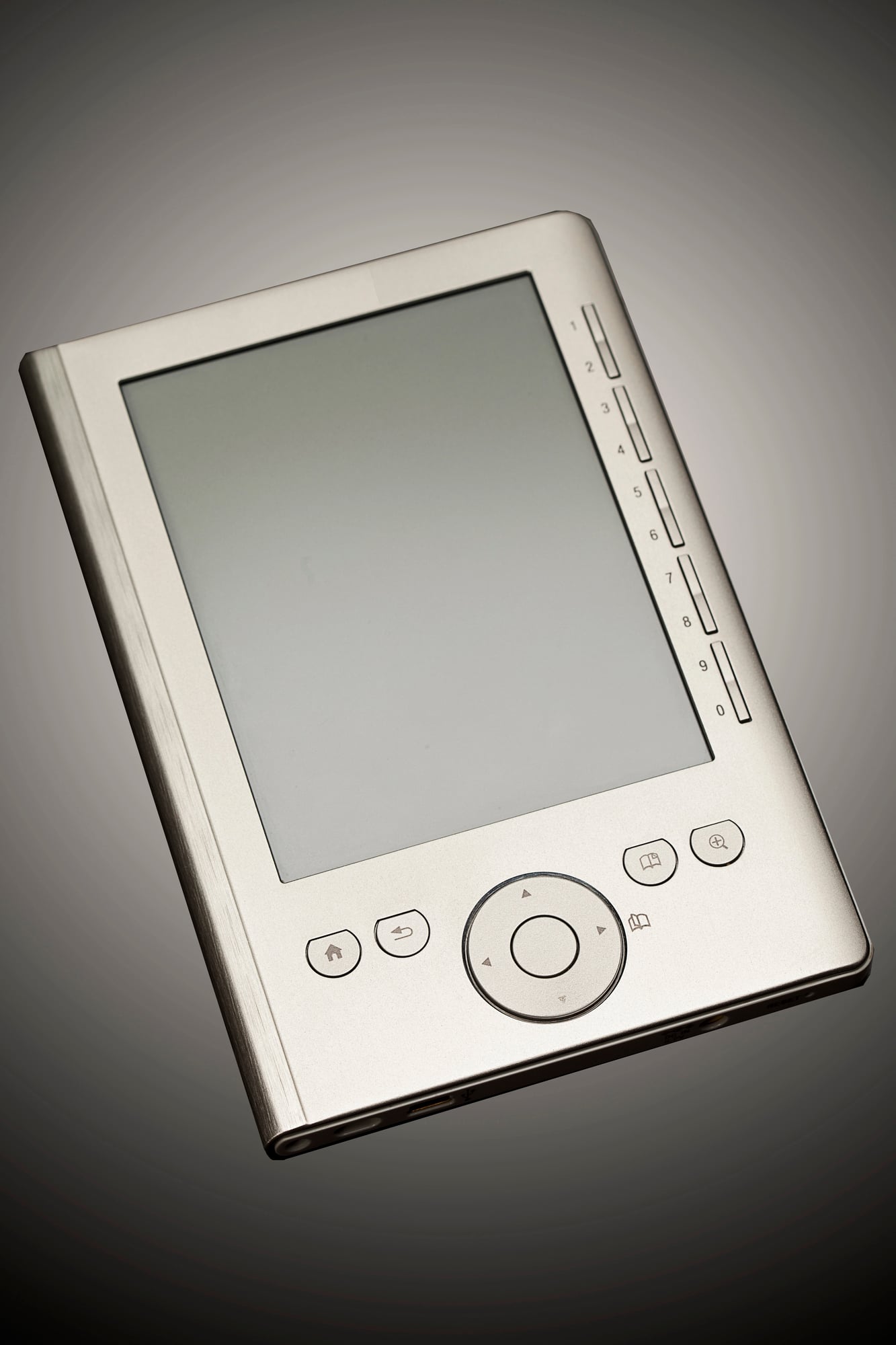
Personal Digital Assistants promised to organize your entire life in a device smaller than a paperback book. Palm Pilots and Pocket PCs were the smartphones of their era, minus the phone part — which, in retrospect, was a pretty significant oversight.
The stylus was everything. You learned to write in a special alphabet called Graffiti just to input text, and somehow this felt normal rather than ridiculous.
Syncing with your computer was a daily ritual that required cables, patience, and the kind of faith usually reserved for religious practices. These devices could store contacts, appointments, notes, even simple games, but they existed in their own isolated ecosystem where information went in and rarely came out again.
(The number of shopping lists and phone numbers lost to dead PDA batteries represents a small tragedy of the early digital age.) But PDAs taught people that computers could be personal, portable, and useful in daily life — lessons that the smartphone eventually perfected, just with better execution and actual wireless connectivity.
Pagers
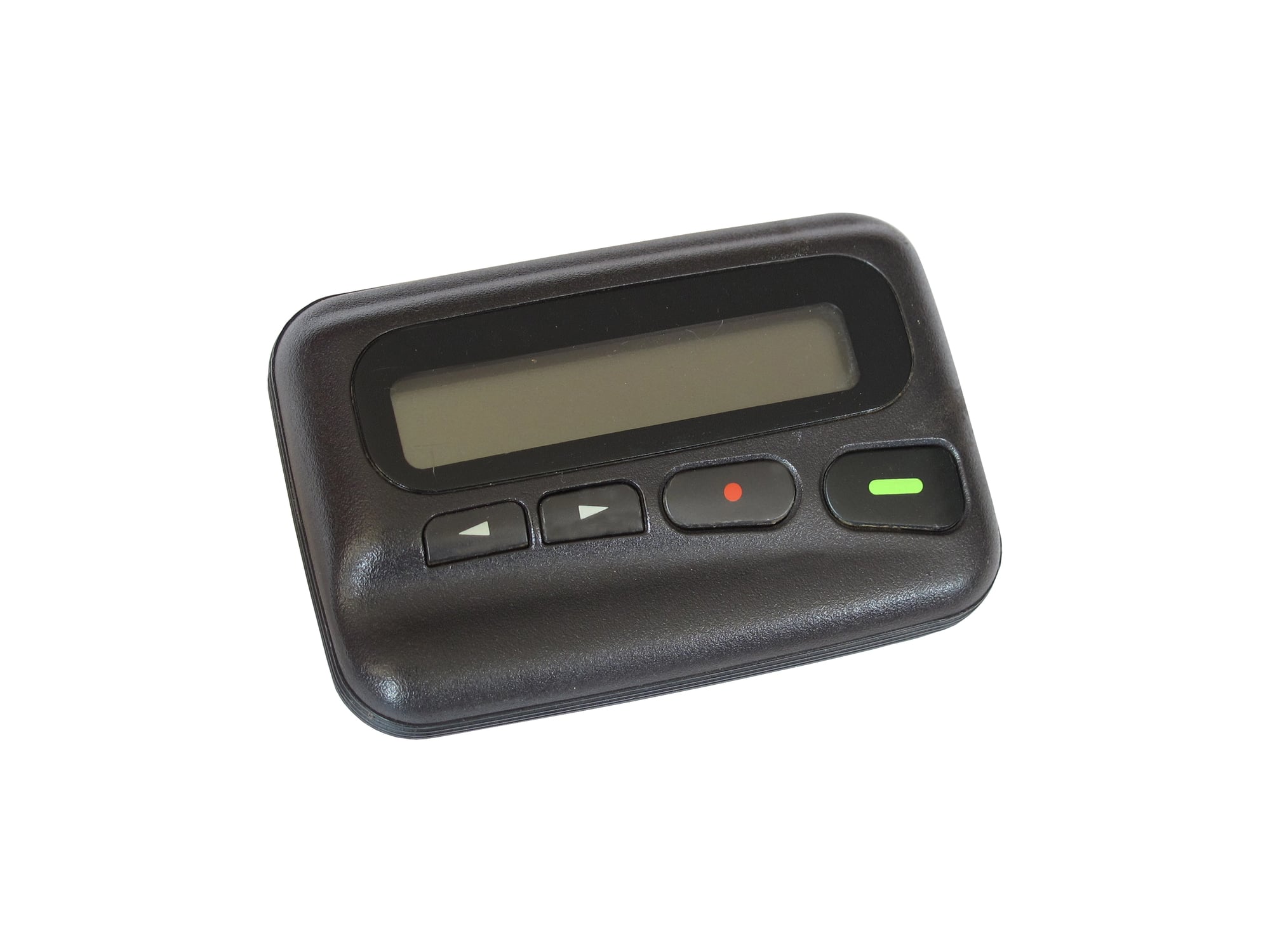
Before everyone carried a phone, pagers were the lifeline for anyone who needed to be reachable but couldn’t sit by a landline all day. Doctors had them, parents had them, and teenagers convinced their parents they needed them for “emergencies” — which usually meant coordinating mall meetups and pizza orders.
The pager’s limitations were also its strengths. Messages were short, direct, and required actual thought to compose within the character limit.
Getting paged meant finding a payphone or borrowing someone else’s line to call back, which added weight to every message. Nobody sent trivial pages because the entire system required too much effort for casual communication.
The two-way pager was the peak of the technology — you could actually respond to messages instead of just receiving them, which felt revolutionary until cell phones became affordable enough for regular people to own. Pagers died quickly once everyone realized that phones could do everything pagers did, plus actually let you have conversations.
CRT Computer Monitors
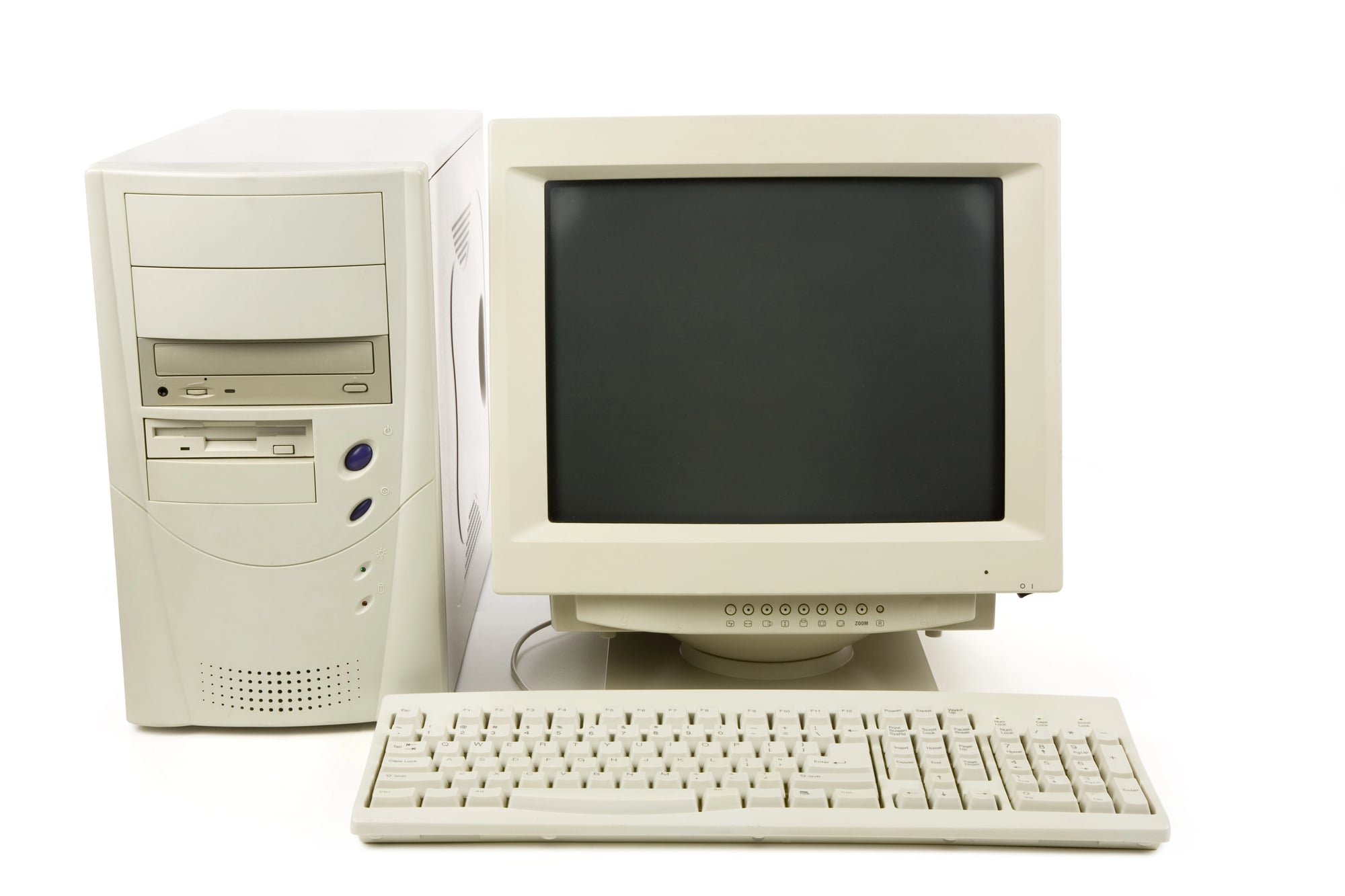
Those massive, humming boxes dominated every desk in the 2000s, generating enough heat to warm entire rooms and requiring the kind of sturdy furniture that could handle their weight without collapsing. CRT monitors were unwieldy, power-hungry, and took up ridiculous amounts of space, but they displayed colors and motion in ways that early flat panels couldn’t touch.
Gaming on a CRT was a different experience entirely — no input lag, perfect blacks, and refresh rates that made everything feel immediate and responsive. The screen curved slightly, which seemed like a design flaw until you realized how natural it felt to look at, like the monitor was wrapping around your field of vision rather than sitting flat in front of it.
(Professional gamers clung to CRTs years after LCD monitors became standard, claiming the performance benefits were worth the extra bulk and heat.) But practicality eventually won over performance. Flat-panel displays got good enough, cheap enough, and energy-efficient enough that the CRT’s advantages no longer justified the inconvenience.
Desk space returned, electric bills dropped, and nobody had to help friends move those 40-pound monsters up three flights of stairs anymore.
GameBoys
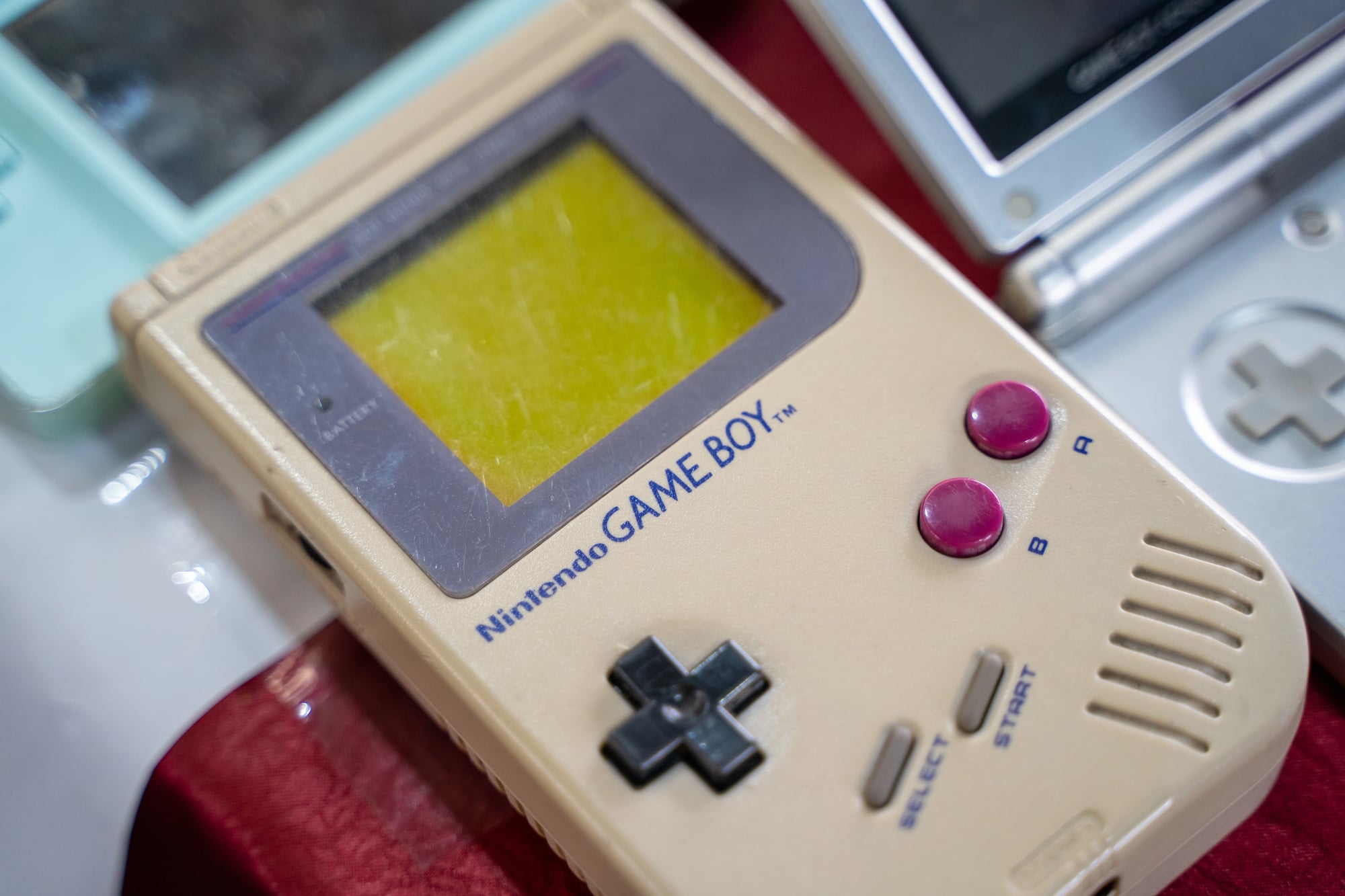
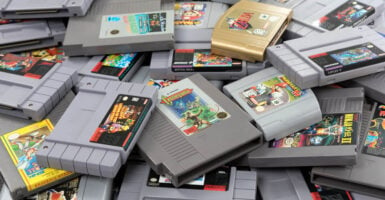
The Game Boy wasn’t just a gaming device — it was proof that entertainment could be truly portable, even if the screen was green, tiny, and completely invisible in direct sunlight. Nintendo sold over 100 million of these gray bricks, each one built like it could survive a nuclear blast.
Tetris came bundled with most Game Boys, which was brilliant marketing disguised as a pack-in game. You bought the system for Mario or Pokemon, but Tetris was what you played when you had five minutes to kill or needed something that didn’t require saving progress.
The Game Boy Color and Game Boy Advance pushed the platform forward, but smartphones eventually absorbed the entire handheld gaming market except for Nintendo’s own systems. (Mobile gaming exists, but it’s mostly a different thing entirely — free-to-play puzzles and time-wasters rather than the complete, self-contained experiences that Game Boy cartridges delivered.)
The original Game Boy proved that people wanted games everywhere, not just in arcades and living rooms.
Fax Machines
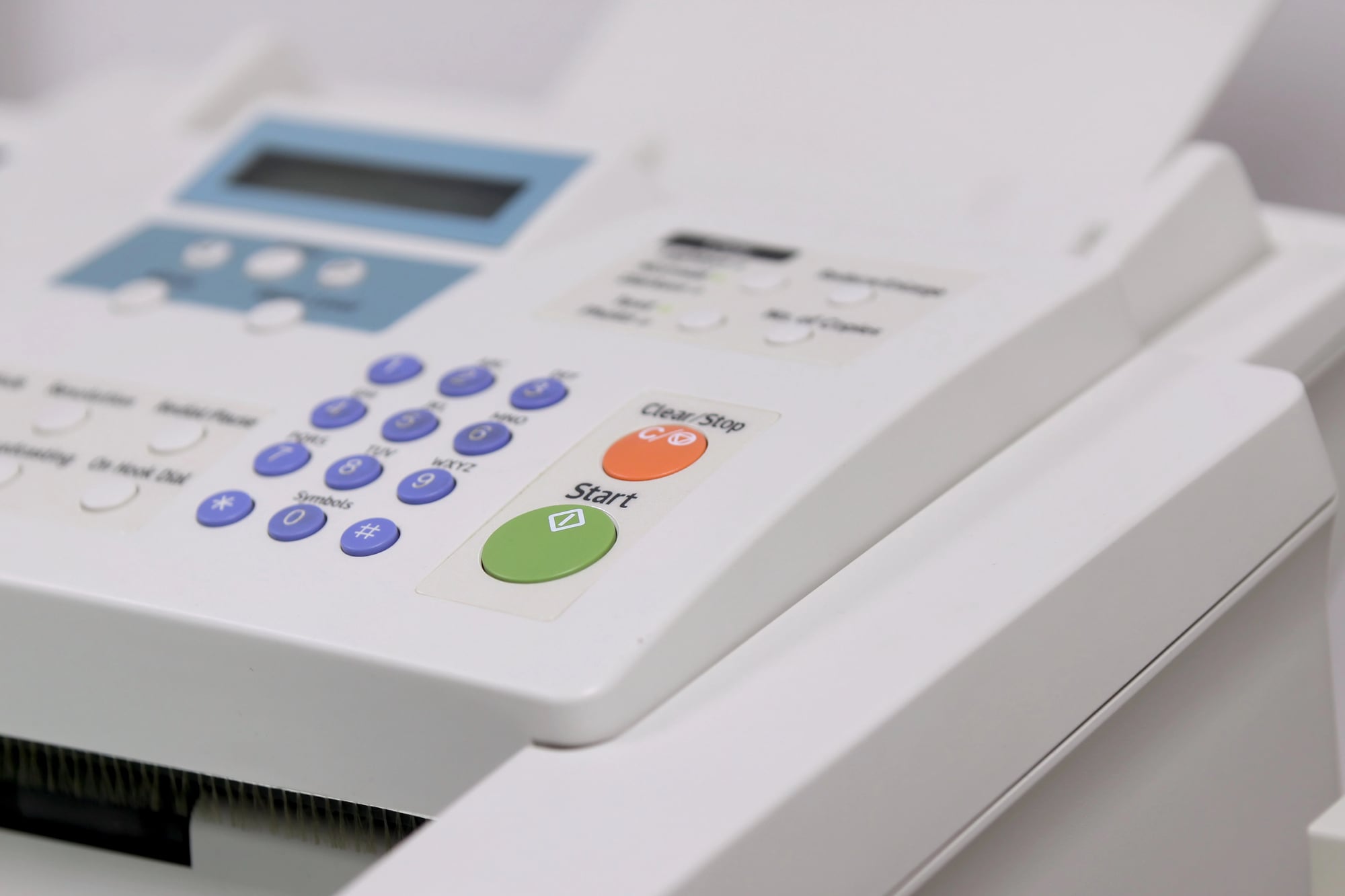
Every office had one, most homes eventually got one, and somehow society convinced itself that scanning documents and transmitting them over phone lines represented the height of business communication efficiency. The fax machine was simultaneously revolutionary and completely ridiculous — cutting-edge technology that produced fuzzy, hard-to-read copies of documents that usually needed to be retyped anyway.
Fax numbers appeared on business cards alongside phone numbers, as if both were equally essential for professional communication. The machine itself was usually temperamental, prone to paper jams, and produced that distinctive high-pitched squeal whenever someone called the fax line by accident.
But it worked across vast distances instantly, which felt magical in the days before email attachments became reliable. Legal offices and medical practices clung to fax machines long after email became standard, citing security and authentication requirements that now seem quaint compared to digital signatures and encrypted messaging.
The technology still exists, mostly in government offices and industries that change slowly, but the fax machine’s cultural moment ended once everyone realized that email was faster, clearer, and didn’t require special paper.
Walkmans
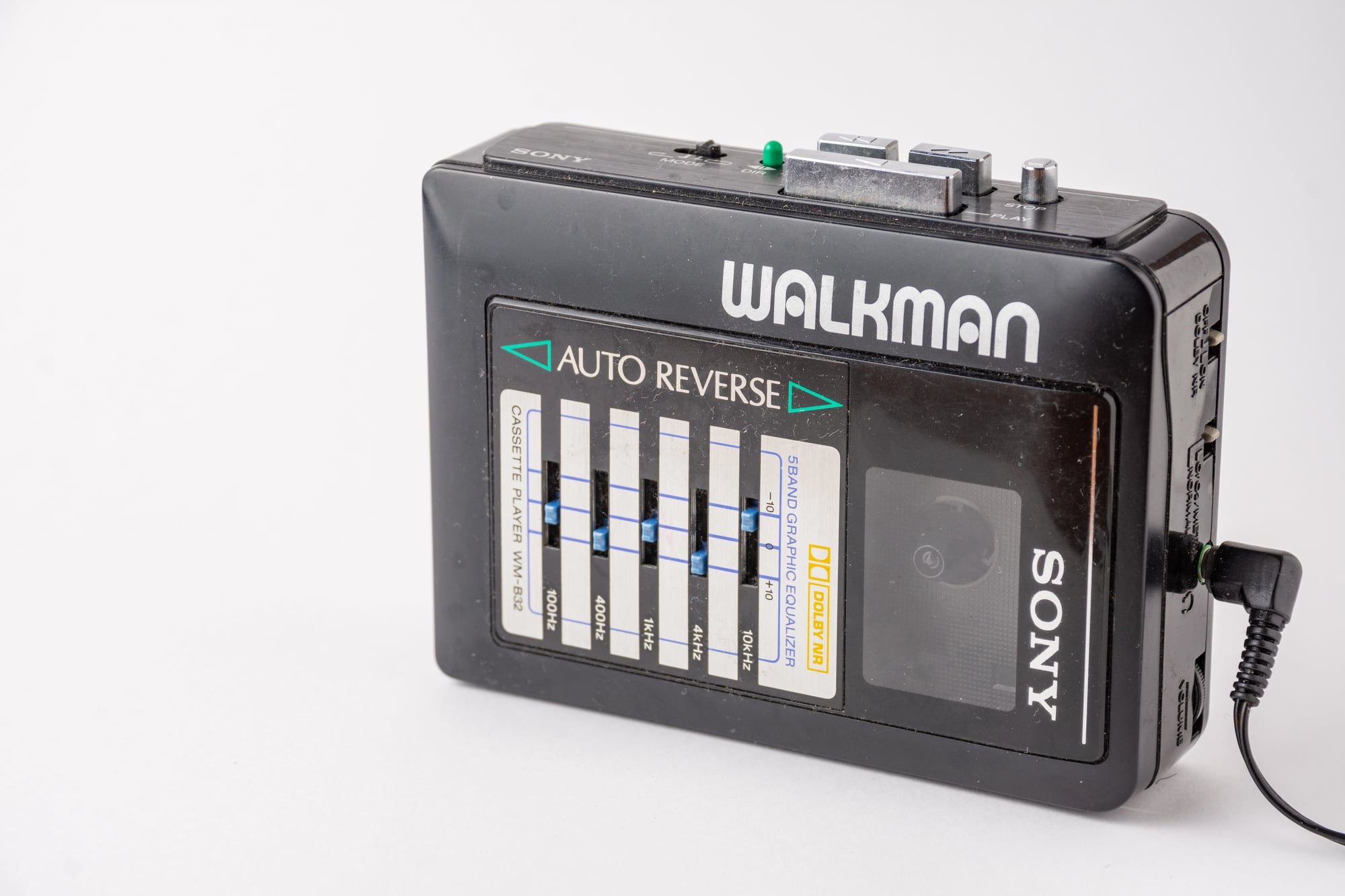
Sony’s Walkman created the entire concept of personal portable music, turning the solitary act of listening into something you could do anywhere, anytime. The original model was elegant, simple, and revolutionary — just play, stop, fast-forward, and rewind, with headphones that made the rest of the world disappear.
Cassette tapes were the perfect medium for the Walkman: cheap to buy, easy to record, and small enough to carry dozens in a shoebox or backpack. Making mixtapes became an art form, and the Walkman was the gallery where you displayed your curatorial skills to an audience of one.
You learned to carry a pencil for winding loose tape back into place, developed strong opinions about normal bias versus high bias cassettes, and accepted that your music would gradually degrade with each play. The Walkman taught an entire generation that music could be private, personal, and portable — concepts so fundamental now that it’s hard to imagine a world where they didn’t exist.
CD players and eventually MP3 devices inherited the Walkman’s cultural role, but none matched its iconic status as the device that proved people wanted their own soundtrack to daily life.
VHS Players
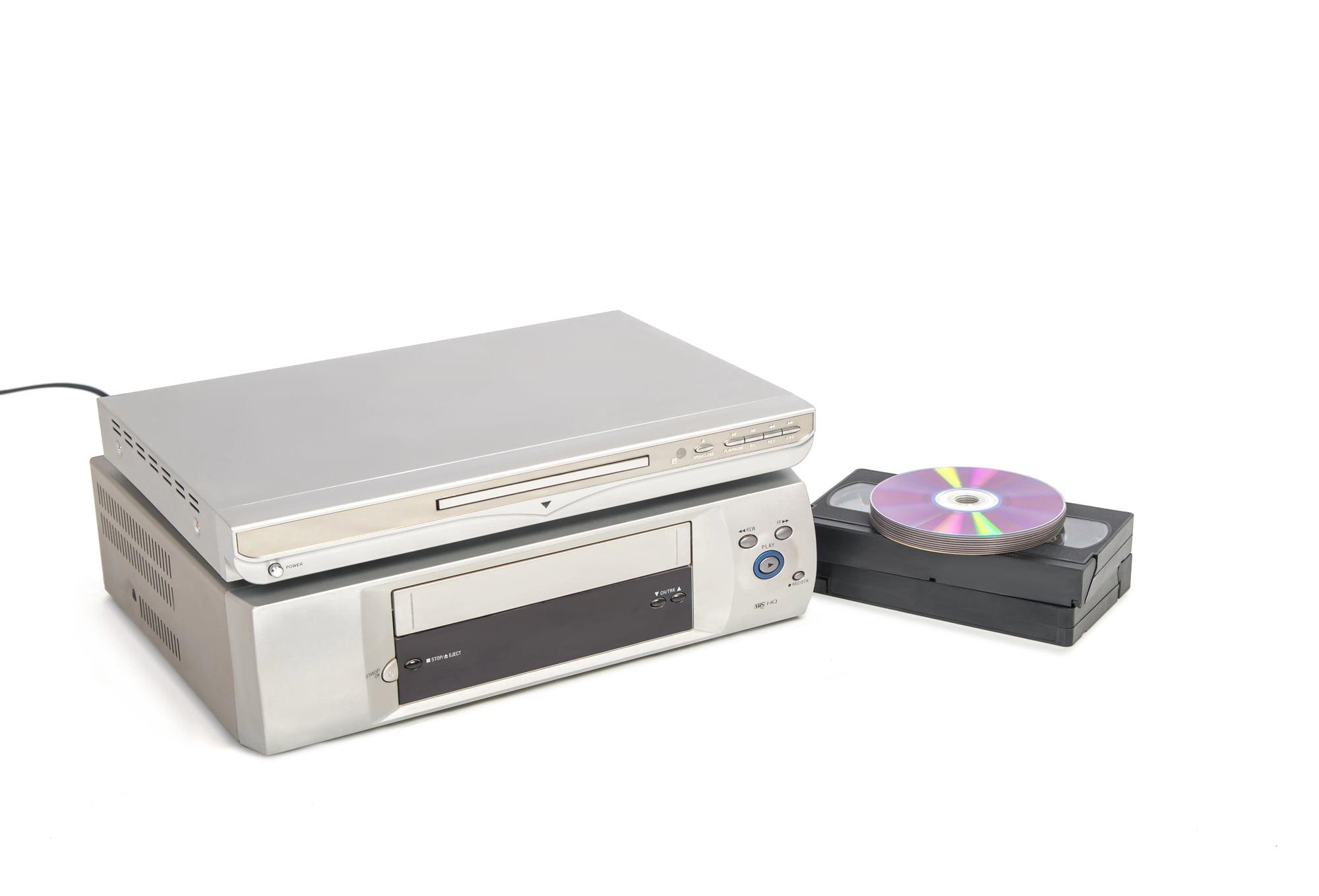
The VCR transformed television from something that happened to you into something you could control, record, and replay at will. Time-shifting was revolutionary: you could watch shows on your schedule rather than the network’s, skip commercials, and build a library of movies that you actually owned rather than rented.
Programming the VCR to record something while you were away required genuine technical skill and careful planning. The blinking “12:00” became a symbol of technological defeat, mocking anyone who couldn’t master the arcane button combinations required to set the internal clock.
But the people who figured it out gained superpowers: they could capture fleeting moments from broadcast TV, build collections of favorite movies, and create their own entertainment schedules independent of what networks decided to air. (The quality was terrible by today’s standards, and tapes degraded with each viewing, but ownership felt more important than perfection.)
DVRs and streaming services eventually provided better solutions to the same problems, but VCRs established the expectation that viewers should control their entertainment rather than simply consuming whatever was broadcast at them.
Dial-Up Modems
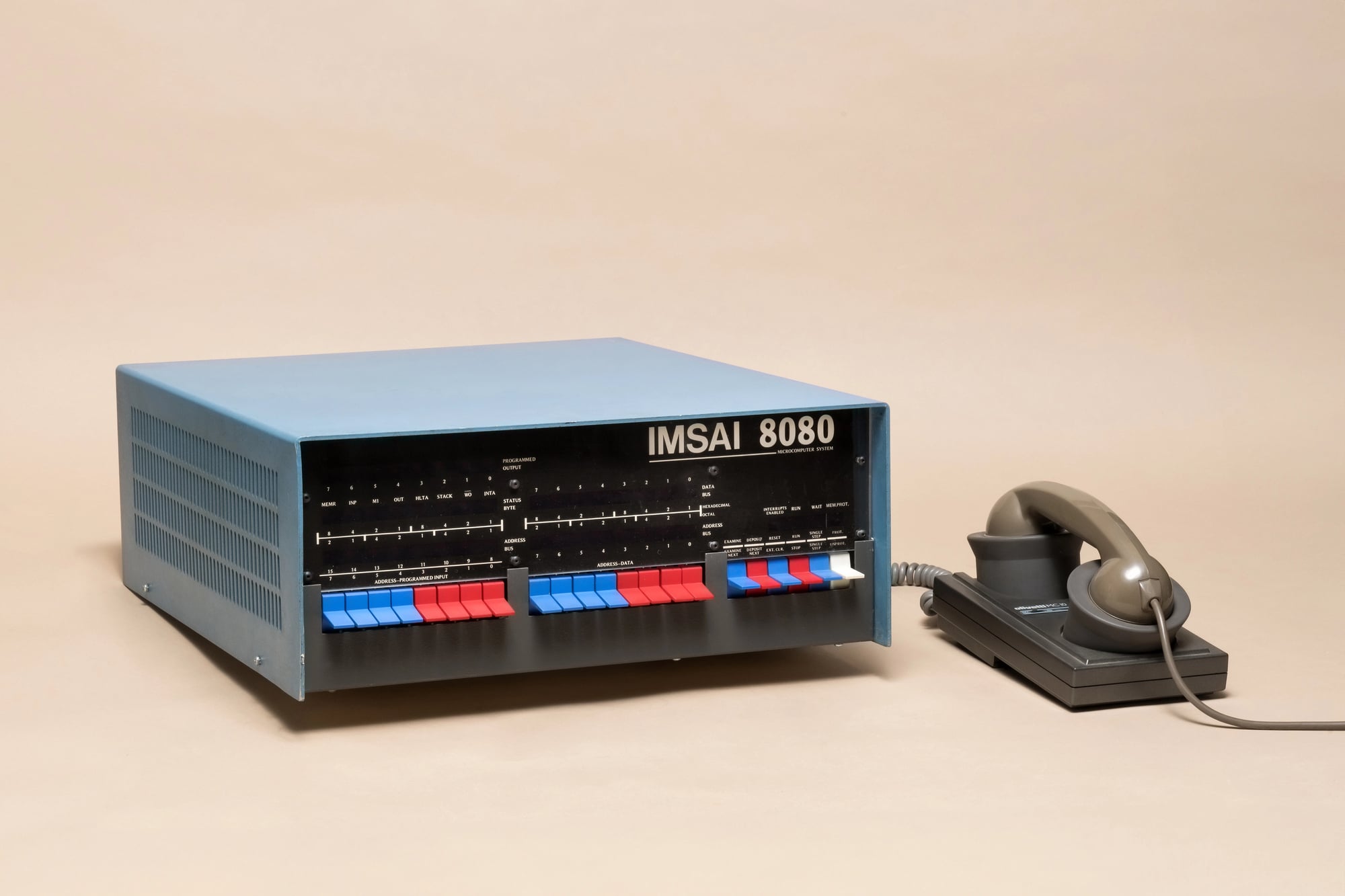
That screeching, static-filled handshake sound meant connection to the entire world, even if that connection was slower than most people read and tied up your phone line for hours at a time. Dial-up modems were frustrating, unreliable, and absolutely magical — your computer could talk to other computers anywhere on earth, as long as you were patient and nobody needed to make a phone call.
Loading a single webpage required genuine commitment. You’d click a link and then find something else to do while the page assembled itself line by line, image by image, over the course of several minutes.
Downloading a song meant planning ahead and hoping nobody would pick up the phone mid-transfer. But the internet felt vast and mysterious in a way that high-speed connections somehow diminished — every byte was precious, every connection was deliberate, and finding something interesting online felt like genuine discovery rather than algorithmic inevitability.
Broadband didn’t just make the internet faster; it made it completely different, turning a special occasion into a constant presence.
Landline Phones
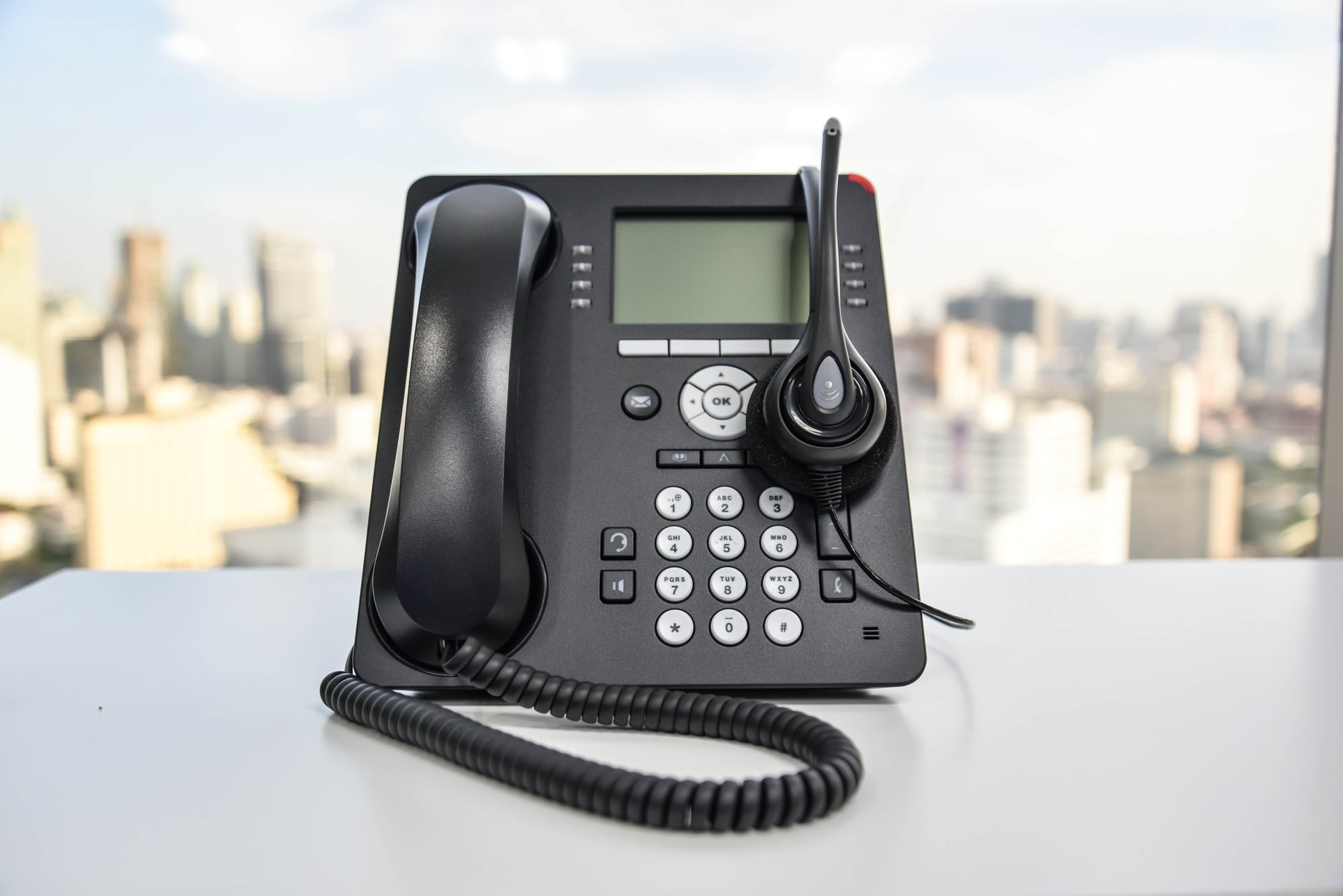
Every kitchen had one, usually mounted on the wall with a cord long enough to reach anywhere in the room while you talked. Landline phones were reliable, clear, and completely stationary — you had to be home to answer them, which meant something different than it does now.
Phone numbers belonged to houses rather than people, so calling someone meant negotiating with whoever answered first. Caller ID was a luxury feature that changed everything by letting you screen calls, but even then, answering the phone was always a small gamble.
You might get the person you wanted, their roommate, their parent, or a telemarketer — there was no way to know until you picked up. Long-distance calls required planning and budgeting, making them feel significant rather than casual.
(The satisfying weight of hanging up a real phone receiver will never be matched by tapping a touchscreen, no matter how good the haptic feedback gets.) Cell phones didn’t just replace landlines; they fundamentally changed what it meant to call someone, shifting from contacting a place to contacting a person directly.
When Simplicity Was A Feature, Not A Limitation
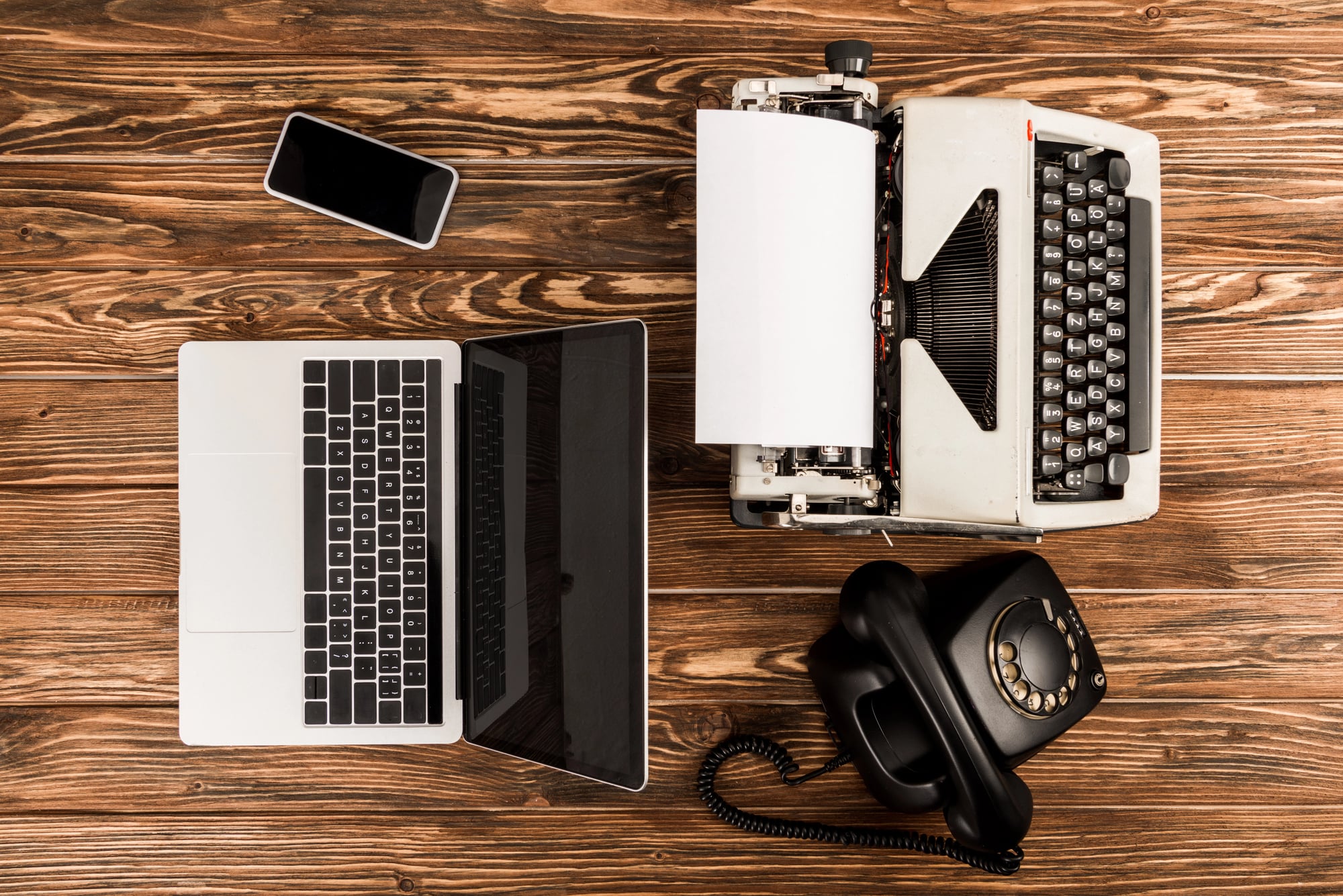
These gadgets shared something that modern devices have lost: they did one thing well instead of everything adequately. Your iPod played music, your digital camera took photos, your flip phone made calls — and that focus created a different relationship with technology, one where each device had a specific purpose and place in your daily routine.
The 2000s were the last decade when carrying multiple gadgets felt normal rather than redundant. You had pockets full of devices, each with its own charger, interface, and learning curve, but also its own personality and strengths.
Smartphones eventually absorbed most of these functions into a single device, which was undeniably more convenient but somehow less interesting. There’s something to be said for tools that knew their limits and stayed within them, even if those limits now seem arbitrary and constraining.
More from Go2Tutors!

- The Romanov Crown Jewels and Their Tragic Fate
- 13 Historical Mysteries That Science Still Can’t Solve
- Famous Hoaxes That Fooled the World for Years
- 15 Child Stars with Tragic Adult Lives
- 16 Famous Jewelry Pieces in History
Like Go2Tutors’s content? Follow us on MSN.