Facts About the Giant Harmony Of the Seas Cruise Ship
That first glimpse of Harmony of the Seas back in 2016 didn’t just add another name to the list – it redrew the line on what floating cities might look like. Crafted for Royal Caribbean’s Oasis series, this craft claimed its spot among the biggest people haulers ever floated.
Size blurs into something hard to grasp, unless you begin counting pieces. Here’s a closer look at what makes Harmony of the Seas such an engineering and entertainment powerhouse.
It Is One Of The Largest Cruise Ships Ever Built

Harmony of the Seas measures roughly 1,188 feet long, stretching longer than many skyscrapers are tall. Its gross tonnage exceeds 226,000, a figure that refers to internal volume rather than weight, and places it among the largest cruise ships in the world.
Standing dockside, the ship’s height and width create the impression of a floating city rather than a traditional vessel. That size was not just about spectacle.
It allowed designers to rethink how space on a cruise ship could function, moving beyond simple decks and corridors into something more layered and neighborhood-driven.
It Can Carry Thousands Of Passengers And Crew

At full capacity, Harmony of the Seas can accommodate approximately 5,400 guests based on double occupancy, with the total number climbing closer to 6,700 when every berth is filled. Supporting that population is a crew of around 2,100 people from dozens of countries.
Even so, the ship’s design disperses guests across multiple zones, preventing it from feeling overcrowded. Elevators, stairwells, and open promenades are strategically placed to keep foot traffic flowing smoothly.
Managing a floating population the size of a small town requires meticulous coordination behind the scenes.
It Was Built In France

Harmony of the Seas was constructed at the STX France shipyard in Saint-Nazaire, a facility known for building some of the most advanced cruise liners in the world. Construction took more than two years and reportedly cost around $1.35 billion.
The shipyard assembled the vessel in massive pre-built sections, carefully aligning and welding them together. Watching footage of the build process reveals the sheer industrial choreography required to complete a ship of this scale.
It Features Seven Distinct Neighborhoods

Rather than organizing the ship by simple deck numbers, designers created seven themed ‘neighborhoods.’ These include Central Park, the Boardwalk, the Royal Promenade, and several others, each with its own atmosphere and attractions.
Central Park, for example, contains thousands of real plants and trees, forming an open-air garden at sea. Meanwhile, the Boardwalk channels a seaside amusement vibe, complete with a handcrafted carousel.
This layout transforms the onboard experience from linear to immersive.
It Has Real Trees Growing At Sea

One of the most surprising features is Central Park’s living greenery. More than 10,000 plants and dozens of full-sized trees are carefully maintained by horticultural specialists onboard.
These plants are not decorative afterthoughts. They are integrated into the ship’s design, providing shade, ambience, and even subtle temperature regulation in the open-air space.
It is a reminder that the ship is as much an architectural experiment as a vacation platform.
It Includes A Full-Scale Water Park

Harmony of the Seas features multiple water slides, including the ‘Ultimate Abyss,’ which plunges riders down 10 decks. The ship also houses FlowRider surf simulators, allowing guests to practice wave riding while cruising through open waters.
Still, these attractions are engineered with strict safety protocols. Water flow systems, drainage controls, and structural reinforcements ensure the rides operate reliably despite the ship’s constant motion.
It Offers Broadway-Caliber Entertainment

Entertainment onboard rivals land-based productions. Harmony of the Seas has hosted full-scale Broadway shows, complete with elaborate stage designs and professional casts.
The AquaTheater at the ship’s stern presents high-diving performances, synchronized swimming, and acrobatics in a deep-water pool. The logistics of staging such performances at sea require precise timing and specialized equipment to compensate for movement.
It Uses Advanced Propulsion Technology

The ship is powered by multiple diesel engines connected to azipod propulsion systems. These rotating pods beneath the hull provide improved maneuverability compared to traditional fixed propellers.
This system allows the ship to pivot and dock with remarkable precision, despite its immense size. Advanced navigation technology works alongside the propulsion system to maintain stability and efficiency across thousands of miles of travel.
It Is Designed For Energy Efficiency

Despite its scale, Harmony of the Seas incorporates energy-saving technologies. LED lighting is used extensively throughout the ship, and heat recovery systems capture and reuse energy from engine operations.
Even so, operating a vessel of this size inevitably requires significant fuel consumption. Cruise lines continue investing in efficiency improvements, balancing passenger demand with environmental responsibility.
It Contains More Than 2,700 Staterooms

With over 2,700 cabins, the ship offers accommodations ranging from interior rooms to expansive suites with private balconies. Some staterooms overlook Central Park or the Boardwalk rather than the ocean, creating interior-facing views uncommon in traditional ship design.
This variety allows pricing flexibility while maximizing available space. Families, couples, and solo travelers can choose layouts suited to different budgets and preferences.
It Has A Zip Line Over The Boardwalk

Suspended nine decks above the Boardwalk neighborhood, the ship’s zip line spans more than 80 feet. Riders glide across the open-air space while the ocean stretches out beyond the ship’s edges.
The experience blends theme park energy with maritime scenery. Attractions like this underscore how modern cruise ships compete not just with other vessels, but with land-based resorts and entertainment complexes.
It Sails Primarily In The Caribbean
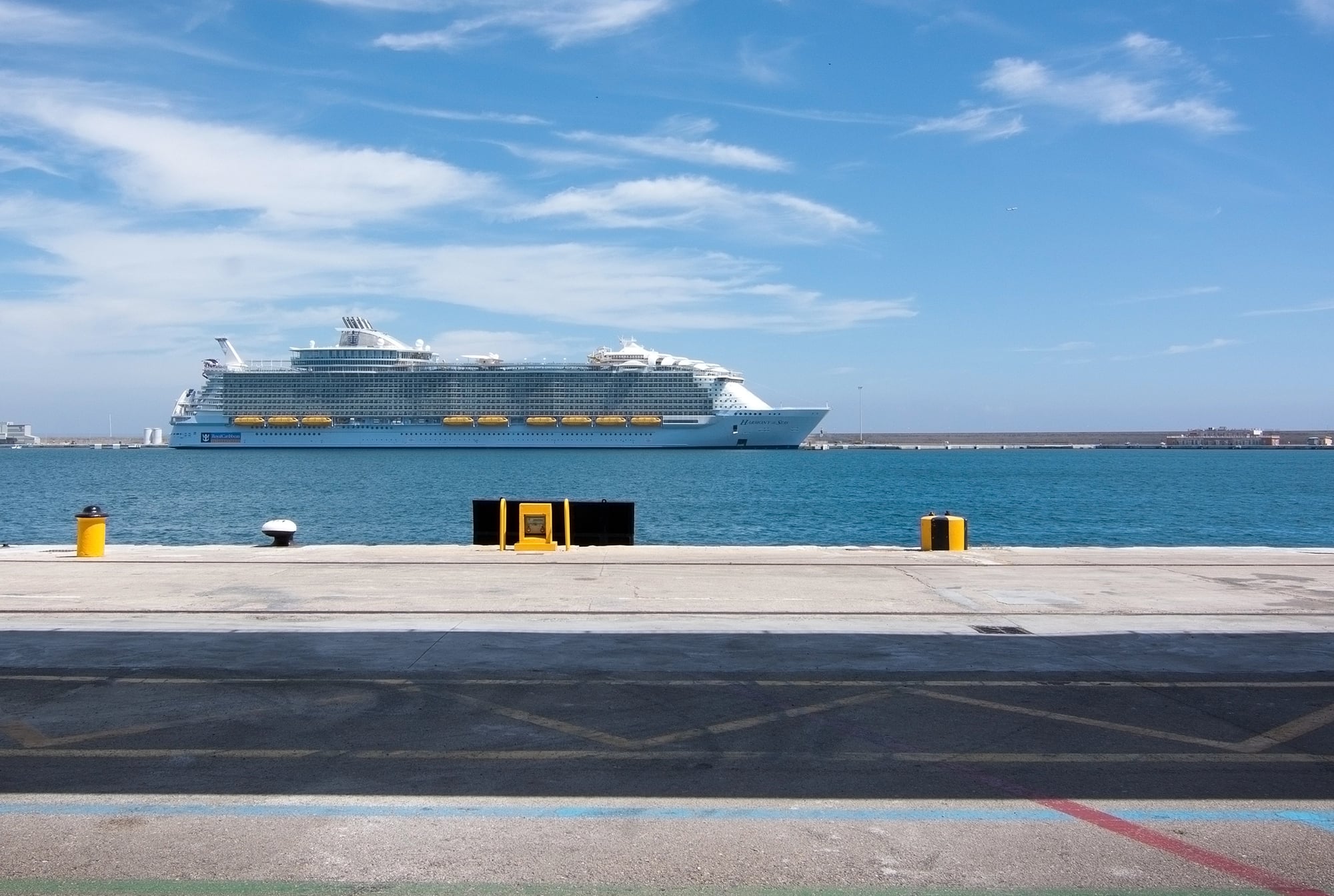
Since its launch, Harmony of the Seas has primarily operated Caribbean itineraries, departing from ports such as Port Canaveral in Florida. These routes include stops at popular destinations and Royal Caribbean’s private island, Perfect Day at CocoCay.
Caribbean waters provide relatively calm conditions compared to more volatile regions, which helps support the ship’s size and entertainment-heavy design.
It Is Part Of The Oasis-Class Fleet

Harmony of the Seas belongs to Royal Caribbean’s Oasis-class series, a group of ships known for record-breaking dimensions and innovative layouts. Sister ships include Oasis of the Seas and Allure of the Seas, each introducing incremental design upgrades.
This class redefined cruise architecture when it first launched, proving that scale could be paired with segmented neighborhood concepts rather than endless corridors.
It Requires Complex Logistics To Operate
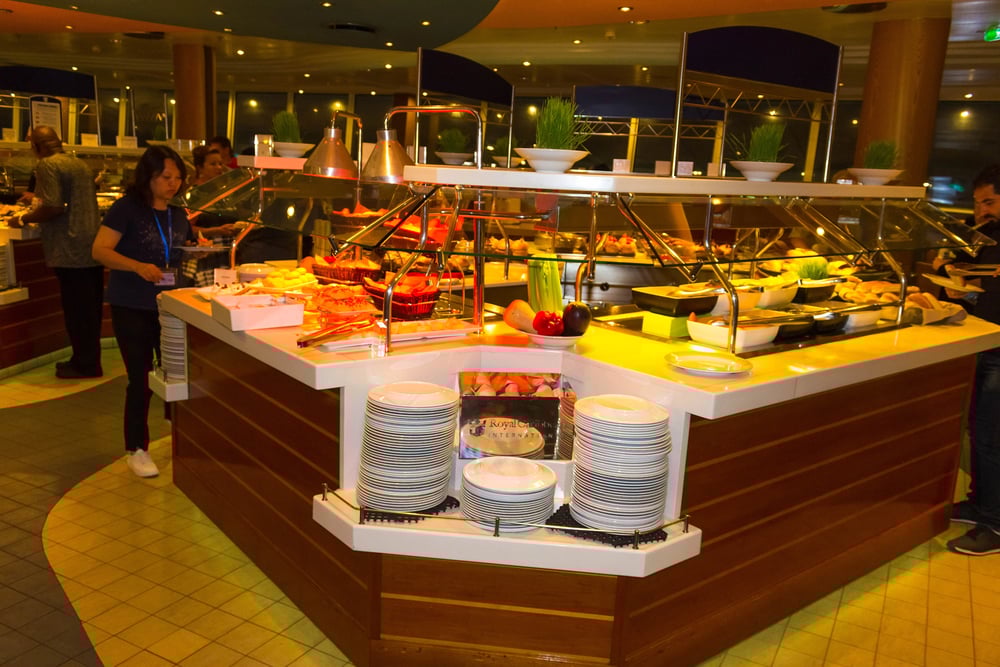
Supplying the ship involves coordinating massive quantities of food, fuel, and equipment. Thousands of meals are prepared daily, and storage facilities are carefully managed to maintain freshness and safety standards.
Behind the entertainment and ocean views lies a tightly organized operational system. Departments ranging from engineering to hospitality function like a self-contained municipality.
It Redefined Expectations For Cruise Travel

Harmony of the Seas did not simply add square footage to the cruise industry. It shifted the conversation from transportation to destination.
Guests board not just to travel, but to experience the ship itself as a primary attraction. That evolution reflects a broader change in travel culture.
Modern passengers expect variety, technology, and immersive design in one package. Harmony of the Seas stands as a symbol of that transition — a vessel that feels less like a ship and more like a moving resort city.
A Floating City In The Modern Era

Standing tall on the water, Harmony of the Seas shows what happens when shipbuilding pushes forward over time. At 1,188 feet long, it stretches far beyond older designs, shaped by years of trial and fresh ideas.
Instead of just cabins and decks, it builds zones that feel like different worlds stacked together. Hidden beneath, advanced engines move the giant with surprising precision.
This is not luck – rather, a steady drive to go further has shaped each detail. Nowadays, big boats such as Harmony of the Seas aren’t just rides – they’re places to explore.
Once upon a time, cruise liners simply moved people across oceans. Instead of only getting somewhere far away, they deliver entire worlds on water.
Because of how massive it is, plus all the things happening inside, expectations shifted slowly. What feels ordinary today – onboard life at sea – was shaped by choices made during its design.
Even newer ships being launched carry traces of its blueprint forward.
More from Go2Tutors!

- The Romanov Crown Jewels and Their Tragic Fate
- 13 Historical Mysteries That Science Still Can’t Solve
- Famous Hoaxes That Fooled the World for Years
- 15 Child Stars with Tragic Adult Lives
- 16 Famous Jewelry Pieces in History
Like Go2Tutors’s content? Follow us on MSN.



