Facts about the Gold Rush They Didn’t Teach in School
The California Gold Rush usually gets painted as a simple story: someone found shiny metal in a river, thousands of hopeful miners rushed west, and fortunes were made. Textbooks love to keep things neat and tidy, with their sanitized tales of brave pioneers and overnight millionaires.
But the real story is messier, stranger, and way more interesting than what most classrooms cover. The Gold Rush wasn’t just about striking it rich or manifest destiny—it involved international intrigue, environmental destruction, forgotten heroes, and some truly wild business schemes.
Let’s dig into the parts of history that got left on the cutting room floor.
The First to Find Gold Wasn’t Even Looking for It
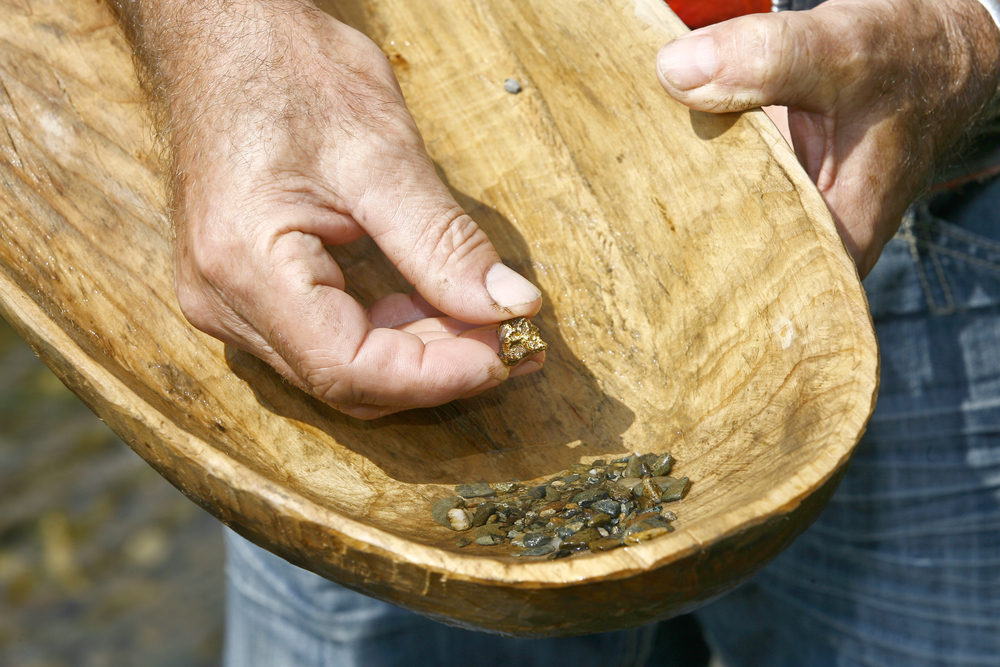
James Marshall discovered gold at Sutter’s Mill in January 1848, but he was just trying to build a sawmill. He spotted something shiny in the water channel and initially thought it might be fool’s gold.
Marshall and his boss, John Sutter, tried desperately to keep the discovery quiet because they knew it would wreck their plans for the area. That secrecy lasted about as long as a snowball in the summer sun.
Most Miners Lost Money Instead of Making It
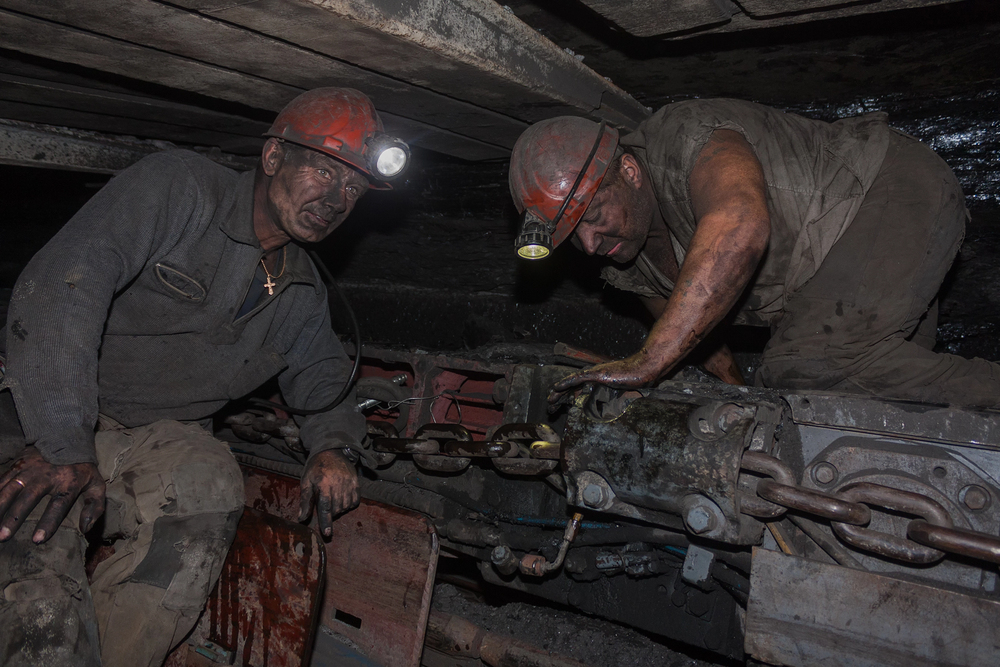
The image of prospectors striking it rich makes for good stories, but the reality was brutal for most people who came west. Mining equipment, food, and supplies cost so much in gold country that even successful miners often ended up broke.
Many people spent everything they had just getting to California, then discovered that the easy pickings were already gone. The real winners were the merchants selling shovels, pans, and overpriced beans to desperate prospectors.
Levi Strauss Got Rich Selling Pants, Not Mining

Speaking of smart merchants, a young immigrant named Levi Strauss realized that miners needed durable work pants more than they needed another prospector competing for gold. He partnered with a tailor named Jacob Davis to create reinforced denim trousers with copper rivets at stress points.
These tough pants could withstand the rough conditions of mining life. Strauss built an empire on the backs of working miners, and his company still exists today.
Chinese Miners Faced Special Taxes Designed to Drive Them Out
California passed the Foreign Miners Tax in 1850, but officials enforced it almost exclusively against Chinese immigrants. The tax cost about $20 per month at a time when most miners might find only a few dollars worth of gold in a week.
Chinese miners still managed to work claims that white miners had abandoned as worthless, often finding gold through patience and skill. They sent millions of dollars back to families in China despite facing constant discrimination and violence.
Women Made Fortunes Cooking and Doing Laundry

Mining camps were overwhelmingly male, which created huge opportunities for women willing to brave the frontier. A woman who could cook decent meals or wash dirty clothes could charge outrageous prices and make more money than most miners.
Some women earned enough to open boarding houses, restaurants, or even banks. These entrepreneurs rarely get mentioned in Gold Rush stories, but they were essential to making the camps functional.
San Francisco Grew from 200 People to 36,000 in Just Two Years
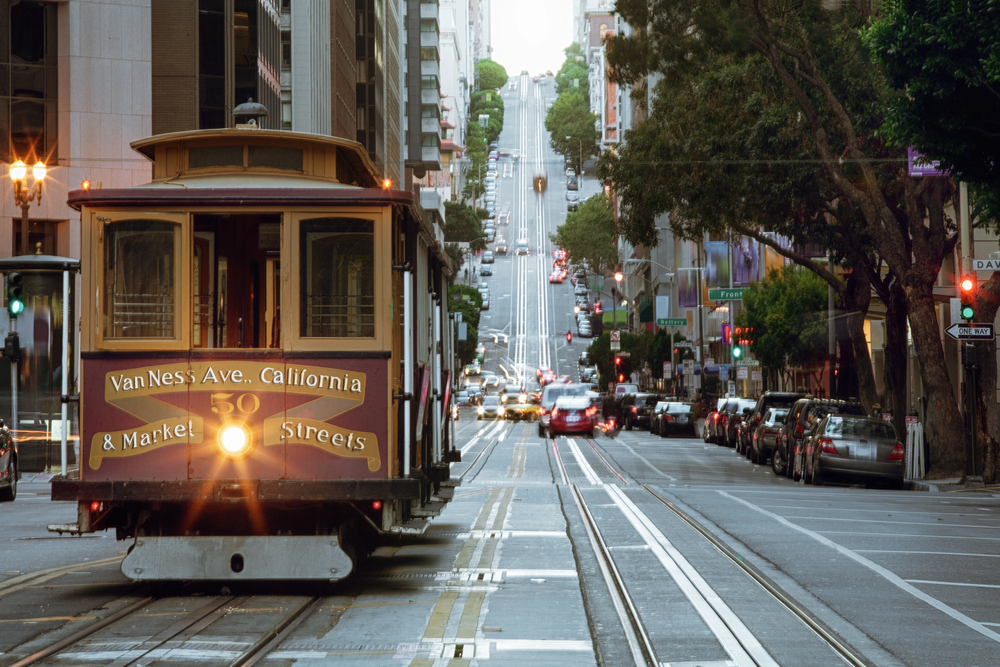
The tiny coastal settlement of San Francisco exploded almost overnight when gold fever hit. Ships arrived daily and their crews immediately abandoned them to head for the gold fields.
Hundreds of vessels sat rotting in the harbor because nobody wanted to be a sailor when they could be a millionaire. The city became so chaotic that residents eventually used abandoned ships as buildings, warehouses, and even jails.
Australia’s Gold Rush Happened Because California’s Inspired It

When news of California gold reached Australia in 1851, prospectors there started looking harder at their own land. They found massive gold deposits that triggered an even larger rush down under.
Many experienced miners from California sailed to Australia to try their luck again. This connection between the two gold rushes rarely gets taught, but it shows how global these events became.
The Phrase “Strike It Rich” Comes from Hitting Gold-Bearing Rock
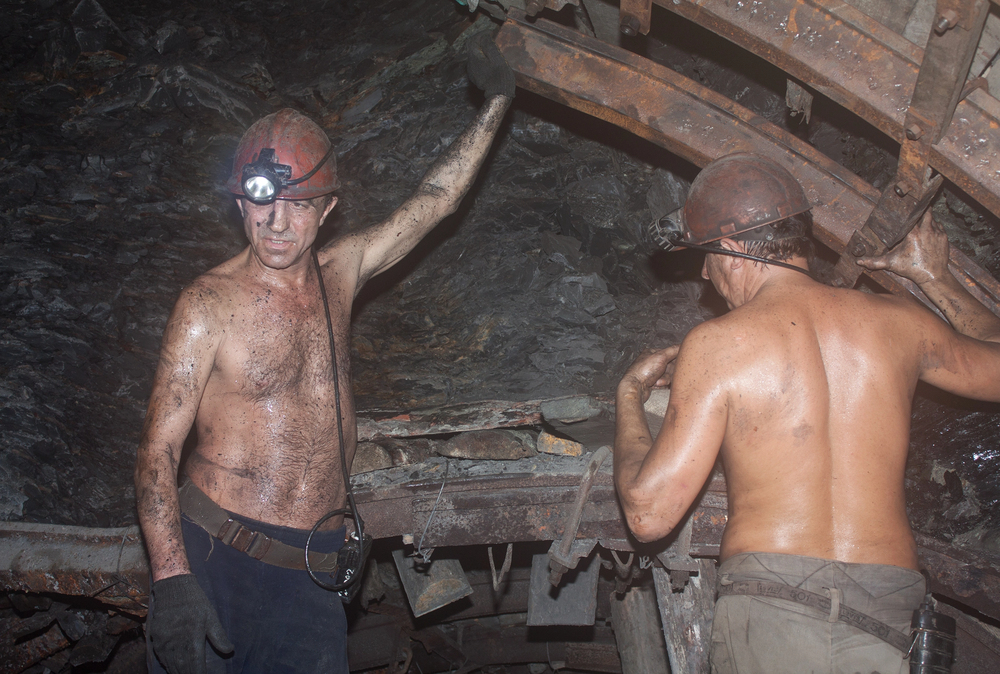
Miners used the term “strike” to describe finding a valuable vein of gold embedded in rock. Hitting pay dirt (another Gold Rush phrase) meant something similar.
These expressions entered everyday language because the Gold Rush captured the American imagination so completely. Dozens of common sayings trace back to this era, from “panning out” to “the real McCoy.”
Native Americans Were Systematically Murdered During the Rush
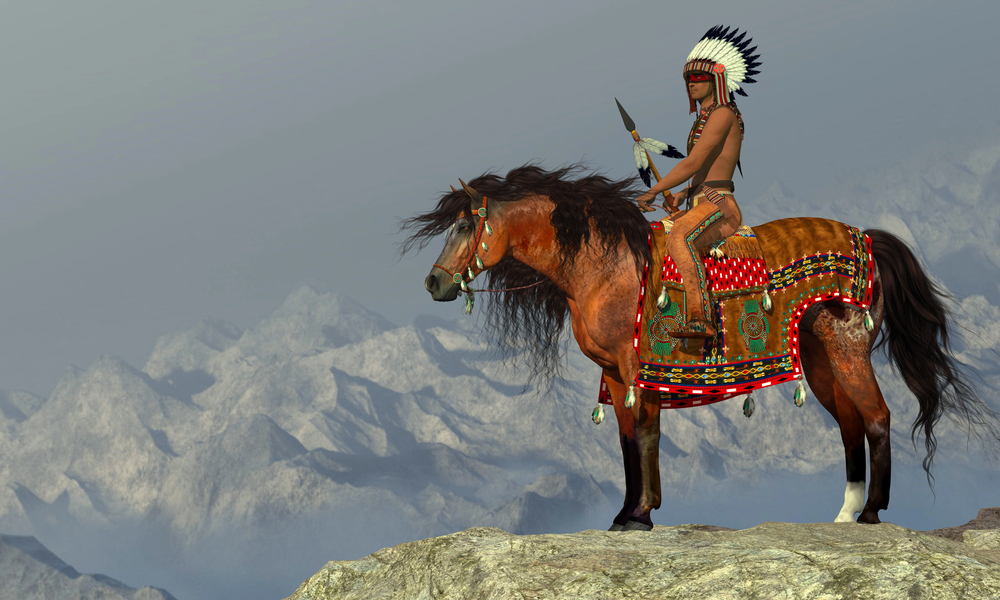
California’s indigenous population dropped from about 150,000 to 30,000 between 1848 and 1870. Miners and settlers killed Native Americans for being in the way, for defending their land, or sometimes for sport.
The state government even paid bounties for Native American scalps and body parts. This genocide rarely gets more than a sentence or two in most history books, but it was deliberate and devastating.
Chile Sent So Many Miners That Part of San Francisco Became Little Chile
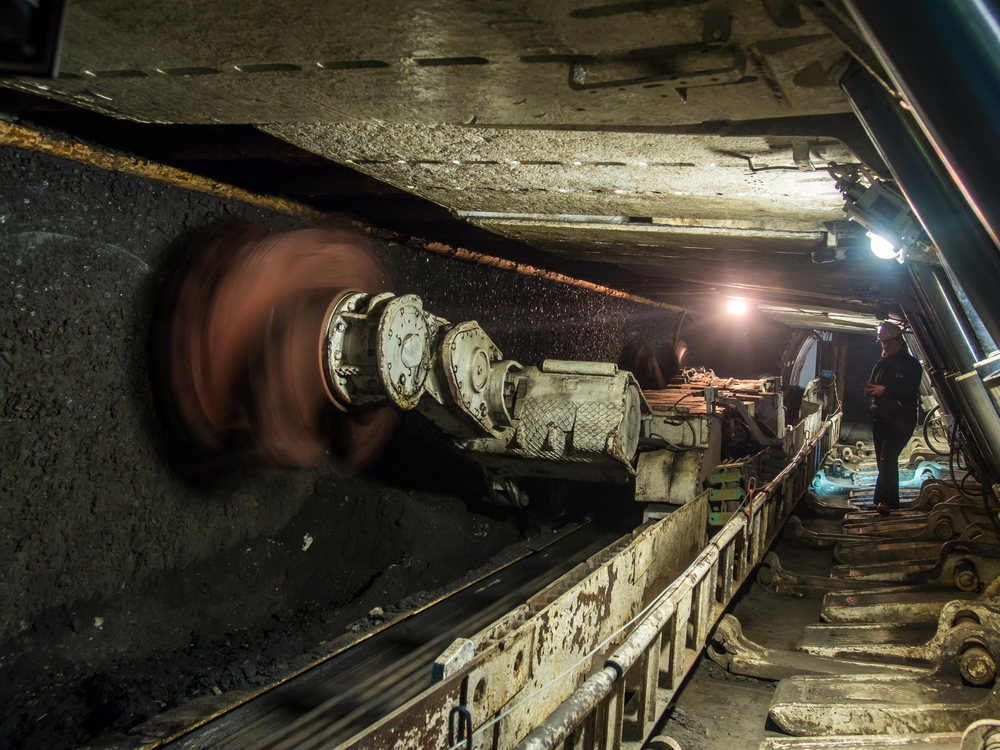
Chilean miners had experience with hard rock mining and arrived in California with actual skills. They established a neighborhood in San Francisco where Spanish was the main language.
White American miners resented their success and passed laws specifically targeting Latin American miners. Violence against Chilean and Mexican miners was common, and many were forced out of valuable claims they’d legally purchased.
Merchant Ships from New England Sailed 18,000 Miles to Cash In

The journey from Boston to San Francisco required sailing all the way around South America’s Cape Horn. The trip took five to eight months through some of the most dangerous waters on Earth.
Ships carried everything imaginable to sell in California, from lumber to pianos to prefabricated houses. Some captains made multiple trips, growing wealthy on California’s desperation for goods.
Hawaii Lost a Huge Portion of Its Population to Gold Fever
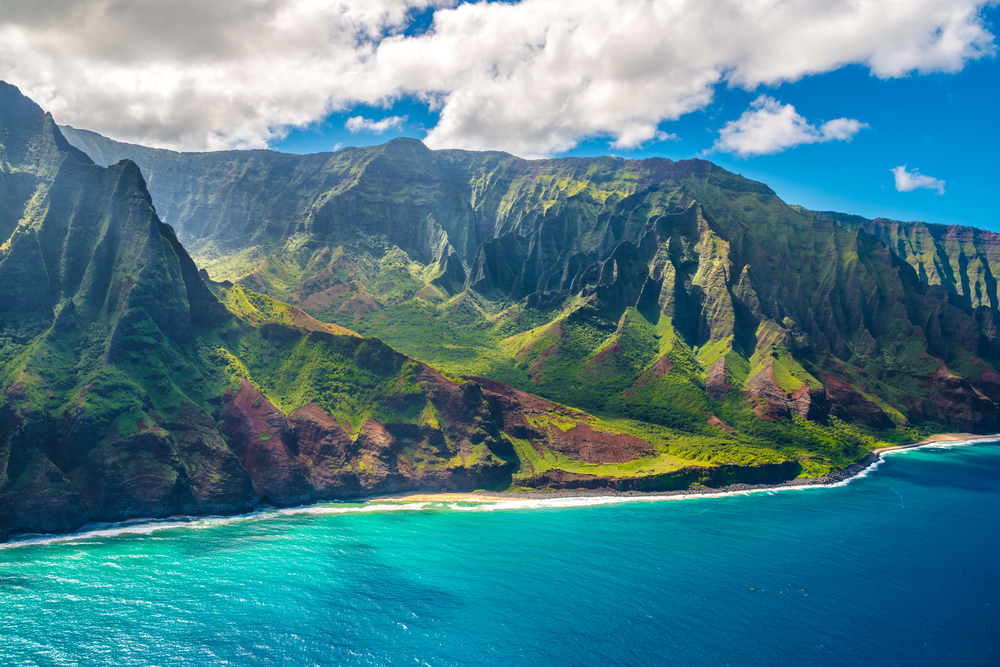
Thousands of Native Hawaiian men left the islands to try mining in California. The exodus created labor shortages back home and disrupted Hawaiian society.
Many Hawaiians worked as manual laborers or cooks in the gold fields rather than as miners. Few made the fortunes they hoped for, and many never returned home.
Mark Twain Failed as a Miner Before Becoming a Writer
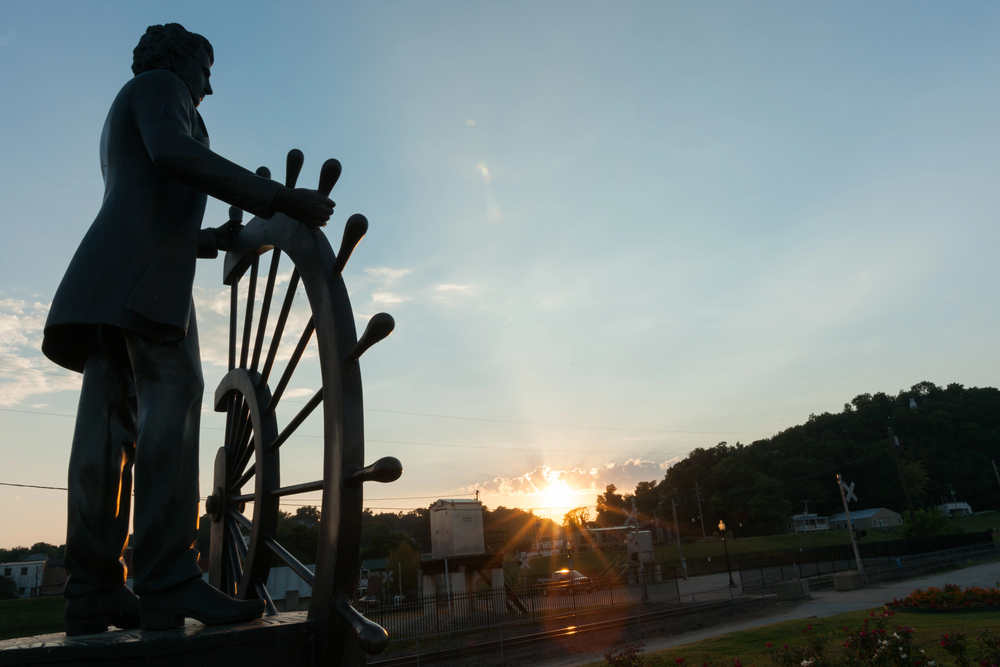
The famous author spent time in Nevada’s silver mines, which were essentially an extension of California’s Gold Rush. He was terrible at mining and gave up to work at a newspaper instead.
His experiences in rough mining camps shaped his writing style and gave him material for stories. Twain’s wit came partly from surviving the tough world of frontier mining towns.
Environmental Damage from Hydraulic Mining Was Catastrophic
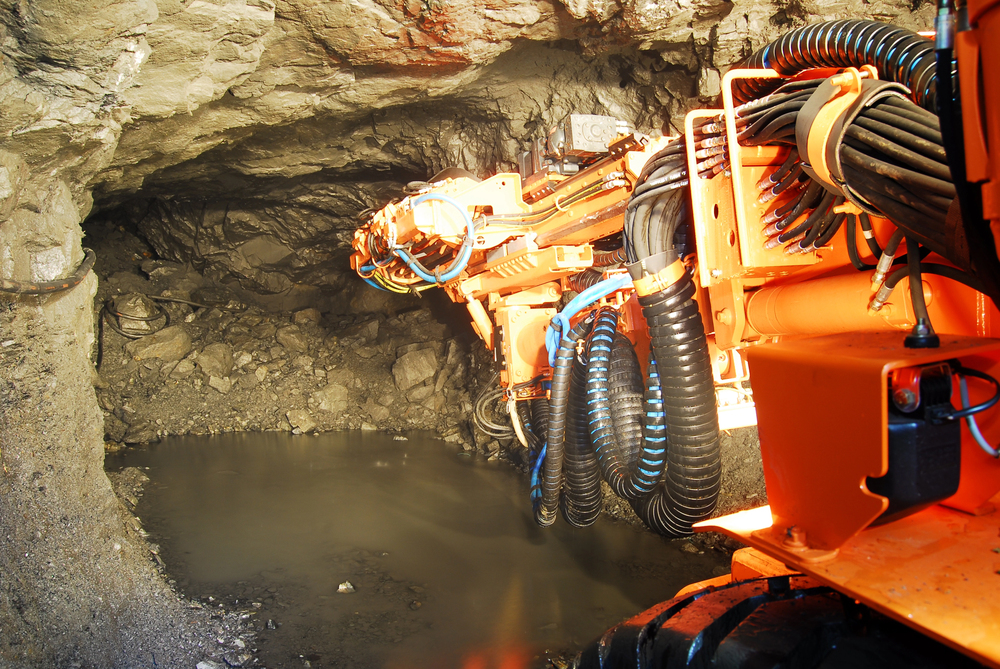
Miners eventually started using powerful water cannons to blast away entire hillsides. Hydraulic mining destroyed hundreds of thousands of acres and dumped billions of tons of sediment into rivers.
The debris raised river beds, caused flooding, and buried farmland under feet of mud and gravel. Central California’s landscape still bears the scars today, with entire mountains reshaped or removed.
The Gold Rush Attracted Criminals from Around the World

San Francisco and mining camps became havens for thieves, con artists, and violent gangs. Australia sent over convicts and former prisoners seeking new starts.
Organized crime groups from Eastern cities established operations. The lack of effective law enforcement meant justice often came from vigilante groups, which were sometimes just as bad as the criminals they hunted.
Some Miners Found 50-Pound Chunks of Solid Gold
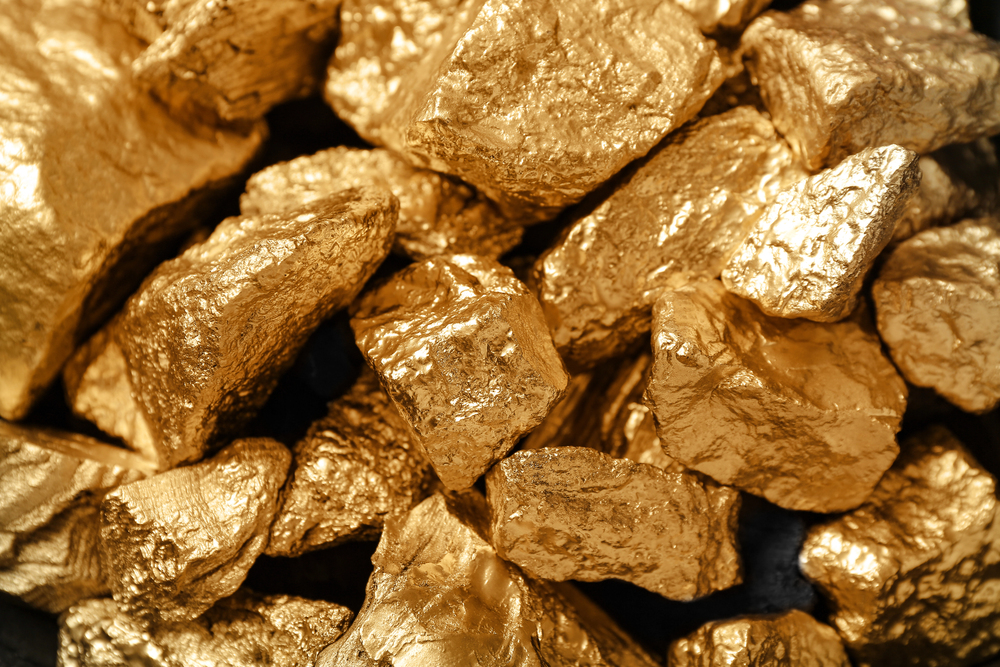
While most prospectors scraped out tiny flakes, a lucky few discovered massive nuggets. The largest California nugget weighed 195 pounds and was worth about $43,000 at the time.
These rare finds kept hope alive and convinced thousands more to keep trying. Stories of monster nuggets spread faster than actual gold strikes, bringing wave after wave of new arrivals.
Miners Developed Their Own Legal System Before California Became a State
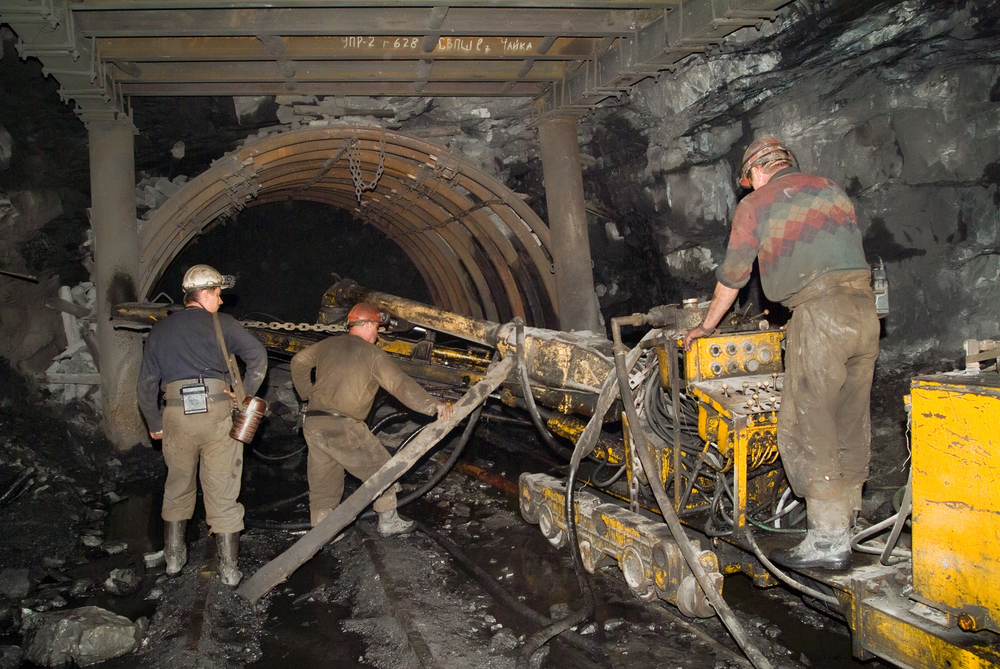
Out here, where laws hardly reached, groups of prospectors banded together, forming rough clusters called mining districts. Elected men handled decisions, while hand-scribbled codes set boundaries on land grabs and quarrels alike.
With no help from far-off rulers – first Mexico’s, later America’s – these makeshift systems stepped into the gap. Ideas born in dirt camps around ownership quietly shaped how water and minerals are governed across the West today.
Need pushed them; personal stakes guided their choices – they built community rule because nothing else worked.
Ghost Towns Popped Up Almost as Fast as Boom Towns
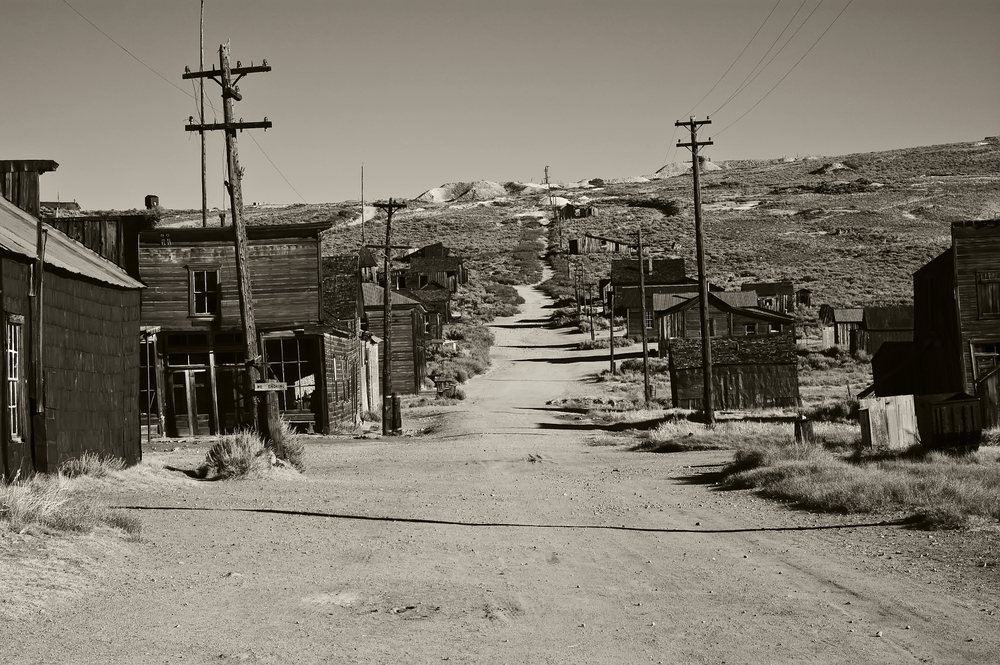
Out near where the dust settles, towns would empty fast once the gold played out. Left behind were walls with no roofs, wood hauled off to build something new somewhere else.
Many of those camp spots blinked into existence, then faded without a trace. Today, across California, you can stumble on silent patches where nothing stands except old corners of stone or a metal sign bolted to dirt.
Stories about the rush tend to skip how quickly it all fell apart.
The Echo of Pickaxes
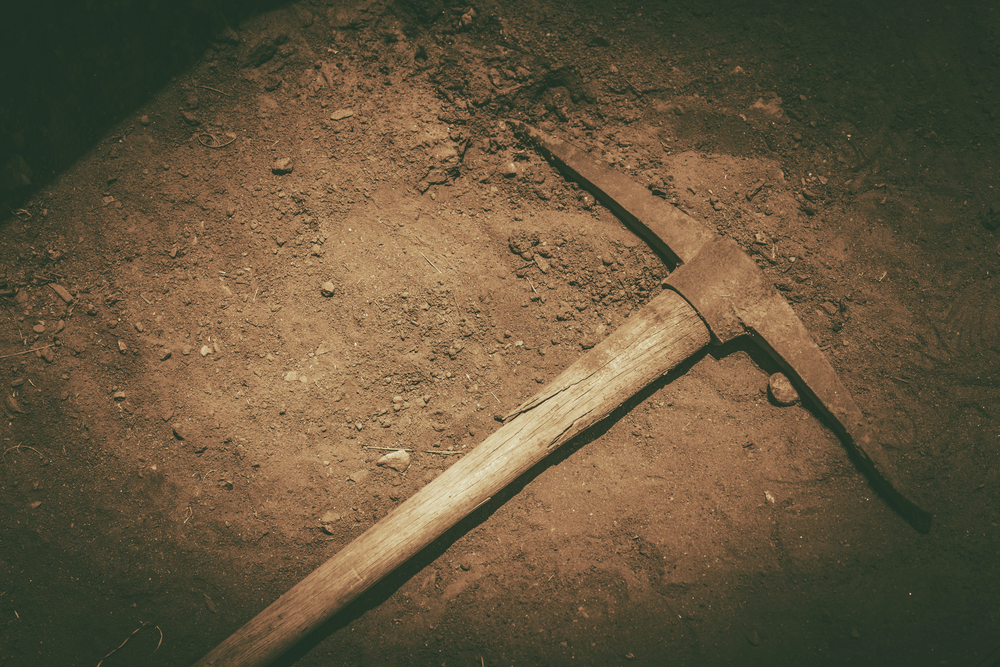
Out of nowhere came a fever dream called the Gold Rush – short-lived yet relentless in its reach. A single glimpse of glitter in running water set off what would become a global scramble.
People arrived by ship, foot, train, some driven more by desperation than dreams. Towns sprang up where none had stood before, built fast and lived louder.
Not money alone reshaped things – the real shift lay in who showed up, why they stayed, how lives bent under sudden chance. Every continent left fingerprints on those hills, valleys, and riverbanks.
What mattered most wasn’t the metal pulled from dirt – it was the chaos of chasing it. That hunger rewired borders, beliefs, fortunes overnight.
Even now, echoes hum beneath modern streets and quiet forests.
More from Go2Tutors!

- The Romanov Crown Jewels and Their Tragic Fate
- 13 Historical Mysteries That Science Still Can’t Solve
- Famous Hoaxes That Fooled the World for Years
- 15 Child Stars with Tragic Adult Lives
- 16 Famous Jewelry Pieces in History
Like Go2Tutors’s content? Follow us on MSN.