Facts About the Largest Diamonds Ever Found
Diamonds have fascinated people for centuries. Their sparkle isn’t just about beauty—it’s about history, science, and a bit of luck.
Some of the largest diamonds ever discovered have stories that stretch from royal crowns to secret vaults. Every one of them holds a place in history that’s hard to ignore.
Now, let’s dig a little deeper into the world’s biggest and most unforgettable diamonds. Each has its own twist and sparkle.
Cullinan Diamond
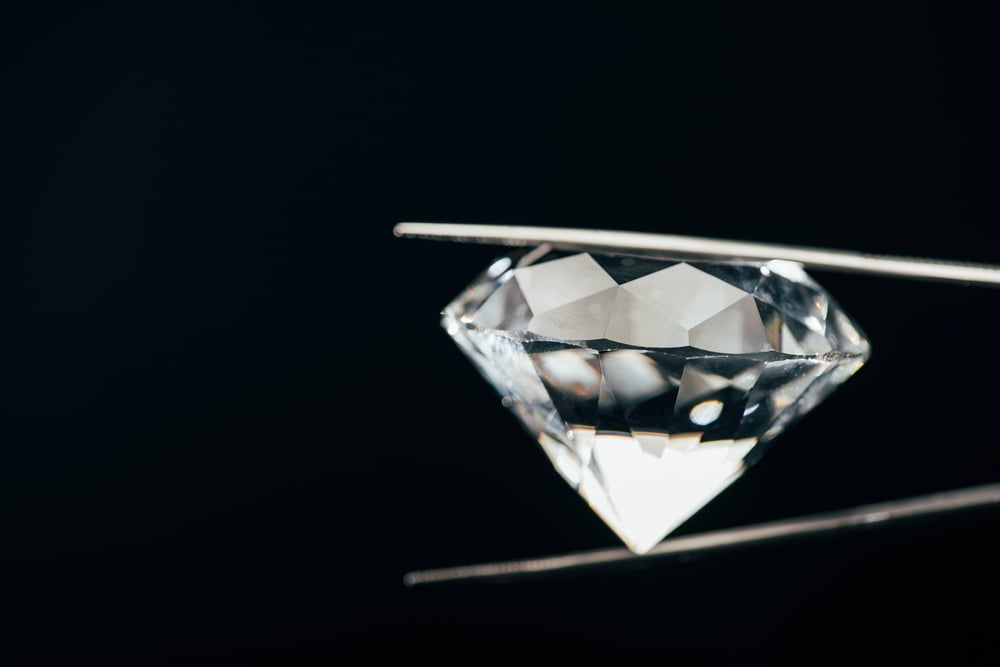
Found in 1905 in South Africa, the Cullinan Diamond remains the largest gem-quality rough diamond ever discovered, weighing an incredible 3,106 carats. It was later cut into several stones, the largest being the Great Star of Africa, which now rests in the British Crown Jewels.
Its discovery changed how people viewed mining in South Africa. It turned a simple find into royal history.
The Great Star of Africa
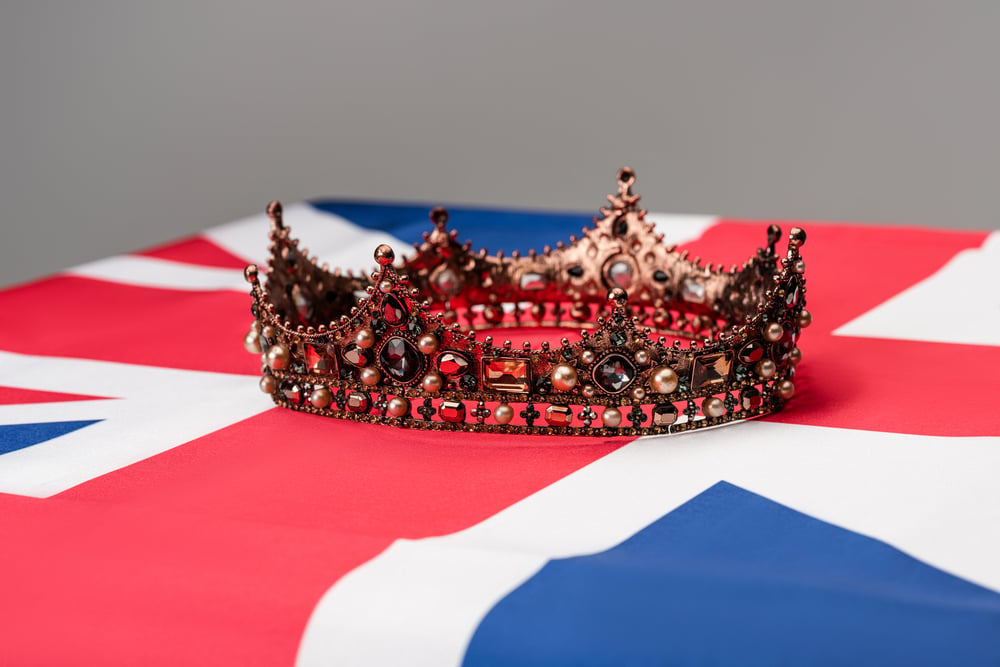
Also known as Cullinan I, this diamond weighs 530.2 carats and is part of the British Sovereign’s Sceptre with Cross. It’s one of the most admired diamonds in the world because of its size, flawless cut, and clarity.
Visitors to the Tower of London often call it the true highlight of the royal collection. Its presence alone captivates crowds.
The Lesser Star of Africa

Cullinan II, or the Lesser Star of Africa, sits in the Imperial State Crown of Britain and weighs 317.4 carats. Though smaller than its big sibling, it still commands attention with its perfect symmetry and light reflection.
Together, the two Cullinan diamonds symbolize both craftsmanship and power. They remain icons of royalty.
Excelsior Diamond
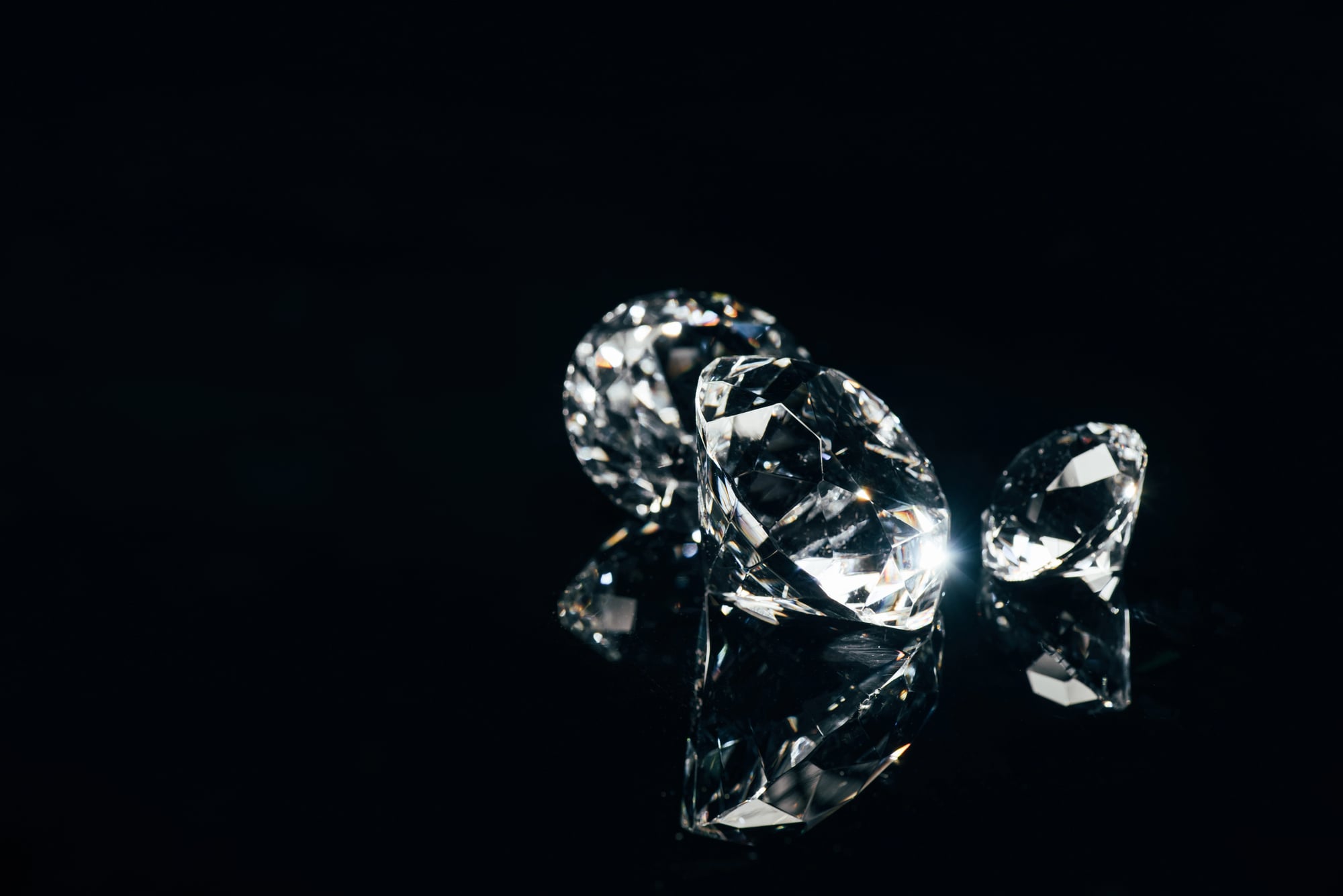
The Excelsior Diamond was discovered in 1893, also in South Africa, weighing 995.2 carats before it was cut. It was later split into ten pieces, which disappointed many experts who believed it could have become one of the world’s greatest single gems.
Still, its icy blue-white color made it unforgettable. Its reputation endures in gem history.
Lesedi La Rona
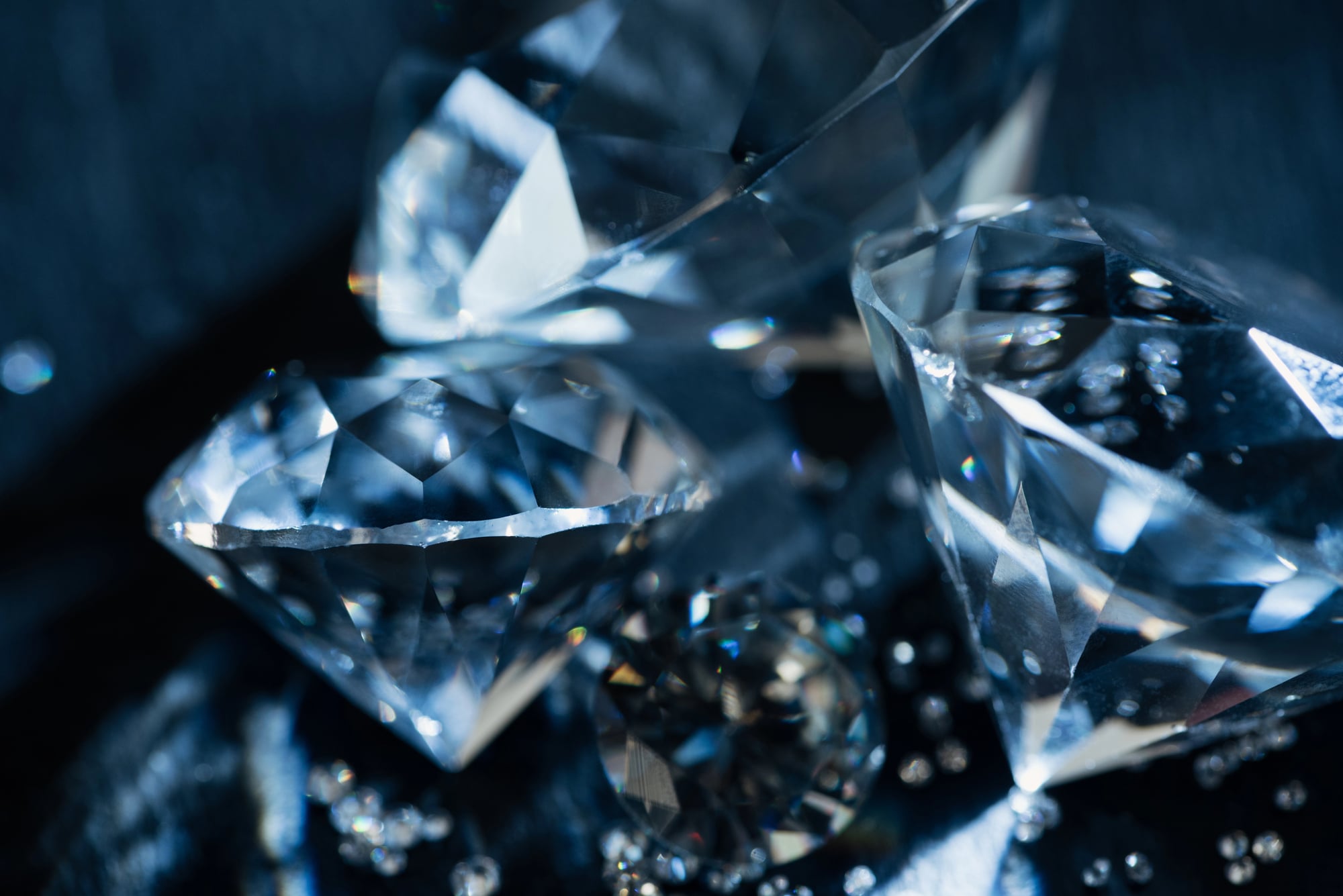
Discovered in Botswana in 2015, the Lesedi La Rona weighed an astonishing 1,109 carats in its rough state. It was sold for $53 million and later cut into a series of beautiful gems.
What made it stand out was its near-perfect transparency. It was also found using modern technology rather than traditional mining.
The Incomparable Diamond
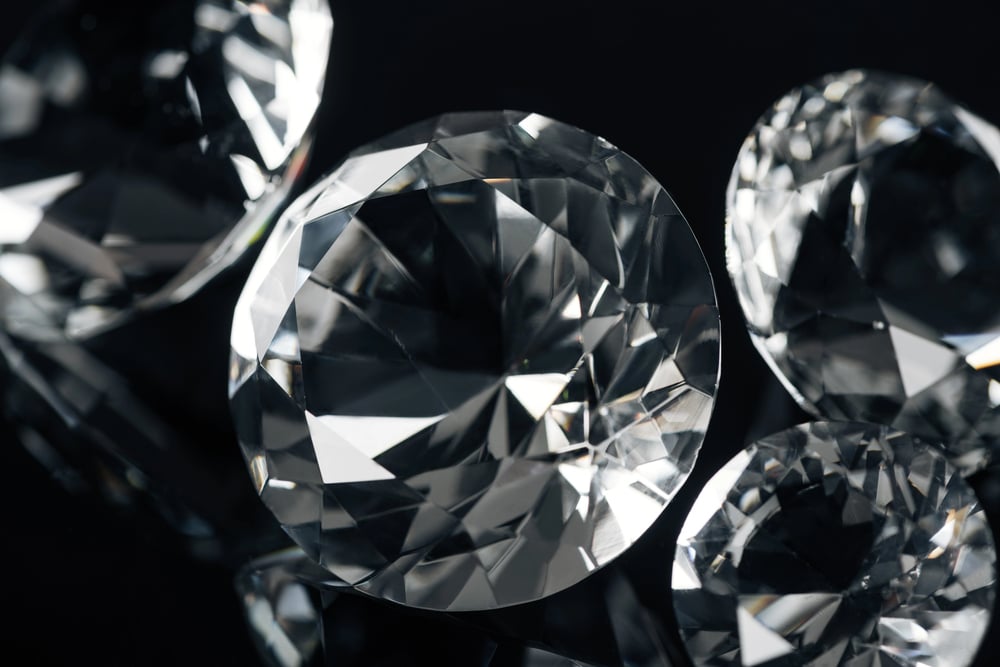
Found accidentally by a young girl in the Democratic Republic of Congo in the 1980s, this diamond weighed 890 carats before cutting. It was shaped into a stunning 407-carat gem, making it one of the largest faceted diamonds in the world.
Its warm brown-yellow color gives it a unique glow. Such hues are rarely seen in large diamonds.
The Millennium Star
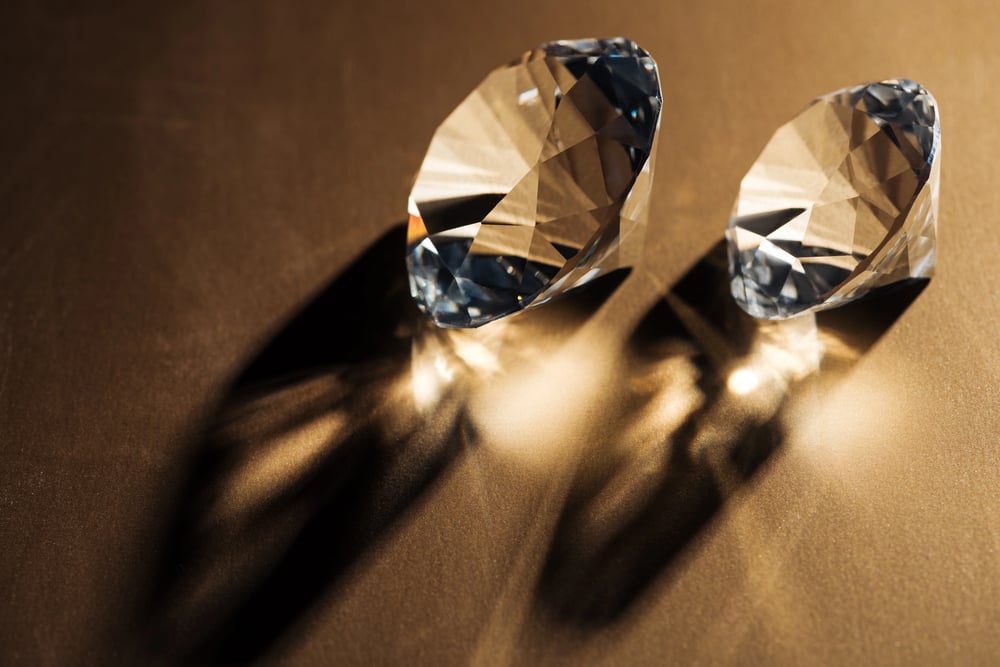
This flawless diamond was discovered in Zaire (now the Democratic Republic of Congo) and later owned by De Beers. Weighing 203.04 carats after cutting, it’s one of the few diamonds without any internal flaws visible under magnification.
It was famously protected in a high-tech display during the Millennium Dome exhibition in London. Its security became part of its legend.
Golden Jubilee Diamond
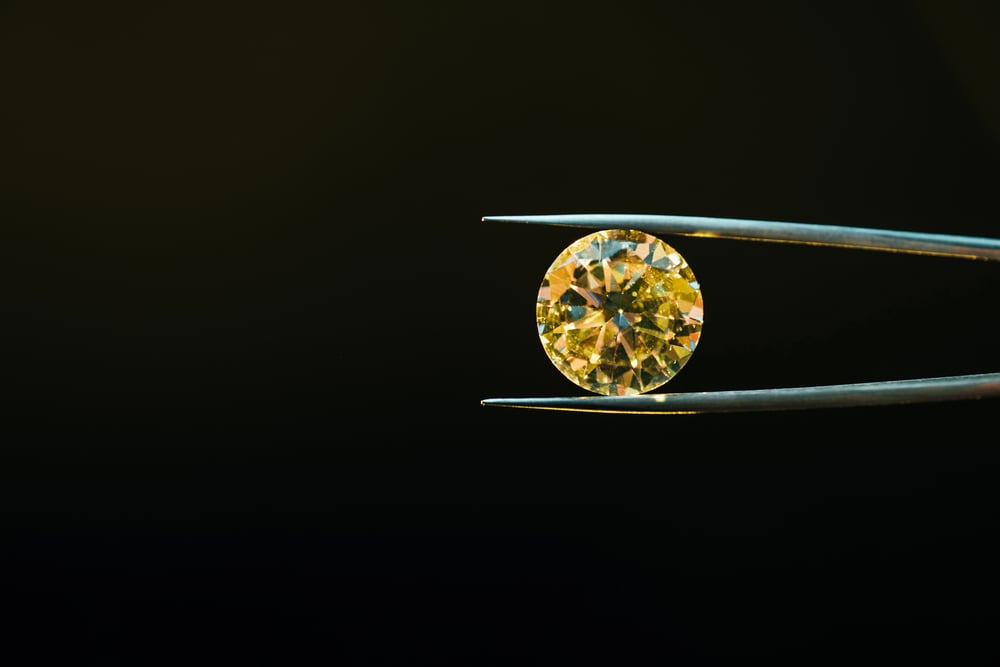
At 545.67 carats, the Golden Jubilee Diamond is the largest faceted diamond in the world. Found in South Africa in 1985, it has a deep golden-brown color that gives it a warm, regal look.
It was presented to the King of Thailand in 1997. It now sits in the Thai Crown Jewels.
The Regent Diamond
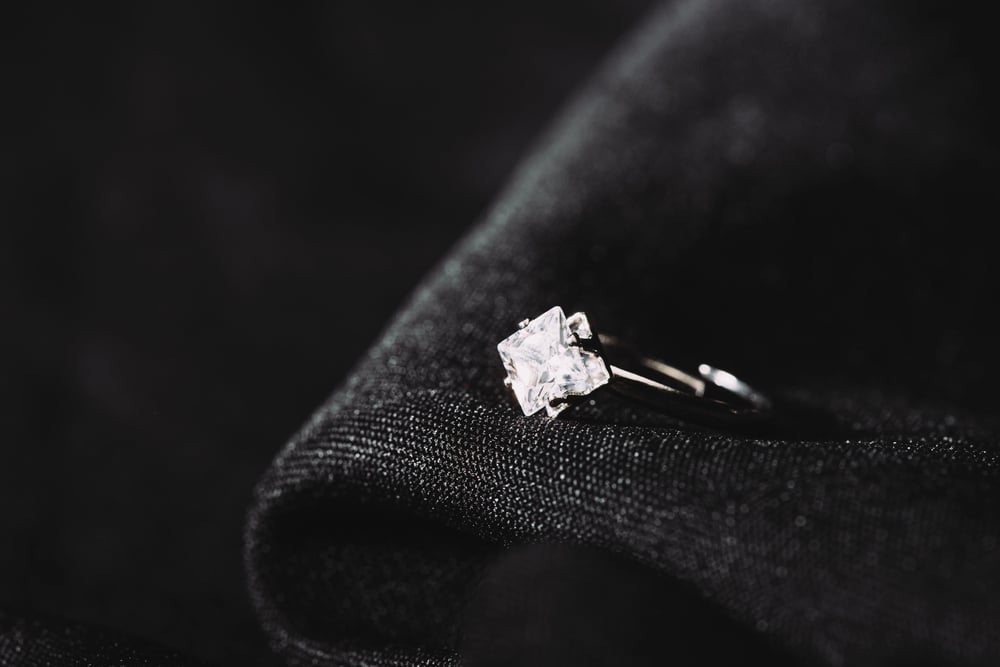
Discovered in India in the early 1700s, the Regent Diamond weighs 140.64 carats and is often praised for its brilliance and perfect cut. It has a long history, having adorned both French royalty and Napoleon’s sword.
Today, it’s on display at the Louvre Museum in Paris. It continues to attract visitors from around the world.
Koh-i-Noor
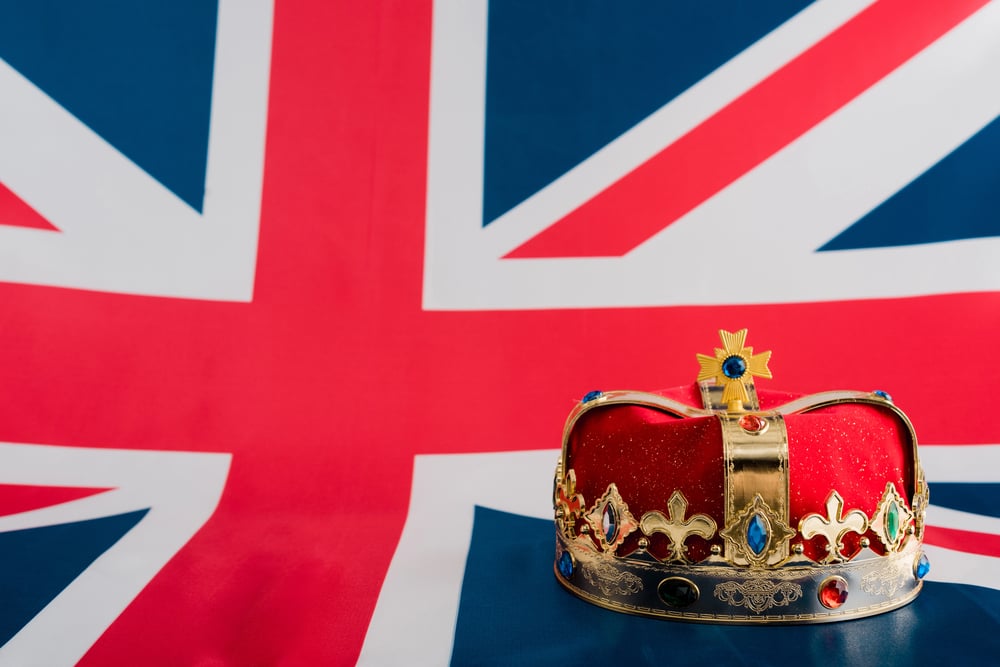
This legendary diamond has a mysterious past that spans centuries. Originating from India, it passed through the hands of many rulers before becoming part of the British Crown Jewels.
Weighing 105.6 carats, it’s smaller now than when first discovered. Its fame easily outshines its size.
The Jonker Diamond
Found in 1934 in South Africa, the Jonker Diamond weighed 726 carats before cutting. It was later shaped into 13 individual gems, with the largest weighing about 142 carats.
Its clarity and elongated shape made it one of the finest diamonds of its time. Jewelers still admire its quality.
The Orlov Diamond
This Indian diamond, now part of the Russian Diamond Fund, weighs about 189 carats. Its shape resembles half an egg and it’s mounted in the Imperial Sceptre of Russia.
The stone’s history stretches back to ancient temples. It remains one of the most mysterious diamonds ever found.
The Taylor-Burton Diamond
Named after Richard Burton and Elizabeth Taylor, this 68-carat pear-shaped diamond was a symbol of extravagant love. It was originally part of a larger rough stone discovered in South Africa.
When Elizabeth Taylor wore it, it quickly became one of the most famous gems in Hollywood history. It defined celebrity luxury.
The Spirit of de Grisogono
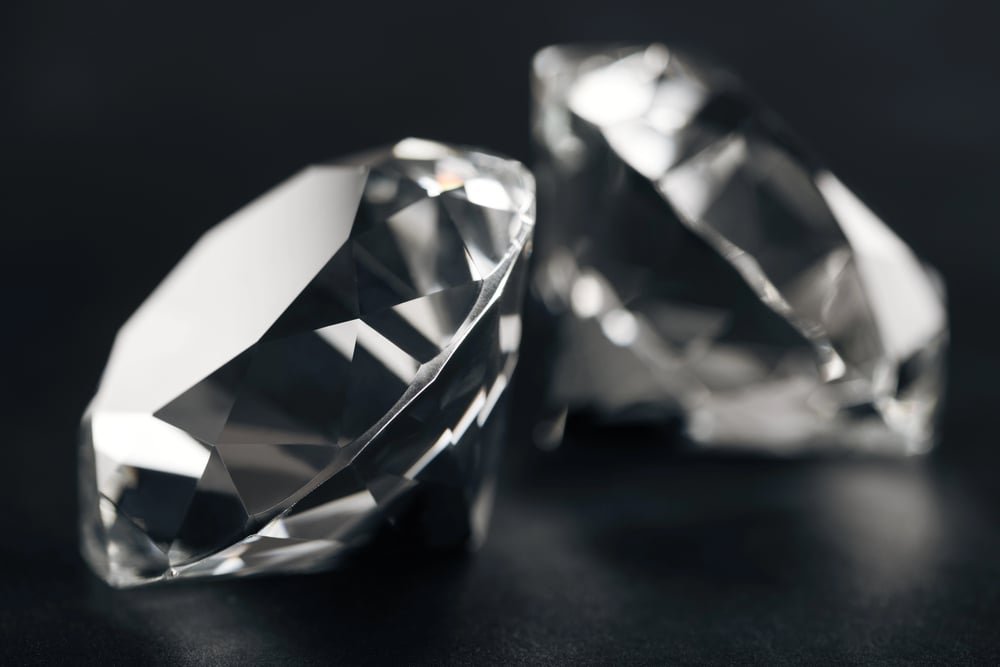
This black diamond is one of the largest of its kind, weighing 312.24 carats after cutting. Found in the Central African Republic, it was polished using traditional methods that took years to perfect.
Its dark, reflective surface gives it an almost mysterious personality. People are drawn to its rarity.
The Star of Sierra Leone
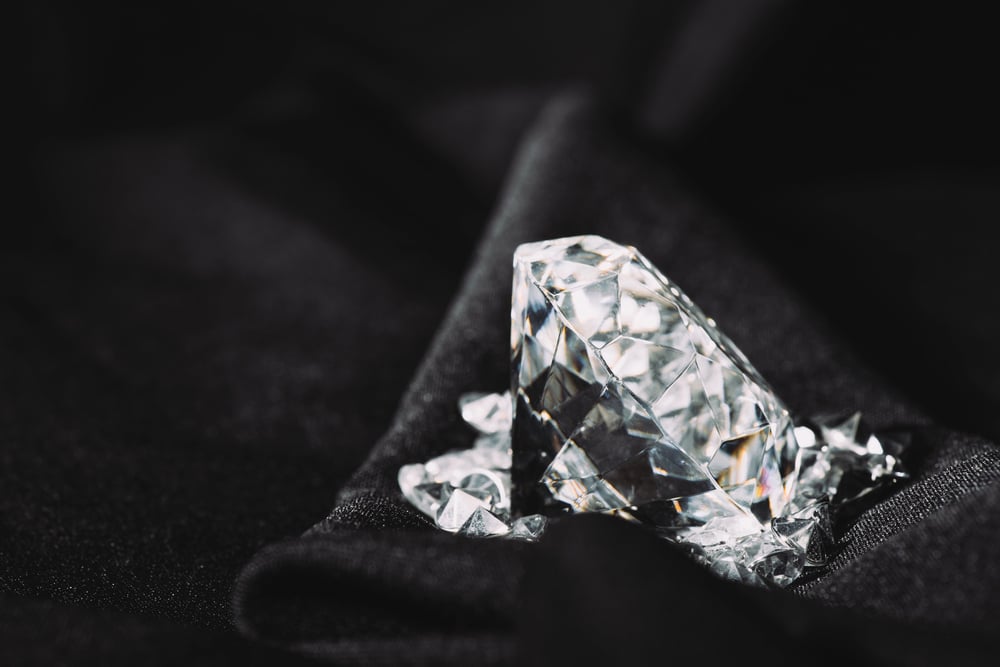
Discovered in 1972, this 968.9-carat diamond is one of the largest alluvial diamonds ever found. It was cut into 17 individual gems, many of which were flawless.
The find proved that riverbeds can hold treasures as significant as deep mines. It changed how miners explored for diamonds.
The Jubilee Diamond
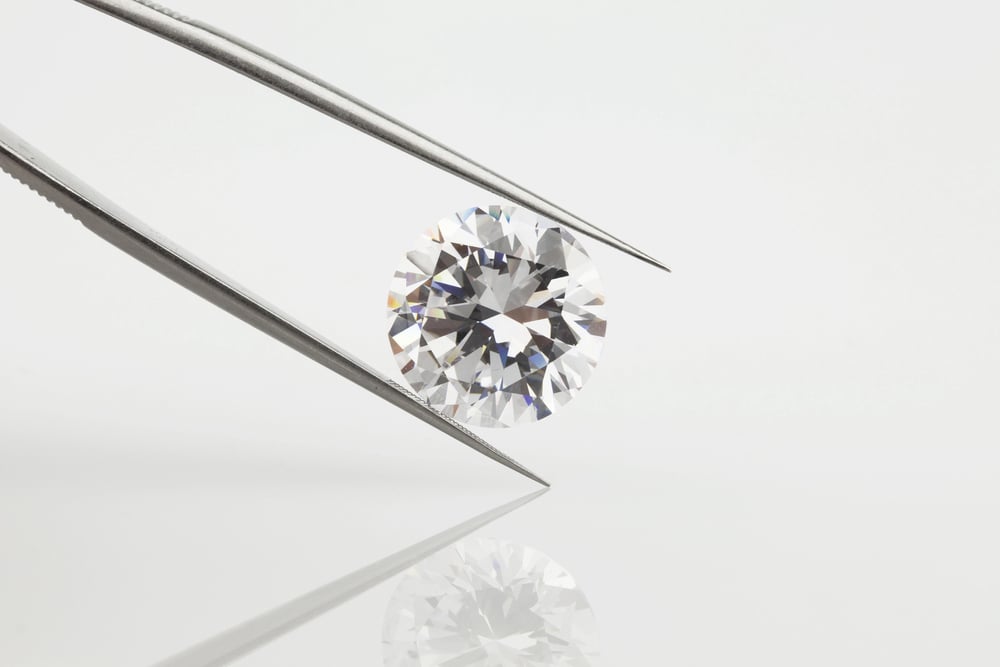
Formerly known as the Reitz Diamond, this gem weighed 245.35 carats after cutting from a 650-carat rough stone. It was named to honor Queen Victoria’s Diamond Jubilee in 1897.
Its cushion shape and perfect proportions made it a symbol of both art and celebration. Its name reflects pride and elegance.
The Sefadu Diamond
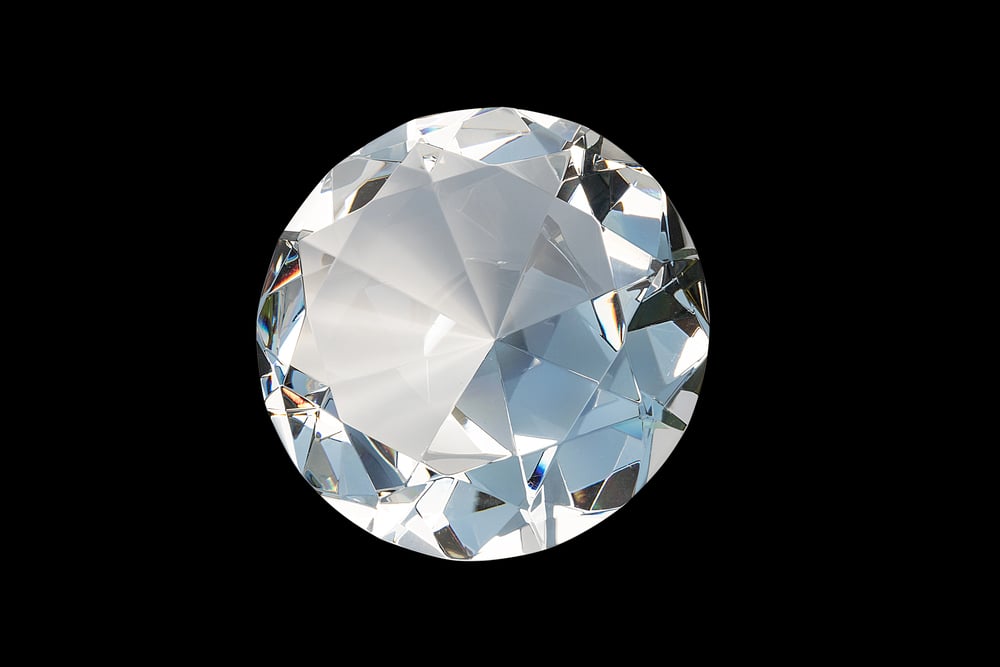
Found in Sierra Leone in 1970, this diamond weighed 620 carats in its rough state. It remains one of the largest ever discovered in that region.
Its discovery added Sierra Leone to the map of major diamond sources in the world. It cemented the country’s place in mining history.
The President Vargas Diamond
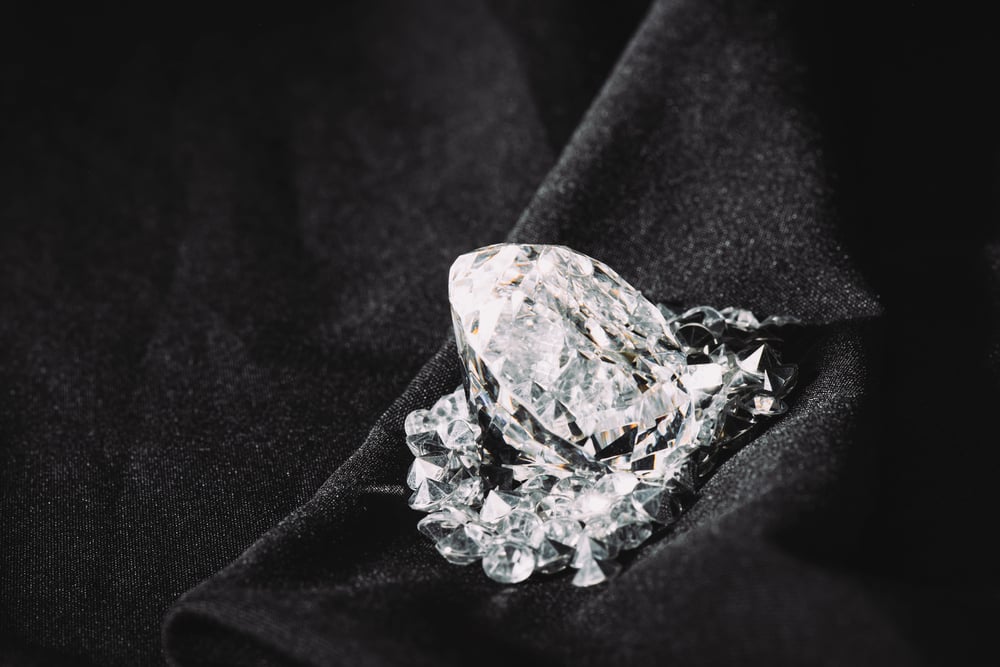
Discovered in Brazil in 1938, the President Vargas Diamond weighed 726.6 carats. It was cut into 29 smaller diamonds, with the largest weighing about 48 carats.
The stone was named in honor of Brazil’s then-president, Getúlio Vargas, reflecting national pride in the country’s mining achievements. Its legacy highlights Brazil’s resources.
Diamonds through time
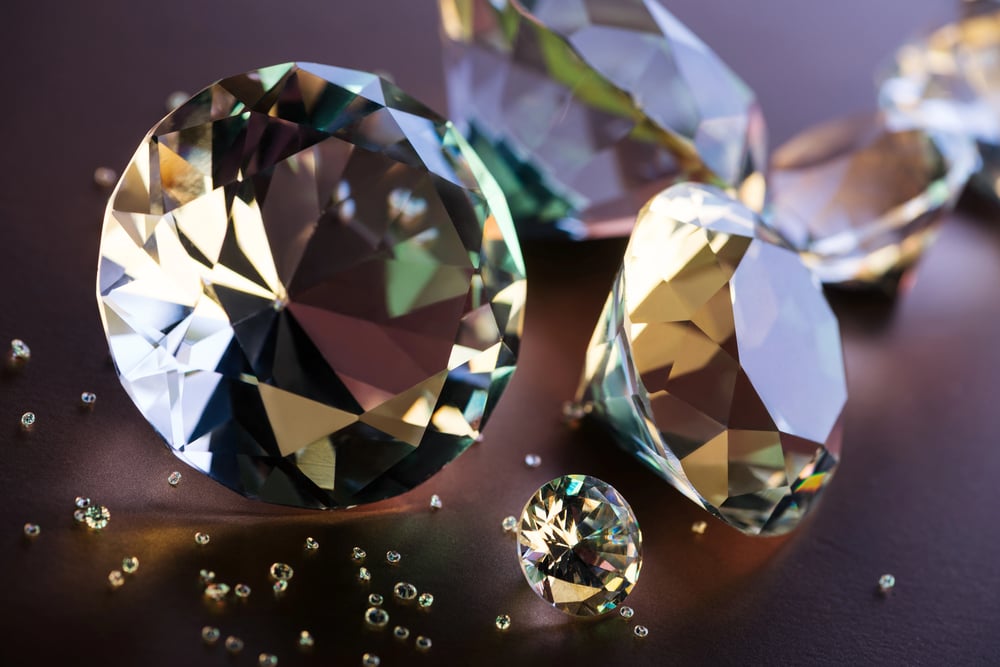
These extraordinary gems aren’t just beautiful—they’re time travelers carrying pieces of Earth’s deep history. Each one tells a story of discovery, craftsmanship, and cultural pride.
From ancient India to modern Botswana, they reveal how human curiosity and natural wonder can meet in a single sparkling stone. Even today, new discoveries remind the world that nature still holds secrets waiting to shine.
More from Go2Tutors!

- The Romanov Crown Jewels and Their Tragic Fate
- 17 Halloween Costumes Once Considered Taboo
- Famous Hoaxes That Fooled the World for Years
- 15 Child Stars with Tragic Adult Lives
- 16 Famous Jewelry Pieces in History
Like Go2Tutors’s content? Follow us on MSN.



