Strange Reasons Why Famous Places Are Restricted
Ever wondered why some of the world’s most interesting spots are completely off-limits? It turns out that behind those “no entry” signs and locked gates, there are stories way stranger than anything most people would guess. From deadly animals to ancient curses, these places aren’t just closed for renovation.
Let’s take a look at some spots around the globe where visitors simply can’t go, and the wild reasons keeping everyone out.
Poveglia Island has too many ghosts for comfort
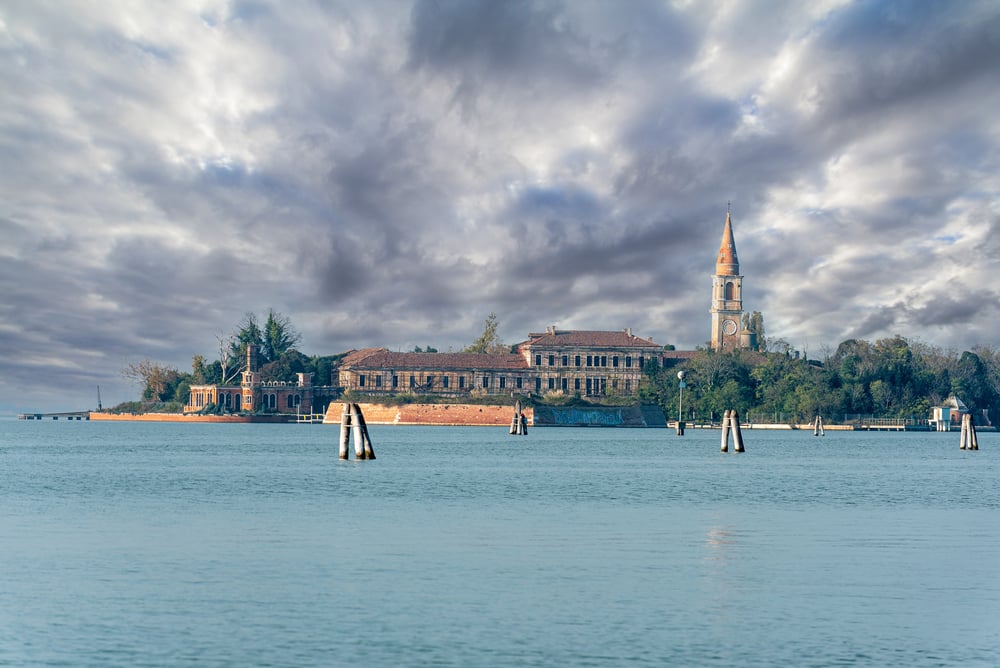
This small island near Venice, Italy sits empty because locals believe it’s cursed beyond repair. During plague outbreaks centuries ago, authorities used Poveglia as a dumping ground for infected victims.
Later, a mental hospital opened there, and rumor has it a doctor conducted horrible experiments before throwing himself from the bell tower. The Italian government banned all visits because treasure hunters kept sneaking in, and officials worried someone would get hurt exploring the crumbling buildings.
Today, fishermen won’t even let their boats drift too close to shore.
North Sentinel Island protects people who attack outsiders

The Sentinelese tribe has lived on this Indian Ocean island for thousands of years without outside contact. They shoot arrows at helicopters and attack boats that come near their beaches.
Indian law makes it illegal to visit because the tribe has no immunity to common diseases that could wipe them out completely. A few people ignored the rules and paid with their lives.
The restriction protects both the islanders and curious travelers who don’t understand the danger.
Heard Island is too remote and too volcanic
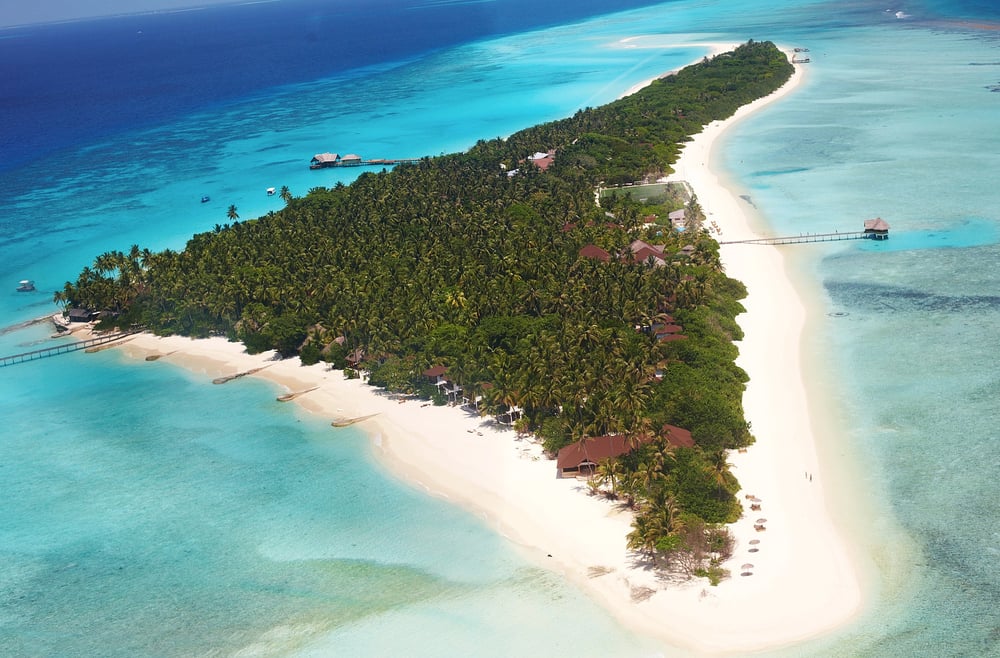
This Australian territory sits in the southern Indian Ocean, so far from everything that hardly anyone has the resources to reach it. An active volcano called Big Ben keeps erupting and changing the island’s shape.
The surrounding waters are among the roughest on Earth, with waves that can flip research vessels. Australia restricts access to protect the island’s unique wildlife, including massive seal colonies that have never learned to fear humans.
Even scientists need special permits and military-grade equipment to visit safely.
Snake Island has more deadly vipers than anywhere else

Ilha da Queimada Grande off Brazil’s coast holds the highest concentration of venomous snakes in the world. The golden lancehead viper lives nowhere else on Earth and delivers bites so toxic that flesh dies within hours.
Estimates suggest there’s one snake for every square meter of land in some areas. The Brazilian navy banned all visits after the lighthouse keeper and his family died from snake bites decades ago.
Only a handful of researchers with extensive training can study the island under strict supervision.
Surtsey Island must remain scientifically pure
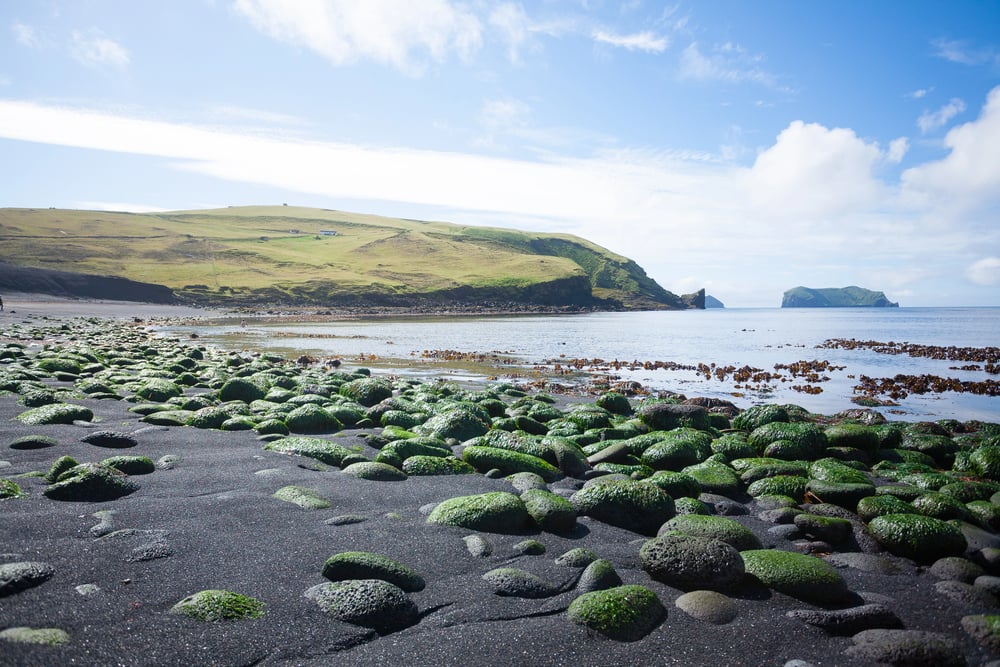
When this island exploded out of the ocean near Iceland in 1963, scientists saw a rare chance to study how life colonizes new land. Researchers must scrub their boots and wear sterile clothing before stepping foot on the volcanic rock.
Even scientists can only visit with special permission because one accidental seed could ruin decades of careful observation. Birds started nesting there naturally, and plants arrived on the wind.
The restriction helps answer questions about how ecosystems develop from absolutely nothing.
Chapel of the Ark supposedly holds the real Ark of the Covenant
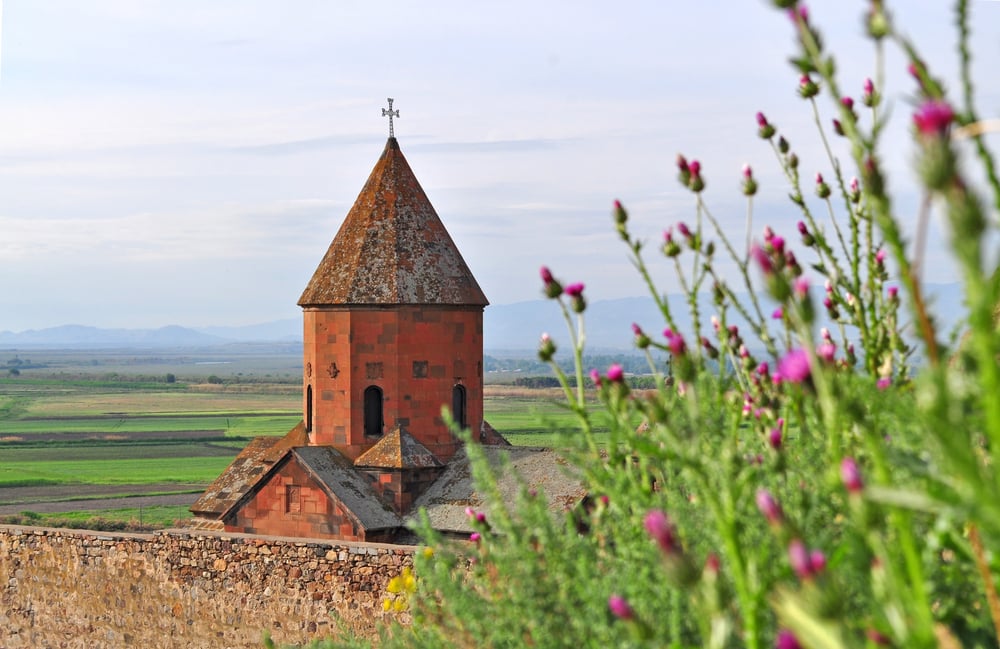
One small chapel in Axum, Ethiopia claims to house the biblical Ark of the Covenant. A single guardian monk watches over it for his entire life and never leaves the building.
No one else can enter the chapel, not even the Ethiopian president or religious leaders. The guardian won’t confirm or deny what’s actually inside, and he trains his replacement only when death is near.
Whether the Ark is real or not, the restriction keeps the mystery alive and protects whatever sits in that dark room.
Lascaux Caves closed because tourists brought deadly mold

These French caves contain prehistoric paintings that survived 20,000 years in perfect darkness. When authorities opened them to visitors in 1948, human breath and body heat created moisture that fed aggressive mold.
The paintings started fading and green fungus spread across ancient handprints. Scientists closed the caves in 1963 and have been fighting contamination ever since.
A handful of researchers can enter for minutes at a time, but tourist visits would destroy what remains in just a few years.
Niihau Island belongs to one family who wants privacy

The Robinson family bought this Hawaiian island in 1864 and has kept outsiders away ever since. Only native Hawaiians who were living there at the time of purchase and their descendants can stay.
The roughly 170 residents speak Hawaiian as their primary language and live without modern technology. The family restricts visits to preserve a way of life that disappeared everywhere else in Hawaii.
Occasional tours let people see the coastline from a distance, but setting foot on the beach is absolutely forbidden.
Vatican Secret Archives hide documents too sensitive for public eyes
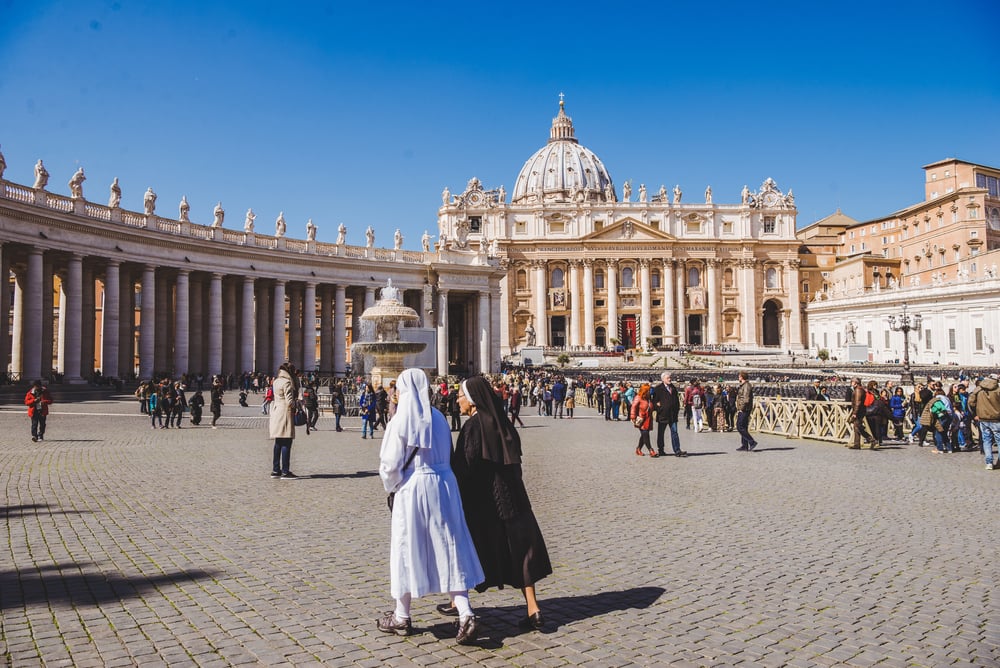
Deep under the Vatican, temperature-controlled vaults hold 53 miles of shelving packed with historical documents. Letters about Henry VIII’s divorce, notes from Galileo’s trial, and correspondence from every pope for centuries fill the cramped space.
The Vatican restricts access because many documents involve confessions, private matters, and political dealings that could embarrass living people or their descendants. Scholars can request specific documents, but they can’t browse freely, and some sections stay locked no matter what.
Mezgorye is a closed Russian town that officially doesn’t exist
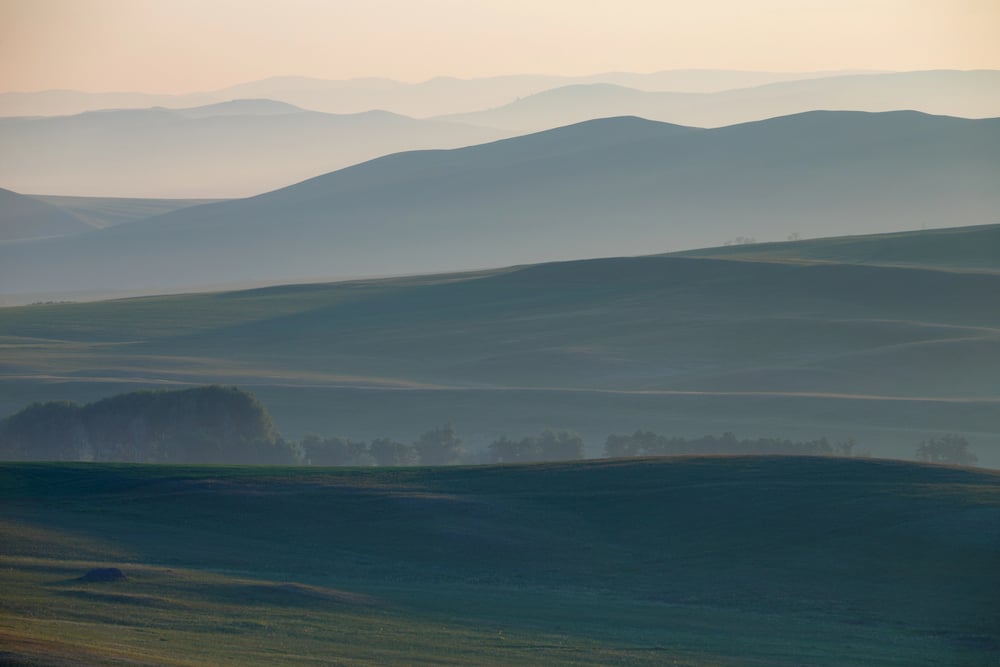
This settlement in the Ural Mountains appears on no public maps and tourists who wander too close get arrested. The Russian government built it to house workers at a massive underground facility.
Some experts think the bunkers contain nuclear weapons or emergency command centers for wartime. Signs around the area warn of radiation and military zones.
Russia won’t explain what happens there, which makes the restriction even more suspicious and effective at keeping people away.
Tomb of Qin Shi Huang could poison anyone who enters

China’s first emperor lies buried under a massive mound surrounded by the famous terracotta warriors. Ancient texts claim workers installed crossbows to shoot intruders and filled the chamber with flowing rivers of mercury.
Modern tests show mercury levels in the soil are dangerously high, suggesting the legends might be true. Chinese authorities won’t open the tomb because they lack technology to preserve what’s inside, and they don’t want to risk workers’ lives.
The restriction protects both history and health.
Morgan Island belongs entirely to wild monkeys

South Carolina gave this entire island to a colony of rhesus monkeys for disease research. About 3,500 monkeys roam free and carry herpes B virus, which rarely bothers them but kills humans.
The monkeys came from India originally and adapted so well that they’ve lived there since the 1970s. Researchers visit by boat to observe and occasionally capture monkeys for medical studies.
Regular people can’t land because the monkeys bite, and one scratch could mean a trip to the hospital or worse.
Pine Gap is Australia’s Area 51 with tighter security
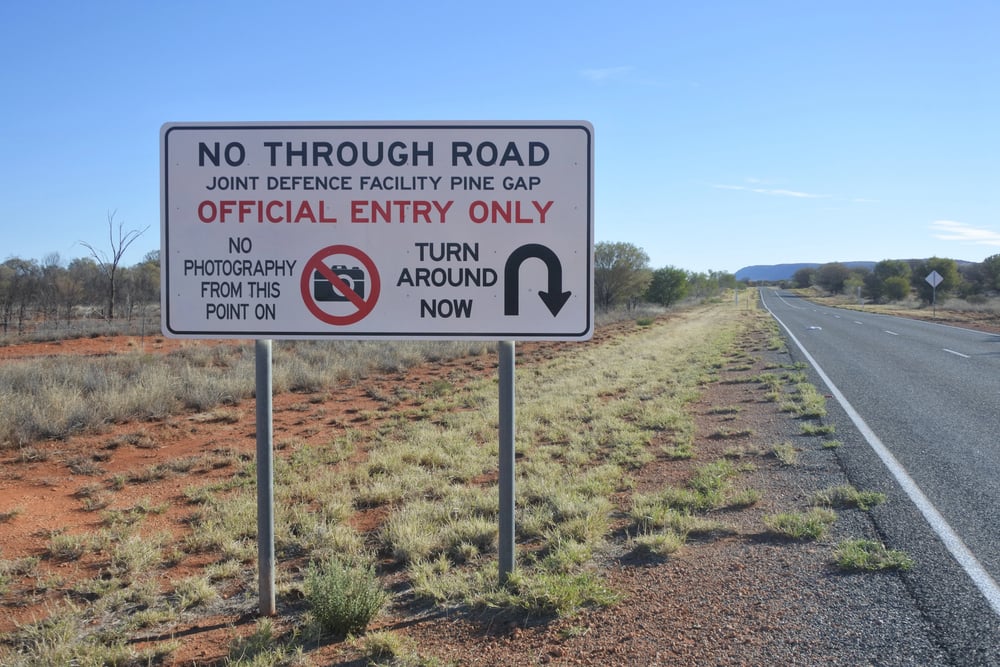
This joint Australian-American facility in the outback monitors satellites and communications across the region. Armed guards patrol the perimeter and signs threaten arrest for anyone who gets too close.
Even Australian politicians need special clearance to learn what happens inside. The restriction exists because the base handles intelligence so sensitive that leaks could endanger military operations worldwide.
Nearby Alice Springs residents see the strange buildings but know better than to ask questions.
Room 39 in North Korea generates money through illegal means
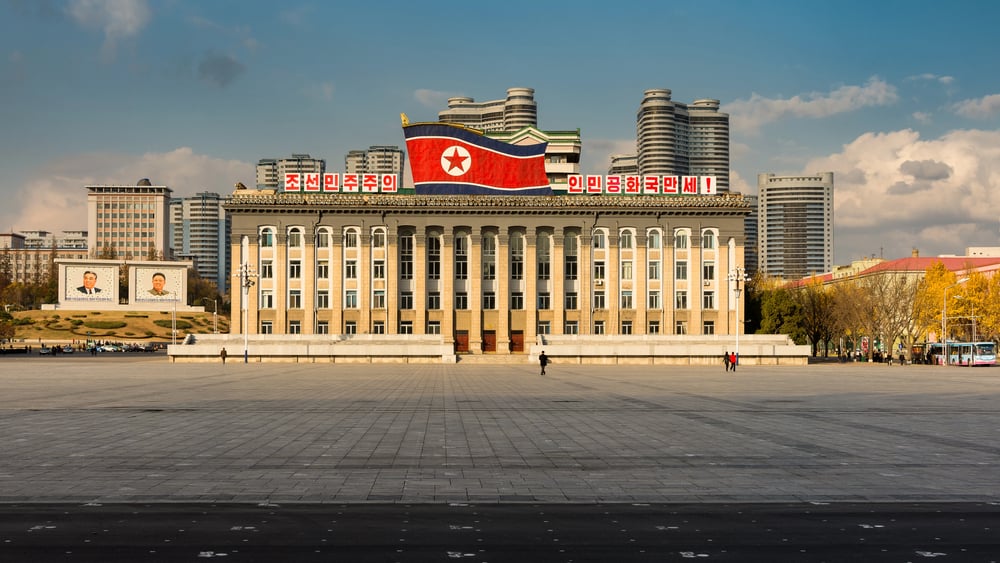
This mysterious organization operates from a building in Pyongyang that nobody can enter without top-level approval. Room 39 supposedly makes billions of dollars through counterfeit money, weapons sales, and other shady businesses to fund the Kim family.
The building has no official name or address that appears in any directory. North Korean citizens who get too curious about its activities tend to disappear.
The restriction keeps the regime’s money-making secrets hidden from both North Koreans and foreign investigators.
Dulce Base might not exist but you still can’t go there
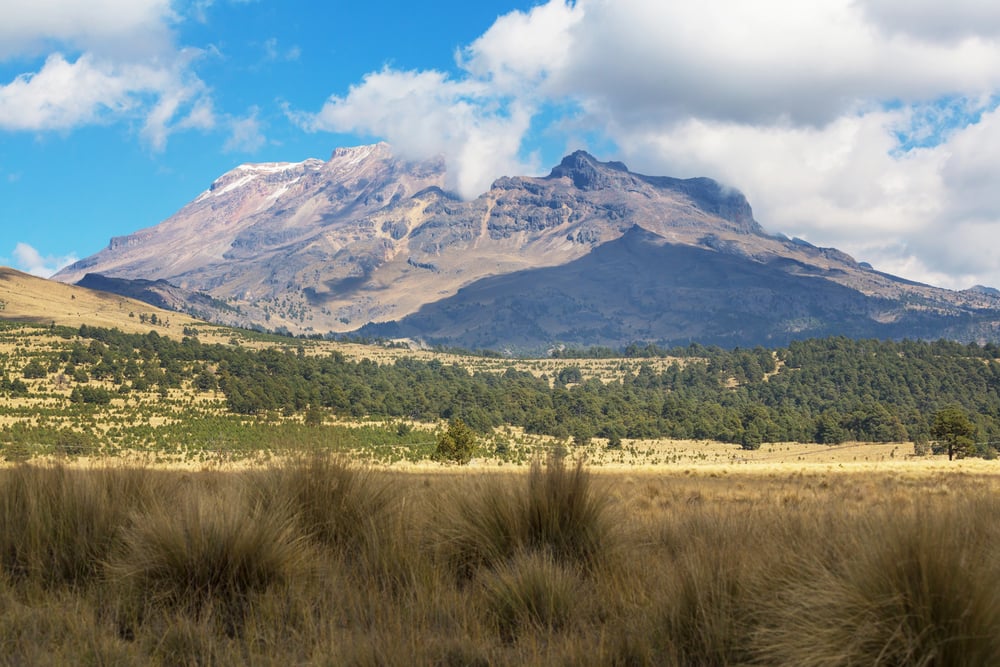
This supposed underground facility near Dulce, New Mexico has inspired decades of conspiracy theories. People claim it houses captured aliens and genetic experiments that combine humans with other species.
The land belongs partly to the Jicarilla Apache Nation, which restricts access for cultural and privacy reasons. Whether the base is real or not, the area is definitely off-limits.
Believers say the restriction proves something’s being hidden, while skeptics point out that private land is just private land.
Chernobyl Exclusion Zone is getting safer but still dangerous

The 1986 nuclear disaster left a massive area around the Ukrainian power plant soaked in radiation. Animals have returned and nature is slowly reclaiming abandoned towns, but hot spots of radioactivity remain deadly.
Tour companies offer short visits to the edge of the zone with Geiger counters and strict rules. The reactor core itself sits under a massive steel cover that will contain the radiation for decades to come.
Restrictions exist because spending too much time near certain buildings still guarantees sickness.
Ise Grand Shrine gets torn down every twenty years

This sacred Shinto shrine in Japan allows only priests and the imperial family inside its innermost buildings. Every two decades, workers completely rebuild the shrine on a nearby plot using ancient techniques and tools.
The restriction preserves religious purity and maintains craft traditions that would otherwise disappear. Even the emperor must perform specific rituals before entering certain areas.
Japanese people consider it one of their holiest sites, and keeping it closed maintains its spiritual power and mystery.
Metro-2 supposedly runs beneath Moscow’s regular subway

This rumored network of secret tunnels would connect government buildings and provide escape routes for Russian leaders. Stalin allegedly ordered construction of the hidden metro system during the Cold War.
The Russian government neither confirms nor denies that Metro-2 exists, but workers sometimes mention sealed doors and mysterious passages. Urban explorers who try to find entrance points get arrested quickly.
The restriction works perfectly because nobody knows for certain what they’re being kept away from.
Where mystery meets modern security

These restricted places show how history, danger, and secrecy create boundaries that last for generations. Some protect ancient treasures from the damage that curious visitors would cause, while others hide government secrets or defend isolated communities.
What they all share is a good reason for keeping people out, even when those reasons sound almost too strange to believe. The world still has corners where “keep out” means exactly that, and the stories behind those signs often prove more fascinating than what most tourists would find on the other side.
More from Go2Tutors!

- The Romanov Crown Jewels and Their Tragic Fate
- 17 Halloween Costumes Once Considered Taboo
- Famous Hoaxes That Fooled the World for Years
- 15 Child Stars with Tragic Adult Lives
- 16 Famous Jewelry Pieces in History
Like Go2Tutors’s content? Follow us on MSN.



